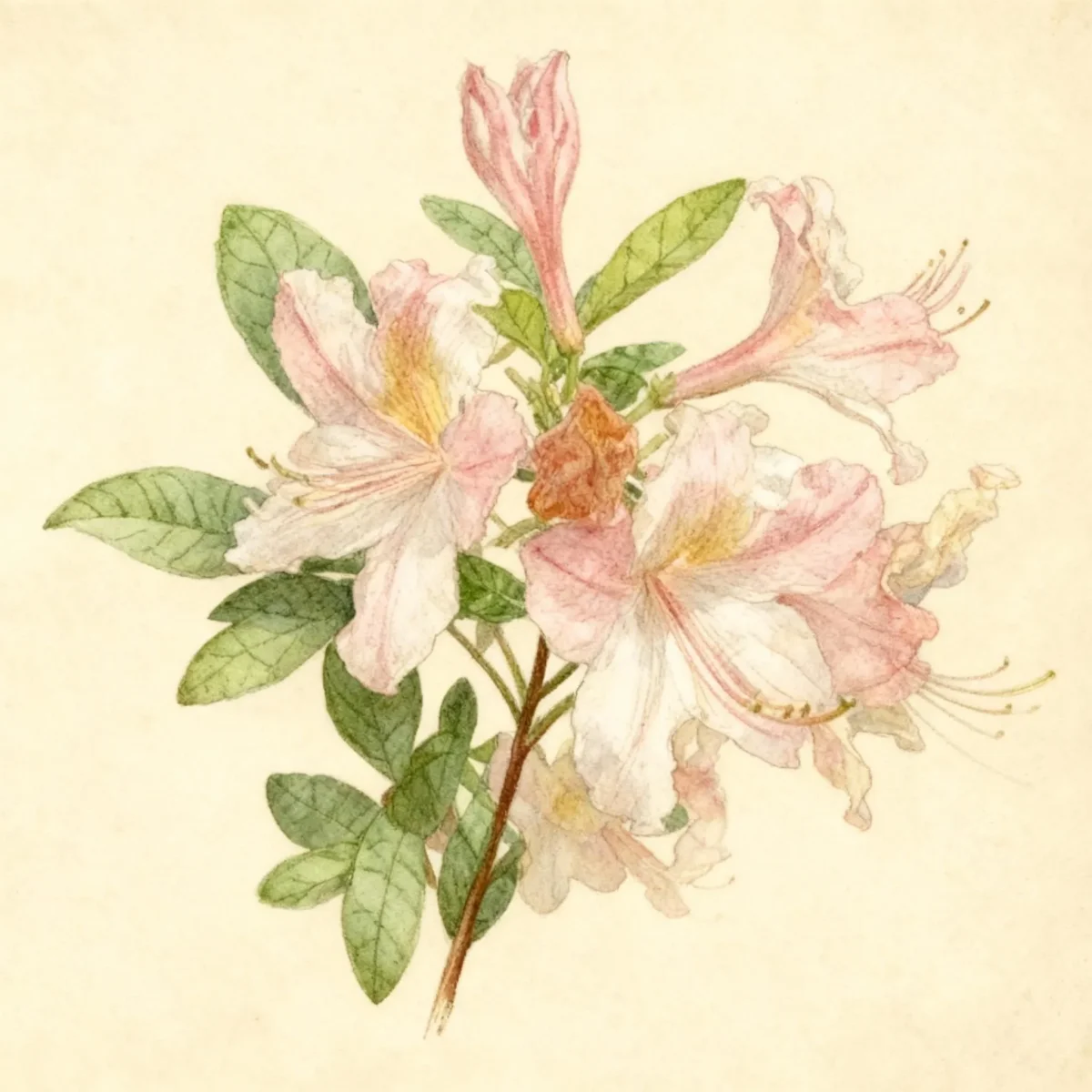
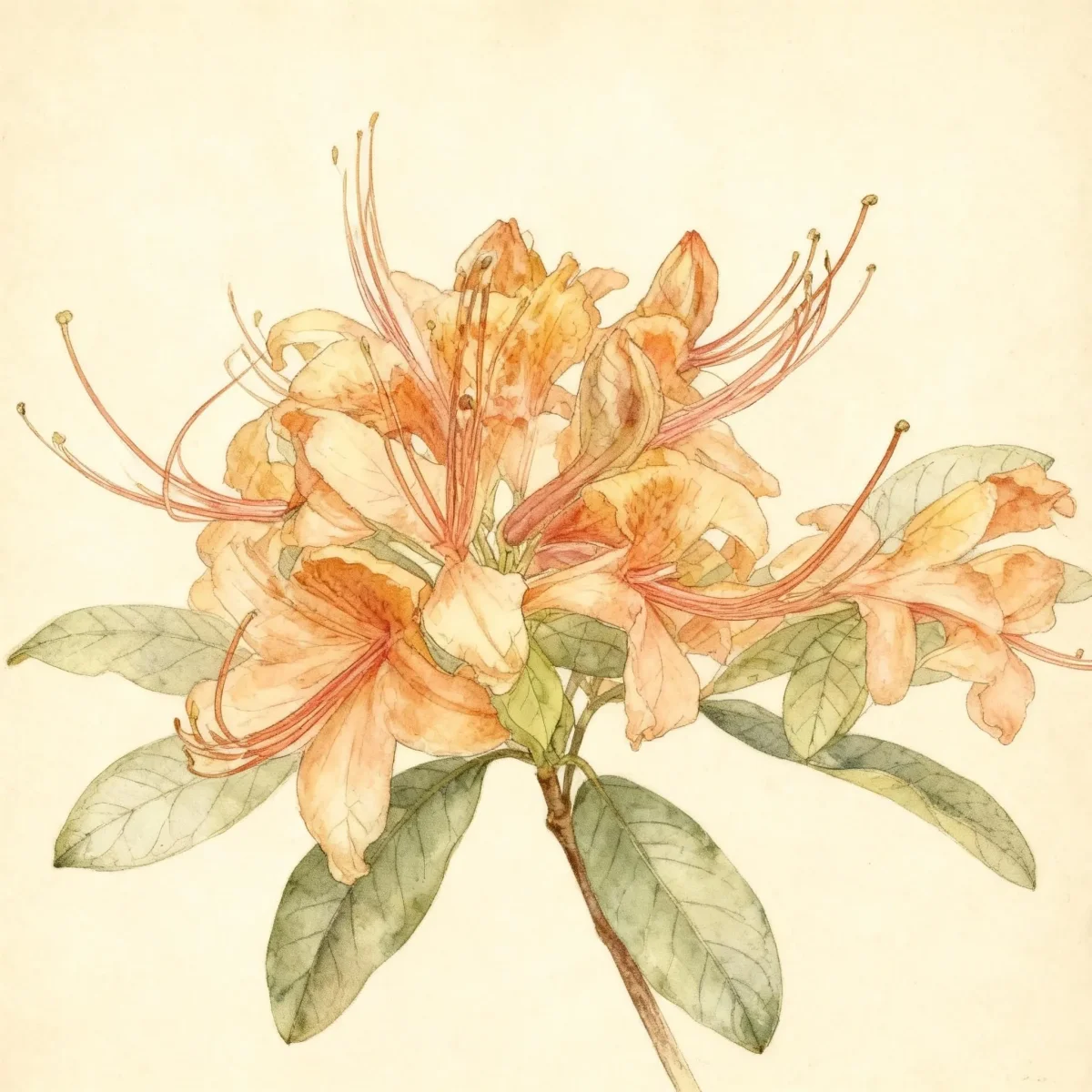
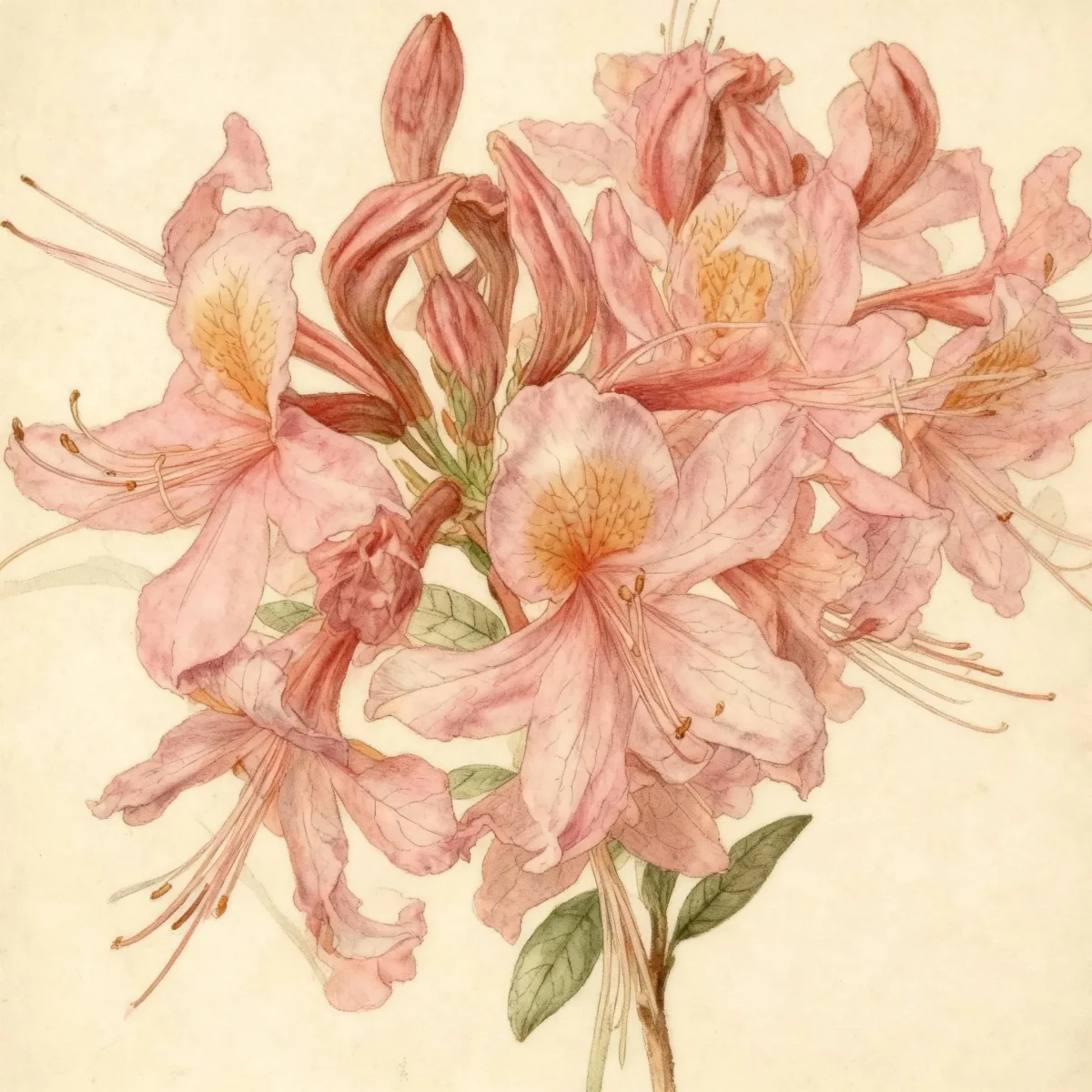
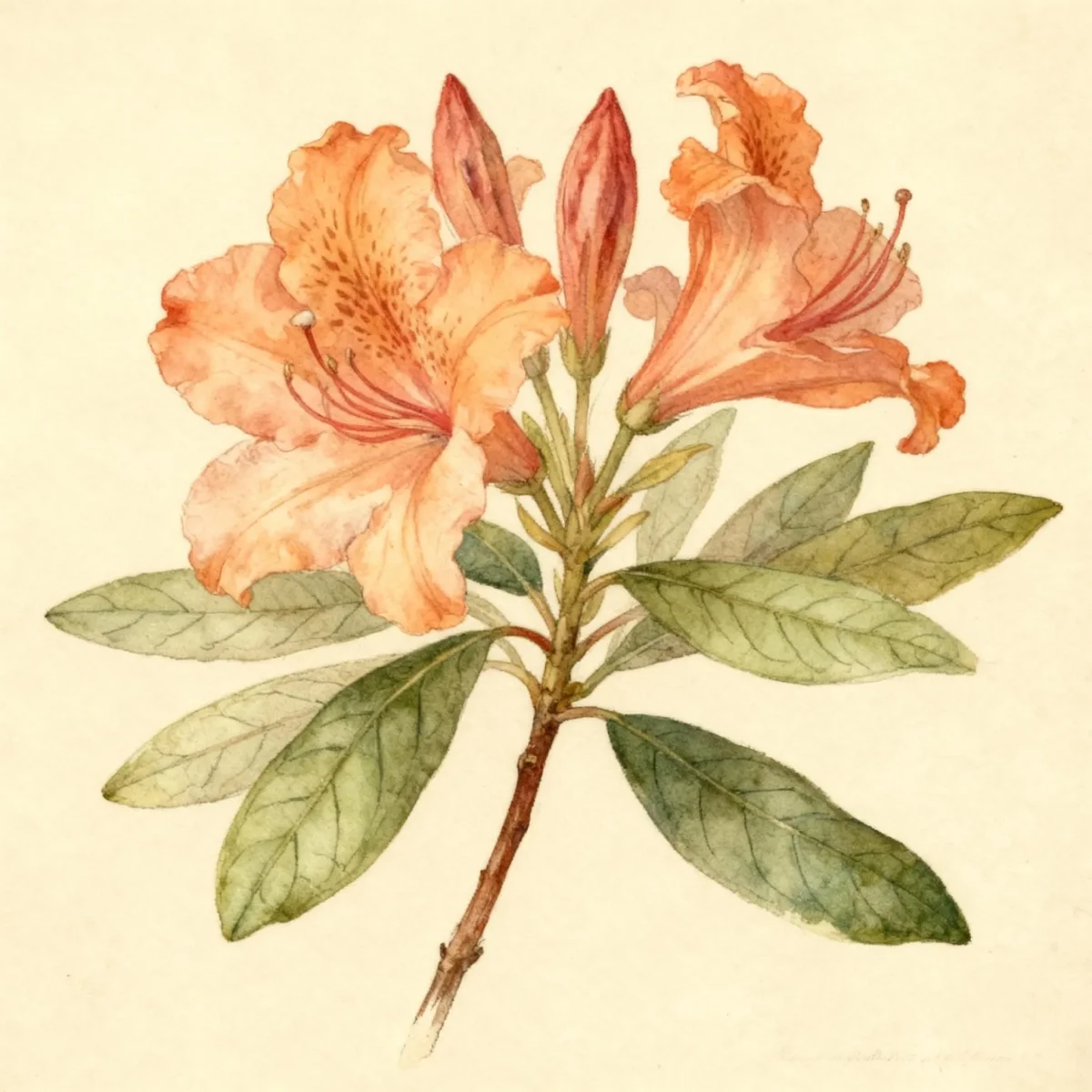
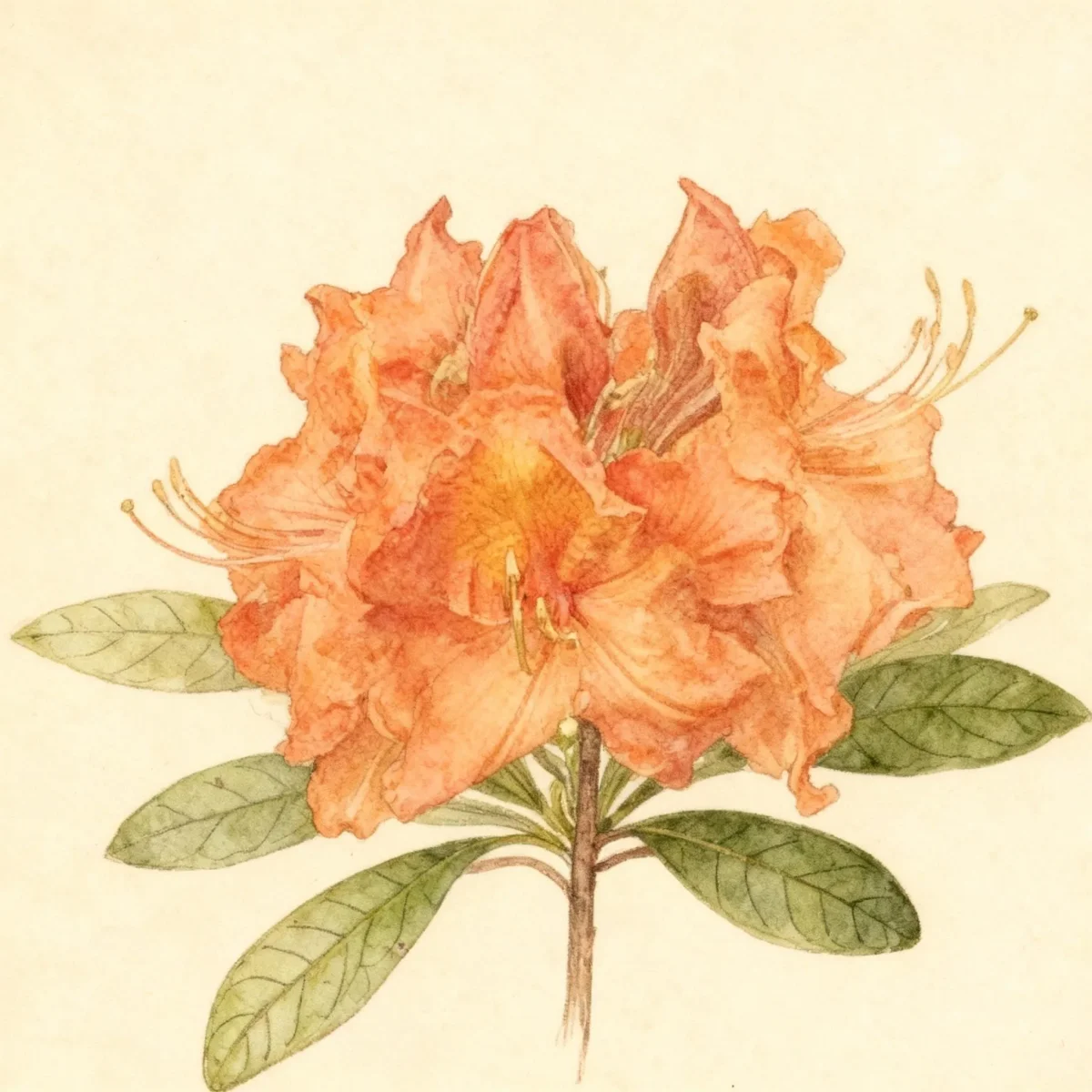
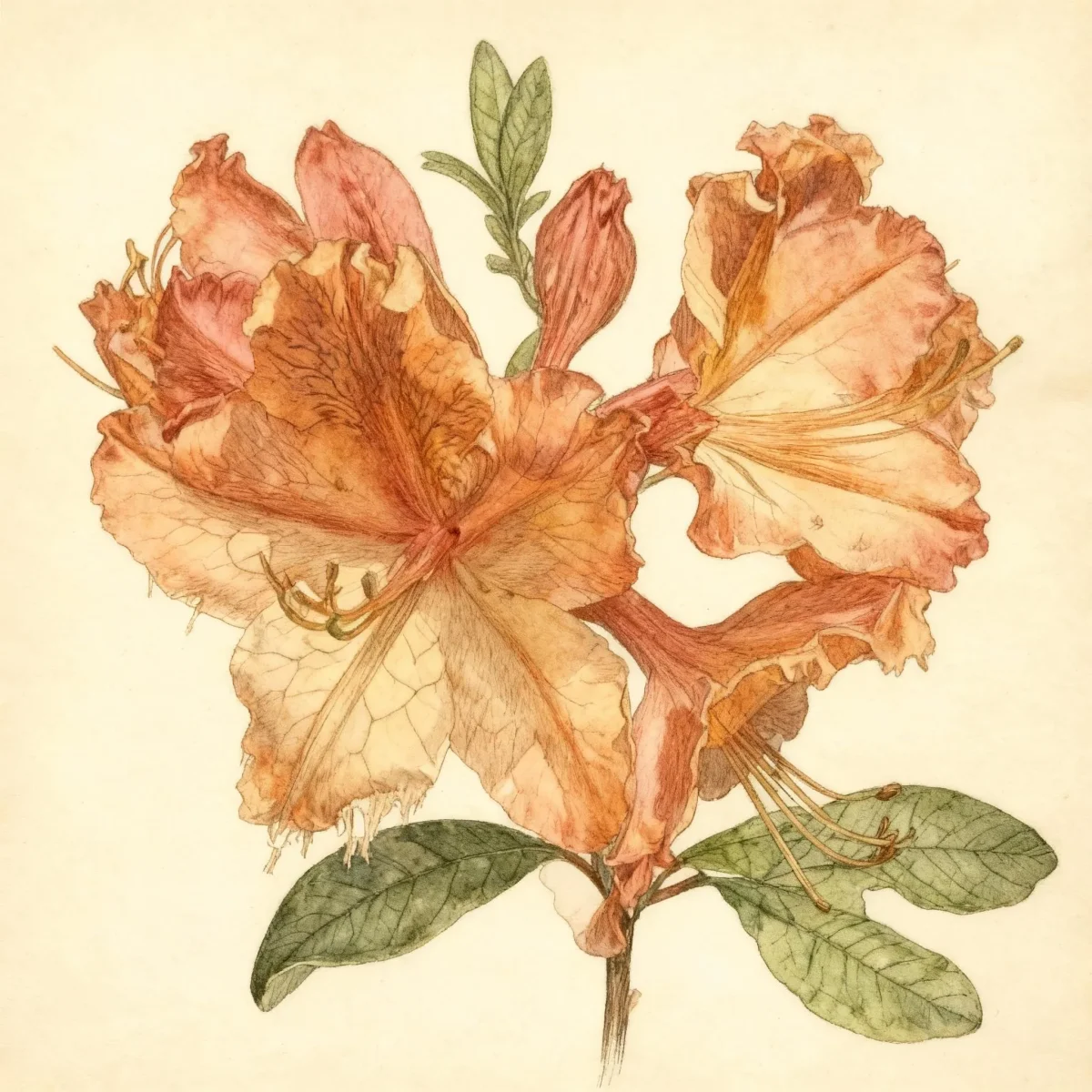
Azalea (Rhododendron 'High Fashion')
Rhododendron 'High Fashion' Azalea offers showy, fragrant pink blooms with orange blotches in spring. A deciduous shrub ideal for zones 5-8.
Scroll down to discover growing tips, care requirements, companion plants, and more
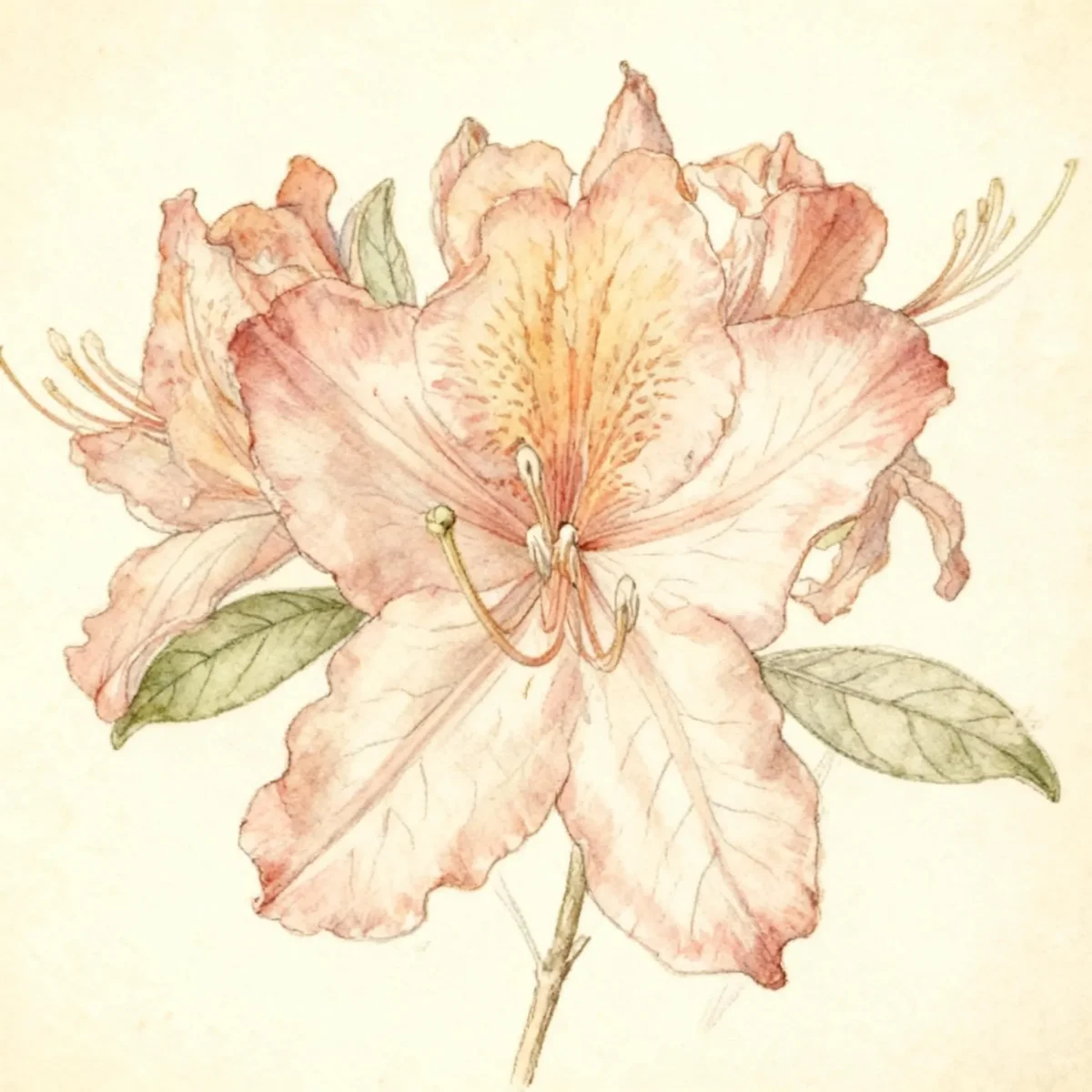
Complete Plant Information
Overview
Rhododendron ‘High Fashion’ is a beautiful deciduous shrub known throughout the gardening world as an Azalea, bringing a magnificent splash of color to the mid-spring landscape. This specific cultivar, a Knap Hill hybrid, is prized for its distinctive blooms: deep pink petals accented by a striking orange blotch. Growing to heights between 4 and 10 feet, Rhododendron ‘High Fashion’ serves excellently as a specimen plant or integrated into mixed borders, providing seasonal interest when many other shrubs are just beginning to leaf out.
This Azalea variety thrives best when its specific acidic soil needs are met, demanding humus-rich, well-drained conditions. Proper siting is crucial to protect its shallow, fibrous roots from drying out or suffering from poor drainage, which can quickly lead to root rot in heavier soils. Gardeners who appreciate showy spring displays and fragrant blossoms will find Rhododendron ‘High Fashion’ a rewarding addition to shaded or partly shaded woodland garden settings.
As a deciduous Azalea, it reliably drops its foliage in autumn, offering a different textural element compared to its evergreen cousins. Its reliable performance in USDA Zones 5 through 8 makes this a versatile shrub across temperate regions, provided strong winds are avoided and walnut root contamination is mitigated.
Fast Facts
- Plant Family: Ericaceae
- Plant Type: Deciduous shrub
- Hardiness Zones: USDA Zones 5-8
- Size at Maturity:
- Height: 4-10 ft
- Spread: 4-6 ft
- Bloom Time: April to May
- Bloom Description: Pink with an orange blotch
- Sun Exposure: Part shade
- Water Needs: Medium
- Maintenance Level: Medium
How to Grow
The successful cultivation of Rhododendron ‘High Fashion’ hinges on amending the native soil to meet its exacting pH and drainage requirements. Plant this Azalea in a location offering protection from harsh afternoon sun and strong winds anytime you can, often favoring north or east-facing slopes. The soil must be acidic, ideally between pH 5.0 and 5.5, and rich in organic matter, ensuring it retains moisture without becoming waterlogged. If your native soil is heavy clay, consider planting in raised beds to guarantee superior drainage, as wet feet are fatal to these shallow-rooted shrubs.
Watering requirements are medium, though the key is consistency; the fibrous roots of this Azalea must never be allowed to dry out completely, especially during hot periods. To conserve vital moisture, stabilize soil temperatures, and suppress weeds, apply a thick layer of mulch, using materials like pine needles or wood chips, applied around the drip line but kept away from the immediate crown. Fertilization should focus on maintaining soil acidity if needed, using sulfur or iron sulfate to lower alkalinity if the pH rises too high.
Pruning for this deciduous shrub is predominantly limited to maintenance. Immediately after the blooms fade in late spring, it is highly recommended to carefully clip off the spent flower clusters if feasible. Avoid deep cultivation near the plant to protect the surface roots. Critically, ensure you do not plant Rhododendron ‘High Fashion’ near any member of the walnut family, as the juglone toxins produced by their roots are highly detrimental to this Azalea.
Landscape Uses
Rhododendron ‘High Fashion’ lends itself beautifully to several standard landscape applications, transitioning seamlessly from mass plantings to providing striking individual specimens. Its vibrant spring bloom makes it an excellent choice for mixed borders, where it can be tempered by later-blooming perennials or complemented by evergreen shrubs that provide winter structure. When used as a hedge, this Azalea provides a dynamic, colorful screen through April and May, though it requires consistent pruning if perfectly formal lines are desired.
Many gardeners integrate this Knap Hill hybrid into woodland gardens or shaded borders, mimicking its preferred native environment. Planting Rhododendron ‘High Fashion’ beneath the high canopy of mature trees—as long as they are not walnuts—allows it to receive the dappled sunlight it enjoys. For foundation plantings, ensure adequate spacing, allowing the shrub to reach its mature width of up to 6 feet without crowding walls or walkways.
For effective color design, pair the emerging pink and orange hues of the Azalea with strong textural plants in deep green or blue-green foliage that will carry the eye through the rest of the season. This plant serves as a wonderful transition piece between formal garden areas and more naturalized settings near woodland margins.
Standout Features
Flower Qualities
- Showy
- Fragrant
Noteworthy Characteristics
Rhododendron is a genus of 500 to 900 species and includes both of what we commonly call rhododendrons and azaleas. This specific hybrid, ‘High Fashion’, showcases deep pink flowers accented by an orange blotch and grows to an impressive height of up to 10 feet. Deciduous azaleas like this one flower early in the spring, often just as new foliage begins to emerge, creating an exceptionally lavish display of color.
Tolerances
- Rabbit
Potential Problems
Rhododendrons and azaleas are susceptible to an array of insect and disease pressures that require proactive management. Common insect pests include aphids, scale, lacebugs, and caterpillars, while diseases range from various blights and cankers to potentially fatal root and crown rots if drainage is inadequate. A common nutritional issue seen in Azalea plantings is chlorosis—yellowing leaves—which almost always signals an iron deficiency caused by soil pH being too high, preventing iron uptake.
Prevention is the best treatment when growing Rhododendron ‘High Fashion’. Ensuring the plant is sited in its preferred acidic, well-drained soil reduces stress, which naturally limits susceptibility to problems. Implement regular inspections, especially in early spring, to spot early infestations of pests like lacebugs on the undersides of leaves.
If root rot is suspected due to poor drainage, immediately cease overhead watering and consider amending soil conditions or transplanting if possible. Maintaining proper soil acidity (pH 5.0-5.5) is key to nutrient absorption, guaranteeing a healthy plant capable of fending off most common environmental and pest challenges.
Frequently Asked Questions
What hardiness zones is Azalea suitable for?
Rhododendron ‘High Fashion’ is reliably hardy in USDA Zones 5 through 8.
How large does Azalea grow?
This deciduous shrub typically reaches a mature height between 4 and 10 feet tall, with a spread of 4 to 6 feet wide.
When does Azalea bloom?
This Azalea variety blooms during the transition season, typically from April to May, featuring striking pink flowers with an orange blotch.
What sun exposure does Azalea need?
Rhododendron ‘High Fashion’ requires part shade; it performs best with dappled light or morning sun followed by afternoon shade to prevent leaf scorch.
Conclusion
The Rhododendron ‘High Fashion’ Azalea delivers high ornamental value through its profusely beautiful, fragrant spring display of pink and orange-blotched flowers. As a robust deciduous shrub, it offers architectural interest through the summer and falls into the easy-to-manage category for gardeners meeting its specific soil needs. Before planting this magnificent Azalea, confirm that your site provides the acidic, well-drained soil and part-shade conditions essential for Rhododendron ‘High Fashion’ to flourish for years to come.
Companion Planting
Selecting appropriate companions is crucial for maintaining the microclimate required by Rhododendron ‘High Fashion’. Because Azaleas demand consistently moist, acidic soil, pair them with woodland garden counterparts that share these preferences. Consider integrating ferns, such as Japanese Painted or Ostrich Ferns, which thrive in similar part-shade conditions and offer excellent contrasting texture beneath the shrub’s flowering canopy.
Plants like Oakleaf Hydrangeas or native Hostas are excellent neighbors, as their cultural needs align closely with this Azalea. Avoid planting moisture-loving companions that demand alkaline soils, as this will disrupt the necessary low pH environment required by Rhododendron ‘High Fashion’ for optimal iron uptake.
For year-round structure around this deciduous shrub, evergreen companion plants like dwarf conifers or certain varieties of Helleborus (Lenten Rose) provide necessary visual weight during the winter months after the Azalea has dropped its leaves.
Seasonal Care Calendar
Spring care for Rhododendron ‘High Fashion’ centers on its bloom period and subsequent cleanup. As flowers begin to fade in late May, promptly deadhead the spent trusses to encourage energy redirecting toward root development rather than seed production, a practice critical for high-performing Azaleas. Use this time to top-dress the soil with a fresh layer of organic mulch.
Summer maintenance focuses strongly on consistent moisture management; never let the shallow roots dry out, especially during heat waves. Deep, infrequent watering is preferable to shallow daily sprinkling, promoting deeper root growth even though the overall root system is fibrous. Monitor regularly for signs of leaf scorch if the plant receives unexpected intense afternoon sun.
In autumn and winter, the deciduous nature of this Azalea simplifies care, as there is no need to protect evergreen foliage. Focus should remain on ensuring mulch layers are adequate to buffer the roots from hard freezes in colder zones (5 and 6). Avoid fall pruning, as this can stimulate tender new growth vulnerable to winter damage.