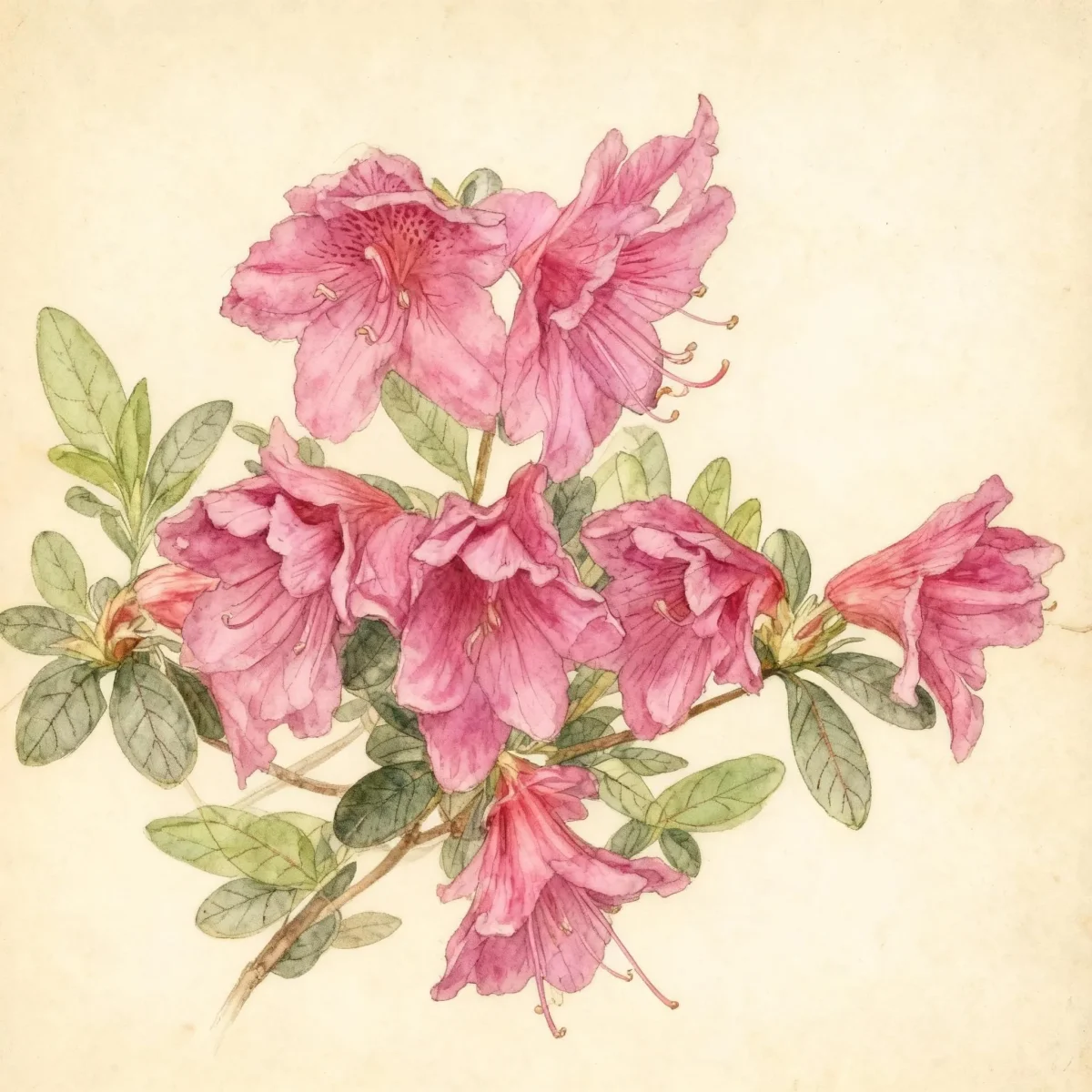
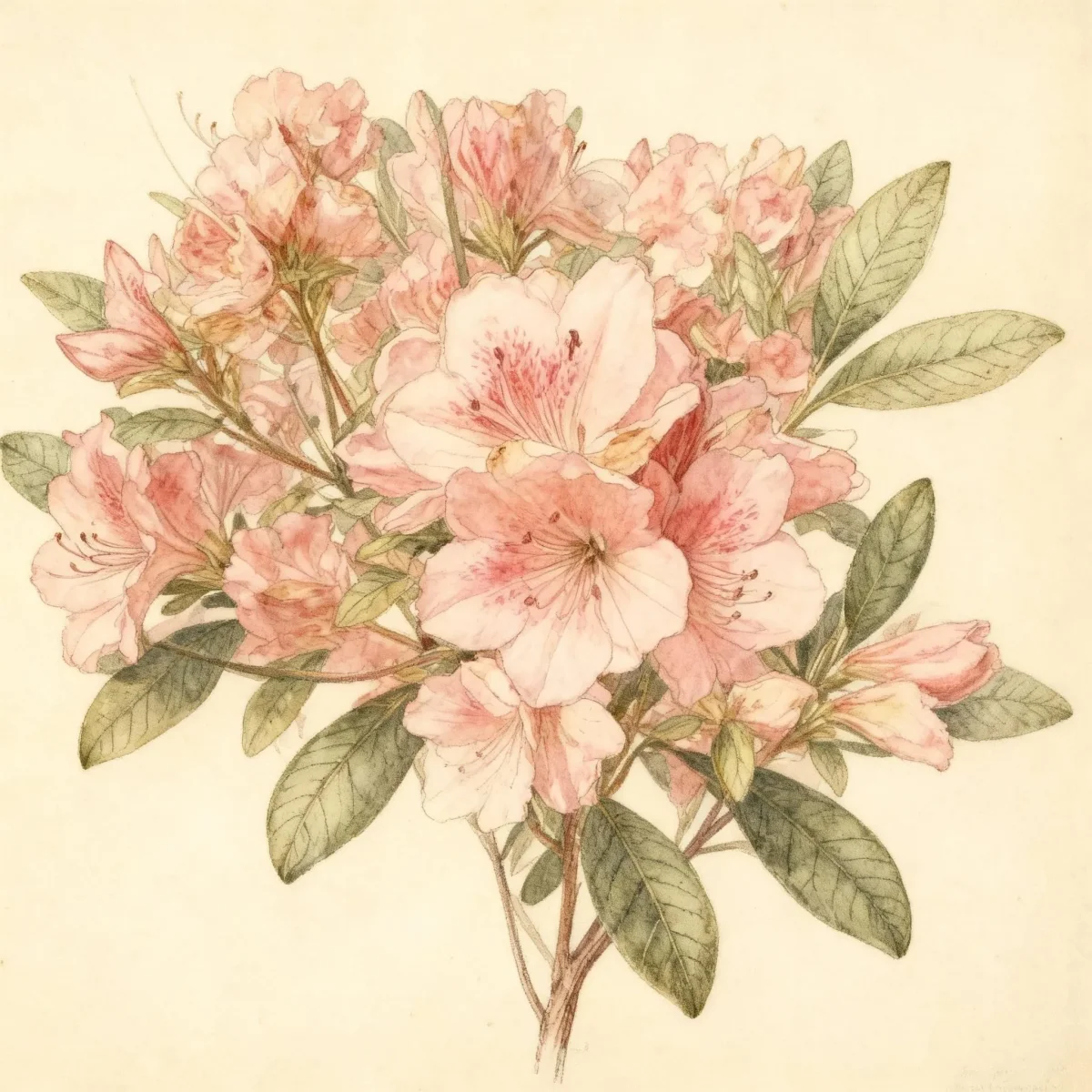
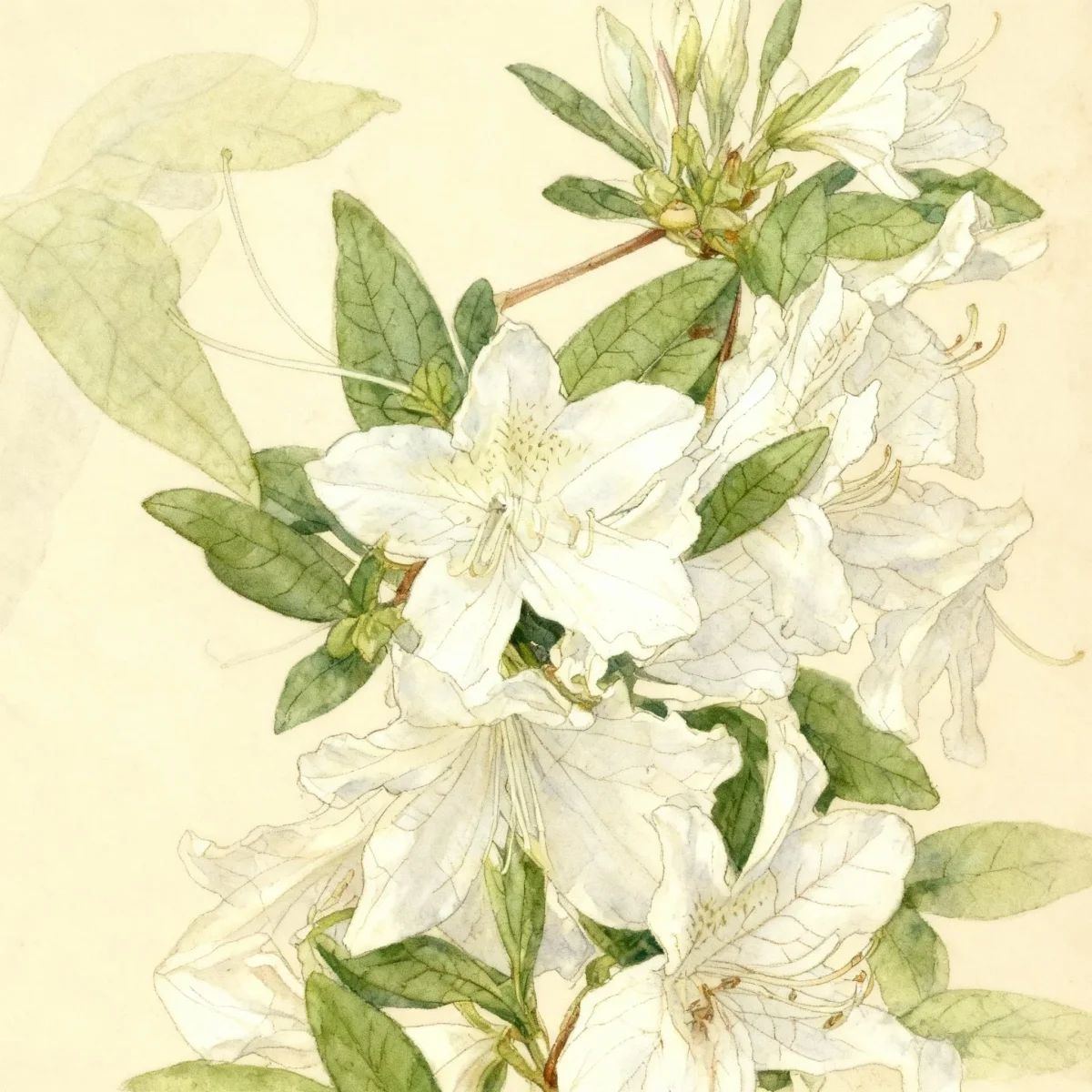
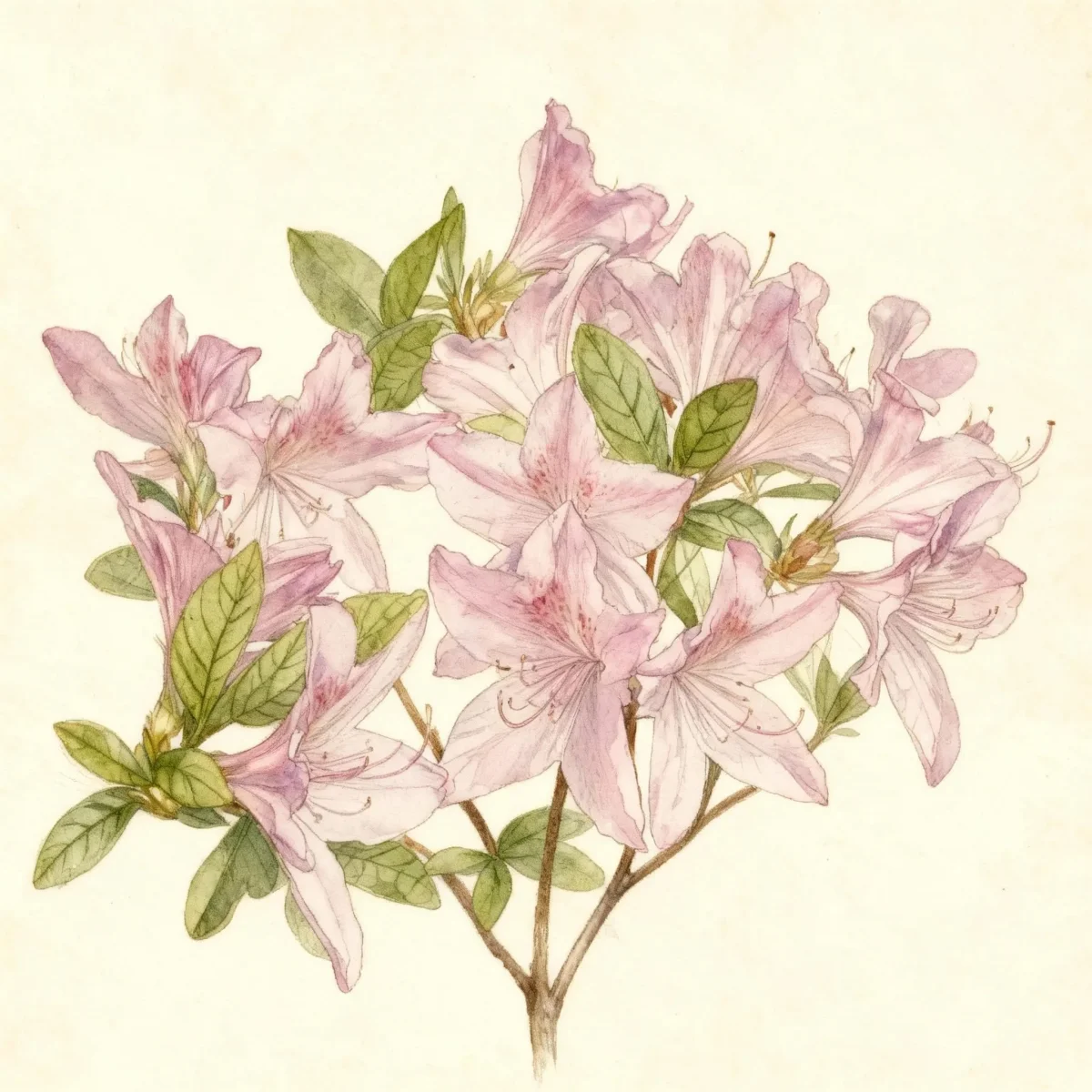
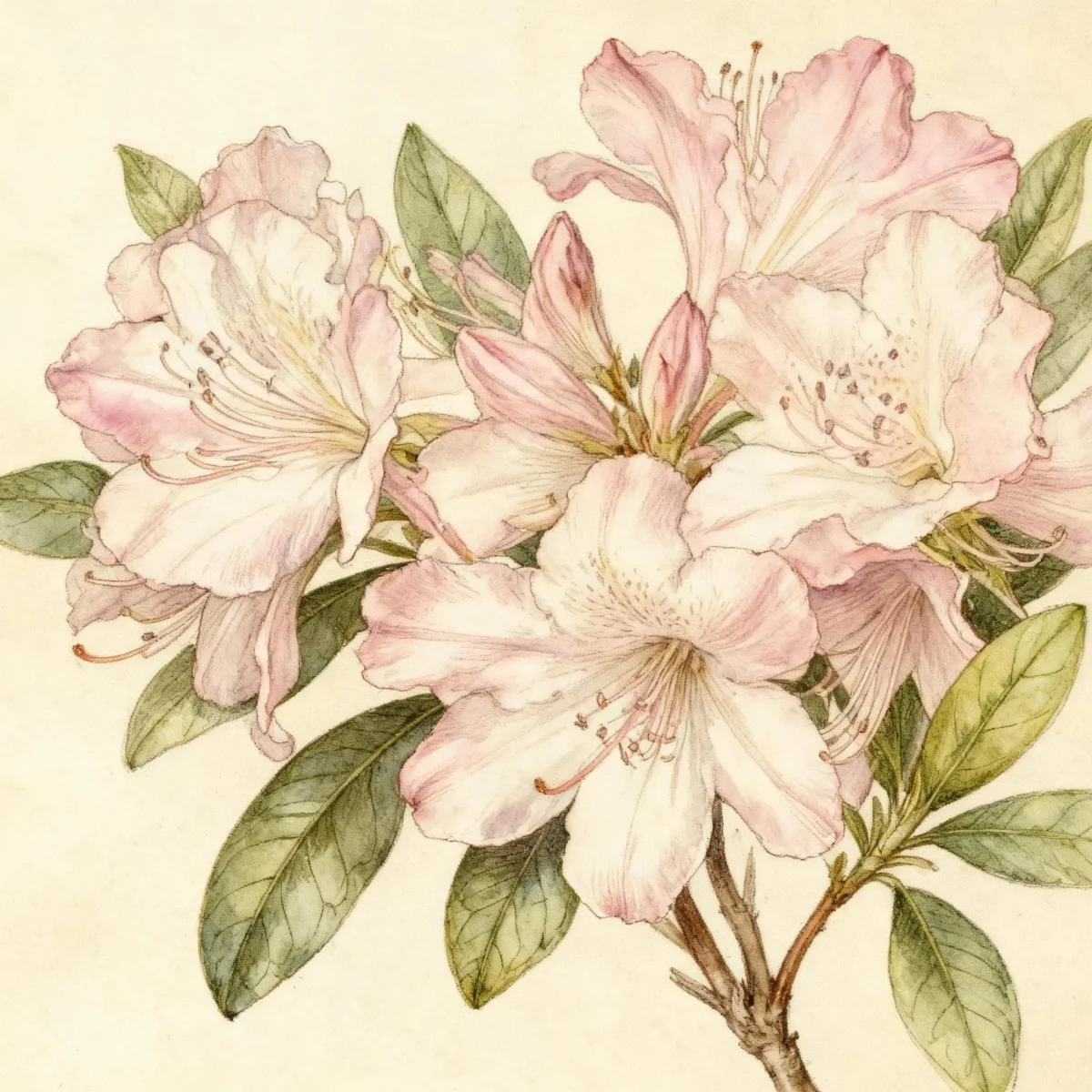
Evergreen azalea (Rhododendron 'Hoosier Hysteria')
Rhododendron 'Hoosier Hysteria' is a hardy Evergreen azalea offering showy red spring blooms, perfect for acidic partial shade gardens.
Scroll down to discover growing tips, care requirements, companion plants, and more
Complete Plant Information
Overview
Rhododendron ‘Hoosier Hysteria’ is a highly valued broadleaf evergreen azalea, celebrated for its vivid red spring displays and reliable structure in the landscape. Developed specifically for cold hardiness in Midwestern climates, this cultivar retains its glossy foliage throughout the year, providing essential winter interest. As an Evergreen azalea, it offers dense coverage, making it an excellent choice for defining borders or as a mass planting accent.
This cultivar matures into an upright spreading shrub, typically reaching 4 to 6 feet in height and spread. Its adaptation to specific soil needs—acidic and well-drained—is the key to long-term success for growing Rhododendron ‘Hoosier Hysteria’. Gardeners appreciate the dependable seasonal color this plant provides while enjoying its functionality as a low screening element.
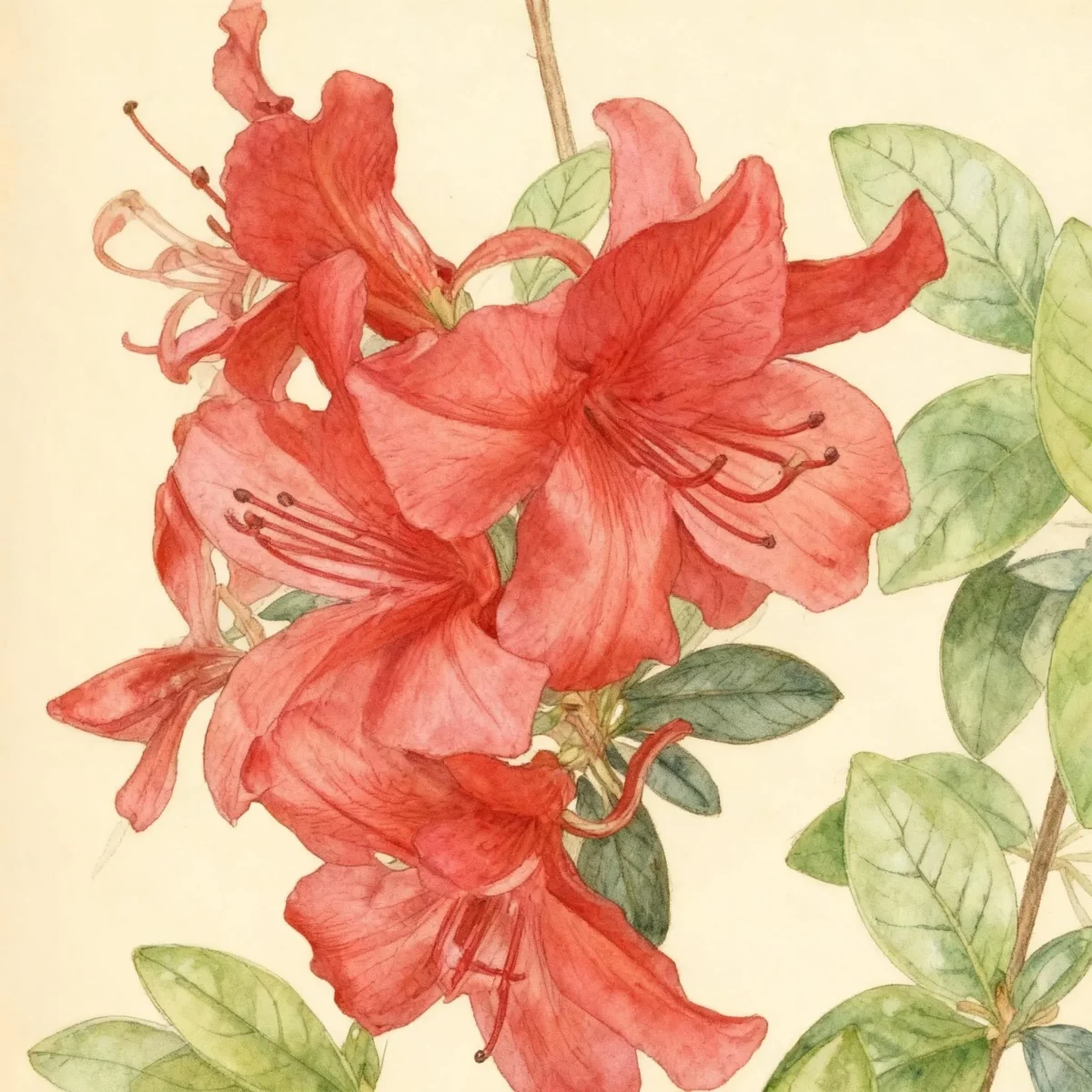
Rhododendron ‘Hoosier Hysteria’ showcases 1 1/2-inch trumpet-shaped flowers with eight frilled petals during the peak of spring, usually from April through May. While moderately maintained, the payoff is significant in shaded garden areas where structural evergreens are essential. Ensure consistent moisture and protection from drying winds to keep this beautiful Evergreen azalea thriving year after year.
Fast Facts
- Plant Family: Ericaceae
- Plant Type: Broadleaf evergreen
- Hardiness Zones: USDA Zones 5-8
- Size at Maturity:
- Height: 4-6 ft
- Spread: 4-6 ft
- Bloom Time: April to May
- Bloom Description: Red
- Sun Exposure: Part shade
- Water Needs: Medium
- Maintenance Level: Medium
How to Grow
Planting Rhododendron ‘Hoosier Hysteria’ is best accomplished in spring or early fall, ensuring the plant has time to establish before temperature extremes. These azaleas demand acidic soil, ideally pH 5.0 to 5.5, which is rich in organic matter, humusy, and crucially, moisture-retentive yet well-drained. Avoid planting near walnut family trees due to juglone sensitivity. Locate them in part shade, favoring morning sun and afternoon shade, or dappled woodland light; intense, hot afternoon sun can scorch the leaves of this Evergreen azalea.
Watering is critical as the shallow, fibrous root systems must never dry out. Maintain a medium, consistent moisture level; raised beds are highly recommended in heavy clay soils to prevent root rot, which is fatal to azaleas. Cultivation around the plant should be avoided entirely. Apply a protective layer of mulch, such as pine needles or wood chips, to stabilize soil temperatures and conserve moisture.
Routine maintenance involves acidification if soil pH tests reveal alkaline conditions, using sulfur or iron sulfate to lower it. After blooming concludes between April and May, promptly deadhead spent flowers—clip off the spent clusters as soon as practicable. This encourages better appearance and redirects energy toward vegetative growth rather than seed production, supporting the overall health of your Rhododendron ‘Hoosier Hysteria’.
Landscape Uses
Rhododendron ‘Hoosier Hysteria’ excels across various landscape applications due to its evergreen nature and dependable structure. Its 4 to 6-foot mature size makes it an indispensable component for developing a dense, year-round shrub border, providing a rich backdrop for lower-growing perennials. It functions exceptionally well as an informal hedge, offering seasonal red color followed by dense green texture during the winter months.
These azaleas integrate beautifully into woodland gardens or shaded borders where they naturally thrive under high open shade conditions. Consider mass planting Rhododendron ‘Hoosier Hysteria’ beneath taller, light-filtering canopy trees to mimic their natural habitat. When used in foundation plantings, ensure they are not crowded, allowing air circulation to mitigate potential fungal issues.
For mixed borders, pair this bold red bloomer with plants that offer contrasting foliage texture or color, such as ferns or hostas that prefer similar acidic, partial shade environments. Because the root systems are shallow, ensure nearby companion plants do not aggressively compete for surface moisture by utilizing a thick layer of protective mulch.
Standout Features
Flower Qualities
- Showy
Noteworthy Characteristics
Rhododendron is a genus of 500 to 900 species and includes both what we commonly call rhododendrons and azaleas; they are grown for their showy spring flowers and attractive winter foliage in evergreen types. ‘Hoosier Hysteria’ is specifically a Rhododendron kaempferi selection, bred to be cold hardy for the Midwest, presenting vivid red, trumpet-shaped flowers with eight frilled petals. This upright spreading shrub typically reaches 4 to 6 feet tall and wide, maintaining its usefulness across multiple seasons.
Tolerances
- Rabbit
Potential Problems
Rhododendrons and azaleas, including this Evergreen azalea, face susceptibility to various pests and diseases if environmental conditions are not ideal. Common insect threats include lacebugs, aphids, and scale, while fungal issues like blight, leaf spot, and root rot are signs of inadequate drainage or air movement. A crucial concern is chlorosis (yellowing leaves), which almost always points to high soil pH causing iron deficiency, demanding acidification. A healthy plant sited correctly in proper acidic soil with balanced moisture should naturally resist major outbreaks, making prevention through proper culture the best defense.
Frequently Asked Questions
What hardiness zones is Evergreen azalea suitable for?
Rhododendron ‘Hoosier Hysteria’ is suitable for USDA Hardiness Zones 5 through 8.
How large does Evergreen azalea grow?
This shrub typically reaches a mature height between 4 and 6 feet, with a similar spread range of 4 to 6 feet.
What sun exposure does Evergreen azalea need?
Rhododendron ‘Hoosier Hysteria’ requires part shade; morning sun with afternoon shade is often ideal for best leaf health in warmer areas.
When does Evergreen azalea bloom?
This Evergreen azalea bursts into bloom from April to May, displaying striking red flowers.
Conclusion
Rhododendron ‘Hoosier Hysteria’ is a dependable, medium-maintenance Evergreen azalea that rewards careful cultural attention with stunning red spring flowers and consistent green structure. Understanding its need for acidic, well-drained soil is paramount to successful cultivation of this West German hybrid. Check your soil pH today and plan to incorporate this striking Rhododendron ‘Hoosier Hysteria’ into a protected, partial-shade location this coming planting season.
Companion Planting
Selecting appropriate companions is vital for Azaleas, as shared cultural needs ensure all plants thrive without stress. Plants that enjoy acidic soil and part-to-full shade, such as ferns (like Japanese Painted Ferns) or woodland perennials like Hellebores, make excellent neighbors. These companions contribute textural contrast while benefiting from the filtered light provided by the shrub’s canopy or surrounding structures.
Avoid placing any high-nitrogen feeders near your Rhododendron ‘Hoosier Hysteria’. Over-fertilization, particularly with standard lawn fertilizers, can be detrimental to the shallow roots of Azaleas, potentially burning the foliage or altering soil chemistry unfavorably. Focus on using organic mulches which slowly release nutrients appropriate for ericaceous plants.
For structure around the foundation plantings, consider groundcovers that tolerate shade and high acidity, such as creeping thyme in sunnier pockets or Pachysandra, which forms a dense, attractive mat beneath the shrubs without competing aggressively for deep moisture.
Seasonal Care Calendar
Spring preparation focuses heavily on monitoring bloom success and post-flowering attention. Once the vivid red flowers fade in late May or early June, use this window to deadhead spent clusters to maintain neatness and promote next year’s buds. Apply a specialized, slow-release acidifying fertilizer formulated for Rhododendrons immediately after flowering, if needed, following label directions precisely.
Summer care revolves around consistent, deep watering, especially during dry spells, as roots dry out quickly near the surface. Continue checking mulch depth, ensuring it remains 2-3 inches deep but kept several inches away from the central crown of the Evergreen azalea to prevent rot encouragement. Monitor foliage closely for signs of leaf scorch, indicating too much direct afternoon sun exposure.
Winter care for Rhododendron ‘Hoosier Hysteria’ centers on protection rather than fertilization. If exceptionally cold snaps are predicted or if the plant is exposed to harsh winds, consider erecting a temporary burlap screen to shield the evergreen foliage from drying winter winds and sun, which can cause unattractive winter burn. Keep the soil consistently moist going into dormancy.