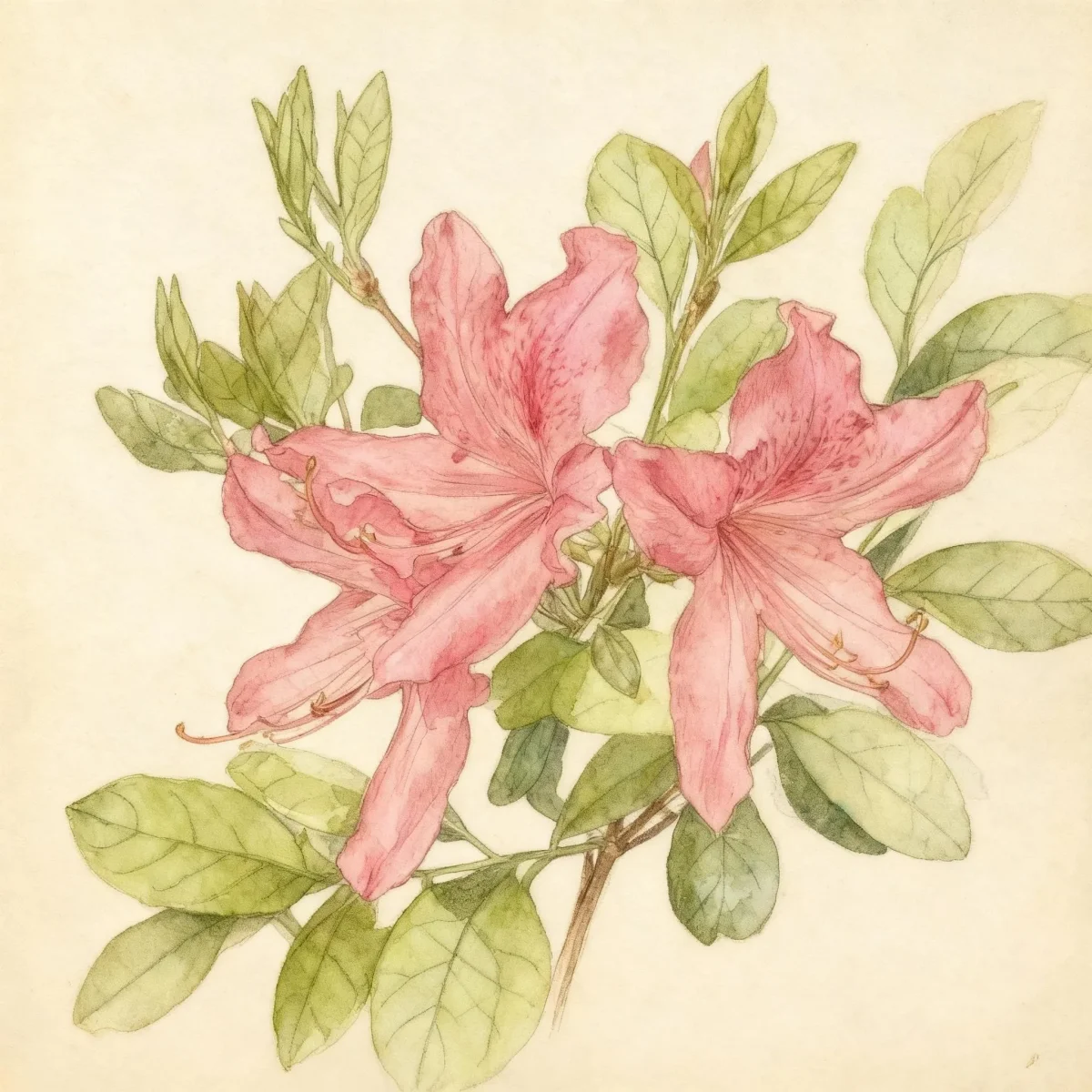
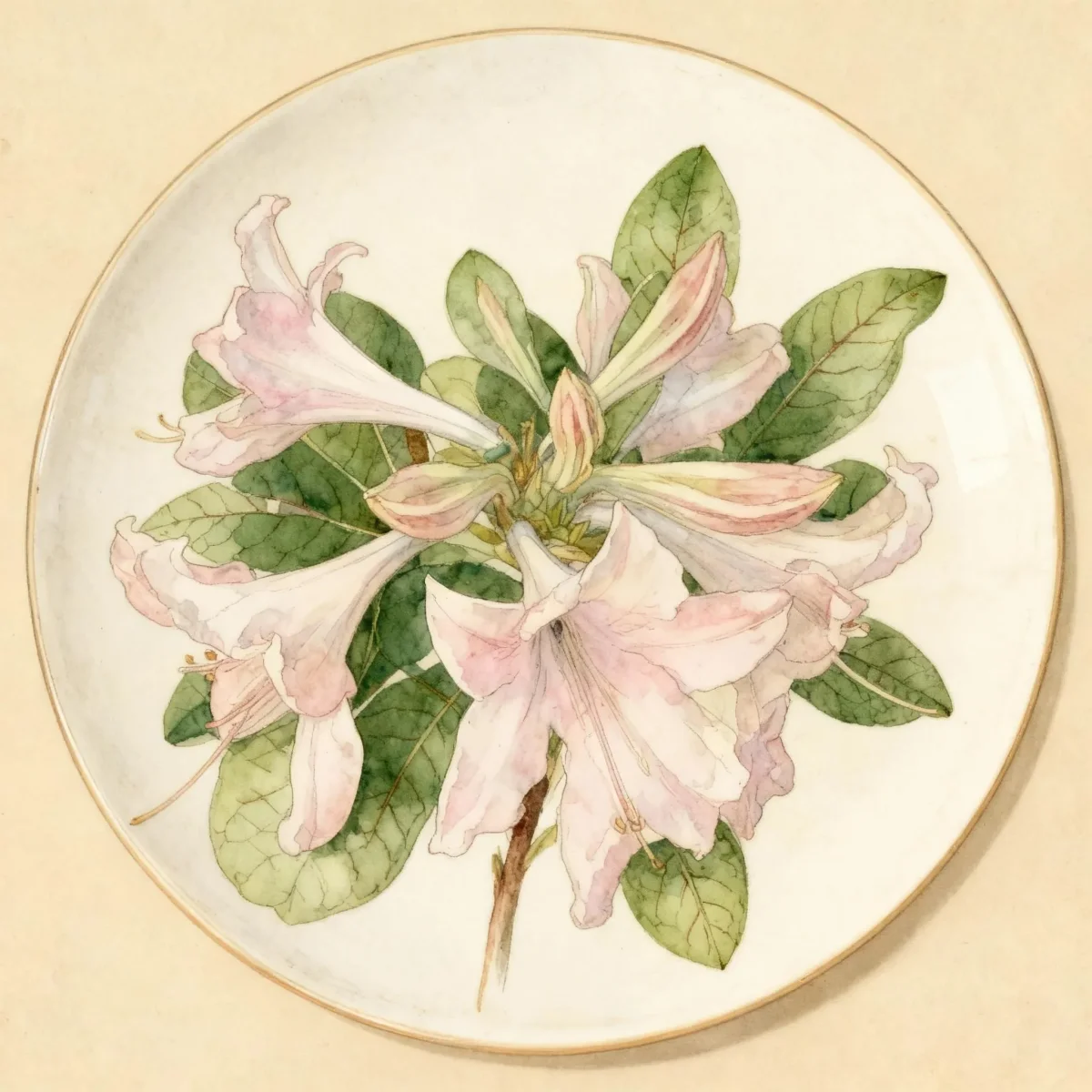
Deciduous azalea (Rhododendron 'Hotspur')
Rhododendron 'Hotspur' is a vibrant Deciduous azalea offering bright orange-red blooms, perfect for part shade gardens in Zones 5-8.
Scroll down to discover growing tips, care requirements, companion plants, and more
Complete Plant Information
Overview
Rhododendron ‘Hotspur’ is a standout variety within the diverse group of Deciduous azaleas known for their spectacular, showy spring floral displays. This specific cultivar delivers intense color just as new foliage emerges, providing crucial early-season interest in temperate landscapes. Gardeners prize Rhododendron ‘Hotspur’ for its medium stature, fitting neatly into shrub borders or standing as an accent plant.
This shrub drops its thinner leaves in the fall, unlike its evergreen counterparts, allowing the flowers of Rhododendron ‘Hotspur’ to truly command attention against a bare branch backdrop. Growing between 5 to 6 feet high and equally wide, it offers a balanced, multi-stemmed structure. Successful cultivation relies heavily on providing the right acidic, well-drained soil conditions characteristic of the Ericaceae family.
When sited correctly in dappled light, this Deciduous azalea requires medium moisture and moderate care, making it a rewarding addition to shaded woodland margins or informal hedges. The deep orange-red blooms of Rhododendron ‘Hotspur’ ensure vibrant color before many other shrubs begin to flower.
Fast Facts
- Plant Family: Ericaceae
- Plant Type: Deciduous shrub
- Hardiness Zones: USDA Zones 5-8
- Size at Maturity:
- Height: 5-6 ft
- Spread: 5-6 ft
- Bloom Time: April to May
- Bloom Description: Orange-red with a yellowish blotch
- Sun Exposure: Part shade
- Water Needs: Medium
- Maintenance Level: Medium
How to Grow
Planting Rhododendron ‘Hotspur’ should occur in locations offering protection from harsh, drying winds. The critical requirement is rich, humusy soil that retains moisture but drains perfectly well; good drainage is essential to prevent root rot, which is fatal to the shallow root systems of this Deciduous azalea. If your native soil is heavy clay, consider planting in raised beds to ensure adequate drainage.
Maintain consistency in moisture levels—the roots must never be allowed to dry out, necessitating medium watering during dry spells. Soil pH should be actively maintained in the acidic range, ideally between 5.0 and 5.5; acidify the soil using sulfur or iron sulfate as needed. Applying a thick layer of mulch, such as wood chips or pine needles, is highly beneficial for stabilizing soil temperature and retaining moisture around the fibrous roots.
After the brilliant bloom period has passed in late spring, promptly clip off spent flower clusters where practical; this practice, known as deadheading, encourages better next-season flowering. Avoid cultivating or digging deeply near the base of Rhododendron ‘Hotspur’, as disturbing the shallow roots can cause significant harm.
Landscape Uses
Rhododendron ‘Hotspur’ excels in various landscape roles where dappled light prevails. Its moderate size makes it an excellent choice for structured shrub borders, providing essential mid-level height and unparalleled spring color. It performs beautifully when massed together for a dramatic, unified display of orange-red color evocative of its parentage in the Knap Hill hybrids.
This Deciduous azalea is also perfectly suited for establishing informal hedges along woodland margins or flanking walkways where afternoon sun is filtered. It integrates seamlessly into woodland gardens or shady areas throughout the property. For foundation plantings, ensure the area meets its need for protection from intense sun and drying winds typical of west-facing walls.
Consider pairing Rhododendron ‘Hotspur’ with spring-flowering bulbs beneath it, as the bulbs will die back before the azalea’s foliage fully develops its summer density. Companion plants that thrive in similar acidic, moist conditions, such as ferns or hemlocks, will complement its structure throughout the growing season.
Standout Features
Flower Qualities
- Showy
Noteworthy Characteristics
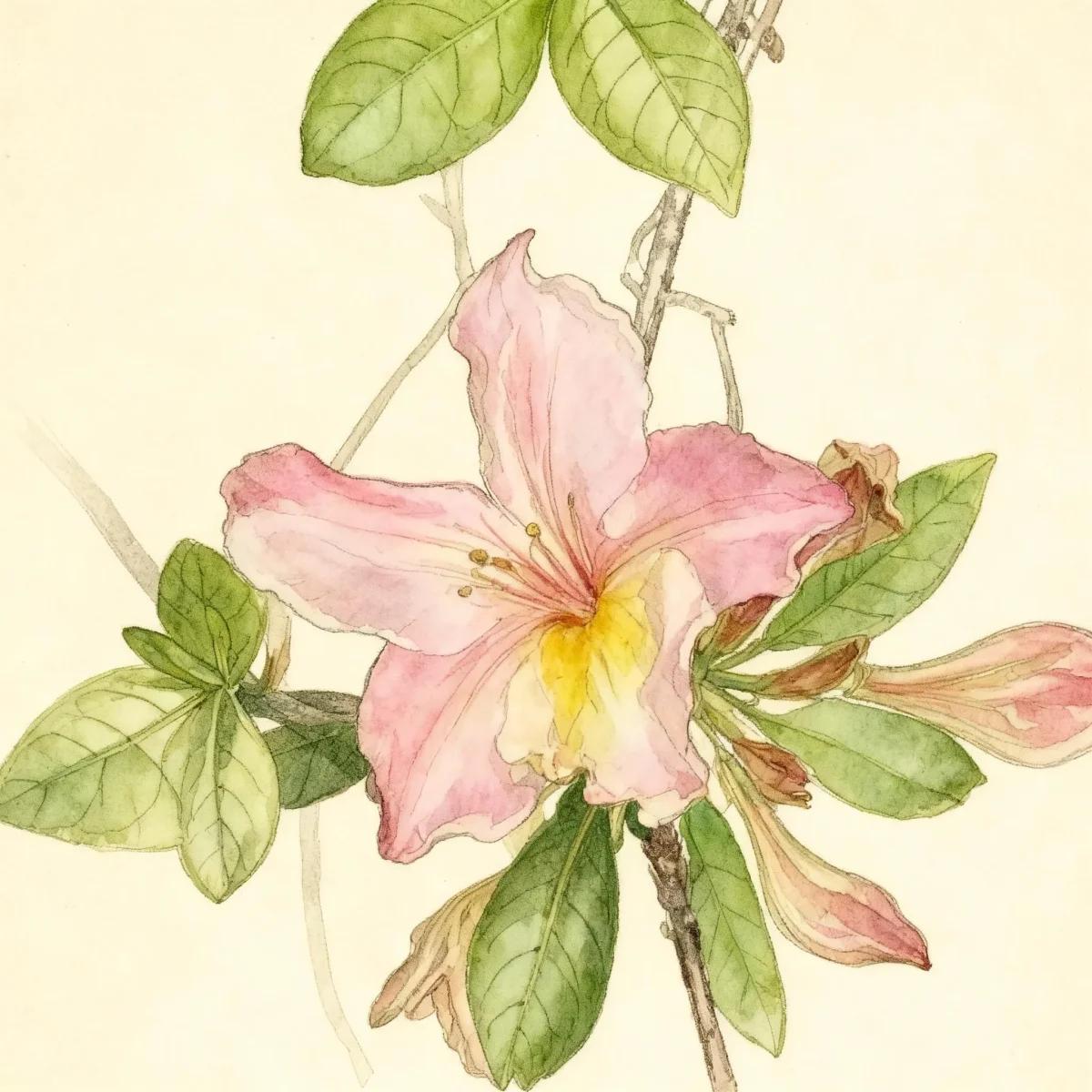
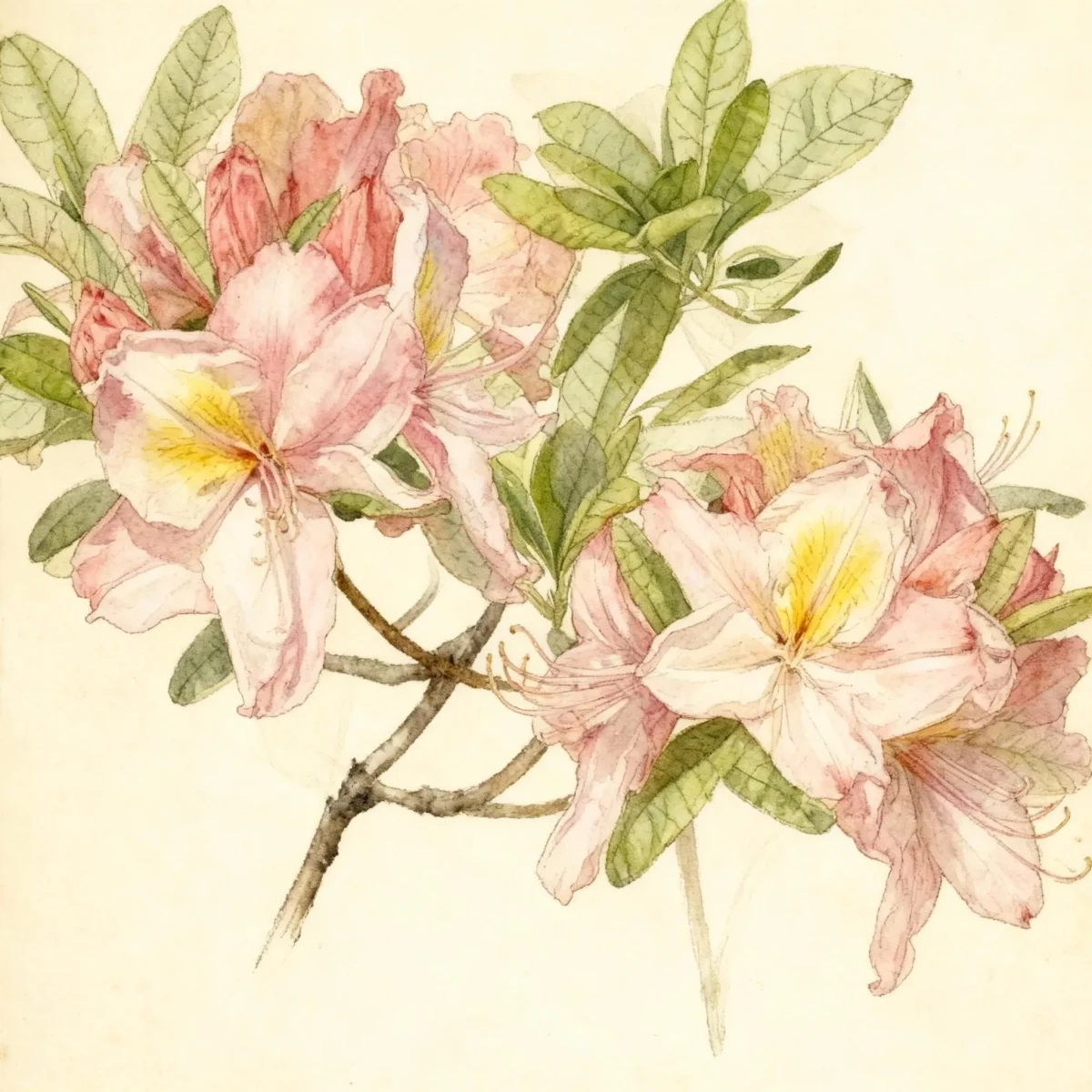
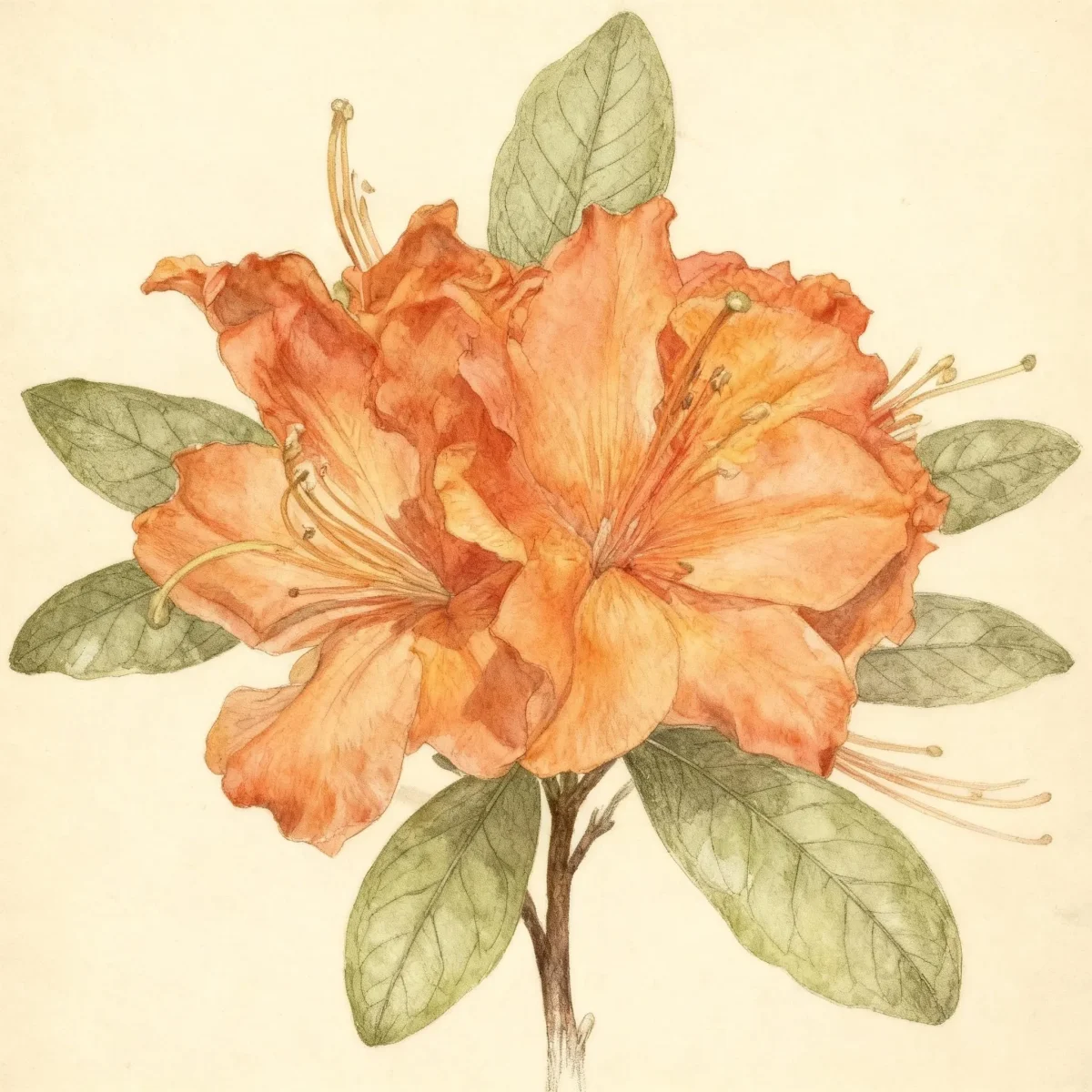
The genus Rhododendron encompasses hundreds of species, including both common rhododendrons and azaleas; this plant is identified as a Deciduous azalea, meaning it sheds its leaves in the autumn. Rhododendron ‘Hotspur’ features openly funnel-shaped, frilly-edged flowers approximately 4 inches wide, presenting a deep orange-red hue accented by a yellowish blotch. Introduced in 1934 by Lionel de Rothschild, this hybrid is part of the Hotspur Group, celebrated for producing lavish spring displays before new foliage fully emerges.
Tolerances
- Rabbit
Potential Problems
Rhododendrons and azaleas, while robust when sited correctly, are susceptible to various insect and disease issues. Key pests include scale, lacebugs, and aphids, requiring vigilance for timely treatment. Diseases such as root rot and crown rot are often linked directly to poor soil drainage, emphasizing the need for well-drained, aerated soil around Rhododendron ‘Hotspur’.
A common visual sign of environmental stress is chlorosis, where leaves turn yellow; this usually signals that the soil pH has become too high, inhibiting iron uptake. To manage this, regularly test your soil and amend it with iron sulfate or sulfur to maintain the necessary acidic environment for vibrant growth.
Prevention is key: maintaining proper culture—ideal soil health, adequate but not excessive moisture, and correct light exposure—will drastically limit problems. Inspect plants regularly when they are dormant or just before spring growth commences to catch pest infestations early.
Frequently Asked Questions
What hardiness zones is Deciduous azalea suitable for?
Rhododendron ‘Hotspur’ thrives within USDA Hardiness Zones 5 through 8.
How large does Rhododendron ‘Hotspur’ grow?
This Deciduous azalea typically matures to a height and spread between 5 and 6 feet.
When does Deciduous azalea bloom?
It puts on its spectacular show between April and May, featuring blooms described as orange-red with a yellowish blotch.
What sun exposure does Rhododendron ‘Hotspur’ need?
This variety prefers a location receiving part shade, ideally dappled sunlight or morning sun followed by afternoon shade.
Conclusion
Rhododendron ‘Hotspur’ offers gardeners a superb, medium-sized specimen known for its striking orange-red spring flowers and deciduous nature, distinguishing it within the broad family of Rhododendrons. Ensuring acidic, exceptionally well-drained cultural conditions is the single most important factor for success with this Deciduous azalea. Before planting, confirm your garden’s hardiness zone compatibility and prepare the soil to foster happy, healthy blooms for years to come.
Companion Planting
Selecting appropriate neighbors enhances the health and aesthetic appeal of your Rhododendron ‘Hotspur’. Because this azalea requires acidic soil, look for partners that share this preference. Acid-loving evergreens, such as dwarf conifers, rhododendrons, and camellias, create excellent year-round structure beneath the deciduous canopy.
Another strategy is utilizing plants that thrive in the part shade conditions required by Rhododendron ‘Hotspur’ but have different structural elements. Ferns are fantastic companions; their fine texture contrasts beautifully with the coarser leaves and large flowers of the azalea. Hellebores (Lenten Roses) bloom around the same time or slightly earlier, offering complementary colors while tolerating the same shaded environments.
Be highly mindful of moisture requirements. Choose companions that also require medium, consistent moisture rather than drought-tolerant species to ensure uniform watering needs throughout the planting bed.
Seasonal Care Calendar
Spring preparation for Rhododendron ‘Hotspur’ involves several crucial steps as the plant emerges from dormancy. As soon as the ground thaws, apply a slow-release, acidifying fertilizer formulated specifically for acid-loving plants. Follow this with a fresh layer of organic mulch to maintain soil moisture and temperature stability.
Summer care focuses primarily on monitoring water needs, particularly during dry spells, ensuring the soil remains consistently medium moisture without becoming saturated. If you notice leaf scorch during hot periods, this indicates the need for increased afternoon shade or improved soil moisture retention. Deadheading faded blooms shortly after flowering promotes energy redirection toward next year’s flower buds.
Autumn is the time to assess soil pH, as nutrient availability can change heading into winter. Protect shallow, fibrous roots by maintaining a healthy mulch layer as temperatures drop. In colder regions within Zones 5-6, take care to shield new plantings from desiccating winter winds.