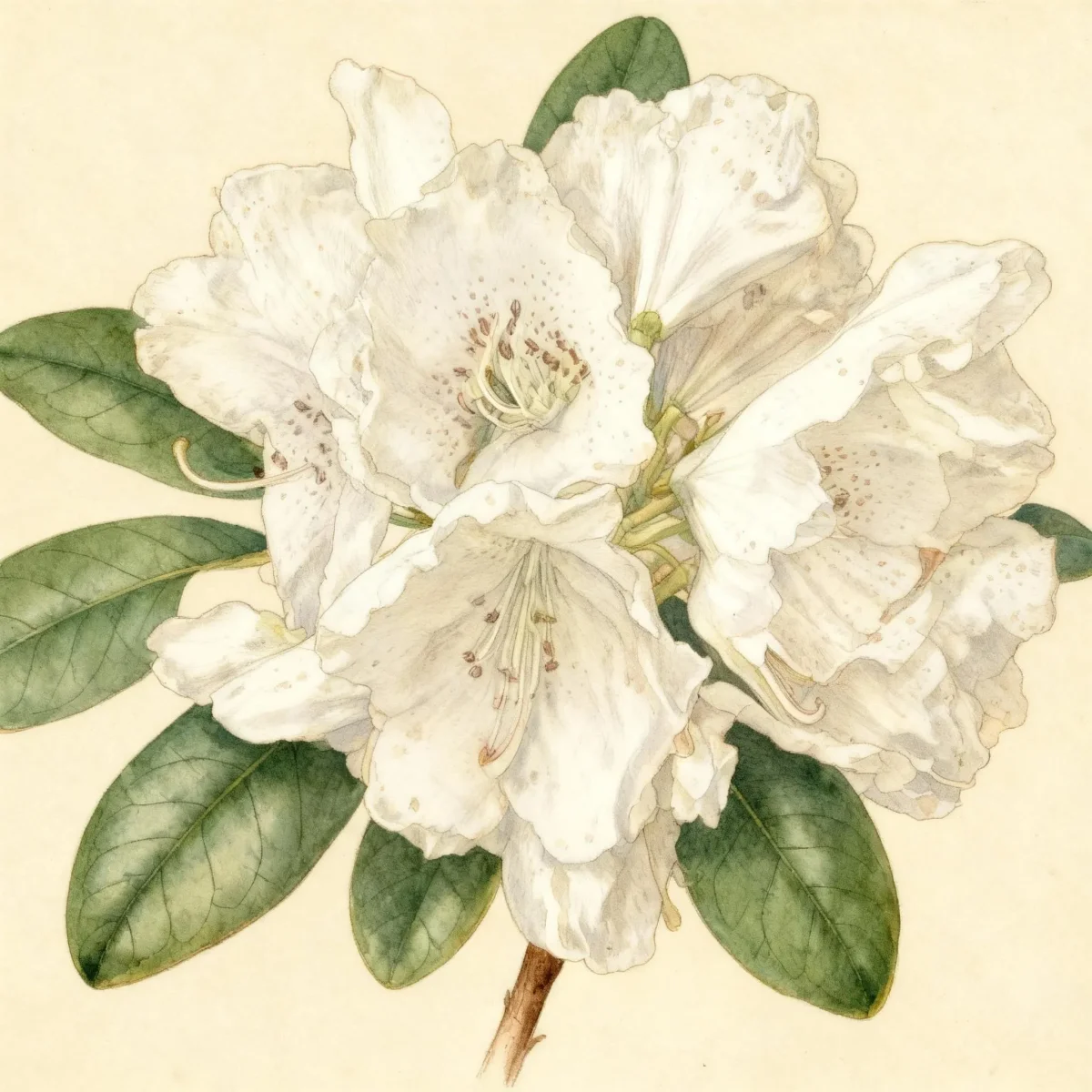
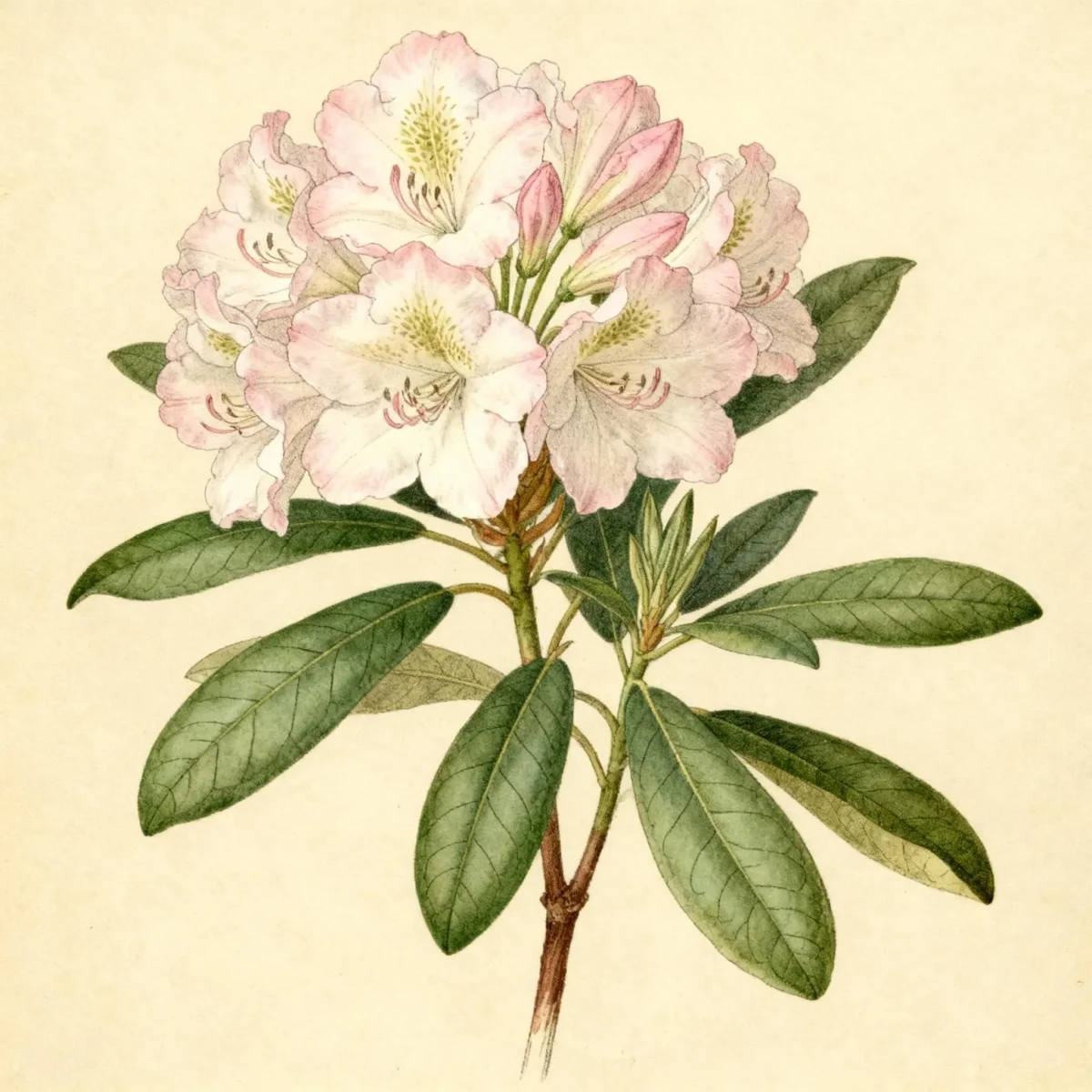
Rhododendron (Rhododendron 'Janet Blair')
Rhododendron 'Janet Blair' is a broadleaf evergreen showcasing showy, fragrant pinkish mauve flowers in spring. Ideal for woodland gardens and borders in USDA Zones 5-8.
Scroll down to discover growing tips, care requirements, companion plants, and more
Complete Plant Information
Overview
Rhododendron ‘Janet Blair’ is a highly regarded cultivar celebrated for its mature, dense structure and stunning spring floral display. As a broadleaf evergreen Rhododendron, it provides year-round visual interest, complemented by large trusses of uniquely colored flowers. This cultivar is a dependable fixture in temperate landscapes, known for bridging the gap between woodland beauty and formal border requirements.
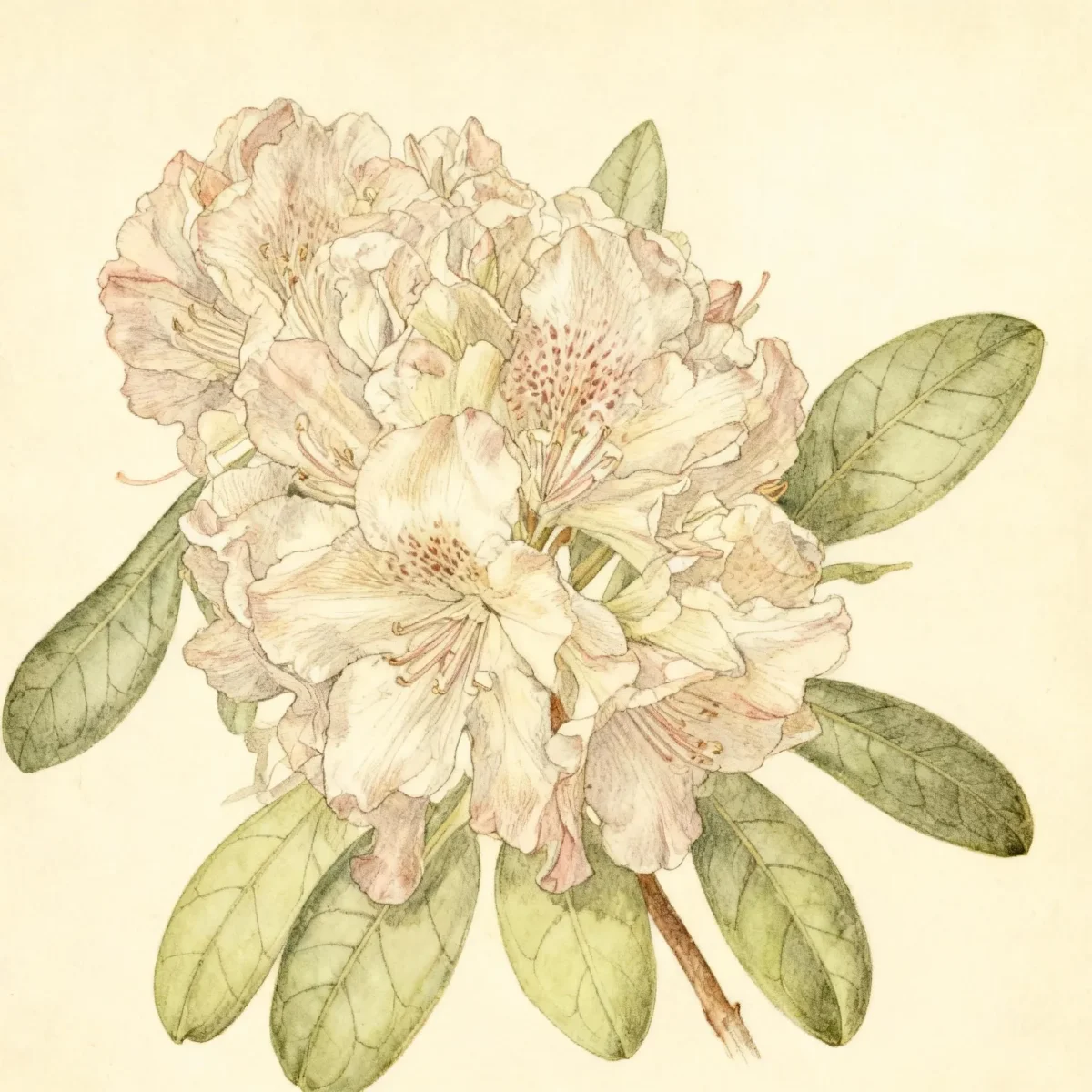
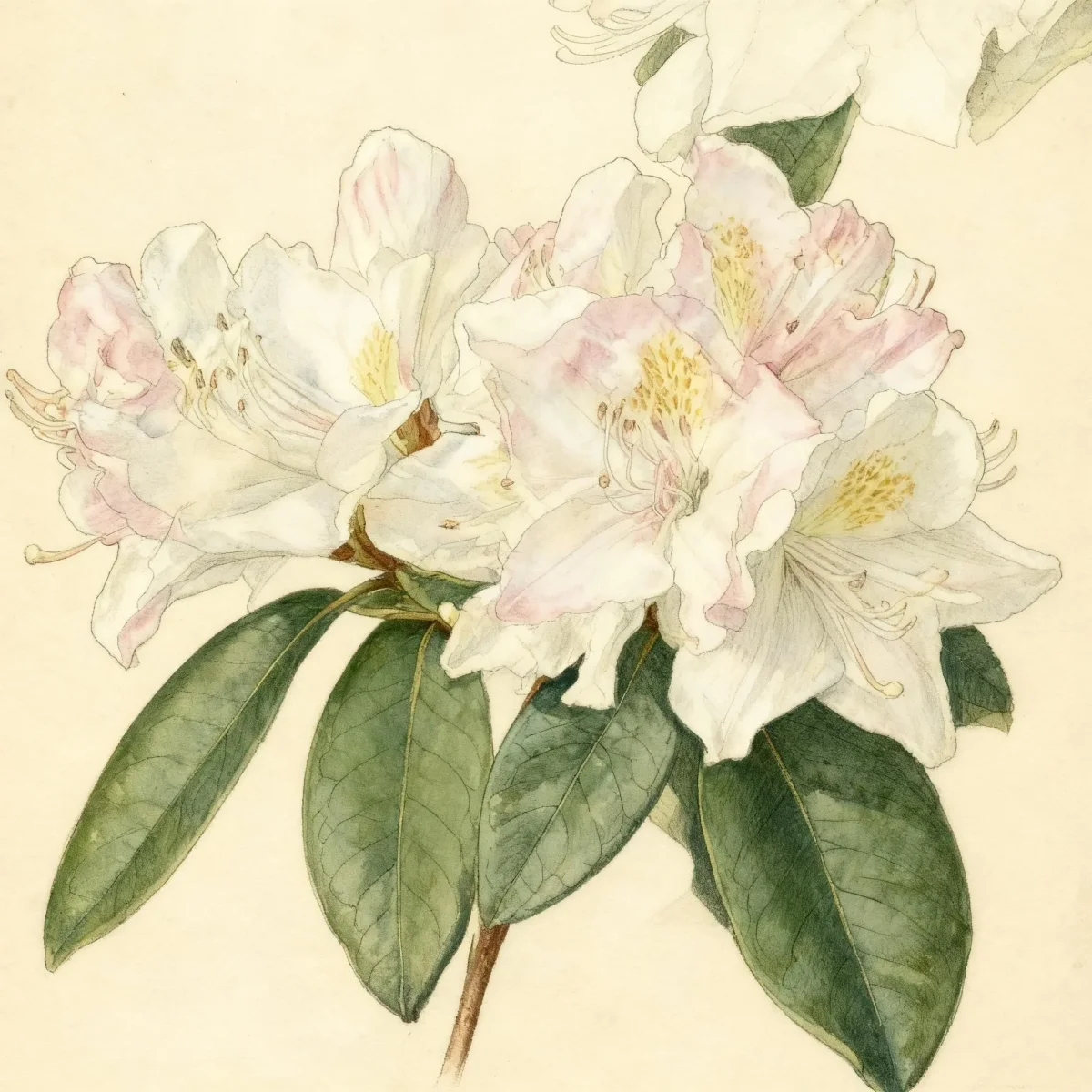
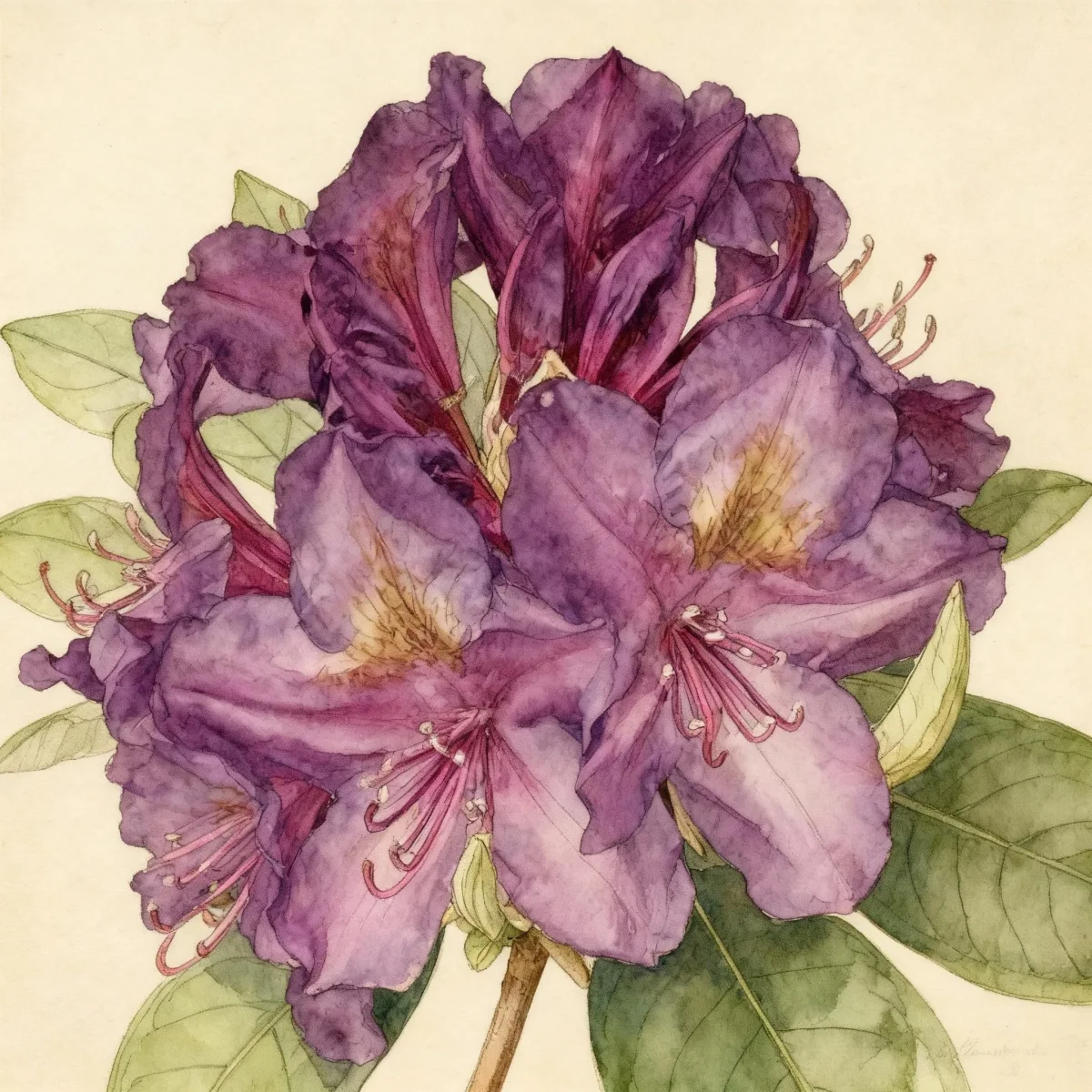
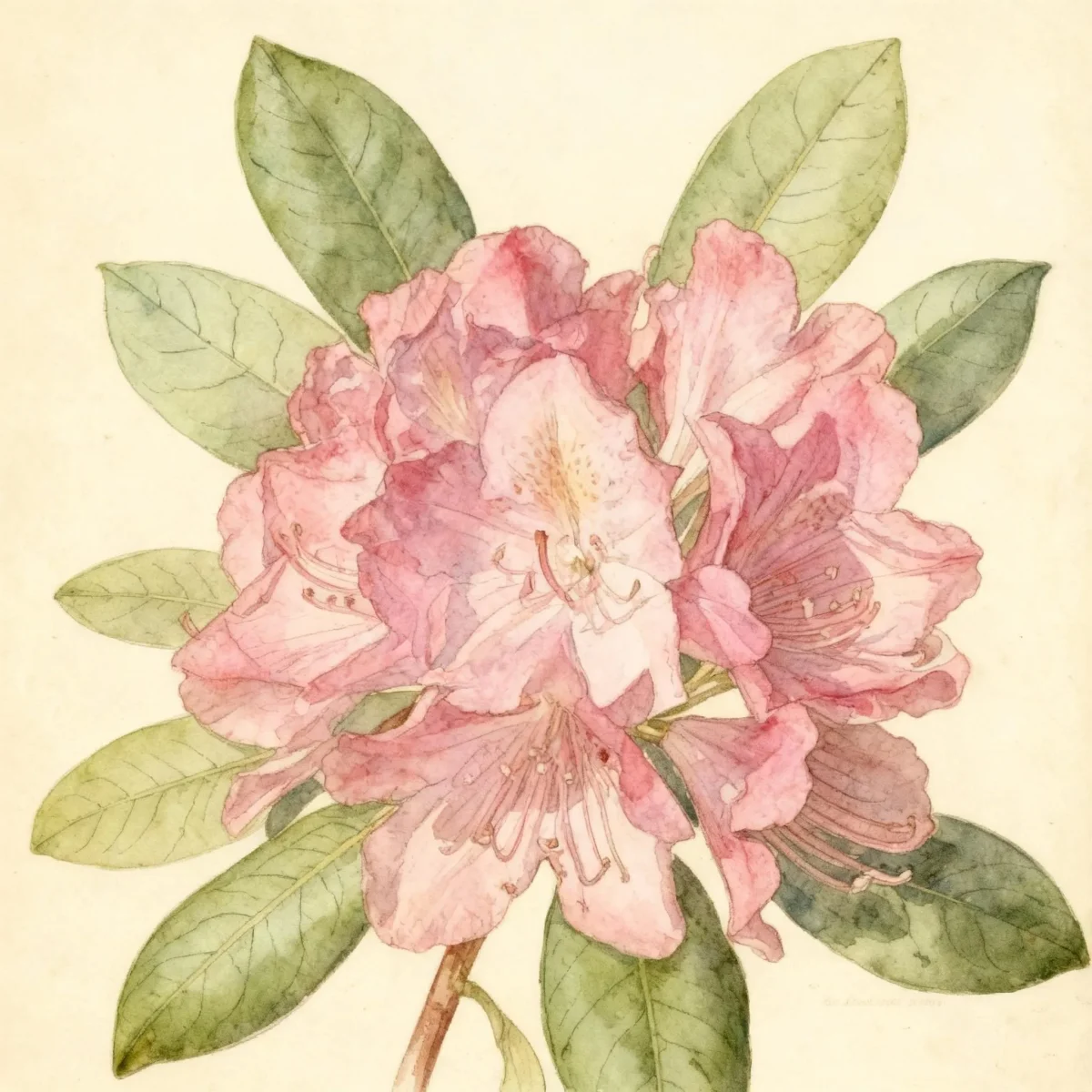
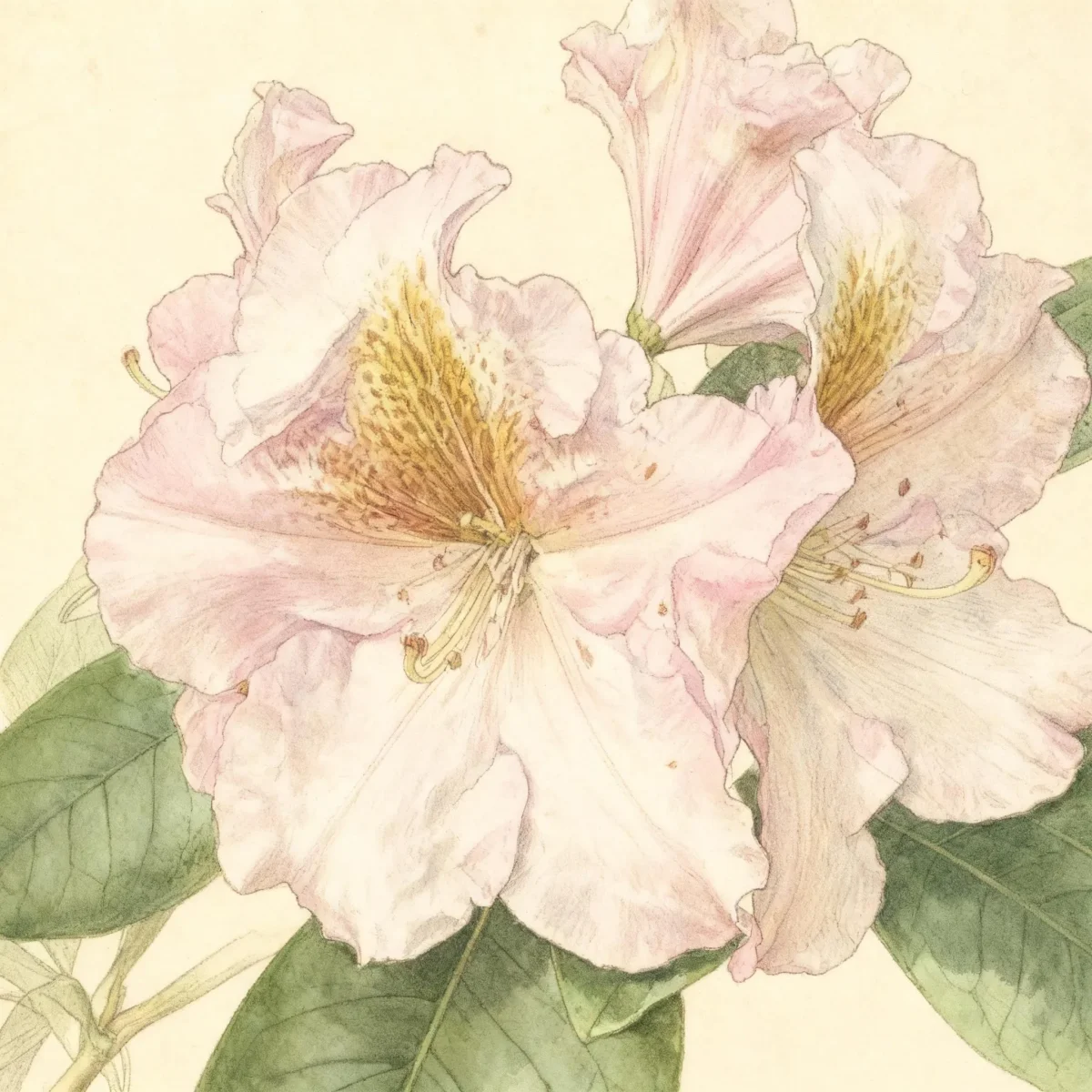
This specific Rhododendron variety matures into a substantial shrub, reaching heights and spreads between five and six feet. Its value lies not just in its size and evergreen nature, but in the specific bloom quality: pinkish mauve petals highlighted by distinctive golden rays on the upper lobe make the Rhododendron ‘Janet Blair’ a standout specimen. It thrives best where conditions mimic its native, dappled woodland environment.
For gardeners seeking reliable structure and seasonal impact, ‘Janet Blair’ performs excellently as a hedge or border accent. Successful cultivation relies heavily on maintaining the precise soil pH and ensuring excellent drainage, which are critical factors for the longevity and health of all Rhododendrons.
Fast Facts
- Plant Family: Ericaceae
- Plant Type: Broadleaf evergreen
- Hardiness Zones: USDA Zones 5-8
- Size at Maturity:
- Height: 5-6 ft
- Spread: 5-6 ft
- Bloom Time: April to May
- Bloom Description: Pinkish mauve with golden rays on the upper lobe
- Sun Exposure: Part shade
- Water Needs: Medium
- Maintenance Level: Medium
How to Grow
The primary key to successfully growing Rhododendron ‘Janet Blair’ is soil preparation. Plant this Rhododendron in locations offering part shade, ideally receiving morning sun followed by afternoon shade, especially in warmer climates where intense afternoon sun can scorch the leaves. The soil must be acidic, featuring a pH between 5.0 and 5.5, and should be organically rich, humusy, and consistently moist but exceptionally well-drained.
Avoid planting near trees in the walnut family due to susceptibility to toxic juglones. If you have heavy clay typical of many mid-continent regions, consider raised beds or mounding to ensure crucial drainage, as Rhododendrons develop root rot quickly if they sit in standing water. Their shallow, fibrous root systems mean you should avoid cultivating deeply near the base.
Yearly maintenance involves careful watering to keep the roots consistently moist—never allowing them to dry out—and applying a deep layer of mulch, such as pine needles or bark chips, to stabilize soil temperature and retain moisture. Immediately after blooming concludes, deadhead spent flower clusters to encourage better energy allocation for developing next season’s buds. Adjust soil pH by applying sulfur or iron sulfate to lower it, or limestone to raise it, according to annual soil tests targeting the ideal acidic range.
Landscape Uses
Rhododendron ‘Janet Blair’ is incredibly versatile in landscape design due to its handsome evergreen structure and magnificent spring flowers, making it suitable for applications ranging from mass plantings to formal elements. It excels when used in shrub borders, forming a resilient backdrop for lower-growing perennials, or functioning effectively as a specimen plant where its unique blooms can be closely appreciated. Given its upright yet slightly wider-than-tall habit, it is an outstanding choice for use as an informal hedge, providing excellent screening.
For woodland gardens or shaded areas, this Rhododendron fits seamlessly, providing crucial texture contrast against deciduous trees and ferns. When selecting companions, prioritize plants that share the need for acidic, well-drained soil, such as Japanese maples, camellias, and azaleas. Avoid placement near structures where strong winds buffet the branches frequently.
Standout Features
Flower Qualities
- Showy
- Fragrant
Noteworthy Characteristics
Rhododendron is a genus of 500 to 900 species and includes both what we commonly call rhododendrons and azaleas, with most being evergreen. ‘Janet Blair’ was developed by Dr. David G. Leach and features widely funnel-shaped, 3½-inch flowers that are pale pinkish mauve with noticeable golden bronze rays on the upper lobe. It maintains a dense, well-branched 5 to 6-foot form, functioning as an award-winning shrub often used in hybridization programs.
Tolerances
- Rabbit
Potential Problems
Rhododendrons and azaleas are magnets for various pests and diseases if stress factors like improper soil pH or poor drainage are present. Common insect issues include scale, aphids, and lacebugs, while disease threats involve root rot, crown rot, and leaf spots. Chlorosis, characterized by yellowing leaves, is a vital warning sign, usually signaling that the soil pH is too high, leading to iron deficiency and nutrient lockout.
The single most critical preventative measure is ensuring impeccable drainage and maintaining the required soil acidity (pH 5.0–5.5). Avoid deep cultivation near the plant base to protect the shallow root system. A healthy application of organic mulch helps regulate moisture and discourages soil-borne pathogens by preventing soil splash onto the lower leaves.
Frequently Asked Questions
What hardiness zones is Rhododendron ‘Janet Blair’ suitable for?
Rhododendron ‘Janet Blair’ is hardy and performs best when grown in USDA Hardiness Zones 5 through 8.
How large does Rhododendron ‘Janet Blair’ grow?
This cultivar typically reaches a mature height between 5 and 6 feet, with an equivalent spread of 5 to 6 feet, often growing slightly wider than it is tall.
What sun exposure does Rhododendron ‘Janet Blair’ need?
This plant requires part shade conditions to thrive, benefiting most from a location that provides dappled light or high open shade throughout the day.
When does Rhododendron ‘Janet Blair’ bloom?
The beautiful blooms of Rhododendron ‘Janet Blair’ appear in the mid to late spring, generally blooming from April to May, featuring pinkish mauve flowers with golden rays.
Conclusion
Rhododendron ‘Janet Blair’ is a distinguished evergreen offering superb structure, reliable hardiness in Zones 5-8, and spectacular spring color. Its fragrant, uniquely colored flowers make it a high-value addition to any acidic garden setting. Before planting, ensure your site meets the partial shade and crucial well-drained, acidic soil requirements to guarantee the enduring health of your Rhododendron.
Companion Planting
Selecting appropriate companions is essential for the success of Rhododendron ‘Janet Blair’, as they all share similar needs for acidic, organically rich, well-drained soil. Excellent partners include other acid-loving shrubs like Camellia, Kalmia (Mountain Laurel), and various Azaleas, which thrive under the same filtered light conditions. For textural contrast beneath the canopy, consider shade-tolerant groundcovers such as Hellebores (Lenten Rose), Hostas, or various ferns, which appreciate the consistent moisture retention provided by the Rhododendron’s root zone mulch.
Seasonal Care Calendar
For optimal health, focus your care calendar around moisture and nutrition specific to the Rhododendron’s life cycle. In early spring, before the new growth accelerates, apply a balanced, slow-release fertilizer formulated for acid-loving plants and refresh the mulch layer. Immediately following the April/May bloom, deadhead spent trusses to direct energy toward next year’s flowers rather than seed production. During dry summer periods, provide consistent, deep watering, ensuring the root zone never desiccates. In late fall, particularly as winter approaches, ensure the plants are well-watered before the ground freezes to help prevent winter burn on the evergreen foliage.