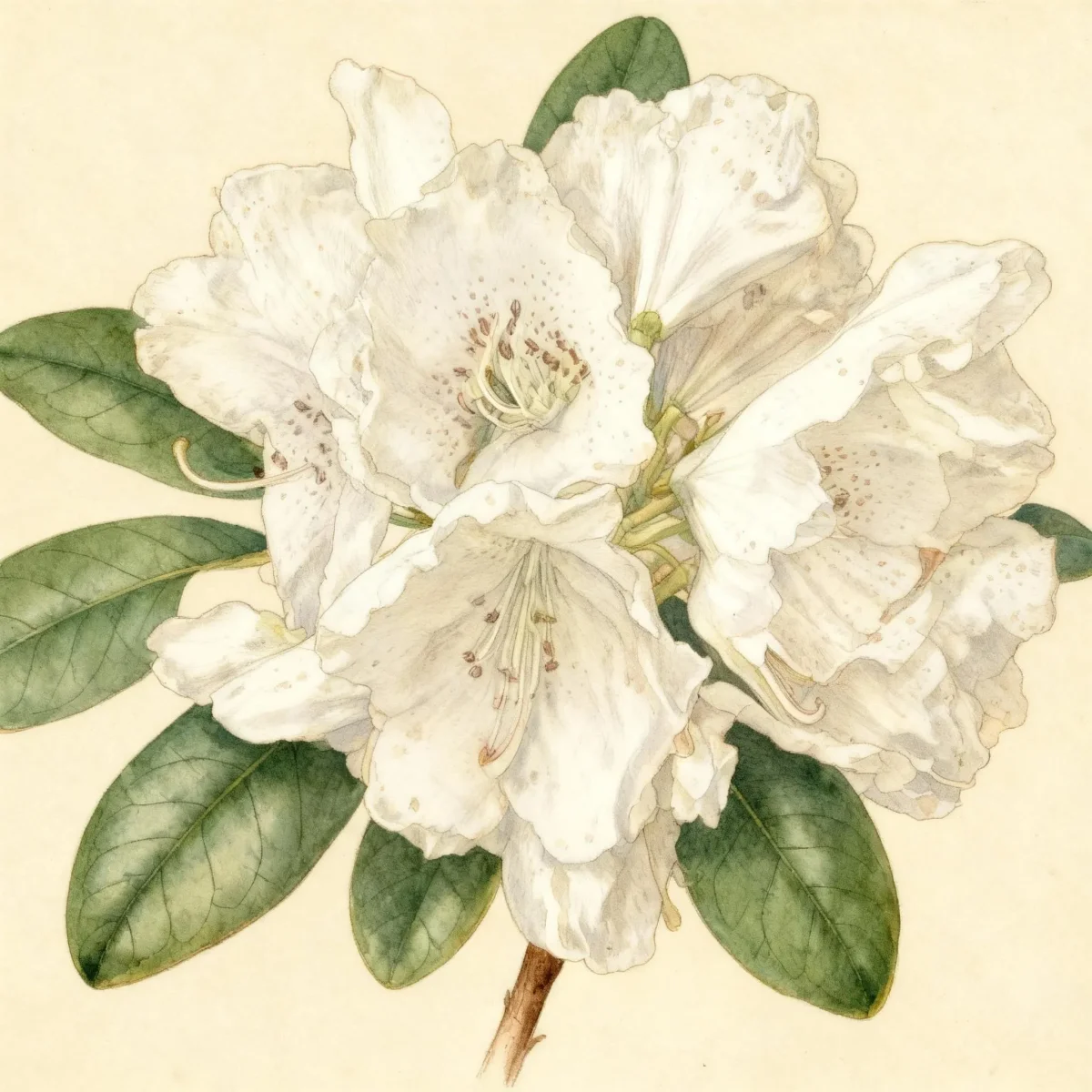
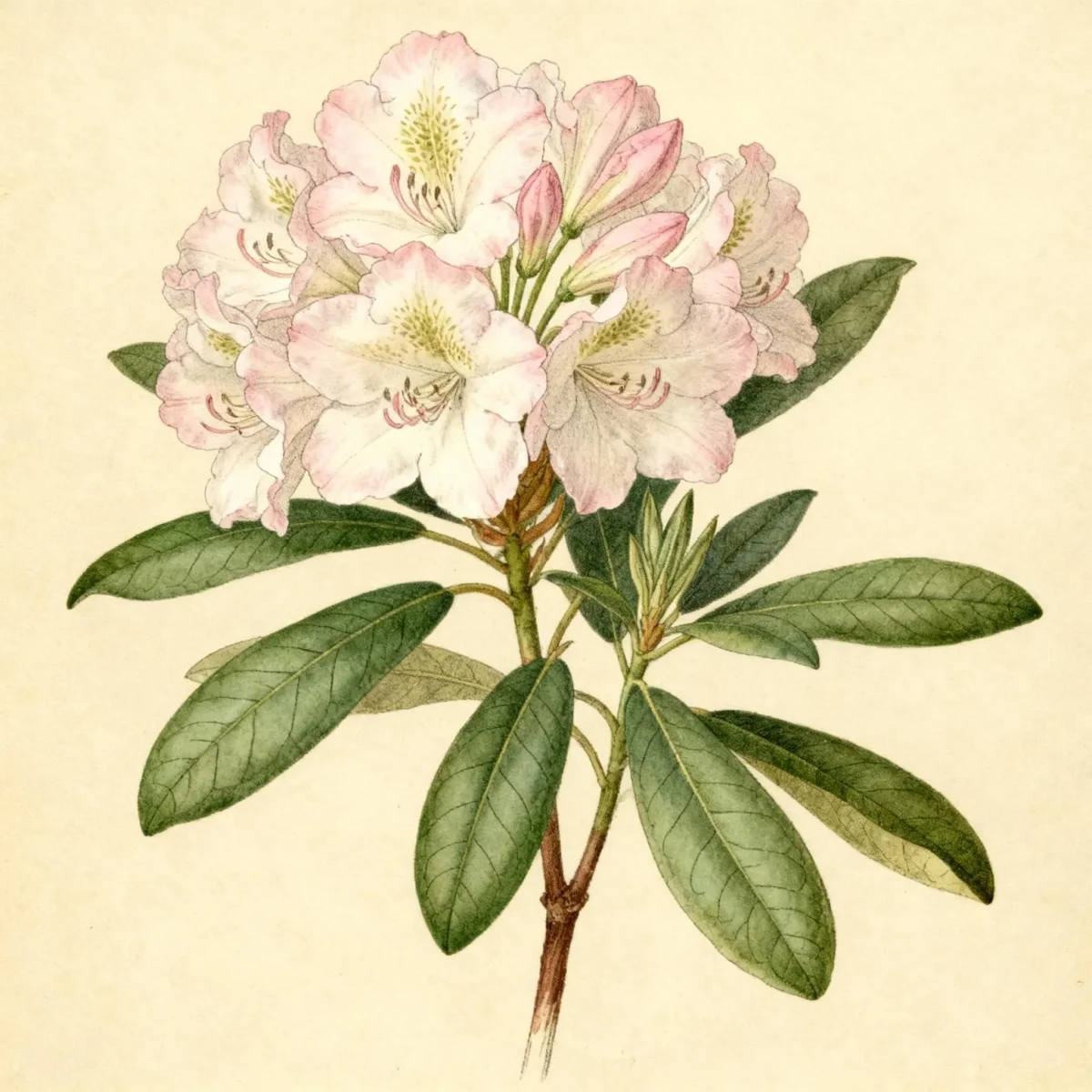
Rhododendron (Rhododendron 'Jericho')
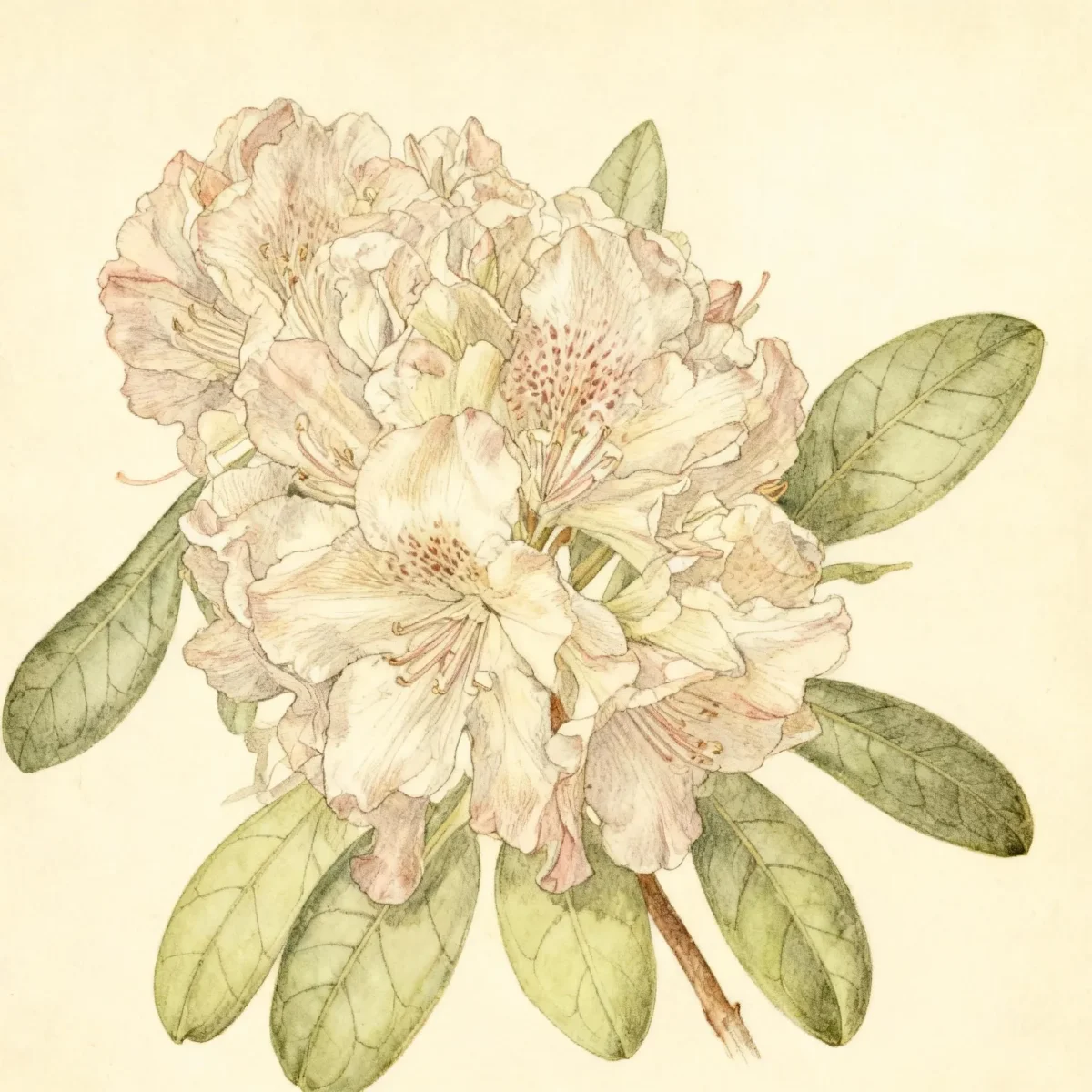
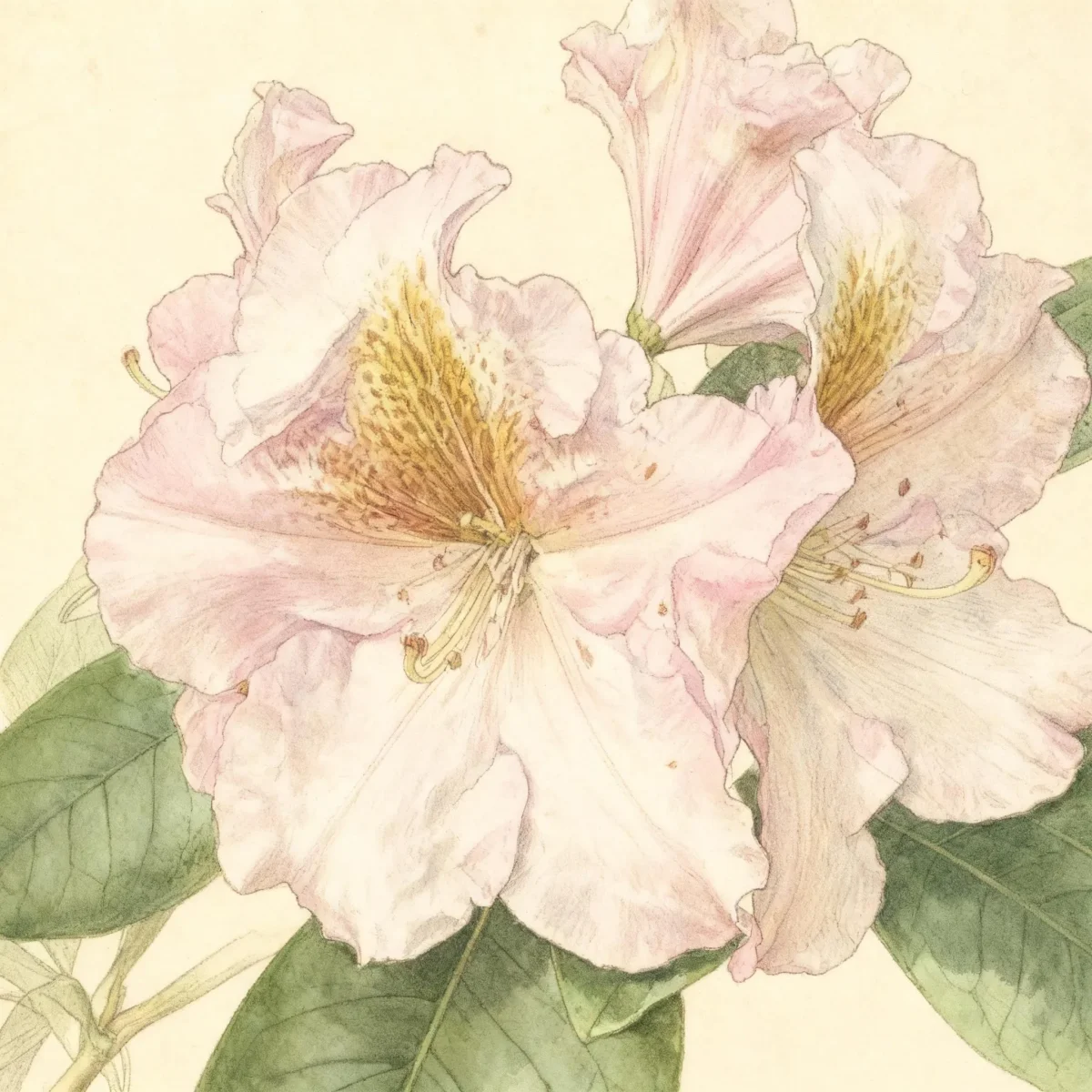
Rhododendron 'Jericho' is a slow-growing broadleaf evergreen offering soft yellow blooms in spring. Ideal for woodland settings.
Scroll down to discover growing tips, care requirements, companion plants, and more
Complete Plant Information
Overview
Rhododendron ‘Jericho’ is a refined broadleaf evergreen valued for its attractive foliage and delicate spring floral display. This Leach hybrid offers significant aesthetic appeal, developing into a compact shrub perfectly suited for smaller gardens or layered woodland plantings where structure is needed year-round. Growing to a maximum of four feet tall, Rhododendron ‘Jericho’ adds texture and color precisely where controlled size is essential.
The appeal of this Rhododendron lies in its specific bloom characteristics—soft yellow flowers accented by vibrant yellow spots in mid to late spring. As a Lepidote rhododendron type, careful attention to soil acidity is crucial for success, mirroring the preference of all quality Rhododendron cultivars. Proper siting ensures the best performance for this medium-maintenance specimen.
Gardeners prize species like Rhododendron ‘Jericho’ for providing year-round structure, especially within shaded borders or foundation plantings. Its compact, spreading habit makes it an excellent choice for creating low hedges or focal points in woodland gardens. Ensuring protection from harsh elements helps maintain the integrity of the foliage and the robust health of the plant.
Fast Facts
- Plant Family: Ericaceae
- Plant Type: Broadleaf evergreen
- Hardiness Zones: USDA Zones 5-9
- Size at Maturity:
- Height: 3-4 ft
- Spread: 4-5 ft
- Bloom Time: April to May
- Bloom Description: Soft yellow with bright yellow spots
- Sun Exposure: Part shade
- Water Needs: Medium
- Maintenance Level: Medium
How to Grow
For optimal growth, plant Rhododendron ‘Jericho’ in acidic, organically rich, humusy, and well-drained soil. The ideal location receives dappled shade or high open shade, though morning sun followed by afternoon shade is well tolerated. Good soil drainage is paramount, as these shallow-rooted plants suffer quickly from “wet feet” leading to root rot. Consider using raised beds in heavy clay soils like those often found in the St. Louis area.
Watering should be consistent; aim for medium moisture as the roots must never dry out completely. Due to the extremely shallow, fibrous roots of Rhododendron, avoid cultivating near the base of the plant. Instead, apply a thick layer of organic mulch, such as pine needles or wood chips, to conserve moisture, stabilize soil temperature, and suppress weeds.
Soil pH correction is a critical cultural requirement for this Rhododendron. The preferred range is between 5.0 and 5.5. Apply iron sulfate or sulfur to lower high pH levels, or use limestone to raise them if necessary. If you are successful in providing the correct cultural environment, maintenance remains relatively straightforward beyond regular watering.
Pruning involves deadheading; clip off spent flower clusters immediately after blooming concludes to encourage energy transfer back into foliage and bud set for the following year. Protect Rhododendron ‘Jericho’ from strong winds which can damage branches and scorch the leaves during sunny periods. Avoid planting near walnuts, as the juglone toxin they release is highly detrimental to Rhododendrons.
Landscape Uses
The dense yet spreading form of Rhododendron ‘Jericho’, reaching four to five feet wide, makes it highly versatile in landscape design. It performs exceptionally well when used as a low, formal hedge bordering pathways or defining garden areas where low stature is desired. Alternatively, use mass plantings of Rhododendron ‘Jericho’ to create a consistent block of texture and color within woodland margins.
This cultivar integrates beautifully into mixed borders, offering evergreen contrast against deciduous shrubs and perennials. Because it thrives in partial shade, it is an obvious choice for woodland gardens, especially when clustered near ferns, hostas, and other acid-loving plants. Its containment size prevents it from overpowering neighboring plantings, making it suitable even for foundation plantings close to structures.
Utilize Rhododendron ‘Jericho’ as a specimen plant if you wish to highlight its unique pale yellow blooms against darker greens or evergreen backdrops. For the best visual impact, ensure the planting site receives the dappled light that highlights its flower spotting without subjecting the leaves to harsh afternoon sun which can cause burning.
Standout Features
Flower Qualities
- Showy
Noteworthy Characteristics
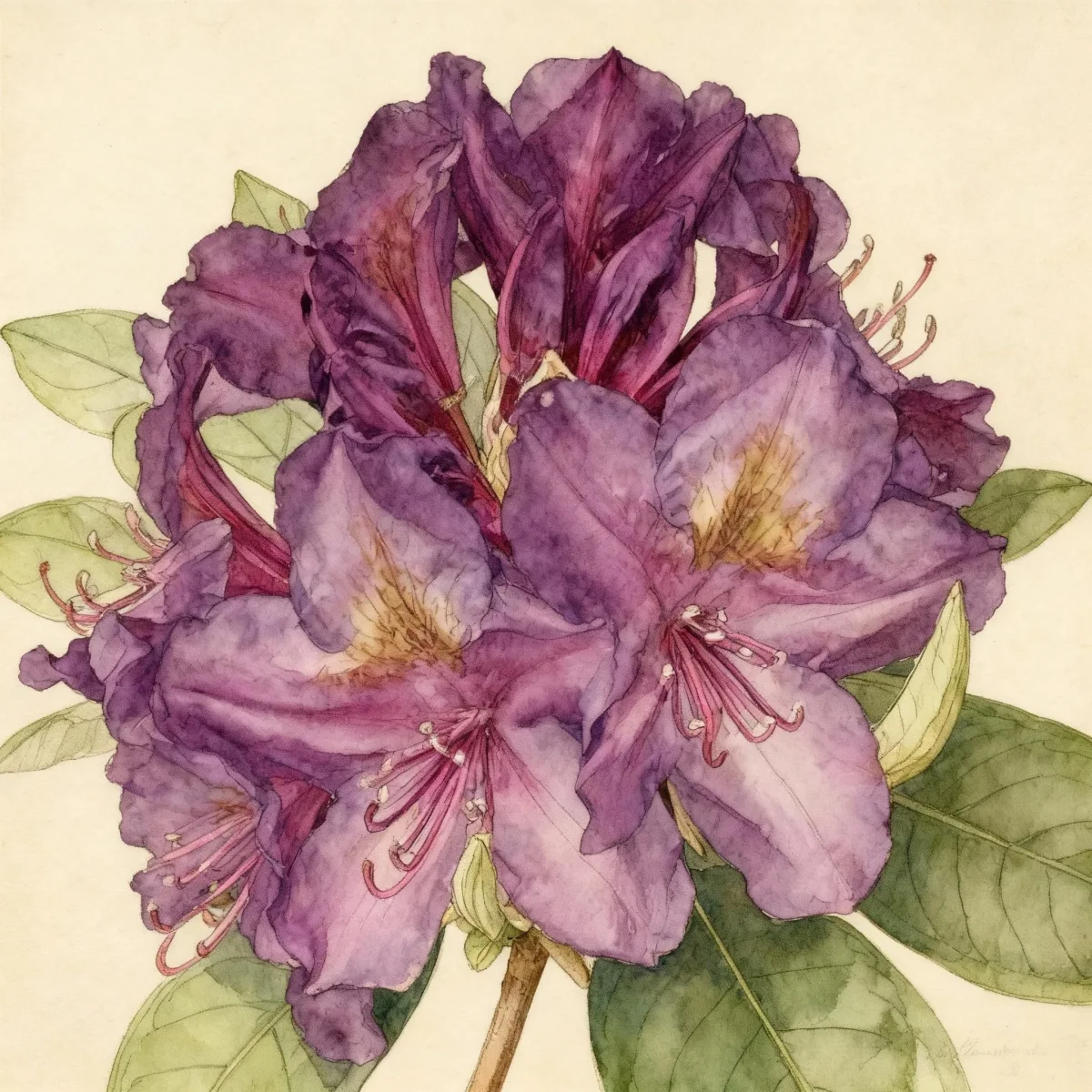
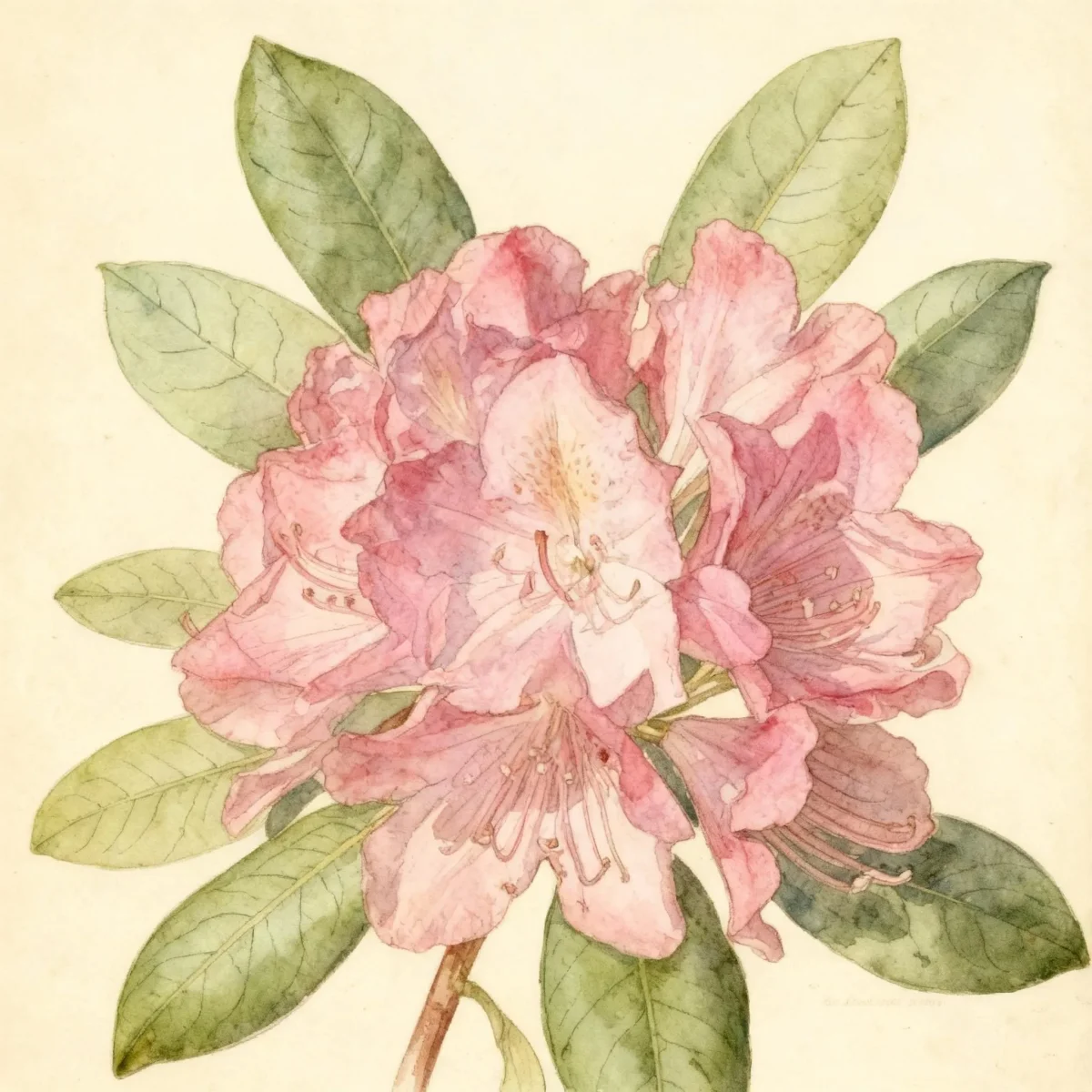
Rhododendron is a genus of 500 to 900 species and includes both of what we commonly call rhododendrons and azaleas. ‘Jericho’ is specifically a Leach hybrid derived from $R$. Keiskei ‘Mt. Kuromi’ x $R$. ‘Epoch’, characterized by its spreading habit suitable for gardeners seeking a 3 to 4 ft tall shrub. These evergreen Rhododendrons produce stiff leaves and large trusses of flowers that transition from white to pink, red, or purple, with this specific cultivar showcasing pale yellow blooms with strong yellow spotting.
Tolerances
- Rabbit
Potential Problems
Rhododendrons and azaleas are susceptible to numerous insect and disease issues if their root environment is stressed. Common insect pests to watch for include scale, lacebugs, and mealybugs, while fungal issues like leaf spot, powdery mildew, and root rot frequently appear when cultural conditions are incorrect. Chlorosis, where leaves turn yellow, is a strong indicator of soil pH being too high, causing essential iron to become unavailable.
Preventative care is the best defense when growing Rhododendron ‘Jericho’. Ensure that the soil offers superior drainage, as poor drainage is the primary cause of fatal root rot. Keep the shallow root system consistently moist but never waterlogged, and apply a protective layer of mulch annually. Healthy plants in the right environment typically resist most serious infestations.
Frequently Asked Questions
What hardiness zones is Rhododendron ‘Jericho’ suitable for?
Rhododendron ‘Jericho’ is hardy and thrives in USDA Zones 5 through 9.
How large does Rhododendron ‘Jericho’ grow?
This cultivar typically matures to a height between 3 and 4 feet tall, with a spread ranging from 4 to 5 feet wide.
What sun exposure does Rhododendron ‘Jericho’ need?
Rhododendron ‘Jericho’ requires part shade, ideally preferring dappled sunlight or high open shade throughout the day.
When does Rhododendron ‘Jericho’ bloom?
Rhododendron ‘Jericho’ displays its soft yellow flowers with bright yellow spots from April through May.
Conclusion
The Rhododendron ‘Jericho’ offers dedicated gardeners a compact, manageable broadleaf evergreen with highly desirable pale yellow springtime flowers. By honoring its need for acidic soil, excellent drainage, and protection from the harshest sun, this specimen will reward you with reliable structure and beauty for many years. Before planting, always verify that your site conditions match the USDA Zones 5-9 requirements for this specialized Rhododendron.
Companion Planting
When designing a shade garden centered around Rhododendron ‘Jericho’, select plants that share its love for acidic, humus-rich soil and protection from intense sun. Shade-tolerant groundcovers like Japanese Forest Grass (Hakonechloa macra) or various low-growing ferns create an excellent textural contrast beneath the shrub canopy. Consider using plants like Astilbe or Hellebores nearby, as these perennials also thrive in the same cool, moist, well-drained conditions preferred by this beautiful Rhododendron.
Seasonal Care Calendar
Spring care focuses intensely on bloom management; immediately after the showy flowers fade in May, deadhead the spent trusses to direct energy toward root development and next year’s buds. In summer, monitor soil moisture closely, especially during heat waves, ensuring the shallow roots of Rhododendron ‘Jericho’ never dry out completely. Fall is the ideal time to top-dress the root zone with a fresh, thin layer of acidic mulch, such as pine needles, which helps insulate roots heading into winter. Winter care largely involves keeping the evergreen foliage protected from drying winds and heavy ice accumulation.