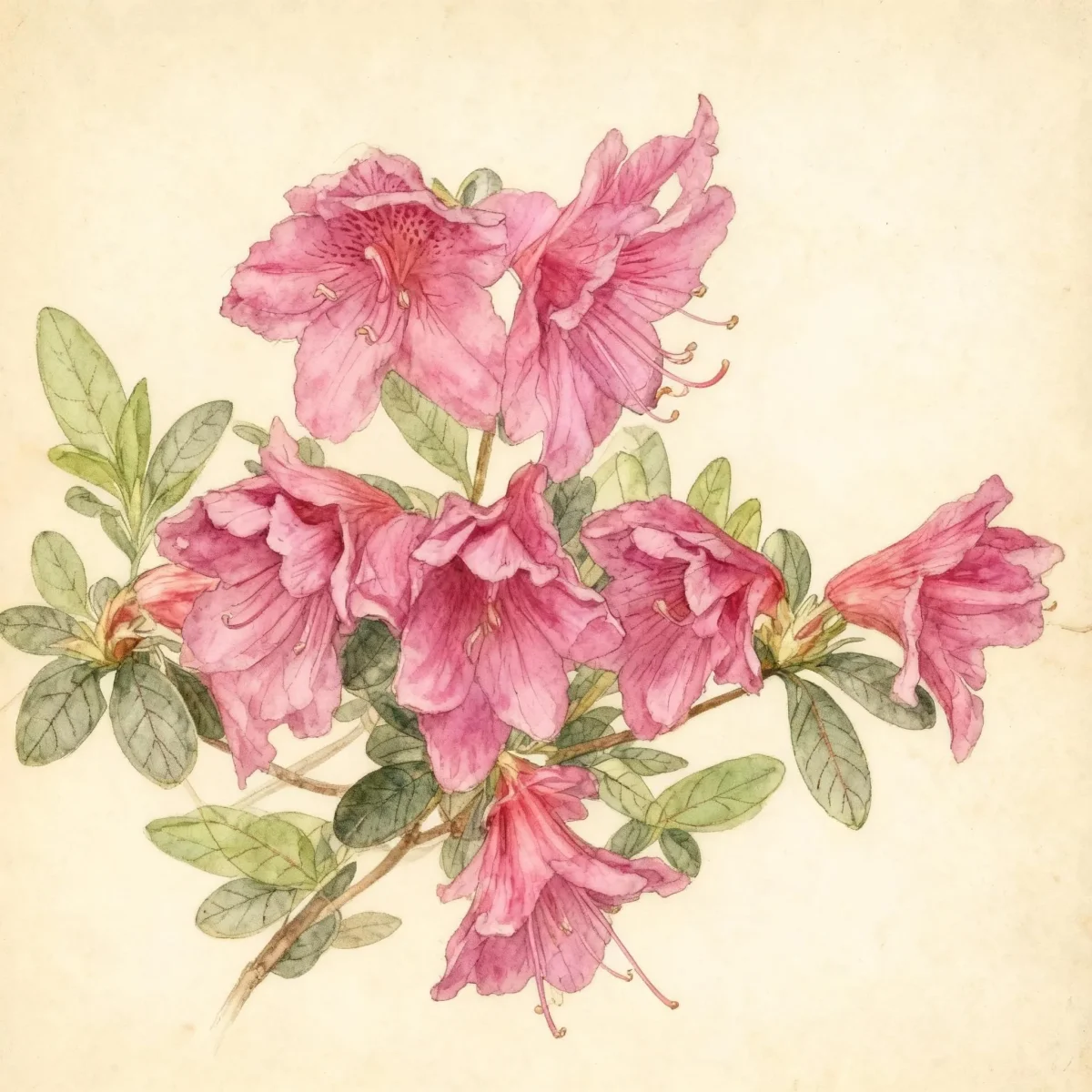
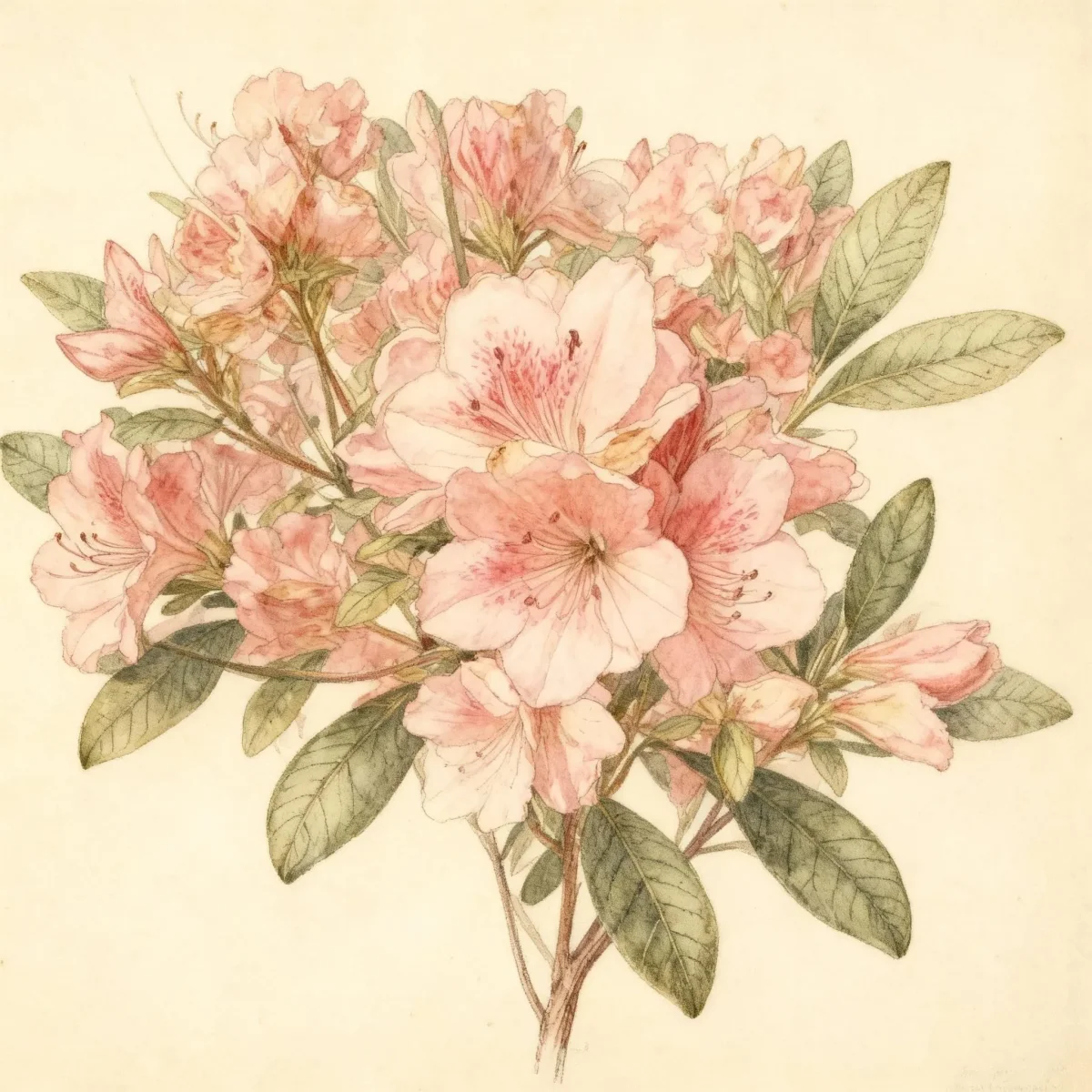
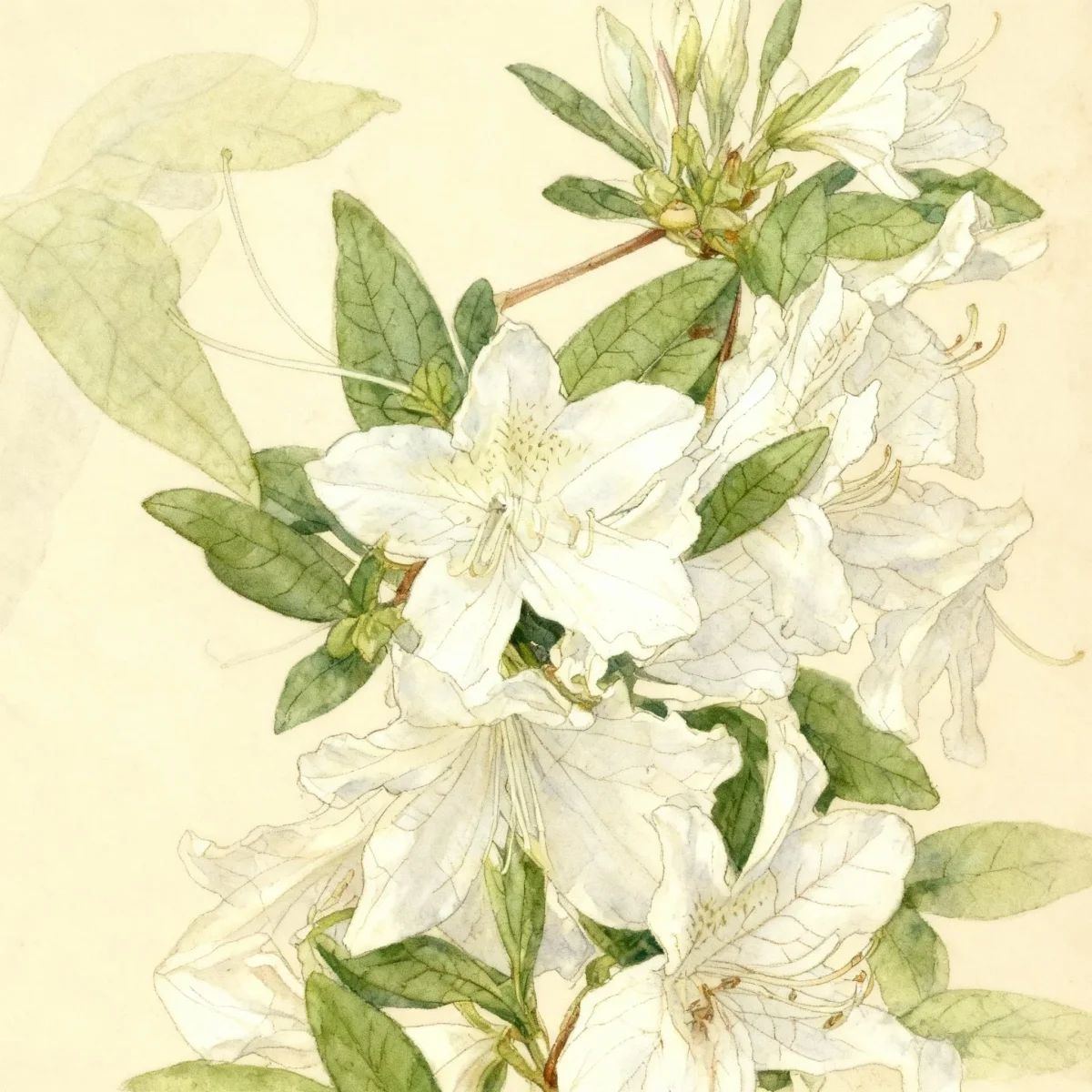
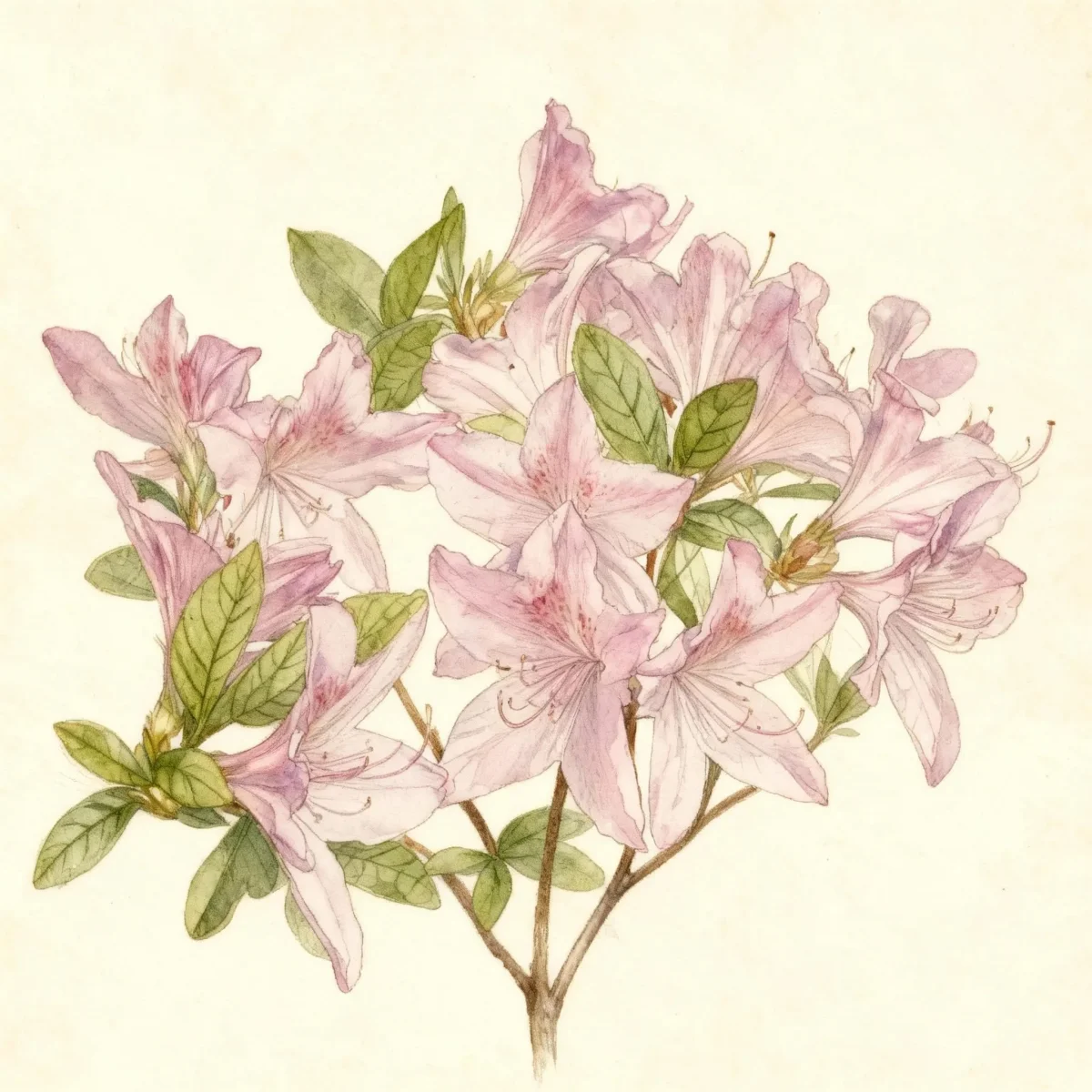
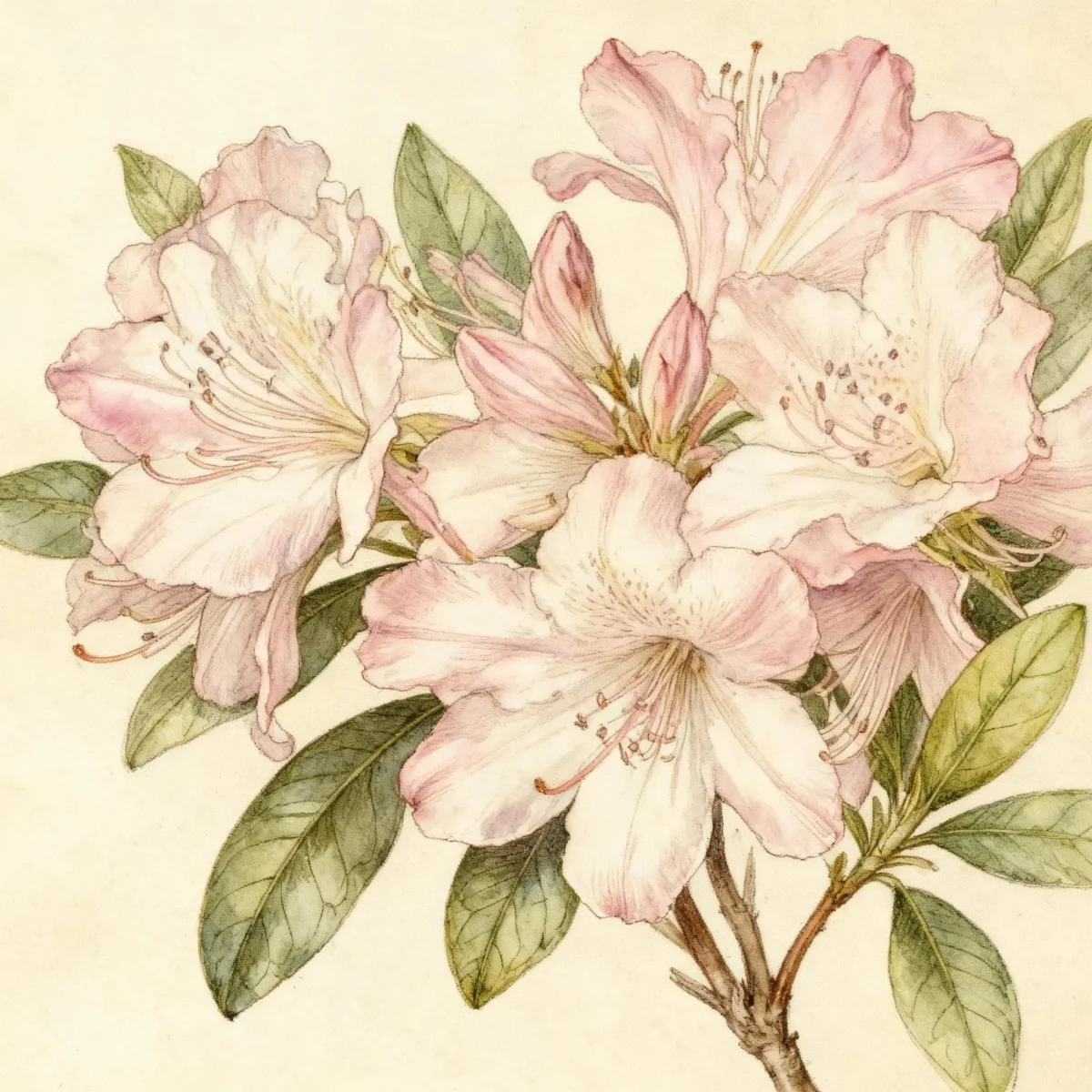
Evergreen azalea (Rhododendron 'Karens')
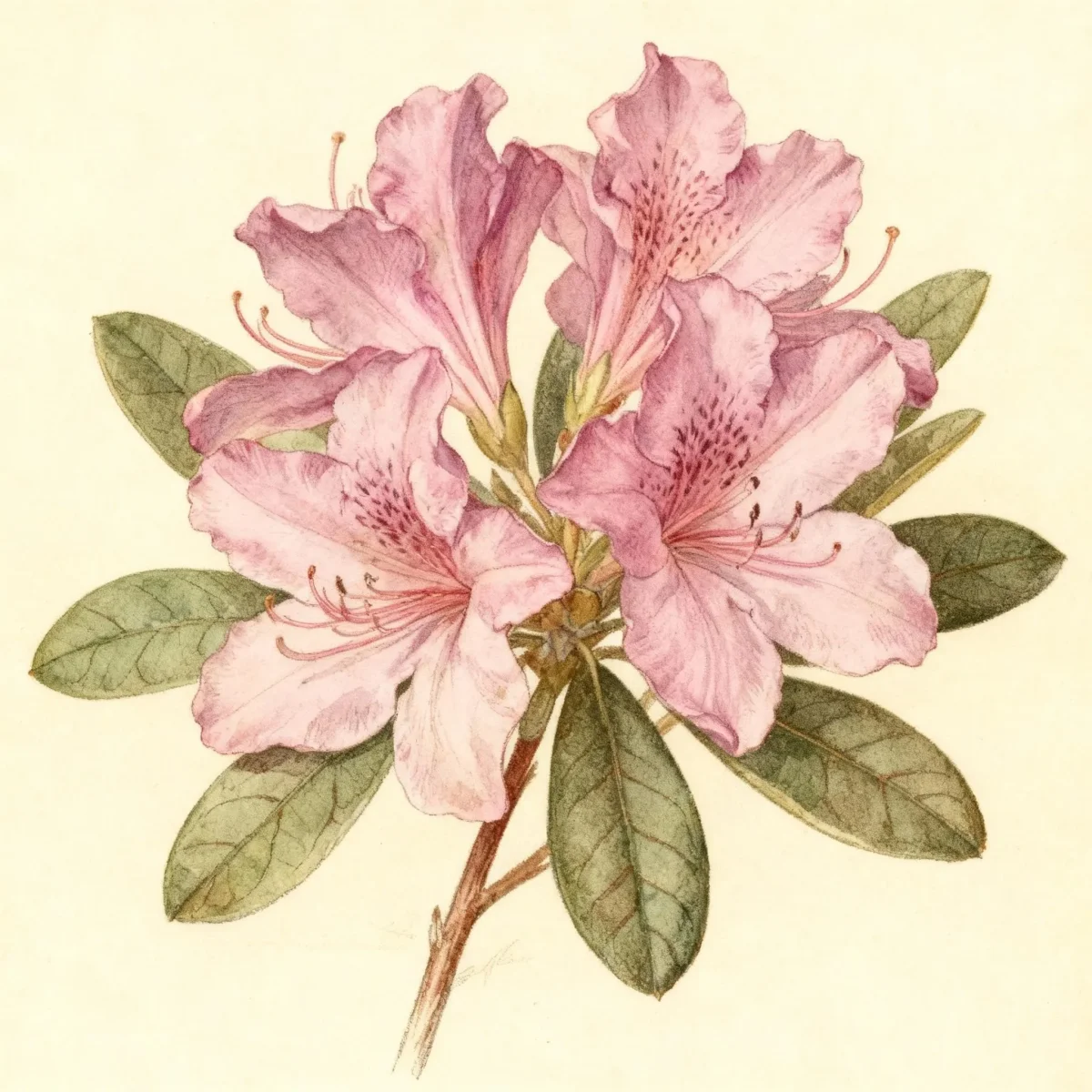
Rhododendron 'Karens' is a compact, dense Evergreen azalea noted for its excellent winter hardiness and showy lavender-pink blooms.
Scroll down to discover growing tips, care requirements, companion plants, and more
Complete Plant Information
Overview
Rhododendron ‘Karens’ offers gardeners a beautiful, reliable source of spring color, classifying it as a standout Evergreen azalea cultivar. This plant is highly valued for its dense, upright, and compact habit, making it perfect where space is managed but visual impact is desired. As a broadleaf evergreen, it retains attractive olive-green foliage throughout the cooler months, often acquiring lovely copper tones in autumn and winter.
This hybrid excels because it combines the visual appeal of other popular azaleas with dependable winter hardiness across USDA Zones 5 through 8. Blooming vibrantly between April and May with lavender-pink, funnel-shaped flowers, Rhododendron ‘Karens’ provides a crucial mid-spring display. Gardeners prize this Evergreen azalea for its manageable stature—typically 3 to 4 feet tall—and its utility in structured plantings like hedges or foundation beds.
To ensure success with Rhododendron ‘Karens’, gardeners must prioritize soil conditions, mimicking its native woodland environment with acidic, humusy, and consistently moist soil. Proper placement in dappled or high shade protects the foliage from scorching, ensuring the health and continued ornamental value of this excellent Rhododendron introduction.
Fast Facts
- Plant Family: Ericaceae
- Plant Type: Broadleaf evergreen
- Hardiness Zones: USDA Zones 5-8
- Size at Maturity:
- Height: 3-4 ft
- Spread: 3-4 ft
- Bloom Time: April to May
- Bloom Description: Lavender-pink
- Sun Exposure: Part shade
- Water Needs: Medium
- Maintenance Level: Medium
How to Grow
Planting Rhododendron ‘Karens’ requires attention to creating the precise acidic environment this Ericaceae family member requires. Aim for a location offering part shade, ideally morning sun followed by afternoon shade, protecting the foliage from intense heat. Ideal soil is organically rich, humusy, and features excellent drainage; poor drainage leads inevitably to root rot, so raised beds are recommended in heavy clay soils.
Maintain consistent moisture, as the shallow, fibrous root systems of this Evergreen azalea must never dry out. Supplemental watering is crucial during dry spells, even in partial shade. Cultivation around the plant should be avoided due to the delicate roots; instead, apply a 2-3 inch layer of organic mulch, such as pine needles or bark chips, to retain moisture and stabilize soil temperatures.
Soil pH management is essential; Rhododendron ‘Karens’ thrives with a pH between 5.0 and 5.5. Test yearly and apply iron sulfate or sulfur to lower pH if necessary. After flowering concludes between April and May, promptly clip off the spent flower clusters, a practice known as deadheading, to encourage energy conservation for next year’s bloom production. Protect this plant from harsh winter winds.
Landscape Uses
The dense, four-season structure of the Evergreen azalea makes Rhododendron ‘Karens’ incredibly versatile in landscape design. Its 3-4 foot size profile makes it an excellent choice for creating low, neat shrub borders flanking walkways or defining garden rooms. It functions beautifully as a foundation planting against a home, providing necessary color contrast against architectural elements during spring.
Beyond structure, Rhododendron ‘Karens’ excels in woodland gardens, thriving under the high, open shade cast by mature trees, provided root competition from walnut family trees is avoided due to juglone sensitivity. Mass plantings create significant impact, while grouping several together provides a vibrant swath of lavender-pink in late spring. Furthermore, its tidy form makes it a premier candidate when searching for robust, reliable material to use as a formal or informal hedge.
Standout Features
Flower Qualities
- Showy
Noteworthy Characteristics
Rhododendron is a genus of 500 to 900 species, including both rhododendrons and azaleas, with most being evergreen. ‘Karens’ is specifically noted for its excellent winter hardiness among evergreen azaleas, growing compactly to about 3.5 feet tall and wide. It produces large, open, funnel-shaped lavender-pink flowers during April and May, complemented by glossy, evergreen olive-green foliage that develops copper tones in the fall.
Tolerances
- Rabbit
Potential Problems
Rhododendrons and azaleas are susceptible to a wide array of pests and diseases, though a healthy Rhododendron ‘Karens’ grown in ideal conditions sees fewer issues. Common insect threats include aphids, lacebugs, and scale. Fungal issues like blights, powdery mildew, and various rots (crown and root) often arise from poor air circulation or improper drainage.
Chlorosis, identified by yellowing foliage, is a common indicator that the soil pH is too high, leading to an iron deficiency that prevents proper nutrient uptake. To prevent most problems, adhere strictly to cultural requirements: ensure well-drained, acidic soil and provide dappled sunlight. Avoid cultivating near the shallow roots and always maintain a consistent mulch layer to help stabilize soil conditions for your Evergreen azalea.
Frequently Asked Questions
What hardiness zones is Evergreen azalea suitable for?
Rhododendron ‘Karens’ is winter hardy across USDA Zones 5 through 8.
How large does Rhododendron ‘Karens’ grow?
This compact Evergreen azalea typically reaches a mature height and spread between 3 and 4 feet.
What sun exposure does Rhododendron ‘Karens’ need?
This plant performs best when situated in part shade, preferring dappled woodland light or morning sun with afternoon shade.
When does Evergreen azalea bloom?
Rhododendron ‘Karens’ is noted for its bloom time in the spring, typically from April to May, displaying lavender-pink flowers.
Conclusion
Rhododendron ‘Karens’ succeeds as a garden staple due to its dependable evergreen structure, manageable size, and vibrant spring display of lavender-pink flowers. This cultivar offers superior winter resilience compared to some other varieties, making it a trustworthy Evergreen azalea choice for many temperate landscapes. Before planting, carefully assess your site conditions to ensure the soil is acidic and the sun exposure is properly shaded to maximize the performance of your new Rhododendron ‘Karens’.
Companion Planting
When designing a planting scheme around Rhododendron ‘Karens’, select companions that share similar cultural needs for acidic soil and protection from hot, afternoon sun. Hostas and ferns, which thrive in the moist, shaded environment preferred by this Evergreen azalea, make excellent ground cover companions, adding textural contrast to the shrub’s foliage. For complementary spring bloom, consider pairing it near late-flowering bulbs like Alliums, or other acid-loving shrubs such as Camellias or Pieris japonica.
Seasonal Care Calendar
Spring care centers on the beautiful bloom period between April and May; deadhead spent flowers promptly to promote vegetative growth rather than seed production. As summer approaches, increase vigilance regarding watering, ensuring the medium moisture level is maintained and never allowing the shallow roots to dry out, especially in hot, dry spells. In autumn, focus on applying a fresh layer of mulch if needed, which helps insulate the roots against fluctuating fall temperatures while retaining moisture leading into winter dormancy preparation.