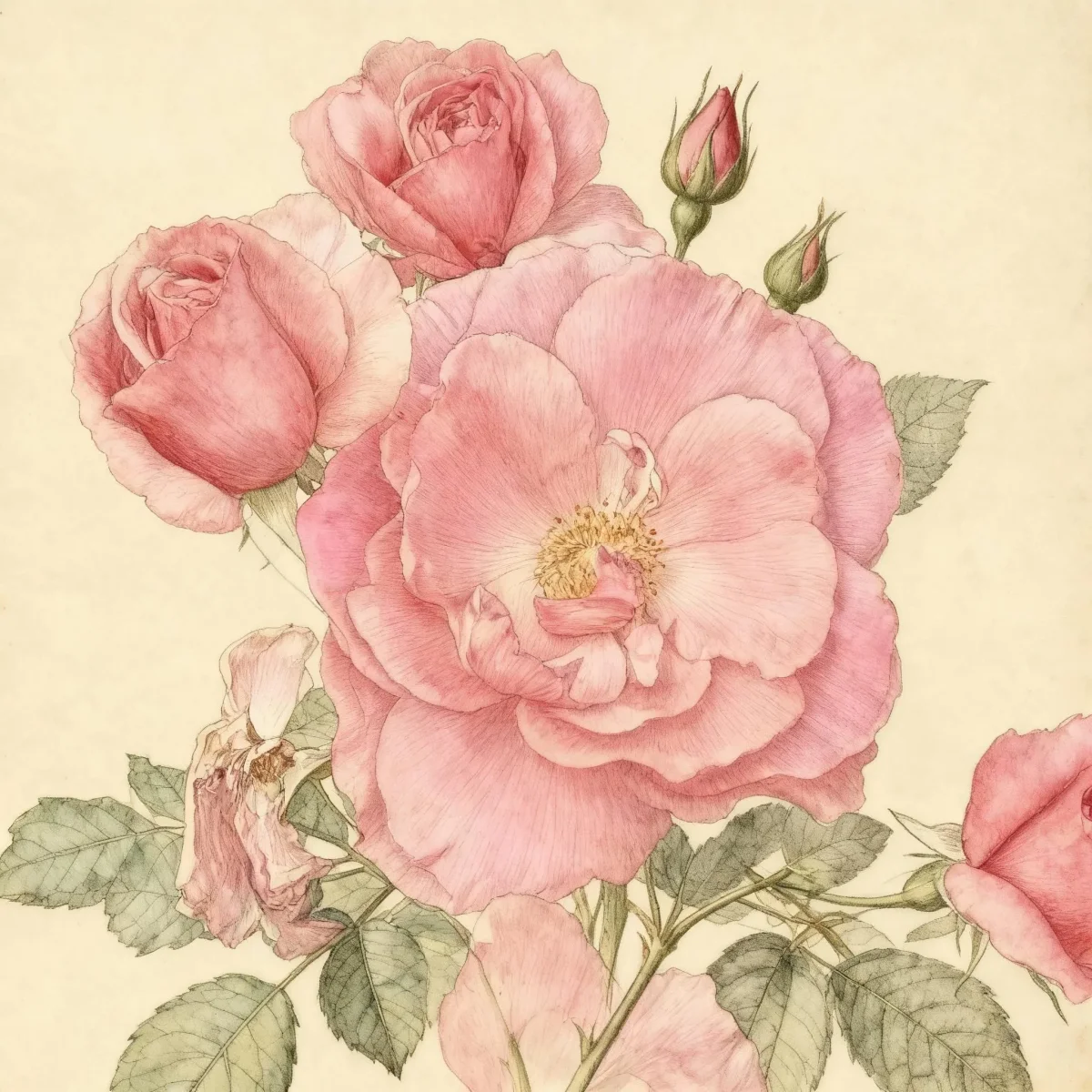
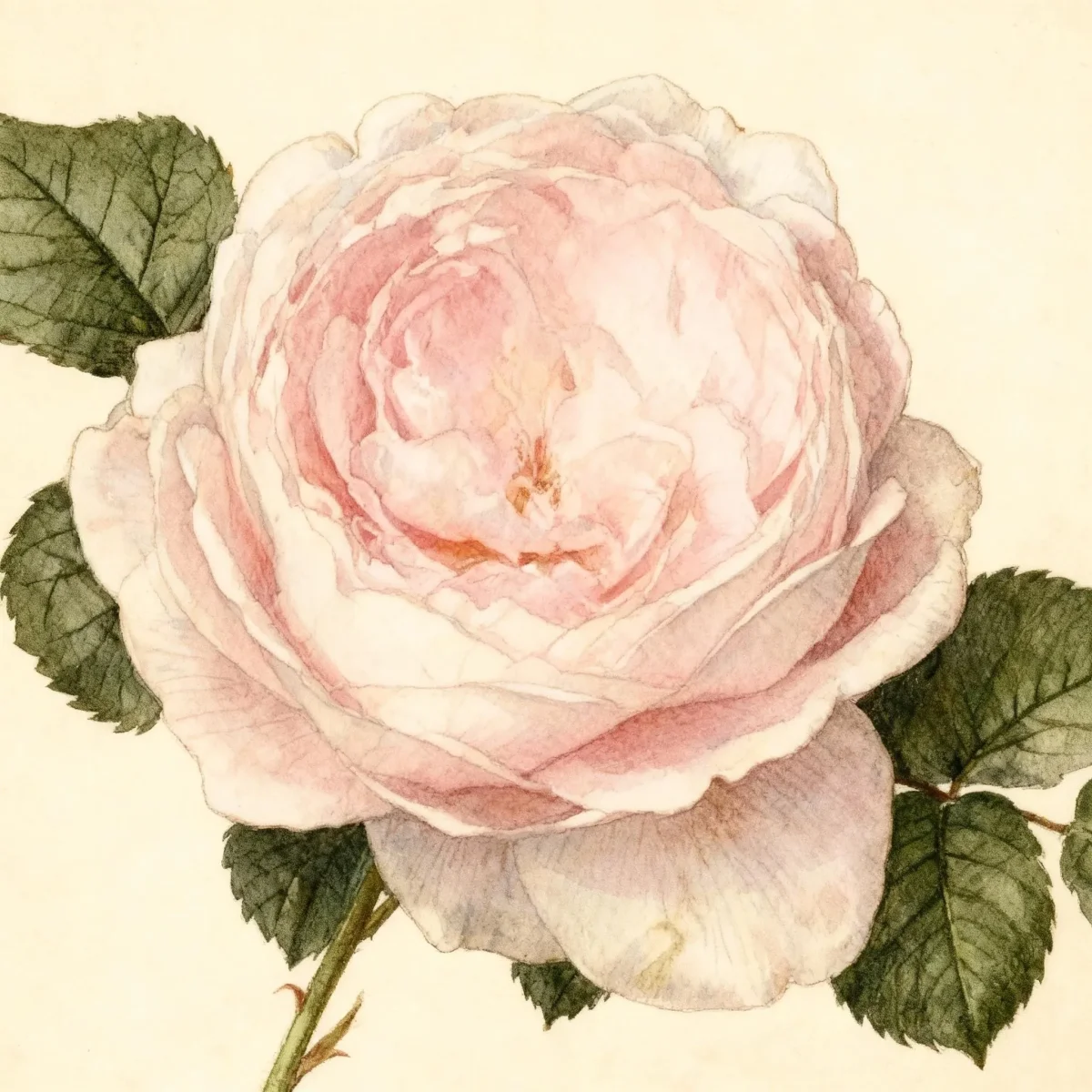
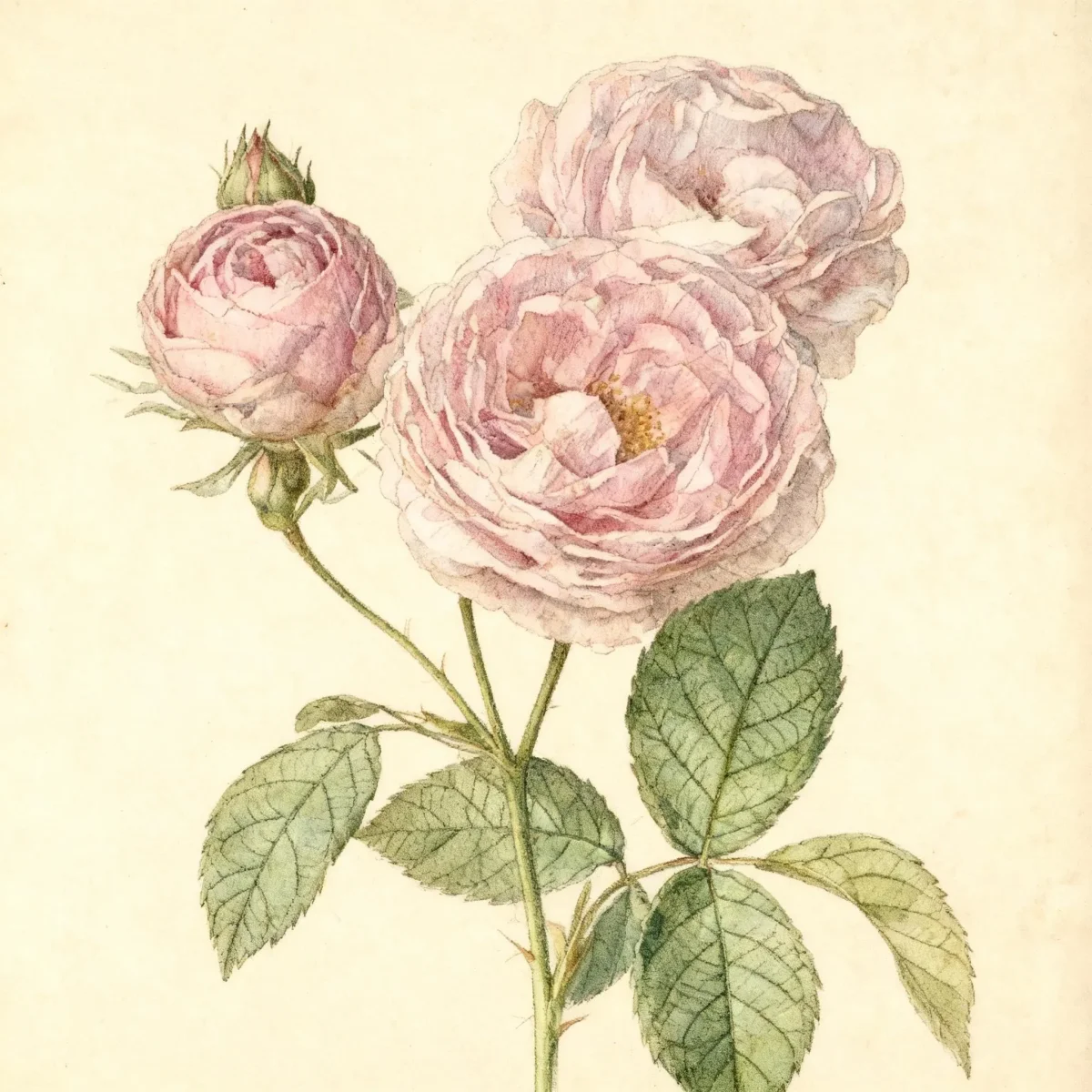
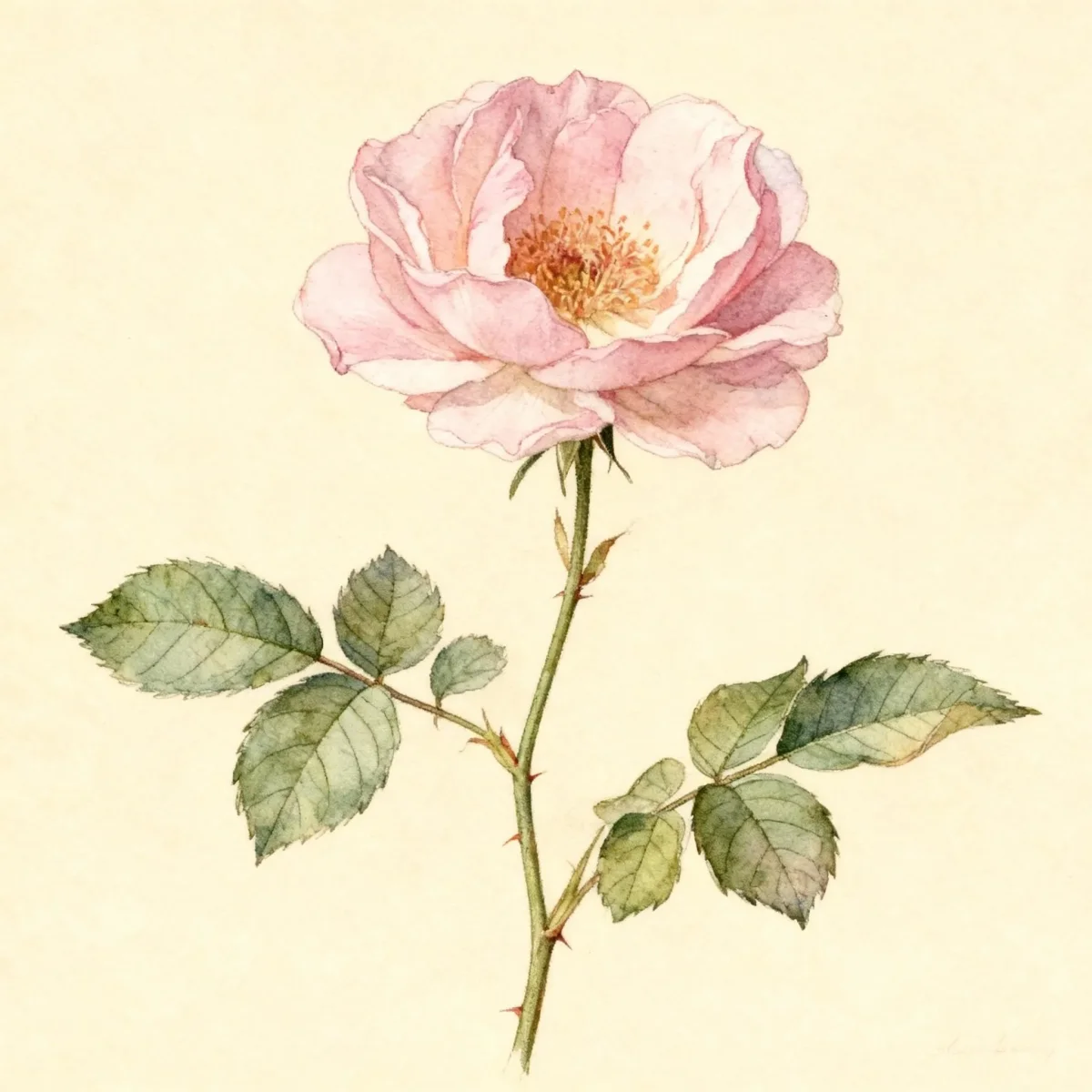
Shrub rose (Rosa 'Amiga Mia')
Rosa 'Amiga Mia' is an everblooming Shrub rose offering showy, fragrant shell-pink blooms from May to frost. Ideal for borders and hedges.
Scroll down to discover growing tips, care requirements, companion plants, and more
Complete Plant Information
Overview
Rosa ‘Amiga Mia’ is a standout variety within the Shrub rose classification, valued for its consistent, profuse color display throughout the growing season. Descended from the popular ‘Queen Elizabeth,’ this rose delivers an excellent combination of size, fragrance, and extended bloom time, making it highly desirable for structure in the garden. This deciduous shrub typically matures between three and five feet tall and wide, presenting an appealing stature for various landscape applications.
As an everblooming variety, Rosa ‘Amiga Mia’ ensures gardeners enjoy its fragrant, shell-pink flowers from late spring right up until the first hard frost. While it thrives in full sun for optimal flowering and disease resistance, it can tolerate some less intense conditions. Achieving the best results with this Shrub rose involves providing medium moisture and ensuring good air circulation around its dark green foliage.
The practicality of growing Rosa ‘Amiga Mia’ lies in its versatility and robust performance as a mid-sized shrub. Whether deployed as a colorful, fragrant hedge or used as a specimen in a mixed border, this plant offers significant aesthetic impact. Its reliability makes it a go-to choice for gardeners seeking classic rose appeal without the intensive care often associated with hybrid teas.
Fast Facts
- Plant Family: Rosaceae
- Plant Type: Deciduous shrub
- Hardiness Zones: USDA Zones 5-9
- Size at Maturity:
- Height: 3-5 ft
- Spread: 3-5 ft
- Bloom Time: May to frost
- Bloom Description: Shell pink
- Sun Exposure: Full sun
- Water Needs: Medium
- Maintenance Level: Medium
How to Grow
Plant Rosa ‘Amiga Mia’ in well-drained garden loams that are slightly acidic, ideally in a location receiving full sun. Full sun maximizes flower production and significantly boosts the plant’s natural resistance to common foliar diseases. Planting should occur when soil conditions permit, usually late winter or early spring, allowing the root system to establish before the heat of summer.
Ongoing care centers around consistent moisture management. Water Rosa ‘Amiga Mia’ deeply and regularly, prioritizing early morning watering to allow foliage to dry before nightfall; avoid overhead sprinkling. Applying a layer of summer mulch will help keep the roots cool and conserve the necessary medium moisture levels while suppressing weeds. Deadheading spent blooms regularly encourages the plant to spend energy on producing new flowers rather than developing hips.
Good vigor and health depend on excellent air circulation. When pruning this Shrub rose, perform necessary shaping in late winter to early spring. In regions experiencing severe cold, such as Zone 5 winters, ensure the crowns receive adequate winter protection. Practice diligent hygiene by removing and destroying any diseased or fallen leaves immediately, both during the season and during final dormant cleanup.
Landscape Uses
Rosa ‘Amiga Mia’ excels in structured settings where its consistent blooming and tidy, medium stature are beneficial. This Shrub rose is highly effective when planted in masses to form a low hedge, providing a continuous wall of shell-pink color throughout the growing season. It also performs beautifully in traditional cottage gardens or mixed borders where its fragrance can be enjoyed up close.
Consider using this plant near foundations or entryways where its aesthetic qualities—showy, fragrant blossoms—can be appreciated daily. While specific companion plants are numerous, pair Rosa ‘Amiga Mia’ with perennials that enjoy similar sun and moisture needs, such as lavender or salvias, creating textural contrast against the dark green foliage of the Shrub rose. Its ability to be massed makes it ideal for anchoring focal points or defining pathways.
Standout Features
Flower Qualities
- Showy
- Fragrant
- Good Cut
Noteworthy Characteristics
Rosa is a genus of about 150 species of deciduous (occasionally evergreen) shrubs and climbers noted for their beautiful, often fragrant, single, semidouble or double flowers which are borne singly or in clusters on often prickly stems clad with 5-9 leaflets often having toothed margins. Shrub roses are usually large-growing bushes between 4-10 feet tall and as wide. ‘Amiga Mia’ is an everblooming shrub rose that typically grows 3-5’ tall and features profuse blooms of fragrant, shell-pink flowers, both singly and in clusters, throughout the summer.
Tolerances
Potential Problems
Roses like Rosa ‘Amiga Mia’ face susceptibility to several common fungal diseases, most notably black spot, powdery mildew, and rust. To manage these effectively, prioritize good cultural practices, which form the primary defense. In humid climates, preventative fungicide applications scheduled throughout the active growing season are often required for optimal control. Potential insect pests range from aphids and scale to leafhoppers and spider mites. Consult local horticultural experts for localized recommendations on sprays and biological controls to keep your Shrub rose vigorous.
Frequently Asked Questions
What hardiness zones is Rosa ‘Amiga Mia’ suitable for?
Rosa ‘Amiga Mia’ is successfully grown in USDA Hardiness Zones 5 through 9.
How large does Shrub rose grow?
This variety typically reaches a mature height between 3 and 5 feet, with a corresponding spread of 3 to 5 feet.
When does Rosa ‘Amiga Mia’ bloom?
This Shrub rose begins flowering enthusiastically in May and continues blooming profusely until the first frost, displaying lovely shell-pink colors.
What sun exposure does Shrub rose need?
For the best flowering and disease resistance, Rosa ‘Amiga Mia’ requires full sun exposure.
Conclusion
Rosa ‘Amiga Mia’ provides exceptional garden value through its continuous display of fragrant, showy, shell-pink blossoms, making it a superior Shrub rose selection. By adhering to precise cultural guidelines concerning sun, water, and timely pruning, gardeners can ensure this specimen thrives for many seasons. Before planting, confirm your garden location falls within USDA Zones 5-9 and plan planting for early spring.
Companion Planting
Selecting beneficial neighbors is key to maximizing the health and appearance of Rosa ‘Amiga Mia’. Plants that require similar sun exposure (full sun) and medium moisture levels are ideal partners. Consider pairing the Shrub rose hedges with aromatic herbs like Rosemary or Thyme, which can help deter some common rose pests through their strong scents. Similarly, planting shorter perennials like Catmint or Hardy Geraniums at the base helps shade the soil, further contributing to moisture retention, which the rose prefers.
Seasonal Care Calendar
Managing this Shrub rose effectively requires attention across the growing year. In late winter or very early spring, perform structural pruning on Rosa ‘Amiga Mia’, removing any dead or crossing canes. As spring progresses and temperatures climb, begin preventative fungicide treatments if you battled disease the previous year, remembering to water deeply in the morning. Summer is the time for consistent deadheading to encourage rebloom; apply mulch now to maintain cool roots and conserve water. The final critical task is cleanup: thoroughly remove all fallen leaves in late autumn to minimize overwintering fungal spores before the ground freezes.