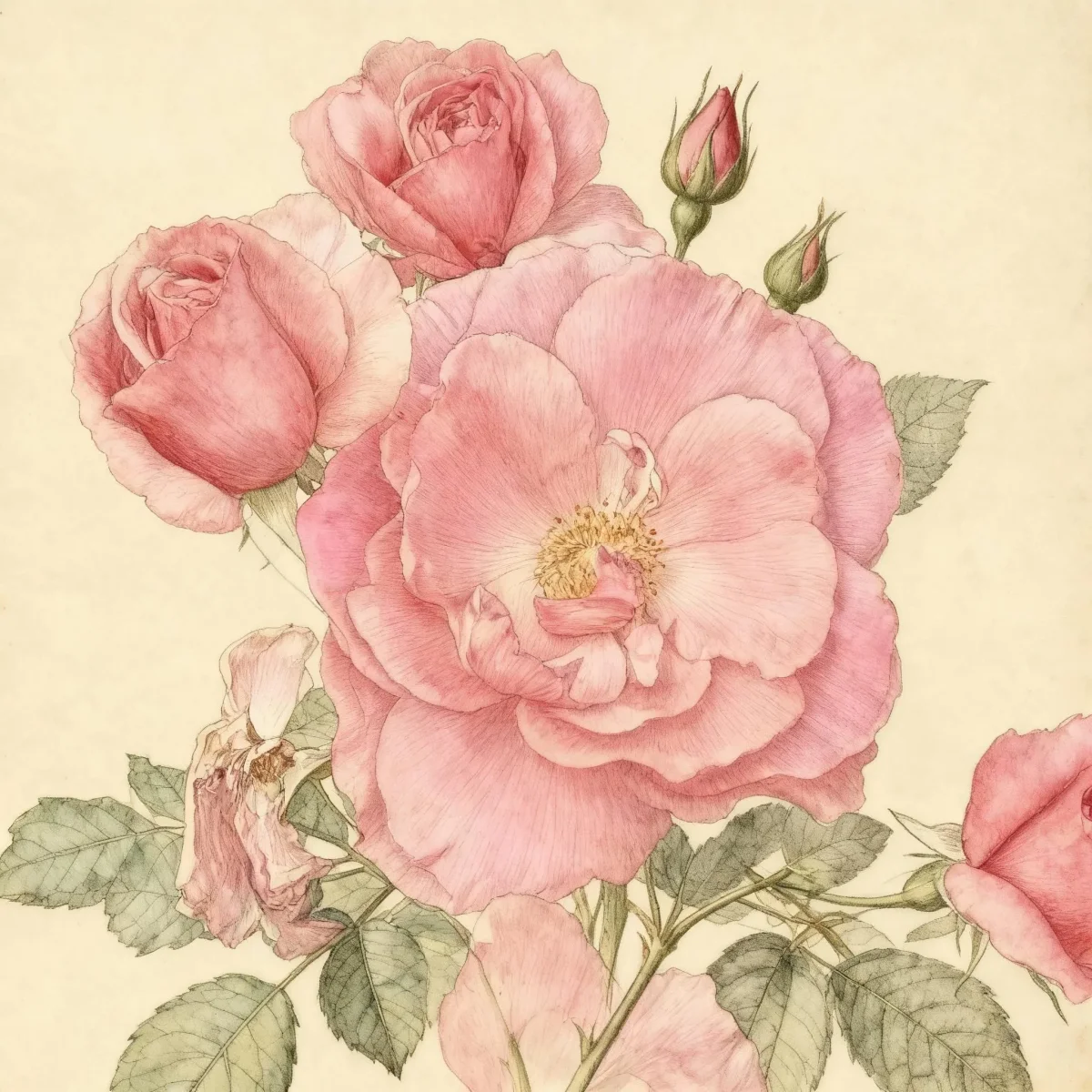
Hybrid musk rose (Rosa 'Ballerina')
Rosa 'Ballerina' is a popular Hybrid musk rose, known for its abundant, showy pink blooms from May until frost.
Scroll down to discover growing tips, care requirements, companion plants, and more
Complete Plant Information
Overview
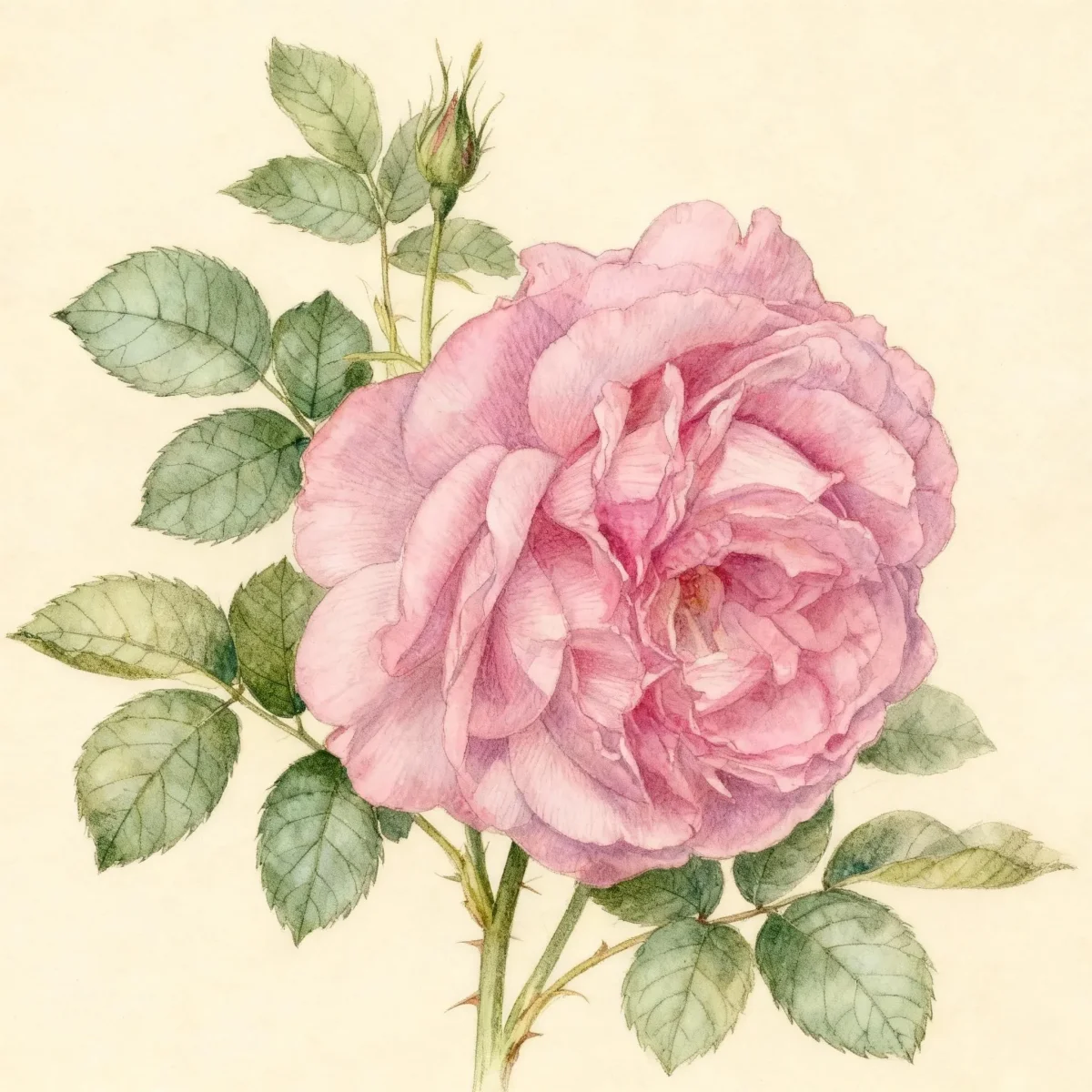
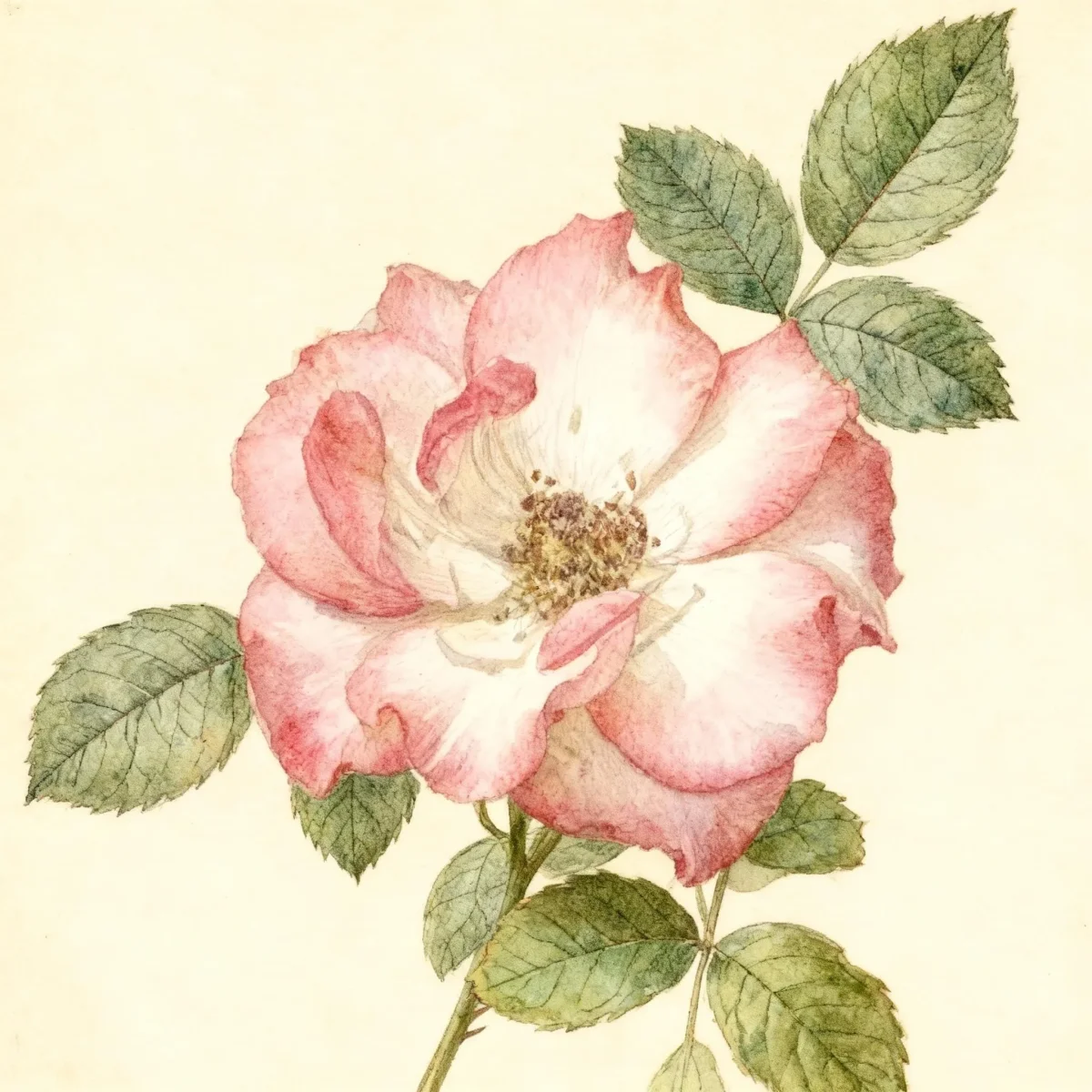
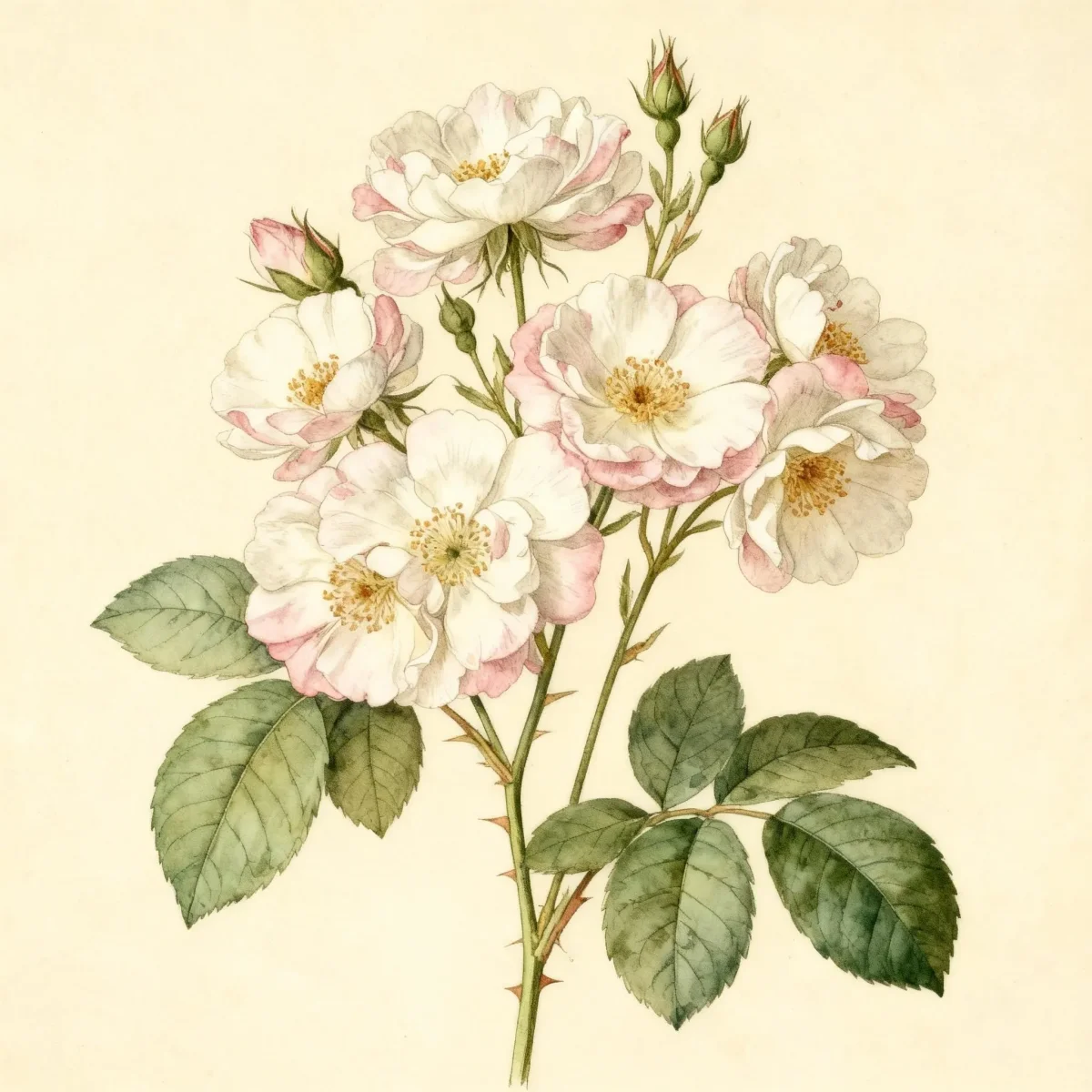
Rosa ‘Ballerina’ stands out as a resilient and prolific Hybrid musk rose, highly valued for its long blooming season which extends from late spring right through to the first frost. This shrub produces masses of charming, small, single flowers, typically light pink with striking white centers and visible yellow stamens. Its vigorous, rounded growth habit makes it exceptionally useful for adding continuous color and structure to the garden landscape.
As a classic Hybrid musk rose, ‘Ballerina’ offers the romance associated with older roses while maintaining a more manageable size suitable for contemporary borders. Gardeners appreciate this cultivar for its aesthetic appeal, offering both showy displays and a mild fragrance, coupled with its robustness in varied conditions. Effective cultural care ensures this rose remains a vibrant feature throughout the growing year.
The introduction of 1937, Rosa ‘Ballerina’, features arching canes that are covered in trusses of blooms, creating a waterfall effect of color throughout the summer. Beyond its beauty, it fulfills versatile landscape roles, functioning well as a specimen plant or providing necessary screening when utilized as a hedge.
Fast Facts
- Plant Family: Rosaceae
- Plant Type: Deciduous shrub
- Hardiness Zones: USDA Zones 5-9
- Size at Maturity:
- Height: 4-6 ft
- Spread: 3-5 ft
- Bloom Time: May to frost
- Bloom Description: Light pink with white center
- Sun Exposure: Full sun
- Water Needs: Medium
- Maintenance Level: Medium
How to Grow
Planting the Hybrid musk rose, Rosa ‘Ballerina’, should ideally occur in late winter or early spring when selecting a location that provides full sun, although it can tolerate partial shade. Best flowering and disease resistance are achieved in full sun. This variety thrives when situated in medium moisture, slightly acidic, well-drained garden loams.
Ongoing care requires consistent attention to watering, particularly keeping the soil evenly moist. Water deeply and regularly, focusing irrigation in the mornings and always avoiding overhead watering, which can encourage foliar diseases. Applying a summer mulch is beneficial; this retains moisture, keeps the root zone cool, and suppresses weed growth around your Rosa ‘Ballerina’.
To encourage repeat blooming, deadhead (remove spent flowers) regularly throughout the season. Ensure good air circulation around the plant, as this is crucial for maintaining vigorous and healthy growth, helping to control common diseases. In colder parts of its range (like Zone 5), crowns may require winter protection. Prune Rosa ‘Ballerina’ as needed in late winter to early spring, removing any dead or crossing wood to maintain an open structure.
Landscape Uses
The versatility of Rosa ‘Ballerina’ makes it a superb selection for numerous garden settings. It excels when used as an informal hedge, providing a soft, flowering screen between areas or along property lines. For focal points, grow it as a striking specimen surrounded by lower-growing perennials, or incorporate it into mixed borders, cottage gardens, or foundation plantings where its arching habit can soften hard lines.
Due to its cluster-flowering habit typical of Hybrid musk roses, it pairs beautifully with plants that offer contrasting foliage textures or complementary bloom times. Consider pairing it with low-growing ornamental grasses or herbs that benefit from similar sunny, well-drained conditions. Its repeated flowering ensures visual interest long after many spring bloomers have faded.
Standout Features
Flower Qualities
- Showy
- Fragrant
Noteworthy Characteristics
Rosa is a genus of about 150 species of deciduous shrubs and climbers noted for their beautiful, often fragrant, flowers. Shrub roses like this Hybrid musk rose are diverse hybrids that usually produce clusters of flowers several times a year. ‘Ballerina’ is a notable cultivar that typically grows in a rounded form to 4-6’ tall featuring trusses of small single pink and white flowers that bloom repeatedly from May/June until autumn, giving way to tiny orange hips at season’s end.
Tolerances
Potential Problems
Roses, including Rosa ‘Ballerina’, are susceptible to significant challenges, most commonly fungal issues such as black spot, powdery mildew, and rust, along with rose rosette disease. While employing good cultural practices provides the first defense, regular preventative fungicide applications are often necessary, especially in humid environments. Watch for insect pests including aphids, scale, and spider mites. Diligent cleanup—removing and destroying diseased or dead leaves seasonally—and ensuring good air circulation remain essential for management.
Frequently Asked Questions
What hardiness zones is Hybrid musk rose suitable for?
The Rosa ‘Ballerina’ thrives in USDA Hardiness Zones 5 through 9.
How large does Rosa ‘Ballerina’ grow?
This Hybrid musk rose typically reaches a height between 4 and 6 feet and spreads approximately 3 to 5 feet wide.
What sun exposure does Rosa ‘Ballerina’ need?
Optimal health and the best disease resistance for this variety occur when planted in full sun.
When does Rosa ‘Ballerina’ bloom?
You can expect blooms on Rosa ‘Ballerina’ starting in May and continuing sporadically until frost, displaying light pink flowers with white centers.
Conclusion
The Hybrid musk rose, Rosa ‘Ballerina’, offers tremendous value to the home gardener due to its continuous blooming cycle and handsome, rounded form, making it a superb flowering specimen or hedge plant. By ensuring proper site selection in full sun and practicing moderate, consistent care, you can maximize the showy and fragrant performance of your roses. Before planting, confirm that your local USDA zone falls between 5 and 9 to ensure success with this classic cultivar.
Companion Planting
Selecting appropriate neighbors enhances the health and visual appeal of Rosa ‘Ballerina’. Companion plants should thrive in the same conditions: full sun, well-drained soil, and medium moisture. Consider pairing the pink blooms with silver-leaved foliage, such as Lamb’s Ears (Stachys byzantina), which provides textural contrast and helps draw attention to the rose’s arching shape.
To further manage moisture retention and suppress weeds near the base of your Hybrid musk rose, interplant with low-growing edibles or herbs like chives or creeping thyme. These selections generally share similar cultural demands and will not aggressively compete with the rose’s root system, allowing Rosa ‘Ballerina’ to flourish throughout the growing season.
Design Ideas for Mass Planting
When you need significant impact, Rosa ‘Ballerina’ excels in mass plantings, transforming large beds into a soft expanse of color. Planting them in odd-numbered groups of three, five, or seven provides a more naturalistic drift compared to rigid, single specimens. Because of its height (up to 6 feet), plant shorter structural plants, such as low boxwood or perennial salvias, in front to provide separation from the lawn edge or walkway.
For a classic English cottage garden look, mix the Hybrid musk rose with flowering perennials known for their tolerance to the pruning cycles required by roses. Plants like Catmint (Nepeta) or hardy Geraniums work well here, as they fill in the lower space left during early spring when the rose is being pruned, and they rarely obstruct the air flow needed by the rose.