Hybrid wichurana rose (Rosa 'Bobbie James')
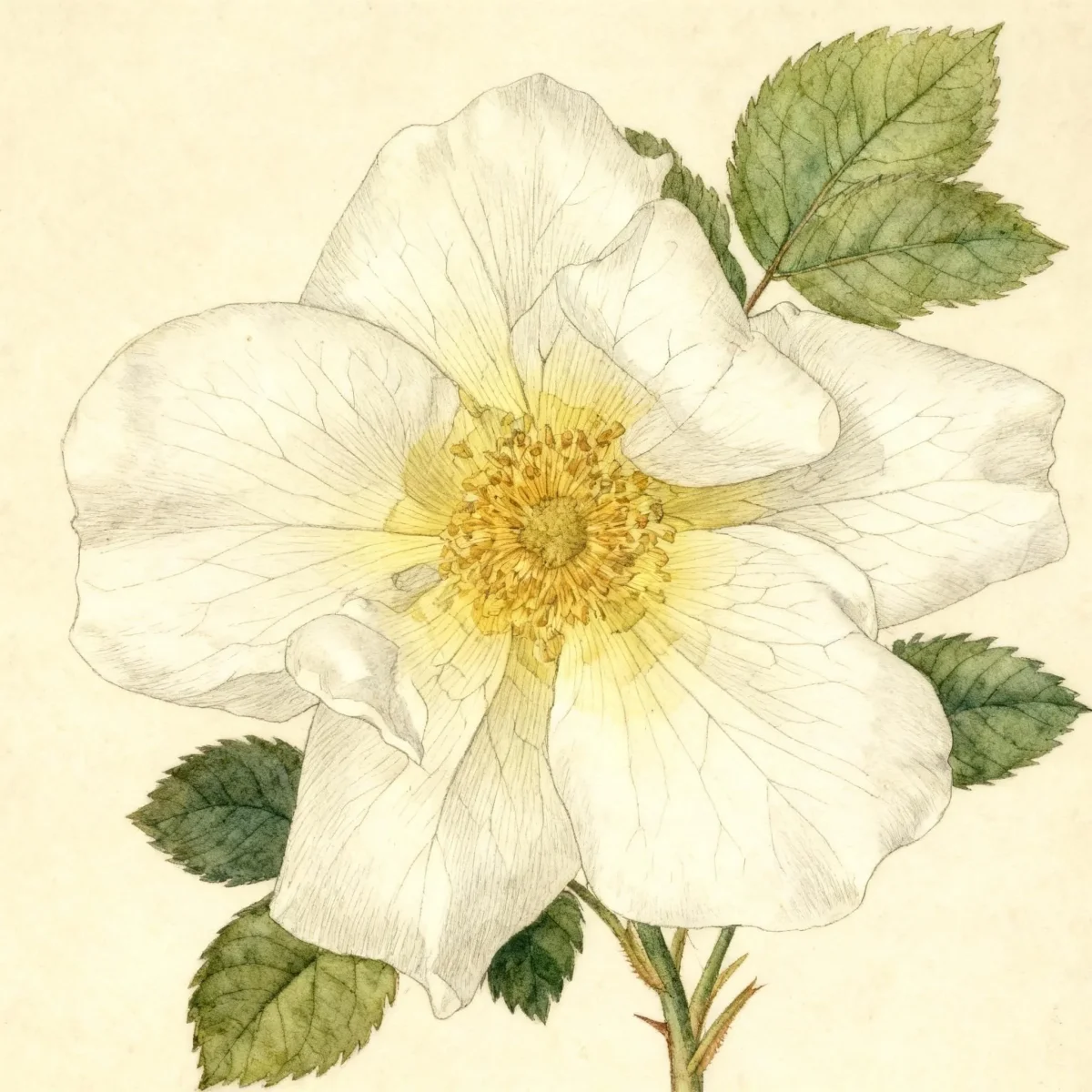
Discover Rosa 'Bobbie James', a vigorous Hybrid wichurana rose, known for massive white fragrant blooms in May. Ideal for large structures.
Scroll down to discover growing tips, care requirements, companion plants, and more
Complete Plant Information
Overview
Rosa ‘Bobbie James’ is an exceptionally vigorous rambling rose, classified as a Hybrid wichurana rose, celebrated for its dramatic landscape impact. Gardeners prize this variety for its ability to cover vast areas, scaling trees or cladding large building facades with a curtain of blooms. It offers significant aesthetic rewards, particularly its highly fragrant flowers that appear in a massive flush each spring.
This deciduous shrub produces long stems typical of ramblers, requiring substantial support as it matures to its impressive height of 20 to 30 feet. While it offers only one major bloom period in early summer, the sheer volume and strong fragrance of the white flowers make it a memorable specimen in the landscape. Proper site selection and long-term cultural care are key to managing the robust growth of Rosa ‘Bobbie James’.
As a tough rambler, the Hybrid wichurana rose is noted for regenerating itself with new base shoots, allowing for the older, exhausted stems to be removed periodically without sacrificing the overall plant size. Plant Rosa ‘Bobbie James’ where its monumental size can be fully appreciated, ensuring excellent air circulation for best health.
Fast Facts
- Plant Family: Rosaceae
- Plant Type: Deciduous shrub
- Hardiness Zones: USDA Zones 3-8
- Size at Maturity:
- Height: 20-30 ft
- Spread: 15-20 ft
- Bloom Time: May
- Bloom Description: White
- Sun Exposure: Full sun
- Water Needs: Medium
- Maintenance Level: Medium
How to Grow
The ideal time to plant Rosa ‘Bobbie James’ is when dormant, either in early spring or late fall, ensuring the roots establish before extreme weather hits. This rambler demands location; it must be situated in average, medium moisture, well-drained soil. Full sun exposure is non-negotiable; best flowering and disease resistance are directly correlated with receiving direct sunlight for most of the day.
Routine care focuses on consistent moisture without saturation. Water deeply and regularly, directing water to the base of the plant in the mornings to allow foliage to dry before evening. Good air circulation is vital for managing fungal issues common to roses, so avoid planting too close to dense walls or other shrubs. A summer mulch layer will help keep the roots cool and retain necessary moisture.
Pruning for this Hybrid wichurana rose should be done as needed, specifically after the main flowering season concludes in May. Unlike many modern roses, ramblers like Rosa ‘Bobbie James’ are often pruned by selectively removing older canes that have finished blooming right after flowering, encouraging new, flowering wood for the following year. In colder zones (like the northern boundary of Zone 3), extra attention is required; the crowns need winter protection to survive harsh freezes.
Landscape Uses
The primary use for Rosa ‘Bobbie James’ is in structural applications where its immense size is an asset rather than a constraint. This plant excels when given tall, sturdy support, making it perfect for growing up established, mature trees where it can drape dramatically, or for extensively covering the sides of large buildings or pergolas. Where space is not an issue, it can function as a robust, vigorous ground cover, though its height potential means it generally requires containment or a very large open area.
Because it flowers so profusely in May, consider companion planting with later-blooming roses or summer-flowering vines that can take over the visual display after the white flush of the Rambling rose subsides. Planting it near hardy, structural evergreens can provide a stable, dark backdrop that highlights the delicate white blooms of Rosa ‘Bobbie James’ beautifully.
Designers often use this powerful Hybrid wichurana rose as a focal point where vertical mass is needed. Its vigorous habit allows one plant to create the visual effect of a continuous flowery hedge or screen when guided over a very large arbor or trellis structure.
Standout Features
Flower Qualities
- Showy
- Fragrant
- Good Cut
- Good Dried
Noteworthy Characteristics
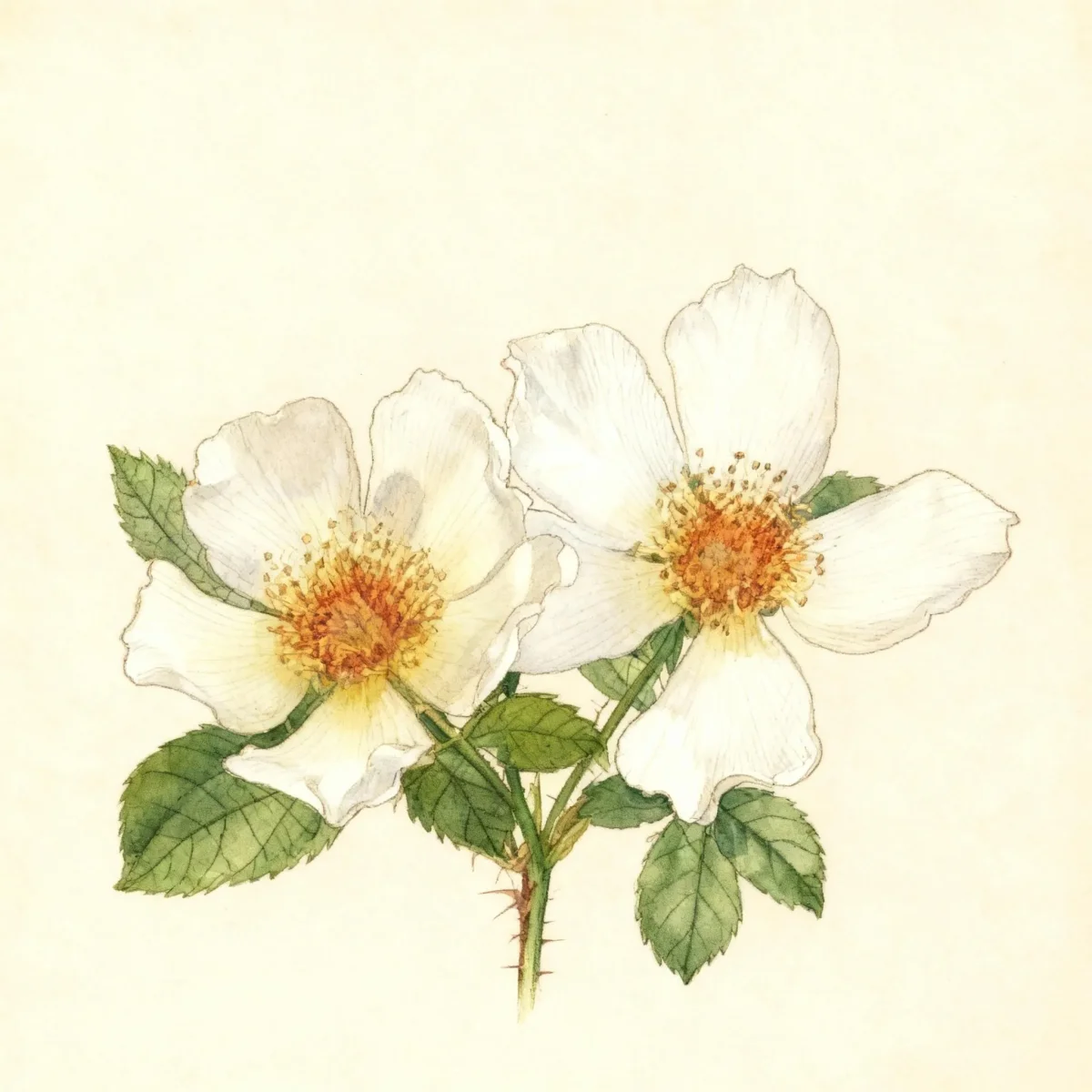
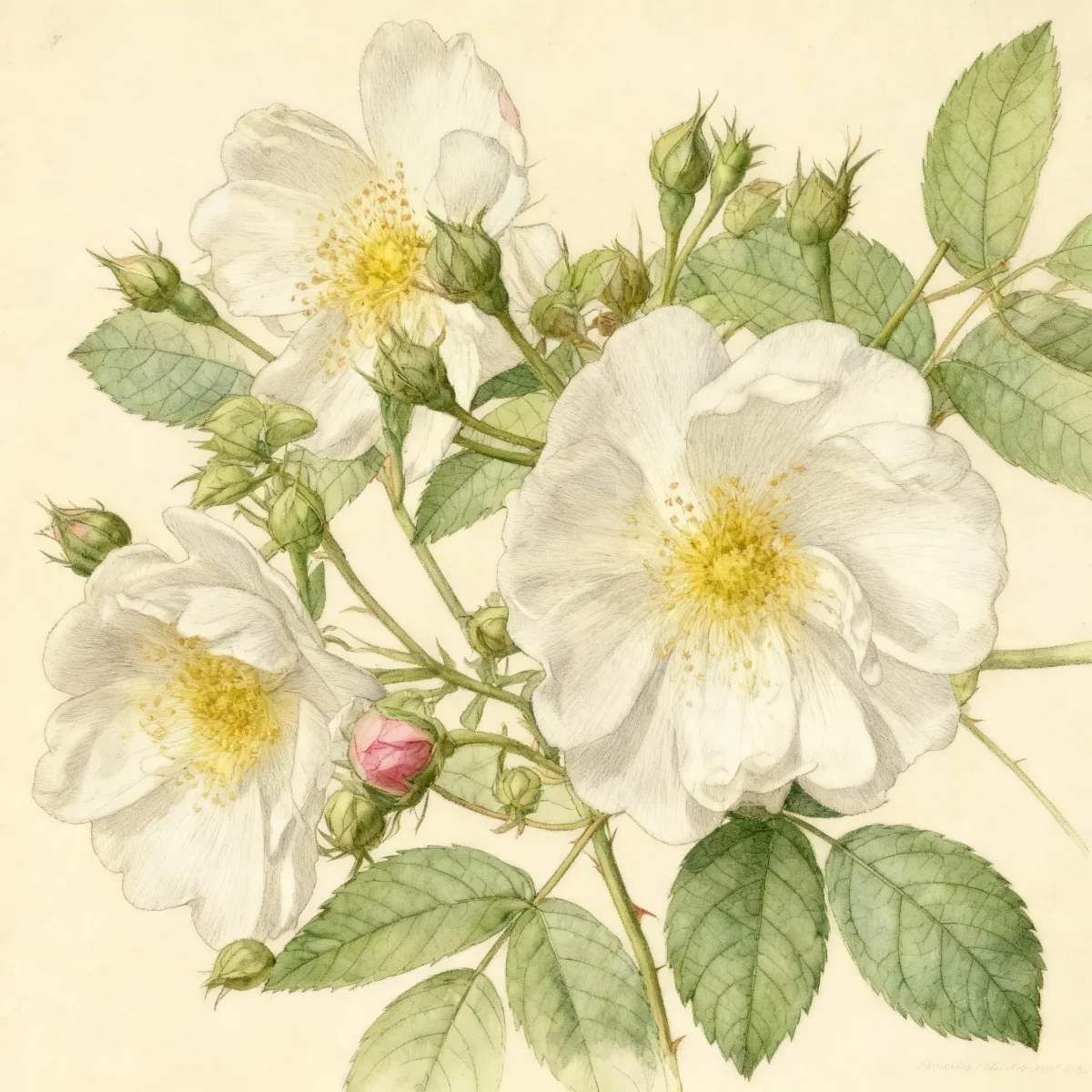
Rosa is a genus of about 150 species of deciduous (occasionally evergreen) shrubs and climbers noted for their beautiful, often fragrant, single, semidouble or double flowers which are borne singly or in clusters on often prickly stems clad with 5-9 leaflets often having toothed margins. Ramblers are similar to climbers, producing long stems requiring support. Most bloom just once in spring. They are noted for producing several new shoots from the base of the plant allowing for older stems to be regularly removed and the plant regenerated. Rosa ‘Bobbie James’ is a vigorous rambler which will typically grow 20-30’ tall and features fragrant, white, semi-double flowers in large clusters in one profuse May bloom with no repeat bloom.
Tolerances
- No available data
Potential Problems
Roses, including this vigorous Hybrid wichurana rose, are susceptible to numerous diseases, with black spot, powdery mildew, rust, and rose rosette being the most common afflictions. While diligent cultural practices form the first line of defense, preventative fungicide applications throughout the growing season are often necessary, especially in humid climates where summer rainfall is frequent. Keep an eye out for potential insect pests such as aphids, beetles, borers, scale, thrips, rose midges, leafhoppers, and spider mites.
To maximize plant health and minimize disease carryover, gardeners should remove and destroy any diseased leaves immediately throughout the season. A thorough cleanup in the dormant season, removing all dead leaves from the ground around the base of Rosa ‘Bobbie James’, is crucial for breaking the disease cycle. Always seek advice from local horticultural experts regarding specific product recommendations for management in your region.
Frequently Asked Questions
What hardiness zones is Hybrid wichurana rose suitable for?
Rosa ‘Bobbie James’ is suitable for USDA hardiness zones 3 through 8.
How large does Rosa ‘Bobbie James’ grow?
This rambling rose typically achieves a maximum height between 20 and 30 feet, with a spread ranging from 15 to 20 feet, requiring significant space.
When does Rosa ‘Bobbie James’ bloom?
This variety provides one profuse bloom display in May, featuring white flowers.
What sun exposure does Rosa ‘Bobbie James’ need?
For optimal flowering and disease resistance, Rosa ‘Bobbie James’ requires full sun exposure.
Conclusion
Rosa ‘Bobbie James’ stands out as a magnificent, unrestrained rambler, offering unparalleled impact through its huge flush of fragrant white flowers in early summer. Managing this ambitious Hybrid wichurana rose involves providing sturdy support and adhering to good sanitation practices. Before planting this magnificent specimen, confirm that your site offers the required full sun and adequate vertical space, and plan your pruning schedule immediately after its single magnificent bloom cycle ends.
Companion Planting
Companion planting for vigorous roses like Rosa ‘Bobbie James’ focuses on managing lower canopy health and providing visual contrast. Since this rose prefers full sun and medium water, companions should share these needs but ideally bloom at different times. Consider planting low-growing, drought-tolerant aromatic herbs like creeping thyme or lavender around the base to suppress weeds and help keep pests confused, provided they do not impede air circulation near the crown.
Using plants that thrive in the dappled shade that large ramblers might eventually cast is also wise. Hostas or ferns, placed slightly away from the immediate drip line where the soil can stay moister, offer lush, textural contrast to the prickly stems and medium green foliage of the rose throughout the summer after the main bloom has passed.
Seasonal Care Calendar
Spring preparation requires vigilance against early fungal outbreaks. As new growth emerges, remove any winter protective materials used on the crown and apply a summer mulch layer, ensuring the mulch does not touch the main stems. Summer focus should be on deep, morning watering and removing any diseased foliage immediately upon spotting it, encouraging strong air flow around the massive structure.
After the May bloom, perform necessary pruning immediately by removing the oldest, least productive canes close to the base; this directs the plant’s energy into producing next year’s flowering shoots. Fall preparation involves a thorough cleanup of all fallen leaves from the ground to minimize overwintering fungal spores, especially important for Hybrid wichurana roses grown in humid areas.