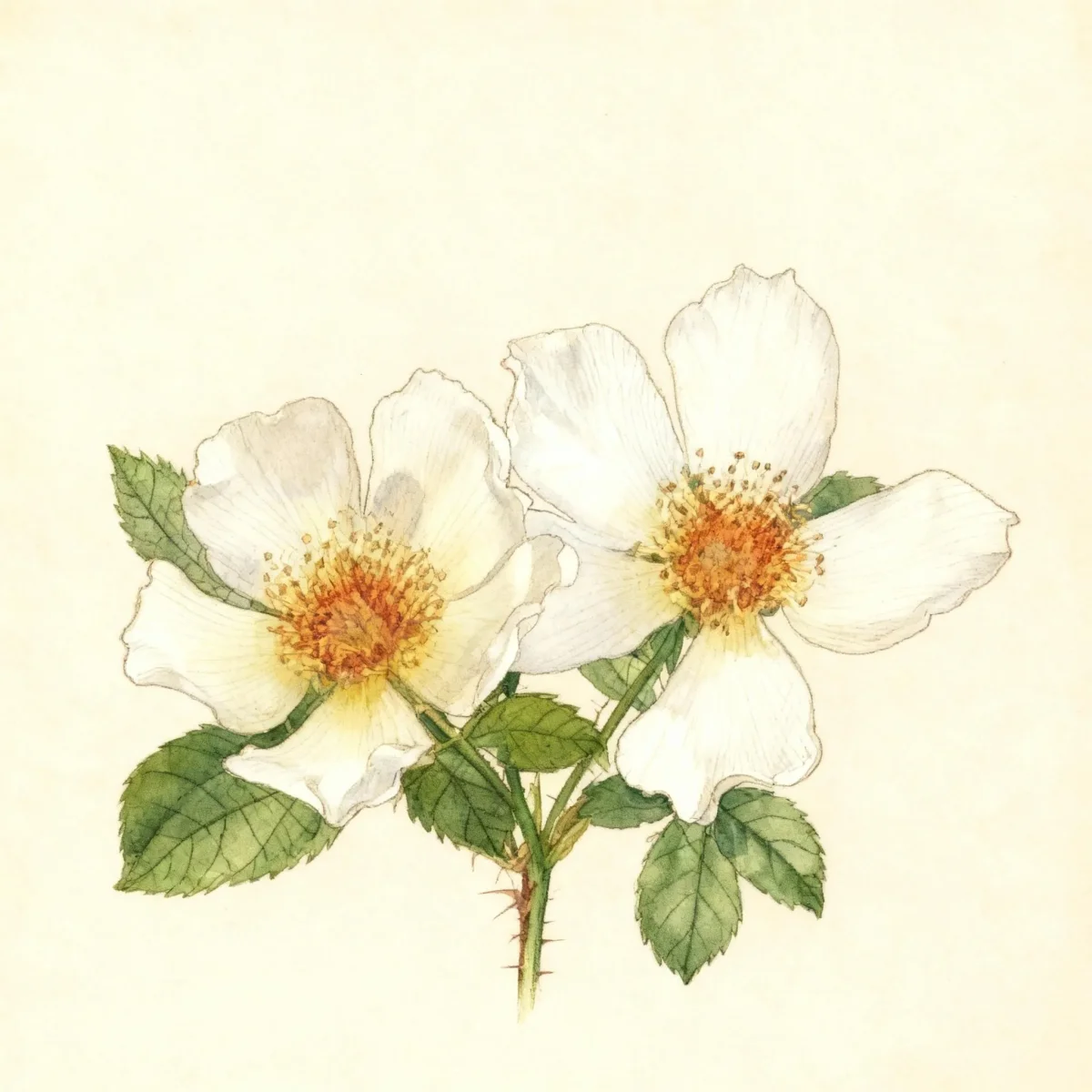
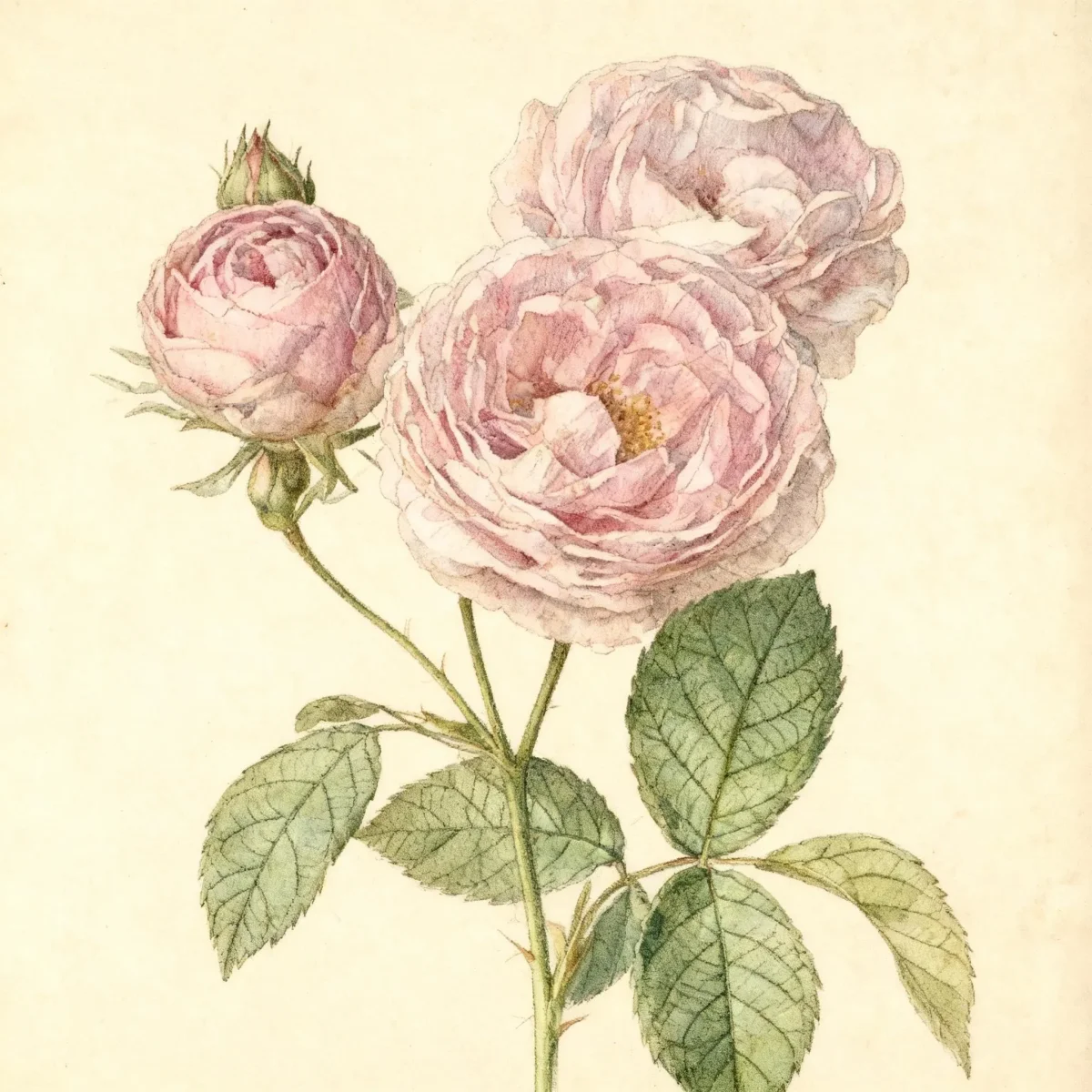
Shrub rose (Rosa 'Meidomonac' BONICA)
Rosa 'Meidomonac' BONICA is a resilient Shrub rose noted for profuse soft pink blooms, thriving in zones 4-9 with medium care.
Scroll down to discover growing tips, care requirements, companion plants, and more
Complete Plant Information
Overview
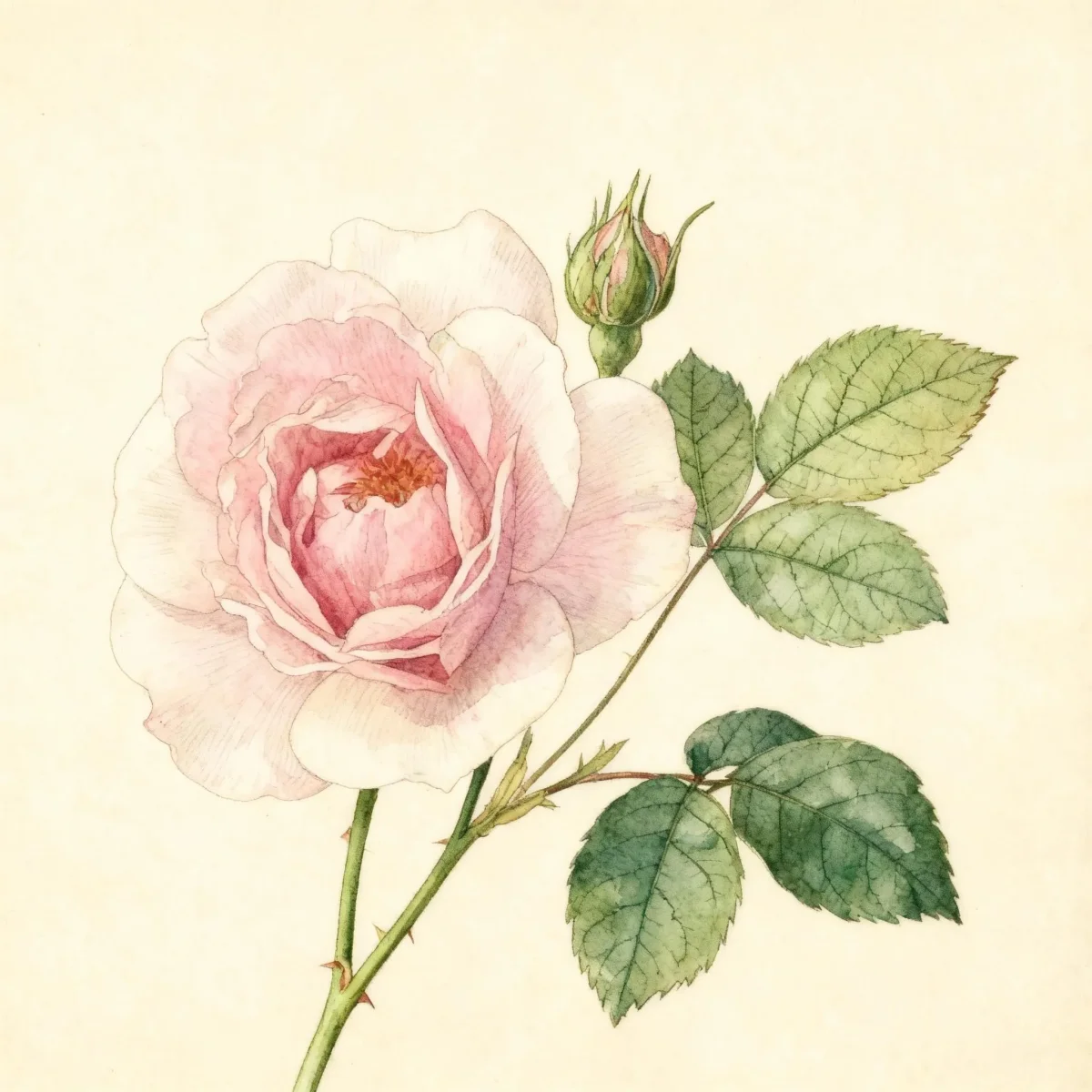
The Rosa ‘Meidomonac’ BONICA, commonly known as a Shrub rose, is highly valued in landscapes for its exceptionally long blooming season, producing flowers from May right up until the first frost. This robust cultivar offers large clusters of soft pink, fully double blooms, adding continuous color to the garden structure. As a compact, spreading shrub, Rosa ‘Meidomonac’ BONICA establishes a tidy presence, often requiring less intensive pruning than traditional hybrid tea roses.
This easy-to-manage variety is a profuse bloomer, ensuring reliable seasonal interest. Beyond its flowers, the plant features attractive orange hips in the fall that often persist into winter, providing textural contrast. Gardeners appreciate the reliable hardiness and relative disease resistance of the Shrub rose class, making Rosa ‘Meidomonac’ BONICA an excellent choice for both formal and informal settings.
Fast Facts
- Plant Family: Rosaceae
- Plant Type: Deciduous shrub
- Hardiness Zones: USDA Zones 4-9
- Size at Maturity:
- Height: 3-4 ft
- Spread: 3-5 ft
- Bloom Time: May to frost
- Bloom Description: Pink
- Sun Exposure: Full sun
- Water Needs: Medium
- Maintenance Level: Medium
How to Grow
For optimal establishment, plant Rosa ‘Meidomonac’ BONICA during the dormant season, generally late winter or early spring, in a location that receives full sun. Although it can tolerate part shade, best flowering performance and disease resistance are achieved with maximum sunlight exposure. This Shrub rose thrives in deeply drained garden loams that are slightly acidic and kept at a medium moisture level.
Consistent watering is crucial for healthy development; water deeply and regularly, preferably in the morning, ensuring the base of the plant stays moist but never waterlogged. Avoid wetting the foliage, as overhead watering encourages fungal diseases. Applying a summer mulch will help regulate soil temperature, retain vital moisture, and suppress weed competition around the base of the bush.
Good air movement is key to the long-term health of Rosa ‘Meidomonac’ BONICA; ensure adequate spacing between plants. Prune this shrub rose as needed in late winter or early spring to manage size and shape. To promote continuous flowering, promptly deadhead spent blossoms throughout the growing season. In colder areas, providing winter protection for the crowns is often necessary to ensure survival through harsh winters.
Landscape Uses
The versatility of the Rosa ‘Meidomonac’ BONICA makes it a staple for various landscape designs. It excels when used massed as a formal or informal hedge due to its manageable, uniform height of 3 to 4 feet and spreading structure. Alternatively, plant several to create a striking specimen cluster or incorporate single plants into mixed borders where their continuous pink blooms can anchor the design.
This Shrub rose pairs well with lower-growing perennials that enjoy similar sun and moisture conditions, such as Catmint or ornamental grasses, creating layered visual interest. Its ability to handle air pollution also makes the Rosa ‘Meidomonac’ BONICA a thoughtful choice for foundation plantings near driveways or city borders where other delicate roses might struggle.
Standout Features
Flower Qualities
- Showy
Fruit Qualities
- Showy
Noteworthy Characteristics
BONICA produces large clusters of soft pink fully double 3” blooms on arching canes from May to frost, establishing it as a highly profuse bloomer. It maintains a compact spreading shrub form, typically reaching 3-4’ tall with a slightly wider spread, and displays attractive orange hips in the fall that persist into winter. This robust cultivar was recognized as an AARS Winner in 1987.
Tolerances
- Air Pollution
Potential Problems
Roses, including the Rosa ‘Meidomonac’ BONICA, are prone to several common fungal issues, most notably black spot, powdery mildew, and rust. To combat these, employ good cultural practices first, which include maintaining cleanliness by promptly removing and destroying all diseased and dead leaves during the growing season and winter cleanup. In humid climates, preventative fungicide applications throughout the season are often required for optimal aesthetics.
Insect pests such as aphids, spider mites, scale, and borers can also pose threats. Regularly inspect the undersides of leaves and new growth for early signs of infestation. Consult local agricultural extension services for region-specific advice on chemical controls, but focusing on vigorous growth and proper pruning will build the plant’s natural resilience.
Frequently Asked Questions
What hardiness zones is Shrub rose suitable for?
Rosa ‘Meidomonac’ BONICA is reliably hardy across USDA Zones 4 through 9.
How large does Rosa ‘Meidomonac’ BONICA grow?
This Shrub rose typically matures to a height between 3 and 4 feet, with a spread ranging from 3 to 5 feet wide.
What sun exposure does Rosa ‘Meidomonac’ BONICA need?
For the best flowering and disease resistance, ensure your Rosa ‘Meidomonac’ BONICA receives full sun exposure daily.
When does Shrub rose bloom?
This variety boasts a remarkably long bloom time, typically flowering continuously from May until the weather brings the first frost.
Conclusion
The Rosa ‘Meidomonac’ BONICA stands out as a dependable and profusely flowering Shrub rose, offering soft pink beauty across multiple seasons and possessing notable resilience against urban pollutants. Its excellent structure makes effective hedging or specimen planting simple. Before planting, verify that your site falls within USDA Zones 4-9 and plan for full sun to ensure this fantastic Shrub rose specimen performs to its full potential.
Companion Planting
When styling beds featuring Rosa ‘Meidomonac’ BONICA, aim for companions that share similar preferences for full sun and well-drained soil but offer contrasting textures or foliage. Low-growing ornamental grasses like Festuca glauca create a fine, silvery curtain around the base, preventing the shrub’s lower canes from looking bare. Alternatively, silver-leaved perennials such as Lamb’s Ears (Stachys byzantina) benefit from the upright structure of the rose while helping to reflect light, which can slightly reduce the heat stress on the rose roots.
Consider using plants like Russian Sage (Perovskia atriplicifolia), whose airy blue-violet spires bloom later, providing a long-lasting color bridge as the initial flush of the Shrub rose slows down. Always ensure placement allows for adequate air circulation around the base of the Rosa ‘Meidomonac’ BONICA; crowding plants can exacerbate the foliar disease issues common to roses.
Seasonal Care Calendar
Spring preparation is vital for a vigorous growing season. As the threat of severe frost passes and you prune, apply a slow-release granular fertilizer formulated for roses early in this period. This feeding supports the abundant growth needed for summer blooms. Throughout the summer months, focus heavily on watering practices: deep, slow watering in the morning avoids stress and fungal issues.
As summer transitions into fall, cease heavy fertilization to discourage tender new growth that might be damaged by early cold snaps. Continue monitoring for pests and diseases, ensuring spent flowers are removed to sustain bloom production until frost arrives. Winter preparation involves clearing all dead leaves from the ground surrounding the Shrub rose to reduce overwintering fungal spores; if you are in the colder end of the hardiness range (Zone 4), cover the base (crown) of the plant with a thick layer of mulch or soil mound after the ground freezes.