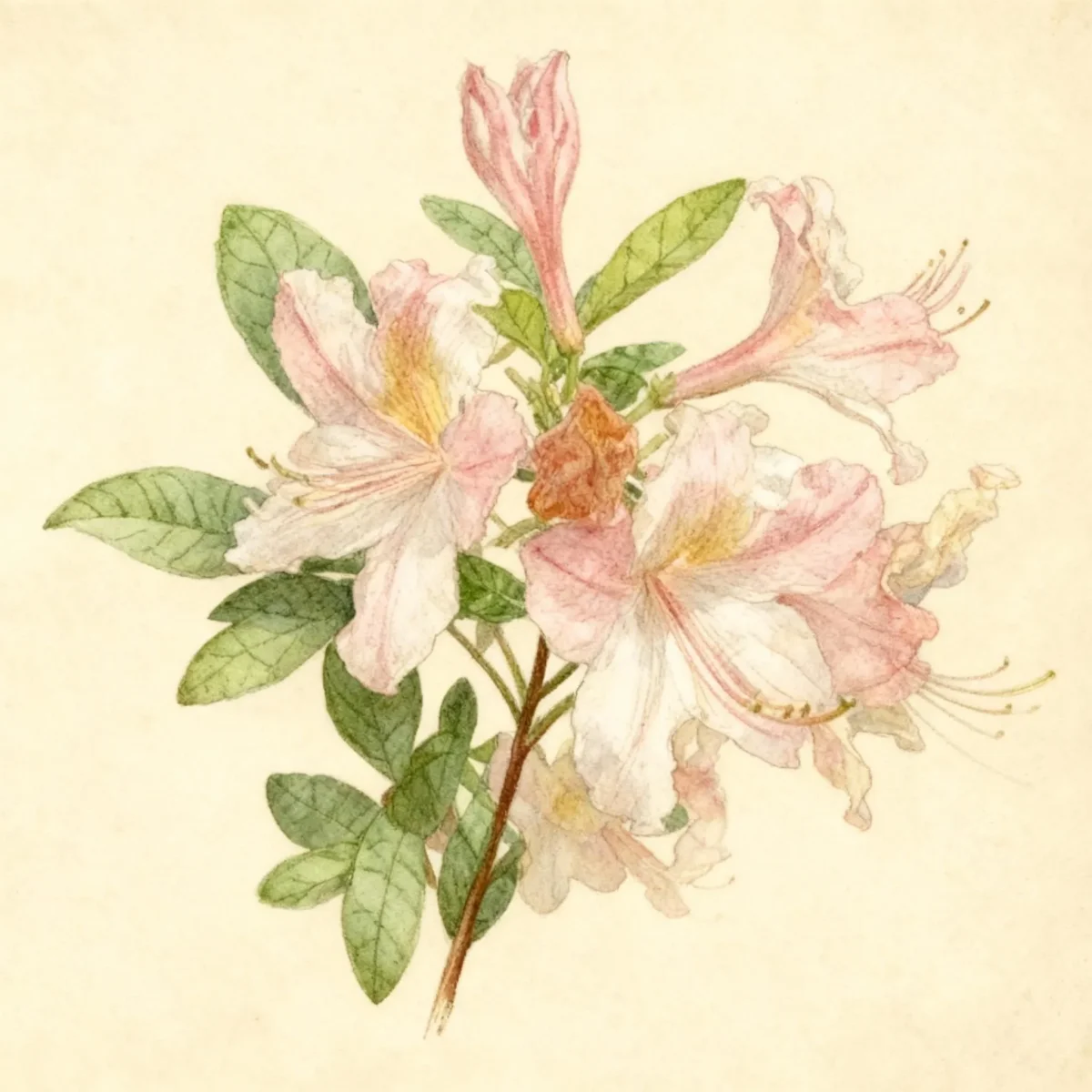
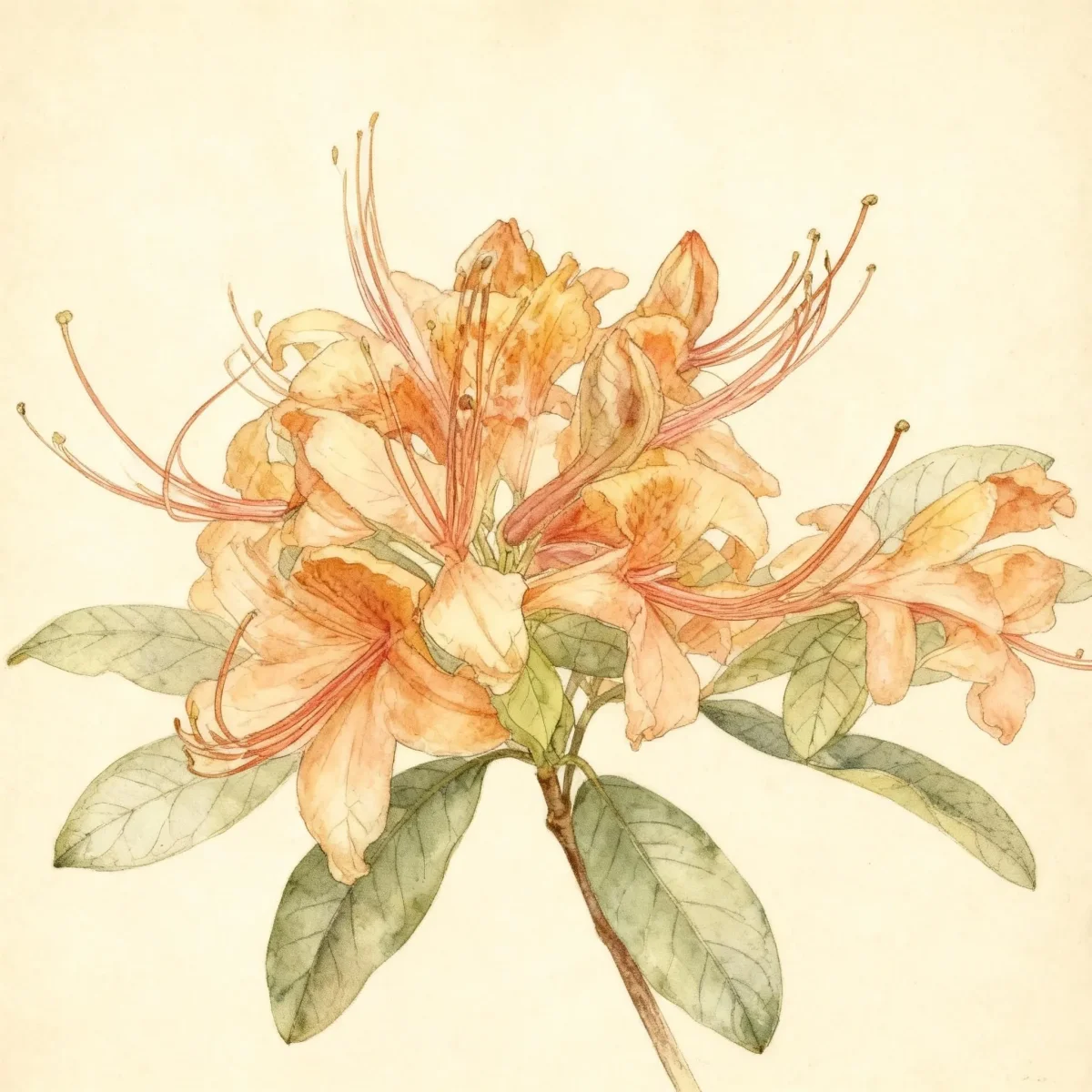
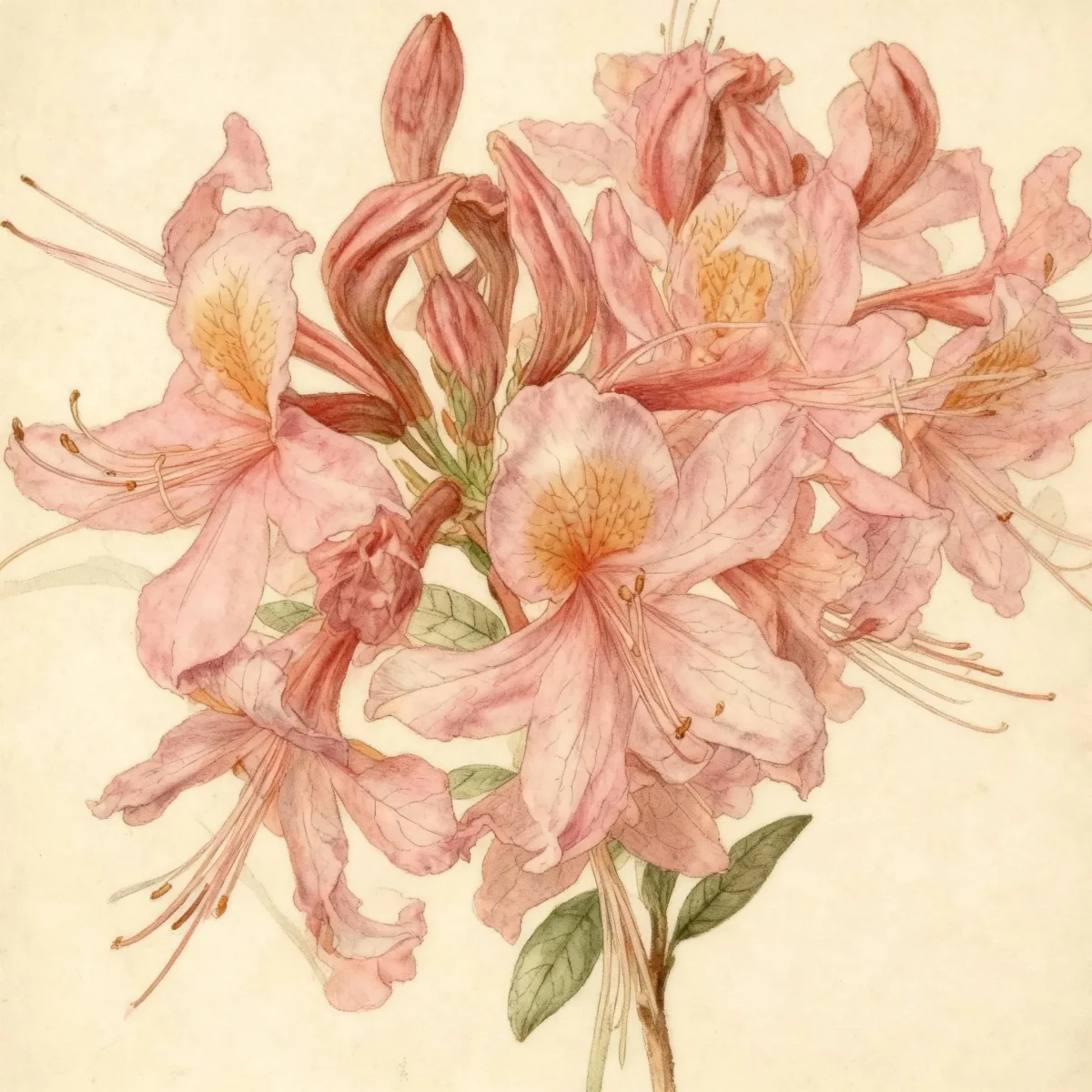
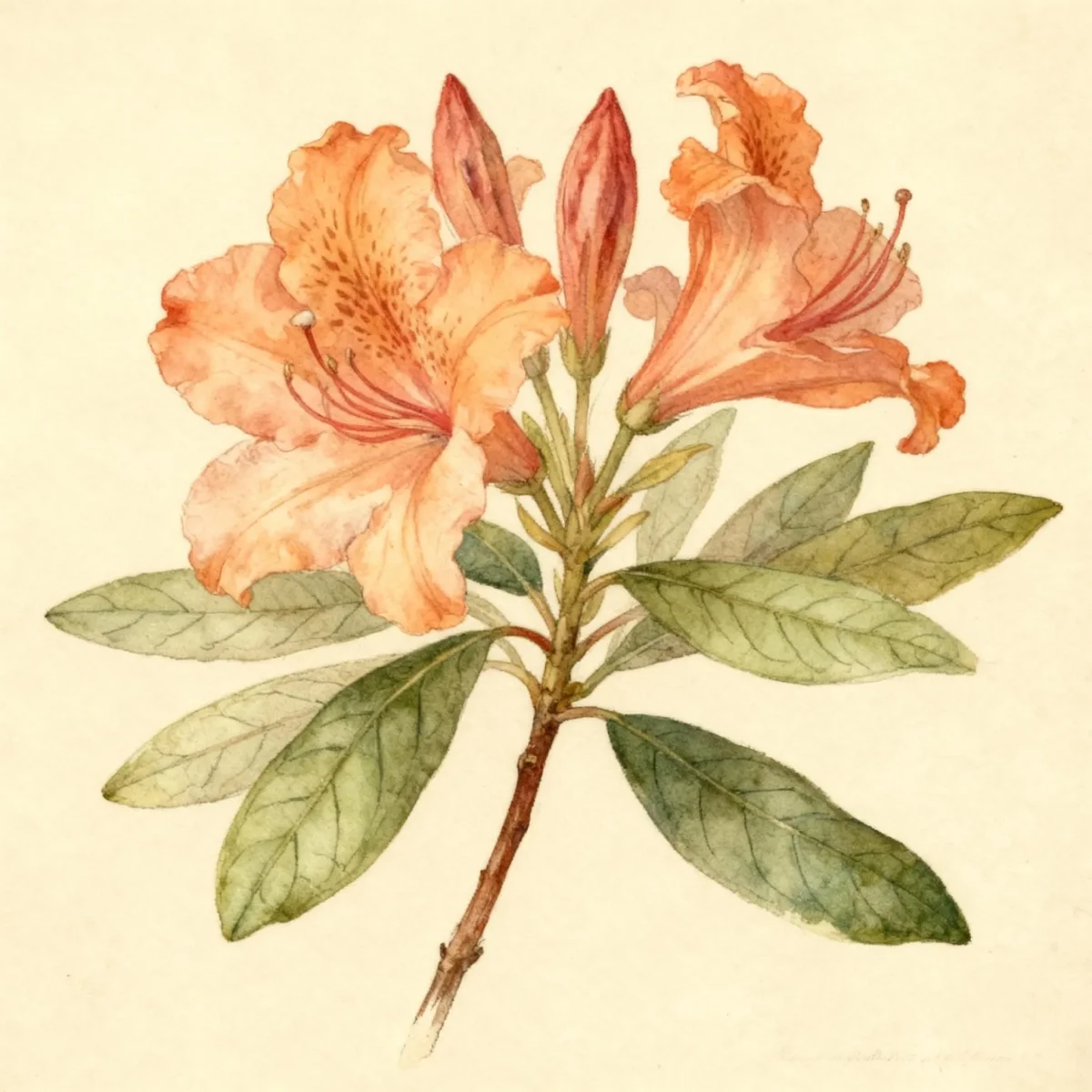
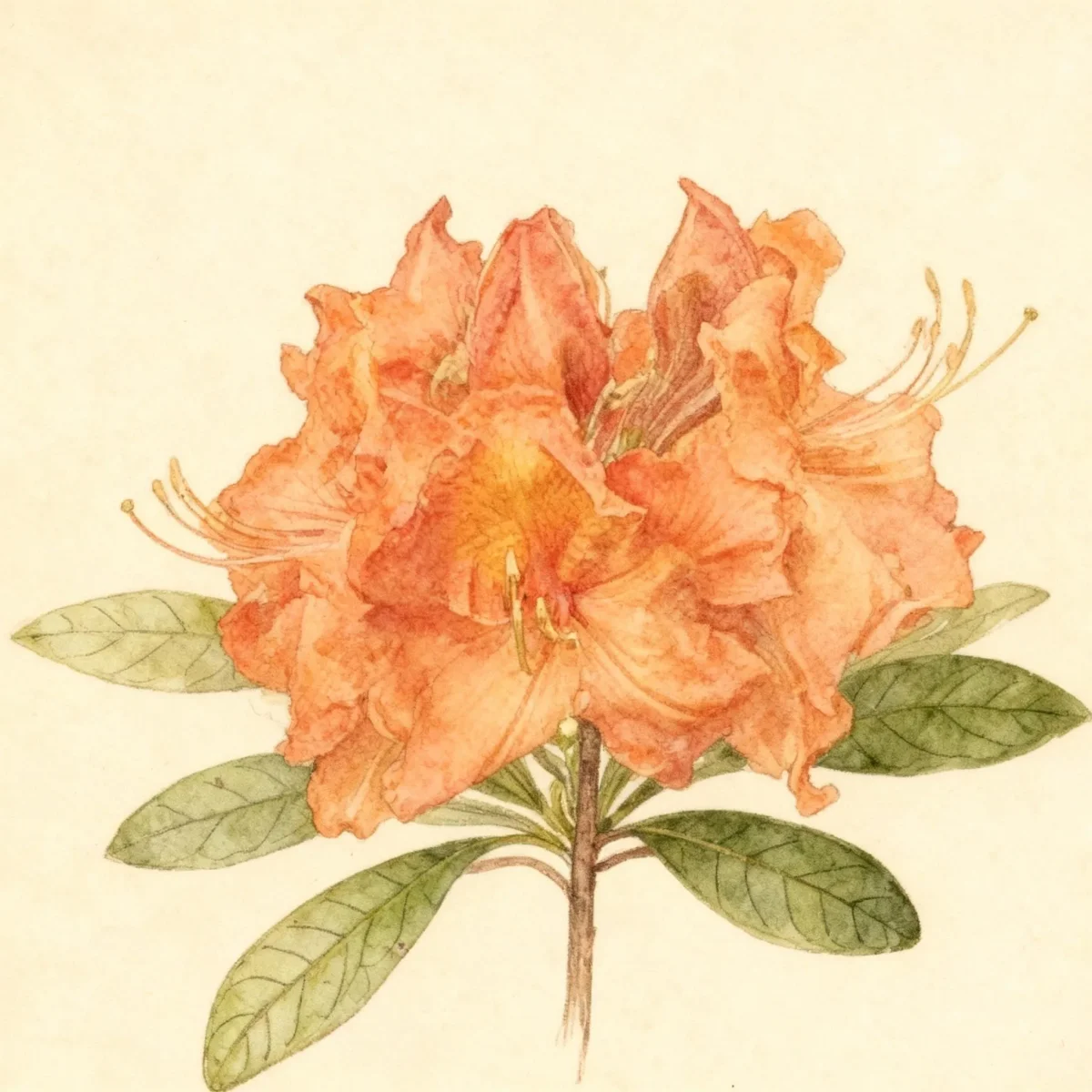
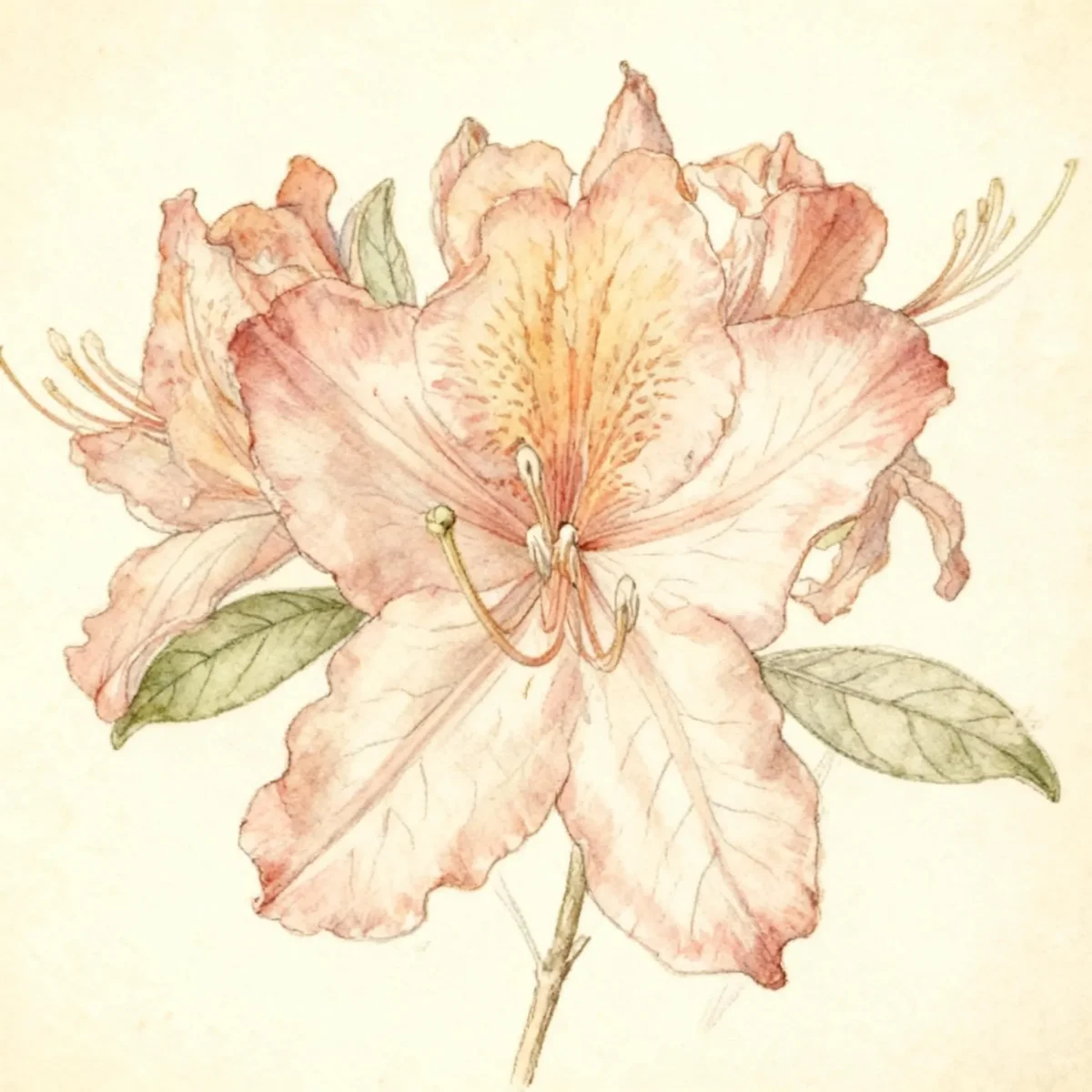
Azalea (Rhododendron 'Klondyke')
Rhododendron 'Klondyke' Azalea offers showy, fragrant golden-yellow blooms tinged with red in May. A medium-maintenance deciduous shrub for zones 5-8.
Scroll down to discover growing tips, care requirements, companion plants, and more
Complete Plant Information
Overview
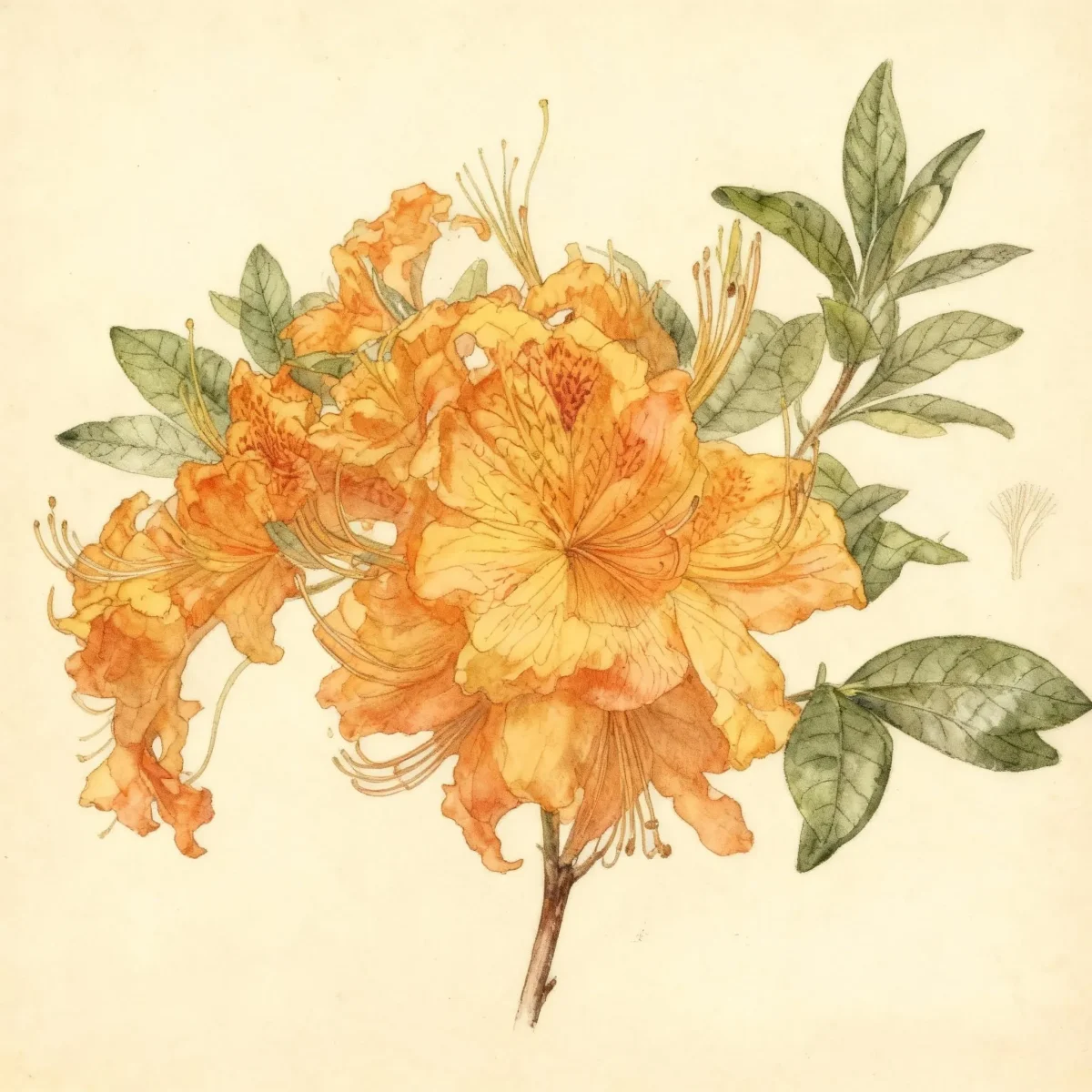
Rhododendron ‘Klondyke’ is a highly valued deciduous Azalea cultivar, celebrated for its lavish spring display. This variety, an Exbury hybrid, produces stunning, trumpet-shaped flowers that boast a vibrant golden-yellow hue beautifully tinged with red accents. As an Azalea, it contributes significant mid-season color to the garden, often maturing into a handsome, rounded shrub perfect for structural planting.
Cultivating Rhododendron ‘Klondyke’ successfully requires attention to soil acidity and drainage, typical for most Azaleas. It thrives best when sited in part shade, benefiting from protection against the hottest afternoon sun, which prevents leaf scorch. Its modest mature size of 3 to 5 feet makes it versatile for various landscape roles, from specimen planting to hedging.
Beyond its visual appeal, this Azalea provides structure and seasonal interest through its foliage, which emerges bronze-red and finishes in striking copper-red tones in autumn. Gardeners seeking reliable spring brilliance and fragrance in woodland or shade settings will find Rhododendron ‘Klondyke’ an excellent choice when site conditions meet its specific cultural demands.
Fast Facts
- Plant Family: Ericaceae
- Plant Type: Deciduous shrub
- Hardiness Zones: USDA Zones 5-8
- Size at Maturity:
- Height: 3-5 ft
- Spread: 3-5 ft
- Bloom Time: May
- Bloom Description: Yellow tinged with red
- Sun Exposure: Part shade
- Water Needs: Medium
- Maintenance Level: Medium
How to Grow
Planting Rhododendron ‘Klondyke’ should occur when temperatures are mild, such as spring or fall, ensuring the plant has time to establish roots. Optimal soil conditions are critical: they must be acidic (pH 5.0 to 5.5), organically rich, humusy, and above all, well-drained. Given that Azaleas have shallow, fibrous root systems, site selection must strictly avoid areas with heavy clay prone to waterlogging, as poor drainage quickly leads to root rot. Raised beds are often recommended in challenging soil types.
Maintenance revolves heavily around moisture management and soil health. Keep the soil consistently medium in moisture; these roots must never be allowed to dry out. Applying a thick layer of organic mulch, like wood chips or pine needles, is essential to retain moisture and stabilize soil temperatures around the shallow roots. Avoid cultivating directly around the base of the plant due to the sensitive root structure.
To maintain vigor and promote next year’s blooms, deadhead spent flower clusters immediately after flowering concludes. Adjust soil acidity periodically by adding sulfur or iron sulfate to lower the pH if necessary. Crucially, never plant this Azalea near walnut trees, as rhododendrons are highly sensitive to the toxic juglones produced by their roots.
Landscape Uses
Rhododendron ‘Klondyke’ is adaptable, fitting beautifully into designs that mimic its native woodland margin habitat. Its vibrant bloom makes it suitable as a mass planting to create a spectacular ribbon of yellow color early in the season. It performs excellently when used for shrub borders, where its structure breaks up perennial plantings, or as a specimen plant where its striking color can be appreciated up close.
This Azalea is remarkably effective in woodland gardens or shade gardens where filtered light mimics its preference for sun dappled locations. It integrates seamlessly into mixed borders alongside other acid-loving companions such as blueberries, ferns, or evergreen rhododendrons. Foundation plantings also benefit from this shrub, provided the location avoids intense afternoon sun exposure.
Consider Rhododendron ‘Klondyke’ when planning for year-round interest, as the deciduous habit allows for a clear view of its branching structure in winter, and its fall color adds a final blaze before dormancy. Its use as a hedge provides an informal, flowering screen rather than a stark, formal barrier.
Standout Features
Flower Qualities
- Showy
- Fragrant
Noteworthy Characteristics
Rhododendron is a genus of 500 to 900 species and includes both of what we commonly call rhododendrons and azaleas. Deciduous azaleas, like Rhododendron ‘Klondyke’, drop their leaves in the fall, flowering early in spring before or just as the new foliage emerges, producing a lavish display of color. This specific cultivar features fragrant, trumpet-shaped, golden yellow flowers tinged with red, maturing on rounded shrubs typically reaching 3 to 5 feet tall.
Tolerances
- Rabbit
Potential Problems
Rhododendrons and azaleas are targets for numerous pests and diseases, though proper cultural care significantly minimizes issues. Common insect problems include aphids, scale, lacebugs, and mites, requiring monitoring and targeted treatments as required. Diseases such as root rot, blight, and leaf spot pose threats, often exacerbated by poor air circulation or incorrect watering practices.
Chlorosis, where leaves turn yellow, is a common visual sign of environmental distress, usually indicating iron deficiency caused by soil pH levels that have become too high (alkaline). To prevent this, always ensure your soil is acidic, testing and amending it as necessary. If root rot is a persistent issue due to heavy clay, planting in raised mounds or beds is the most effective preventative measure.
Frequently Asked Questions
What hardiness zones is Azalea (Rhododendron ‘Klondyke’) suitable for?
Rhododendron ‘Klondyke’ is hardy and performs best when planted within USDA Hardiness Zones 5 through 8. Always check local conditions before planting outside this range.
How large does Azalea (Rhododendron ‘Klondyke’) grow?
This deciduous shrub typically reaches a mature height between 3 and 5 feet, with an equal spread of 3 to 5 feet, forming a pleasingly rounded shape.
What sun exposure does Azalea (Rhododendron ‘Klondyke’) need?
Rhododendron ‘Klondyke’ prefers part shade to high open shade. Morning sun followed by afternoon shade is an acceptable compromise, though intense, hot afternoon sun should generally be avoided.
When does Azalea (Rhododendron ‘Klondyke’) bloom?
Flowers appear in mid-season, typically during May. They are noted for being fragrant and displaying a beautiful color combination of golden yellow tinged with red.
Conclusion
Rhododendron ‘Klondyke’ offers gardeners a spectacular, fragrant show in the spring, backed by attractive seasonal foliage changes, making it a standout deciduous Azalea. Successful cultivation hinges on providing the correct acidic, well-drained, humus-rich soil and providing adequate protection from harsh midday sun. Evaluate your garden’s soil pH and drainage today to ensure this beautiful Rhododendron ‘Klondyke’ flourishes in your landscape.
Companion Planting
When planting Rhododendron ‘Klondyke’, selecting companions that share its love for highly acidic, moist conditions enhances the overall health and aesthetic of the area. Consider underplanting with woodland-edge perennials like Hellebores, which tolerate similar light levels and bloom in early spring or late winter. Another excellent companion is the Oakleaf Hydrangea (Hydrangea quercifolia), which thrives in part shade and provides contrasting texture when the Azalea is establishing its leaf canopy.
Avoid planting deciduous Azaleas near alkaline barriers or soil amendments, as this rapidly defeats measures taken to acidify the soil. For groundcover beneath the shallow roots of Rhododendron ‘Klondyke’, acidic ferns or low-growing evergreen azaleas can offer soil stabilization without competing aggressively for nutrients like some shallow-rooted grasses might.
Seasonal Care Calendar
Spring is the peak time for Rhododendron ‘Klondyke’ care, focusing first on deadheading spent blooms immediately after flowering ceases in May. This redirects the plant’s energy toward root growth and bud formation for the following year rather than seed production. Apply a fresh layer of organic mulch lightly over the root zone in early spring, careful not to pile it against the shrub’s crown.
Summer care centers entirely on consistent moisture; a medium water schedule is necessary, ensuring the soil never dries out, especially during heatwaves. Monitor for signs of leaf scorch, which indicates too much direct sun or insufficient water during hot periods. In the fall, ensure leaves drop cleanly; copper-red fall color provides a final seasonal reward.
Companion Planting When planting Rhododendron ‘Klondyke’, selecting companions that share its love for highly acidic, moist conditions enhances the overall health and aesthetic of the area. Consider underplanting with woodland-edge perennials like Hellebores, which tolerate similar light levels and bloom in early spring or late winter. Another excellent companion is the Oakleaf Hydrangea (Hydrangea quercifolia), which thrives in part shade and provides contrasting texture when the Azalea is establishing its leaf canopy.
Avoid planting deciduous Azaleas near alkaline barriers or soil amendments, as this rapidly defeats measures taken to acidify the soil. For groundcover beneath the shallow roots of Rhododendron ‘Klondyke’, acidic ferns or low-growing evergreen azaleas can offer soil stabilization without competing aggressively for nutrients like some shallow-rooted grasses might.
Seasonal Care Calendar Spring is the peak time for Rhododendron ‘Klondyke’ care, focusing first on deadheading spent blooms immediately after flowering ceases in May. This redirects the plant’s energy toward root growth and bud formation for the following year rather than seed production. Apply a fresh layer of organic mulch lightly over the root zone in early spring, careful not to pile it against the shrub’s crown.
Summer care centers entirely on consistent moisture; a medium water schedule is necessary, ensuring the soil never dries out, especially during heatwaves. Monitor for signs of leaf scorch, which indicates too much direct sun or insufficient water during hot periods. In the fall, ensure leaves drop cleanly; copper-red fall color provides a final seasonal reward.