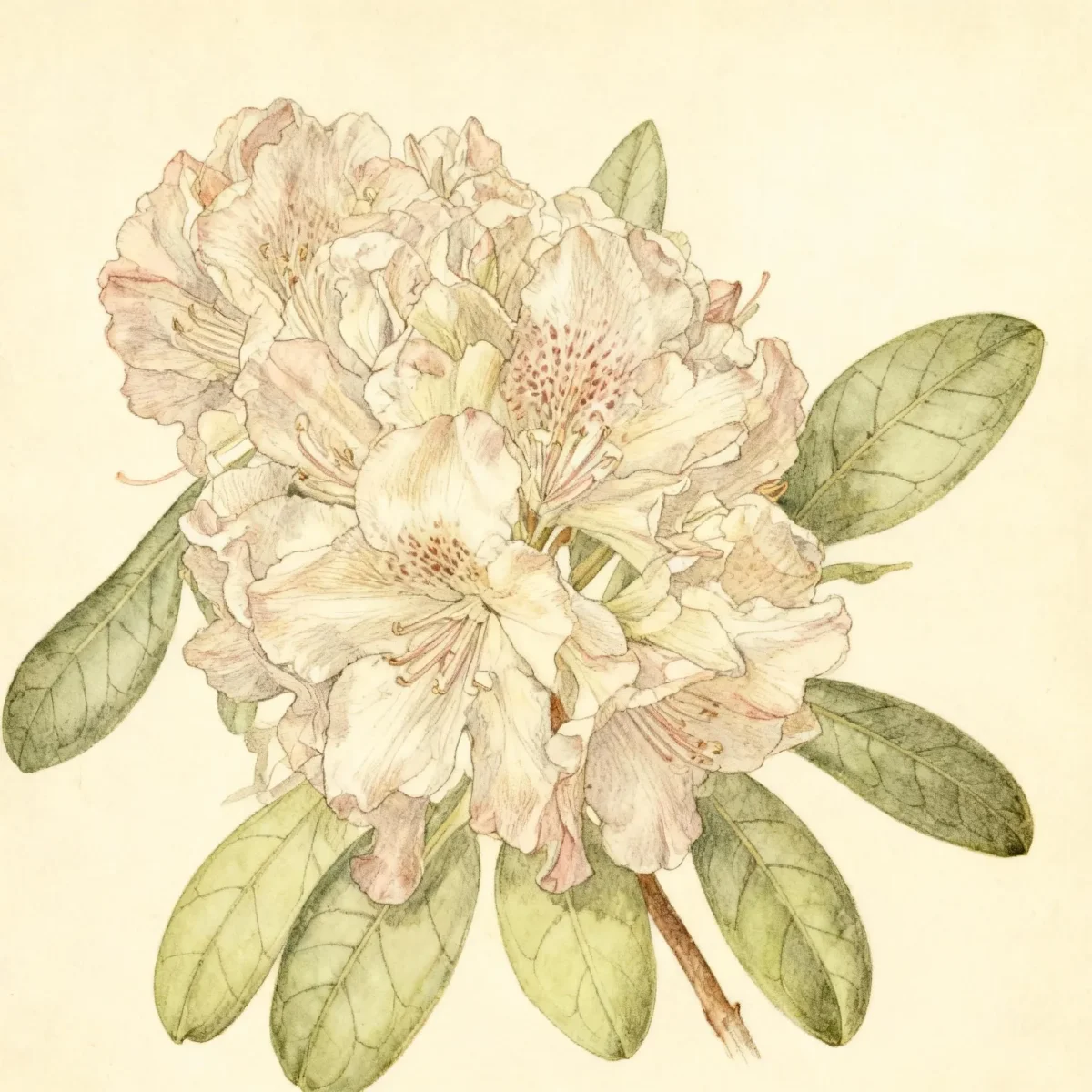
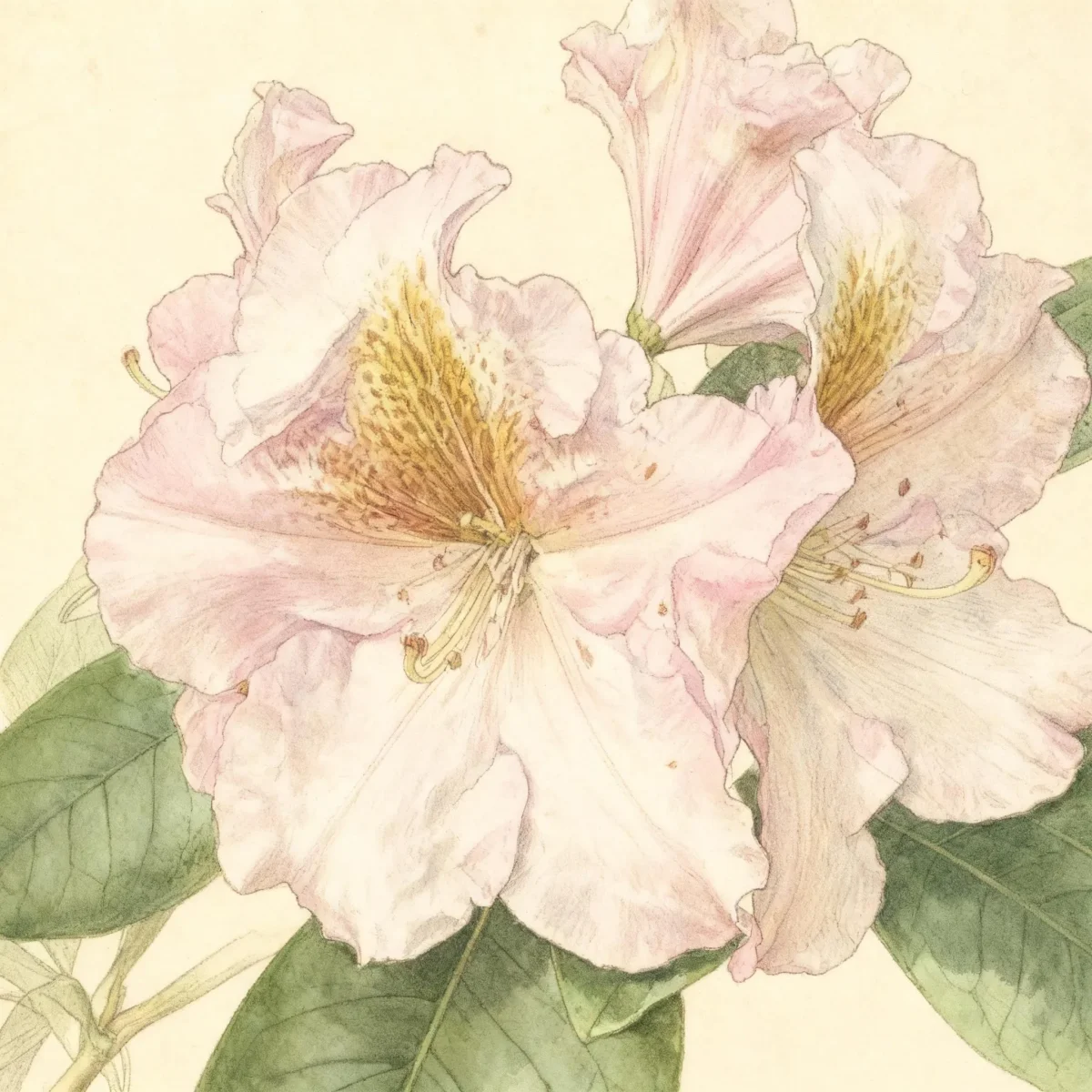
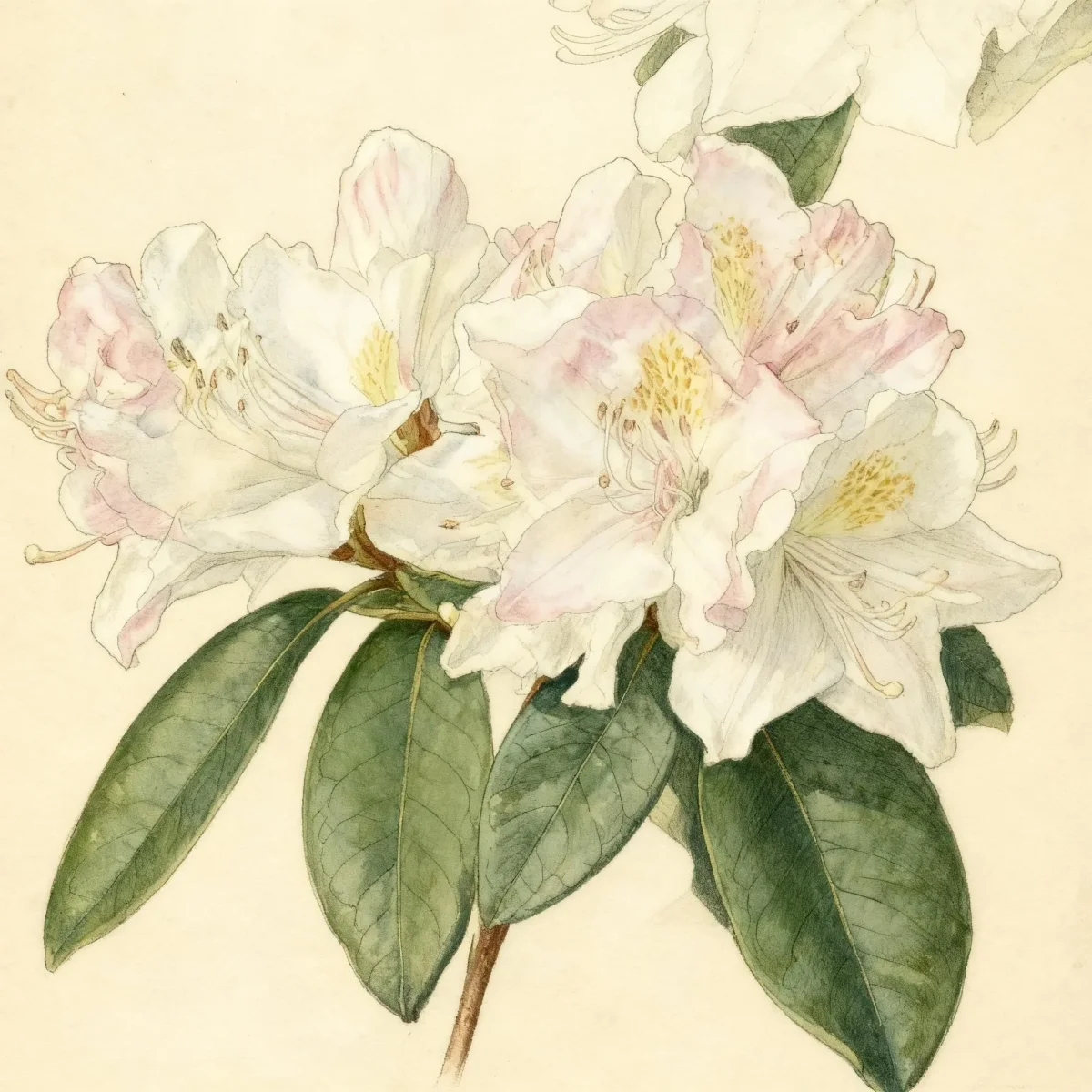
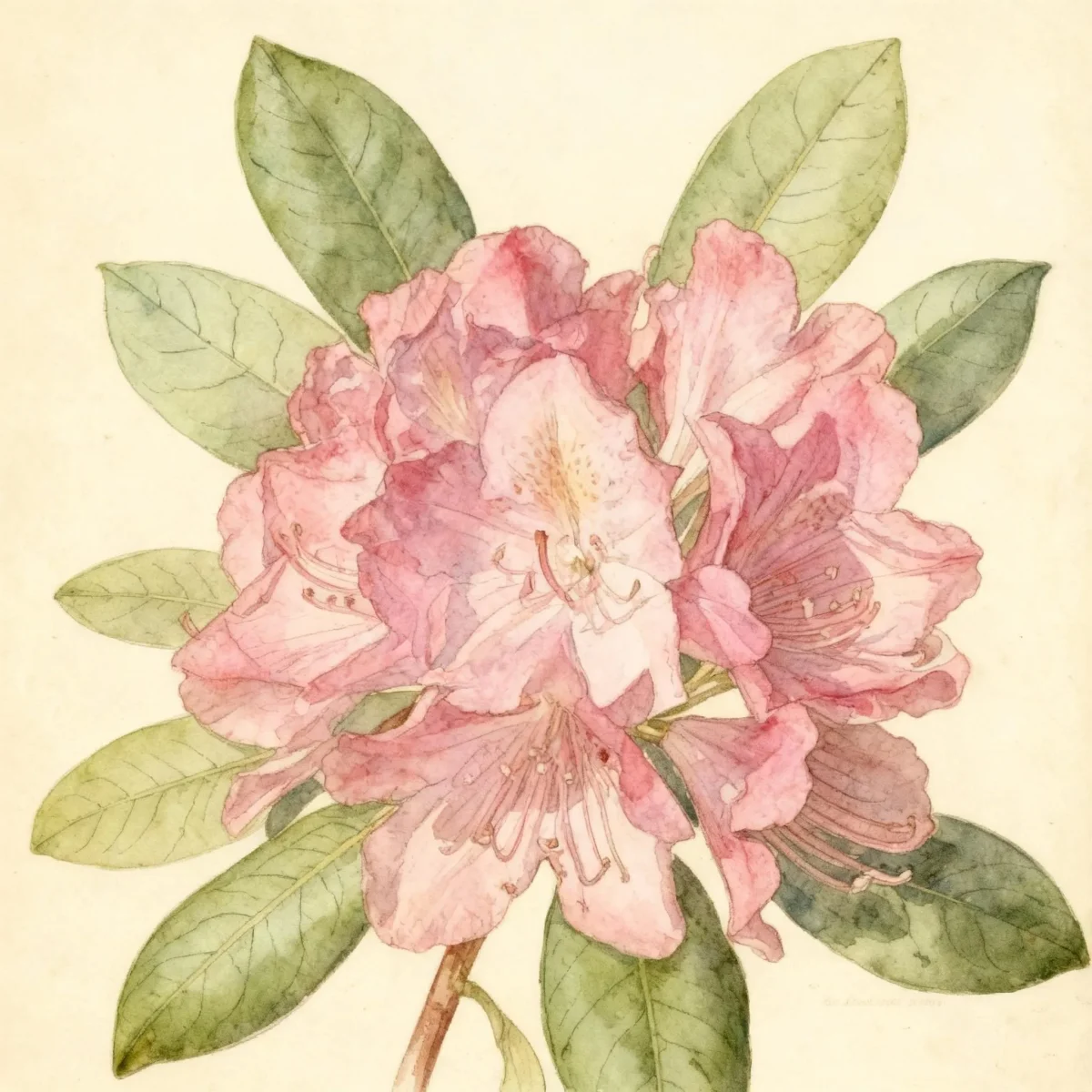
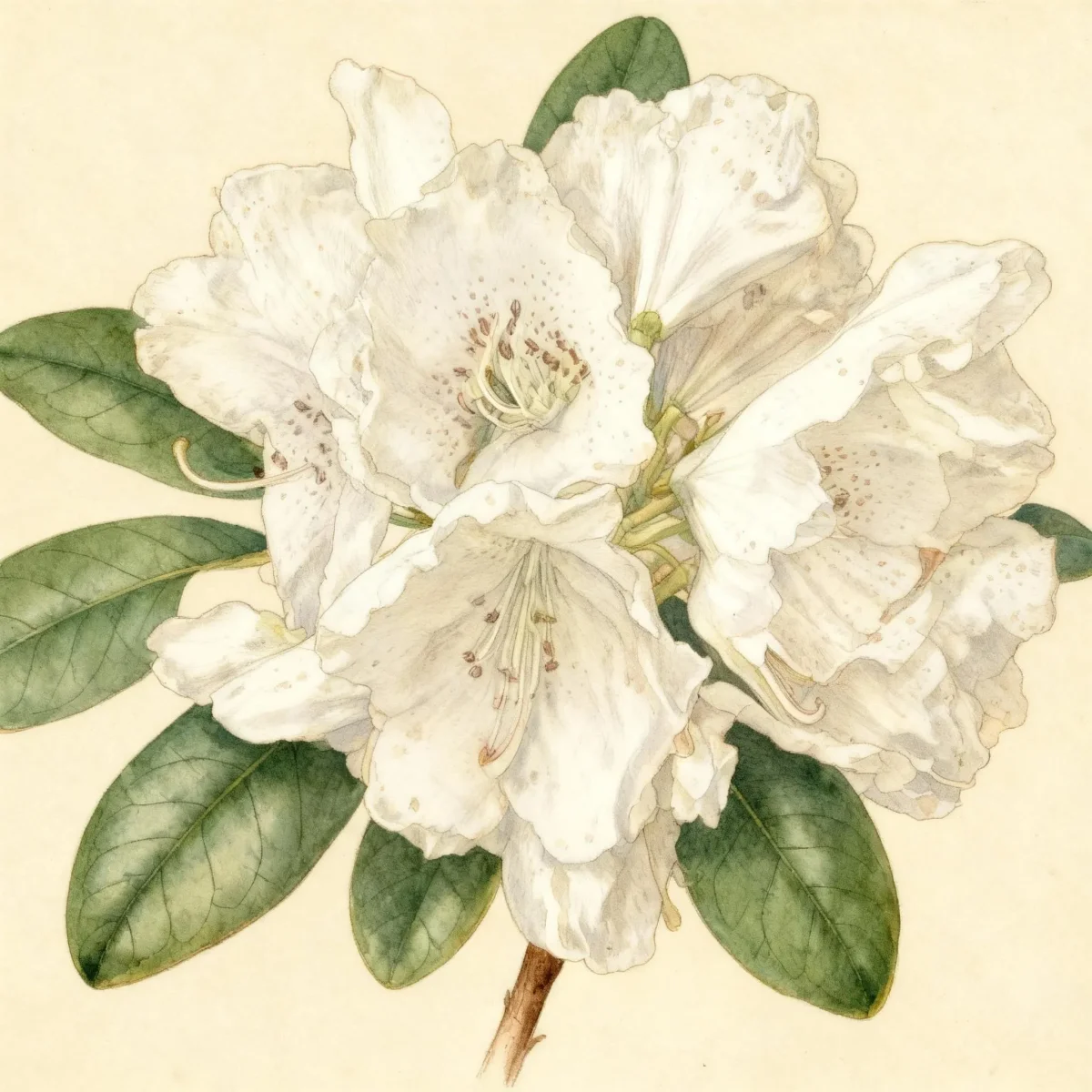
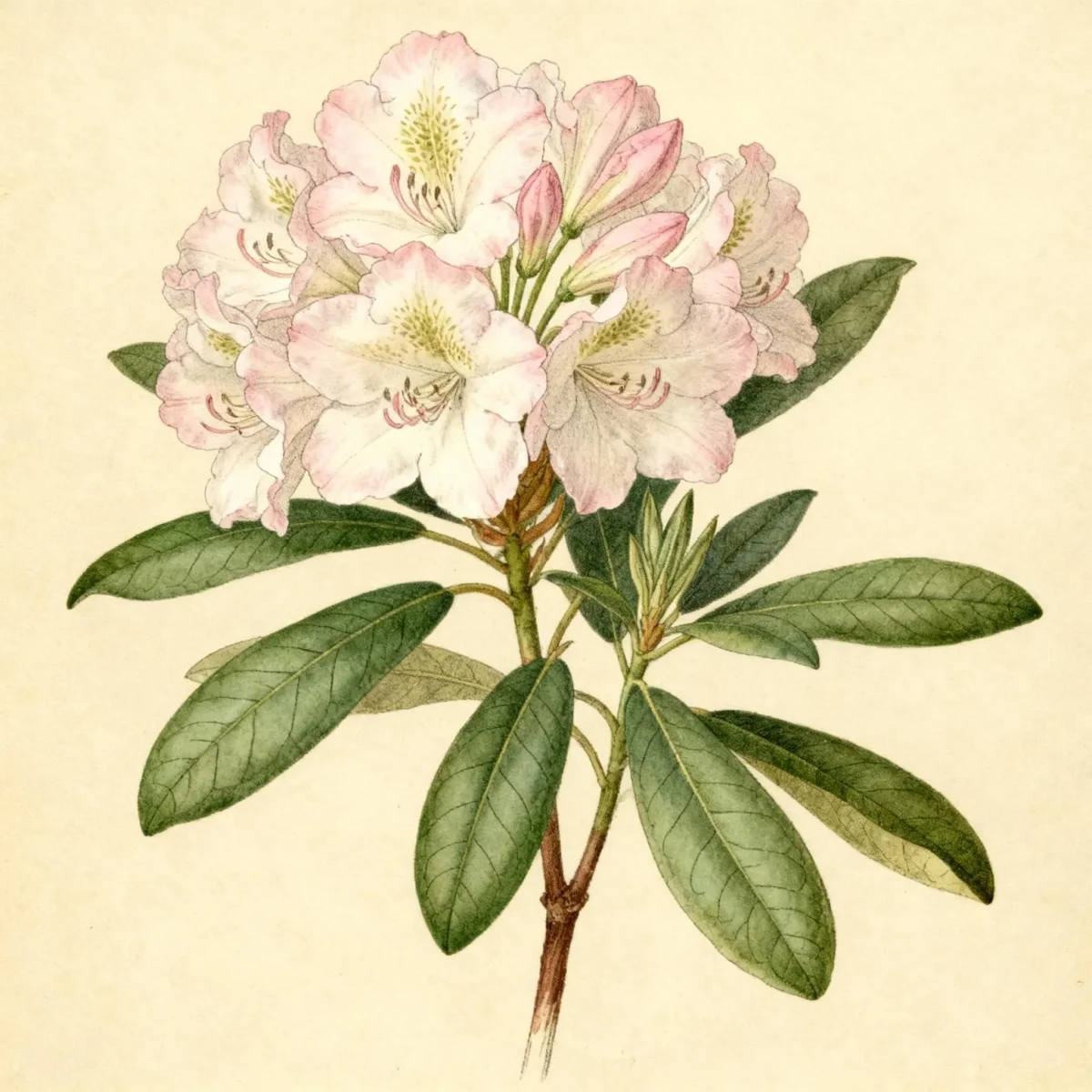
Rhododendron (Rhododendron 'Lee's Dark Purple')
Rhododendron 'Lee's Dark Purple' offers showy deep purple spring blooms. A hardy evergreen shrub for USDA Zones 5-9 needing part shade.
Scroll down to discover growing tips, care requirements, companion plants, and more
Complete Plant Information
Overview
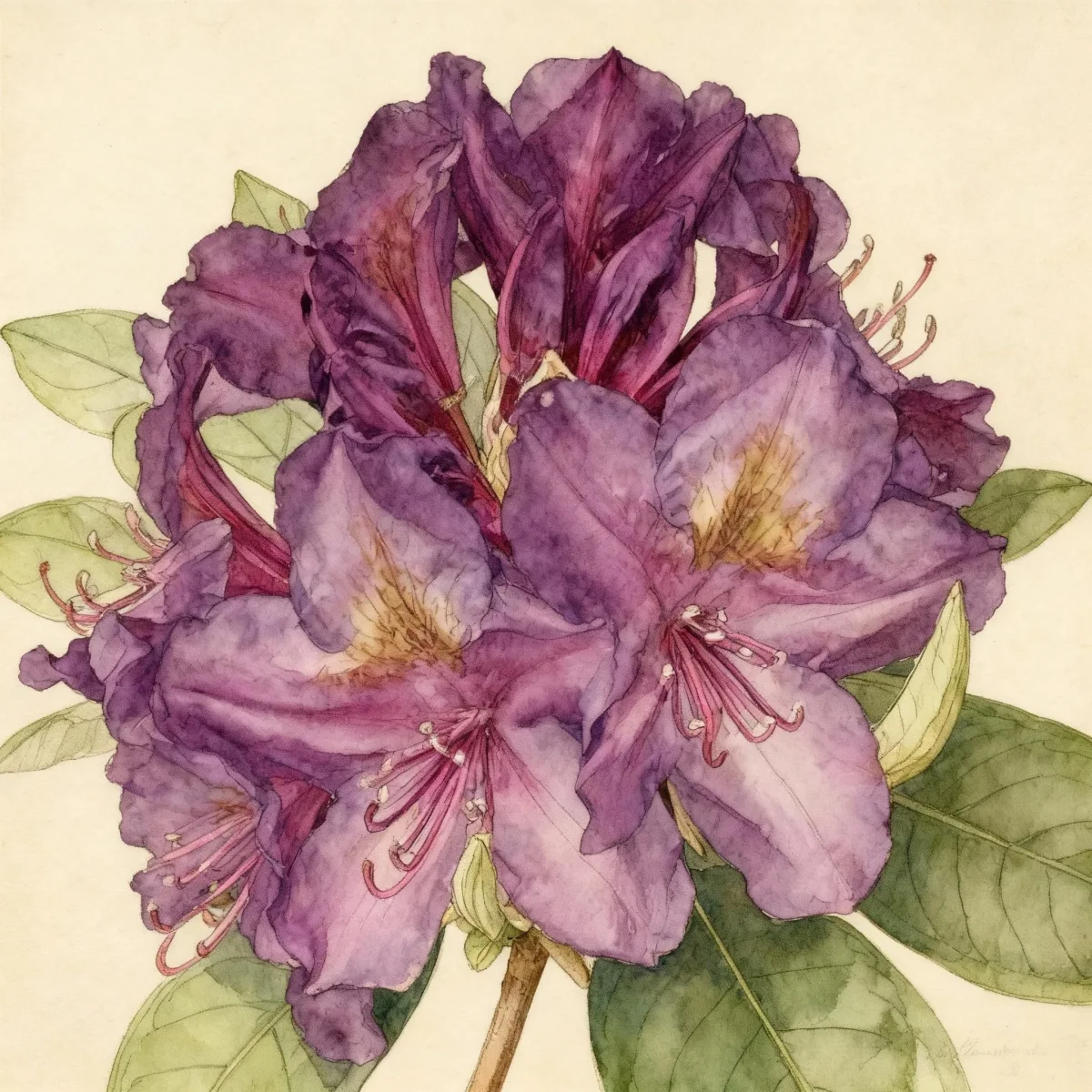
Rhododendron ‘Lee’s Dark Purple’ is highly valued as a substantial broadleaf evergreen, providing deep green, glossy foliage year-round that contrasts beautifully with its spring flower show. This specific cultivar, originating before 1851, showcases deep purple, funnel-shaped blossoms, making it a stunning focal point in temperate landscapes. As a Rhododendron, it thrives when provided with specific cultural conditions, primarily acidic, well-drained soil and protection from intense afternoon sun.
This hardy shrub typically reaches 6 to 7 feet tall and spreads slightly wider, offering excellent form for specimen planting or structured hedging. Gardeners appreciate the enduring structure and reliable seasonal color provided by this classic Rhododendron hybrid. Ensuring the correct soil pH and moisture retention are key to maximizing the health and vigor of Rhododendron ‘Lee’s Dark Purple’.
Functionally, this Rhododendron fills out borders and woodland margins excellently, offering year-round structure alongside its impressive, showy spring display. Its adaptation to USDA Zones 5 through 9 makes it a versatile choice for many gardeners looking for a medium-maintenance, significant evergreen shrub.
Fast Facts
- Plant Family: Ericaceae
- Plant Type: Broadleaf evergreen
- Hardiness Zones: USDA Zones 5-9
- Size at Maturity:
- Height: 6-7 ft
- Spread: 6-8 ft
- Bloom Time: April to May
- Bloom Description: Purple
- Sun Exposure: Part shade
- Water Needs: Medium
- Maintenance Level: Medium
How to Grow
Planting Rhododendron ‘Lee’s Dark Purple’ should ideally occur in early spring or fall when soil temperatures are moderate. Select a location receiving dappled light or high open shade; morning sun followed by afternoon shade is often perfect. The most crucial element for success is the soil: it must be acidic (pH 5.0 to 5.5), organically rich, humusy, and consistently moist but exceptionally well-drained. Poor drainage is fatal, leading to root rot, so consider raised beds in heavy clay soils.
Maintain consistent moisture; the shallow, fibrous roots of this Rhododendron must never dry out, requiring medium water application. Apply a thick layer of mulch, such as wood chips or pine needles, around the base to conserve moisture and stabilize soil temperatures, remembering not to cultivate close to the plant due to shallow roots. Acidify the soil before planting and annually as needed using iron sulfate or sulfur to maintain the preferred low pH.
After the spring flowers fade, deadhead spent blooms (“clip off spent flower clusters”) promptly to encourage energy use toward vegetative growth rather than seed production. Protect this Rhododendron from high winds, and strictly avoid siting it near walnut family trees, as they release toxins (juglones) harmful to most Rhododendrons.
Landscape Uses
Rhododendron ‘Lee’s Dark Purple’ shines as a handsome specimen plant, anchoring mixed borders or providing strong vertical accents in woodland gardens. Its dense, deep green foliage makes it an excellent choice for informal shrub borders where year-round structure is desired. Due to its reliable, rounded, compact habit, this cultivar excels when used deliberately as a formal or informal hedge, providing a vibrant purple display against darker greens.
When planning companions, select plants that share the same need for acidic, well-drained, humus-rich soil and part-shade conditions. Consider pairing Rhododendron ‘Lee’s Dark Purple’ with complementary textures like Japanese maples, ferns, or shade-loving groundcovers that do not compete aggressively with its shallow root system. For foundation plantings, position it where its impressive flower trusses can be easily viewed from a distance, while ensuring it receives protection from harsh winter winds.
Standout Features
Flower Qualities
- Showy
Noteworthy Characteristics
Rhododendron is a genus of 500 to 900 species and includes both of what we commonly call rhododendrons and azaleas. ‘Lee’s Dark Purple’ was hybridized by John Lee of London, England before 1851 using Rhododendron catawbiense as the female parent and an unknown male parent. It is an evergreen, rounded, compact shrub with dark green, glossy leaves that have undulating edges, setting off its deep purple flowers beautifully each spring.
Tolerances
- Rabbit
Potential Problems
Rhododendrons and azaleas are vulnerable to numerous insect and disease issues if cultural requirements are not met. Common pests include aphids, scale, and lacebugs, while diseases commonly seen are blights, canker, and various forms of root and crown rot, often stemming from poor drainage. A key diagnostic sign of stress is chlorosis—yellowing leaves—which frequently signals iron deficiency caused by overly high soil pH.
Prevention is strongly tied to correct planting culture; achieving that acidic, humusy, well-drained environment minimizes susceptibility to most problems. If chlorosis appears, amend the soil using sulfur or iron sulfate to lower the pH back into the optimal range. Maintaining good air circulation through proper spacing and avoiding overhead watering can help mitigate fungal issues like powdery mildew and leaf spot. A healthy Rhododendron ‘Lee’s Dark Purple’ grown in the right spot should offer limited challenges.
Frequently Asked Questions
What hardiness zones is Rhododendron ‘Lee’s Dark Purple’ suitable for?
Rhododendron ‘Lee’s Dark Purple’ performs reliably in USDA Hardiness Zones 5 through 9.
How large does Rhododendron ‘Lee’s Dark Purple’ grow?
This mature shrub typically reaches a height between 6 and 7 feet, with a spread ranging from 6 to 8 feet wide.
What sun exposure does Rhododendron ‘Lee’s Dark Purple’ need?
This Rhododendron variety requires specific protection, thriving best in part shade conditions, such as dappled light or high shade.
When does Rhododendron ‘Lee’s Dark Purple’ bloom?
The flowers appear reliably between April and May, displaying a rich purple hue.
Conclusion
Rhododendron ‘Lee’s Dark Purple’ remains a cornerstone evergreen for the shaded border, delivering magnificent deep purple coloration in mid-spring against rich, dark foliage. This classic Rhododendron variety offers structure and beauty across a wide range of temperate climates within Zones 5-9. Before planting, confirm your soil pH is acidic and ensure excellent drainage to set your Rhododendron up for long-term success.
Companion Planting
When designing a garden area for Rhododendron ‘Lee’s Dark Purple’, focus on creating a woodland aesthetic that respects the acidic soil requirements. Excellent companions include other acid-loving plants such as acid-tolerant hydrangeas, camellias (where climate permits), and various smaller evergreen azaleas. These plants share similar preferences for protection from hot afternoon sun, ensuring a harmonious microclimate.
Consider underplanting with groundcovers that thrive in partial shade and appreciate consistent moisture without becoming waterlogged. Hostas, ferns, and hellebores make wonderful companions, adding contrasting leaf textures—fine and architectural—beneath the broad, glossy leaves of the Rhododendron. Avoid planting shallow-rooted lawns right up to the base, as they compete aggressively for surface moisture and nutrients.
Seasonal Care Calendar
Spring is focused on encouraging powerful blooms and foliage emergence; this is the best time to apply a slow-release, acid-loving fertilizer formulated for Rhododendrons and Azaleas, followed immediately by deadheading faded flowers. Summer care centers on consistent, deep watering, especially during dry spells, ensuring the shallow roots never allow the soil to fully dry out.
Fall preparation involves ensuring the plant has adequate moisture before the ground freezes; this hydration is vital for an evergreen surviving winter stress. Apply a fresh layer of organic mulch if needed to insulate the shallow roots against freeze-thaw cycles. In winter, monitor for excessive branching damage from heavy snow or ice, though Rhododendron ‘Lee’s Dark Purple’ is generally robust.