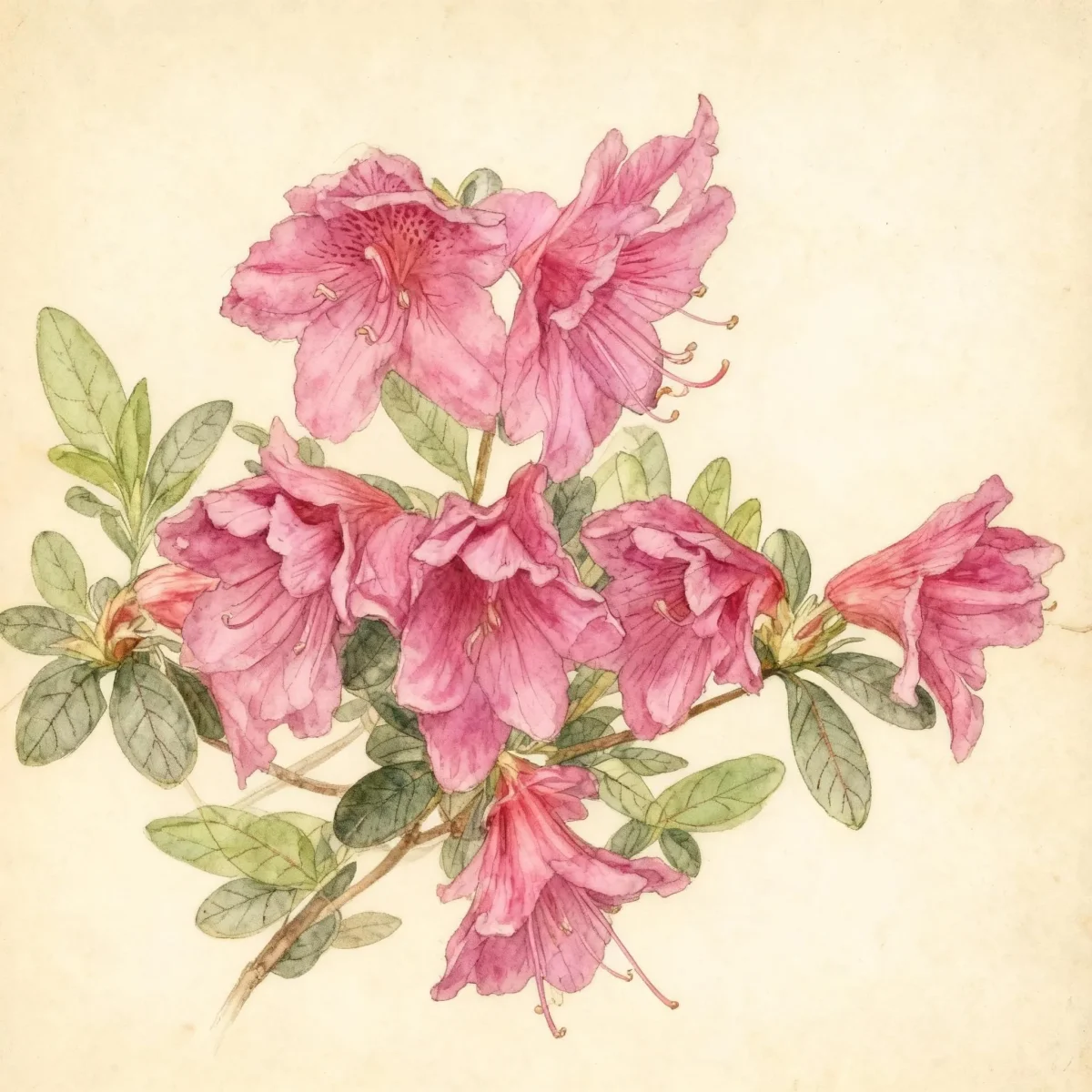
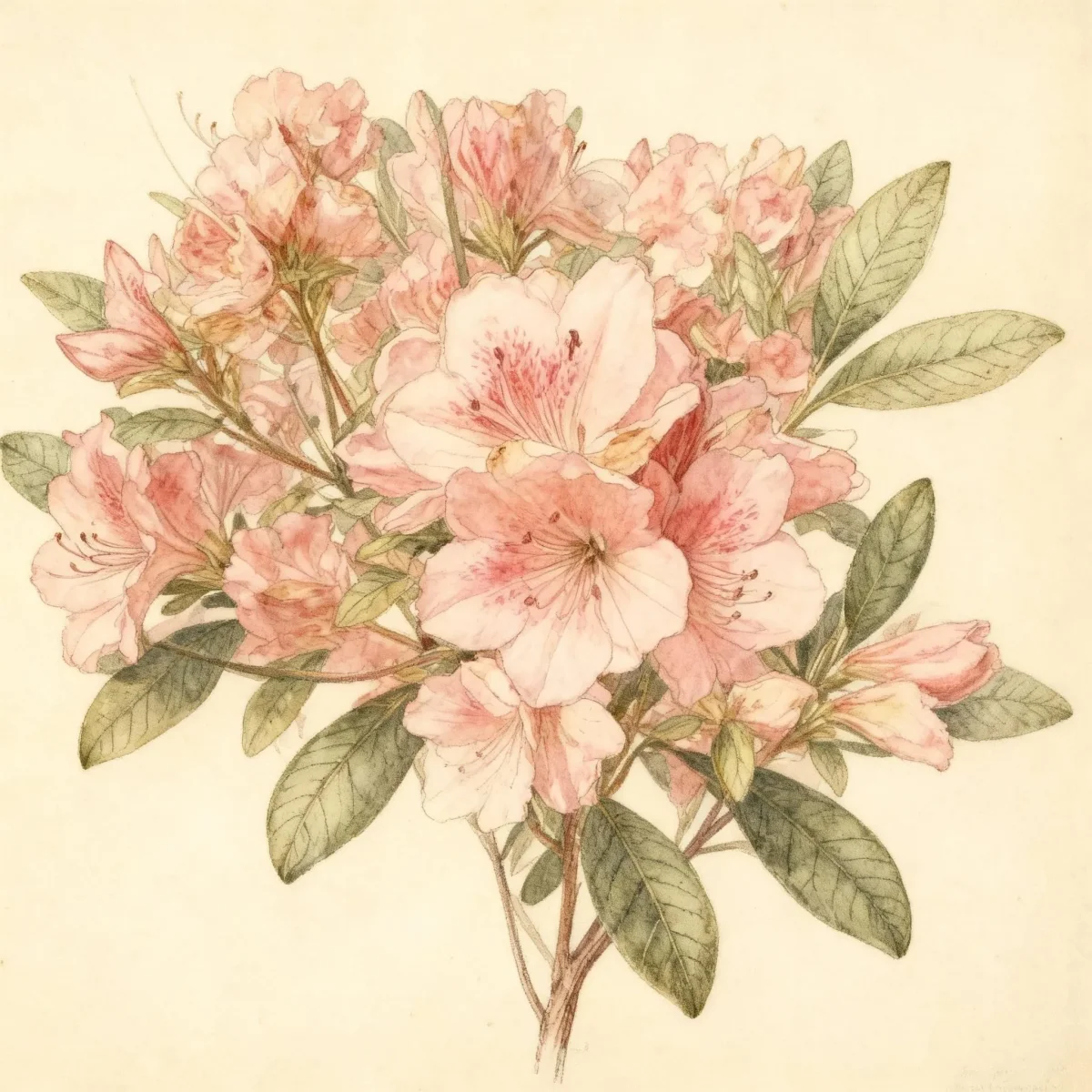
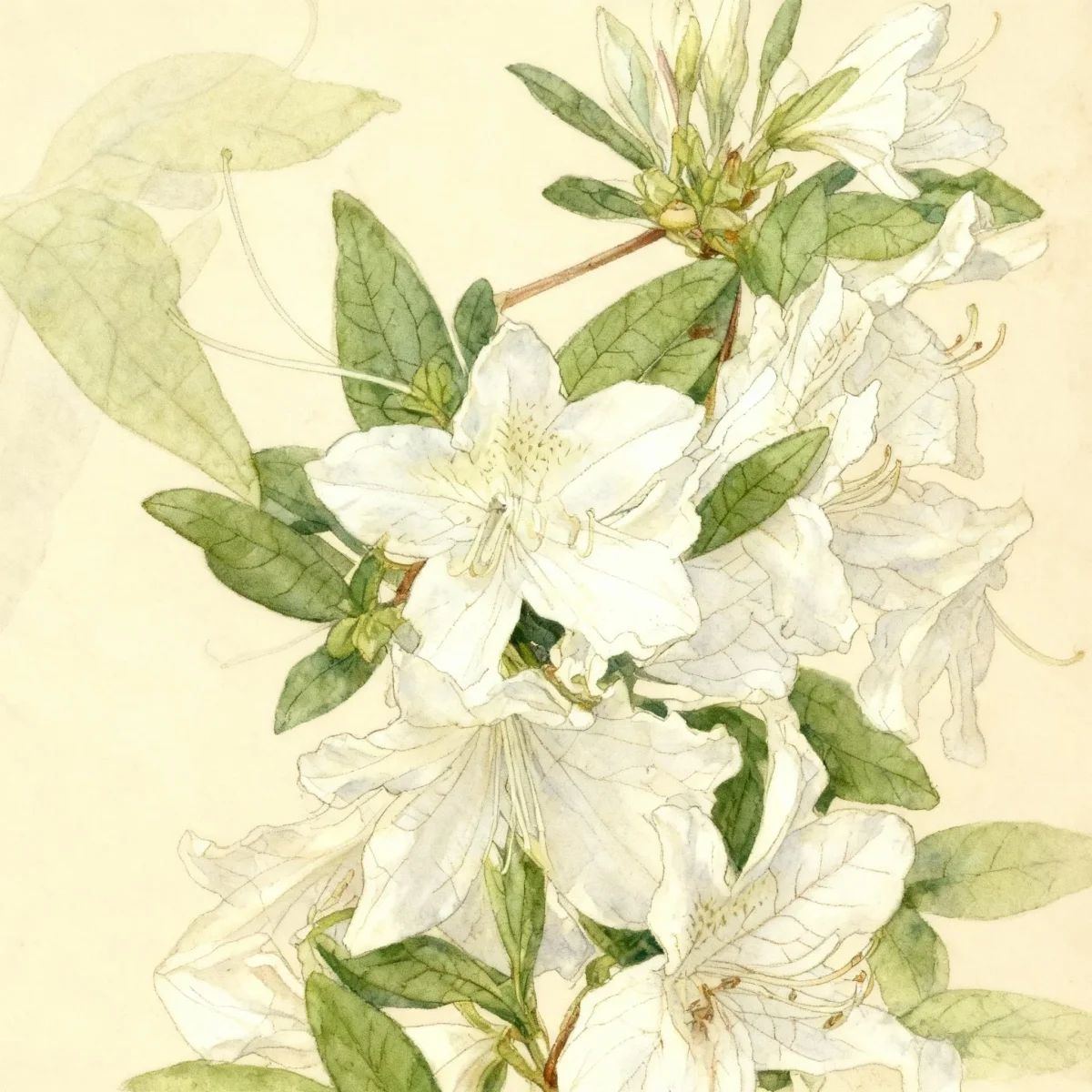
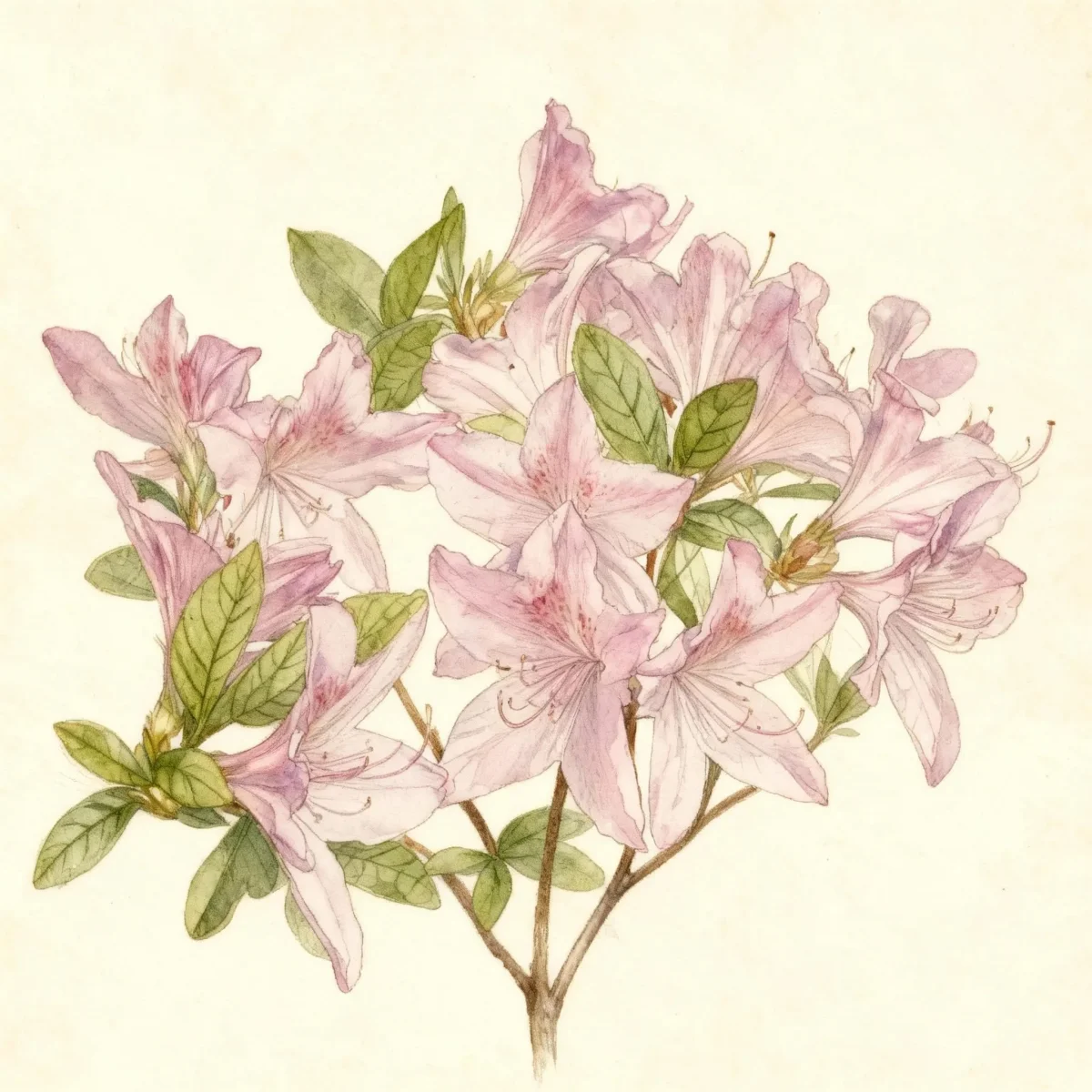
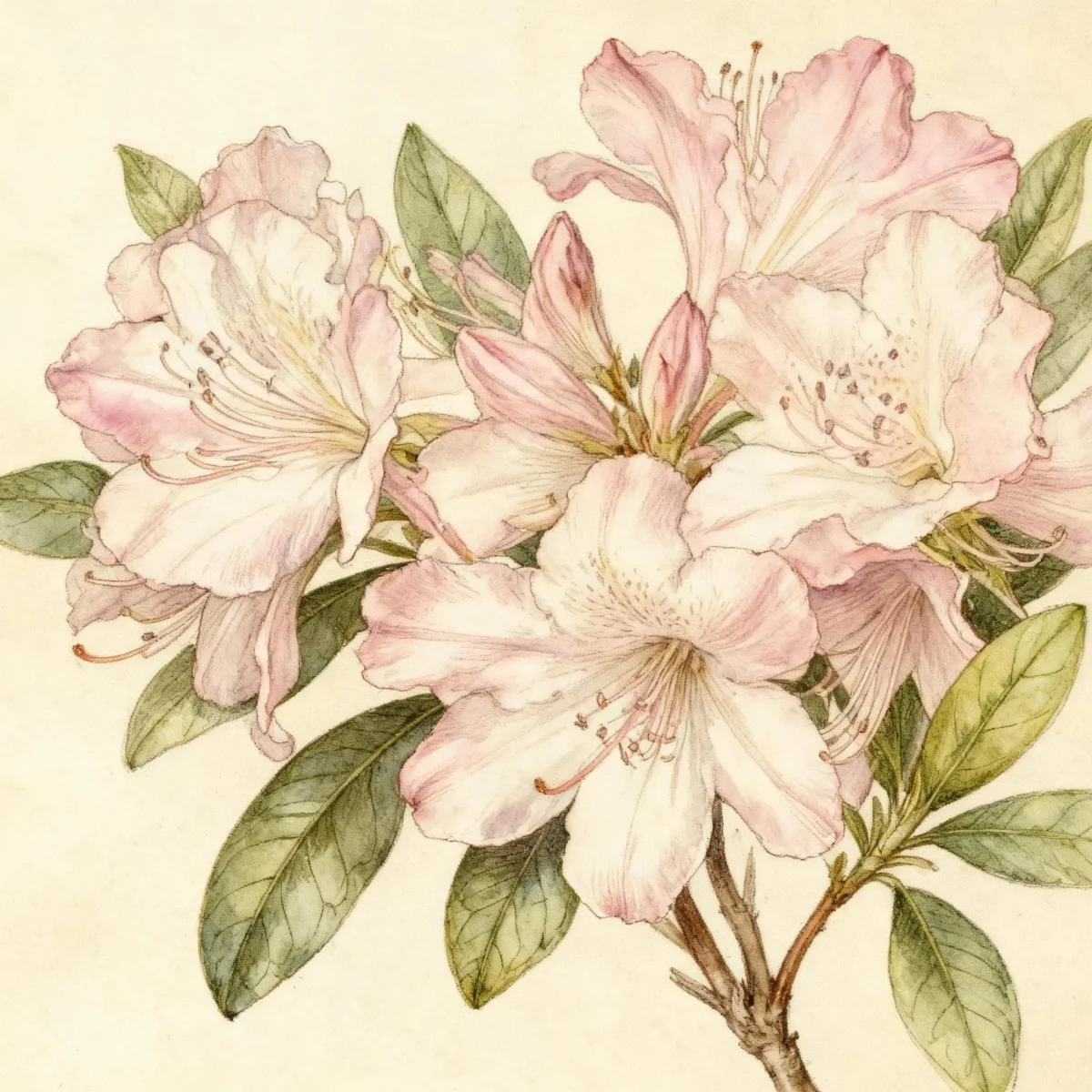
Evergreen azalea (Rhododendron 'Martha Hitchcock')
Rhododendron 'Martha Hitchcock' is a beautiful Evergreen azalea offering white flowers with purplish-red edges, thriving in part shade.
Scroll down to discover growing tips, care requirements, companion plants, and more
Complete Plant Information
Overview
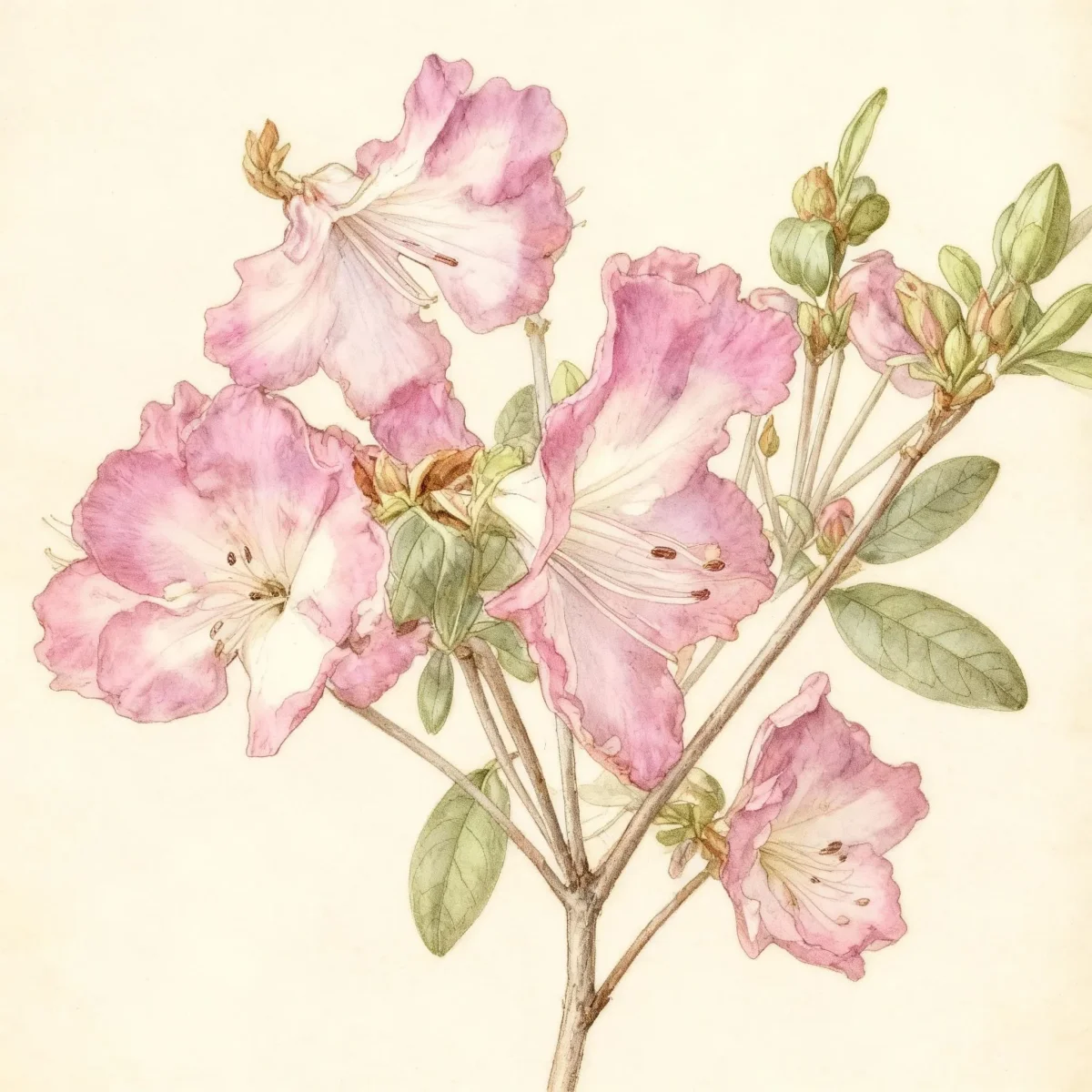
Rhododendron ‘Martha Hitchcock’ is a highly valued Glenn Dale evergreen azalea cultivar, celebrated for its reliable spring display and attractive year-round foliage. This cultivar produces funnel-shaped flowers, predominantly white with distinct, delicate purplish-red edging, making it a standout feature in semi-shady garden areas. As a multi-stemmed broadleaf evergreen, Rhododendron ‘Martha Hitchcock’ offers structure and color interest throughout the seasons.
Gardeners appreciate the manageable size of this Evergreen azalea, typically reaching 3 to 4 feet tall and wide, fitting well into various landscape designs. Successful cultivation relies heavily on environmental matching, specifically providing organically rich, acidic, and consistently moist, yet extremely well-drained soil conditions. Careful placement protects this variety from harsh afternoon sun and drying winds, ensuring vibrant health for this beautiful Evergreen azalea.
The Rhododendron ‘Martha Hitchcock’ provides essential structure, serving beautifully as a textural element beneath taller deciduous trees or within mixed shrub borders. Its mid-season bloom period, usually spanning late April into May, signals a vibrant transition in the spring garden palette. For gardeners seeking dependable performance and classic beauty, this hybrid epitomizes the best qualities of the Evergreen azalea group.
Fast Facts
- Plant Family: Ericaceae
- Plant Type: Broadleaf evergreen
- Hardiness Zones: USDA Zones 5-8
- Size at Maturity:
- Height: 3-4 ft
- Spread: 3-4 ft
- Bloom Time: April to May
- Bloom Description: White with purplish-red edges
- Sun Exposure: Part shade
- Water Needs: Medium
- Maintenance Level: Medium
How to Grow
The optimum time to plant Rhododendron ‘Martha Hitchcock’ is during the cooler seasons—early spring or fall—to allow root establishment before temperature extremes. Site the plant where it receives dappled sunlight or high open shade; morning sun paired with afternoon shade is ideal. Soil must be acidic, ideally maintaining a pH between 5.0 and 5.5, and should be rich in organic matter, humusy, and moisture-retentive but never soggy.
Maintain consistent moisture levels, as the shallow, fibrous roots of this Evergreen azalea must never dry out. Apply a thick mulch layer, such as wood chips or pine needles, immediately after planting to conserve soil moisture and stabilize root temperatures. Avoid cultivating close to the base, as the fine root system lies near the surface. Adjust soil acidity by incorporating sulfur or iron sulfate if the pH is too high; conversely, use limestone to raise alkalinity if necessary.
Pruning is generally minimal, focusing primarily on removing spent flower clusters immediately following bloom to encourage better bud development for the following year. Avoid heavy pruning, especially in late summer or fall. In colder pockets of Zone 5, be mindful that the flower buds of Rhododendron ‘Martha Hitchcock’ may suffer frost damage, leading to reduced flowering that year. Protect your plant from harsh winds, which can exacerbate leaf scorch.
Landscape Uses
Rhododendron ‘Martha Hitchcock’ excels when utilized as a foundational planting or incorporated into formal shrub borders due to its neat, evergreen habit. Its consistent shape and vibrant spring display make it perfect for establishing low hedges that define walkways or garden rooms effectively. While useful as a solitary specimen, this cultivar shines brightest when grouped for mass effect.
Consider planting Rhododendron ‘Martha Hitchcock’ near woodland margins or within shade gardens where light conditions mimic its native preference. Companion planting should focus on other acid-loving shrubs that share similar light and moisture needs, such as Camellias, Pieris, or Kalmia. For underplanting, use fine-textured groundcovers that benefit from the filtered shade provided by this Evergreen azalea.
Due to its 3x4 foot mature size, this plant is an excellent transitional piece in mixed borders, placed between low perennials and taller background screens. Using this plant as a formal hedge requires careful attention to soil drainage, especially in heavy clay, where raised beds are often necessary for the long-term health of the Rhododendron ‘Martha Hitchcock’.
Standout Features
Flower Qualities
- Showy
Noteworthy Characteristics
Rhododendron is a genus of 500 to 900 species and includes both of what we commonly call rhododendrons and azaleas. Most are evergreen but some are deciduous. They originate mostly from the Northern Hemisphere with high concentrations in western China, the Himalayas and Myanmar (Burma). They are grown for their showy spring flowers and in the case of evergreen types for their attractive winter foliage. True rhododendrons have 10 stamens in a flower and azaleas have only 5. Much hybridization has resulted in a great number of hybrid cultivars. Of note to gardeners in cool temperate areas are the large and small leaved evergreen rhododendrons and the evergreen and deciduous azaleas. Evergreen azaleas develop as multi-stemmed plants from the ground and usually grow 3-5 feet tall. They retain their leaves throughout the year and are not as winter hardy as the deciduous azaleas. In cold winters flower buds may be frozen resulting in reduced or no flowering and foliage may winter burn (turn brown and be killed). Color range is mostly from white to pink, red, lavender and purple.Genus name comes from the Greek words rhodo meaning rose and dendron meaning tree. Transferred from the Greek name for Nerium oleander.‘Martha Hitchcock’ is an evergreen azalea (Glenn Dale hybrid) that is the result of a cross between R. Mucronatum (seed parent) and R.‘Shinnyo-no-tsuki’ (pollen parent). It typically grows to 3-4’ tall and as wide over the first 10 years. Funnel-shaped, white flowers (to 3” across) have purplish-red edges and spotting. Flowers bloom in trusses in mid-season (late April-May). Elliptic to obovate dark green leaves (to 2 3/4” long) usually turns yellow over winter.
Tolerances
- Rabbit
Potential Problems
Rhododendrons and azaleas are susceptible to many insect and disease problems, requiring vigilance from the gardener. Common insect pests include aphids, lacebugs, and scale, while fungal issues like root rot and leaf spot are often indicators of environmental stress, particularly poor drainage or incorrect pH. Chlorosis, manifesting as yellowing leaves, frequently points to iron deficiency caused by soil pH that is too high, preventing nutrient uptake.
The single most critical factor in preventing disease is ensuring excellent drainage; heavy clay soils must be amended or plantings should be sited in raised beds to prevent the fatal root rot common in Rhododendron ‘Martha Hitchcock’. Regularly inspect the foliage for signs of pests or discoloration, addressing localized infestations immediately with appropriate horticultural oils or insecticidal soaps as dictated by the pest identification.
Maintaining the correct acidic soil chemistry is your best defense against many physiological disorders. A healthy Rhododendron ‘Martha Hitchcock’, situated in its preferred part shade with consistently moist, acidic soil, will naturally resist most common garden afflictions.
Frequently Asked Questions
What hardiness zones is Evergreen azalea suitable for?
The Rhododendron ‘Martha Hitchcock’ is reliably hardy in USDA Zones 5 through 8, though gardeners in Zone 5 should remain cautious about late spring frosts damaging flower buds.
How large does Rhododendron ‘Martha Hitchcock’ grow?
This variety typically matures into a compact, 3 to 4-foot tall shrub with a similar spread, making it suitable for foundation plantings and borders.
When does Evergreen azalea bloom?
Rhododendron ‘Martha Hitchcock’ typically blooms during its mid-season window, spanning from late April into May, displaying showy white flowers edged in purplish-red.
What sun exposure does Evergreen azalea need?
It thrives best in part shade, preferring dappled light or high open shade, and appreciates protection from intense afternoon sun exposure.
Conclusion
The Evergreen azalea, specifically the cultivar Rhododendron ‘Martha Hitchcock’, offers a fantastic balance of evergreen structure and mid-spring floral beauty that enhances any woodland or mixed border setting. Successfully growing this plant relies on providing the necessary acidic, well-drained soil and carefully managing its light requirements to avoid leaf scorch. Before planting, confirm your USDA zone compatibility and prepare acidic soil amendments to ensure many years of beautiful blooms from your Rhododendron ‘Martha Hitchcock’.
Companion Planting
Selecting appropriate companions for Rhododendron ‘Martha Hitchcock’ should prioritize plants that share its cultural needs: consistently moist, acidic, and well-drained soil under filtered light. Companion plants that thrive under these conditions help create a cohesive, low-maintenance woodland garden aesthetic. Good choices include other acid-lovers like Astilbe, which offers contrasting feathery texture, or Helleborus (Lenten Rose), which provides necessary early spring interest before the Evergreen azalea blooms.
Consider utilizing plants with fine foliage to contrast the broader leaves of the Rhododendron ‘Martha Hitchcock’. Ferns, such as the Japanese Painted Fern or large woodland varieties, provide excellent textural contrast and appreciate the same filtered light and humus-rich soil. Ensure that any companion planting does not aggressively compete for surface moisture, as the shallow roots of this azalea demand consistent access to water.
Avoid planting near shallow-rooted lawn grasses that require heavy fertilization, or worst of all, any members of the walnut family, whose roots emit juglone—a chemical highly toxic to most rhododendrons. By grouping plants with similar needs, you ensure a harmonious growing environment for your Rhododendron ‘Martha Hitchcock’.
Pruning and Deadheading Guide
Deadheading spent flower trusses on Evergreen azalea varieties like Rhododendron ‘Martha Hitchcock’ is a recommended maintenance activity to immediately improve appearance and direct energy toward next year’s flower production, rather than seed development. Perform this gently by hand immediately after flowering concludes in late spring or very early summer. Be careful not to damage the new growth buds forming just beneath the spent flower clusters.
Structural pruning for shape or size control should be done sparingly, as heavy pruning can remove next year’s bloom potential, especially since this variety blooms on old wood. If significant reshaping is required, perform it immediately after the bloom fade in the spring. Minor corrective cuts to remove dead or damaged wood can be done any time throughout the growing season, though spring is preferred.
Never prune Rhododendron ‘Martha Hitchcock’ in the late summer or fall. Pruning late in the season encourages tender new growth that will not have time to harden off before winter, making those new shoots highly susceptible to winter burn and dieback in USDA Zones 5 and 6.