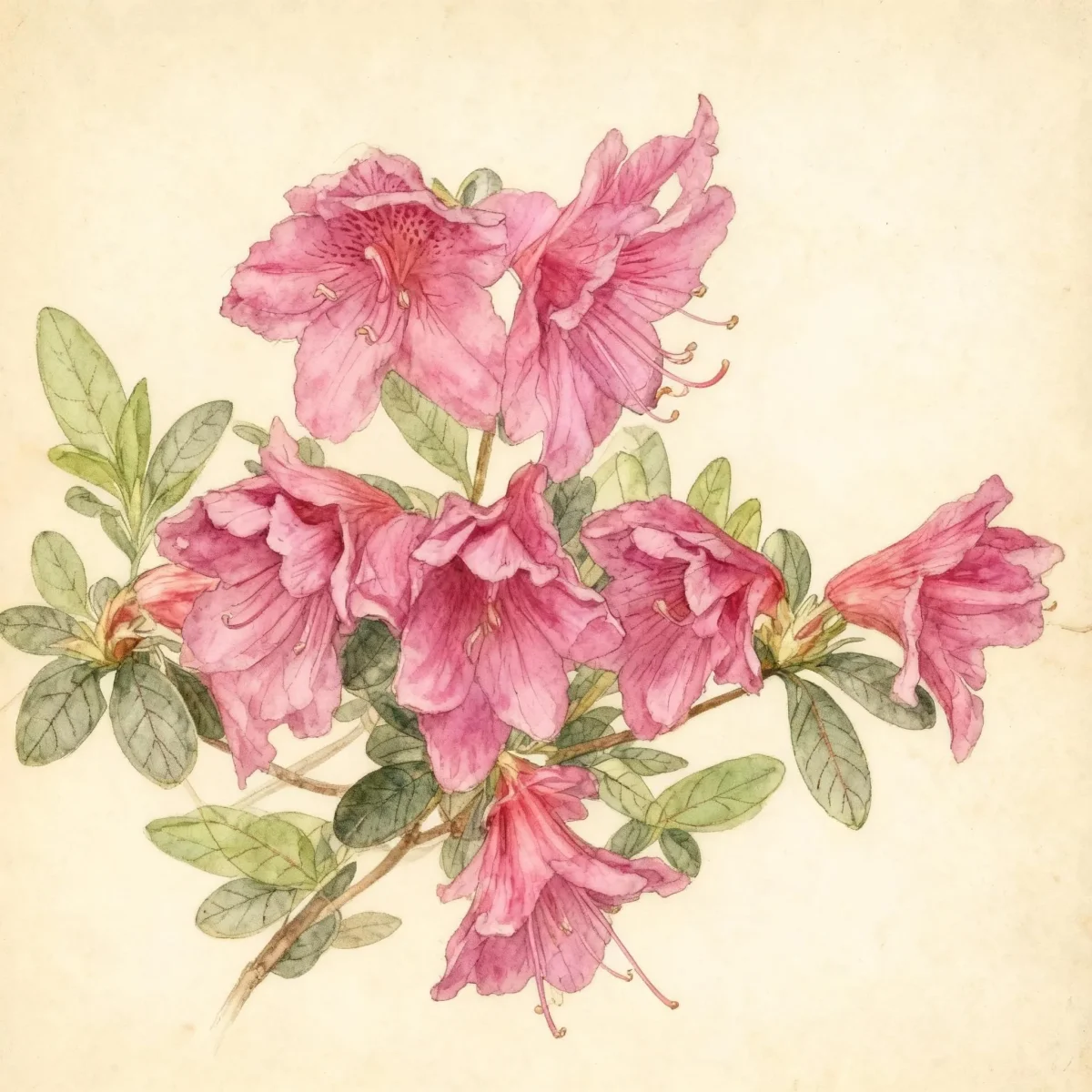
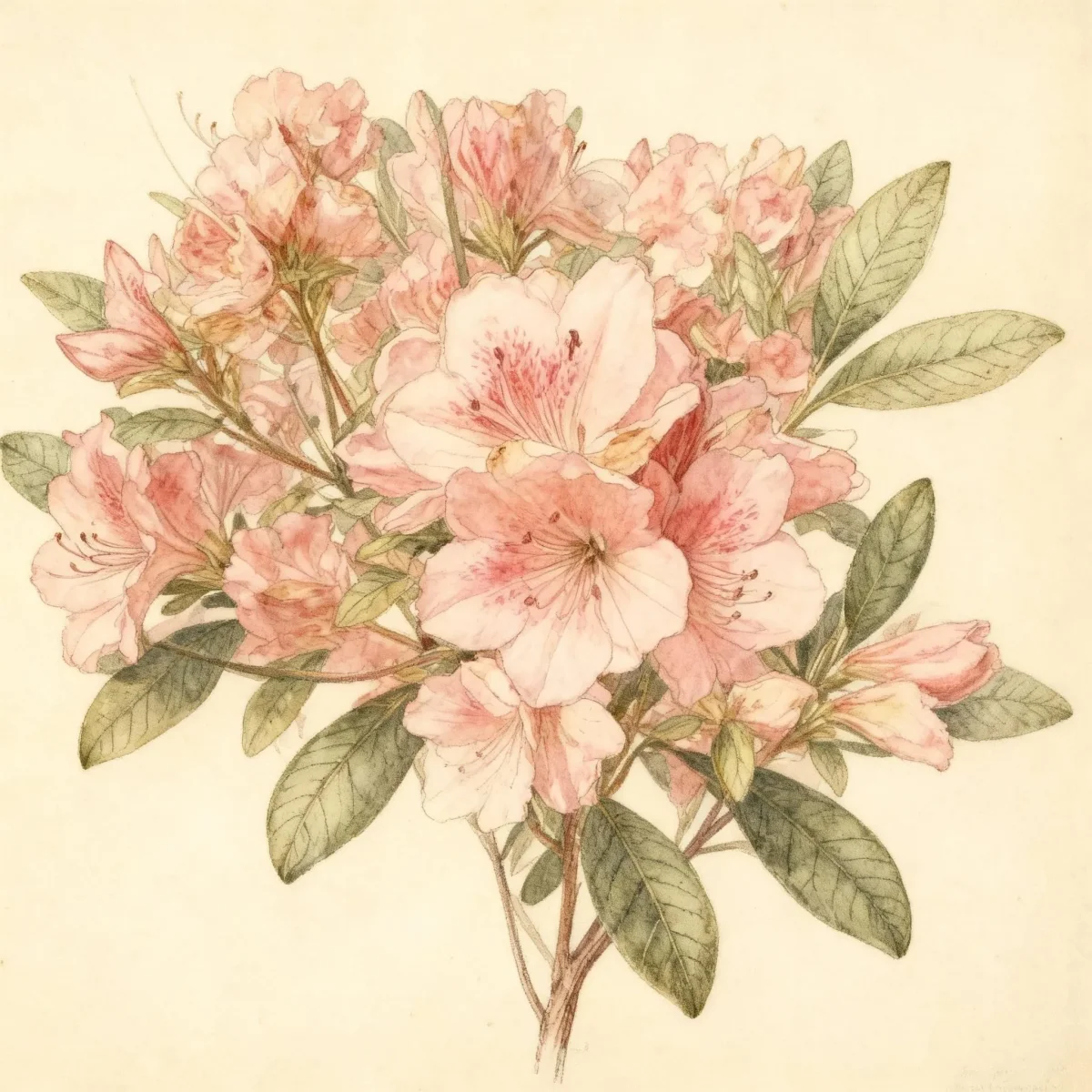
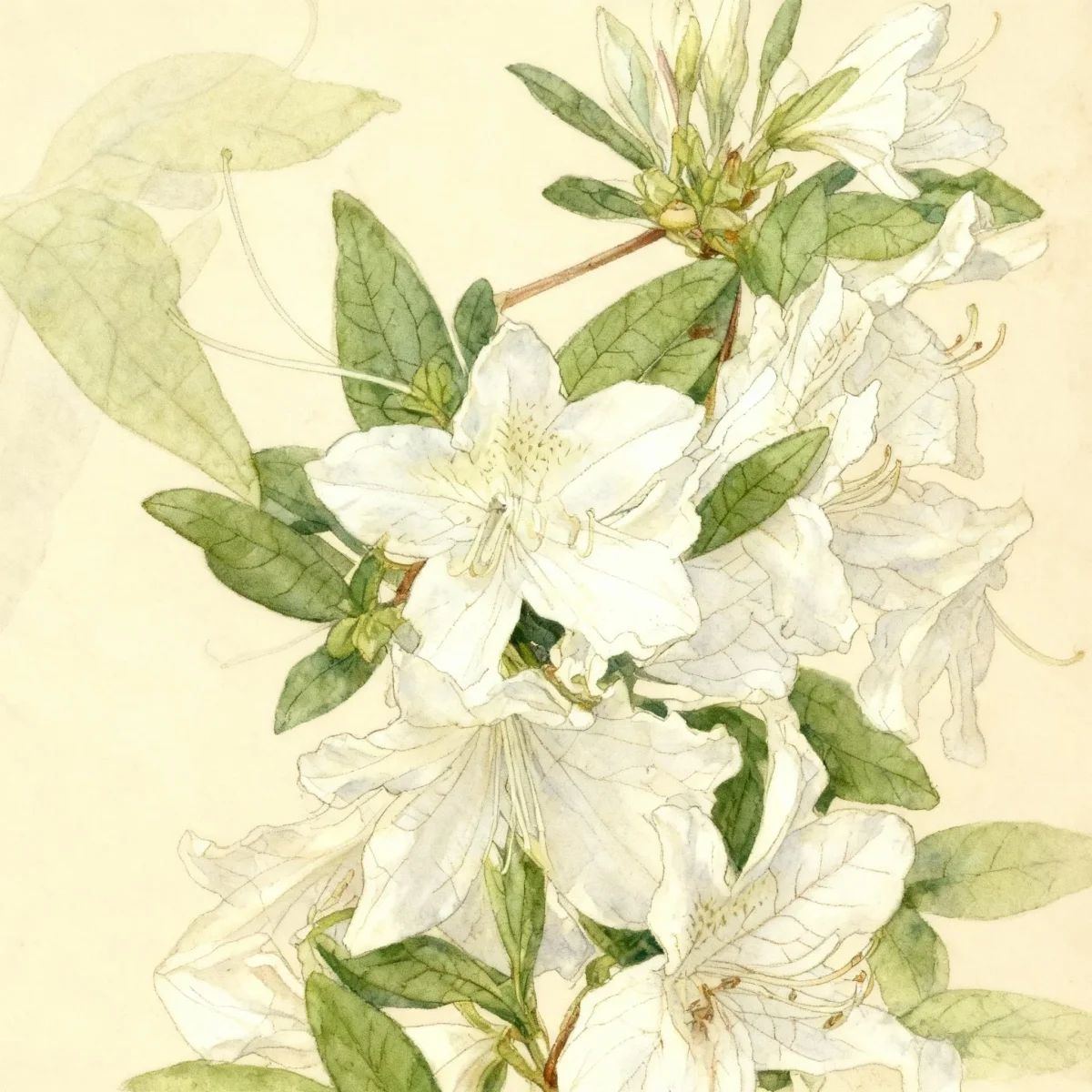
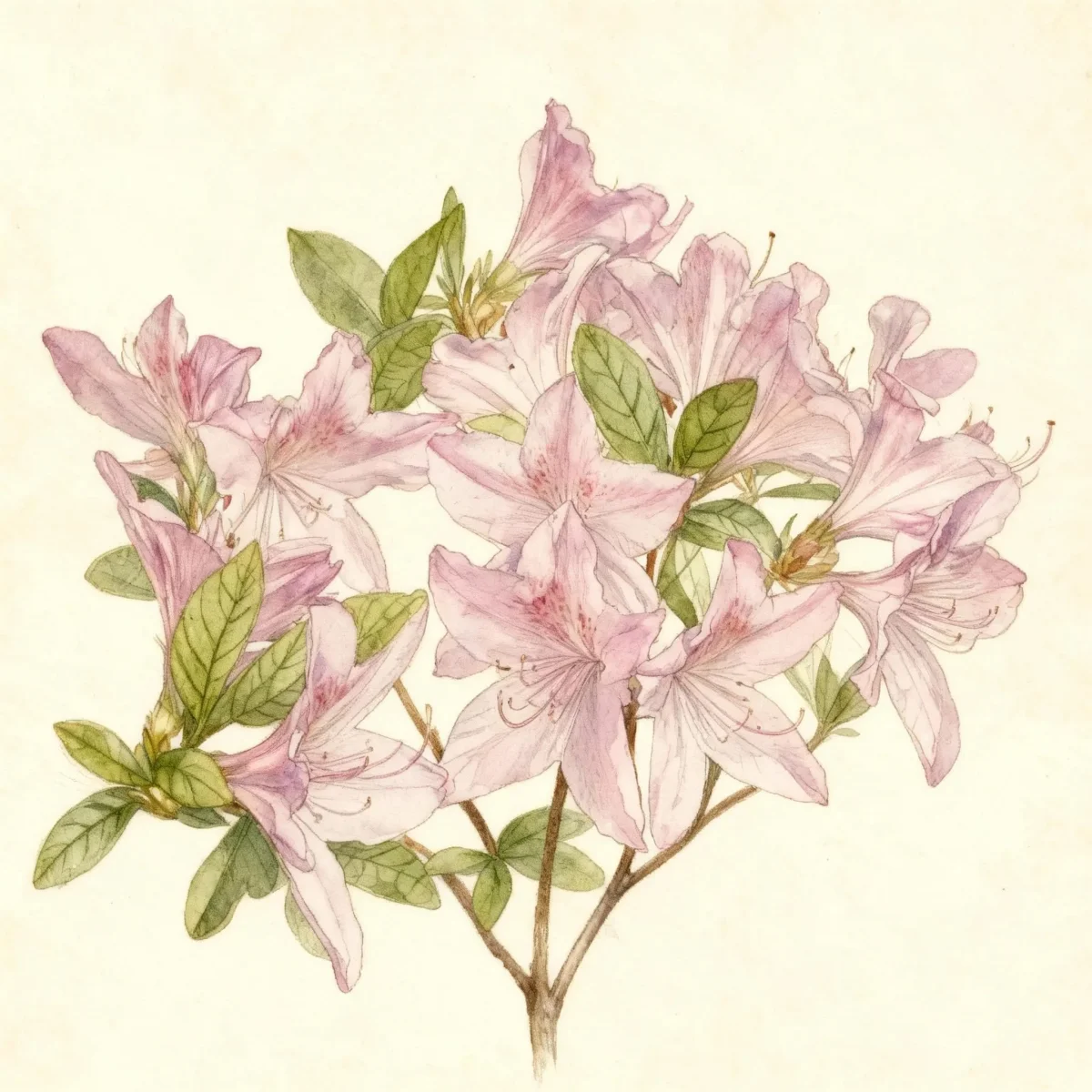
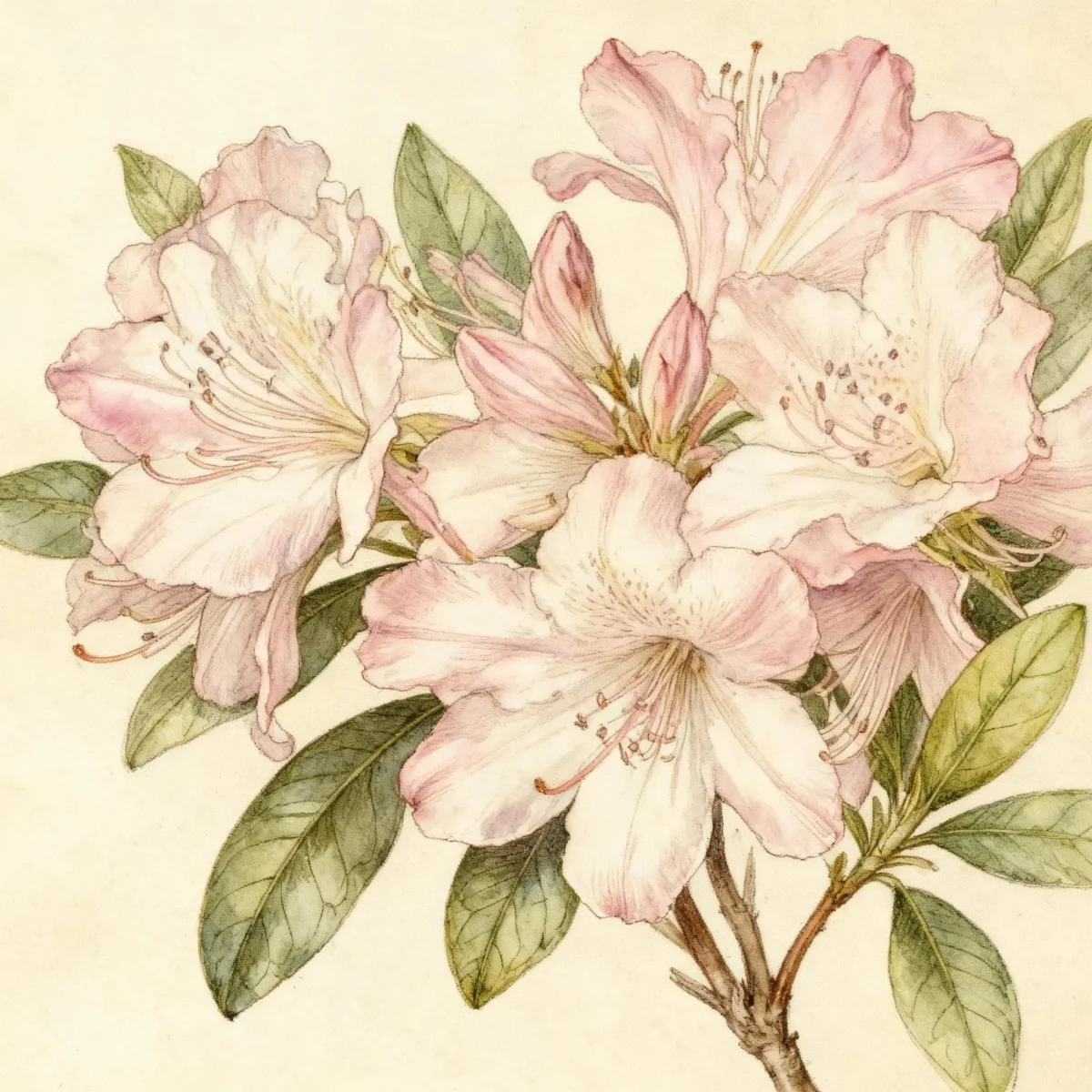
Evergreen azalea (Rhododendron 'Moby Dick')
Rhododendron 'Moby Dick' is a compact Evergreen azalea producing showy white blooms from April to May in zones 5-8.
Scroll down to discover growing tips, care requirements, companion plants, and more
Complete Plant Information
Overview
Rhododendron ‘Moby Dick’ stands out as a choice broadleaf evergreen valued for its compact structure and brilliant spring display of white flowers. This specific Evergreen azalea cultivar offers reliable color along with dense, glossy green foliage that provides winter interest in temperate landscapes. Gardeners appreciate the Rhododendron ‘Moby Dick’ for its manageable size, making it suitable for formal borders and foundation plantings.
As a member of the Ericaceae family, this plant thrives when its specific soil acidity and drainage needs are met, rewarding attentive care with robust growth. Its evergreen nature ensures year-round structure within the garden design. Successful cultivation of Rhododendron ‘Moby Dick’ establishes a beautiful focal point that emerges reliably every late spring.
This compact shrub typically reaches only 2 to 3 feet tall and wide, making it an excellent choice where space is limited or when a low border is desired. Ensure you provide protection from harsh, drying winds to safeguard both the blooms and the foliage of your Evergreen azalea.
Fast Facts
- Plant Family: Ericaceae
- Plant Type: Broadleaf evergreen
- Hardiness Zones: USDA Zones 5-8
- Size at Maturity:
- Height: 2-3 ft
- Spread: 2-3 ft
- Bloom Time: April to May
- Bloom Description: White
- Sun Exposure: Part shade
- Water Needs: Medium
- Maintenance Level: Medium
How to Grow
Planting Rhododendron ‘Moby Dick’ is best accomplished in spring or early fall, provided you have prepared the site meticulously. The most critical factors for success involve soil quality: utilize acidic, organically rich, humusy, moisture-retentive soil that remains well-drained. Rhododendrons detest “wet feet,” so consider raised beds if you have heavy clay. Site your Evergreen azalea where it receives dappled sunlight or high open shade; morning sun followed by afternoon shade works perfectly, though hot afternoon sun can scorch the leaves. Avoid planting near walnuts or hickories due to juglone sensitivity.
Watering for Rhododendron ‘Moby Dick’ should be consistent to maintain medium moisture levels; the shallow, fibrous roots must never dry out, particularly during summer heat or winter drought. Apply a thick layer of mulch, such as pine needles or wood chips, to stabilize soil temperatures and retain moisture—but keep the mulch away from the plant crown. Cultivation around the base must be avoided because the roots are so shallow.
Pruning needs are minimal for this compact shrub. The best practice is to “deadhead” or clip off spent flower clusters immediately after blooming completes. This action encourages better flowering the following season. Soil pH is crucial; aim for 5.0 to 5.5, adjusting with sulfur or iron sulfate to lower pH if required. Protection from strong winds is also necessary to prevent foliage burn in winter.
Landscape Uses
Rhododendron ‘Moby Dick’ excels in various landscape roles due to its neat, rounded habit and attractive evergreen structure. It performs admirably when massed together to create a vivid, continuous low hedge or used as a specimen plant to anchor shaded corners. These shrubs integrate perfectly into woodland garden settings, mimicking their native habitat, or can line woodland margins for soft transitions.
Consider placing this Evergreen azalea within mixed borders where its white spring flowers can contrast beautifully with early spring bulbs or later-blooming perennials. Its use as a foundation planting is highly recommended, provided the site offers adequate part shade and protection from reflected heat or wind. Planting Rhododendron ‘Moby Dick’ alongside acid-loving companions like camellias, holly, or rhododendrons ensures consistent soil chemistry requirements across the planting bed.
Standout Features
Flower Qualities
- Showy
Noteworthy Characteristics
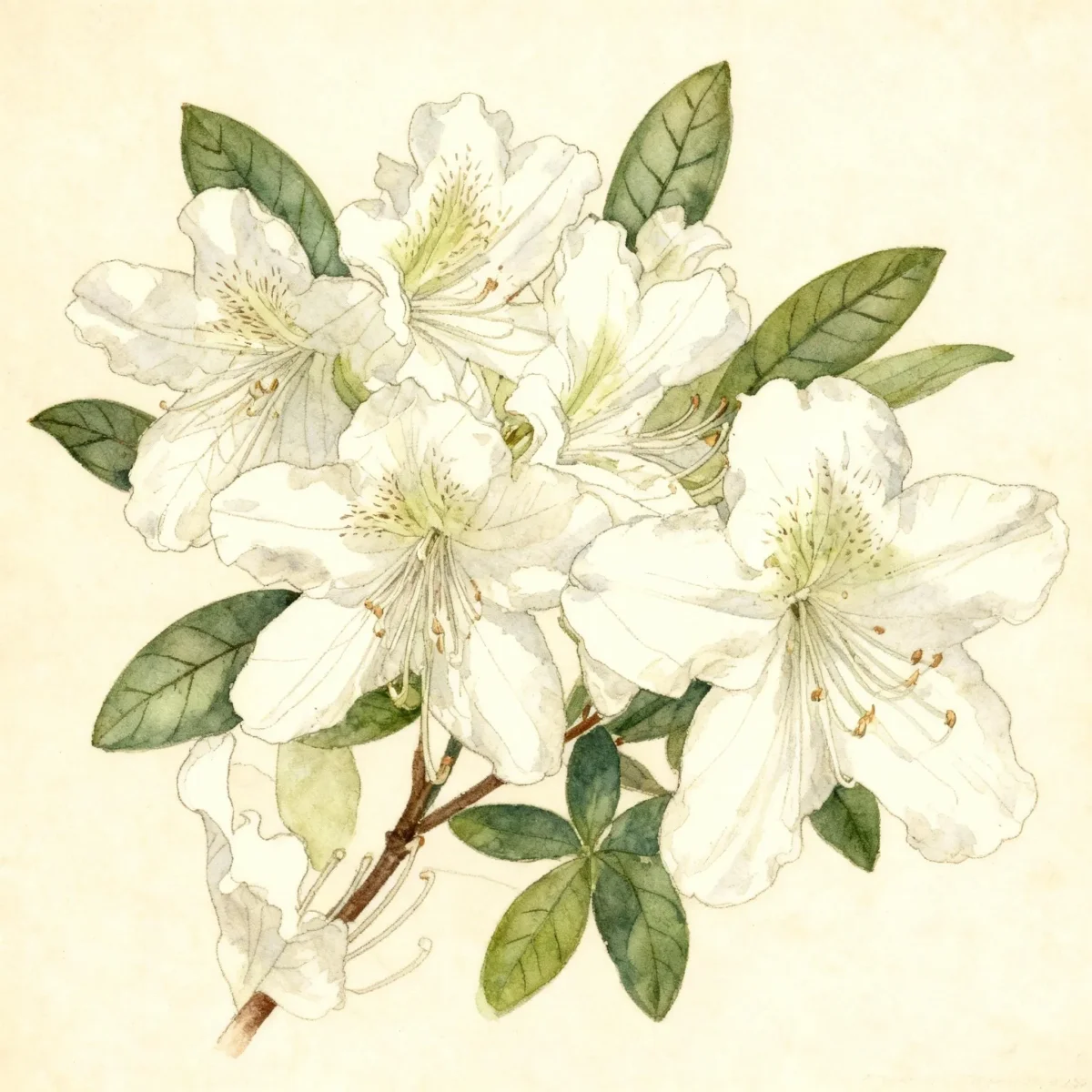
Rhododendron is a genus of 500 to 900 species and includes both of what we commonly call rhododendrons and azaleas. ‘Moby Dick’ is identified specifically as an Evergreen azalea hybrid, developing as a compact, rounded shrub retaining glossy dark green foliage year-round. It produces large, single, white flowers up to 3 inches wide, blooming reliably mid-season in late April extending into May.
Tolerances
- Rabbit
Potential Problems
Rhododendrons and azaleas, including Rhododendron ‘Moby Dick’, can face challenges from pests and diseases if cultural needs are ignored. Common insect targets include lacebugs, scale, and aphids, while fungal issues like root rot or powdery mildew can develop, often signaling poor drainage or high humidity. Chlorosis—yellowing leaves—is a frequent symptom indicating the soil pH is too high, leading to iron deficiency. Address drainage immediately by amending soil or considering raised beds, as poor drainage inevitably causes root rot. Maintain proper part shade conditions and monitor foliage closely to catch pest infestations early.
Frequently Asked Questions
What hardiness zones is Evergreen azalea suitable for?
Rhododendron ‘Moby Dick’ is generally suitable for USDA Hardiness Zones 5 through 8.
How large does Rhododendron ‘Moby Dick’ grow?
This compact Evergreen azalea typically matures to a height between 2 and 3 feet, with a similar spread of 2 to 3 feet.
What sun exposure does Evergreen azalea need?
This plant performs best in part shade, needing protection from intense afternoon sun to prevent leaf scorch.
When does Rhododendron ‘Moby Dick’ bloom?
This cultivar features beautiful white flowers that bloom reliably during the mid-season, generally from April to May.
Conclusion
The compact size and stunning mid-season white flowers make Rhododendron ‘Moby Dick’ an indispensable element for shaded garden areas, offering reliable evergreen texture. By carefully managing the acidic soil, ensuring excellent drainage, and providing consistent moisture, you can enjoy this beautiful Evergreen azalea for years. Before planting, confirm your site falls within USDA Zones 5-8 and plan your soil preparation to achieve pH levels between 5.0 and 5.5.
Companion Planting
Given the specific need for acidic, rich, and well-drained soil, companion plants for Rhododendron ‘Moby Dick’ should share similar cultural requirements. Consider planting beneath taller, acid-loving deciduous trees for dappled shade protection, such as Japanese Maples, which offer high canopy cover. For evergreen groundcover beneath the broadleaf evergreen azalea, look toward plants like Helleborus (Lenten Rose) or native ferns, which tolerate low light and appreciate similar soil acidity. Avoid planting bulbs that require alkaline soil or deep cultivation, as the shallow roots of the azalea cannot tolerate disturbance.
Seasonal Care Calendar
Late winter or early spring is the ideal time to check the location of your Rhododendron ‘Moby Dick’ for wind damage, removing any obviously broken twigs. As soon as flowering concludes in late May or early June, promptly deadhead the spent white blossoms to redirect energy toward next year’s flower bud development. Throughout the summer, maintain surface watering—never letting the roots fully dry out—and check mulch levels. In fall, ensure the plant is well-hydrated going into winter, as evergreen foliage can suffer from desiccation if the ground freezes while the air remains dry and windy.