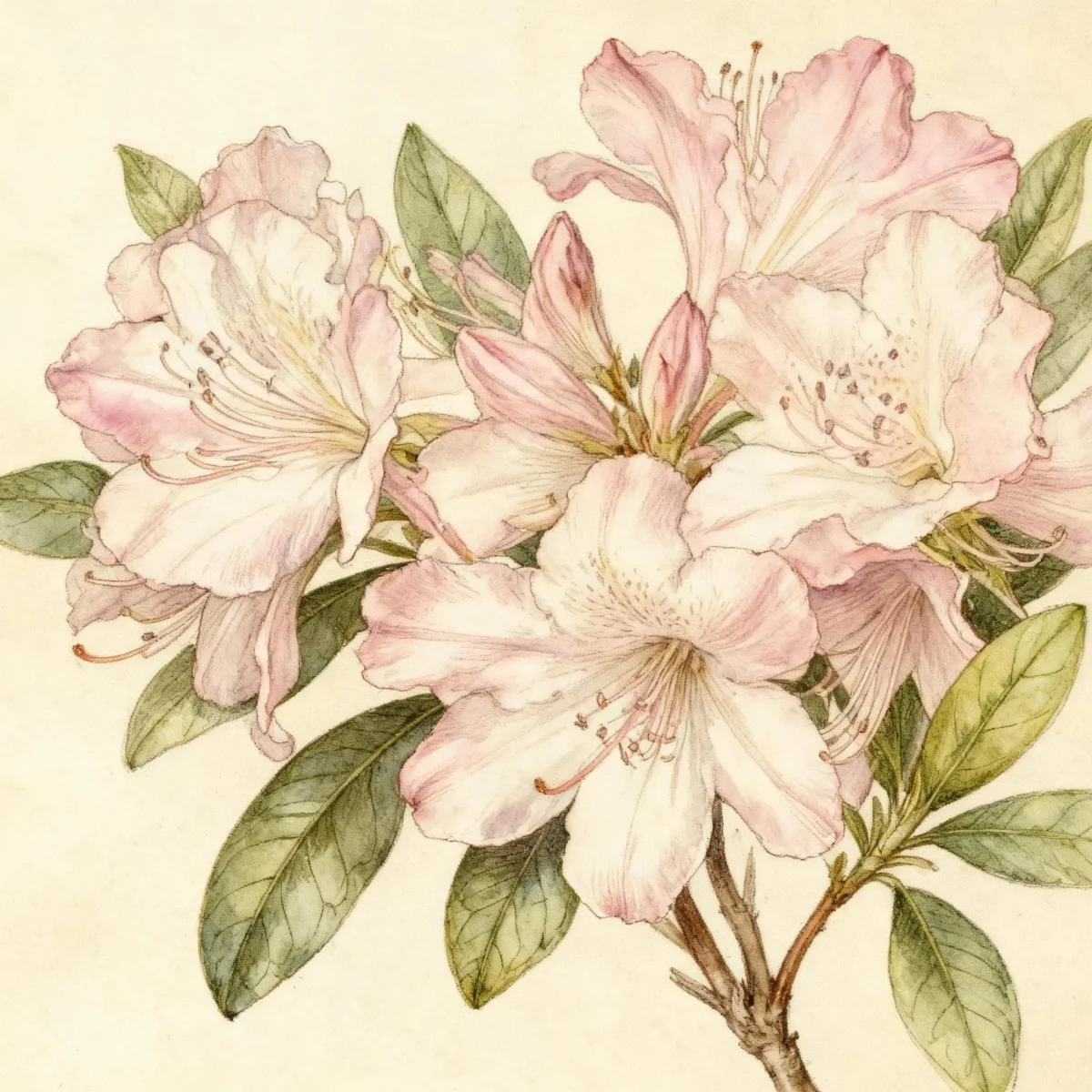
Evergreen azalea (Rhododendron 'Mrs. L.C. Fisher')
Rhododendron 'Mrs. L.C. Fisher' is a stunning Evergreen azalea thriving in zones 6-9, offering showy pink blooms in May and requiring medium maintenance.
Scroll down to discover growing tips, care requirements, companion plants, and more
Complete Plant Information
Overview
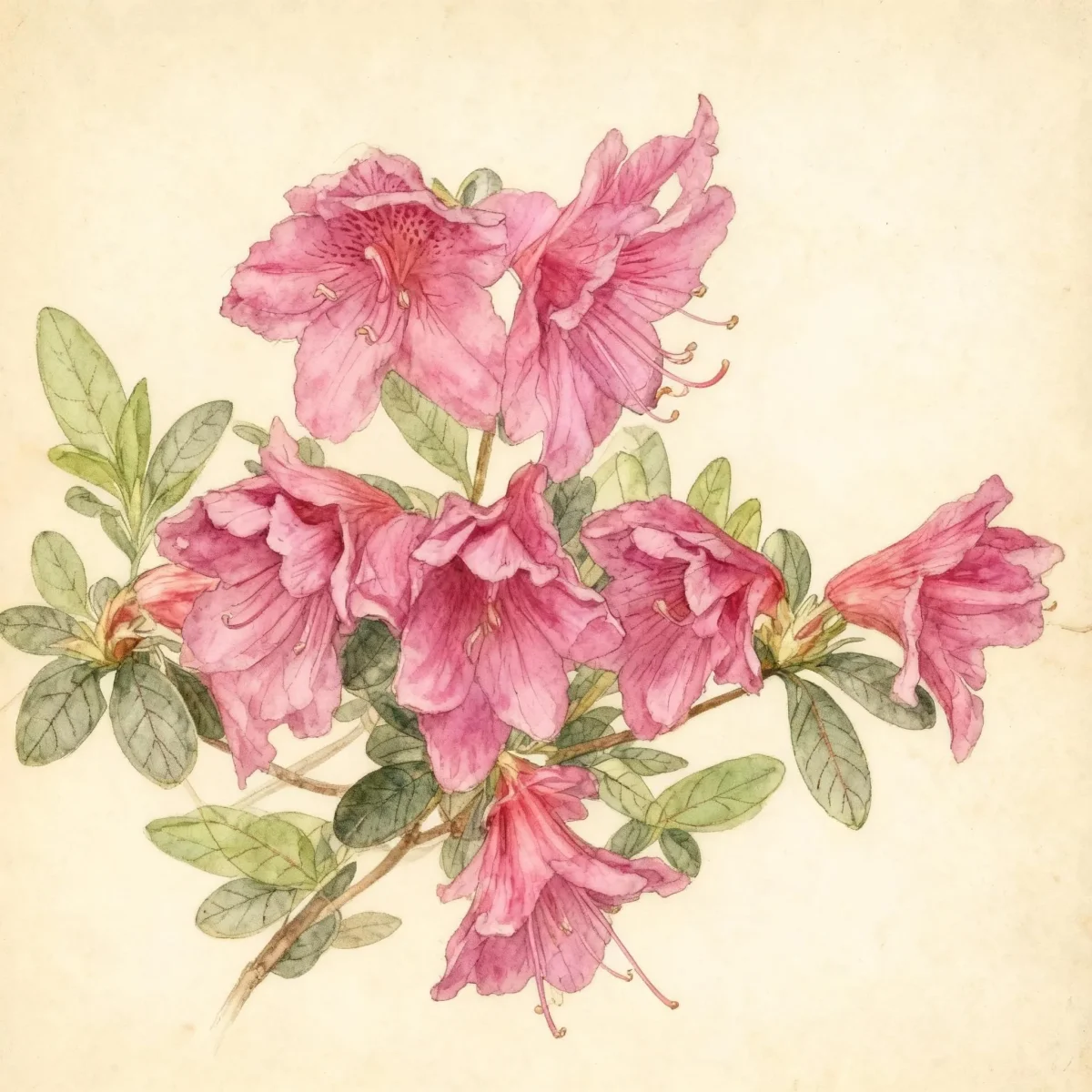
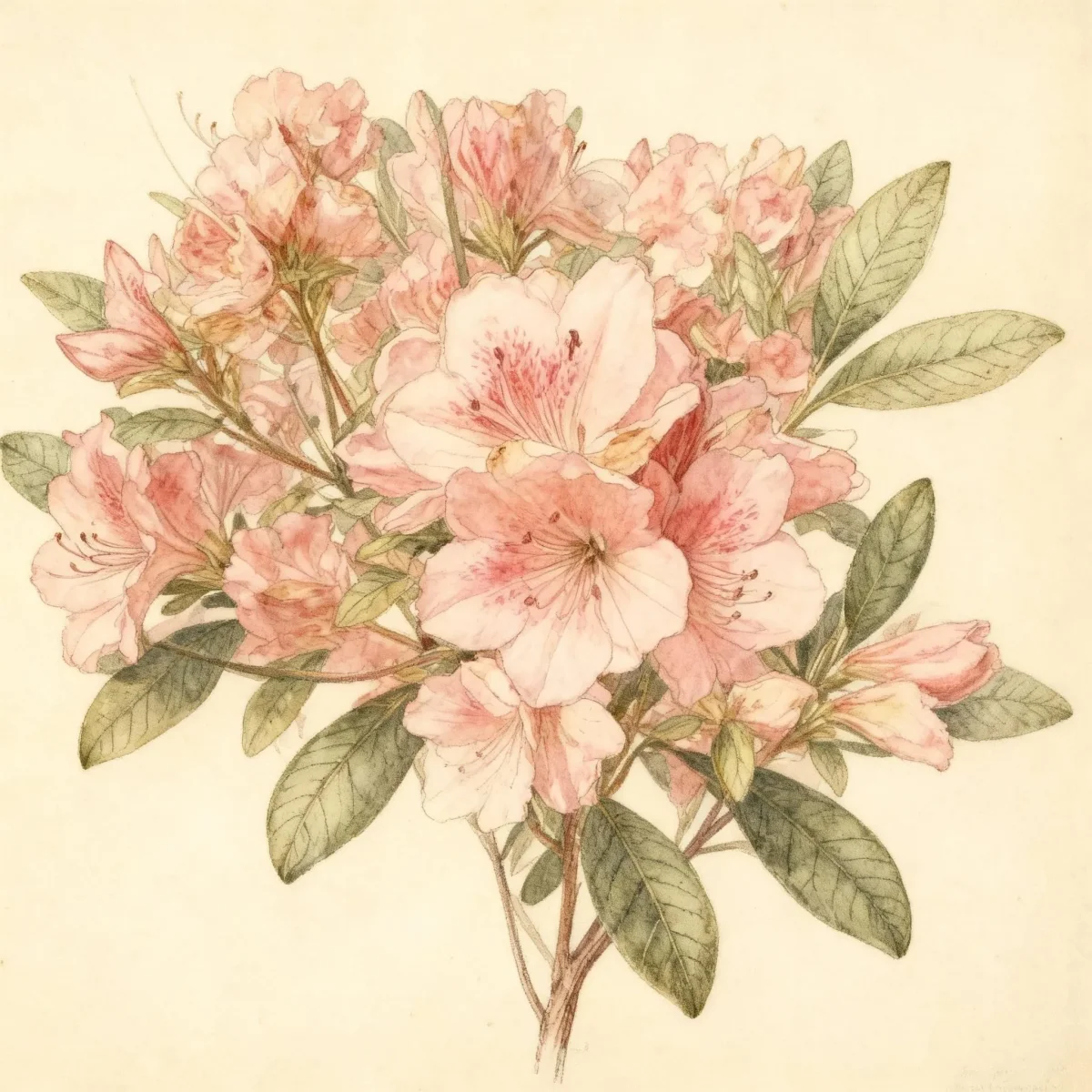
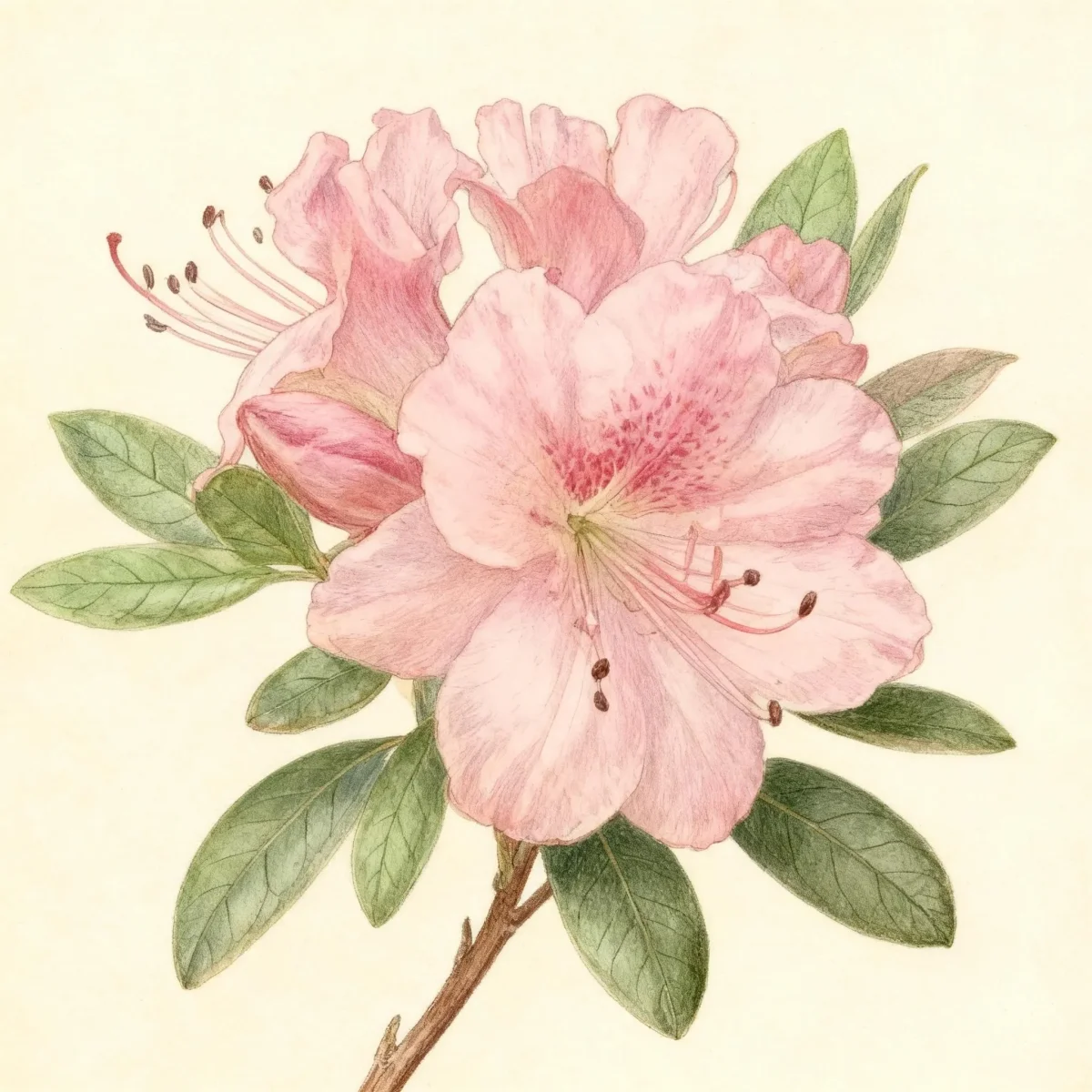
Rhododendron ‘Mrs. L.C. Fisher’ is a highly desirable Bobbink and Atkins Macrantha hybrid, valued for its persistent evergreen foliage and abundant spring floral display. As a classic Evergreen azalea, it provides excellent year-round structure in the landscape, contrasting beautifully with its mid-season color. Gardeners seeking reliable performance in partial shade appreciate the vibrant pink flowers featuring a distinctive reddish blotch that appears reliably in May.
This cultivar matures into a rounded, manageable shrub, typically reaching 3 to 4 feet tall and wide, making it excellent for framing walkways or as a substantial border element. Successful cultivation of Rhododendron ‘Mrs. L.C. Fisher’ relies heavily on providing the correct substrate—acidic, humus-rich, and consistently moist but well-draining soil. Achieving the right balance of moisture and drainage is the key to maximizing the lifespan and flowering potential of this beautiful Evergreen azalea.
Beyond its aesthetic appeal, the evergreen nature of Rhododendron ‘Mrs. L.C. Fisher’ ensures winter interest, a hallmark of this plant group. While it requires medium maintenance, adhering strictly to soil pH and watering guidelines rewards the gardener with dense, healthy growth and spectacular blooms year after year, cementing its reputation as a garden classic.
Fast Facts
- Plant Family: Ericaceae
- Plant Type: Broadleaf evergreen
- Hardiness Zones: USDA Zones 6-9
- Size at Maturity:
- Height: 3-4 ft
- Spread: 3-4 ft
- Bloom Time: May
- Bloom Description: Pink with reddish blotch
- Sun Exposure: Part shade
- Water Needs: Medium
- Maintenance Level: Medium
How to Grow
The primary goal when planting Rhododendron ‘Mrs. L.C. Fisher’ is ensuring excellent soil drainage and acidity. These Evergreen azaleas thrive in organically rich, humusy soil where moisture is retained but never soggy. Plant in locations receiving dappled sunlight or high open shade; morning sun with afternoon shade is often ideal, as harsh, hot afternoon sun can scorch the leaves, particularly in warmer regions. Avoid planting under walnuts due to juglone sensitivity.
Watering must be consistent, as the shallow, fibrous root systems of this Rhododendron must never dry out completely. Focus on deep, infrequent watering rather than surface sprinkling. Maintaining the required acidic soil pH range, ideally between 5.0 and 5.5, is crucial; gardeners should test soil periodically and amend with elemental sulfur or iron sulfate to lower alkalinity as needed.
Mulching is highly recommended for Rhododendron ‘Mrs. L.C. Fisher’. Apply a thick layer of organic mulch, like pine needles or wood chips, around the base of the plant. This mulch helps stabilize soil temperatures, conserves essential moisture, and protects the delicate surface roots from physical disturbance—avoid cultivating near the plant base. Deadheading, or clipping off spent flower clusters immediately after flowering, is a practical pruning task that encourages energy redirection toward leaf health and next year’s buds.
Landscape Uses
Rhododendron ‘Mrs. L.C. Fisher’ excels across numerous landscape applications due to its dense, rounded habit and evergreen texture. It functions perfectly as a structured shrub border, providing a continuous green backdrop throughout the winter months. Groupings of three or five create impactful masses in woodland garden settings where dappled light mimics their native environments.
Because of its 3 to 4-foot mature size, this Evergreen azalea is highly effective in foundation plantings, softening harsh architectural lines without overwhelming the structure. It also performs admirably as an informal hedge, creating low, flowering screens along property lines or pathways where afternoon shade is guaranteed. Consider companion planting with ferns, hostas, or Japanese maples that share similar needs for acidic soil and part shade conditions.
The consistent, strong performance of Rhododendron ‘Mrs. L.C. Fisher’ ensures it acts as an excellent specimen plant when sited correctly where its spring blooms can be fully appreciated. Whether massed for color impact or used individually for form, this evergreen azalea provides reliable structure from late spring through the rest of the year.
Standout Features
Flower Qualities
- Showy
Noteworthy Characteristics
Rhododendron is a genus renowned for both large rhododendrons and smaller azaleas, with most evergreen varieties providing attractive winter foliage, like the Evergreen azalea known as Rhododendron ‘Mrs. L.C. Fisher’. Azaleas are characterized by having five stamens per flower, distinguishing them from true rhododendrons which possess ten. This specific hybrid features small, single, hose-in-hose flowers measuring up to 1 3/4 inches across, blooming robustly in mid-to-late season.
Tolerances
- Rabbit
Potential Problems
Rhododendrons and azaleas are susceptible to various insect and disease issues, though a healthy Rhododendron ‘Mrs. L.C. Fisher’ in the correct environment faces fewer challenges. Common pests include scale, lacebugs, and mealybugs, while cultural issues often manifest as fungal infections like root rot or leaf spot. The most frequent cultural problem faced by gardeners is chlorosis—where leaves yellow—which almost always signals a soil pH that is too high, leading to iron deficiency.
To minimize insect and disease pressure, ensure proper air circulation and avoid overhead watering which promotes fungal development. If pest issues arise, identify the pest first; aphids or scale are often managed with horticultural oils or insecticidal soaps, applied timely. Crucially, correct the cultural environment first: if the soil is too high in pH or drainage is poor, the plant’s natural defenses are compromised, leading to recurrent health problems.
Frequently Asked Questions
What hardiness zones is Evergreen azalea suitable for?
Rhododendron ‘Mrs. L.C. Fisher’ is suitable for USDA Hardiness Zones 6 through 9.
How large does Evergreen azalea grow?
This variety typically reaches a mature height between 3 and 4 feet, with a spread also ranging from 3 to 4 feet.
What sun exposure does Rhododendron ‘Mrs. L.C. Fisher’ need?
This plant requires part shade, preferring dappled sunlight or high open shade for optimal health and flower production.
When does Evergreen azalea bloom?
The flowers of Rhododendron ‘Mrs. L.C. Fisher’ appear in May, displaying a lovely pink color with a reddish blotch.
Conclusion
Rhododendron ‘Mrs. L.C. Fisher’ remains a staple for creating vibrant spring scenes, offering the lasting architectural benefit of its evergreen leaves throughout the dormant season. This reliable Evergreen azalea thrives when its precise acidic soil and moisture needs are met, rewarding diligent care with abundant pink blooms. Before planting, confirm your local USDA zone compatibility and prepare an acidic, well-drained site to ensure many years of enjoyment from this beautiful cultivar.
Companion Planting in Acidic Gardens
Choosing companions wisely helps maintain the required acidic microclimate around your Rhododendron ‘Mrs. L.C. Fisher’. Plants that share a preference for the Ericaceae cultural requirements, such as blueberries, laurels, camellias, and rhododendrons of other types, integrate seamlessly. These companions often share the need for high organic matter and consistent moisture, meaning they can generally be watered and fed similarly without stressing the Azalea.
For shade texture contrast, consider pairing this mid-sized Evergreen azalea with shade-loving perennials like large-leafed Hostas, Astilbes, or various native ferns. These companions will thrive under the filtered light that Rhododendron ‘Mrs. L.C. Fisher’ prefers, creating layered interest in woodland margins or under high deciduous tree canopy situations. Ensure that companion roots do not aggressively compete with the azalea’s shallow feeder roots, prioritizing plants that establish slightly deeper or have similar fibrous root structures.
Essential Winter Protection for Evergreen Azaleas
While Rhododendron ‘Mrs. L.C. Fisher’ is hardy to zone 6, winter care is essential, especially regarding moisture retention and wind protection. Exposure to harsh winter winds can cause foliage to ‘winter burn,’ turning leaves brown as moisture evaporates faster than the roots can supply it. If your site is exposed, consider erecting a temporary burlap screen on the north or northwest side before harsh freezes settle in.
Maintaining adequate moisture heading into winter is critical; the fibrous roots of the Evergreen azalea cannot tolerate drying out during frozen months. Ensure the plant receives a deep soaking in late fall after leaf drop stops but before the ground freezes solid. Continue to apply a thick layer of insulating mulch, which acts as a buffer against rapid freeze-thaw cycles that can heave shallow roots out of the ground.