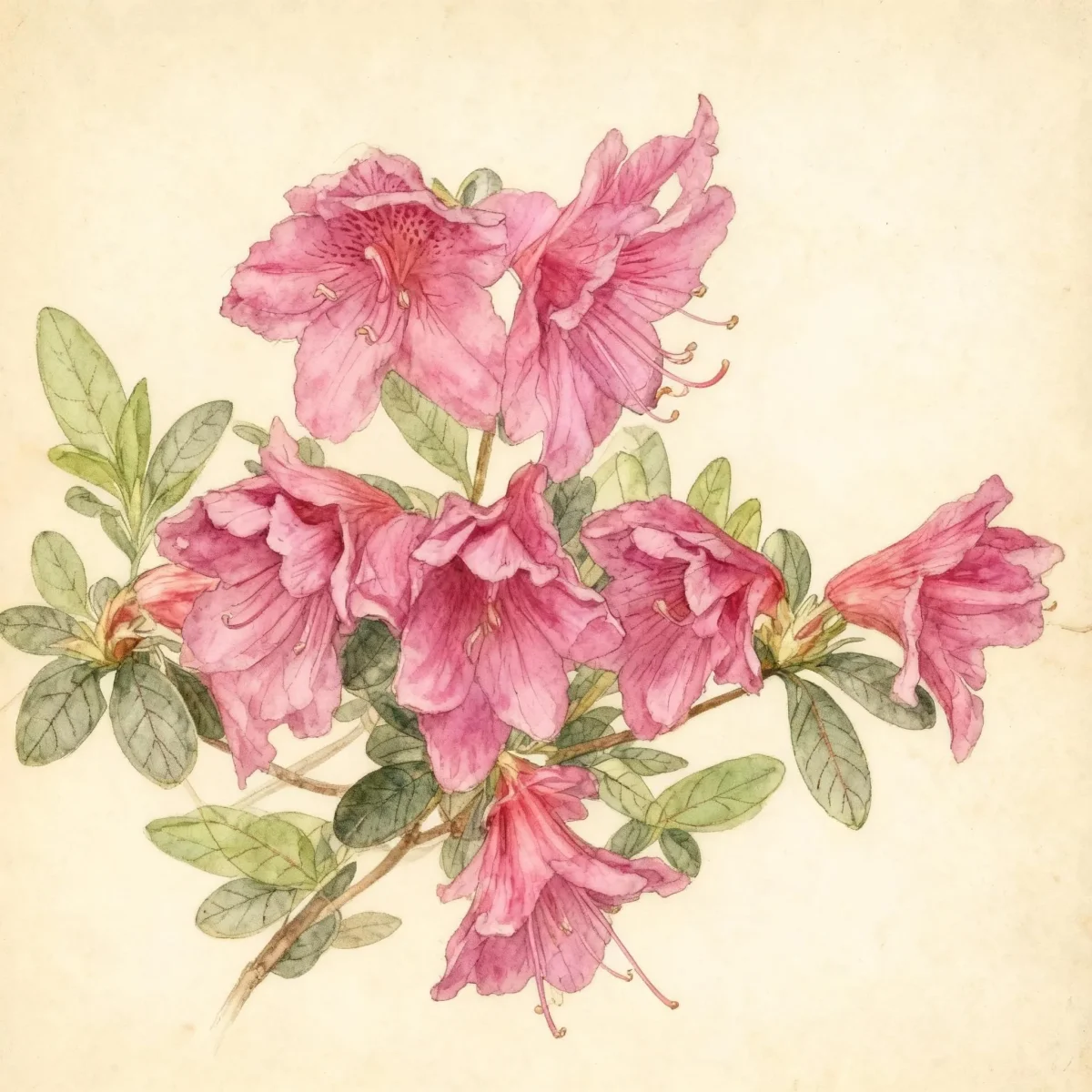
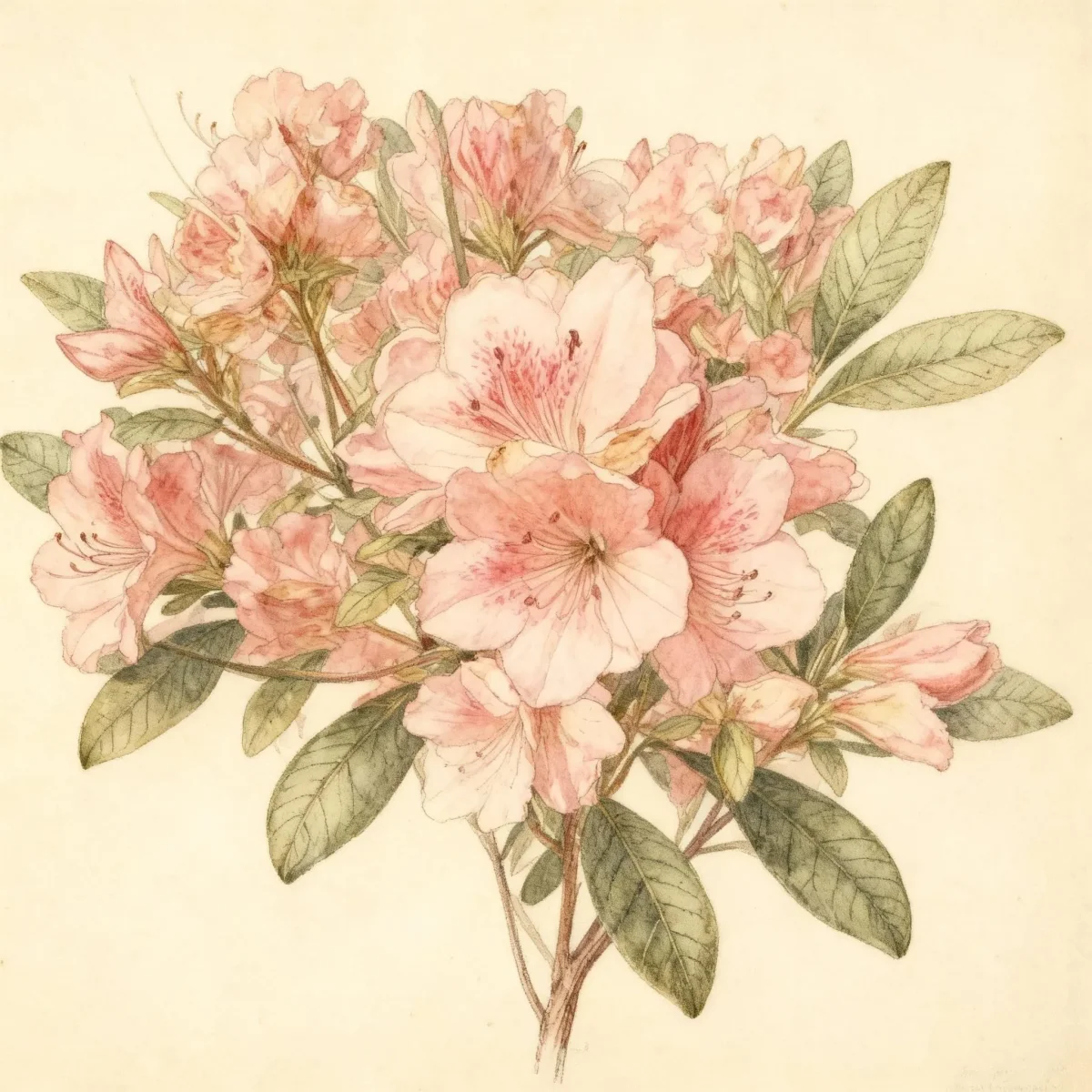
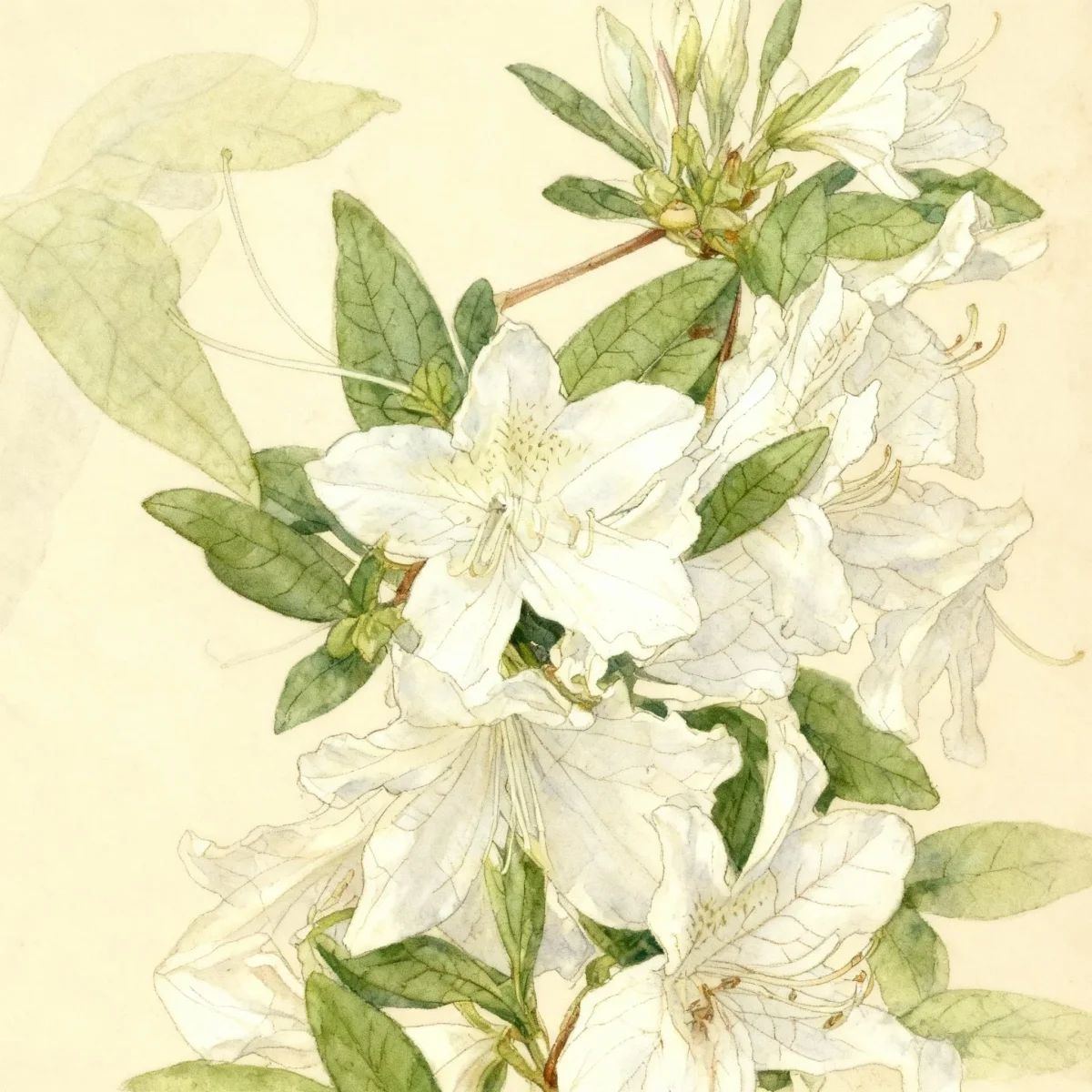
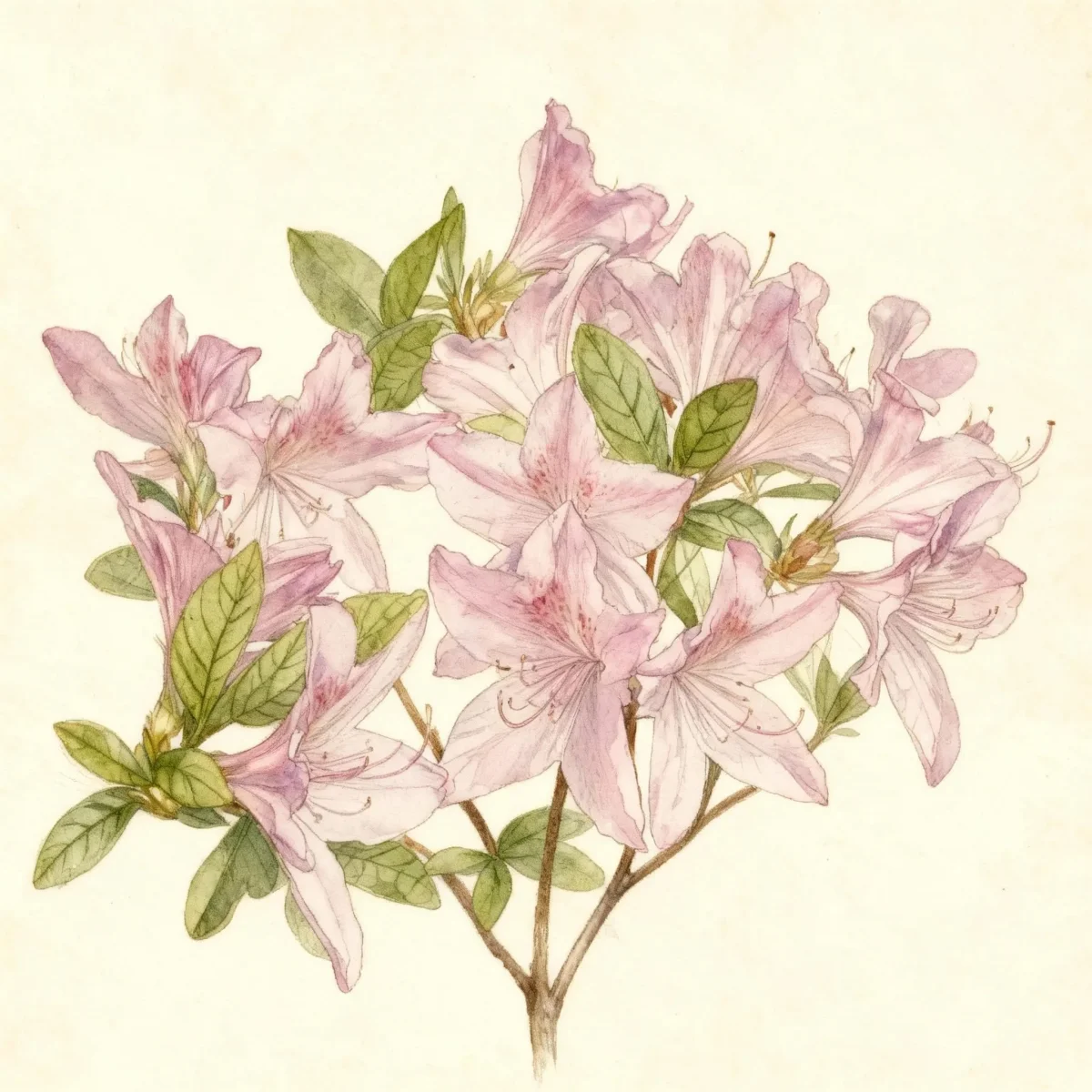
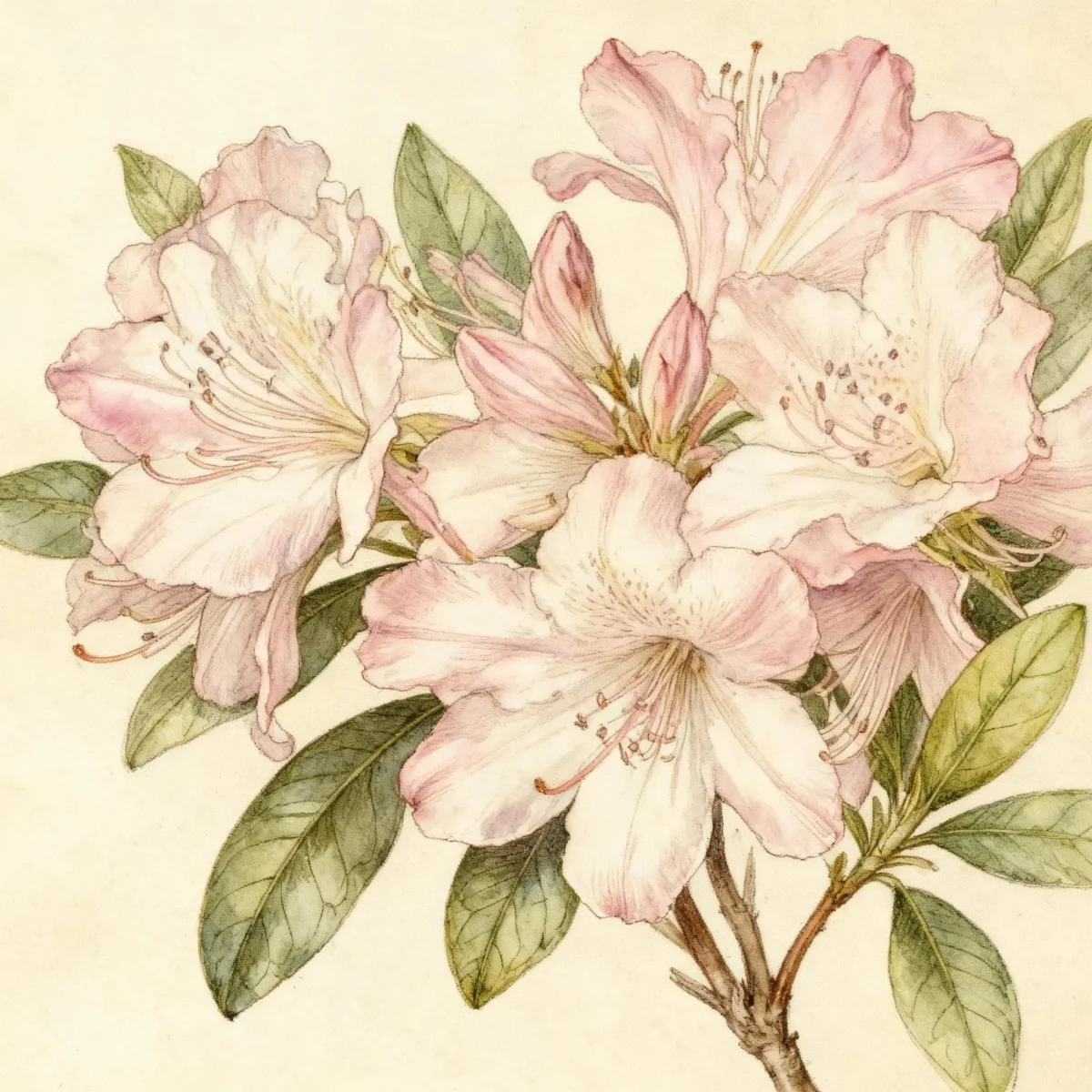
Evergreen azalea (Rhododendron 'Mrs. Nancy Dippel')
Rhododendron 'Mrs. Nancy Dippel', an Evergreen azalea, features showy, pale purplish-pink blooms in spring. Ideal for shade gardens in Zones 5-8.
Scroll down to discover growing tips, care requirements, companion plants, and more
Complete Plant Information
Overview
Rhododendron ‘Mrs. Nancy Dippel’ is a highly valued Evergreen azalea hybrid, celebrated for its reliable springtime burst of color. This broadleaf evergreen provides essential winter structure, making it a fantastic replacement for less ornamental shrubs. Gardeners prize it for its manageable size and attractive foliage retention throughout the year.
This cultivar typically matures to a height and spread of 4 to 5 feet, making it a perfect component for shrub borders or as a formal hedge. As a member of the Ericaceae family, Rhododendron ‘Mrs. Nancy Dippel’ demands specific soil conditions, favoring acidic, well-drained, and humus-rich environments.
The appeal of Evergreen azalea, specifically Rhododendron ‘Mrs. Nancy Dippel’, lies in its combination of evergreen structure and the delicate, showy flowers it presents in mid-to-late spring. Successful cultivation ensures a dependable source of color and texture in shaded landscapes.
Fast Facts
- Plant Family: Ericaceae
- Plant Type: Broadleaf evergreen
- Hardiness Zones: USDA Zones 5-8
- Size at Maturity:
- Height: 4-5 ft
- Spread: 4-5 ft
- Bloom Time: April to May
- Bloom Description: Pale purplish pink
- Sun Exposure: Part shade
- Water Needs: Medium
- Maintenance Level: Medium
How to Grow
The best time to plant this Evergreen azalea is typically in the spring or early fall, allowing the roots to establish before extreme temperatures hit. Rhododendron ‘Mrs. Nancy Dippel’ must be situated in part shade, ideally receiving dappled sunlight or morning sun followed by afternoon shade to prevent leaf scorch, especially in hot summers. Critical to success is the soil: it must be acidic (pH 5.0 to 5.5), organically rich, and consistently moist but extremely well-drained.
Do not allow the shallow, fibrous root system of this Rhododendron to dry out, but equally avoid “wet feet,” which guarantees root rot. In heavy clay soils, consider planting in raised beds to improve drainage. Apply a thick layer of mulch, such as pine needles or wood chips, around the base to help stabilize soil temperature and retain essential moisture.
Maintenance involves routine attention to soil acidity; amend with sulfur or iron sulfate if the pH is too high, which causes chlorosis (yellowing leaves). After flowering concludes in May, promptly deadhead spent flower clusters to encourage better bud set for the following year. Protect Rhododendron ‘Mrs. Nancy Dippel’ from strong winds and avoid planting near the drip line of walnut trees due to juglone sensitivity.
Landscape Uses
Rhododendron ‘Mrs. Nancy Dippel’ excels when integrated into borders, functioning beautifully as a mass planting, specimen feature, or a well-maintained hedge. Its dense, broadleaf evergreen structure makes it an excellent choice for foundation plantings where year-round visual interest is required. Because it thrives in shade, it integrates seamlessly into woodland gardens or under the high canopy of established trees.
When designing a mixed border, pair this Evergreen azalea with other acid-loving plants that share its shade tolerance, such as Japanese maples, rhododendrons, and woodland ferns. Its medium stature allows it to form a mid-layer in the landscape, contrasting well with lower-growing groundcovers like hostas or taller specimens like certain evergreen hollies. Use Rhododendron ‘Mrs. Nancy Dippel’ to create soft divisions between garden areas or to provide a colorful screen along a woodland margin.
Standout Features
Flower Qualities
- Showy
Noteworthy Characteristics
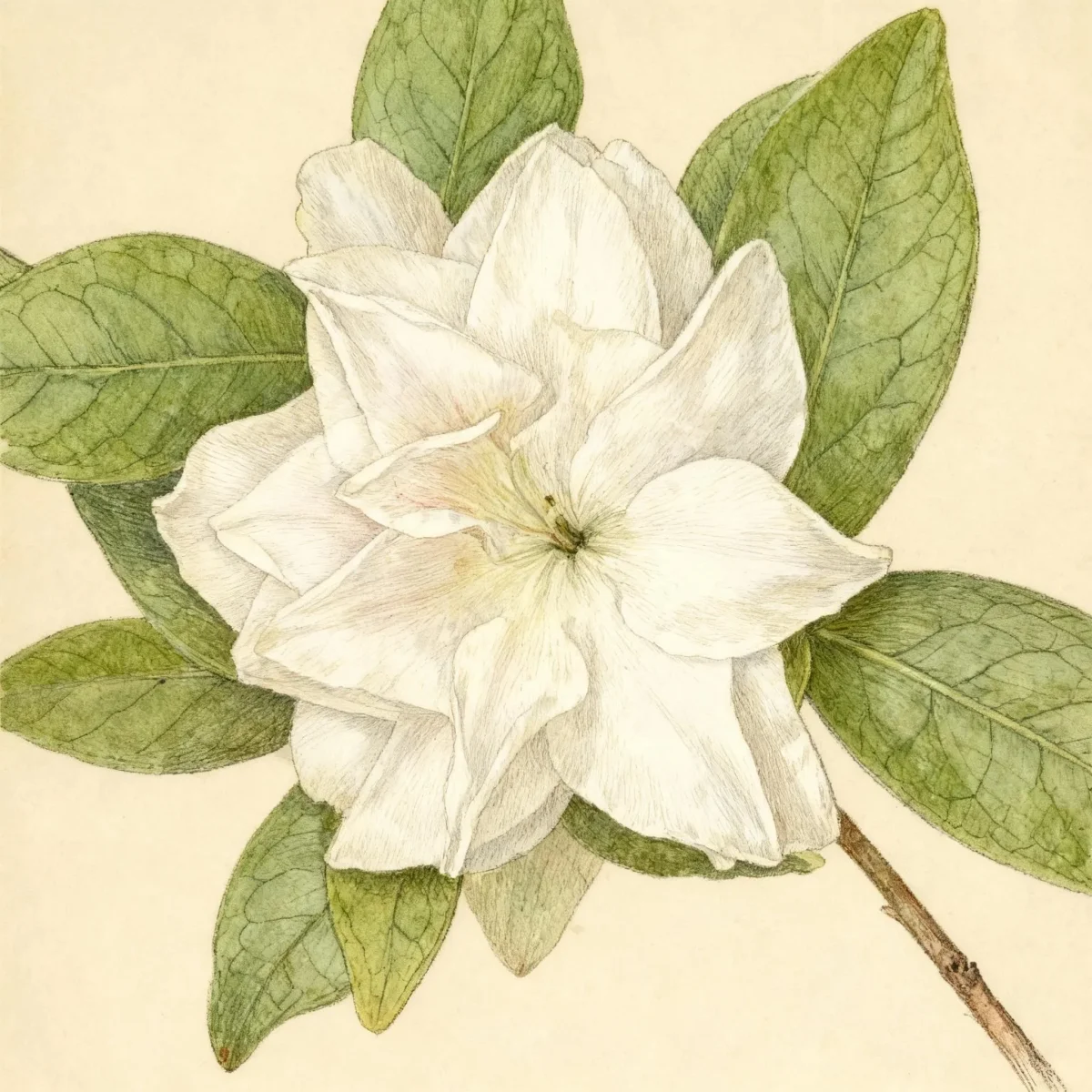
Rhododendron is a genus of 500 to 900 species and includes both of what we commonly call rhododendrons and azaleas. This cultivar, Rhododendron ‘Mrs. Nancy Dippel’, is a Schroeder hybrid known for its distinctive funnel-shaped flowers that appear pale purplish pink between April and May. Evergreen azaleas develop as multi-stemmed plants that retain their leaves year-round, adding significant structure to the garden through all seasons.
Tolerances
- Rabbit
Potential Problems
Rhododendrons and azaleas are susceptible to many insect and disease problems. Common insect pests include lacebugs, scale, and aphids, while diseases like root rot, crown rot, and various leaf spots can occur, especially when cultural conditions are poor. Chlorosis, identified by yellowing leaves, often signals that the soil pH is too high, leading to iron deficiency uptake issues.
Prevention is the best management strategy for your Evergreen azalea. Ensure excellent soil drainage and maintain the required acidic pH range (5.0–5.5) to promote plant vigor. Inspect foliage regularly; proper pruning immediately after bloom and good air circulation can significantly reduce fungal issues.
Frequently Asked Questions
What hardiness zones is Evergreen azalea suitable for?
Rhododendron ‘Mrs. Nancy Dippel’ is best suited for USDA Hardiness Zones 5 through 8.
How large does Rhododendron ‘Mrs. Nancy Dippel’ grow?
This cultivar typically reaches a mature height and spread between 4 and 5 feet.
What sun exposure does Evergreen azalea need?
Rhododendron ‘Mrs. Nancy Dippel’ performs best in part shade, requiring protection from hot afternoon sun.
When does Rhododendron ‘Mrs. Nancy Dippel’ bloom?
This Evergreen azalea species displays its pale purplish pink flowers primarily from April to May.
Conclusion
Rhododendron ‘Mrs. Nancy Dippel’ offers gardeners dependable evergreen structure paired with stunning, soft pink spring blooms, making it a cornerstone for shaded areas. By respecting its need for acidic, moist, and well-drained soil, this Evergreen azalea will flourish for years to come. Before planting, always verify your soil pH and ensure adequate protection from intense western sun exposure.
Companion Planting
Selecting companions for Rhododendron ‘Mrs. Nancy Dippel’ requires focusing on plants that share its love for acidic soil and part-shade conditions. Consider placing lower-growing, shade-tolerant perennials like Hellebores or Astilbe beneath the canopy of the azalea to maintain ground coverage throughout the season. Hostas, particularly those with blue or gold foliage, offer excellent textural contrast against the dark green leaves of this Evergreen azalea.
Ensure that companion plants do not compete aggressively for surface moisture, as the fibrous roots of Rhododendron ‘Mrs. Nancy Dippel’ are sensitive. Plants that prefer drier conditions should be avoided. Furthermore, selecting companions that bloom at different times—such as late-season Hydrangeas or early spring bulbs—will ensure continuous visual interest long after the azalea’s bloom period has ended.
Seasonal Care Calendar
Spring is critical for Rhododendron ‘Mrs. Nancy Dippel’ care; ensure consistent watering as buds swell and flowers open. Immediately after blooming concludes in late spring/early summer, practice prompt deadheading to shunt energy towards root and vegetative growth rather than seed production. Apply a light application of acidifying fertilizer formulated for azaleas and camellias at this time.
Summer management focuses heavily on moisture retention. Deep, infrequent watering is preferable to light sprinkling, especially during dry spells, as the roots must never dry out. Monitor for signs of scorching if you experience unusually hot summer afternoons, and consider shade cloth supplementation if necessary in hotter regions.
In fall and early winter, apply a fresh layer of organic mulch to protect the shallow roots from harsh freeze-thaw cycles, which can cause winter heaving. If you experience severe winter cold, foliage on this evergreen can show signs of burn; ensure the plant is well-hydrated going into dormancy to minimize winter desiccation damage on your Rhododendron ‘Mrs. Nancy Dippel’.