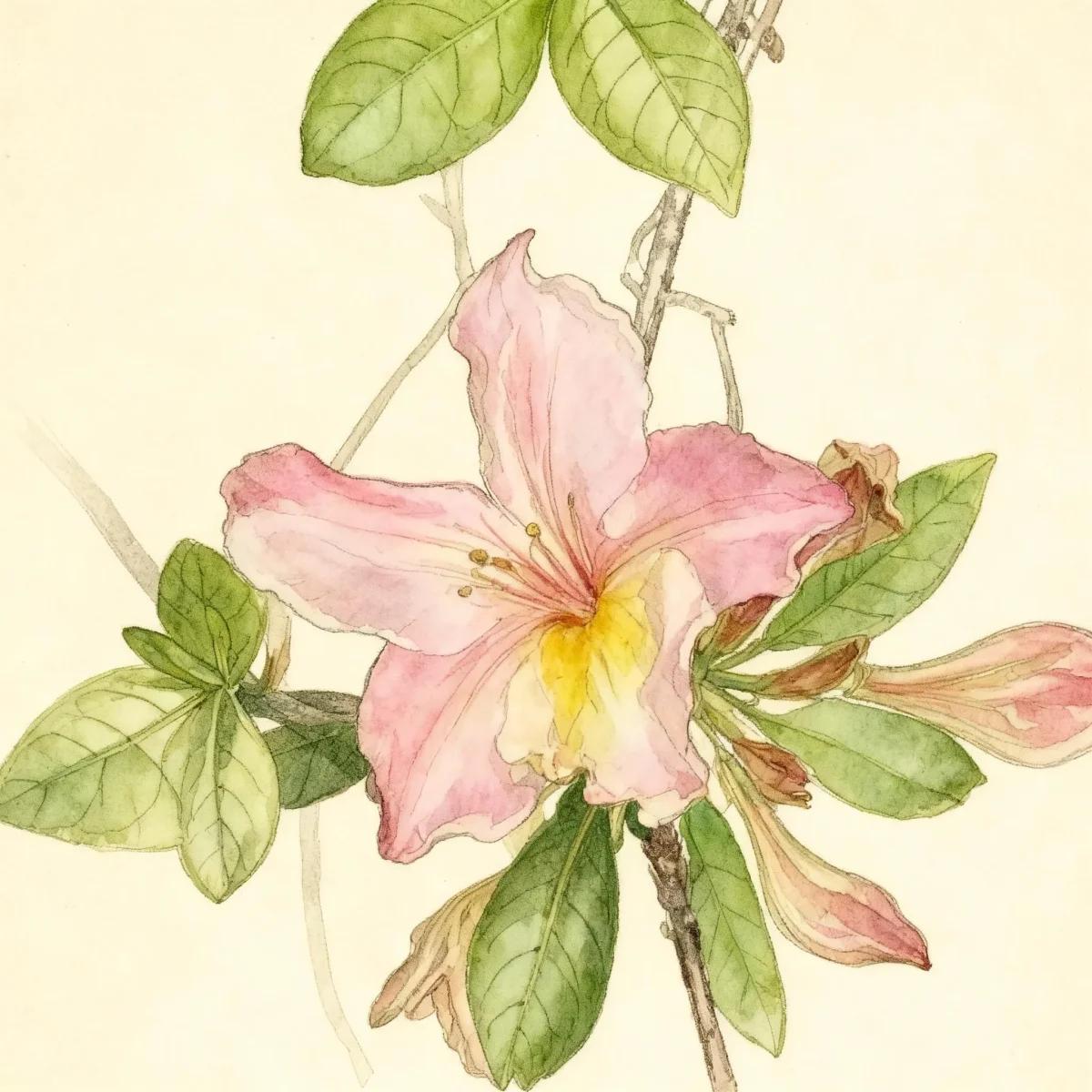
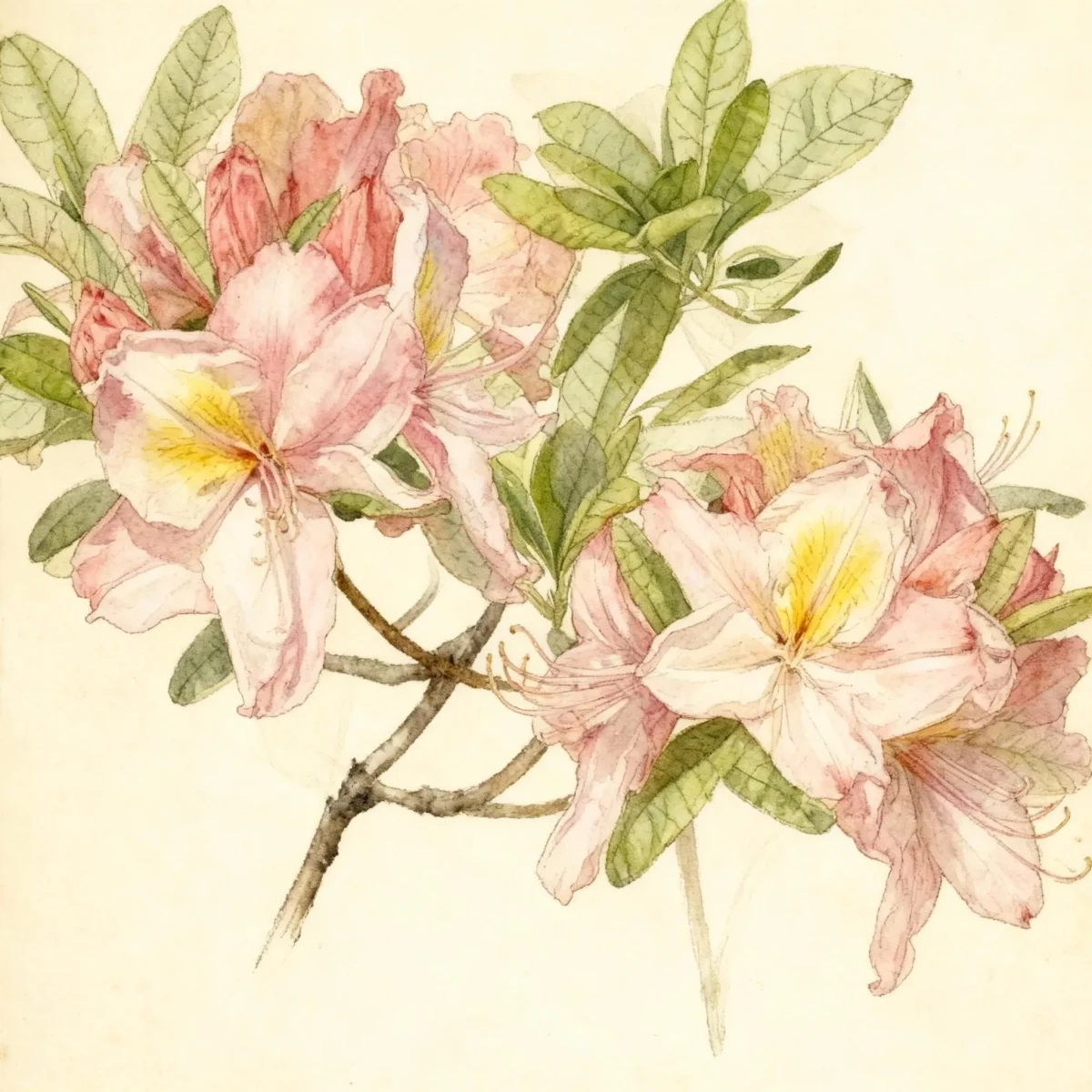
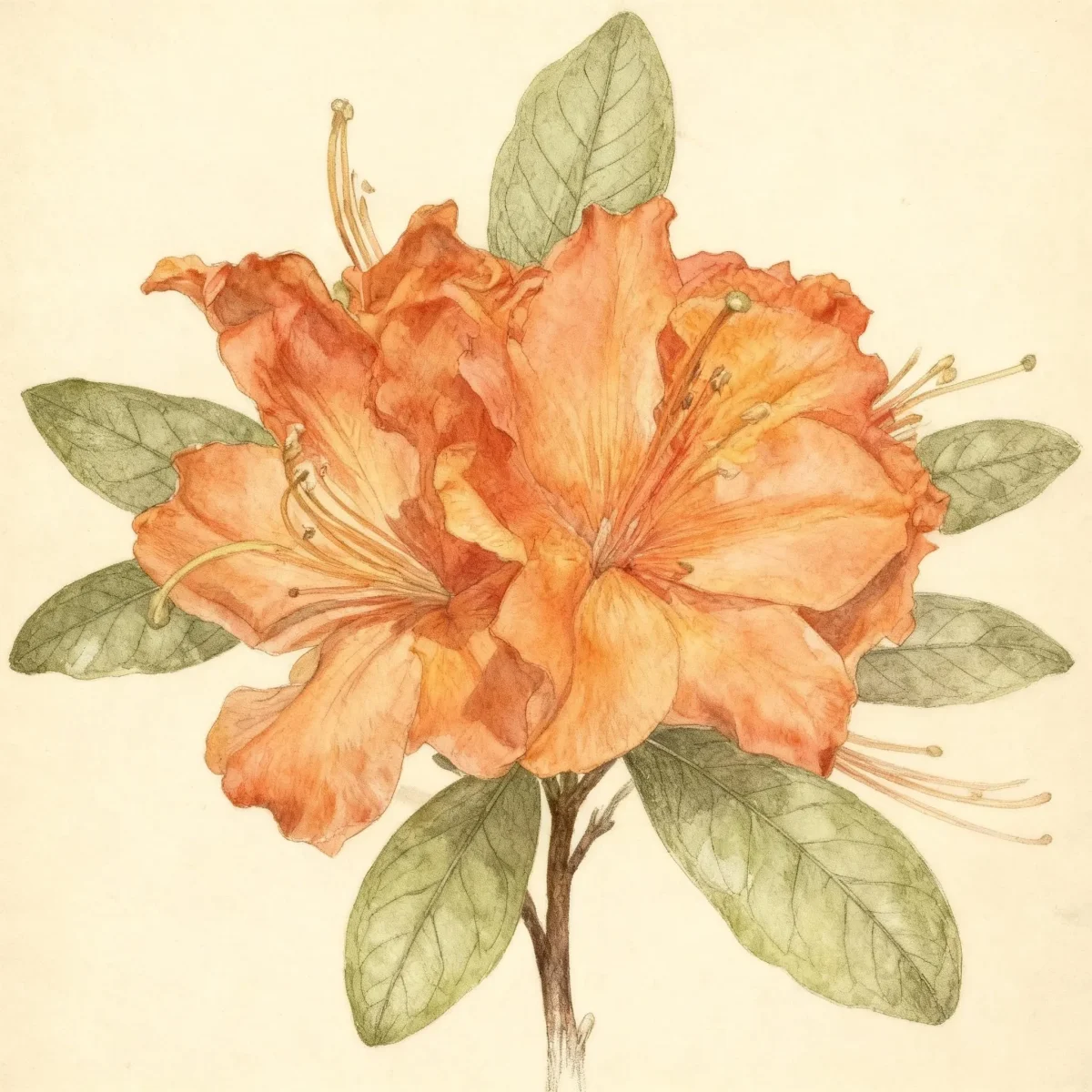
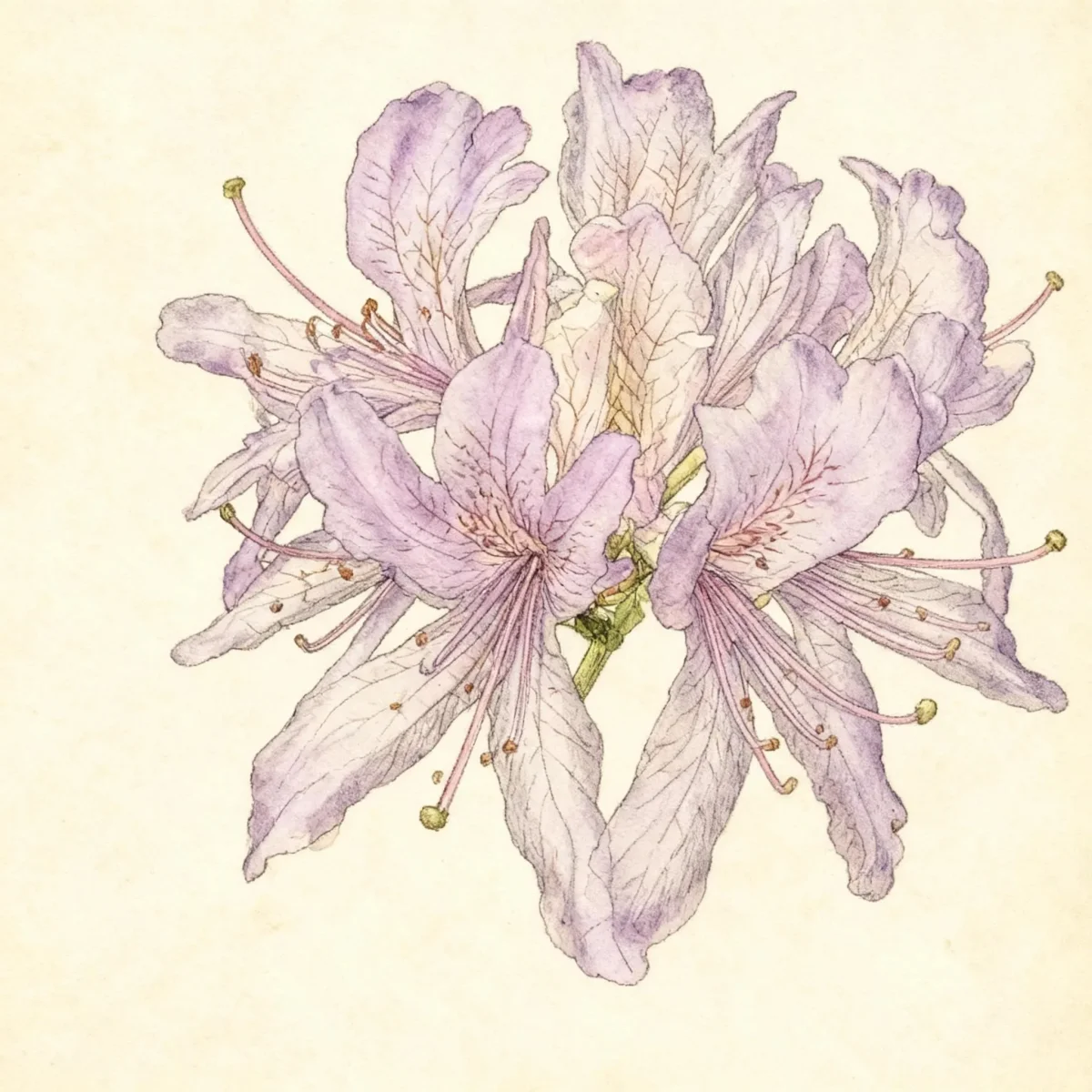
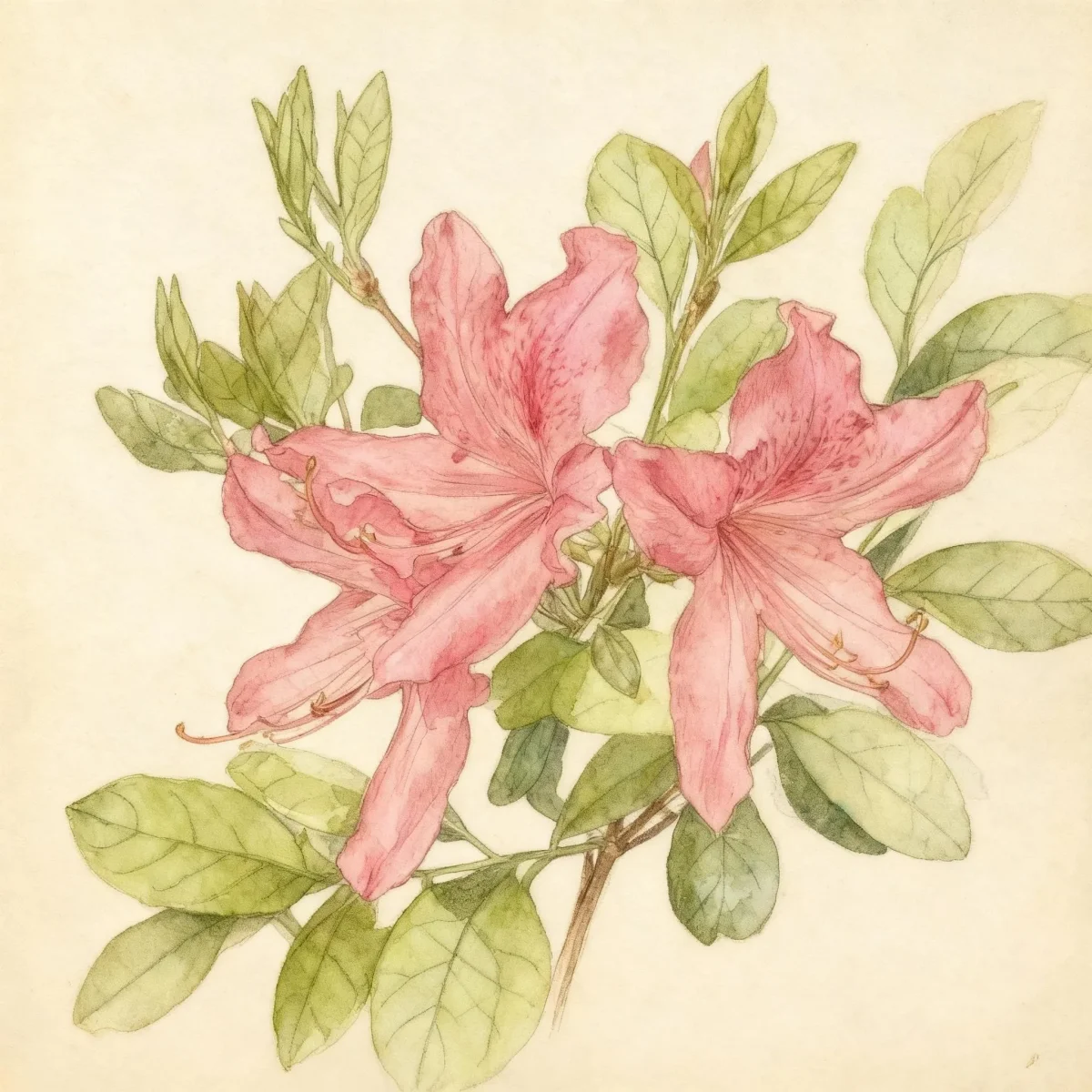
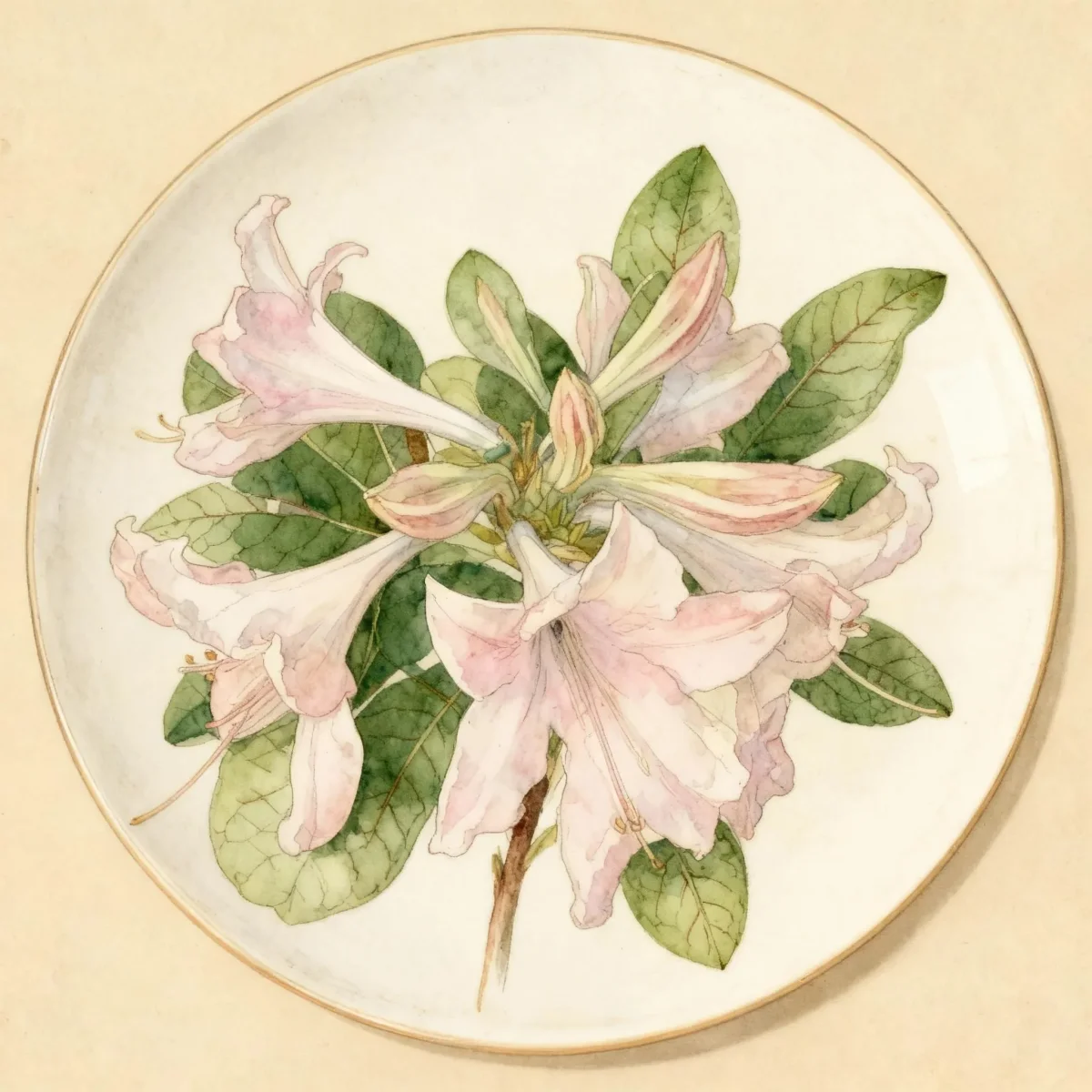
Deciduous azalea (Rhododendron 'My Mary')
Rhododendron 'My Mary' is a showy Deciduous azalea offering fragrant, yellow-orange flowers in spring. Ideal for part shade.
Scroll down to discover growing tips, care requirements, companion plants, and more
Complete Plant Information
Overview
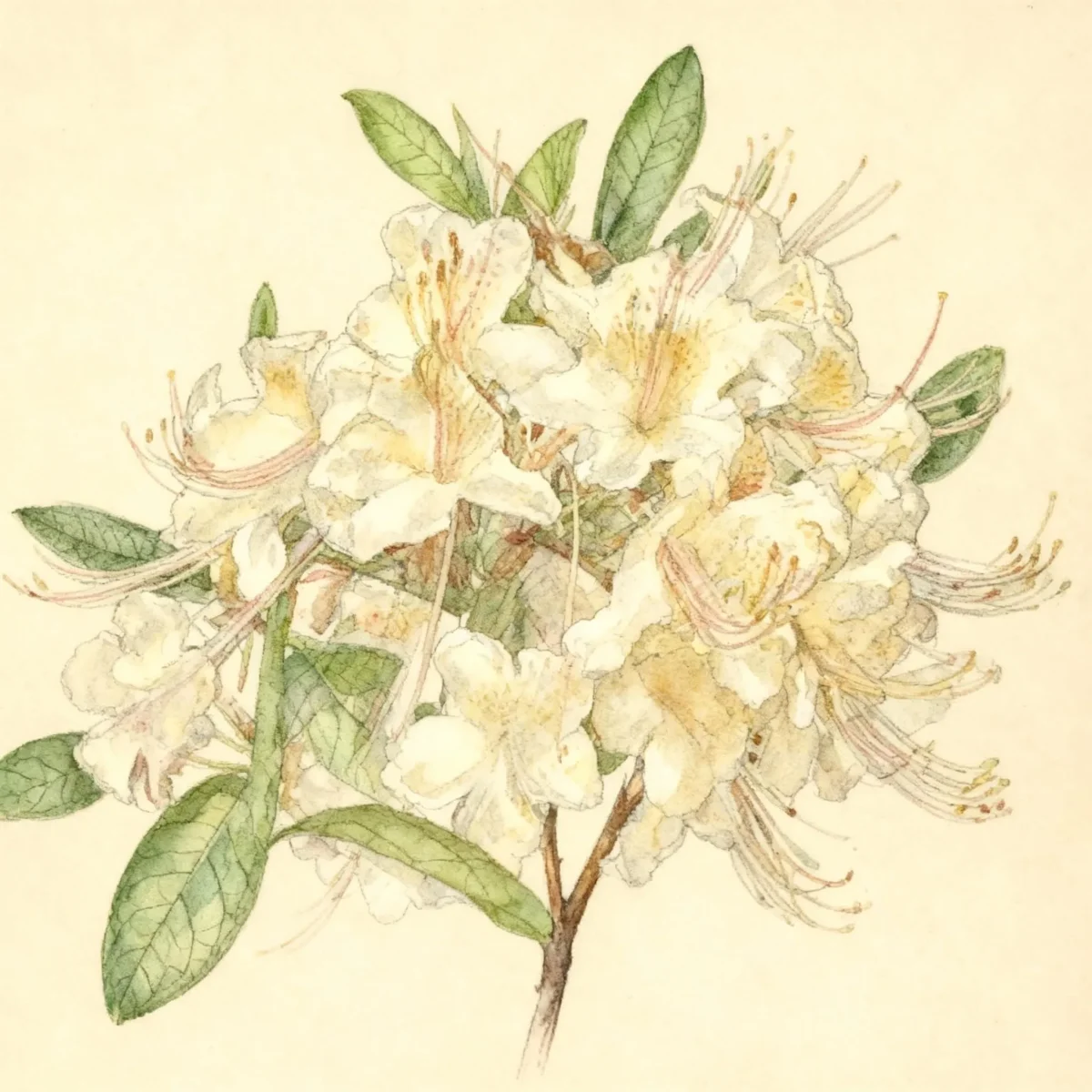
Rhododendron ‘My Mary’ is a captivating Deciduous azalea cherished for its stunning, fragrant spring floral display. As a hybrid cultivar developed from species like R. Austrinum, this shrub offers reliable color in the mid-spring landscape. Gardeners prize this plant for its ability to brighten shaded areas with its bright yellow flowers accented by an orange tube.
This deciduous shrub provides seasonal interest, dropping its leaves in the fall, unlike many of its evergreen relatives. Rhododendron ‘My Mary’ typically reaches a mature size between four and six feet tall, making it an excellent mid-sized accent or screening plant. While generally robust, it requires specific soil conditions—namely acidic, humusy, and well-drained—to thrive and put on its best show.
The functional appeal of this Deciduous azalea lies in its versatility; it adapts well to borders, woodland settings, and even hedges where semi-filtered light prevails. Successful cultivation allows the gardener to enjoy not only the showy bloom but also the enhanced garden ambiance provided by its sweet fragrance during its April to May flowering period.
Fast Facts
- Plant Family: Ericaceae
- Plant Type: Deciduous shrub
- Hardiness Zones: USDA Zones 5-8
- Size at Maturity:
- Height: 4-6 ft
- Spread: 3-5 ft
- Bloom Time: April to May
- Bloom Description: Yellow with orange tube
- Sun Exposure: Part shade
- Water Needs: Medium
- Maintenance Level: Medium
How to Grow
Planting Rhododendron ‘My Mary’ requires attention to detail, focusing primarily on soil chemistry and drainage. The best time to establish this plant is in the spring or early fall, ensuring it settles in before periods of extreme weather. Site the Deciduous azalea in locations receiving part shade or morning sun followed by afternoon shade; harsh, scorching afternoon sun must be strictly avoided. The ideal soil must be acidic (pH 5.0 to 5.5), organically rich, and consistently moist but excellently drained.
Watering should remain medium and consistent; the shallow, fibrous root system of Rhododendron ‘My Mary’ must never be allowed to dry out, yet waterlogged soil—or “wet feet”—will cause lethal root rot. Mulch heavily with materials like pine needles or wood chips to help stabilize soil temperature and retain necessary moisture around the roots. Avoid cultivating near the base, as root disturbance is highly detrimental.
Soil pH management is crucial; use sulfur or iron sulfate to lower alkaline soils. After the spectacular April to May bloom, promptly clip off spent flower clusters (deadheading) if practical, which helps direct energy toward root and stem growth rather than seed production. Gardeners in Zone 5 should be aware that Rhododendron ‘My Mary’ is not reliably hardy in the colder northern reaches of that zone, requiring extra winter protection there. Furthermore, avoid planting near walnuts, as azaleas are very sensitive to juglones.
Landscape Uses
Rhododendron ‘My Mary’ is exceptionally valuable when uniformity is desired, succeeding admirably when utilized as a Hedge along property lines or paths. Its deciduous nature means it provides structure without the dense, year-round visual wall of an evergreen screen. For broader application, use this Deciduous azalea in mass plantings to create an impactful swath of yellow color in spring.
This cultivar fits seamlessly into mixed borders where its mid-size growth habit serves as a reliable mid-layer between smaller groundcovers and larger background shrubs. It also excels in woodland gardens or shaded borders, pairing well with other acid-loving plants such as ferns, hostas, and smaller evergreen rhododendrons that share similar cultural needs. Consider grouping several specimens together near seating areas to maximize enjoyment of the fragrant spring blossoms.
If foundation planting is necessary, ensure the location provides the required dappled light and excellent drainage, perhaps utilizing raised beds in heavy clay areas common, for example, in the St. Louis region. The structural presence of Rhododendron ‘My Mary’ anchors the garden design throughout the seasons.
Standout Features
Flower Qualities
- Showy
- Fragrant
Noteworthy Characteristics
Rhododendron is a genus containing both common rhododendrons and azaleas; many are deciduous, dropping leaves in the fall, unlike the evergreen types. ‘My Mary’ is specifically a deciduous hybrid azalea noted for producing clusters of tubular, funnel-shaped flowers measuring about 2 1/2 inches across. These bright yellow blooms, which emerge in spring before or as leaves unfurl, possess a distinct fragrance and are borne on multi-stemmed plants that typically grow 4-5 feet tall within ten years.
Tolerances
- Rabbit
Potential Problems
Rhododendrons and azaleas are susceptible to a variety of insect and disease issues if cultural needs are ignored. Common insect pests include scale, aphids, and lacebugs, while diseases like root rot, crown rot, and leaf spot can occur, especially if soil drainage is poor. A key indicator of environmental stress is chlorosis, where leaves turn yellow, often signaling an iron deficiency caused by high soil pH rather than a true lack of iron.
Prevention centers on proper establishment: provide rich, acidic, well-drained soil and protect the shallow roots with a layer of mulch. Maintain proper spacing to encourage good air circulation, which helps prevent fungal issues like powdery mildew and leaf spot. Healthy Rhododendron ‘My Mary’ plants located in the correct environment generally suffer fewer problems, but vigilance regarding soil health is paramount for successfully growing this magnificent Deciduous azalea.
Frequently Asked Questions
What hardiness zones is Deciduous azalea suitable for?
Rhododendron ‘My Mary’ is recommended for USDA Hardiness Zones 5 through 8, though caution is advised regarding winter hardiness in the colder end of Zone 5.
How large does Rhododendron ‘My Mary’ grow?
This shrub typically matures to a height between 4 and 6 feet, with a spread ranging from 3 to 5 feet wide.
What sun exposure does Deciduous azalea need?
It performs best in part shade, preferring dappled sunlight or high open shade, though morning sun with afternoon shade is generally acceptable.
When does Rhododendron ‘My Mary’ bloom?
The fragrant, showy flowers of this variety bloom between April and May, displaying a distinct yellow color with an orange tube throat.
Conclusion
Rhododendron ‘My Mary’ brings exceptional fragrance and vibrant color to the spring garden, making it a highlight among deciduous shrubs. For gardeners seeking reliable performance in semi-shaded, acidic soil conditions, the Deciduous azalea offers excellent value as a hedge or border specimen. Before planting, confirm your location falls within USDA Zones 5-8 and ensure your soil preparation focuses on achieving the characteristic rich, well-drained acidity this wonderful plant demands.
Companion Planting
Since Rhododendron ‘My Mary’ requires acidic soil and moisture retention, companion planting should focus on utilizing species that thrive under similar conditions. Excellent partners include native woodland plants such as various ferns (like Japanese Painted Ferns or Ostrich Ferns), which appreciate the filtered light provided by the azalea canopy. Hostas also work well beneath the shrub, adding textural contrast with their broad, often variegated, leaves.
Consider planting low-growing acidity lovers near the drip line to create a beautiful tapestry effect. Bleeding Hearts (Dicentra spectabilis) provide an early season show, and Tiarella (Foamflower) offers delicate seasonal blooms near the base of your Deciduous azalea. These companions create a cohesive woodland garden look, respecting the critical need for undisturbed, mulched roots.
Seasonal Care Calendar
Spring cleanup for Rhododendron ‘My Mary’ should immediately follow the April to May bloom period; this is the time to deadhead spent trusses gently to encourage better flowering next year. Apply a fresh layer of acidic mulch after deadheading to protect the shallow fibrous roots from heat and drying. Summer care is mainly focused on deep, consistent watering, especially during dry spells, as these plants strongly dislike root desiccation.
As autumn approaches, cease heavy fertilization, allowing the plant to prepare for dormancy. In colder parts of Zone 5, applying an insulating layer of mulch heavily in late fall can help protect the roots from harsh winter freezes that might otherwise injure the Deciduous azalea. Low-maintenance care is key; avoid deep cultivation near its shallow roots year-round.