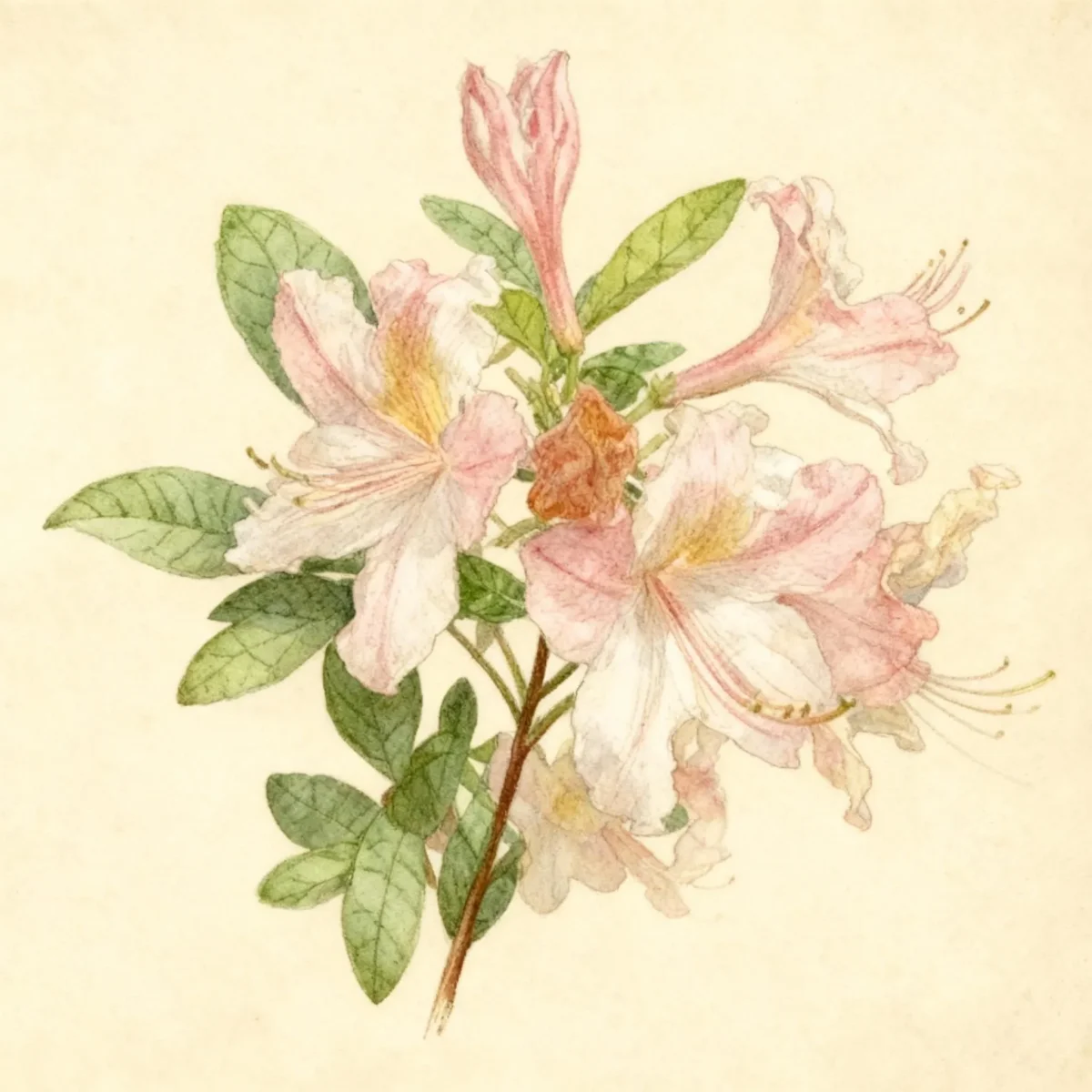
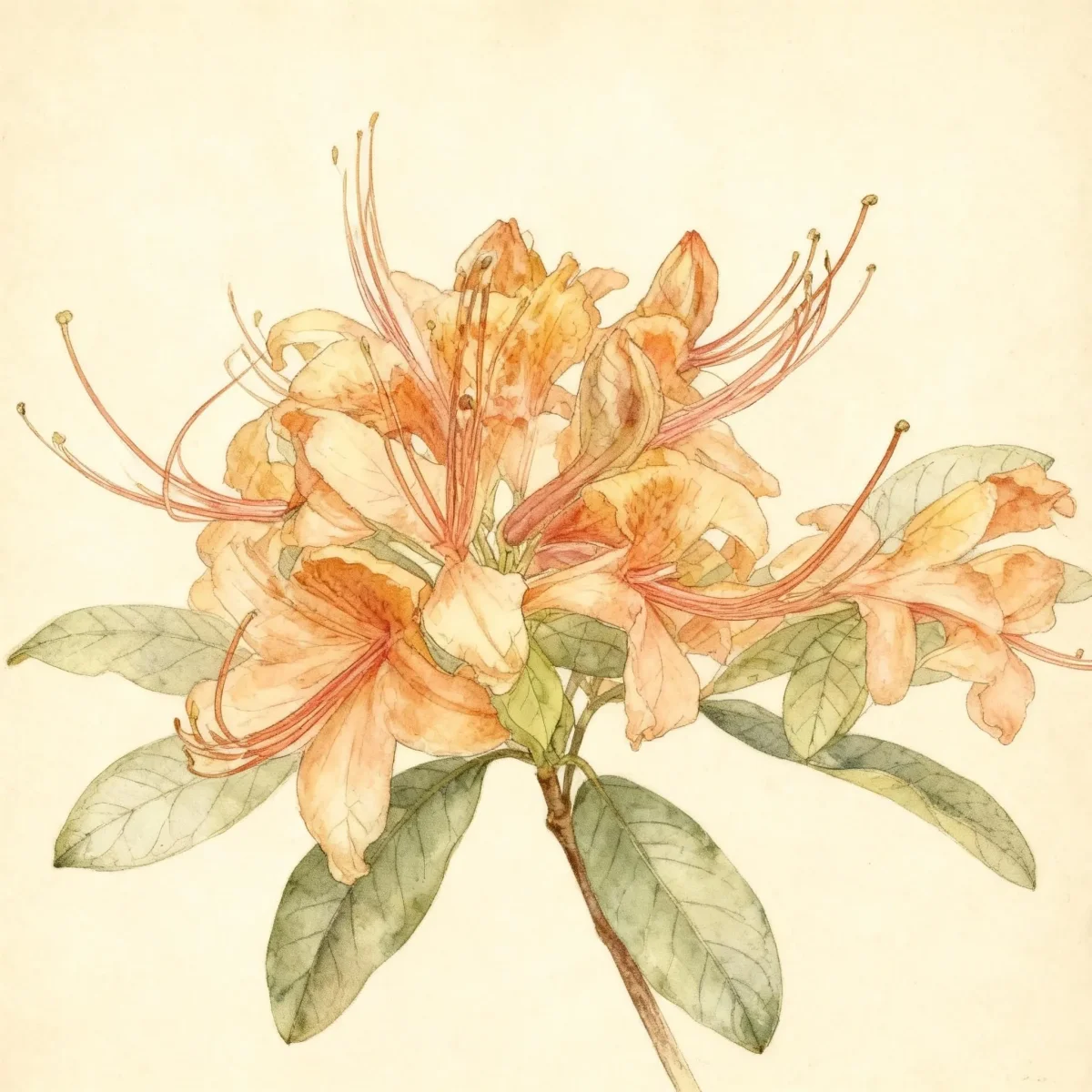
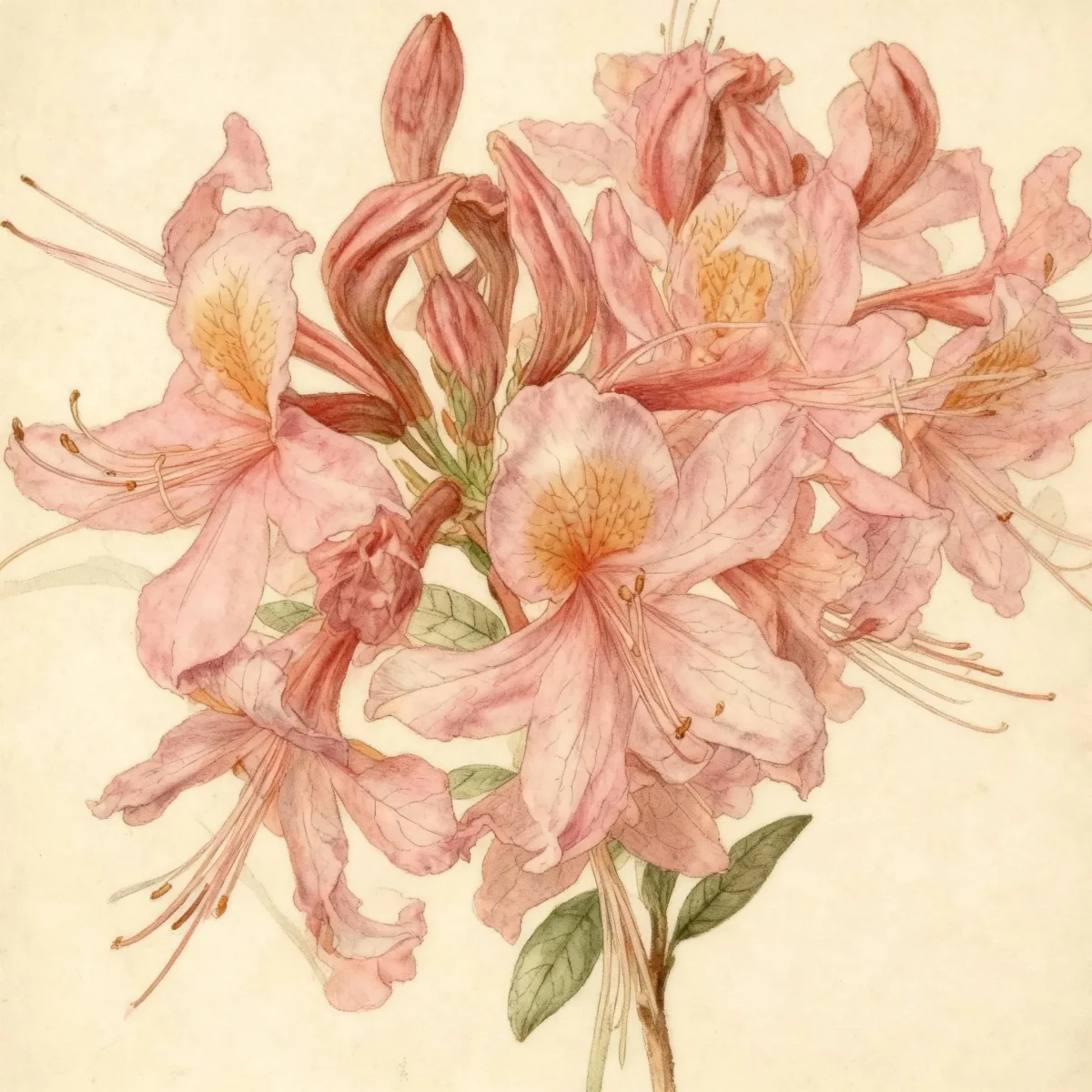
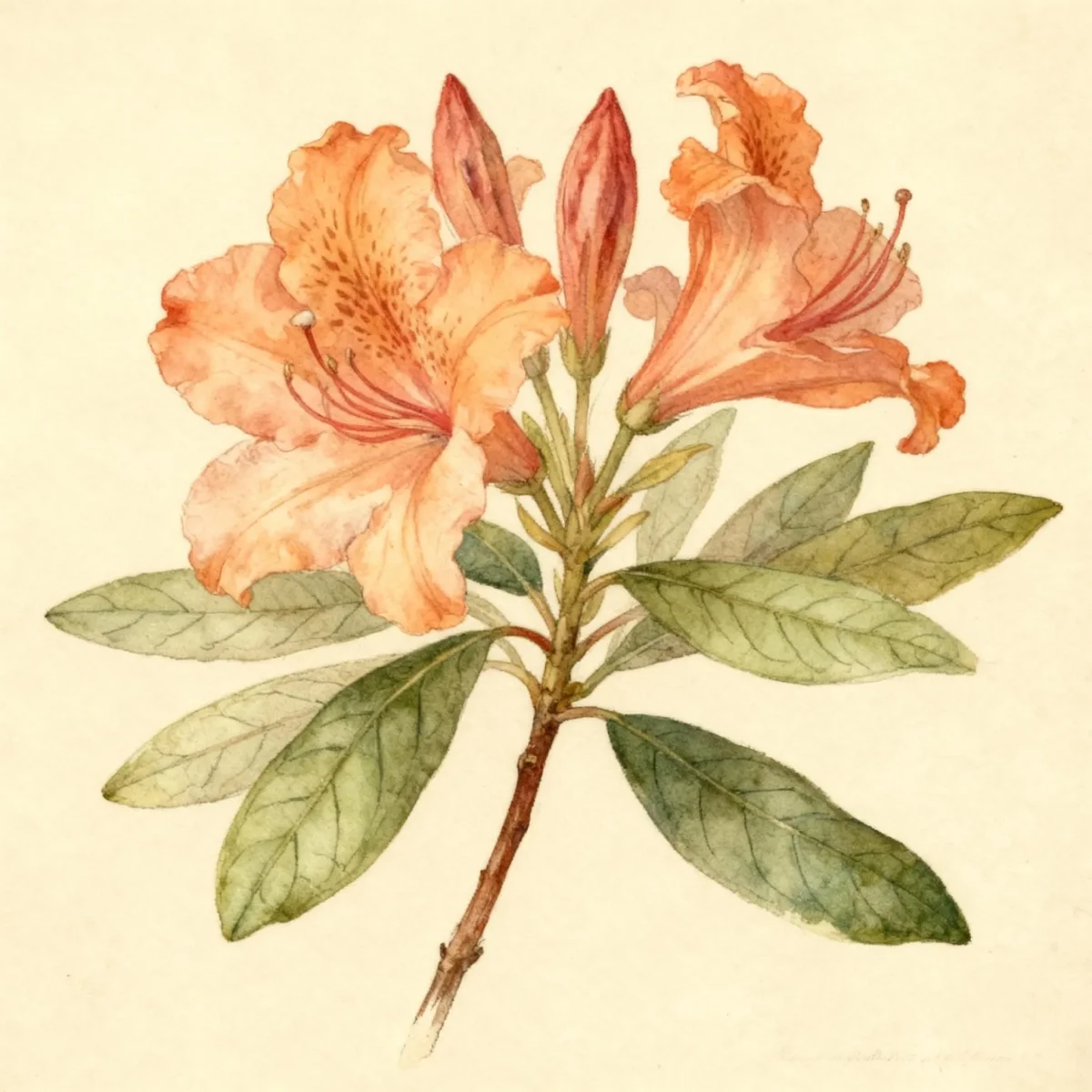
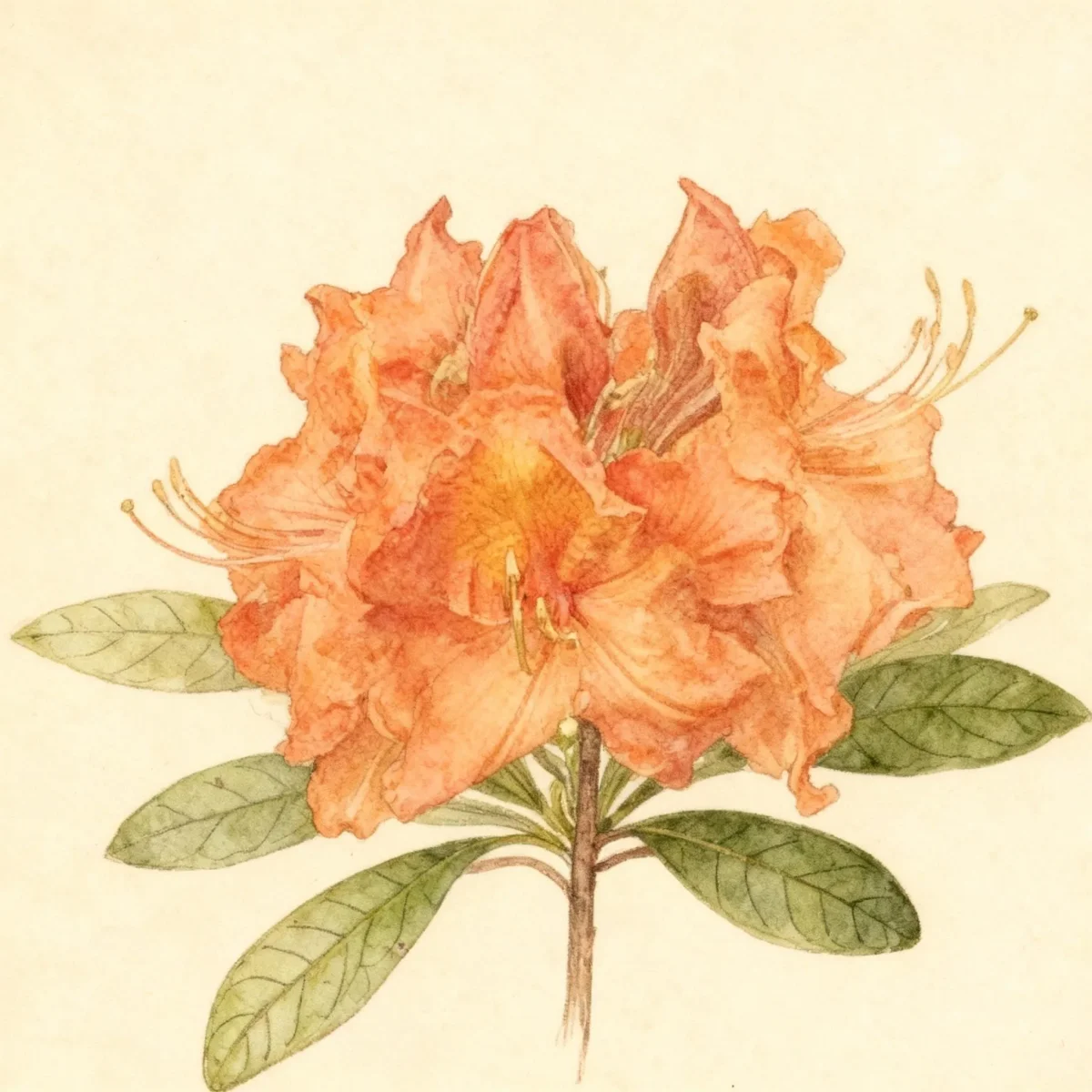
Azalea (Rhododendron 'Norma')
Rhododendron 'Norma' Azalea offers showy, double rose-pink spring blooms in zones 5-8. A medium-maintenance deciduous shrub ideal for borders.
Scroll down to discover growing tips, care requirements, companion plants, and more

Complete Plant Information
Overview
Rhododendron ‘Norma’ is a highly desirable deciduous Azalea, part of the vast Rhododendron genus, known for its spectacular spring color display. This cultivar provides a lavish show featuring double, hose-in-hose, rose-pink flowers that emerge beautifully before the medium green foliage fully develops. It is valued by gardeners for its reliability as a specimen, hedge, or mass planting that offers seasonal structure.
As a Rustica hybrid, Rhododendron ‘Norma’ matures into a well-rounded shrub, typically reaching 4 to 5 feet tall and wide. Successful cultivation hinges on providing its preferred acidic, humusy soil conditions and partial shade protection. The deciduous nature means it drops its leaves in autumn, revealing lovely yellow, orange, and red fall tones before winter sets in.
Gardeners seeking vibrant, mid-season blooms should consider incorporating this Azalea. Its relatively contained size makes it versatile for various landscape applications, though attention to its shallow root system and soil acidity is key to maintaining a healthy Rhododendron ‘Norma’.
Fast Facts
- Plant Family: Ericaceae
- Plant Type: Deciduous shrub
- Hardiness Zones: USDA Zones 5-8
- Size at Maturity:
- Height: 4-5 ft
- Spread: 4-5 ft
- Bloom Time: April to May
- Bloom Description: Rose pink (double)
- Sun Exposure: Part shade
- Water Needs: Medium
- Maintenance Level: Medium
How to Grow
Plant Rhododendron ‘Norma’ in early spring or fall, ensuring the location provides part shade—ideally morning sun with afternoon shade to prevent leaf scorch, particularly in warmer climates. Soil preparation is critical: the substrate must be acidic (pH 5.0 to 5.5), organically rich, humusy, and very well-drained. If heavy clay leads to poor drainage, planting in raised beds is highly recommended to avoid root rot.
Watering for this Azalea must be consistent; maintain medium moisture levels, ensuring the soil remains moist but never soggy. The shallow, fibrous root systems are highly susceptible to drying out, so never let the roots become desiccated. Apply a thick layer of organic mulch, such as pine needles or wood chips, around the base to help retain moisture and stabilize soil temperatures.
Pruning is minimal for Rhododendron ‘Norma’. The only necessary maintenance is to carefully deadhead or “clip off” the spent flower clusters immediately after they fade, which encourages better flowering the following year. Avoid cultivating deeply around the base, as this disturbs the fine root structure. Acidify the soil annually using iron sulfate or sulfur if soil tests indicate the pH is too high.
Furthermore, site this plant away from the drip line of nut trees, such as walnuts, as azaleas are sensitive to juglone toxins released by those roots. Protecting the shrub from harsh, strong winds will also ensure cleaner foliage presentation throughout the growing season.
Landscape Uses
Rhododendron ‘Norma’ excels as a specimen plant, allowing its full, rounded form and bloom clusters to be appreciated individually. It is also perfectly suited for mass plantings or grouping to create dramatic drifts of rose-pink color in semi-shaded areas of the garden. For structural definition, this Azalea works effectively within shrub borders or as an informal, yet dense, hedge.
Its cultural needs align well with woodland gardens or shade gardens, where it can be placed alongside other acid-loving, moisture-retentive plants. Consider companion planting it with Japanese maples, ferns, or shade-tolerant evergreens like other rhododendrons that offer textural contrast when the deciduous Azalea is dormant.
When used near foundations, ensure adequate space is provided, as this shrub will mature to 4 to 5 feet wide. Its year-round structure (even when deciduous) and vibrant spring display make Rhododendron ‘Norma’ a versatile addition to mixed borders.
Standout Features
Flower Qualities
- Showy
Noteworthy Characteristics
Rhododendron ‘Norma’ is a notable deciduous Azalea hybrid that produces flowers in mid-season, typically May. It features double, broadly funnel-shaped blossoms in shades of rose-pink with salmon undertones, emerging on substantial, rounded shrubs. After flowering, the medium green deciduous leaves transition into attractive yellow, orange, and red hues during the fall before dropping.
Tolerances
- Rabbit
Potential Problems
Rhododendrons and azaleas, including the Rhododendron ‘Norma’ Azalea, can face various pest and disease issues if cultural needs are ignored. Common insect threats include aphids, scale, and lacebugs, while fungal issues like leaf spot, blight, and root rot are prevalent, often linked to poor drainage. A frequent non-infectious problem is chlorosis, where leaves turn yellow, indicating the soil pH is too high and starving the plant of iron.
To minimize disease, ensure excellent soil drainage and proper air circulation; avoid overhead watering late in the day. Inspect plants regularly for early signs of pests and use targeted horticultural oils or insecticidal soaps as needed, preferring cultural control over blanket chemical applications. Maintaining the preferred acidic pH (5.0-5.5) is the single best defense against nutrient-related problems like chlorosis.
Frequently Asked Questions
What hardiness zones is Azalea suitable for?
Rhododendron ‘Norma’ is hardy and thrives in USDA Hardiness Zones 5 through 8.
How large does Azalea grow?
This deciduous shrub typically reaches a mature height between 4 and 5 feet, with a comparable spread of 4 to 5 feet wide.
What sun exposure does Azalea need?
Rhododendron ‘Norma’ prefers part shade, thriving best when protected from intense afternoon sun, though it handles dappled light well.
When does Azalea bloom?
This lovely Azalea variety produces its signature rose pink (double) flowers during the peak bloom time of April to May.
Conclusion
Rhododendron ‘Norma’ provides gardeners with a dependable, medium-maintenance deciduous shrub that explodes with double, rose-pink color each spring. By prioritizing acidic soil, diligent moisture management, and partial shade protection, you ensure the vibrant health of your Azalea. Check your local zone compatibility before planting to enjoy the spectacular display of this classic Rhododendron variety for years to come.
Companion Planting Considerations
Selecting appropriate companions helps ensure the microclimate suits the requirements of Rhododendron ‘Norma’. Because this Azalea demands acidic soil, look for partners that share this preference. Acid-loving plants like Camellias, Pieris, and certain varieties of blueberry thrive under similar conditions.
For woodland garden designs, incorporate shade-tolerant groundcovers that also benefit from mulch, such as Hosta varieties or Tiarella (Foamflower). These companions help stabilize soil temperatures and moisture levels, supporting the shallow, fibrous roots of the Rhododendron ‘Norma’ without heavy cultivation.
Avoid planting near alkaline species or aggressive shallow-rooted competitors that may deplete nutrients or water too quickly. Maintaining that critical 4 to 5-foot spread clearance around the mature Azalea ensures good airflow, which is essential for disease prevention.
Seasonal Care Calendar
Spring preparation is vital for this Azalea; once blooming concludes in May, immediately begin removing spent flower clusters to direct energy toward next year’s buds. Apply a fresh layer of mulch now to help conserve moisture during the summer heat.
Summer care focuses predominantly on consistent watering. Since the Rhododendron ‘Norma’ cannot tolerate dry soil, monitor moisture levels weekly, especially during dry spells, ensuring the medium moisture requirement is met without causing sogginess.
Fall is when this deciduous shrub offers its visual reward, displaying fall color before dormancy. In late fall or early winter, inspect plants for any pest buildup; apply dormant oil if necessary before severe frost sets in, preparing the Azalea for its spring performance.