Deciduous azalea (Rhododendron 'Orchid Lights')
Rhododendron 'Orchid Lights' is a hardy Deciduous azalea offering showy, fragrant, pale purplish pink blooms in spring.
Scroll down to discover growing tips, care requirements, companion plants, and more
Complete Plant Information
Overview
Rhododendron ‘Orchid Lights’ is a highly valued Deciduous azalea, part of the University of Minnesota’s Northern Lights series, bred specifically for enhanced cold hardiness. This compact, multi-stemmed shrub delivers a spectacular floral display in early to mid-spring, often before the foliage fully emerges. Gardeners appreciate its reliable performance and beautiful, showy flowers.
As a deciduous plant, Rhododendron ‘Orchid Lights’ offers seasonal interest, trading evergreen foliage for reliable color and excellent structure in the winter landscape. With mature dimensions of 2 to 3 feet tall and 3 to 4 feet wide, it fits well into smaller garden spaces where larger rhododendrons might dominate. Successful cultivation depends heavily on providing the correct acidic soil conditions it prefers.
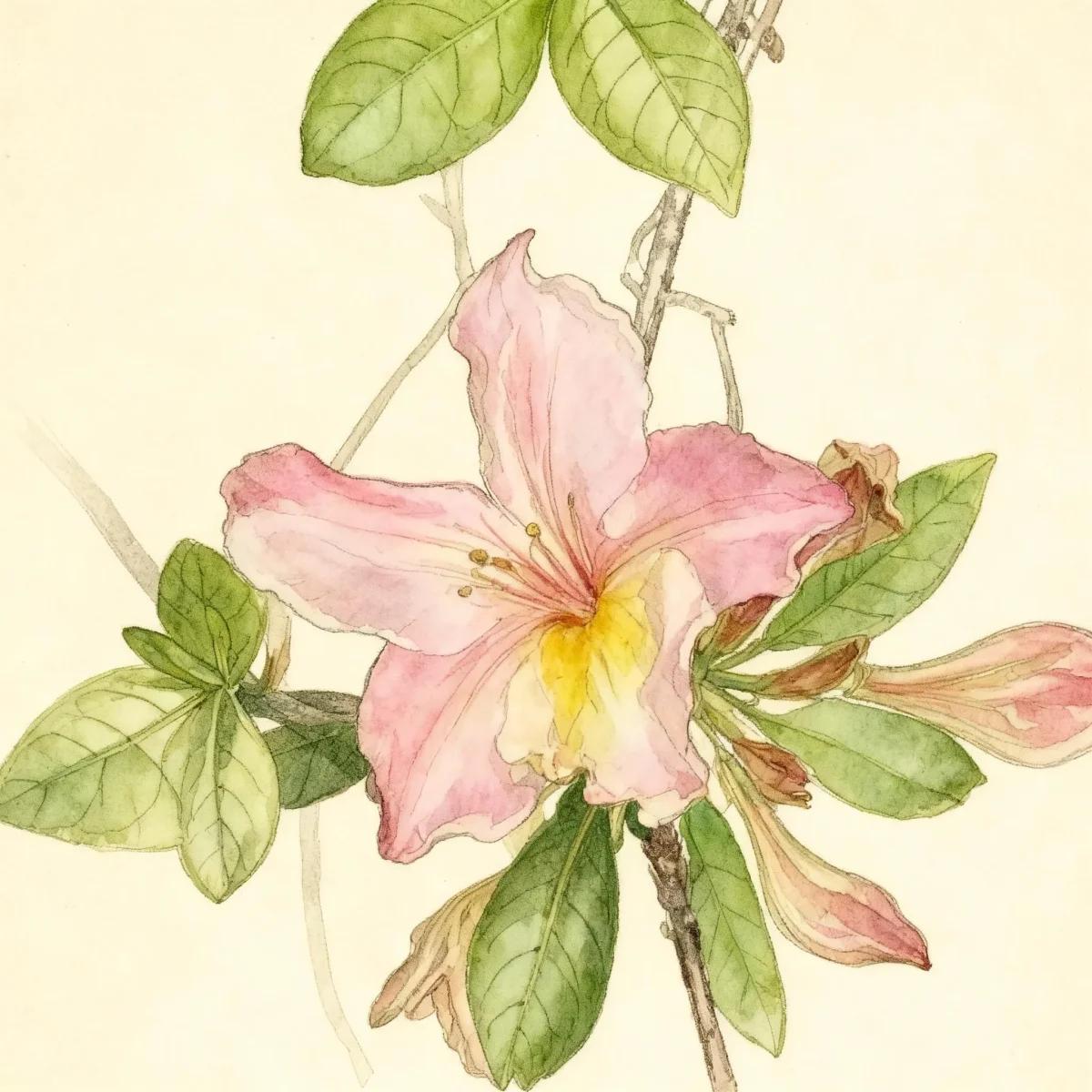
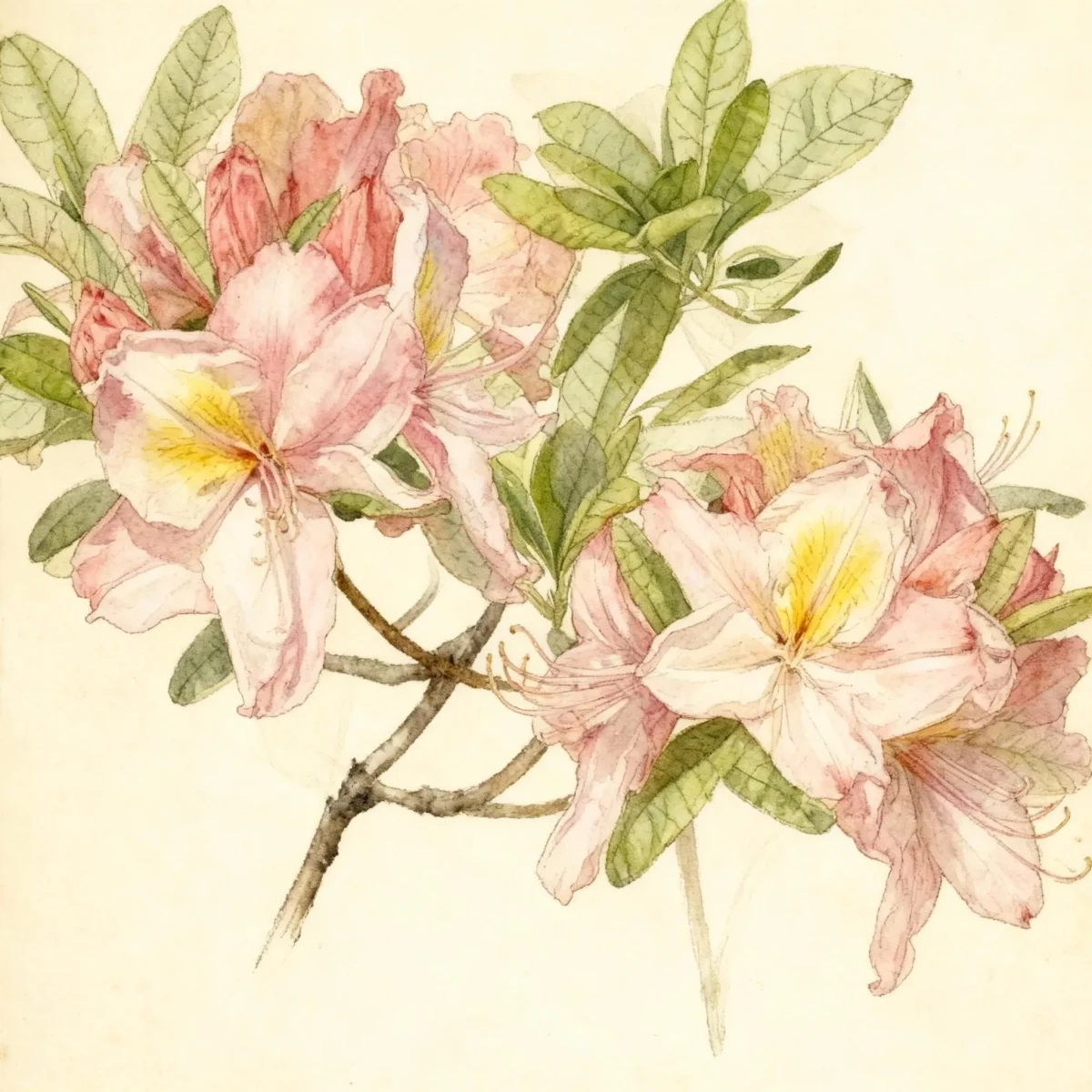
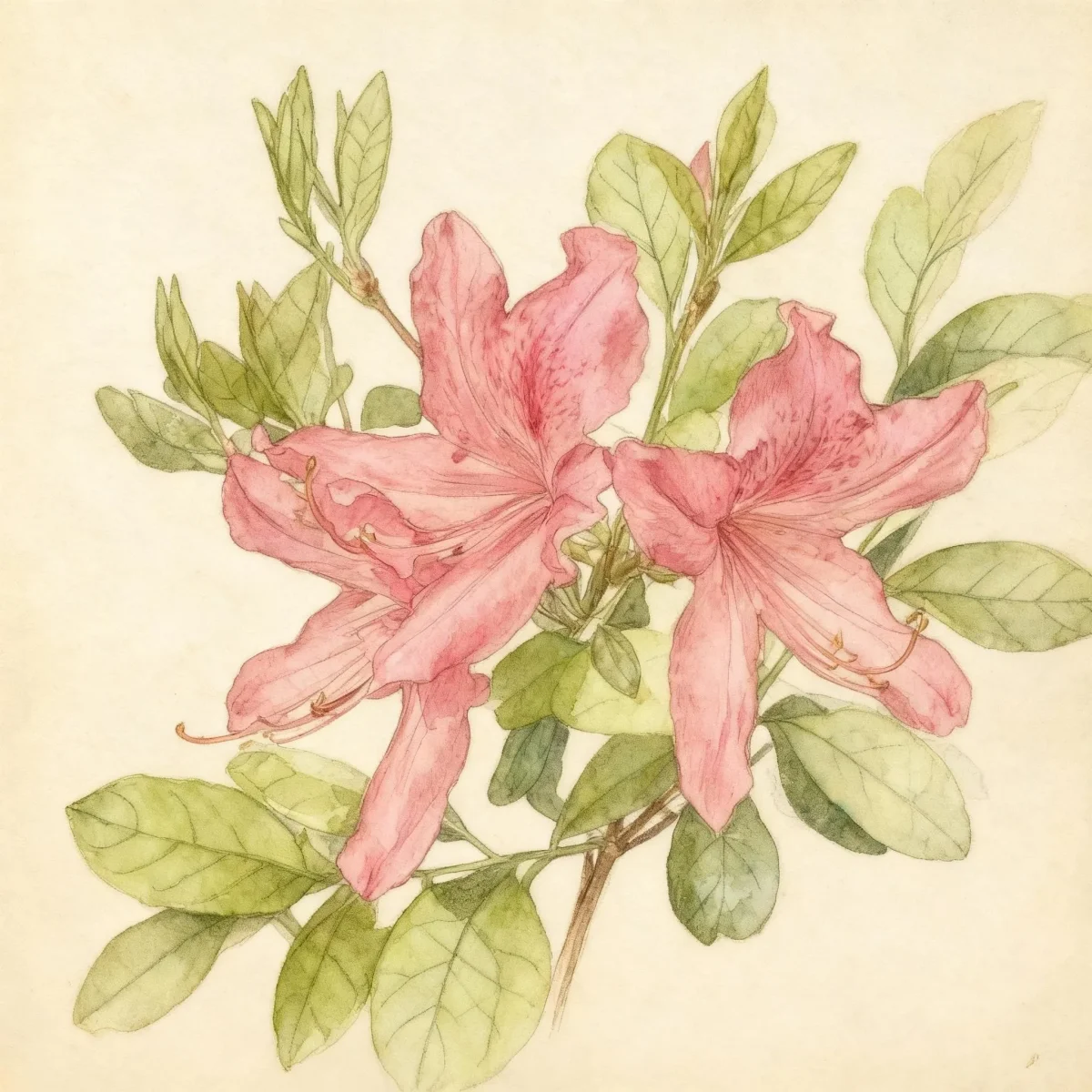
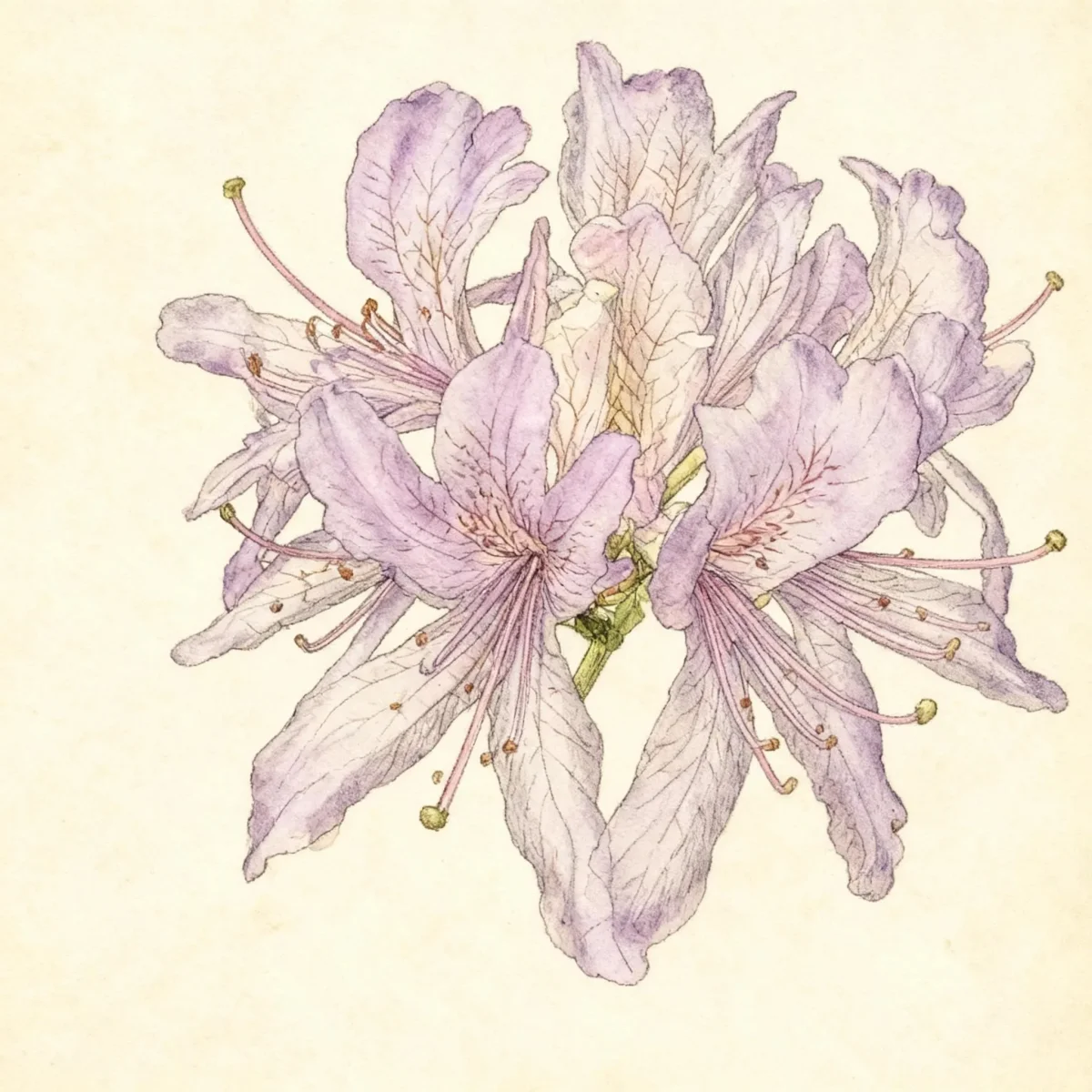
This specific hybrid is noted for its 1-1/2 inch wide flowers which emerge in a lovely pale purplish pink hue, sometimes featuring yellow spots on the dorsal lobe. Its suitability for cold climates, combined with its moderate size, makes Rhododendron ‘Orchid Lights’ an excellent introduction to the rewarding world of azaleas.
Fast Facts
- Plant Family: Ericaceae
- Plant Type: Deciduous shrub
- Hardiness Zones: USDA Zones 4-8
- Size at Maturity:
- Height: 2-3 ft
- Spread: 3-4 ft
- Bloom Time: April to May
- Bloom Description: Pale purplish pink
- Sun Exposure: Part shade
- Water Needs: Medium
- Maintenance Level: Medium
How to Grow
Plant Rhododendron ‘Orchid Lights’ during the cool, moist periods of early spring or fall for best establishment. The most crucial factor for success is the soil; they must have acidic, organically rich, humusy, and consistently moist, yet exceptionally well-drained soil. These shrubs prefer dappled sun, such as morning sun followed by afternoon shade, especially in warmer climates where intense western exposure can scorch the leaves.
Watering needs are medium, but consistency is paramount; the shallow, fibrous roots of this Deciduous azalea must never be allowed to dry out. Soil modification is often necessary to achieve the preferred pH range of 5.0 to 5.5; use sulfur or iron sulfate to lower alkalinity. Avoid cultivating near the base of the plant, as the roots are delicate and easily damaged.
Immediately after the bloom period concludes in May, promptly clip off the spent flower clusters (deadheading) to encourage energy for next year’s buds rather than seed production. Apply a thick layer of mulch, such as pine needles or bark chips, to help stabilize soil temperature and conserve the critical moisture these plants require. Ensure the planting site is protected from harsh, drying winds.
Landscape Uses
The moderate size and dense nature of Rhododendron ‘Orchid Lights’ make it highly versatile. It functions exceptionally well when planted in mass groupings or used as an informal hedge where a lower profile is desired along property lines or walkways. Consider using this variety in mixed shrub borders to provide early spring color bridging the gap between early bulbs and summer perennials.
Because they thrive in woodland garden settings, pair them with other acid-loving companions like native ferns, heathers, or smaller evergreen rhododendrons for layered texture through the seasons. When planting near foundation areas, ensure a pocket deep enough to accommodate their shallow root system and consider raised beds if your native clay soil drains poorly. The striking color of the Deciduous azalea blooms provides excellent focal points against darker evergreen backdrops.
Standout Features
Flower Qualities
- Showy
- Fragrant
Noteworthy Characteristics
Rhododendron is a genus of 500 to 900 species and includes both of what we commonly call rhododendrons and azaleas. Deciduous azaleas are distinguished by dropping their thinner leaves in fall, with flowering occurring early in spring. Rhododendron ‘Orchid Lights’ is a product of hybridization specifically intended for cold tolerance, ensuring hardiness into Zone 4 while still providing the lavish springtime floral display typical of the genus.
Tolerances
- Rabbit
Potential Problems
Rhododendrons and azaleas are susceptible to many insect and disease problems, requiring vigilant observation. Common pests include aphids, borers, lacebugs, and scale, while diseases can manifest as root rot, blight, or powdery mildew. A frequent visual indicator of poor culture is chlorosis (yellowing leaves), which usually signifies that the soil pH is too high, leading to an iron deficiency. Maintaining the optimal acidic soil pH and ensuring excellent drainage are the best preventative measures against most serious issues for your Rhododendron ‘Orchid Lights’.
Frequently Asked Questions
What hardiness zones is Deciduous azalea suitable for?
Rhododendron ‘Orchid Lights’ is reliably hardy across USDA Zones 4 through 8, reflecting its breeding for cold tolerance.
How large does Rhododendron ‘Orchid Lights’ grow?
This compact Deciduous azalea typically reaches a mature height of 2 to 3 feet and spreads between 3 and 4 feet wide.
What sun exposure does Rhododendron ‘Orchid Lights’ need?
It requires part shade, best situated where it receives dappled light or high open shade, or gentle morning sun with protection from hot afternoon rays.
When does Rhododendron ‘Orchid Lights’ bloom?
This variety is known for blooming in the spring, specifically between April and May, featuring pale purplish pink flowers.
Conclusion
Rhododendron ‘Orchid Lights’ offers northern gardeners a reliably hardy and visually stunning spring show, delivering fragrant, showy blooms in a manageable shrub size. By carefully controlling the soil acidity and ensuring moist, well-drained conditions, you can ensure robust health for this exceptional Deciduous azalea. Be sure to check your local hardiness zone compatibility before choosing a permanent planting location this spring.
Companion Planting
When selecting companions for Rhododendron ‘Orchid Lights’, prioritize plants that share its need for acidic soil and thrive in part shade environments. Groundcovers such as Pachysandra (Japanese Spurge) or specialized woodland ferns create excellent textural contrast while helping to conserve the shallow moisture required by the azalea roots. Consider planting bulbs like snowdrops or early daffodils nearby to enhance the multi-season interest, ensuring they bloom before the azalea reaches its peak.
Seasonal Care Calendar
Springtime maintenance centers on deadheading spent flowers immediately after blooming ceases in May, which significantly directs the plant’s energy toward establishing next season’s robust buds. As summer progresses, vigilant monitoring of soil moisture is crucial, especially during dry spells, as the roots must never dry out. In the late fall, renewal of the organic mulch layer is recommended; this protects the shallow root system from winter freeze-thaw cycles and prepares the Deciduous azalea for the following growing season.