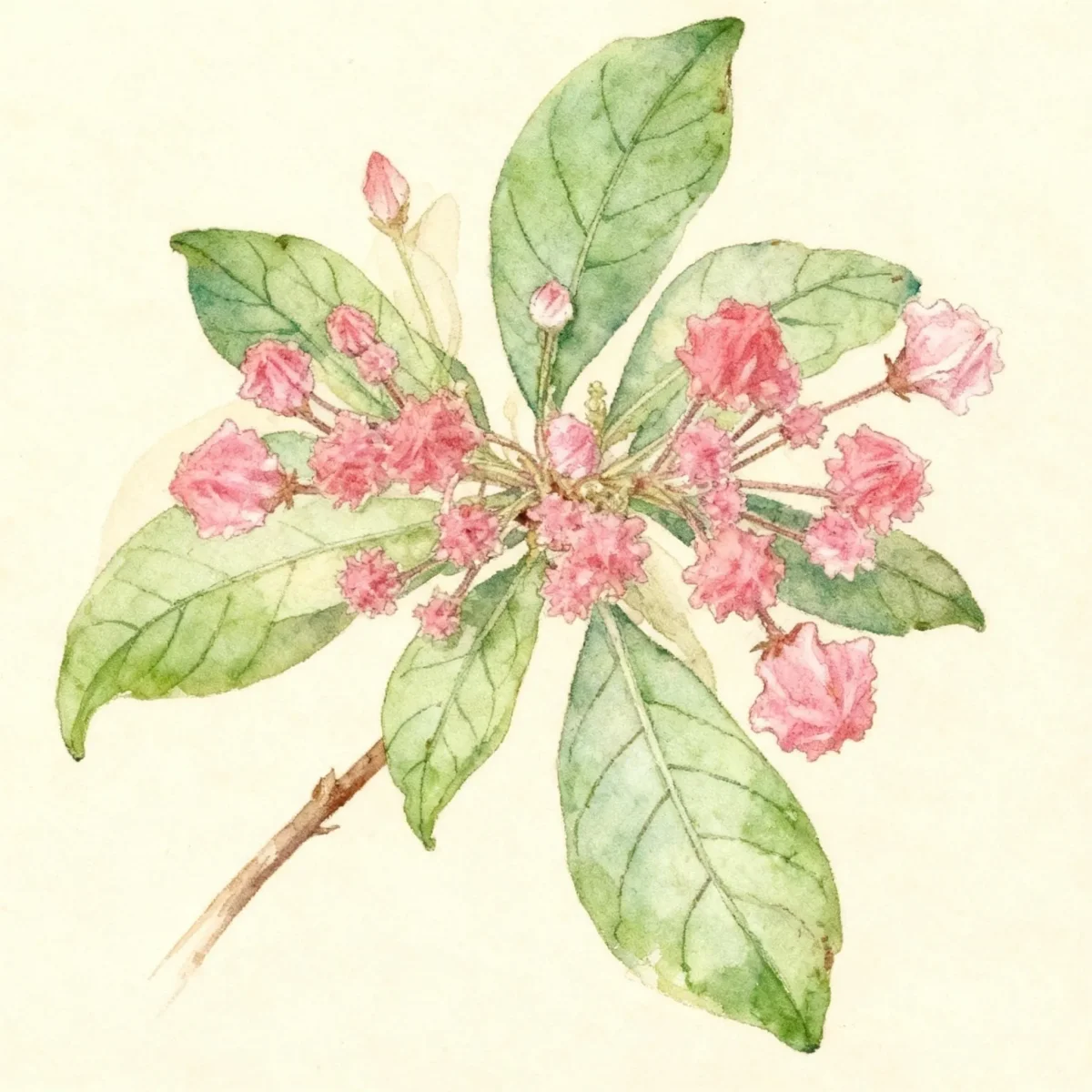
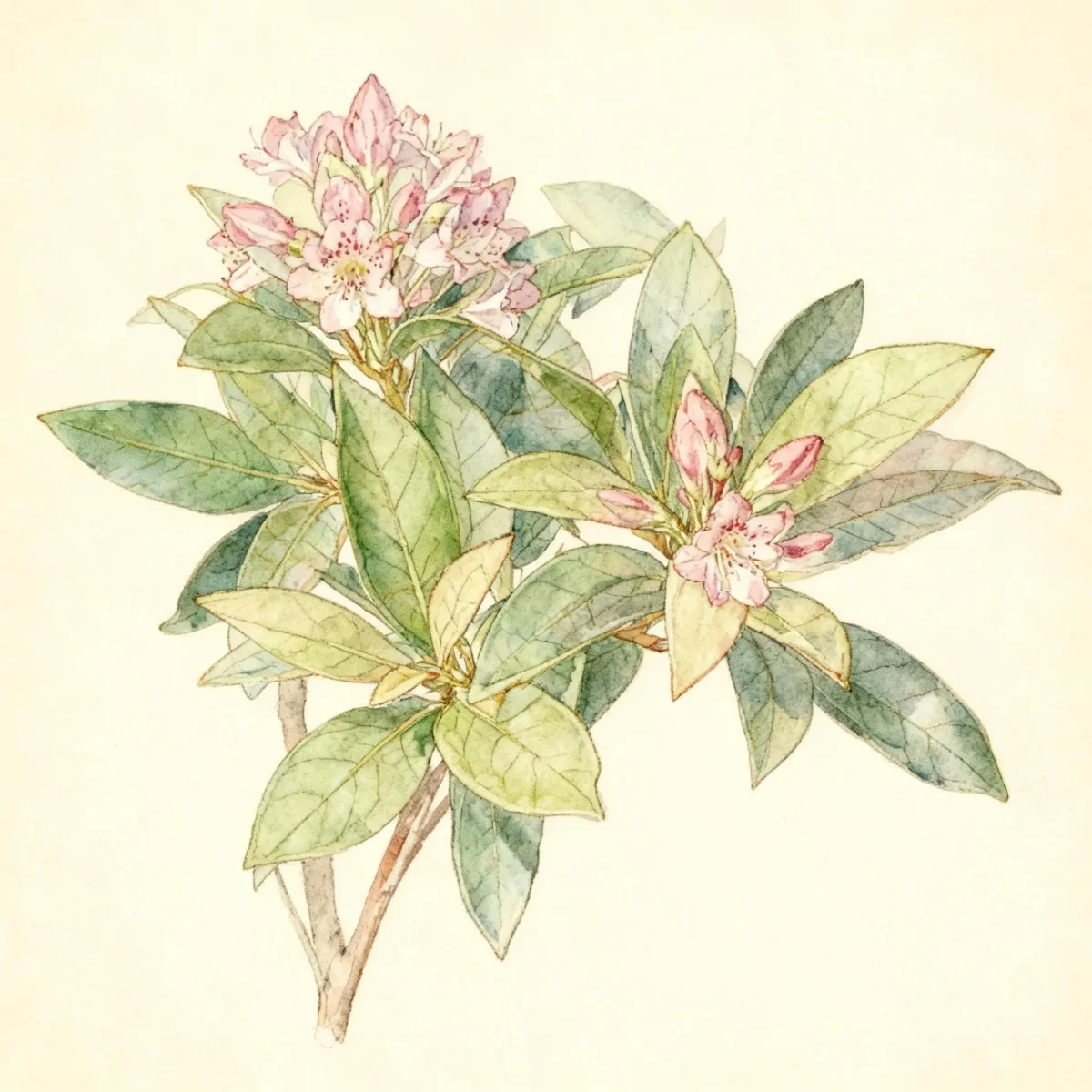
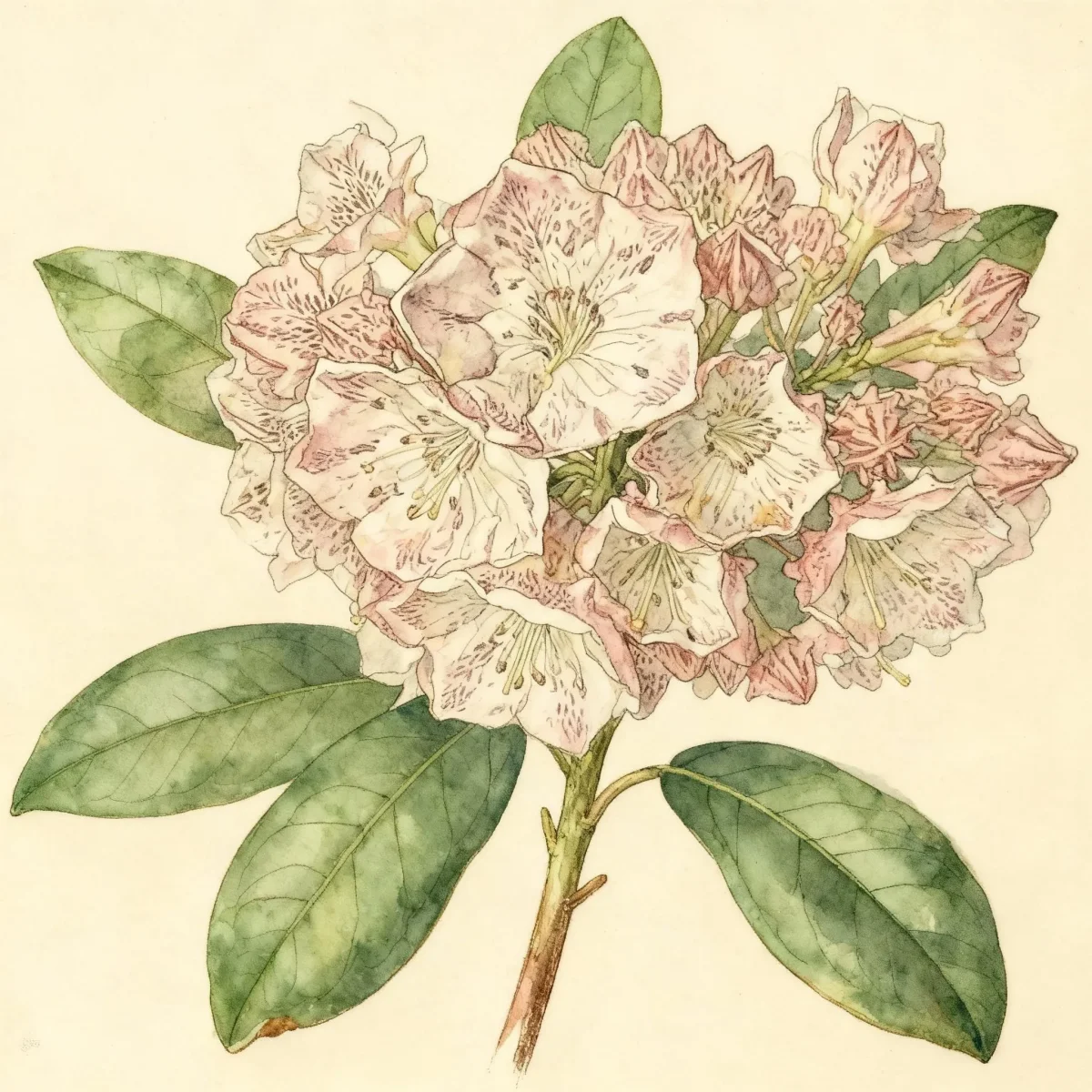
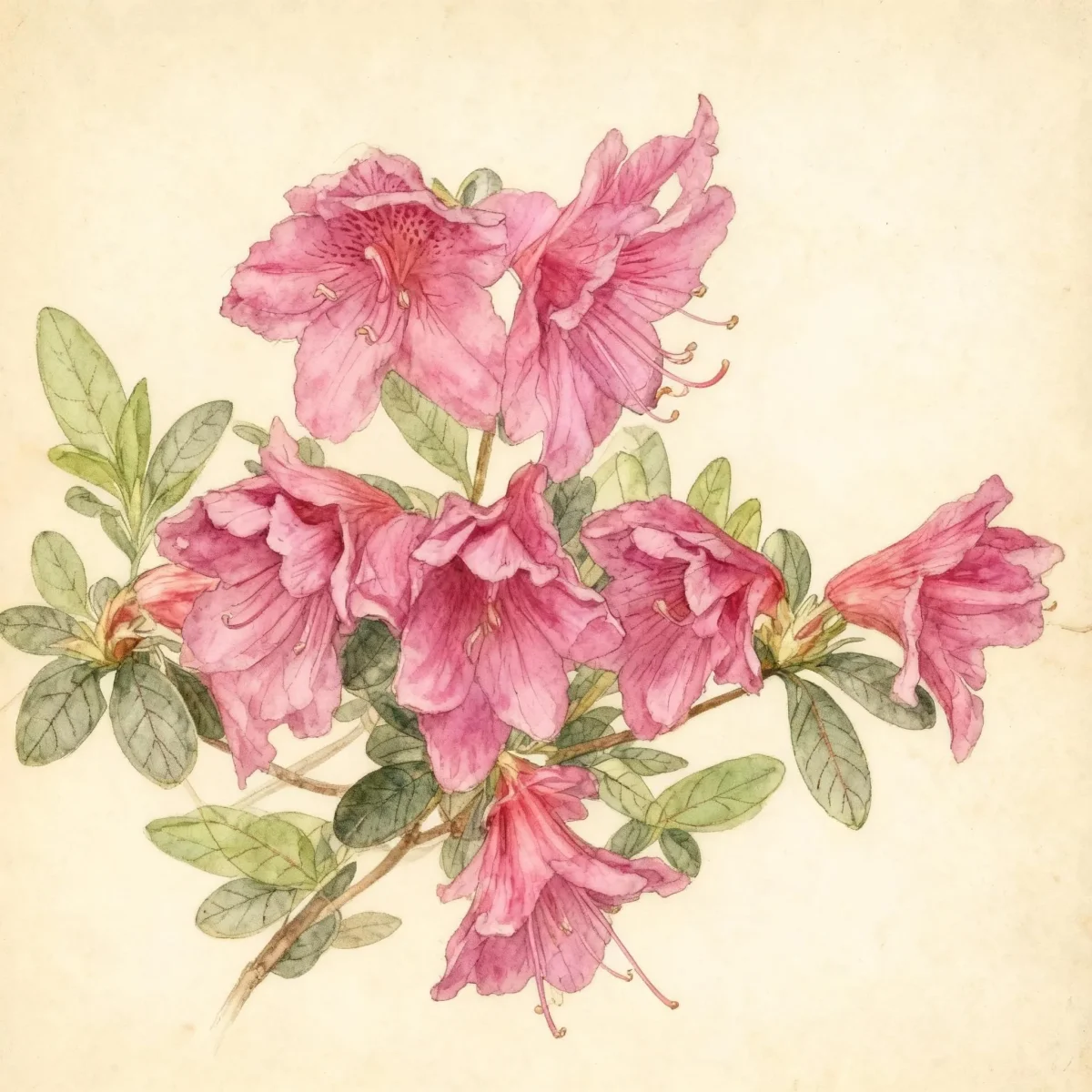
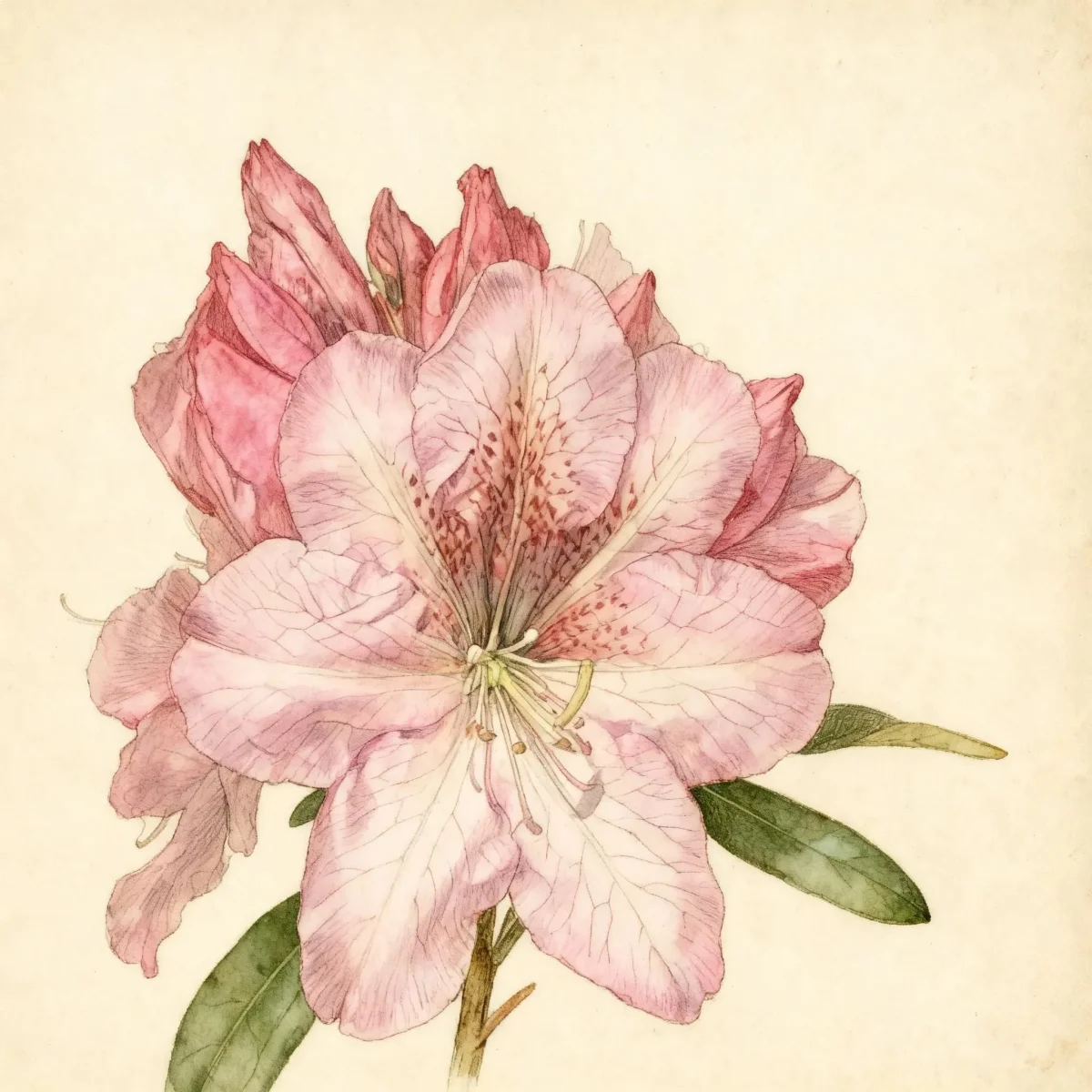
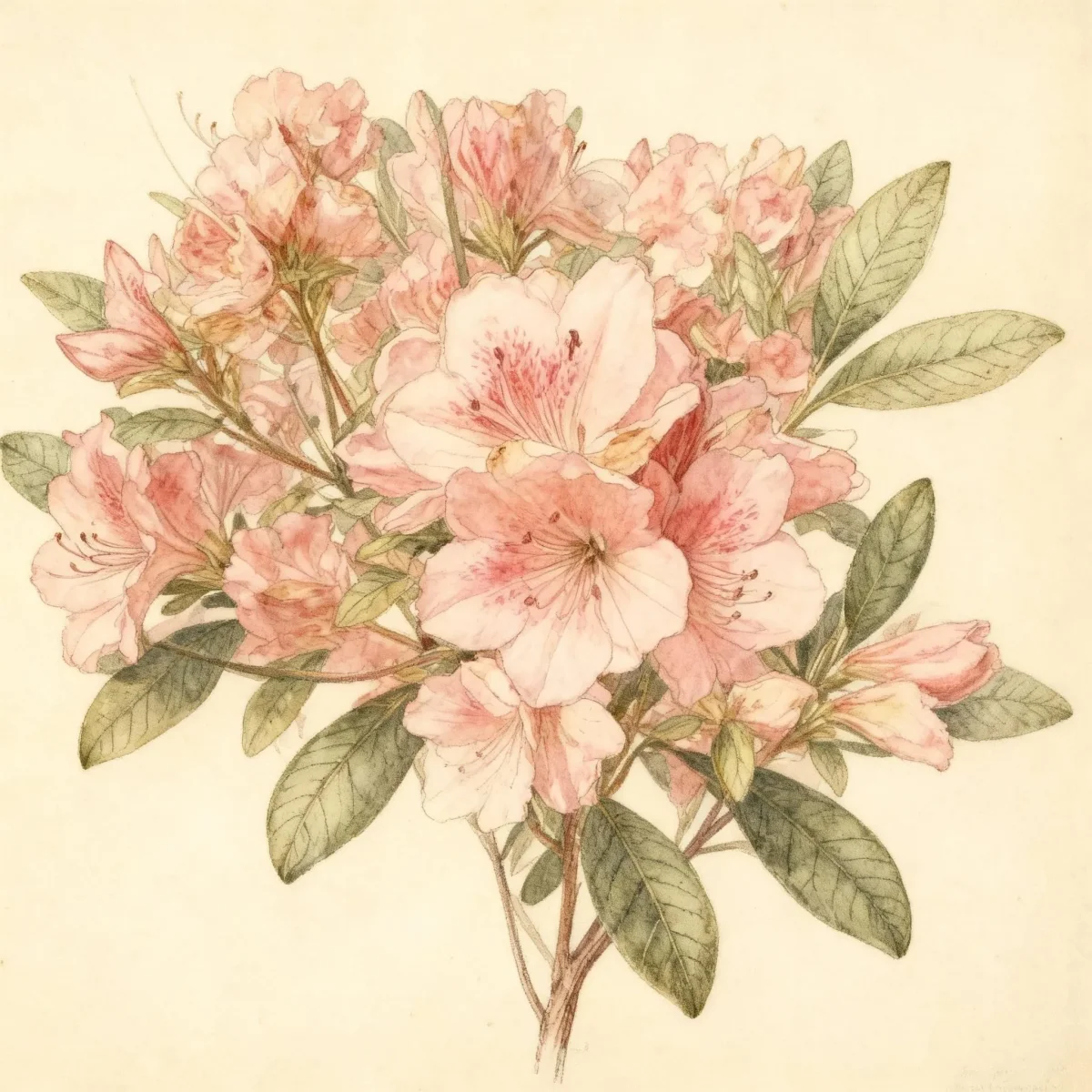
Semi-evergreen azalea (Rhododendron 'Palestrina')
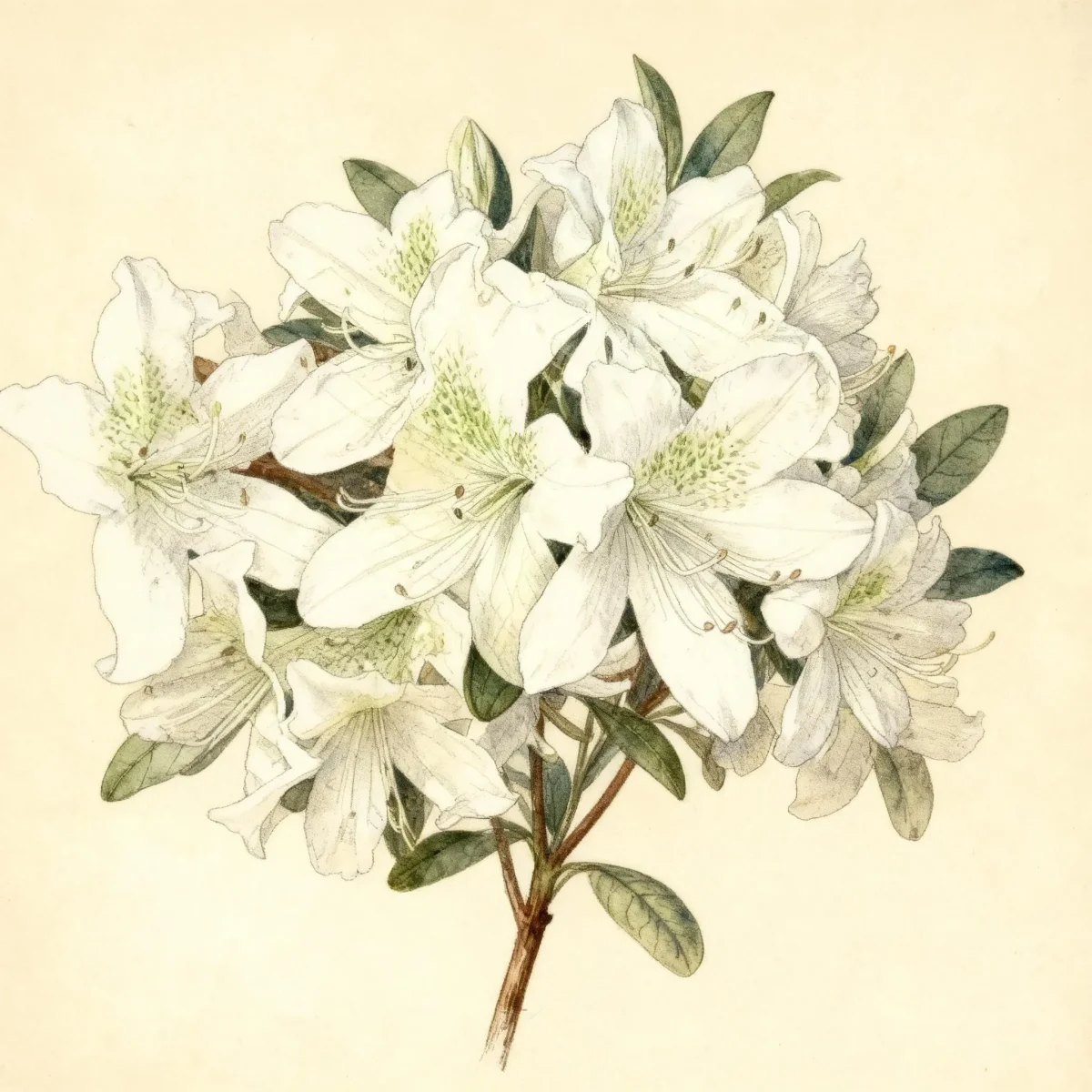
Rhododendron 'Palestrina' is a stunning Semi-evergreen azalea blooming white with yellow spots, ideal for zones 5-7.
Scroll down to discover growing tips, care requirements, companion plants, and more
Complete Plant Information
Overview
Rhododendron ‘Palestrina’ is a highly valued Semi-evergreen azalea, prized by gardeners for its prolific spring display of showy, funnel-shaped white flowers speckled with green spots. As a broadleaf evergreen, it provides essential structure and winter interest to the landscape, successfully bridging the gap between deciduous shrubs. This cultivar typically reaches a manageable height and spread of 4 to 5 feet, making it versatile for various garden settings.
This robust hybrid thrives best in conditions that mimic its native woodland origins, emphasizing acidic soil and partial shade protection. Successfully growing Rhododendron ‘Palestrina’ enhances borders and shaded garden areas while retaining its year-round foliage. Its medium maintenance requirements are primarily focused on ensuring proper soil acidity and consistent moisture.
Gardeners looking for reliable spring color and dependable evergreen texture rely on the established performance of Rhododendron ‘Palestrina’. Its moderate size ensures it integrates well into mixed plantings or functions perfectly as a formal, low hedge element throughout USDA Zones 5 through 7.
Fast Facts
- Plant Family: Ericaceae
- Plant Type: Broadleaf evergreen
- Hardiness Zones: USDA Zones 5-7
- Size at Maturity:
- Height: 4-5 ft
- Spread: 4-5 ft
- Bloom Time: April to May
- Bloom Description: White with yellow green spots
- Sun Exposure: Part shade
- Water Needs: Medium
- Maintenance Level: Medium
How to Grow
Planting Rhododendron ‘Palestrina’ requires careful attention to soil conditions, as good drainage is non-negotiable; shallow, fibrous roots easily succumb to root rot in saturated soils. Aim for acidic, organically rich, humusy soil with medium moisture retention, ideally situated in dappled sunlight or high open shade to prevent leaf scorch, especially in hot afternoon sun. In heavy clay, consider raised beds to ensure necessary drainage for these beautiful shrubs.
Watering needs are medium, but the roots must never be allowed to dry out; this is crucial during hot spells. Maintain soil moisture by applying a thick layer of mulch, such as wood chips or pine needles, around the shallow root zone, remembering never to cultivate near the base. Soil pH control is vital; aim for 5.0 to 5.5, using iron sulfate or sulfur to lower pH if necessary.
Maintenance includes immediately clipping off spent flower clusters after blooming concludes to encourage new bud formation for the following season. Protect Rhododendron ‘Palestrina’ from strong winds and, critically, avoid planting near walnut family trees due to sensitivity to juglone toxins.
Landscape Uses
Rhododendron ‘Palestrina’ excels in applications where a structured, evergreen presence is desired throughout the year. As a medium shrub, it functions beautifully as a mass planting beneath taller trees or as a defining element in mixed shrub borders, providing contrast against deciduous shrubs. Its use as a hedge is often noted, offering a formal, dense appearance when properly sited and maintained.
For woodland gardens or shaded borders, massing several Semi-evergreen azaleas together creates a powerful, uniform display when the white flowers bloom from April to May. They integrate well with other acid-loving companions like certain Camellias, Pieris, or Japanese maples, which share similar cultural preferences regarding shade and soil chemistry.
Consider using this cultivar in foundation plantings near the north or east sides of buildings, where reflected light is minimized, and strong winds are blocked. The consistent size and texture of Rhododendron ‘Palestrina’ ensure year-round visual appeal, anchoring the garden design even when not in flower.
Standout Features
Flower Qualities
- Showy
Noteworthy Characteristics
Rhododendron is a genus of 500 to 900 species and includes both of what we commonly call rhododendrons and azaleas, originating mostly from the Northern Hemisphere. Evergreen azaleas like this one form multi-stemmed plants that retain their leaves throughout the year. Rhododendron ‘Palestrina’ is a successful Vuyk hybrid whose notable funnel-shaped blooms are white with green spots along the throat.
Tolerances
- Rabbit
Potential Problems
Rhododendrons and azaleas are susceptible to numerous insect and disease issues. Common insect pests include scale, lacebugs, and mealybugs, while diseases range from various blights to root rot. Chlorosis, marked by yellowing leaves, often signals that the soil pH is too high, leading to iron deficiency. A healthy Rhododendron ‘Palestrina’ kept in the correct acidic, well-drained environment will naturally exhibit fewer problems, though consistent monitoring is always recommended.
Frequently Asked Questions
What hardiness zones is Semi-evergreen azalea suitable for?
Rhododendron ‘Palestrina’ is suitable for USDA Hardiness Zones 5 through 7.
How large does Rhododendron ‘Palestrina’ grow?
This cultivar typically matures to a height between 4 and 5 feet, with a similar spread of 4 to 5 feet.
When does Semi-evergreen azalea bloom?
Rhododendron ‘Palestrina’ blooms reliably from April extending into May, featuring white flowers with chartreuse spots.
What sun exposure does Rhododendron ‘Palestrina’ need?
This Semi-evergreen azalea prefers part shade, ideally protected from the intense afternoon sun.
Conclusion
The Rhododendron ‘Palestrina’ offers gardeners a spectacular early-season floral show combined with reliable evergreen structure, making it a cornerstone for shaded borders. Its specific needs regarding acidic, well-drained soil are easily met with proper site preparation, rewarding the gardener with 4 to 5 feet of manageable beauty. We encourage you to verify compatibility with your local growing conditions before planting this exceptional Semi-evergreen azalea.
Companion Planting
When planning a garden layout featuring Rhododendron ‘Palestrina’, select companions that thrive in acidic, humus-rich soil and appreciate filtered light. Acid-loving shrubs like Pieris japonica (Andromeda) or Kalmia latifolia (Mountain Laurel) share similar cultural requirements, creating a cohesive woodland tapestry. Plants that offer contrasting colors or textures during the spring and summer, such as Hosta varieties with blue or variegated foliage, pair exceptionally well beneath the canopy provided by this azalea.
For ground cover beneath established Rhododendron ‘Palestrina’, consider spreading evergreen options like Vaccinium species (low-bush blueberries) or various low-growing ferns. These ground covers help stabilize soil temperatures and moisture retention around the plant’s crucial shallow root system, further enhancing the health of your Semi-evergreen azalea mass planting.
Seasonal Care Calendar
Spring is the critical time for cleanup and flower care; immediately after the April/May bloom period concludes, deadhead the spent flower trusses on Rhododendron ‘Palestrina’ to redirect energy into next year’s buds. A light application of fertilizer formulated specifically for acid-loving plants can be beneficial early in the spring growing season.
During the summer months, focus heavily on consistent watering, especially if the site receives any direct sun exposure, as the medium water needs must be met without allowing the soil to become waterlogged. Monitor leaf surfaces for signs of chlorosis, which signals the need for pH adjustment toward acidity.
Fall and early winter are best reserved for insulation rather than heavy work; ensure a fresh layer of mulch is applied before the ground freezes to buffer the soil temperature fluctuations that can stress the roots of the Semi-evergreen azalea. Avoid pruning hard stems during winter, as this can expose tender tissue to cold damage.