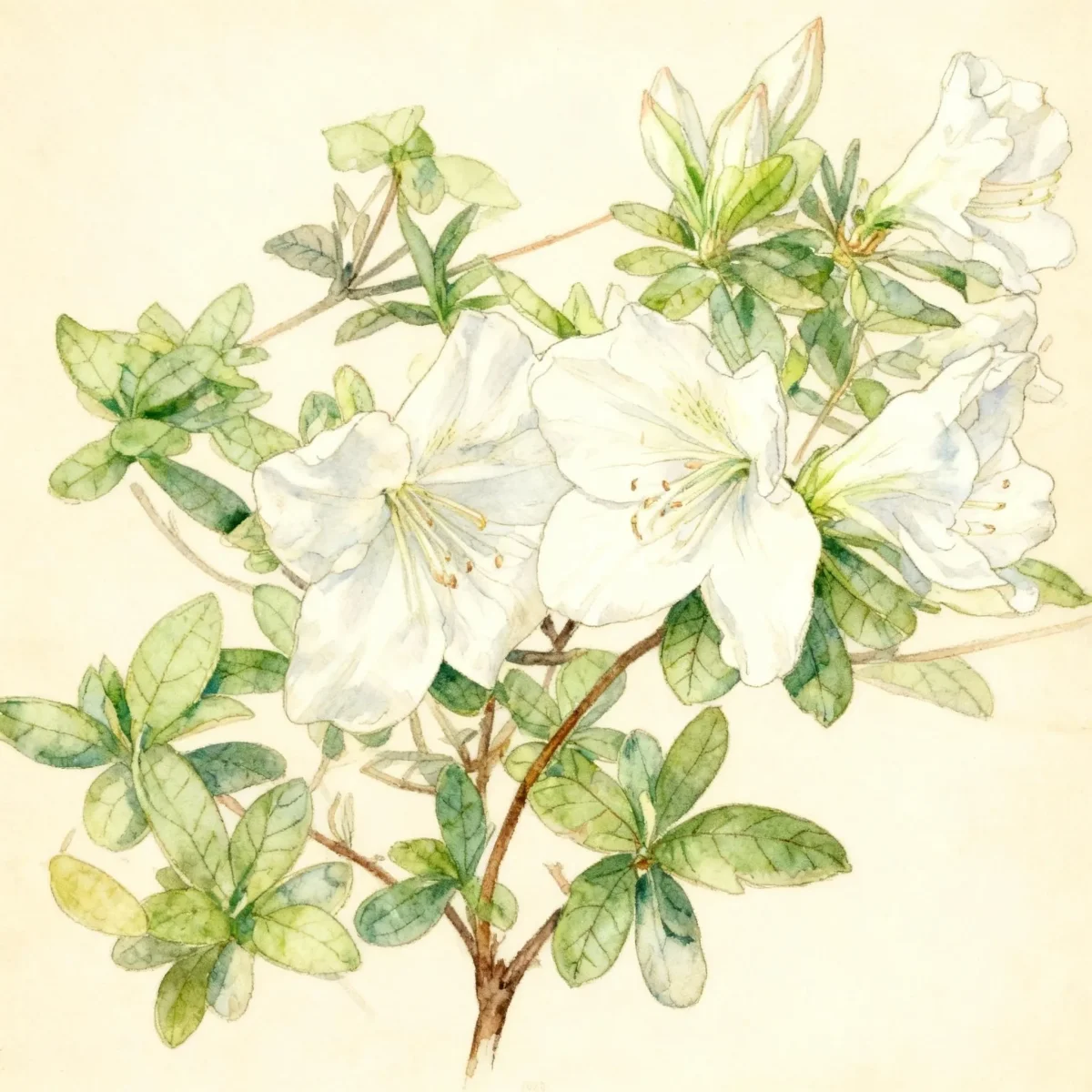
Azalea (Rhododendron 'Pleasant White')
Rhododendron 'Pleasant White' Azalea offers showy white spring blooms atop a compact evergreen shrub ideal for part shade.
Scroll down to discover growing tips, care requirements, companion plants, and more
Complete Plant Information
Overview
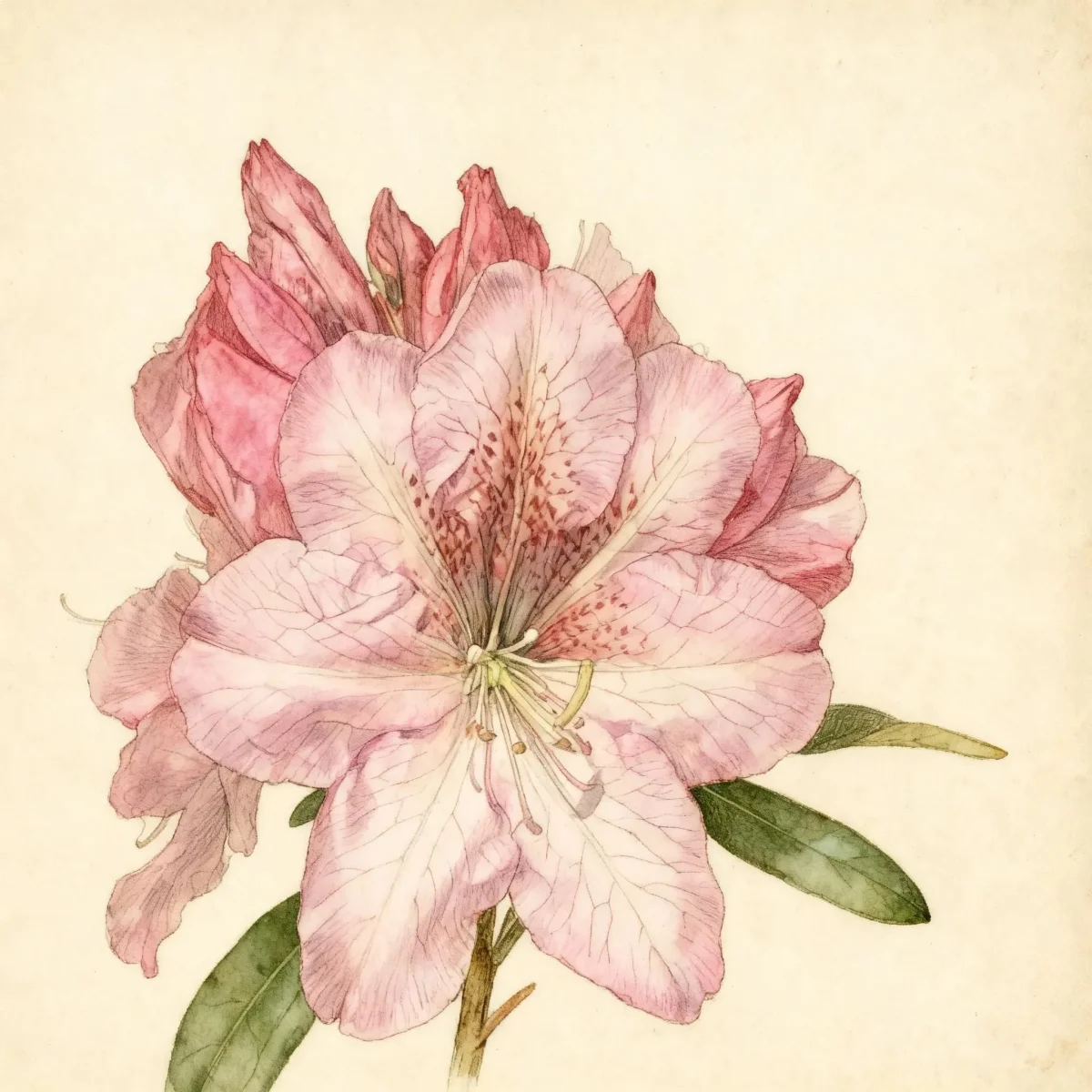
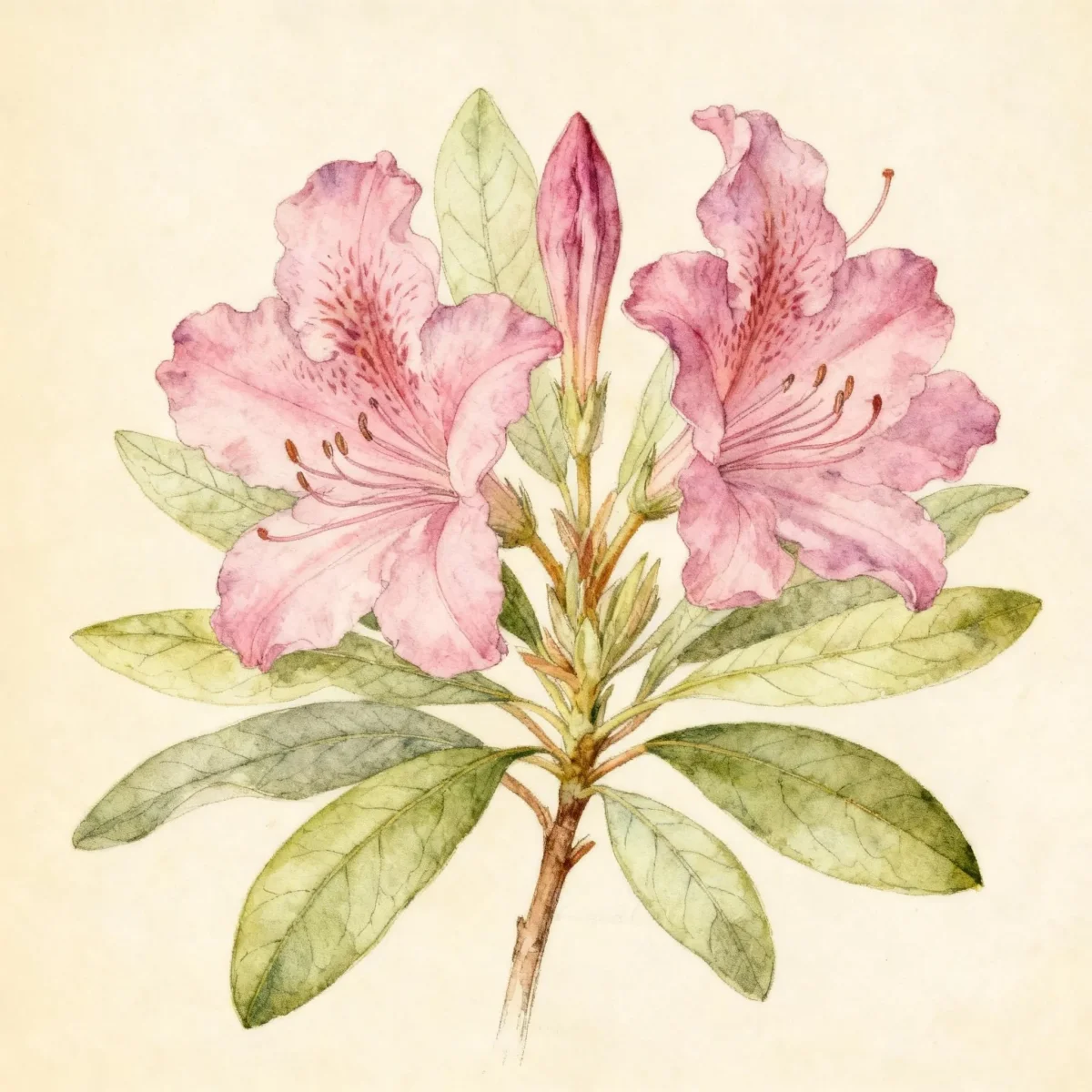
Rhododendron ‘Pleasant White’ is a standout Girard hybrid Azalea, cherished for its dense, evergreen foliage and brilliant display of pure white flowers each spring. This cultivar offers gardeners a low-growing shrub valued for its neat habit and strong visual impact when in bloom. As an evergreen Azalea, it provides year-round structure in the landscape.
This variety thrives best when planted in dappled sunlight or high open shade, making it an excellent choice for woodland margins or under taller deciduous trees. Successful cultivation of Rhododendron ‘Pleasant White’ hinges heavily on providing specific soil conditions. It requires acidic, humusy, and consistently moist, yet well-drained soil.
The manageable size of this particular Azalea makes it versatile. It serves beautifully as a formal or informal hedge, integrates well into mixed shrub borders, or can act as a specimen plant in shaded garden pockets. Planting Rhododendron ‘Pleasant White’ correctly ensures vibrant health and a reliable seasonal show.
Fast Facts
- Plant Family: Ericaceae
- Plant Type: Broadleaf evergreen
- Hardiness Zones: USDA Zones 5-8
- Size at Maturity:
- Height: 2-2.5 ft
- Spread: 2-2.5 ft
- Bloom Time: May
- Bloom Description: White
- Sun Exposure: Part shade
- Water Needs: Medium
- Maintenance Level: Medium
How to Grow
Planting Azaleas involves careful soil assessment, as drainage and pH are paramount. The best time to establish Rhododendron ‘Pleasant White’ is when soil temperatures are moderate, allowing roots time to settle before intense summer heat or severe winter cold. Site these shrubs where they receive protection from strong winds and afternoon sun, which can scorch the foliage.
Ensure the soil is acidic, typically targeting a pH between 5.0 and 5.5; use sulfur or iron sulfate if acidification is necessary. Incorporate ample organic matter to improve moisture retention and structure, as this Azalea dislikes “wet feet.” If you have heavy clay soils prone to waterlogging, consider planting in raised beds to guarantee superior drainage, which prevents inevitable root rot issues.
Watering should be consistent to maintain medium moisture levels; the shallow, fibrous root systems must never be allowed to dry out, especially during summer or when establishing. Apply a thick layer of mulch, such as wood chips or pine needles, around the base to conserve moisture and stabilize soil temperatures, but keep mulch away from the plant stems. Avoid cultivating near the base, as the roots are delicate and shallow.
Immediately after the white flowers fade in May, promptly clip off spent flower clusters—a practice known as deadheading—to encourage energy redirection toward next year’s growth. Be aware that while flower buds are hardy to about -7°F, Rhododendron ‘Pleasant White’ may struggle with winter hardiness in the coldest reaches of Zone 5, leading to reduced flowering or foliage burn.
Landscape Uses
The compact, uniform shape of Rhododendron ‘Pleasant White’ makes it highly valuable for structured garden design. It excels when used to line pathways or define property borders, serving effectively as a low-maintenance hedge that remains attractive year-round due to its evergreen leaves. Consider grouping several plants together for mass effect when a bold statement of white blooms is desired in spring.
This Azalea fits perfectly within woodland garden settings, situated where it can receive the soft, filtered light that mimics its native habitat. Pair Rhododendron ‘Pleasant White’ with other acid-loving plants like Camellias, Pieris, or rhododendrons with different bloom times to extend the season of interest. It also functions well tucked under the open canopy of established, non-walnut trees.
For foundation plantings, its predictable 2 to 2.5-foot height makes it an excellent mid-layer component, providing evergreen texture against the house or below taller screening shrubs. Its clean look ensures that it brightens shaded corners, providing contrast against dark mulch or deep green groundcovers.
Standout Features
Flower Qualities
- Showy
Noteworthy Characteristics
Rhododendron is part of a genus that encompasses both what gardeners commonly call rhododendrons and azaleas, originating primarily from the Northern Hemisphere. This particular plant, Rhododendron ‘Pleasant White’, is a specialized Girard hybrid known for its upright, low-growing form and large, rounded white flowers reaching up to 3 inches across in May. Gardeners appreciate its reliable evergreen foliage, which offers texture during the dormant winter months.
Tolerances
- Rabbit
Potential Problems
Rhododendrons and Azaleas, including this specific variety, are magnets for a variety of pests and diseases if cultural requirements are not met. Common insect issues involve aphids, lacebugs, and scale, while disease susceptibility includes blights, powdery mildew, and various root and crown rots. Root rot is frequently tied directly to poor drainage; if the soil remains soggy, the root system suffocates and decays.
Prevention centers on adherence to the ideal environment: highly acidic, well-drained soil kept consistently moist but never waterlogged. If leaves turn yellow—a condition called chlorosis—it often signals an iron deficiency caused by soil pH becoming too high. Correcting this involves acidifying the soil to the preferred 5.0-5.5 range.
Maintaining plant vigor through proper watering and mulching is the best defense against pervasive issues. A healthy Rhododendron ‘Pleasant White’ is naturally more resistant to infestation and infection than a stressed plant.
Frequently Asked Questions
What hardiness zones is Azalea (‘Pleasant White’) suitable for?
Rhododendron ‘Pleasant White’ is recommended for USDA Hardiness Zones 5 through 8.
How large does Azalea (‘Pleasant White’) grow?
This compact Azalea typically matures to a height and spread between 2 and 2.5 feet.
What sun exposure does Azalea (‘Pleasant White’) need?
It performs best when situated in part shade, preferring dappled light or morning sun followed by afternoon shade to prevent leaf scorch.
When does Azalea (‘Pleasant White’) bloom?
This variety displays its white flowers during the month of May.
Conclusion
Rhododendron ‘Pleasant White’ offers dependable year-round structure combined with spectacular spring white flowers, making it a staple for shaded garden areas. Its compact, evergreen nature ensures this Azalea adds elegance to borders and hedges in USDA Zones 5-8. Ensure you check your soil pH and drainage before planting to provide the acidic, humusy foundation this beauty requires for success.
Companion Planting
Successfully integrating Rhododendron ‘Pleasant White’ into your landscape involves selecting companions that share its need for acidic soil and partial shade. Consider planting near other Ericaceae family members like Mountain Laurel (Kalmia) or Heather (Calluna). Broadleaf evergreens that complement the Azalea’s texture, such as Japanese Holly (Ilex crenata) or certain evergreen ferns, create rich, layered winter interest.
Avoid planting near species that require high pH or dry conditions, as these needs will conflict directly with the Azalea’s requirements. Woodland companions that bloom before or after the Azalea, such as Daffodils or Astilbe, can fill in the space around the shallow root zone while the Rhododendron ‘Pleasant White’ is dormant or just leafing out.
Seasonal Care Calendar
Spring care centers on monitoring spent blooms; promptly deadhead faded white flowers to focus the plant’s energy on root and foliage development rather than seed production. As summer arrives, focus intently on consistent, medium watering, ensuring the top layer of mulch stays damp but not soggy, as this Azalea cannot tolerate root drying.
In autumn, ensure the plant is well-hydrated going into winter dormancy, especially if the preceding summer was dry. If you garden in the cooler Zone 5 range, ensure the planting area is well-protected from drying winter winds. Throughout the growing season, resist the urge to cultivate or dig near the base to protect the crucial shallow root system.