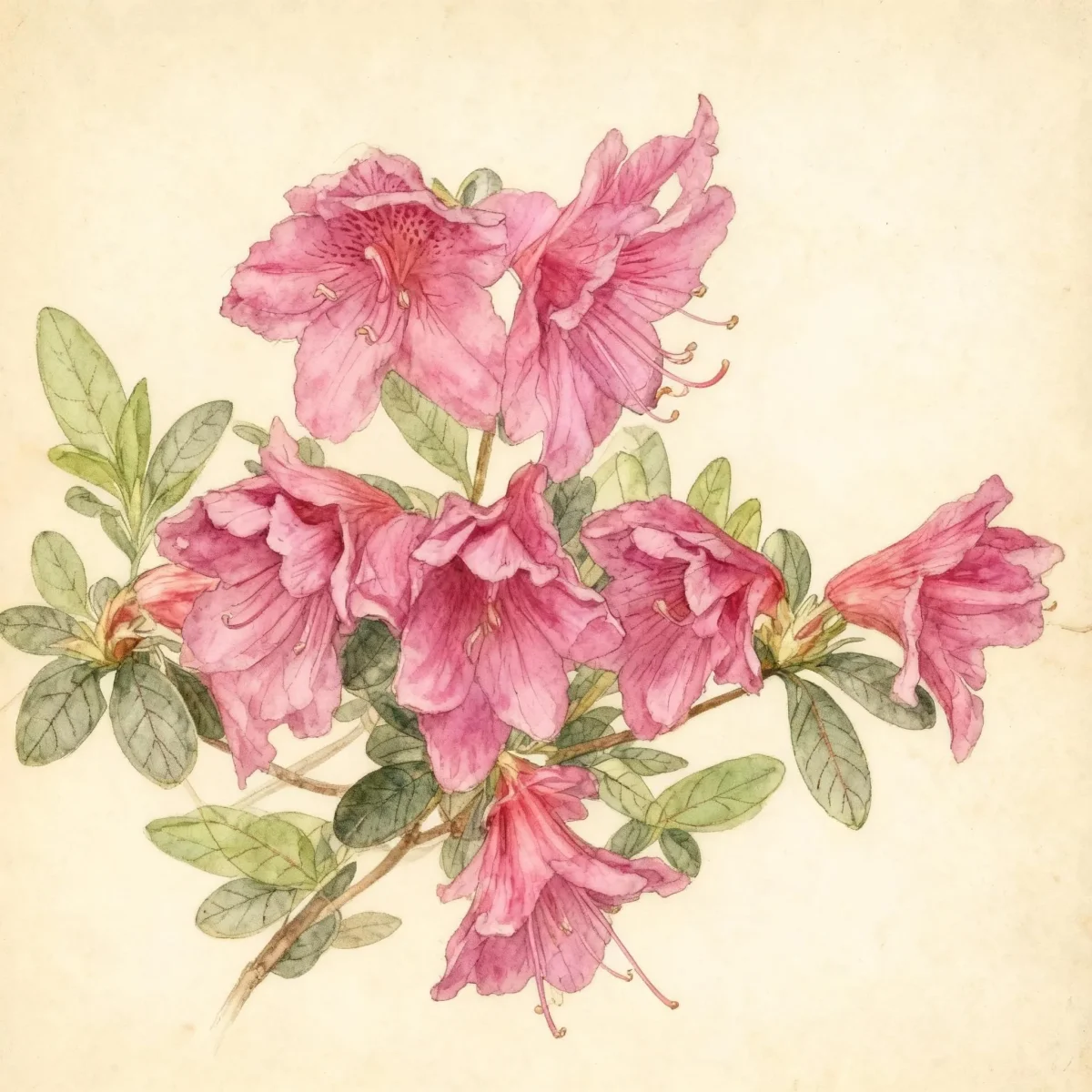
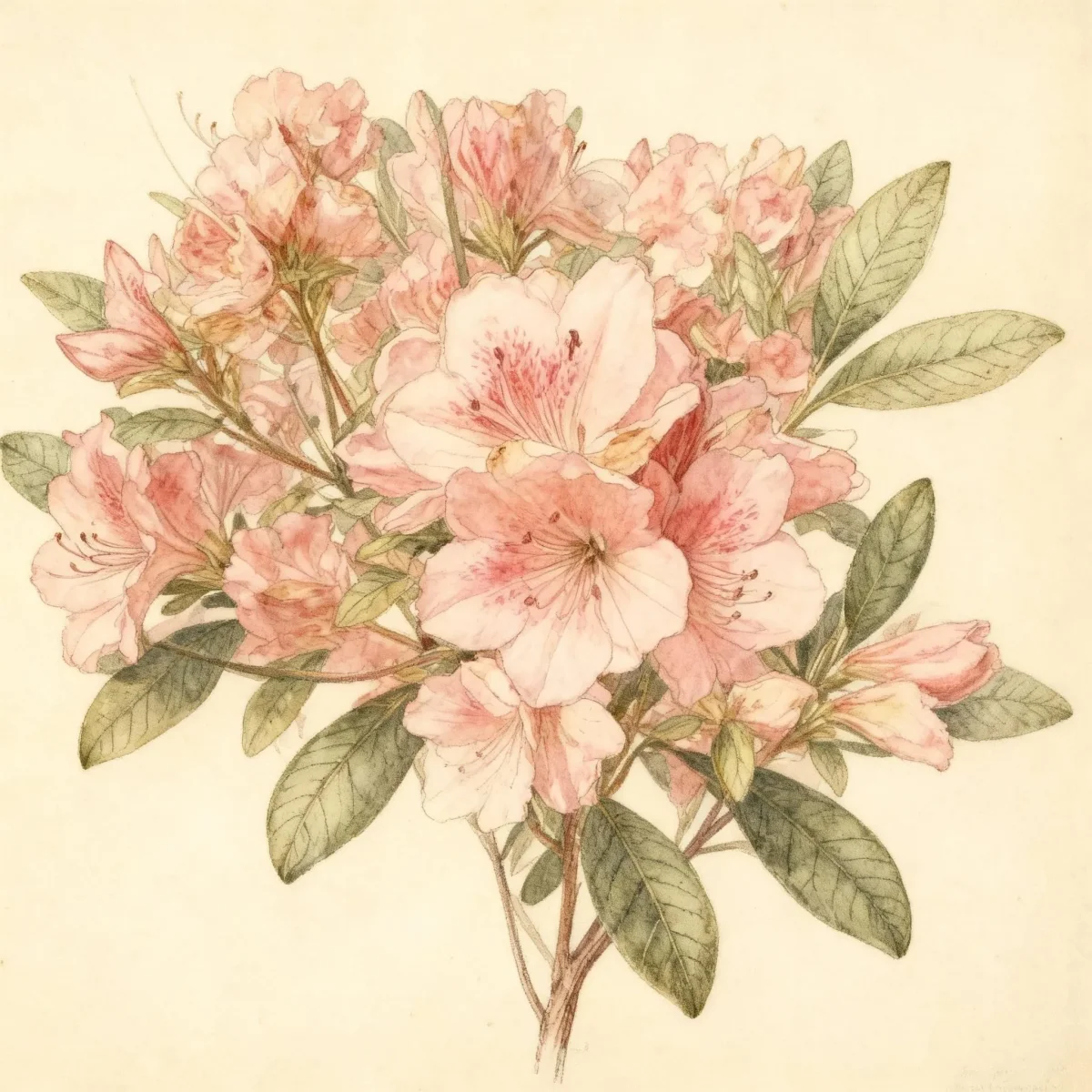
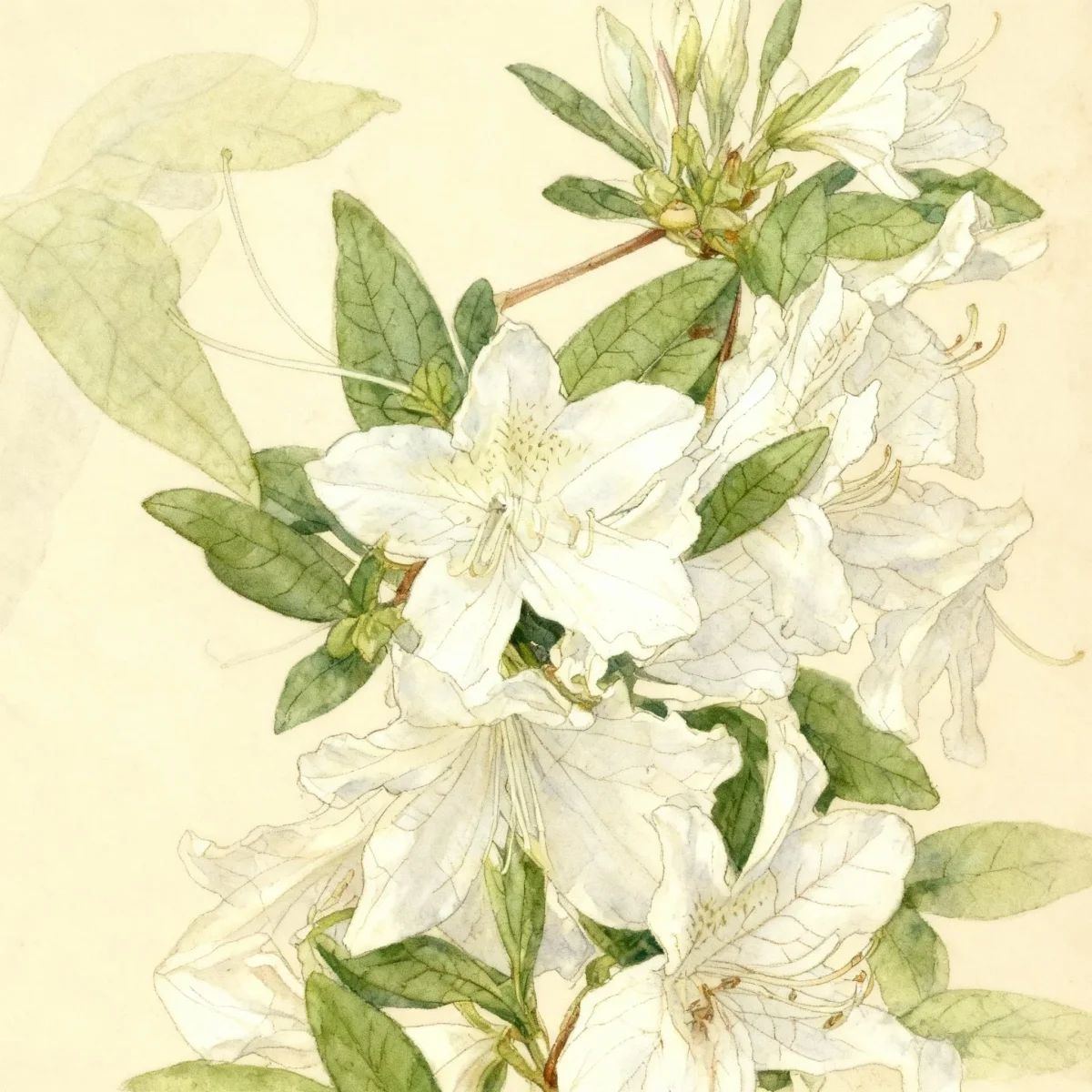
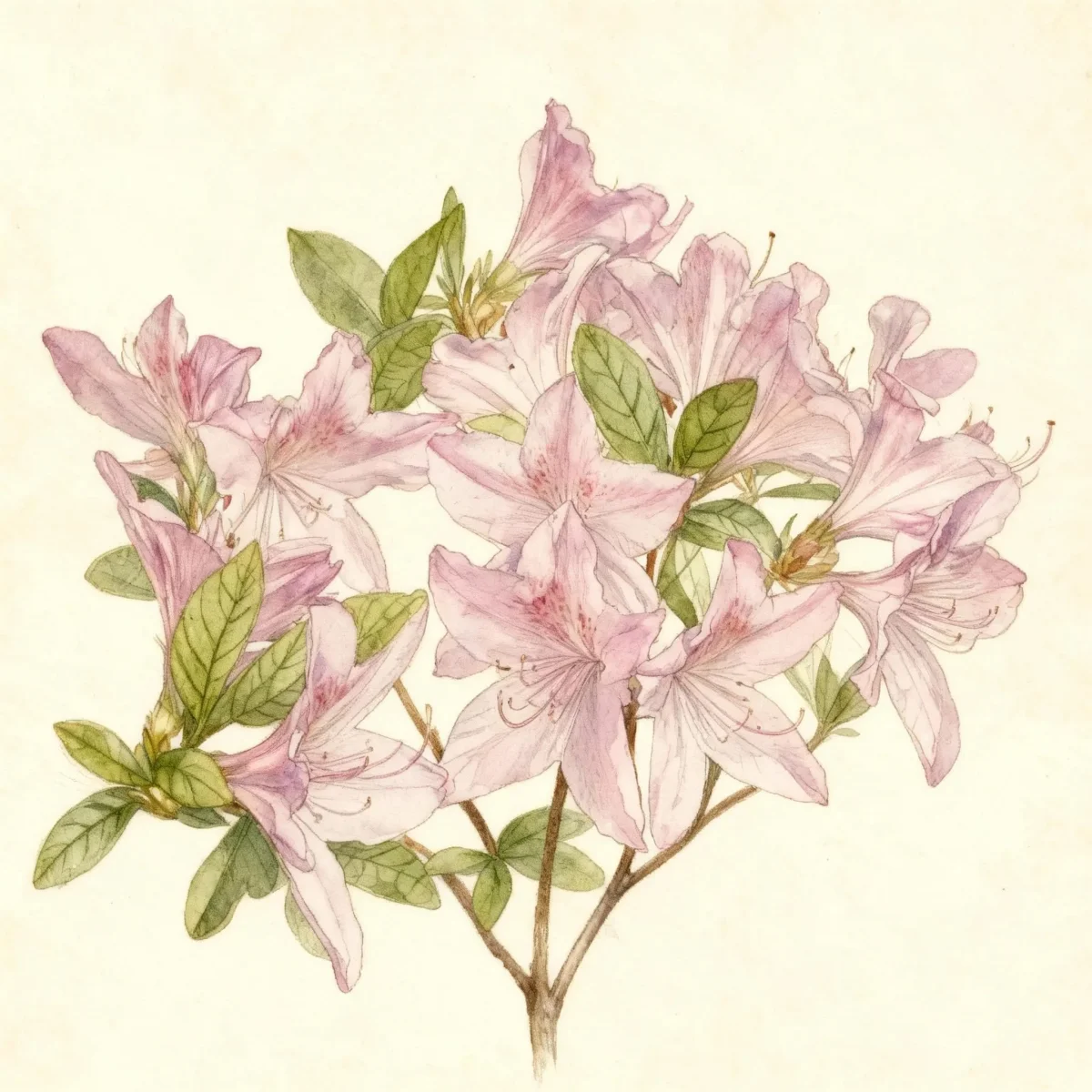
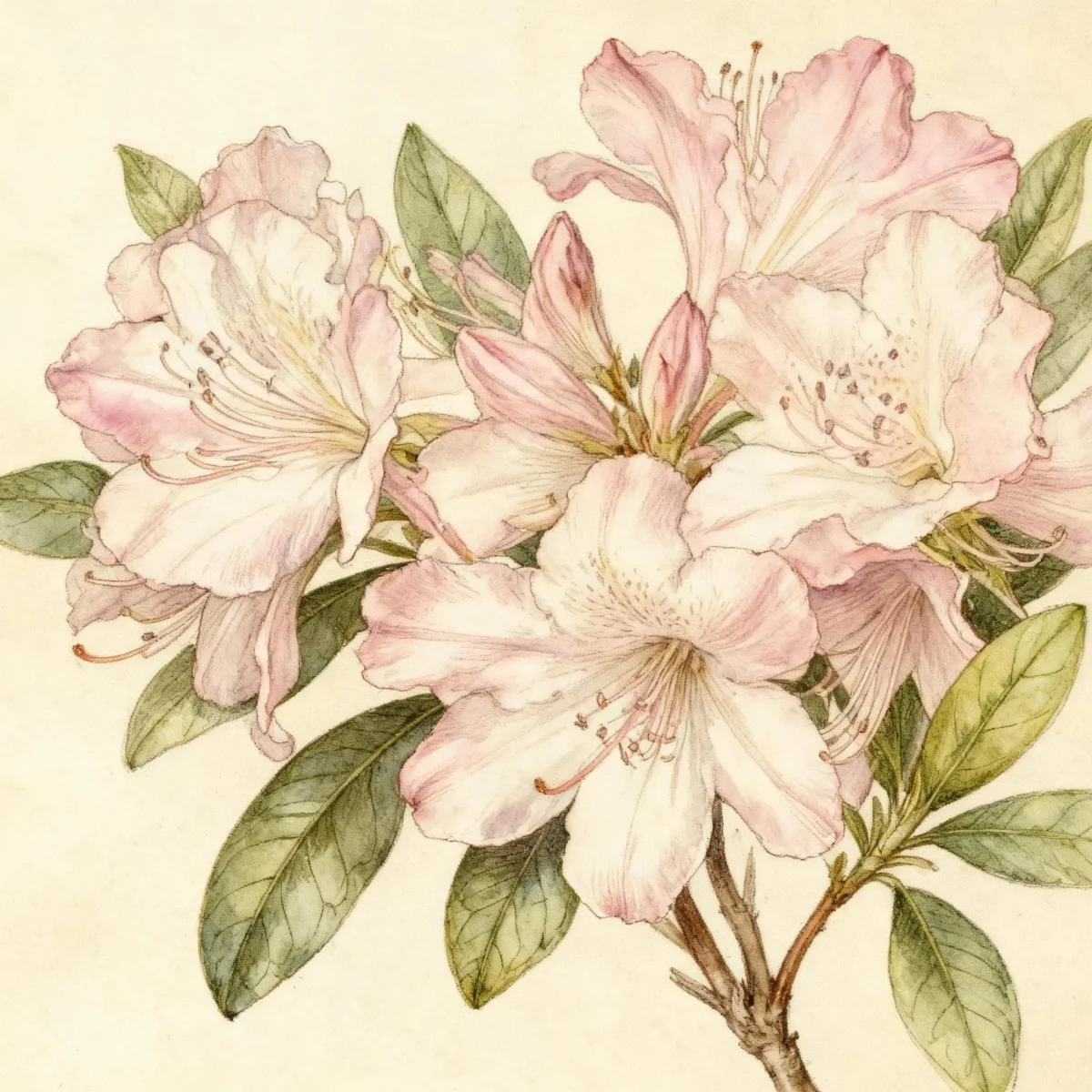
Evergreen azalea (Rhododendron 'Purple Pride')
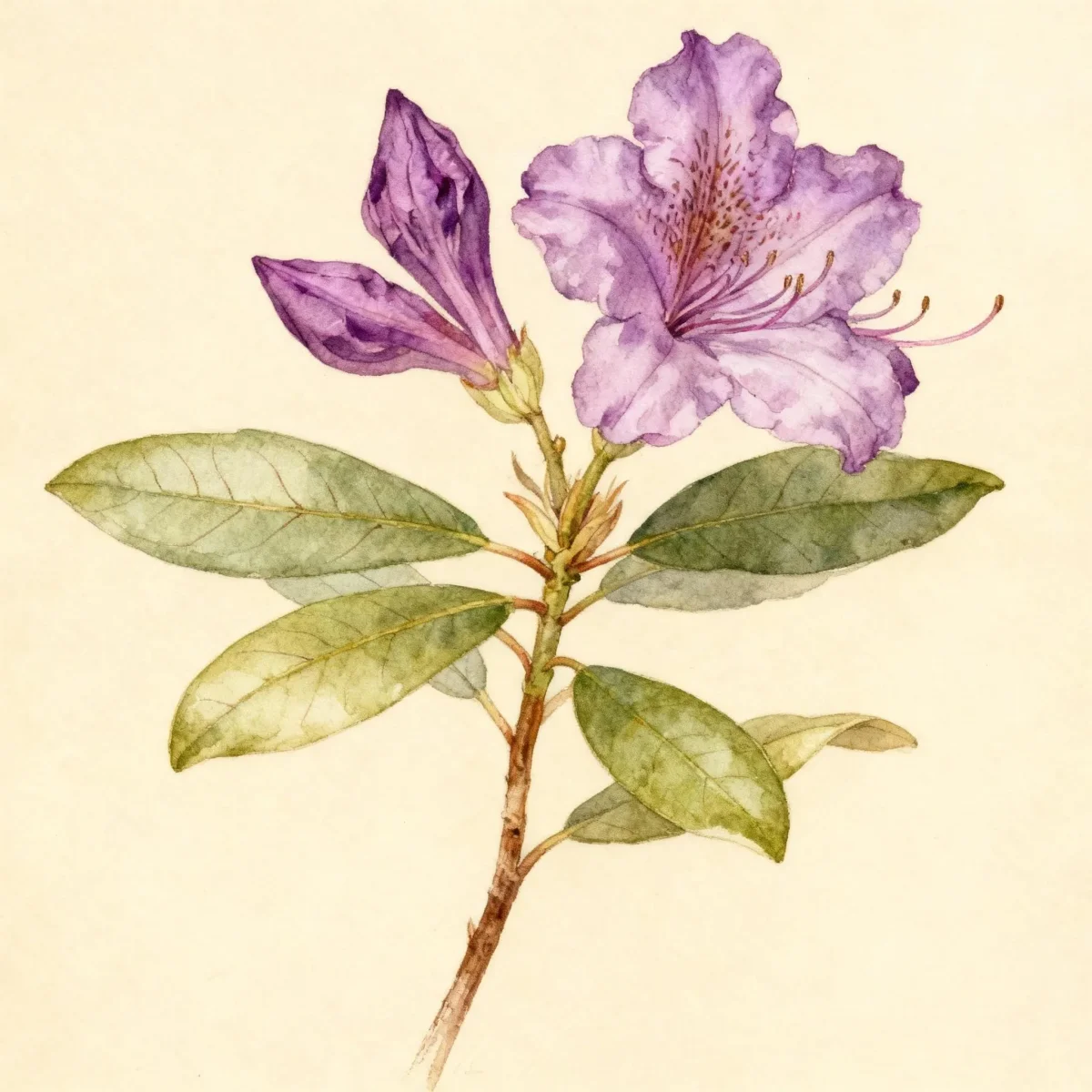
Rhododendron 'Purple Pride', an Evergreen azalea, offers stunning reddish-purple blooms from April to May in USDA Zones 5-8.
Scroll down to discover growing tips, care requirements, companion plants, and more
Complete Plant Information
Overview
Rhododendron ‘Purple Pride’ is a distinguished Evergreen azalea cultivar, valued by gardeners for its rich spring display of vibrant, reddish-purple flowers, highlighted by a deep purplish-red blotch. As a broadleaf evergreen, this selection provides consistent year-round structure and texture to the garden, setting it apart from deciduous varieties. Matures into a compact, rounded form ideal for defined plantings.
This hybrid, originating from crosses involving R. ‘Purple Splendor’ and R. ‘Vuyk’s Scarlet’, thrives when given consistent, acidic soil conditions. It fits perfectly into woodland settings or as a formal hedge where its medium size (2-3 feet tall and wide) can be neatly managed. The evergreen foliage ensures that even outside of bloom season, Rhododendron ‘Purple Pride’ contributes significantly to the landscape’s aesthetic appeal.
For optimal performance, gardeners should focus on replicating its native woodland edge environment, ensuring protection from harsh winds and afternoon intensity. Successful cultivation of Rhododendron ‘Purple Pride’ hinges on excellent drainage and consistent moisture management, which are key to maintaining the health of its shallow, fibrous root system.
Fast Facts
- Plant Family: Ericaceae
- Plant Type: Broadleaf evergreen
- Hardiness Zones: USDA Zones 5-8
- Size at Maturity:
- Height: 2-3 ft
- Spread: 2-3 ft
- Bloom Time: April to May
- Bloom Description: Reddish-purple with reddish blotch
- Sun Exposure: Part shade
- Water Needs: Medium
- Maintenance Level: Medium
How to Grow
The primary key to success with Rhododendron ‘Purple Pride’ is soil preparation. Plant in locations receiving dappled light or high open shade, avoiding hot afternoon sun which can scorch the leaves, a particular concern in warmer parts of its range. The soil must be acidic, generally targeting a pH between 5.0 and 5.5, and enriched with organic matter to ensure it remains humusy and moisture-retentive yet fully drained. Consider raised beds if heavy clay soils are present, as this shrub absolutely requires excellent drainage to prevent lethal root rot.
Watering should be consistent, maintaining medium moisture levels, but never allowing the plant to sit in soggy conditions—the roots must never dry out. Cultivation around the plant is unnecessary and discouraged due to the shallow, fibrous root system. Instead, apply a generous mulch layer of wood chips or pine needles annually to stabilize soil temperature and conserve moisture.
Pruning for Rhododendron ‘Purple Pride’ is generally minimal. The most important cultural task is deadheading; efficiently clip off spent flower clusters immediately after they fade to redirect energy toward next year’s buds rather than seed production. If soil pH drifts high, use elemental sulfur or iron sulfate periodically to acidify the soil and prevent chlorosis (yellowing leaves).
Finally, protect plants from strong winds and avoid planting near walnut family trees, as rhododendrons are highly susceptible to juglone toxicity produced by their roots.
Landscape Uses
This versatile Evergreen azalea excels in several design applications due to its compact and predictable size, reaching only 2 to 3 feet tall and wide. Rhododendron ‘Purple Pride’ is an excellent choice for creating defined shrub borders, providing year-round color contrast against foundation plantings. When massed together or used as specimens, the spring bloom ensures a spectacular focal point in shade or woodland gardens.
As its suggested_use indicates, this cultivar performs admirably when employed as a formal or informal hedge, lending structure to walkways or property lines where part shade prevails. Consider pairing Rhododendron ‘Purple Pride’ with shade-tolerant perennials like hostas, ferns, or astilbes, whose varied textures complement the glossy evergreen leaves beautifully while sharing similar soil acidity needs.
For woodland margins, plant along north or east-facing slopes where light is gentler, ensuring a protective backdrop that enhances the reddish-purple blooms in April and May. The reliable evergreen structure ensures that even after the flowers have faded, the garden retains depth and visual interest.
Standout Features
Flower Qualities
- Showy
Noteworthy Characteristics
Rhododendron is a genus of 500 to 900 species and includes both of what we commonly call rhododendrons and azaleas. This specific cultivar, ‘Purple Pride,’ is an evergreen azalea hybrid that distinguishes itself with funnel-shaped, single flowers in early to mid-season. It matures into a rounded compact form, retaining attractive, dark green evergreen leaves through the winter months, which is a key benefit for year-round garden interest.
Tolerances
- Rabbit
Potential Problems
Rhododendrons and azaleas, including ‘Purple Pride,’ are susceptible to various insect and disease issues if cultural needs are not met. Common pests include aphids, lacebugs, and scale, while diseases range from root rot (often caused by poor drainage) to leaf spot and blights. Chlorosis, where leaves turn yellow, is a frequent problem that signals soil pH is too high, leading to iron deficiency.
Prevention is the best defense; ensuring the plant is sited in acidic, well-drained soil, protected from strong winds, and kept consistently moist (but never wet) minimizes stress. Regularly inspect foliage for early signs of pests like lacebugs on the undersides of leaves. A healthy plant in the proper environment with proper care should have limited problems, however.
If root rot is suspected due to poor drainage—a known issue in heavy clay soils—immediately consider transplanting to a raised area and amending the soil heavily with organic matter to improve aeration around the shallow roots.
Frequently Asked Questions
What hardiness zones is Evergreen azalea suitable for?
Rhododendron ‘Purple Pride’ is suitable for gardeners located in USDA Zones 5 through 8.
How large does Evergreen azalea grow?
This cultivar typically matures at heights between 2 and 3 feet, with a similar spread of 2 to 3 feet.
What sun exposure does Evergreen azalea need?
Rhododendron ‘Purple Pride’ prefers part shade. Morning sun with afternoon shade is often ideal, though it can tolerate more sun in cooler northern summers.
When does Evergreen azalea bloom?
This plant features its striking reddish-purple blossoms from April into May.
Conclusion
Rhododendron ‘Purple Pride’ is an exceptional choice for adding consistent color and evergreen structure to partially shaded garden areas. Its reliable spring display and compact habit make it an invaluable screen or border plant, provided its need for acidic, well-drained soil is respected. Before planting, carefully check your local hardiness zone compatibility and ensure your soil pH is properly adjusted to welcome this beautiful Evergreen azalea.
Companion Planting
Selecting companions that share the acidic soil and part-shade requirements of Rhododendron ‘Purple Pride’ ensures a thriving mixed border. Focus on plants that offer textural contrast to the dense, glossy leaves. Groundcovers like Pachysandra or Vinca minor work well beneath the canopy, suppressing weeds and stabilizing soil moisture near the shallow roots.
For spring and summer interest, consider pairing ‘Purple Pride’ with shade-loving bulbs planted deeper, such as Daffodils, which bloom slightly earlier. Later in the season, ferns (like Japanese Painted Ferns) and Hellebores offer beautiful, contrasting foliage shapes as the azalea finishes its bloom cycle. Always maintain space between these companions and the azalea to ensure good air circulation.
Seasonal Care Calendar
Early spring, just as the plant is breaking dormancy, is the ideal time for a light application of slow-release fertilizer specifically formulated for acid-loving plants. This supports the development of the stunning reddish-purple flower buds you anticipate in April and May. Always ensure the mulch layer around Rhododendron ‘Purple Pride’ remains at 2 to 3 inches deep to protect the roots from temperature fluctuations.
After the bloom period concludes, promptly attend to deadheading. This means gently breaking off the spent flower clusters before they set seed. This activity is crucial for energy conservation and maximizing flowering potential for the following year. In midsummer, monitor watering closely, especially during dry spells, as the shallow roots are vulnerable to desiccation and must never be allowed to dry out completely.
As winter approaches in northern zones (Zones 5, 6), ensure the plant has adequate moisture before the ground freezes. Avoid heavy pruning in late summer or fall, as this can encourage tender new growth that may be damaged by hard freezes. Keep the plant protected from harsh winter winds throughout this dormant period.