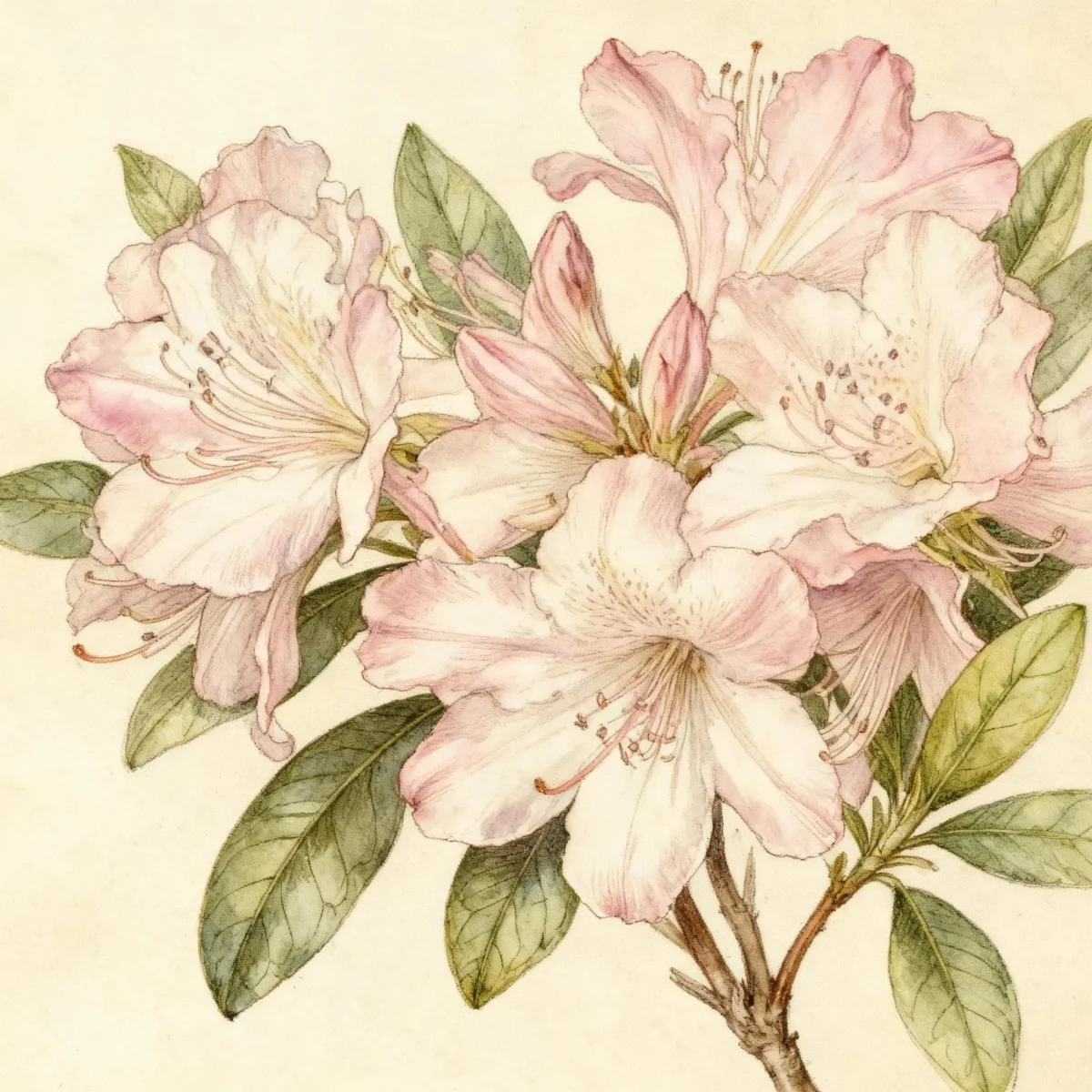
Evergreen azalea (Rhododendron 'Red Red')
Rhododendron 'Red Red' Evergreen azalea offers brilliant red spring blooms. Thrives in part shade and acidic soil, perfect for borders.
Scroll down to discover growing tips, care requirements, companion plants, and more
Complete Plant Information
Overview
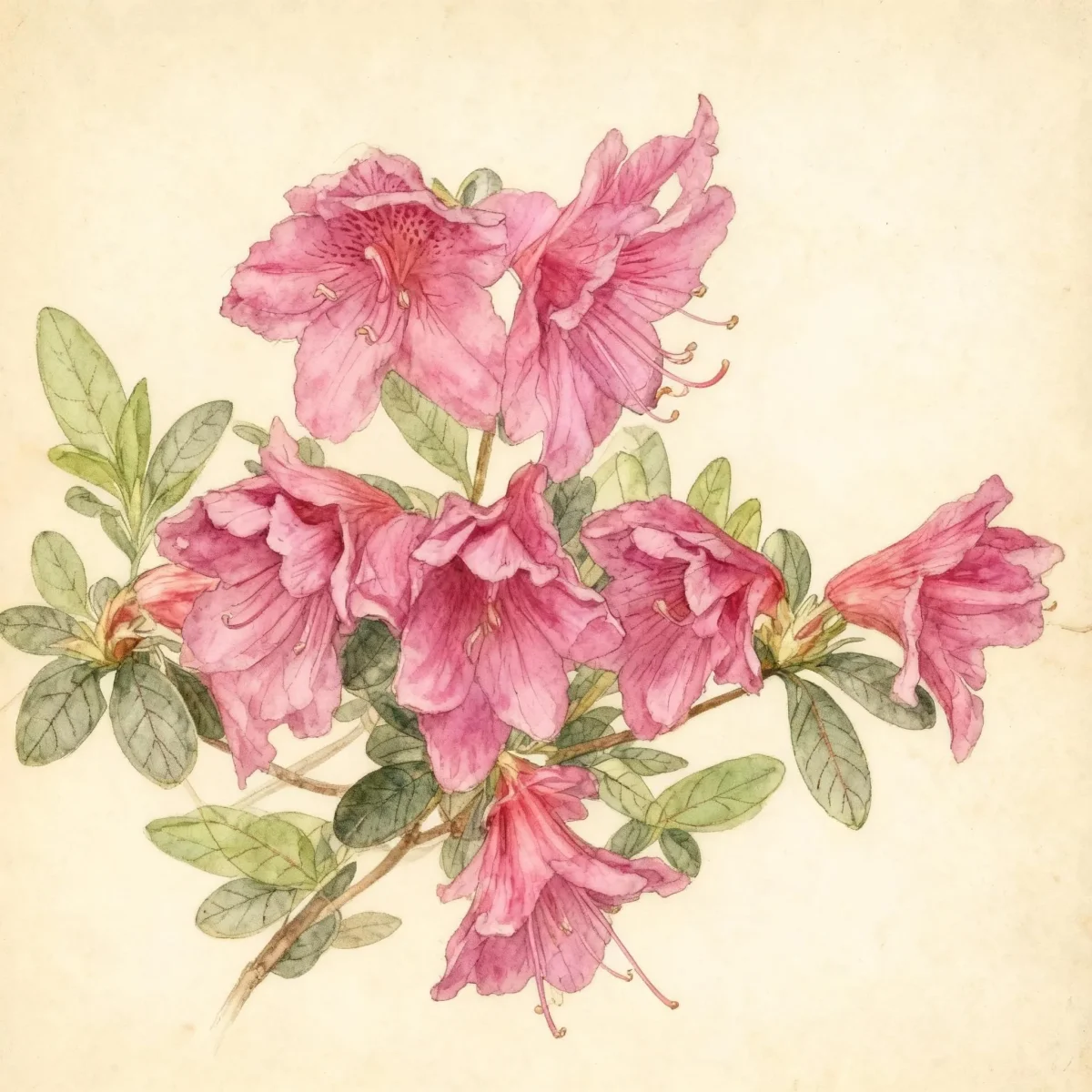
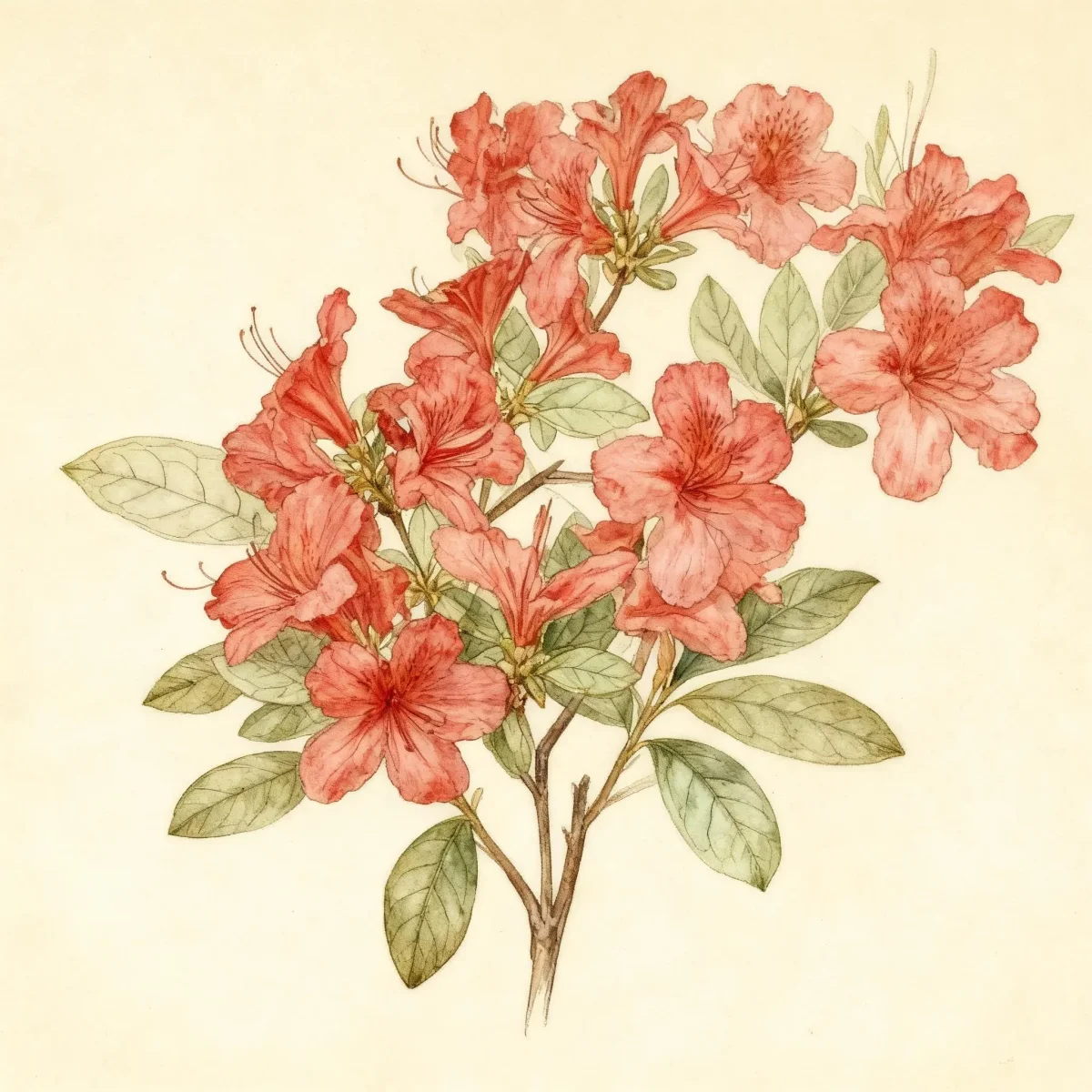
The Rhododendron ‘Red Red’ is a highly desirable Evergreen azalea cultivar, prized by gardeners for its vibrant display of bright red, funnel-shaped flowers that blanket the plant in May. As a broadleaf evergreen, this variety provides essential structure and year-round visual interest, even when not in bloom. Rhododendron ‘Red Red’ matures into a compact, multi-stemmed shrub, typically reaching 2 to 3 feet high and wide, making it versatile for smaller spaces or foundation plantings. Gardeners relying on acidic soil compositions will find Rhododendron ‘Red Red’ rewards them with stunning seasonal color and dependable winter foliage.
Fast Facts
- Plant Family: Ericaceae
- Plant Type: Broadleaf evergreen
- Hardiness Zones: USDA Zones 5-8
- Size at Maturity: Garden Height: 2-3 ft, Garden Spread: 2-3 ft
- Bloom Time: May
- Bloom Description: Red
- Sun Exposure: Part shade
- Water Needs: Medium
- Maintenance Level: Medium
How to Grow
Planting Rhododendron ‘Red Red’ requires attention to soil chemistry and drainage. These plants perform best when situated in well-drained, organically rich, humusy soil that is reliably moist but never waterlogged. Aim for a location offering dappled or high open shade, ideally receiving morning sun but protected from harsh afternoon heat, especially in warmer climates where leaf scorch is a risk. Strong winds should also be avoided to protect both foliage and flower buds.
Cultivation around this Evergreen azalea must be minimal due to its shallow, fibrous root system; avoid deep cultivation near the base. Mulching heavily with materials like pine needles or bark chips is crucial to conserve moisture and regulate soil temperature. Maintaining an acidic pH, ideally between 5.0 and 5.5, is paramount; amend using iron sulfate or sulfur if necessary, avoiding alkaline treatments like limestone.
Water needs are medium, but consistency is key—the roots of Rhododendron ‘Red Red’ must never fully dry out. After the spectacular May bloom finishes, promptly deadhead spent flower clusters to encourage energy redirection toward next year’s bud development. Ensure the planting site is chosen carefully, steering clear of trees in the walnut family due to sensitivity to juglone toxin.
Landscape Uses
The compact habit and stunning color of this Evergreen azalea make it exceptionally flexible in landscape design. Rhododendron ‘Red Red’ shines when used in mass plantings or grouped together to create striking drifts of red against green backdrop foliage. It functions perfectly as a primary component in mixed shrub borders, providing mid-season interest.
Functionally, Rhododendron ‘Red Red’ excels as a dense, low hedge where structure and seasonal color are desired. It is also an excellent choice for shading woodland garden margins or softening the foundation plantings around a home. Consider pairing this vividly colored azalea with lighter-toned companion plants, such as Japanese forest grass or white-flowering hostas, to enhance the brilliance of the red blooms.
Standout Features
Flower Qualities
- Showy
Noteworthy Characteristics
Rhododendron is a genus of 500 to 900 species and includes both of what we commonly call rhododendrons and azaleas. As a Shammarello hybrid, ‘Red Red’ is an evergreen azalea known for its bright red flowers, typically maturing into a compact, broad-upright form reaching 2-3 feet tall. Its small, glossy, grayish olive-green leaves turn attractive reddish-yellow tones during the winter months, adding further season-long appeal.
Tolerances
- Rabbit
Potential Problems
Like all rhododendrons and azaleas, this Evergreen azalea can suffer from various insect and disease pressures if cultural requirements are not met. Common insect targets include aphids, lacebugs, and scale, while diseases manifest as blight, leaf spot, or root rot. Root rot is particularly common if soil drainage is poor, emphasizing the need for raised beds in heavy clay soils.
Chlorosis, where leaves turn distinctively yellow, is a key indicator of soil imbalance, usually signaling that the soil pH has become too high, causing iron unavailability. Correct this by applying acidifying agents. A healthy Rhododendron ‘Red Red’ properly maintained in optimal acidic, well-drained conditions will naturally resist most serious issues.
Frequently Asked Questions
What hardiness zones is Evergreen azalea suitable for?
This Evergreen azalea variety, Rhododendron ‘Red Red’, is hardy within USDA Zones 5 through 8.
How large does Evergreen azalea grow?
Rhododendron ‘Red Red’ typically matures to a height between 2 and 3 feet, spreading out to a similar width of 2 to 3 feet.
When does Rhododendron ‘Red Red’ bloom?
This cultivar features its vibrant red flowers during the month of May.
What sun exposure does Rhododendron ‘Red Red’ need?
It requires part shade, preferring locations that offer dappled light or protection from intense afternoon sun exposure.
Conclusion
The Rhododendron ‘Red Red’ offers gardeners reliable, compact evergreen structure complemented by an arresting display of true red blooms every May. Its evergreen nature ensures winter interest, making this cultivar a valuable addition to any specialized garden scheme. Before planting, always verify your yard’s soil acidity and drainage to ensure the long-term success of your new Evergreen azalea.
Companion Planting
Strategic companion planting enhances the aesthetic appeal and cultural success of Rhododendron ‘Red Red’. Since azaleas prefer acidic, humusy soil, pair them with other Ericaceae family members like blueberries or mountain laurels. For shade-tolerant groundcovers that appreciate similar moisture levels, consider planting Hakonechloa (Japanese Forest Grass) or low-growing ferns.
Avoid planting near species that require significantly different pH levels, such as those preferring alkaline soil, as maintaining disparate soil conditions becomes complex. Furthermore, due to the threat of juglone sensitivity, ensure there are no walnuts or hickories nearby, prioritizing companions that thrive under the dappled sun conditions optimal for this beautiful red azalea.
Seasonal Care Calendar
Spring is crucial for Rhododendron ‘Red Red’ maintenance, focusing on quickly removing spent flowers immediately after the May bloom concludes. This action directs energy toward developing next year’s flower buds rather than seed production. Throughout the summer, ensure consistent watering to keep the shallow roots moist, applying mulch if it has eroded.
As temperatures cool in autumn, begin checking soil pH levels if you suspect alkalinity is creeping in; apply sulfur now if acidification is needed, allowing time for the minerals to work before winter. Winter protection involves ensuring the plant is well-hydrated going into dormancy, as dehydrated foliage is highly susceptible to winter burn. Keep mulch layers thick and undisturbed to insulate the fibrous root ball.