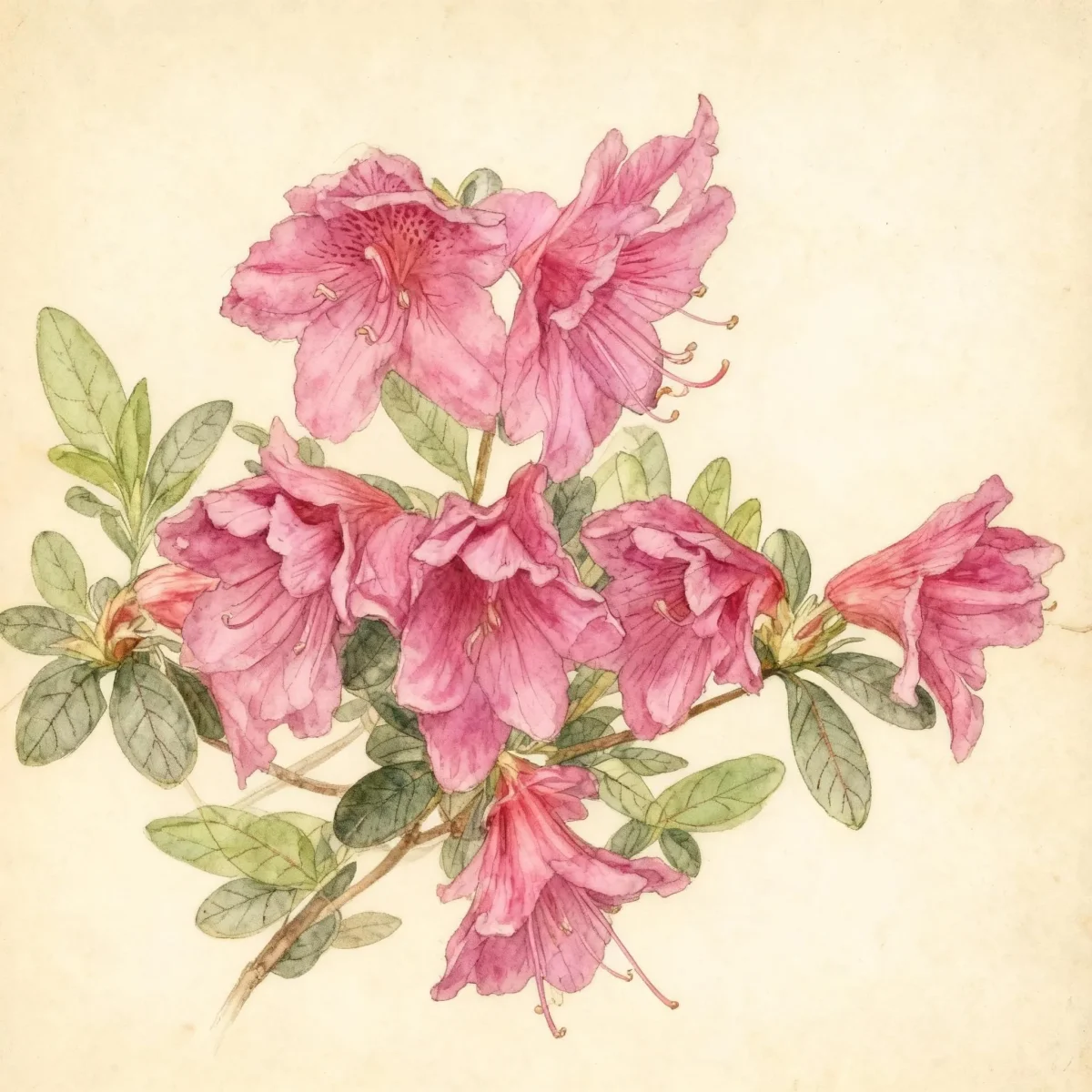
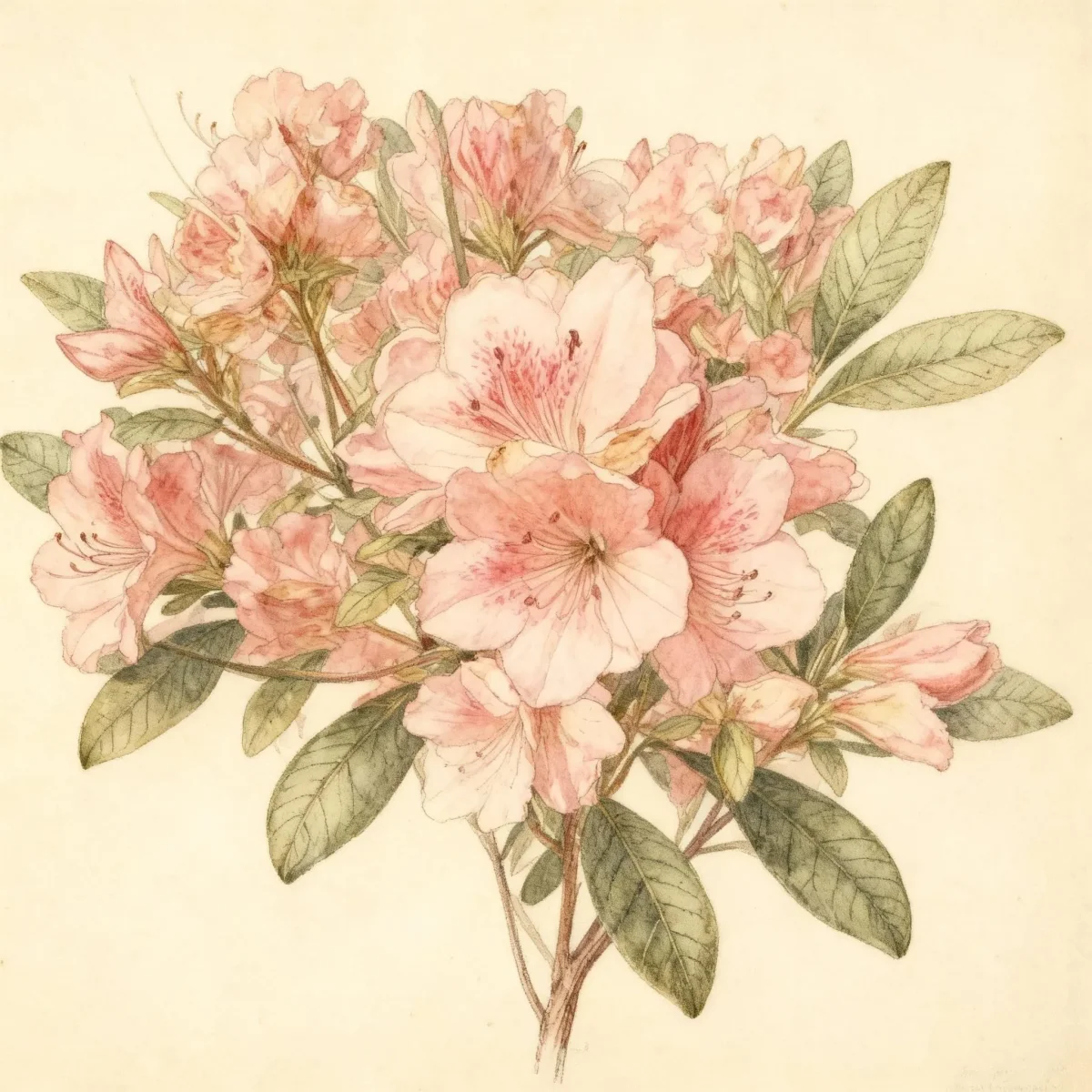
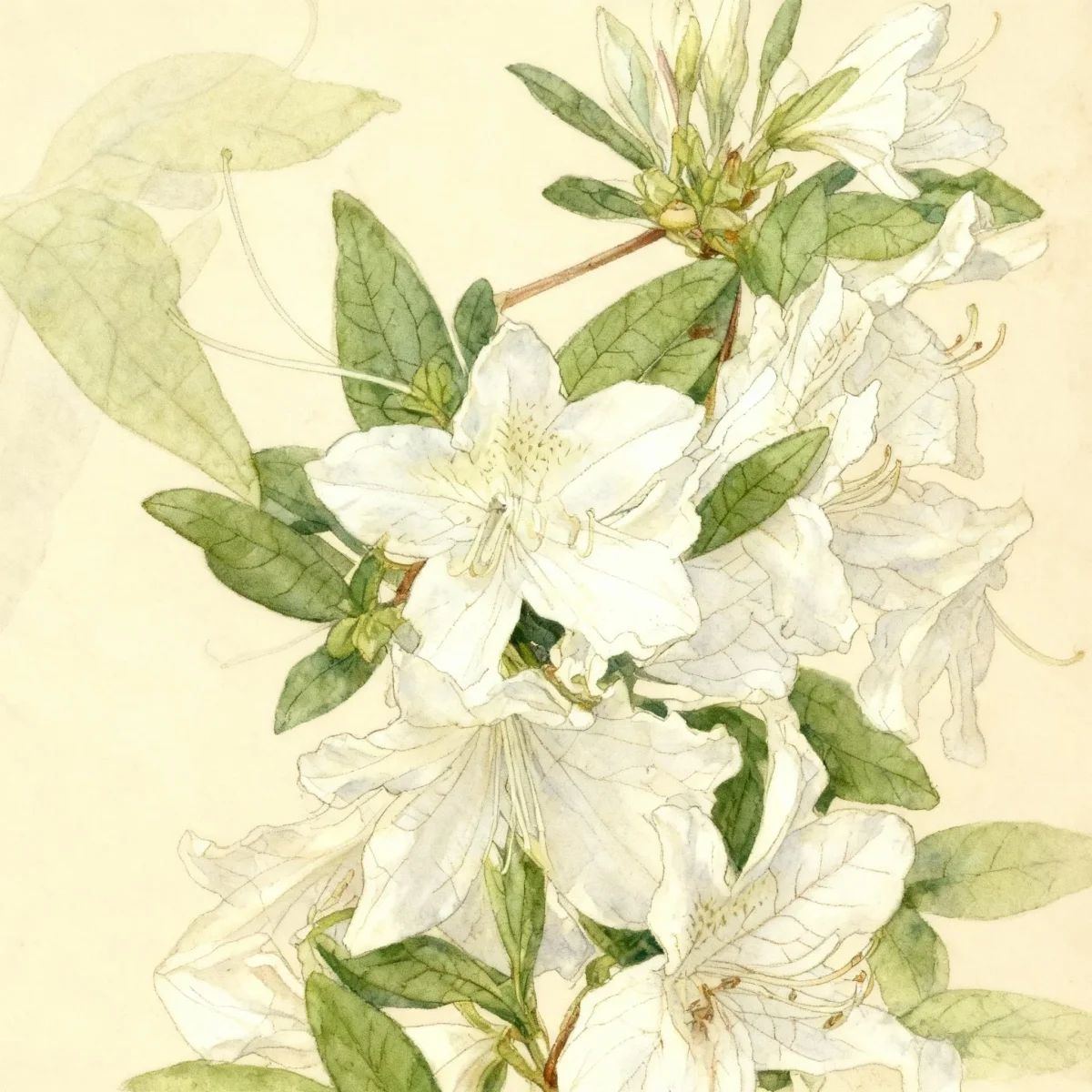
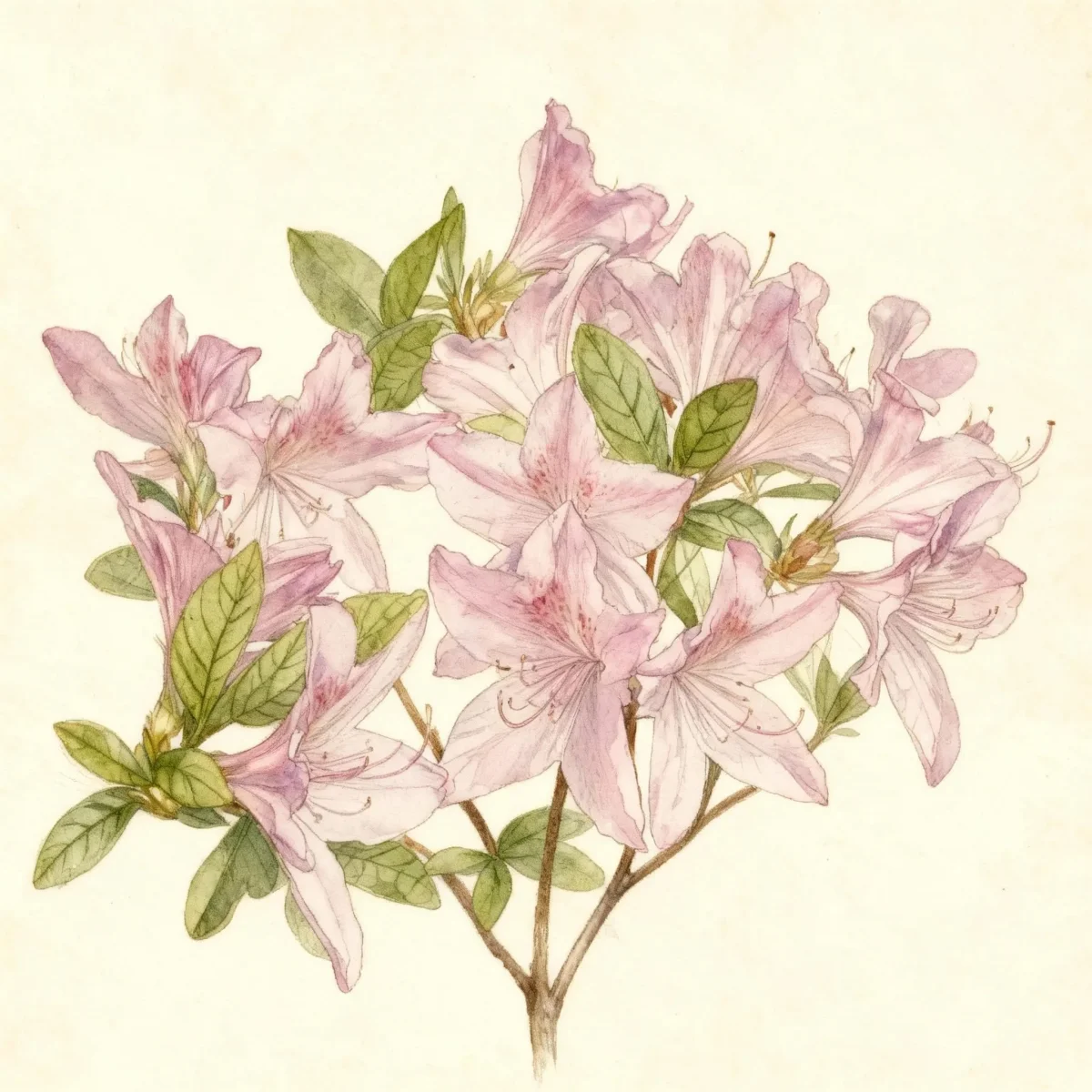
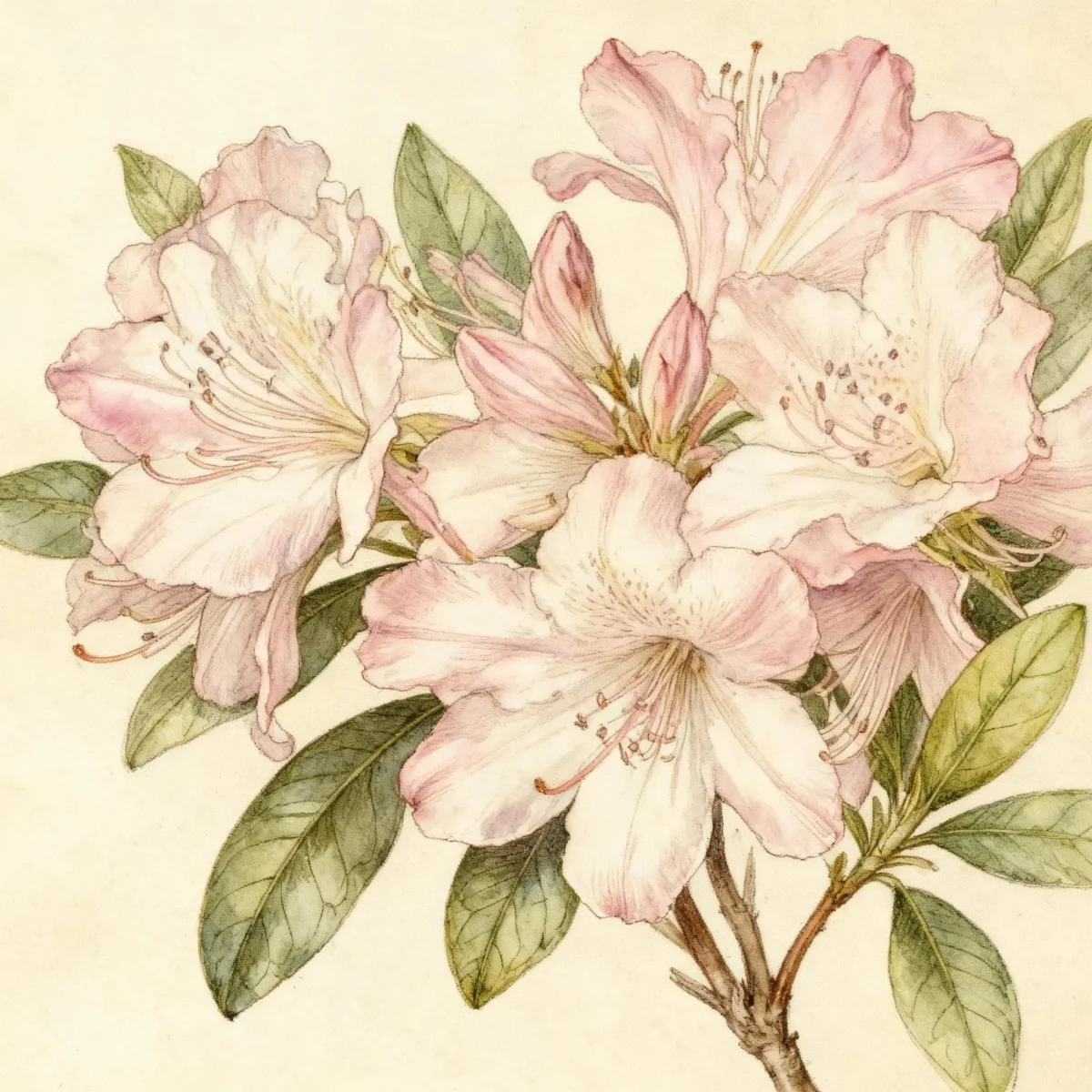
Evergreen azalea (Rhododendron 'Robert Hyatt')
Rhododendron 'Robert Hyatt' is a showy, compact Evergreen azalea, thriving in part shade in zones 5-8, perfect for borders or hedging.
Scroll down to discover growing tips, care requirements, companion plants, and more
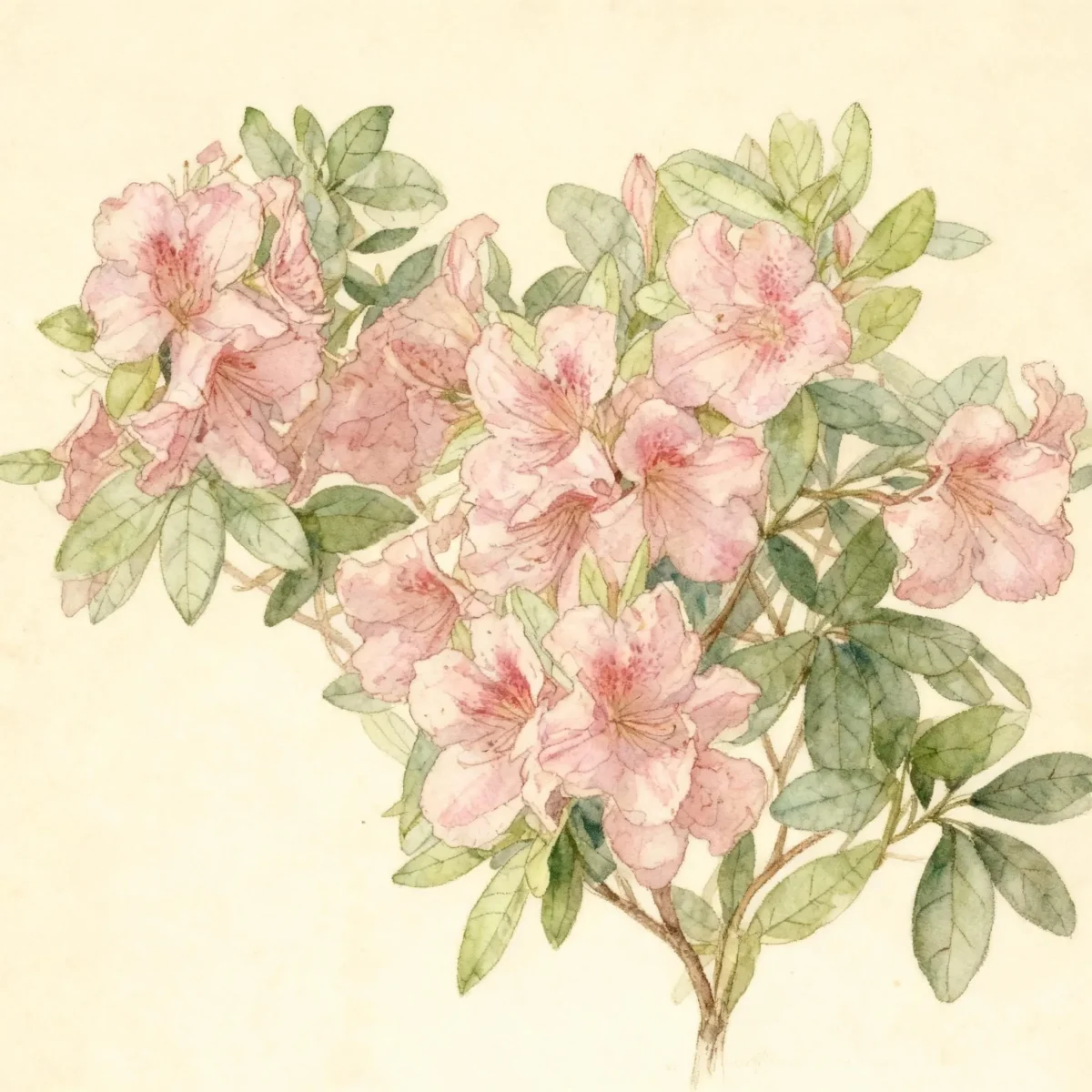
Complete Plant Information
Overview
The Rhododendron ‘Robert Hyatt’ is an excellent choice for gardeners seeking reliable spring color and year-round structure from their Evergreen azalea. This hybrid, developed for colder climates, provides glossy, narrow evergreen leaves that contrast beautifully with its bright pink, lightly-scented trumpet-shaped flowers. As a compact, slow-growing shrub, Rhododendron ‘Robert Hyatt’ offers significant aesthetic appeal without demanding excess space.
Valued for maintaining its foliage through the winter months, this Evergreen azalea contributes texture and depth to the landscape even when dormant. Its manageable 2 to 3-foot size makes it highly versatile, suitable for defined borders, foundation plantings, or low hedges requiring consistent, rich acid soil conditions. Gardeners focusing on woodland or shade gardens will find this cultivar particularly rewarding.
Successfully growing Rhododendron ‘Robert Hyatt’ hinges on providing appropriate acidic pH, excellent drainage, and protection from harsh elements like intense afternoon sun or wind. When these specific cultural needs are met, this cultivar rewards the gardener with dependable flowering display each spring, establishing itself as a foundational evergreen element.
Fast Facts
- Plant Family: Ericaceae
- Plant Type: Broadleaf evergreen
- Hardiness Zones: USDA Zones 5-8
- Size at Maturity:
- Height: 2-3 ft
- Spread: 2-3 ft
- Bloom Time: April to May
- Bloom Description: Pink
- Sun Exposure: Part shade
- Water Needs: Medium
- Maintenance Level: Medium
How to Grow
Planting evergreen azaleas like Rhododendron ‘Robert Hyatt’ requires attention to drainage and soil acidity, often necessitating raised beds in heavy clay soils. Aim to plant when cool, ensuring the soil is rich in organic matter and consistently moist, yet never waterlogged, as Azaleas are highly susceptible to root rot. Protect the location from strong winds, favoring north or east-facing slopes where morning sun transitions into afternoon shade is guaranteed.
Ongoing care centers around maintaining ideal soil conditions for this shallow-rooted shrub. Roots must never dry out, requiring regular medium watering, especially during dry spells. Mulching deeply with materials like pine needles or bark helps retain crucial moisture and maintain stable soil temperatures around the fibrous root system; avoid cultivating near the base. Acidify the soil as necessary, targeting a pH between 5.0 and 5.5, adjusting with sulfur or iron sulfate if the pH rises above this range.
Deadheading, or clipping off spent flower clusters immediately after flowering concludes, is a recommended maintenance task to encourage better energy distribution for the following season. Never site Rhododendron ‘Robert Hyatt’ near walnuts or butternuts, as these trees produce juglone, which is toxic to most rhododendrons and azaleas.
Landscape Uses
Rhododendron ‘Robert Hyatt’ is highly functional in formal and informal garden designs due to its dense, compact habit. Its uniform size lends itself perfectly to use as a low, neat hedge defining garden paths or property lines, providing evergreen substance year-round. Furthermore, its visual appeal makes it an exceptional specimen plant for highlighting shaded entryways or corners where its spring pink blooms can be easily appreciated.
For mixed borders, this Evergreen azalea pairs beautifully with other acid-loving companions such as ferns, dogwoods, or shade-tolerant perennials that offer contrasting foliage textures. When placed near woodland margins or within shade gardens, Rhododendron ‘Robert Hyatt’ helps anchor the layered look, ensuring consistent structure among deciduous plantings. Consider grouping several for a mass planting effect that maximizes the visual impact of the spring flower show.
Standout Features
Flower Qualities
- Showy
Noteworthy Characteristics
Rhododendron is a genus encompassing both rhododendrons and azaleas, distinguished primarily by their stamen count; azaleas having five, while true rhododendrons have ten. ‘Robert Hyatt’ is a specific hybrid cultivar renowned in cooler temperate zones for its compact, upright form and glossy leaves. Its signature feature is the lightly-scented, bright pink, trumpet-shaped flowers, reaching about 2 1/4 inches across, offering reliable color coverage in early to mid-spring.
Tolerances
- Rabbit
Potential Problems
Rhododendrons and azaleas face various pests and diseases, but proper cultural care significantly limits issues. Common threats include aphids, lacebugs, and scale, which can be managed with targeted horticultural oils or insecticidal soaps when infestations are noted. Fungal issues like leaf spot or root rot are often indicators of poor air circulation or—critically—poor soil drainage.
Chlorosis, manifesting as yellowing leaves, almost universally signals high soil pH preventing iron uptake. If this occurs on your Rhododendron ‘Robert Hyatt’, soil acidification using sulfur is essential to return the necessary acidic conditions (pH 5.0–5.5) required for nutrient absorption. A healthy Evergreen azalea established in rich, acidic, and well-drained soil will inherently resist most health challenges.
Frequently Asked Questions
What hardiness zones is Evergreen azalea suitable for?
Rhododendron ‘Robert Hyatt’ performs reliably in USDA Hardiness Zones 5 through 8.
How large does Rhododendron ‘Robert Hyatt’ grow?
This compact cultivar typically reaches a mature height and spread between 2 and 3 feet tall and wide.
What sun exposure does Evergreen azalea need?
Rhododendron ‘Robert Hyatt’ thrives best in part shade, preferring high open shade or dappled light, though it can handle some morning sun.
When does Evergreen azalea bloom?
This variety bursts into bloom with pink flowers, generally occurring from April into May.
Conclusion
The Evergreen azalea cultivar Rhododendron ‘Robert Hyatt’ stands out as a low-growing, highly structured shrub that offers dependable pink spring color and attractive evergreen foliage throughout the year. By focusing on its primary needs—acidic, well-drained soil and part-shade protection—gardeners can easily integrate this versatile plant into borders or hedges. Assess your local USDA zone compatibility before planting to ensure the best performance from your Rhododendron ‘Robert Hyatt’.
Companion Planting
Selecting appropriate neighbors is key in acid-loving gardens where Evergreens like the Rhododendron ‘Robert Hyatt’ are featured. Plants that share similar shallow, fibrous root systems and prefer consistent moisture without becoming soggy are ideal companions. Consider incorporating woodland staples such as Japanese maples (Acer palmatum) for textural contrast or various shade-tolerant groundcovers like Hosta varieties or Heuchera (Coral Bells).
These companions help create the filtered light environment that this Evergreen azalea prefers, mitigating the risk of leaf scorch from strong afternoon sun. Avoid planting vigorous lawn grasses right up to the base of the shrub, as heavy competition for moisture and nutrients can stress the delicate feeder roots of Rhododendron ‘Robert Hyatt’.
Seasonal Care Calendar
Spring is the critical window for maximizing bloom potential; ensure the soil pH is correct right before the growth flush begins and promptly deadhead flowers as soon as they fade. Summer months demand vigilance regarding watering; use surface irrigation to keep the soil consistently moist, remembering that roots must never dry out, and apply fresh mulch if needed for insulation.
Fall preparation should focus on minimizing winter stress before the ground freezes. While evergreen foliage can suffer from winter burn, ensuring the shrub is deeply watered just before the ground hardens off provides the necessary hydration reserves. Pruning is minimal for Rhododendron ‘Robert Hyatt’; restrict major shaping to immediately after flowering to avoid cutting off next year’s prospective buds.