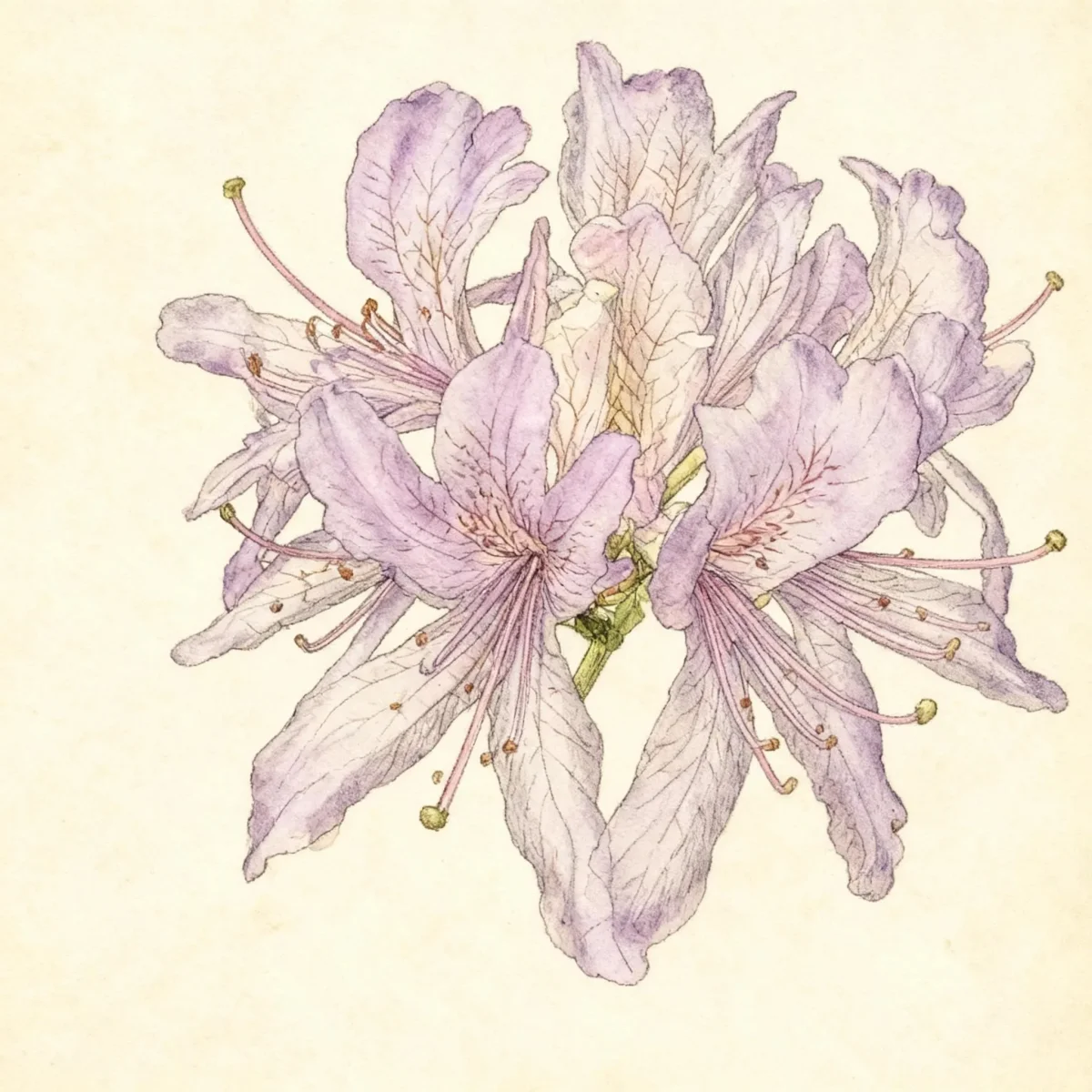
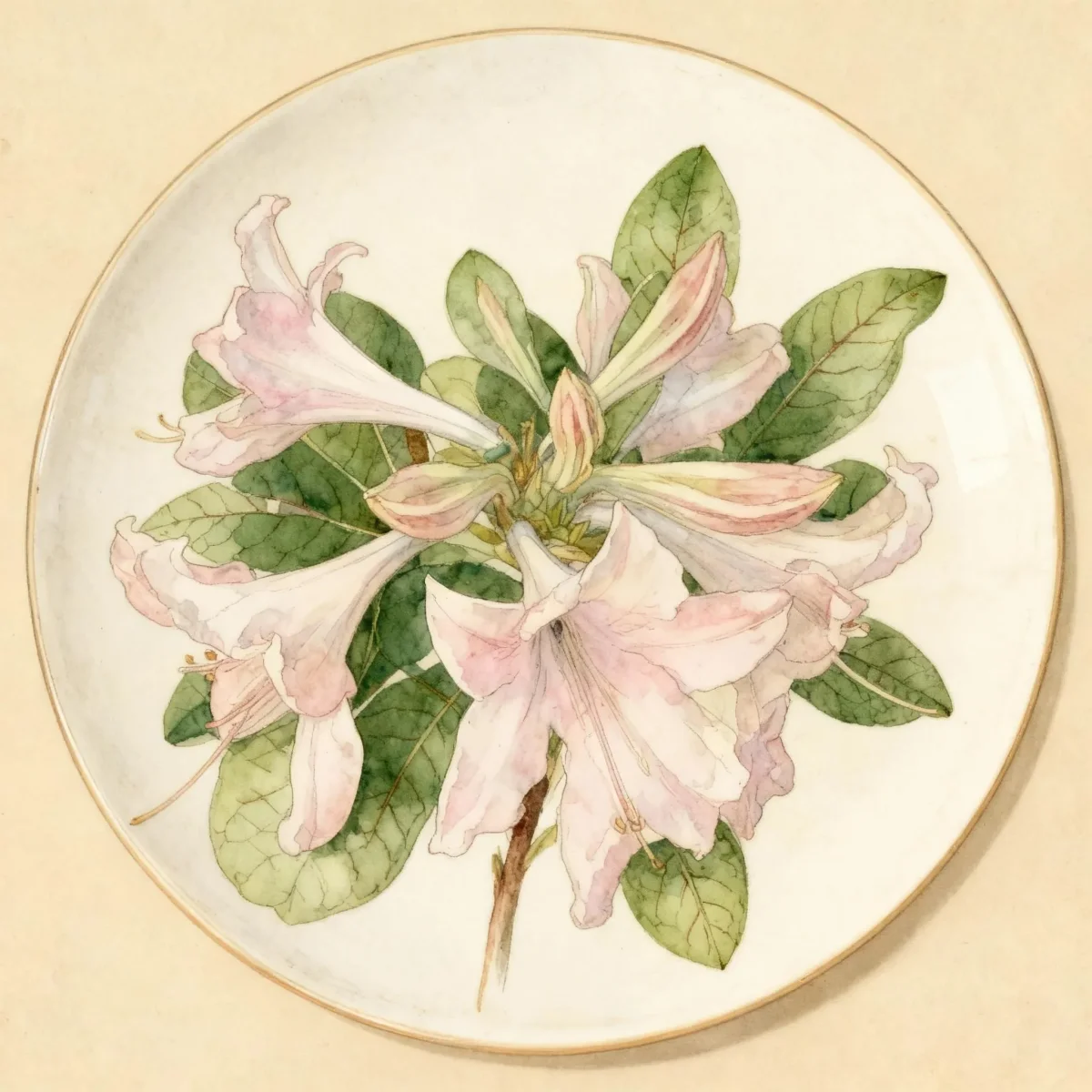
Deciduous azalea (Rhododendron 'Rosy Lights')
Rhododendron 'Rosy Lights' is a hardy, fragrant Deciduous azalea offering showy deep rosy pink blooms, perfect for Zones 4-8.
Scroll down to discover growing tips, care requirements, companion plants, and more
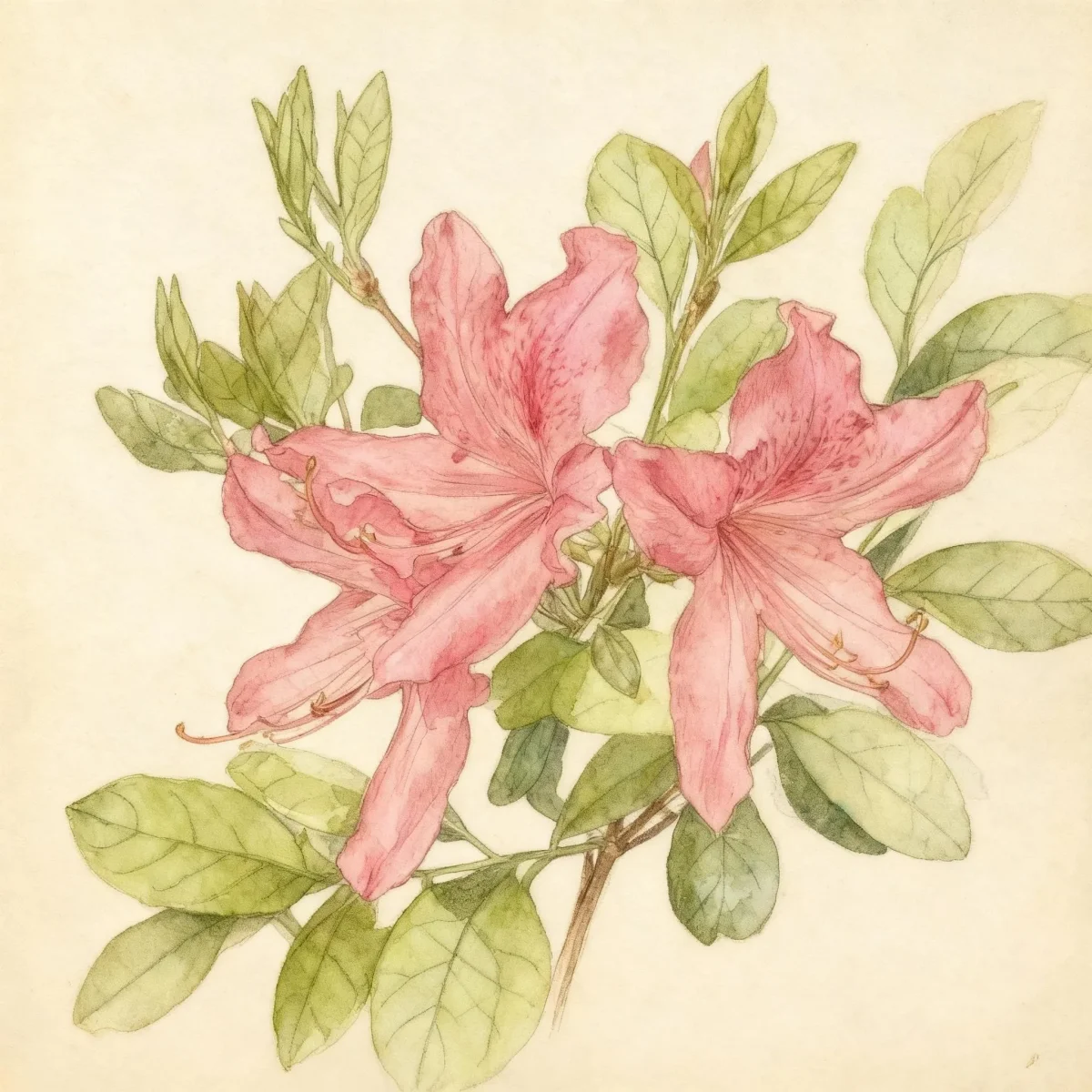
Complete Plant Information
Overview
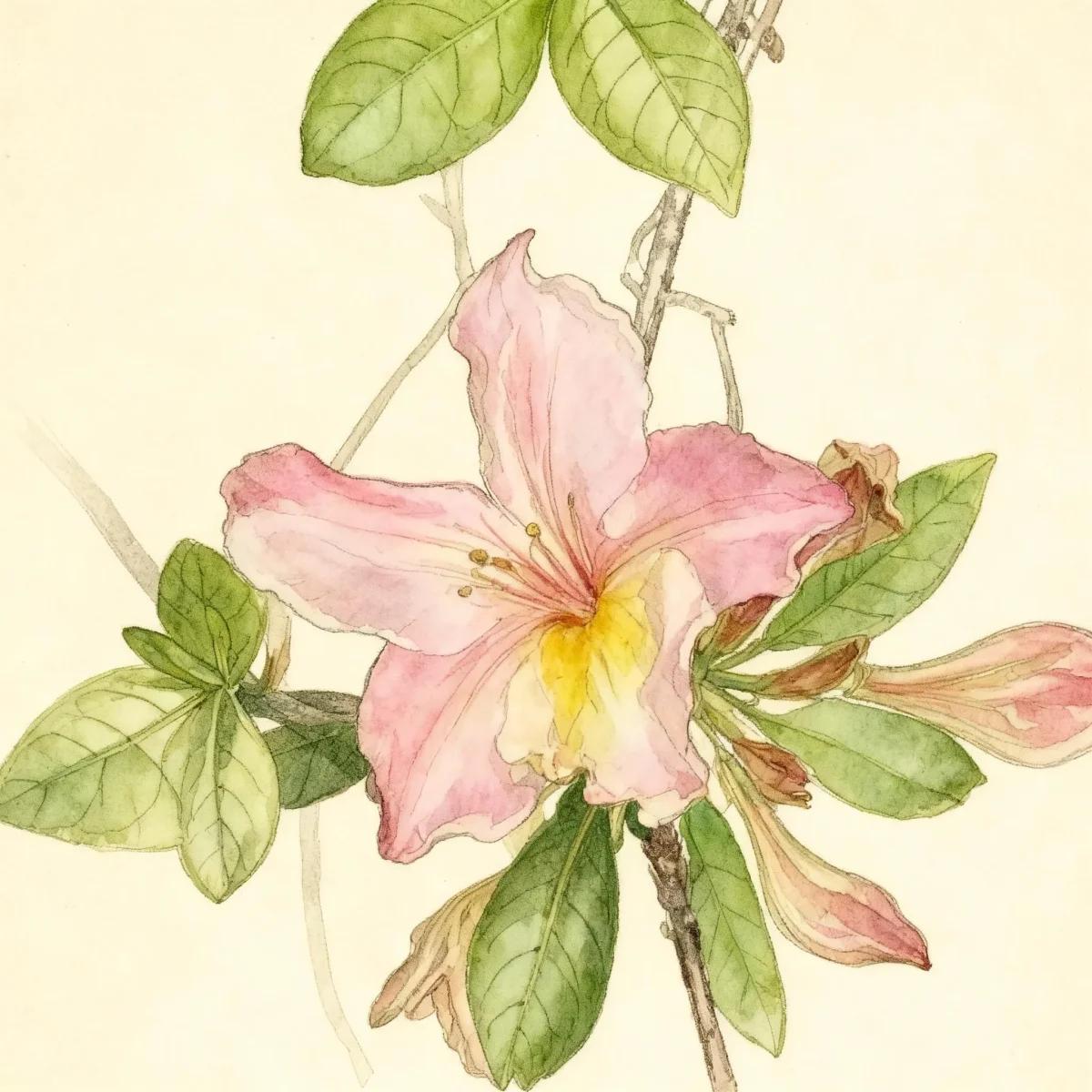
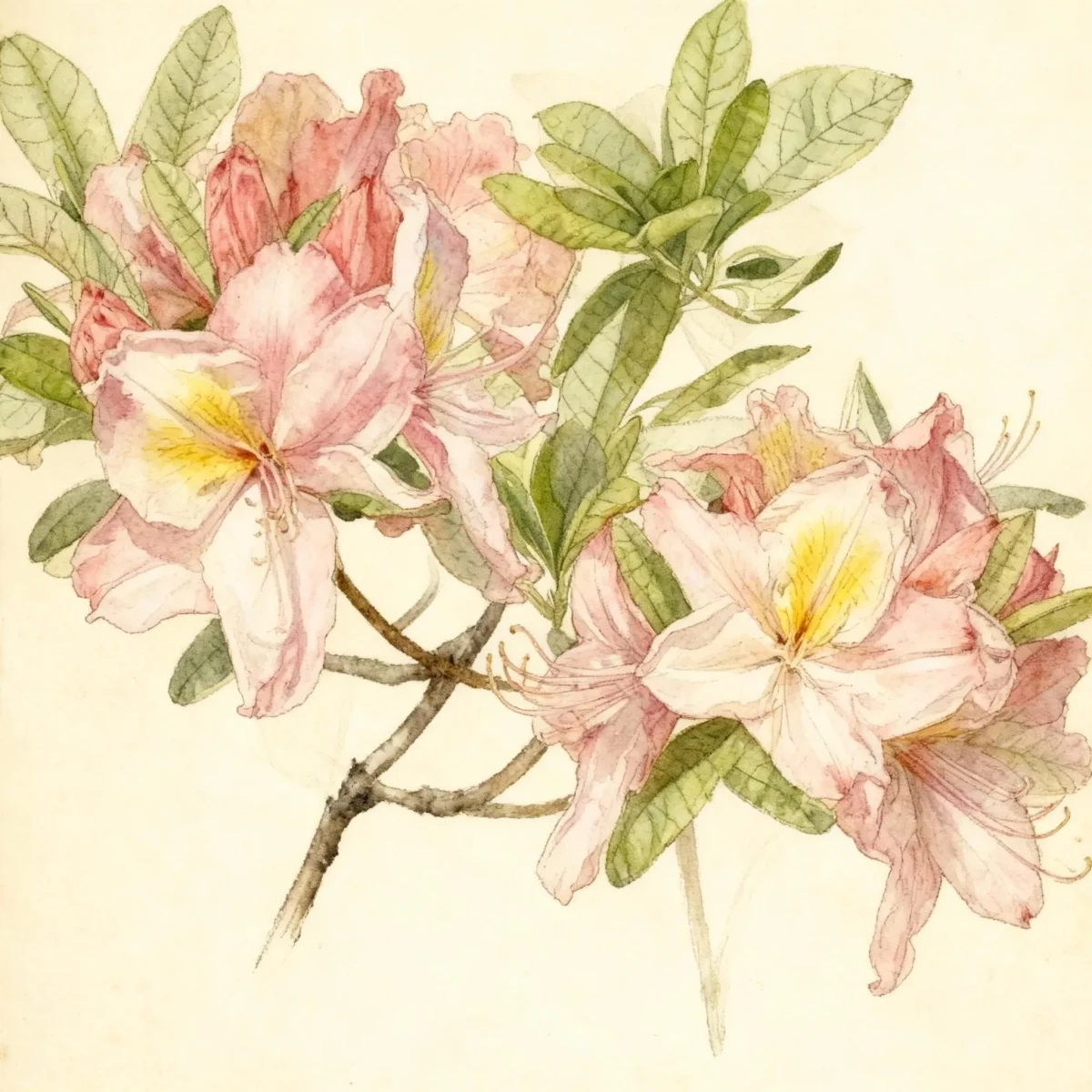
Rhododendron ‘Rosy Lights’ is a highly valuable cultivar, originating from the hardy Northern Lights series bred for extraordinary cold tolerance. This Deciduous azalea rewards gardeners with a lavish display of fragrant, deep rosy pink flowers early in the spring, often before the foliage fully emerges. It is valued not only for its spectacular spring show but also for its reliable hardiness across multiple USDA zones.
As a multi-stemmed deciduous shrub, Rhododendron ‘Rosy Lights’ brings seasonal interest back to the garden after dropping its leaves in the fall. It typically reaches a mature height and spread between 6 and 8 feet, making it substantial enough for hedges or a striking specimen planting. Proper cultural care, focusing on acidic soil and protected siting, ensures this Azalea thrives.
The rich color and fragrance of the blooms make this Deciduous azalea a centerpiece in woodland or shade gardens. Gardeners across the cooler temperate zones benefit from the robust breeding behind Rhododendron ‘Rosy Lights’, ensuring beautiful spring color even after harsh winters.
Fast Facts
- Plant Family: Ericaceae
- Plant Type: Deciduous shrub
- Hardiness Zones: USDA Zones 4-8
- Size at Maturity:
- Height: 6-8 ft
- Spread: 6-8 ft
- Bloom Time: April to May
- Bloom Description: Deep rosy pink
- Sun Exposure: Part shade
- Water Needs: Medium
- Maintenance Level: Medium
How to Grow
Plant Rhododendron ‘Rosy Lights’ in a location where it receives morning sun followed by afternoon shade, or dappled light throughout the day. The most critical requirement for success is the soil: it must be acidic, organically rich, humusy, and well-drained, ideally maintaining a pH between 5.0 and 5.5. If you have heavy clay soil, creating a raised bed is highly recommended to prevent the root rot that results from constantly wet feet.
Watering should maintain medium moisture levels; the shallow, fibrous root systems of this Deciduous azalea must never be allowed to dry out, though they should not sit saturated. Apply a thick mulch layer, such as pine needles or wood chips, to help conserve soil moisture and moderate soil temperatures around the roots. Avoid cultivating near the base of the plant to protect these delicate roots.
For robust flowering and growth, acidify the soil as needed using iron sulfate or sulfur if the pH is too high, potentially causing chlorosis (yellowing leaves). Maintenance is medium but includes the essential task of deadheading; clip off spent flower clusters immediately after blooming to encourage energy storage for next year’s display. Protect plants from strong winds, favoring north or east-facing slopes for reliable performance.
Landscape Uses
The excellent size and habit of Rhododendron ‘Rosy Lights’ make it highly versatile in the landscape design. It performs beautifully as a stately hedge, providing structure and eventual privacy, or it can be massed or grouped for a dramatic seasonal impact in a woodland setting. Its requirement for part shade pairs perfectly with understory plantings.
Consider planting this Deciduous azalea along woodland margins where it can receive filtered light throughout the day, mimicking its natural habitat. It integrates well into mixed borders alongside other acid-loving plants like ferns, dogwoods, and hydrangeas that share similar cultural needs. Its visual impact is strongest when placed where its rosy pink flowers greet the emerging spring garden.
Standout Features
Flower Qualities
- Showy
- Fragrant
Noteworthy Characteristics
Rhododendron is a genus of 500 to 900 species and includes both of what we commonly call rhododendrons and azaleas. Deciduous azaleas like ‘Rosy Lights’ drop their leaves in the fall, flowering profusely in early spring as new foliage emerges. This cultivar, part of the Northern Lights series, was specifically bred by the University of Minnesota to withstand severe winter cold, making it exceptionally hardy.
Tolerances
- Rabbit
Potential Problems
Rhododendrons and azaleas are susceptible to numerous pests and diseases, though healthy plants in ideal conditions experience limited issues. Common insect pests include scale, lacebugs, and aphids, while diseases encompass powdery mildew, leaf spot, and various root or crown rots associated with poor drainage. Pay close attention to soil pH; yellowing leaves (chlorosis) usually signals iron deficiency caused by soil pH being too high.
Prevention is key for managing both pests and diseases. Ensure excellent soil drainage is maintained to prevent root rot, and provide adequate air circulation by avoiding overcrowding when planting your Deciduous azalea. If pest pressure is high, monitoring closely allows for targeted treatment early in the season. Proper siting and soil preparation are the best defenses for your Rhododendron ‘Rosy Lights’.
Frequently Asked Questions
What hardiness zones is Rhododendron ‘Rosy Lights’ suitable for?
This specific Deciduous azalea, Rhododendron ‘Rosy Lights’, is remarkably hardy and thrives in USDA Zones 4 through 8, often tolerating colder temperatures than many evergreen types.
How large does Deciduous azalea grow?
Rhododendron ‘Rosy Lights’ reaches a mature size generally ranging between 6 to 8 feet in both height and spread when grown in optimal conditions.
When does Rhododendron ‘Rosy Lights’ bloom?
This plant typically displays its bloom time from April to May, presenting deep rosy pink flowers that are notably fragrant.
What sun exposure does Deciduous azalea need?
Rhododendron ‘Rosy Lights’ prefers part shade—ideally dappled light or protection from harsh afternoon sun, which can scorch its leaves in hotter climates.
Conclusion
Rhododendron ‘Rosy Lights’ stands out as a dependable, hardy selection known for its showy and fragrant spring display of rosy pink flowers. Its deciduous nature and exceptional cold tolerance, stemming from its breeding history, make it a fantastic investment for diverse garden settings. Before planting, confirm your site offers the acidic, well-drained soil this beloved Deciduous azalea requires for years of vigorous performance.
Designing with Deciduous Azaleas
Because this plant is deciduous, it offers different visual interest across the seasons compared to its evergreen counterparts. In winter, the bare structure of Rhododendron ‘Rosy Lights’ showcases its multi-stem habit, contrasting nicely with evergreen shrubs. Layering it behind shorter, shade-tolerant perennials like hostas or astilbes ensures there is continuous texture near the ground plane throughout the summer when the azalea is not flowering.
Consider using its vibrant bloom time as a yearly marker in the spring garden transition. Plant it where its flowering mass catches the eye, perhaps near pathways or entryways, to celebrate the end of winter. The medium height (6-8 ft) also makes it suitable for the background in less formal cottage-style gardens, blending seamlessly with taller shrubs like viburnums or serviceberries.
Acid Soil Companion Planting
Successfully growing Rhododendron ‘Rosy Lights’ depends entirely on providing acidic soil conditions (pH 5.0–5.5). Therefore, companion planting should focus on species that share this critical requirement. Excellent partners include blueberries, camellias (where hardy), mountain laurel (Kalmia), and certain types of holly.
When selecting understory companions, focus on plants tolerant of slightly drier, shaded conditions, as mature azaleas often create a dense canopy shadow. Ferns, particularly Japanese painted ferns or wood ferns, thrive in the same dappled light conditions and provide excellent textural contrast to the bold, deciduous leaves of the Azalea.