Azalea (Rhododendron 'Sandra Ann')
The Rhododendron 'Sandra Ann' Azalea offers showy, reddish-purple spring blooms in Zones 5-8, thriving in part shade.
Scroll down to discover growing tips, care requirements, companion plants, and more
Complete Plant Information
Overview
Rhododendron ‘Sandra Ann’ is a highly valued broadleaf evergreen Azalea, popular for providing dense, compact structure throughout the year, accented by striking spring flowers. This cultivar is known for its reliably showy display, making it a fantastic backbone plant in partial shade garden settings. As a hybrid developed by Girard Nursery, it brings reliable performance to gardeners in USDA Zones 5 through 8.
This Azalea typically matures to a manageable 3 to 5 feet in both height and spread, offering excellent utility for borders or hedging applications. Its cultural requirements center heavily on soil quality, demanding acidity and excellent drainage to support its shallow, fibrous root system. Proper siting ensures that the Rhododendron ‘Sandra Ann’ maintains its vibrant foliage and achieves peak bloom performance year after year.
Gardeners prize this plant for its spring color splash—a glorious burst of reddish-purple blooms appearing between April and May. Whether used as a specimen or massed planting, the rich color and evergreen nature of Rhododendron ‘Sandra Ann’ ensure garden interest long after the flowers fade. Planning its location correctly, especially considering its sensitivity to harsh western sun and juglone toxicity, is key to cultivating healthy, long-lived specimens.
Fast Facts
- Plant Family: Ericaceae
- Plant Type: Broadleaf evergreen
- Hardiness Zones: USDA Zones 5-8
- Size at Maturity:
- Height: 3-5 ft
- Spread: 3-5 ft
- Bloom Time: April to May
- Bloom Description: Reddish purple
- Sun Exposure: Part shade
- Water Needs: Medium
- Maintenance Level: Medium
How to Grow
The success of your Rhododendron ‘Sandra Ann’ hinges on soil preparation well before planting. It must be grown in acidic, organically rich, humusy, medium-moisture soils that are well-drained but moisture-retentive. Aim for a soil pH between 5.0 and 5.5; use sulfur or iron sulfate to lower alkalinity as needed. Plant in a location sheltered from strong winds, ideally benefiting from morning sun exposure followed by afternoon shade, or high open shade throughout the day.
Care for this Azalea focuses on mitigating root stress. Since its root system is shallow and fibrous, avoid cultivating near the plant base; instead, apply a deep layer of organic mulch, such as bark or pine needles, to retain moisture and stabilize temperatures. Watering should be consistent; roots must never be allowed to dry out, though standing water in the soil must be avoided as poor drainage quickly leads to root rot. Consideration should be given to planting in raised beds if your native soil is heavy clay.
Pruning, where necessary, should focus on maintenance. Clip off spent flower clusters immediately after they fade to direct energy back into vegetative growth rather than seed production. Be vigilant about siting; never place Rhododendron ‘Sandra Ann’ near walnuts, butternuts, or pecans, as these trees release juglone, which is toxic to most azaleas.
Landscape Uses
Rhododendron ‘Sandra Ann’ offers significant versatility in landscape design due to its evergreen nature and manageable size. It is highly effective when used as a specimen focal point, contrasting beautifully against lighter foliage or stone elements. Its dense habit makes it an excellent choice for creating formal or informal shrub borders, providing year-round structure along walkways or property lines.
For woodland or shade gardens, group plantings of this Azalea create massed drifts of color, mimicking their natural forest habitats. They are also frequently employed in foundation plantings where they provide softening under windowsills without growing too tall. Consider pairing Rhododendron ‘Sandra Ann’ with shade-loving companions that appreciate similar acidic soil profiles, such as ferns, rhododendrons with different bloom times, or Japanese maples.
As a hedge, the three-to-five-foot stature of Rhododendron ‘Sandra Ann’ creates a low to medium privacy screen that offers seasonal appeal. Ensure the hedge location receives protection from intense afternoon sun to prevent leaf scorch, especially in warmer climates.
Standout Features
Flower Qualities
- Showy
Noteworthy Characteristics
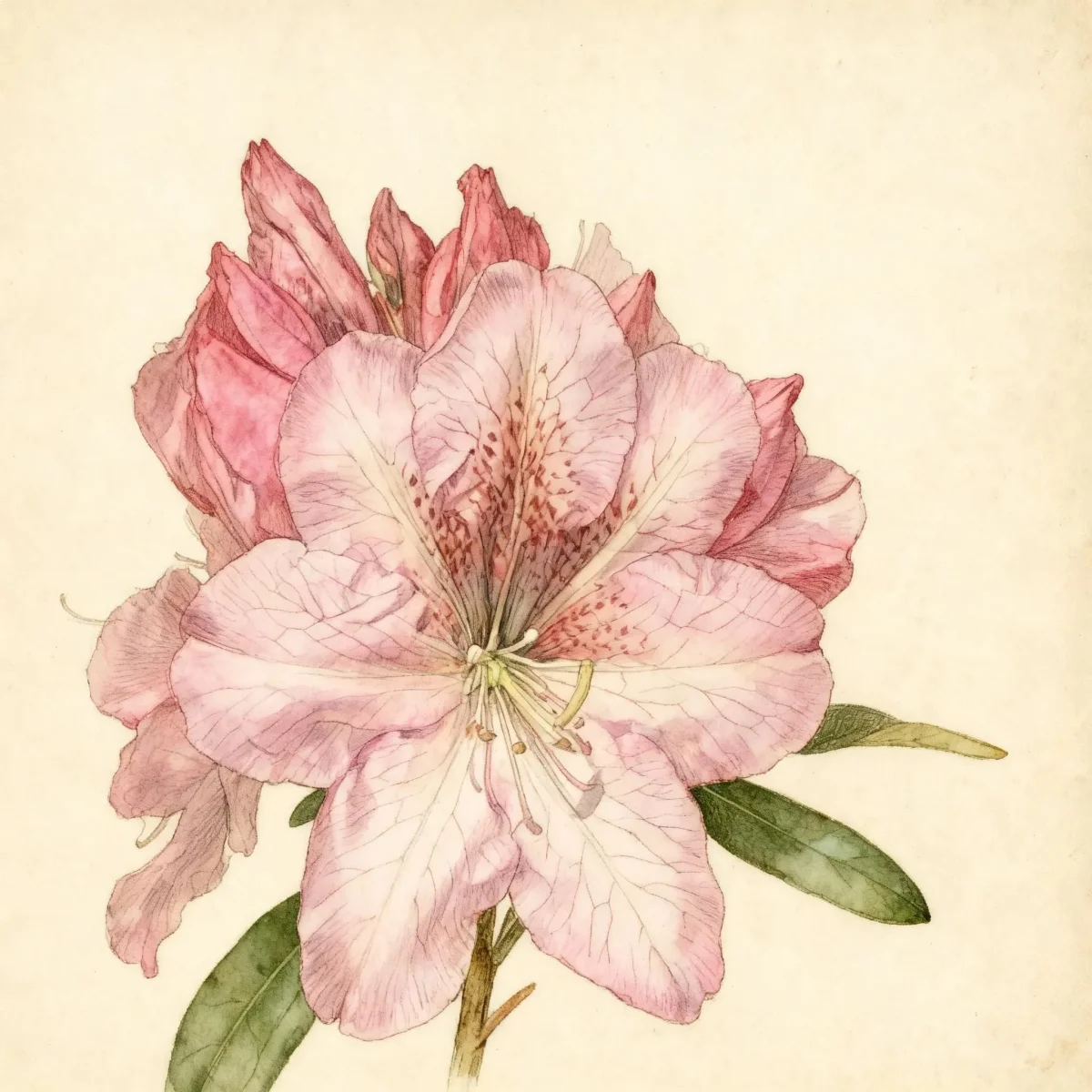
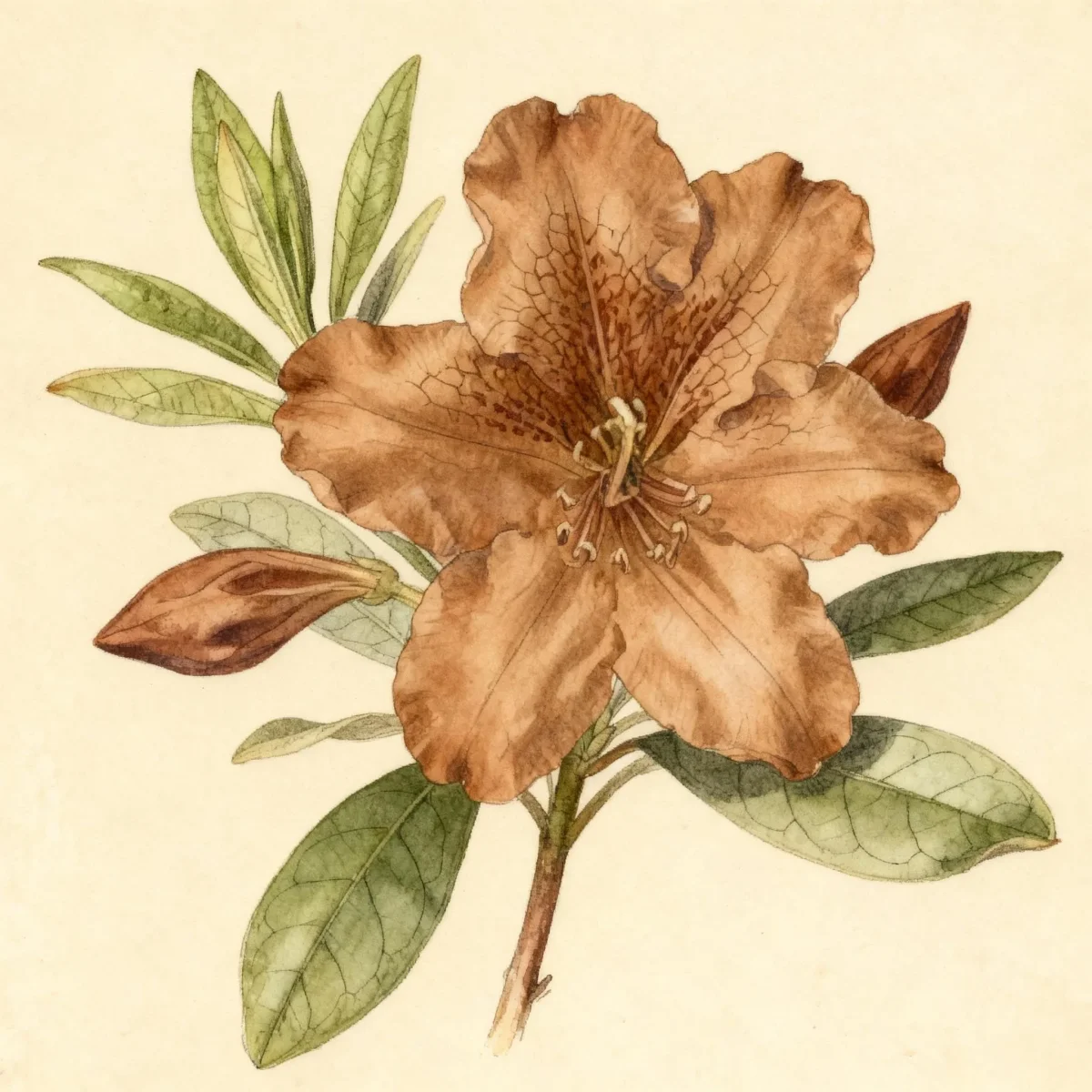
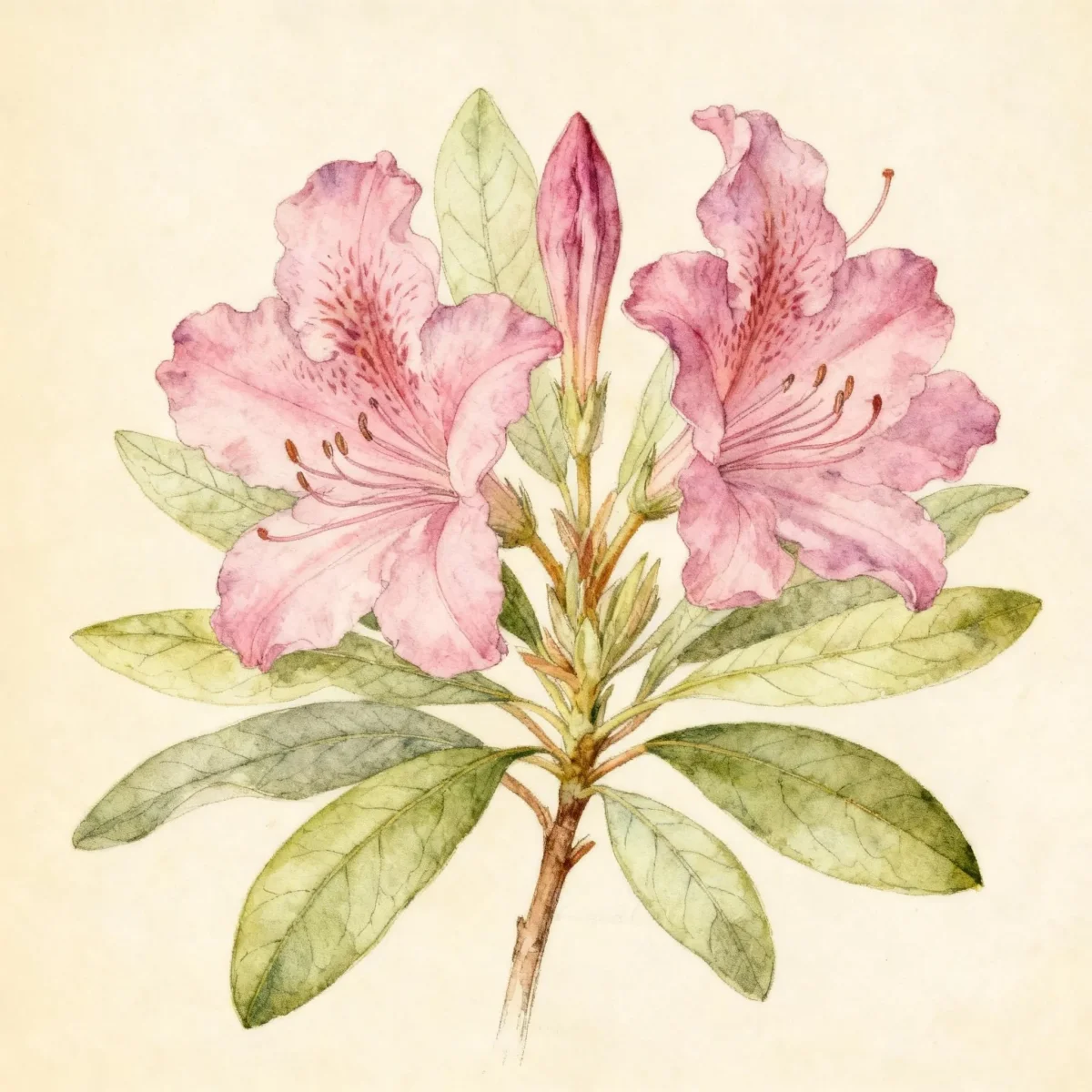
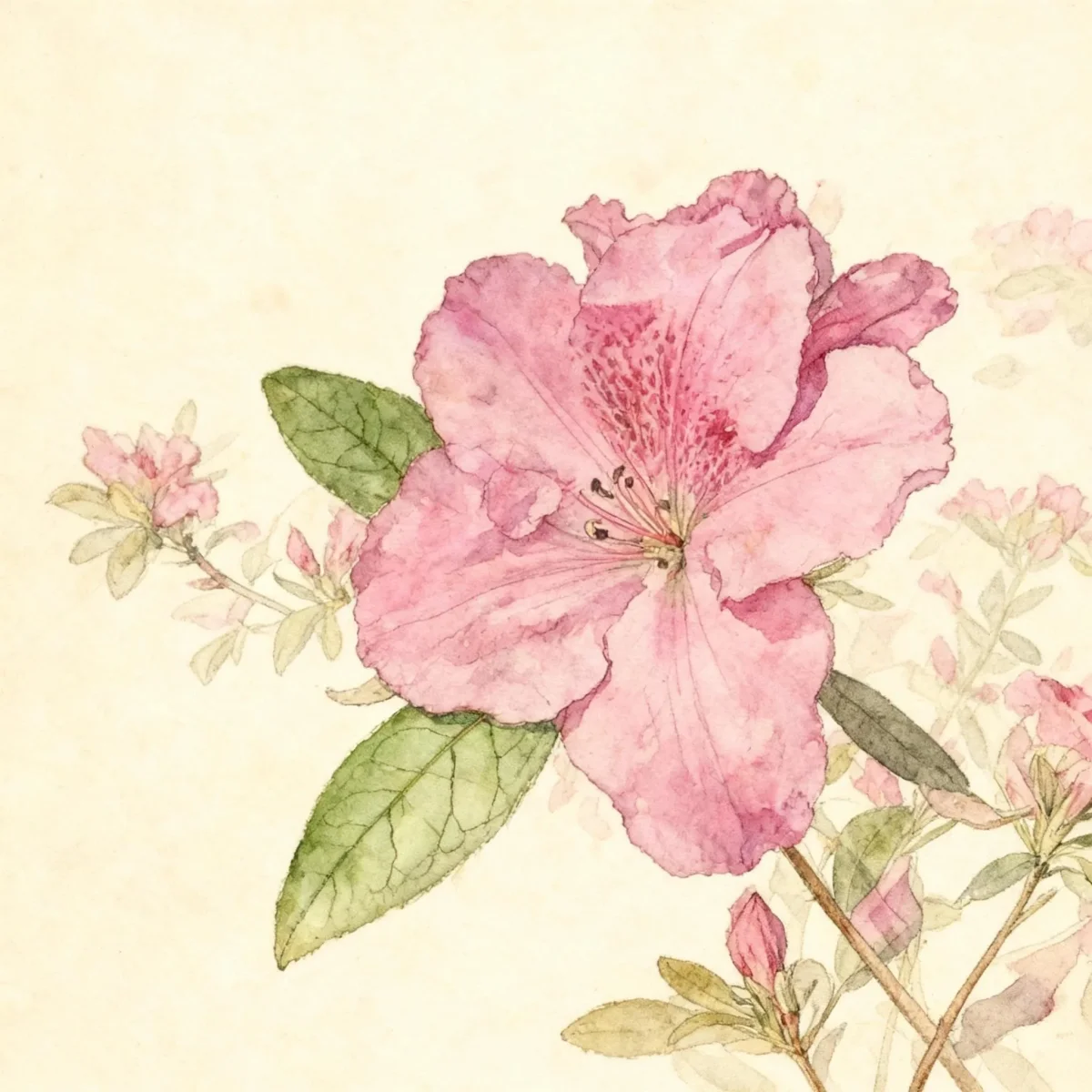
Rhododendron is a genus containing both standard rhododendrons and what we commonly call azaleas, originating primarily in the Northern Hemisphere. This specific cultivar, ‘Sandra Ann,’ was bred in Ohio and is notable for its dense, compact form, growing consistently between 3 and 5 feet tall and wide. Its single flowers are broadly funnel-campanulate with wavy edges, measuring 2.5 to 3 inches wide and boasting a beautiful reddish-purple hue with crimson spotting inside.
Tolerances
- Rabbit
Potential Problems
Rhododendrons and azaleas, including the Rhododendron ‘Sandra Ann’, can face numerous challenges from pests and diseases if their cultural needs are not met precisely. Common insect pests include scale, aphids, and lacebugs, while diseases range from leaf spot and rust to more serious issues like crown rot and root rot, often triggered by excess moisture. A frequent sight is chlorosis, where leaves turn yellow, which strongly suggests the soil pH is too high, leading to iron deficiency.
Prevention through proper care minimizes these issues significantly. Ensure the planting environment matches the needs—acidic pH, part shade, and impeccable drainage. If pest pressure is high, inspect undersides of leaves for early signs of infestation like tiny webs or stippling. Maintaining the protective layer of mulch helps regulate soil conditions, which bolsters the plant’s general health and resilience against infection.
Frequently Asked Questions
What hardiness zones is Azalea (Rhododendron ‘Sandra Ann’) suitable for?
Rhododendron ‘Sandra Ann’ performs best in USDA hardiness zones 5 through 8.
How large does Azalea (Rhododendron ‘Sandra Ann’) grow?
This compact Azalea typically reaches a mature height between 3 and 5 feet and spreads to a similar width of 3 to 5 feet.
What sun exposure does Azalea (Rhododendron ‘Sandra Ann’) need?
This plant requires filtered light conditions, performing optimally in part shade, sun dappled locations, or high open shade, avoiding harsh afternoon sun.
When does Azalea (Rhododendron ‘Sandra Ann’) bloom?
The Rhododendron ‘Sandra Ann’ displays its showy, reddish-purple flowers annually from April to May.
Conclusion
The Rhododendron ‘Sandra Ann’ is a dependable foundation plant, offering vibrant, reddish-purple spring blooms alongside year-round evergreen interest. Its compact structure makes Rhododendron ‘Sandra Ann’ an excellent choice for defined borders or screens in partial shade locations. Before planting, always verify your soil pH is acidic, and ensure excellent drainage to give this beautiful Azalea the best chance for longevity.
Companion Planting
Selecting companions that thrive under the same acidic, moist, yet well-drained conditions enhances the overall woodland garden aesthetic. Plants like Hosta species, especially those with variegated or blue foliage, provide excellent textural contrast beneath the mid-sized canopy of the Azalea. Similarly, various native ferns, such as Christmas Ferns (Polystichum acrostichoides), thrive in the partial shade that Rhododendron ‘Sandra Ann’ prefers, further enhancing the dappled light effect this plant enjoys.
Another excellent grouping involves woodland bulbs and acid-loving shrubs. Early bloomers like Daffodils or woodland phlox can cover the ground during early spring before the Azalea reaches its peak flower show, disappearing as the Rhododendron ‘Sandra Ann’ focuses on leaf development. Ensure companion materials used for mulch are also acidifying, such as pine straw or shredded oak leaves, to maintain beneficial soil chemistry.
Seasonal Care Calendar
Spring care centers on recovery and bloom management. As flowers fade in late spring (after May), deadhead the spent blooms carefully to encourage good summer growth without damaging new nascent buds forming just beneath. Apply a balanced, slow-release fertilizer formulated specifically for acid-loving plants right after flowering ceases, following application directions carefully to avoid burning surface roots.
Summer requires diligent moisture management while avoiding excessive heat stress. While the water needs are medium, stress can occur quickly due to the Azalea’s shallow roots, especially during dry spells. Deep, infrequent watering is better than light daily sprinkles. Monitor for the signs of leaf scorch if the plant receives any direct hot afternoon sun, and consider adding more overhead shade if necessary.
Winter protection for Rhododendron ‘Sandra Ann’ involves ensuring adequate water before the ground freezes solid around late fall. If winter winds are particularly harsh in your Zone 5 location, applying an anti-desiccant spray can help mitigate winter burn, though proper siting away from prevailing winds is the primary defense mechanism for this evergreen Azalea.