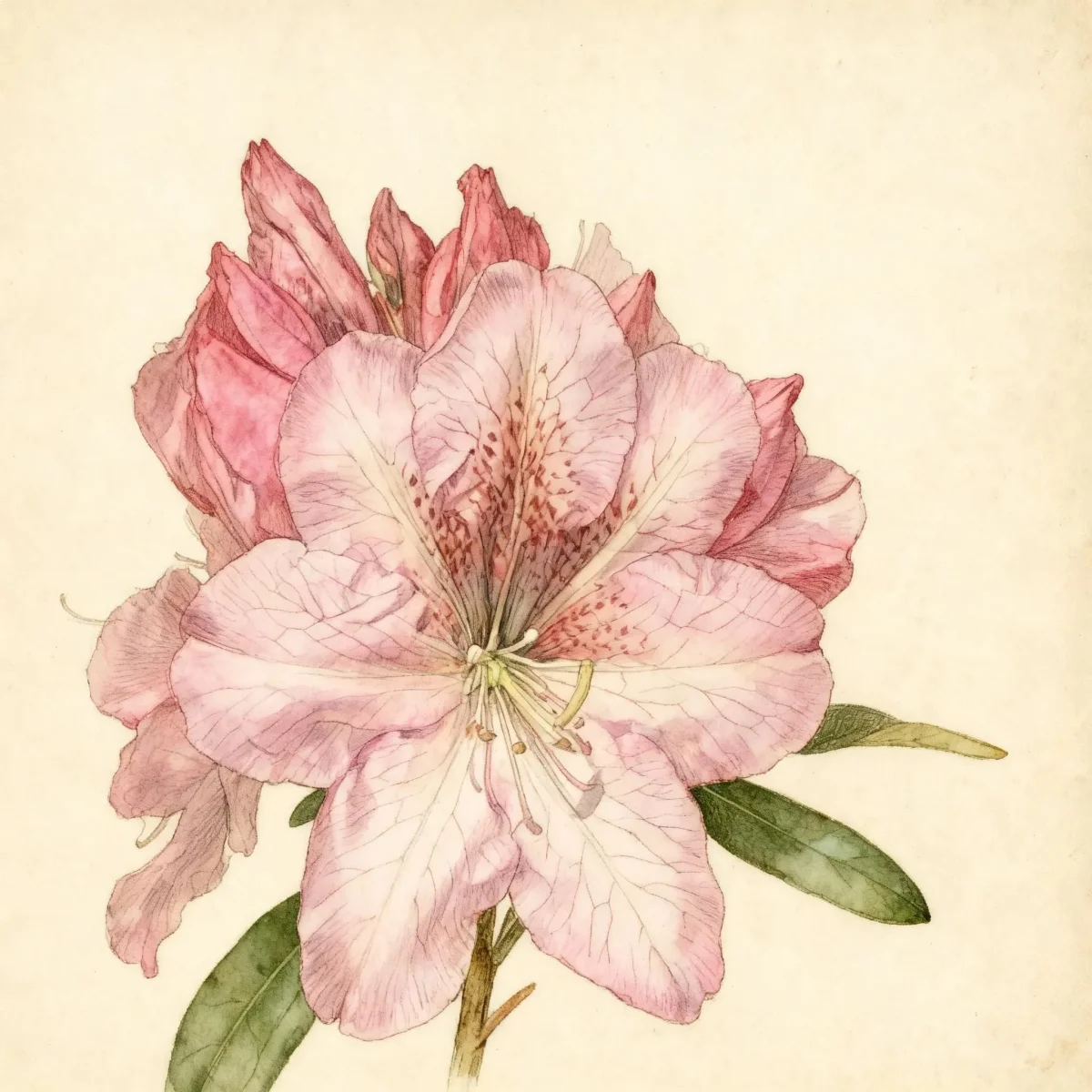
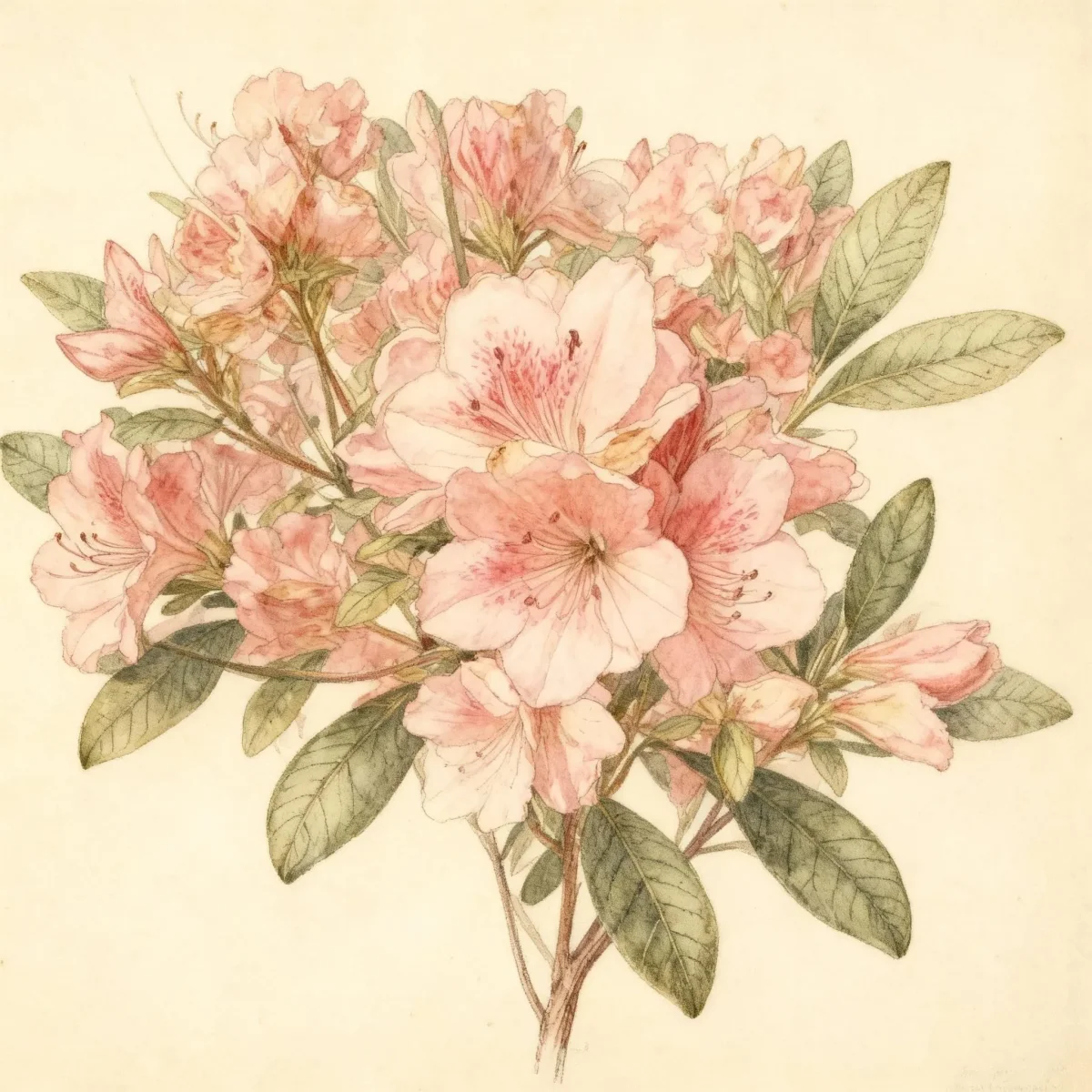
Deciduous azalea (Rhododendron 'Scarlet Frost')
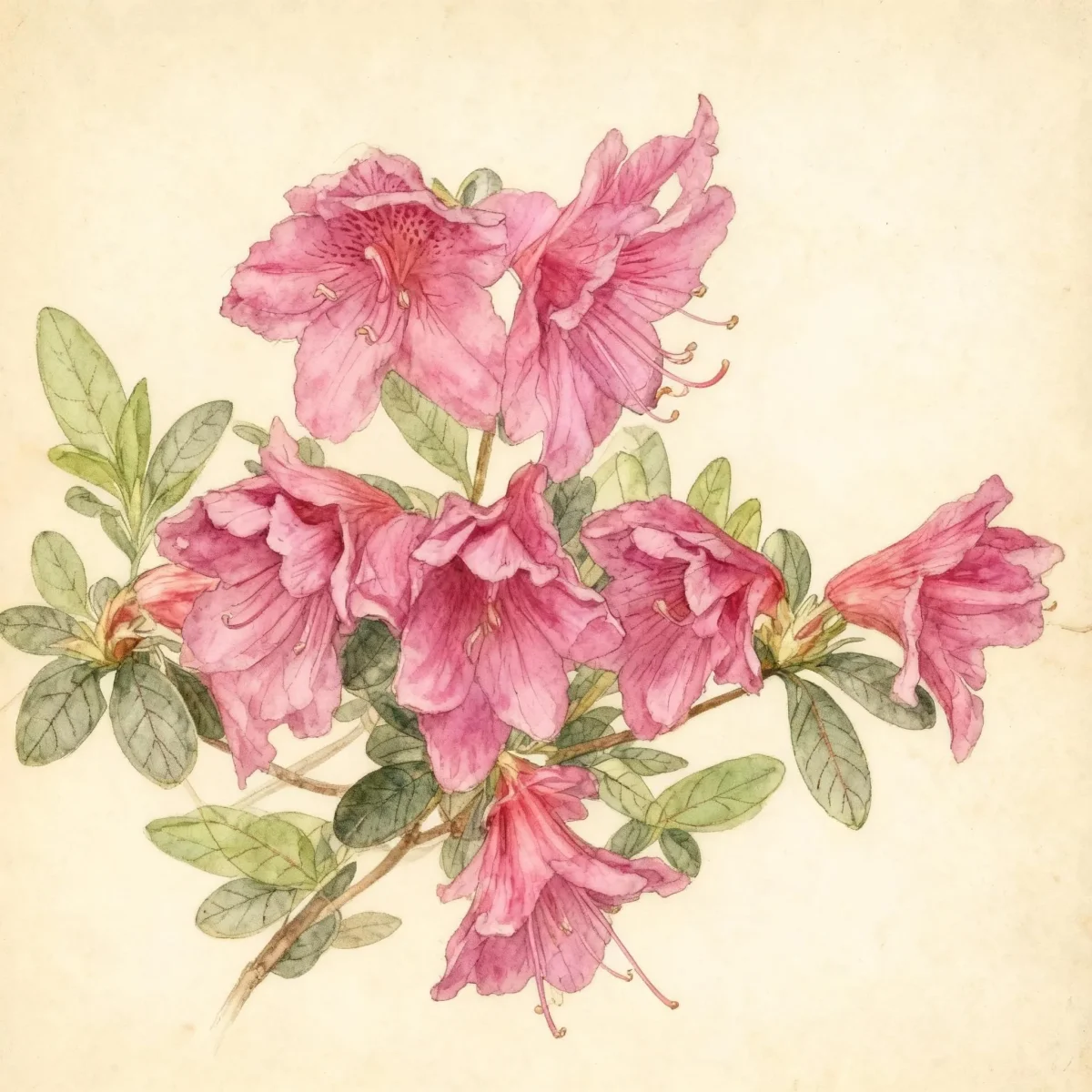
Rhododendron 'Scarlet Frost' is a stunning Deciduous azalea offering deep pink blooms. Ideal for part shade in USDA Zones 5-8.
Scroll down to discover growing tips, care requirements, companion plants, and more
Complete Plant Information
Overview
Rhododendron ‘Scarlet Frost’ is a highly valued addition to temperate landscapes, celebrated for its vibrant spring display. This Deciduous azalea brings an intense burst of color before many other shrubs fully leaf out, featuring deeply colored flowers that capture immediate attention. Gardeners appreciate this cultivar for its manageable size, maturing between 2 to 3 feet tall and wide, making it versatile for smaller spaces.
This beautiful shrub thrives best when protected from harsh elements, specifically requiring part shade and consistently moist, acidic soil conditions. Its deciduous nature means it sheds its leaves in winter, unlike its evergreen cousins, which can offer some protection against winter burn in very cold conditions, although it remains hardy in USDA Zones 5 through 8. The spectacular bloom time for Rhododendron ‘Scarlet Frost’ is typically from April to May.
Adding Rhododendron ‘Scarlet Frost’ to your garden provides excellent textural contrast and a reliable seasonal showpiece. Whether utilized as a formal hedge, nestled in a woodland garden, or placed as a specimen accent, this Deciduous azalea requires medium maintenance to ensure its shallow, fibrous roots remain happy in their preferred humus-rich soil.
Fast Facts
- Plant Family: Ericaceae
- Plant Type: Broadleaf evergreen
- Hardiness Zones: USDA Zones 5-8
- Size at Maturity:
- Height: 2-3 ft
- Spread: 2-3 ft
- Bloom Time: April to May
- Bloom Description: Deep pink with red spotting in blotch
- Sun Exposure: Part shade
- Water Needs: Medium
- Maintenance Level: Medium
How to Grow
Establish your Rhododendron ‘Scarlet Frost’ during the cooler seasons—spring or fall—to minimize transplant shock. Location selection is critical; these shrubs must be sited in part shade, ideally receiving dappled sunlight or morning sun followed by afternoon shade, especially in warmer climates where hot afternoon sun can scorch the foliage. Soil preparation is perhaps the most crucial step: aim for an organically rich, humusy, medium-moisture soil that is consistently well-drained.
Watering must be consistent, as the shallow, fibrous root systems of this Deciduous azalea must never be allowed to dry out. Supplemental irrigation is necessary during dry spells. Maintain high soil acidity, targeting a pH between 5.0 and 5.5; amend heavy soils by incorporating elemental sulfur or iron sulfate as needed to lower alkalinity.
Maintenance for Rhododendron ‘Scarlet Frost’ is considered medium. Avoid cultivating deeply around the base due to the shallow roots; instead, apply a thick layer of organic mulch, like pine needles or wood chips, to retain moisture and moderate soil temperature. Immediately after flowering, deadhead spent blooms to encourage better performance next season, provided you do not accidentally remove next year’s buds. Significantly, avoid placing the plant near the drip line of walnuts or hickories, as they exude juglone toxins harmful to rhododendrons.
Landscape Uses
As a superb shrub border component, Rhododendron ‘Scarlet Frost’ offers reliable structure and striking spring color. Its tidy, rounded habit lends itself well to mass plantings, where drifts of deep pink create a powerful visual statement, or as an elegant, low hedge due to its 2-3 foot mature size. It performs admirably in mixed borders, providing evergreen texture alongside spring tulips or summer perennials.
For the woodland garden setting, this Deciduous azalea integrates seamlessly, preferring the high open shade cast by taller canopy trees. Ensure its placement provides protection from strong winds which can damage buds or leaves. This variety is also effective near foundations or in shade gardens, provided the essential drainage requirements are met; in heavy clay areas, consider planting high or in specially constructed raised beds.
Standout Features
Flower Qualities
- Showy
Noteworthy Characteristics
Rhododendron is a genus of 500 to 900 species and includes both of what we commonly call rhododendrons and azaleas. Much hybridization has resulted in a great number of hybrid cultivars, and Rhododendron ‘Scarlet Frost’ is one such successful cross. Its broadly funnel-shaped, wavy petaled flowers are characteristically deep pink with distinct red spotting in the dorsal lobe. This cultivar forms a rounded, well-branched, small shrub perfectly sized for defined beds.
Tolerances
- Rabbit
Potential Problems
Rhododendrons and azaleas are susceptible to various pests and diseases if cultural requirements are not met. Aphids, borers, scale, and lacebugs are common insect incursions requiring targeted treatment. Fungal issues like crown rot and root rot are serious risks, usually stemming from poor soil drainage—a key consideration when planting Rhododendron ‘Scarlet Frost’.
The most visible cultural problem often manifests as chlorosis, where leaves turn yellow. Since this plant demands acidic soil, yellowing typically signals an iron deficiency caused by overly high soil pH. Correct this proactively by testing your soil and acidifying it with sulfur or iron sulfate to maintain the preferred 5.0 to 5.5 range. A healthy Deciduous azalea placed in the correct environment seldom battles severe infestations.
Frequently Asked Questions
What hardiness zones is Deciduous azalea suitable for?
Rhododendron ‘Scarlet Frost’ is reliably hardy in USDA Zones 5 through 8, making it adaptable to a wide range of temperate regions.
How large does Rhododendron ‘Scarlet Frost’ grow?
This particular Deciduous azalea is a compact shrub, typically reaching a mature height and spread between 2 and 3 feet.
What sun exposure does Deciduous azalea need?
Rhododendron ‘Scarlet Frost’ prefers part shade locations, benefiting from protection against intense afternoon sun which can scorch the leaves.
When does Rhododendron ‘Scarlet Frost’ bloom?
You can expect beautiful blooms from this shrub during the spring transition, specifically from April to May, displaying deep pink flowers with red spotting.
Conclusion
Rhododendron ‘Scarlet Frost’ offers gardeners a compact shrub with intensely colored, showy spring flowers, providing excellent aesthetic value for woodland, border, or hedge applications. Successful cultivation of this Deciduous azalea hinges on ensuring acidic, well-drained, humus-rich soil and appropriate part-shade placement. Before planting, verify that your local USDA hardiness zone supports Zones 5-8 and that your soil pH level is adequately acidic.
Companion Planting
When planning your garden layout around Rhododendron ‘Scarlet Frost’, select companions that share its cultural needs for acidic soil and part shade. Plants like Hosta, Astilbe, and Japanese Forest Grass (Hakonechloa macra) thrive under similar conditions and offer contrasting textures when the azalea is not in bloom. These companions help create the layered, dappled light effect that mimics the plant’s preferred woodland margin habitat.
Avoid deep-rooted perennials near the azalea’s shallow root zone. Instead, opt for groundcovers that naturally spread and protect the soil surface, such as various low-growing Vinca species or Pachysandra terminalis. Successful companions enhance the visual impact of the Deciduous azalea while minimizing root competition.
Seasonal Care Calendar
Spring is crucial for removing spent flower trusses from Rhododendron ‘Scarlet Frost’ immediately post-bloom to direct energy into vegetative growth and bud setting. This is also the best time to apply a light, acid-specific fertilizer if necessary, followed by a fresh layer of mulch around the dripline but keeping it away from the trunk base.
Summer care centers entirely on moisture management. Because this shrub dislikes having “wet feet” but cannot tolerate dry roots, deep, infrequent watering is superior to light sprinkling during droughts. Monitor for signs of leaf scorch, which indicates the plant is receiving too much direct, hot sun.
Winter preparation involves ensuring the plant has adequate moisture heading into dormancy, although care must be taken not to saturate the soil just before a hard freeze. Since Rhododendron ‘Scarlet Frost’ is a deciduous type, winter foliage burn is less of a concern than for evergreen varieties, but protection from wind desiccation is always beneficial.