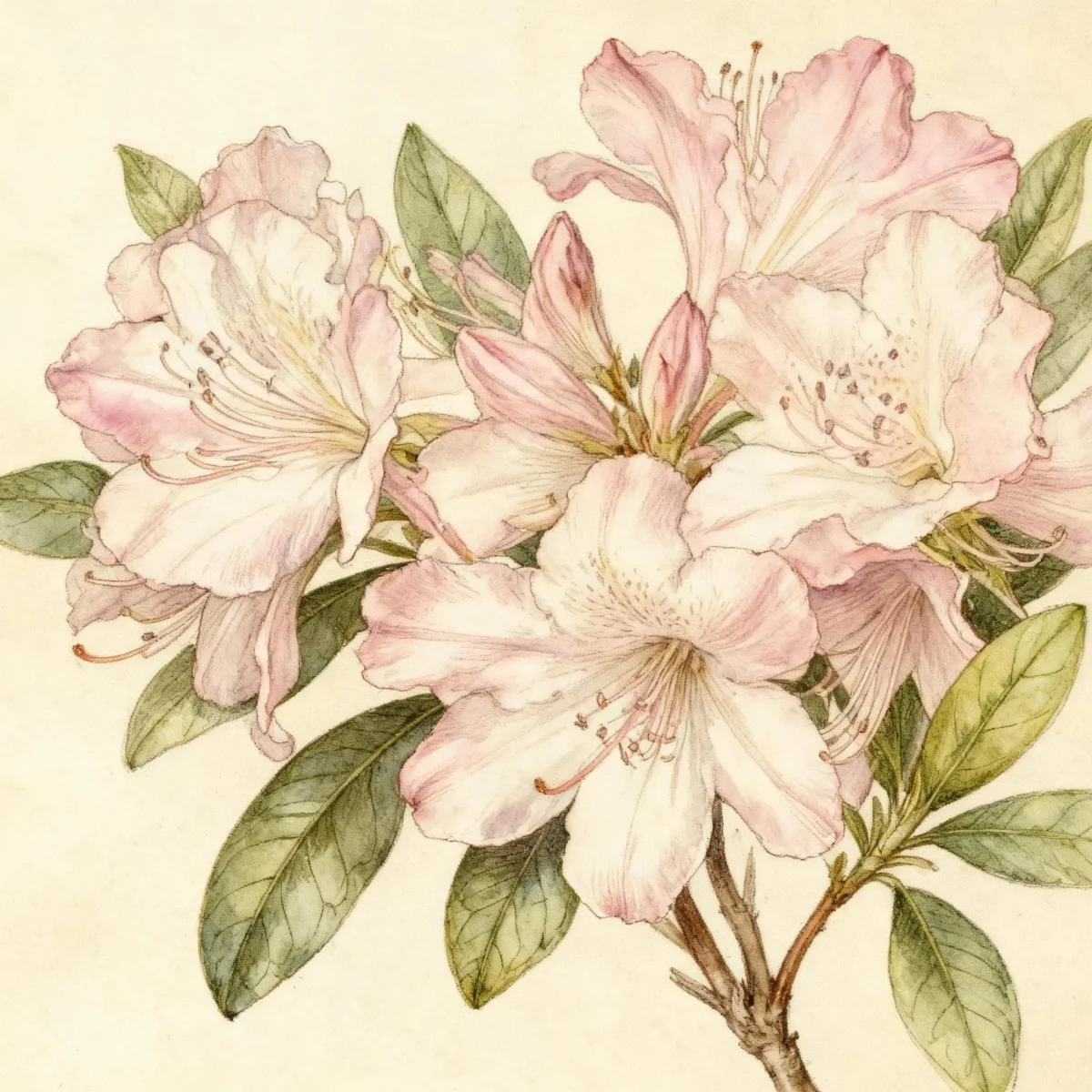
Evergreen azalea (Rhododendron 'Schroeder's Lavender Rose')
Rhododendron 'Schroeder's Lavender Rose' is a gorgeous Evergreen azalea blooming lavender pink. Perfect for part shade landscapes.
Scroll down to discover growing tips, care requirements, companion plants, and more
Complete Plant Information
Overview
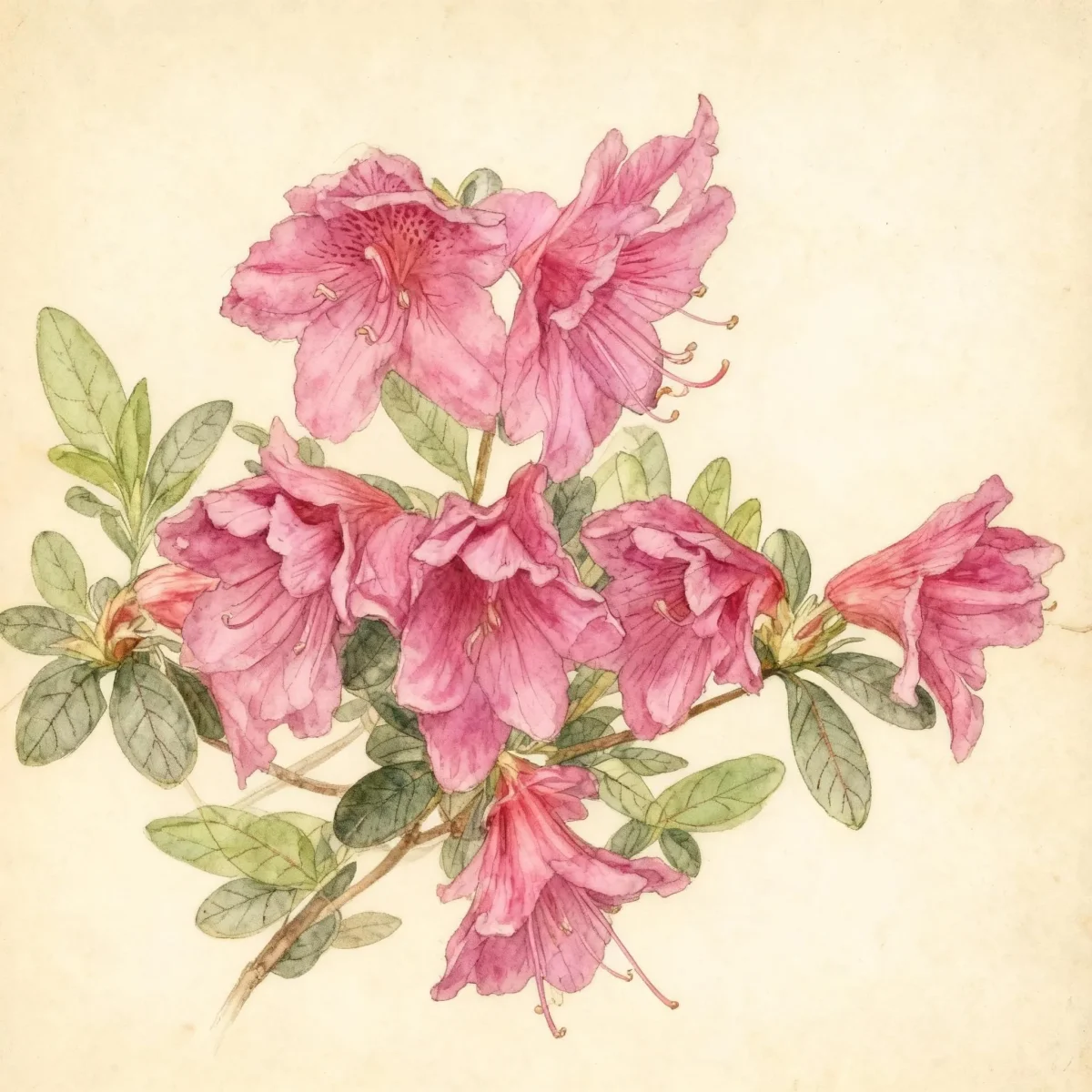
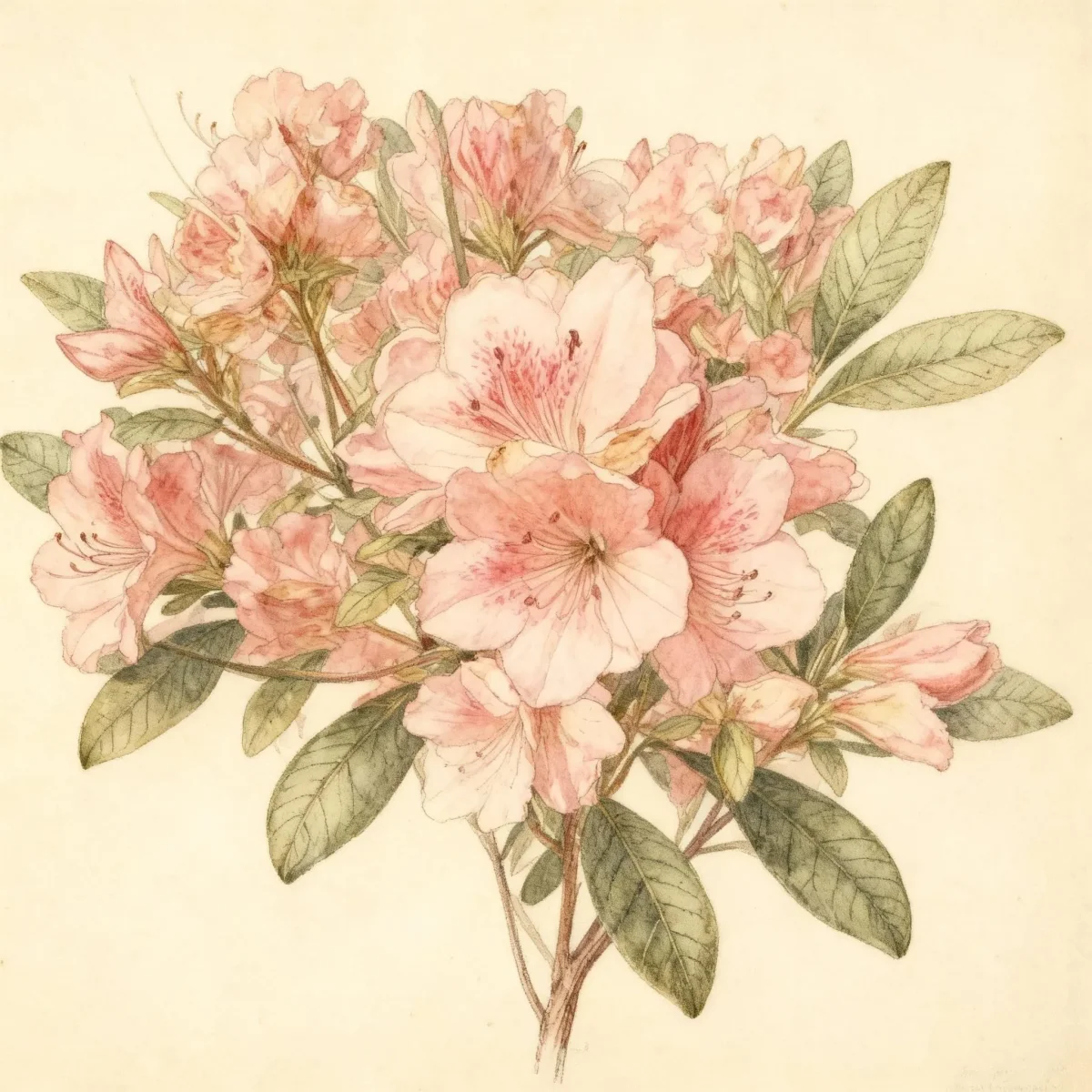
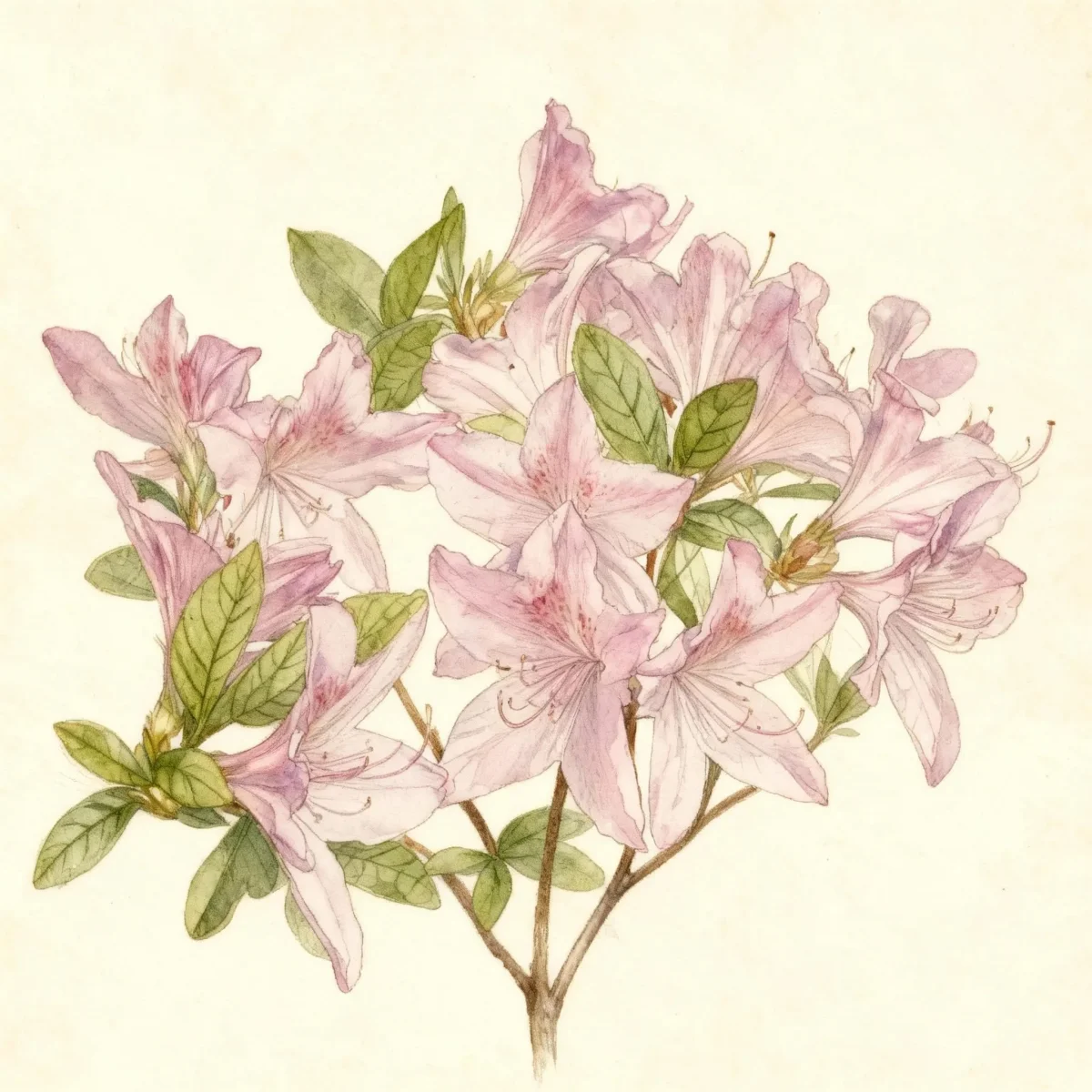
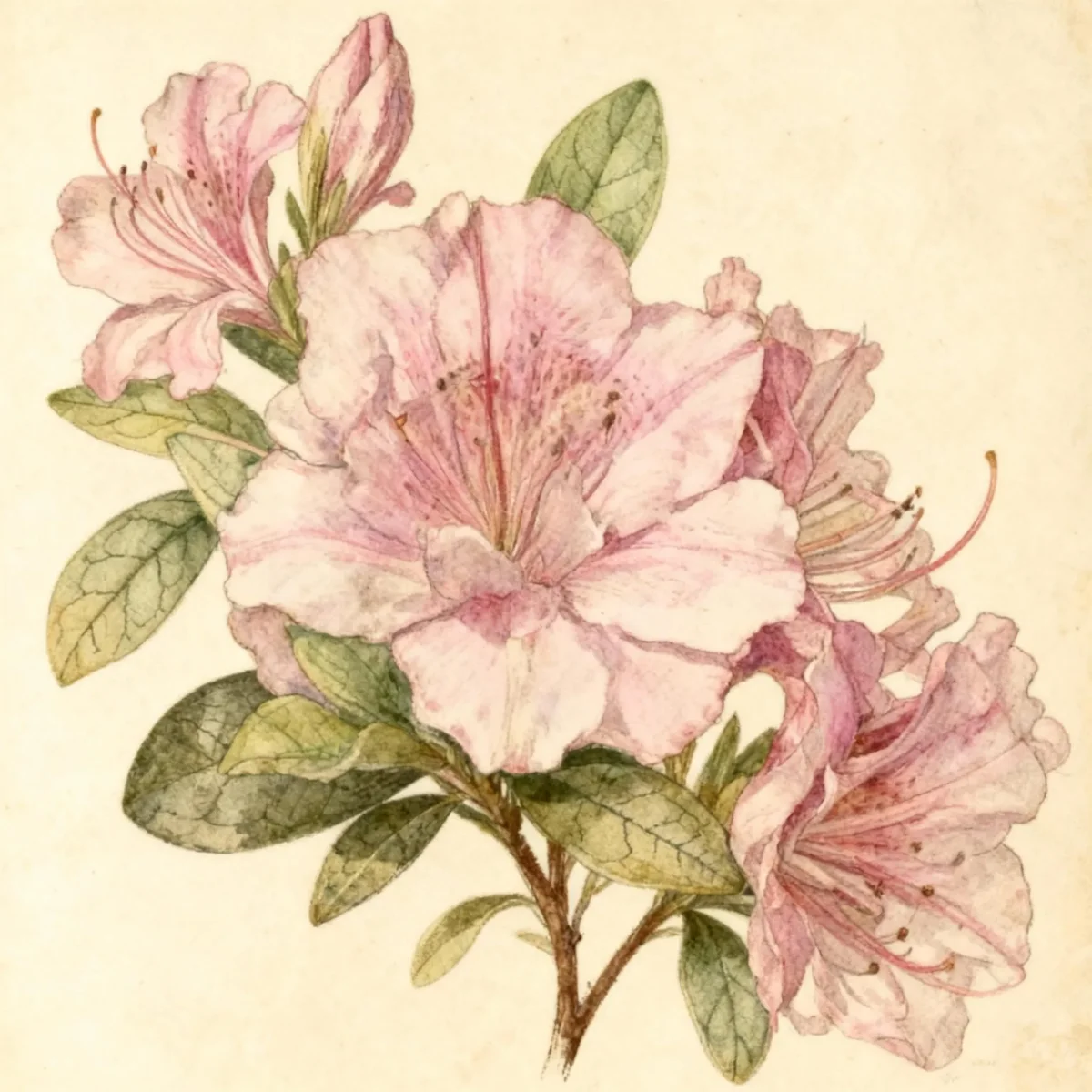
The Rhododendron ‘Schroeder’s Lavender Rose’ is a highly desirable cultivar within the large family of Evergreen azalea shrubs. Valued for its abundant spring color, this plant offers funnel-shaped, semi-double blossoms that present a stunning lavender pink hue accented by rose to red spotting on the upper petal. As a broadleaf evergreen, it provides crucial structure and color to the garden throughout the year, thriving in shaded conditions.
This specific hybrid is a robust grower, typically reaching 3 to 4 feet in both height and spread, making it wonderfully versatile for various landscape applications. Successful cultivation of Rhododendron ‘Schroeder’s Lavender Rose’ relies heavily on mimicking its native woodland environment: acidic, moist, but exceptionally well-drained soils are non-negotiable requirements for this beautiful Evergreen azalea.
Gardeners should utilize this cultivar for its reliably showy floral display. Whether used in mass plantings, as a structured hedge, or as a specimen accent, the consistent size and attractive winter foliage make Rhododendron ‘Schroeder’s Lavender Rose’ a dependable performer in the woodland or shade garden setting.
Fast Facts
- Plant Family: Ericaceae
- Plant Type: Broadleaf evergreen
- Hardiness Zones: USDA Zones 5-8
- Size at Maturity:
- Height: 3-4 ft
- Spread: 3-4 ft
- Bloom Time: April to May
- Bloom Description: Lavender pink with hot pink spots
- Sun Exposure: Part shade
- Water Needs: Medium
- Maintenance Level: Medium
How to Grow
The key to establishing healthy Rhododendron ‘Schroeder’s Lavender Rose’ is upfront soil preparation. Plant this Evergreen azalea where it receives part shade, ideally morning sun followed by afternoon shade, especially where summer heat is intense. The soil must be acidic, targeting a pH between 5.0 and 5.5; amend heavy clay soils with sulfur or iron sulfate to lower alkalinity, and always ensure superior drainage, potentially using raised beds to prevent wet feet, which leads to root rot.
Watering should be consistent; maintain medium moisture levels, recognizing that these plants have shallow, fibrous root systems. Never allow these roots to dry out, especially during establishment or hot spells. Because the roots are fibrous, avoid deep cultivation near the base; instead, apply a generous layer of mulch, such as pine needles or wood chips, to retain soil moisture and regulate temperature fluctuations.
Pruning for this specific hybrid involves removing spent flowers immediately after they fade, as this practice encourages robust flowering the following season. While Rhododendron ‘Schroeder’s Lavender Rose’ is relatively tough, avoid planting near walnut family trees due to sensitivity to juglone toxins. Protect plants from harsh winds to prevent foliage winter burn, which is common in cold winters.
Landscape Uses
Rhododendron ‘Schroeder’s Lavender Rose’ functions excellently across many design schemes due to its neat, rounded habit. It is particularly recommended for use as a formal hedge line, offering continuous evergreen texture between seasonal bloom times. Furthermore, its refined size makes it suitable for foundation plantings where larger, more aggressive rhododendrons might overwhelm the structure.
For a naturalistic woodland garden effect, mass this Evergreen azalea alongside hostas, ferns, and other acid-loving plants like camellias, provided the light conditions mimic dappled forest shade. In mixed borders, position the Rhododendron ‘Schroeder’s Lavender Rose’ where its mid-spring lavender-pink flowers can contrast with early spring bulbs or later-blooming perennials, creating layers of continuous visual interest.
Standout Features
Flower Qualities
- Showy
Noteworthy Characteristics
Rhododendron is a genus of 500 to 900 species and includes both of what we commonly call rhododendrons and azaleas. This specific cultivar, ‘Schroeder’s Lavender Rose’, is a popular hybrid known for its distinctive, hose-in-hose flowers which appear semi-double due to having 10 to 12 petals stacked together. It retains its attractive foliage year-round, though it is slightly less winter hardy than its deciduous relatives, potentially showing bud damage in severe cold snaps.
Tolerances
- Rabbit
Potential Problems
Rhododendrons and azaleas are susceptible to a range of pests and diseases, though a healthy plant in ideal conditions fares best. Common insect threats include aphids, lacebugs, and scale, while diseases like root rot and powdery mildew can occur, often signaled by poor drainage or lack of air circulation. Pay close attention to leaf color, as yellowing (chlorosis) usually indicates that the soil pH is too high, resulting in an iron deficiency that starves the plant of necessary nutrients. Prevention centers on maximizing the cultural needs: ensure perfect soil acidity and drainage, and inspect plants regularly for early signs of infestation or fungal development.
Frequently Asked Questions
What hardiness zones is Evergreen azalea suitable for?
Rhododendron ‘Schroeder’s Lavender Rose’ is best suited for USDA Hardiness Zones 5 through 8.
How large does Rhododendron ‘Schroeder’s Lavender Rose’ grow?
This cultivar typically matures to a height between 3 and 4 feet, with a similar spread of 3 to 4 feet.
When does Evergreen azalea bloom?
The bloom time for this plant is typically from April into May, featuring lavender pink flowers with distinctive hot pink spots.
What sun exposure does Rhododendron ‘Schroeder’s Lavender Rose’ need?
This plant performs best when sited in part shade, appreciating protection from intense afternoon sun to prevent leaf scorch.
Conclusion
The Evergreen azalea, specifically the gorgeous Rhododendron ‘Schroeder’s Lavender Rose’, provides invaluable spring color and year-round evergreen structure to the temperate garden. Its moderate size and striking lavender-pink blooms make it a foundational shrub for shaded borders and hedges. Before planting, always ensure your soil provides the necessary acidic, well-drained environment to enjoy this beautiful flowering shrub for seasons to come.
Companion Planting
Selecting appropriate neighbors is crucial for successful Rhododendron ‘Schroeder’s Lavender Rose’ cultivation, as compatible plants share the need for acidic, well-drained soil and similar light exposure. Pair this Evergreen azalea with shade-loving natives like woodland phlox or bleeding hearts, which offer contrasting textures and complementary bloom times. For year-round structure, groundcovers such as pachysandra or low-growing hostas work well beneath the canopy, helping to shield the shallow roots from excessive sunlight changes.
Seasonal Care Calendar
Mid-spring, immediately following the spectacular bloom of Rhododendron ‘Schroeder’s Lavender Rose’, is the prime time for gently shearing off spent flower clusters (deadheading) to promote next year’s buds. In summer, focus strictly on watering deeply but infrequently; never let the soil dry out completely, especially when temperatures peak. In early fall, apply a fresh layer of organic mulch around the root zone, avoiding contact with the main stem, to regulate winter soil temperatures and minimize dehydration stress before the first hard freeze.