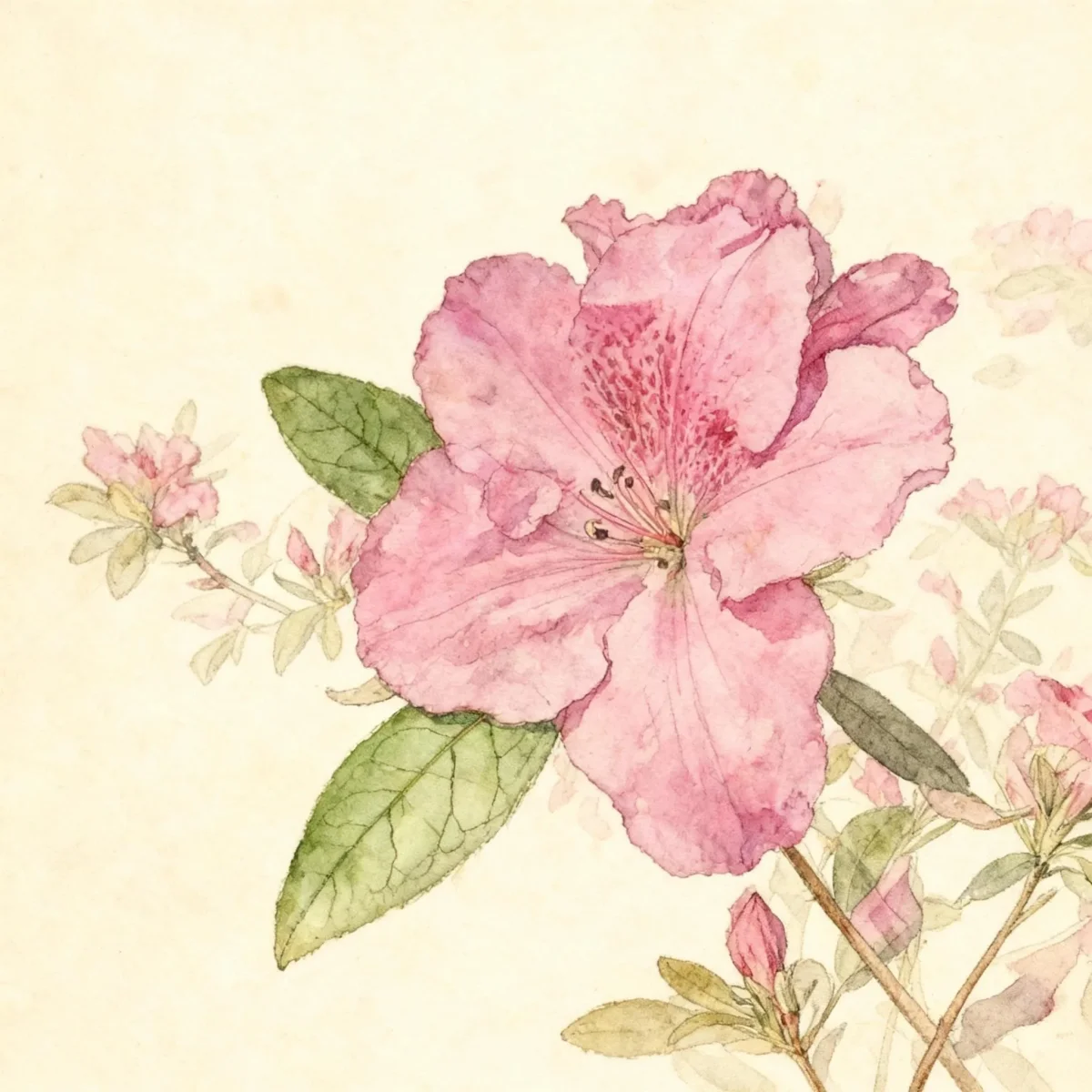
Azalea (Rhododendron 'Sherwoodii')
Rhododendron 'Sherwoodii' is a compact evergreen Azalea noted for showy magenta spring blooms in zones 6-9.
Scroll down to discover growing tips, care requirements, companion plants, and more
Complete Plant Information
Overview
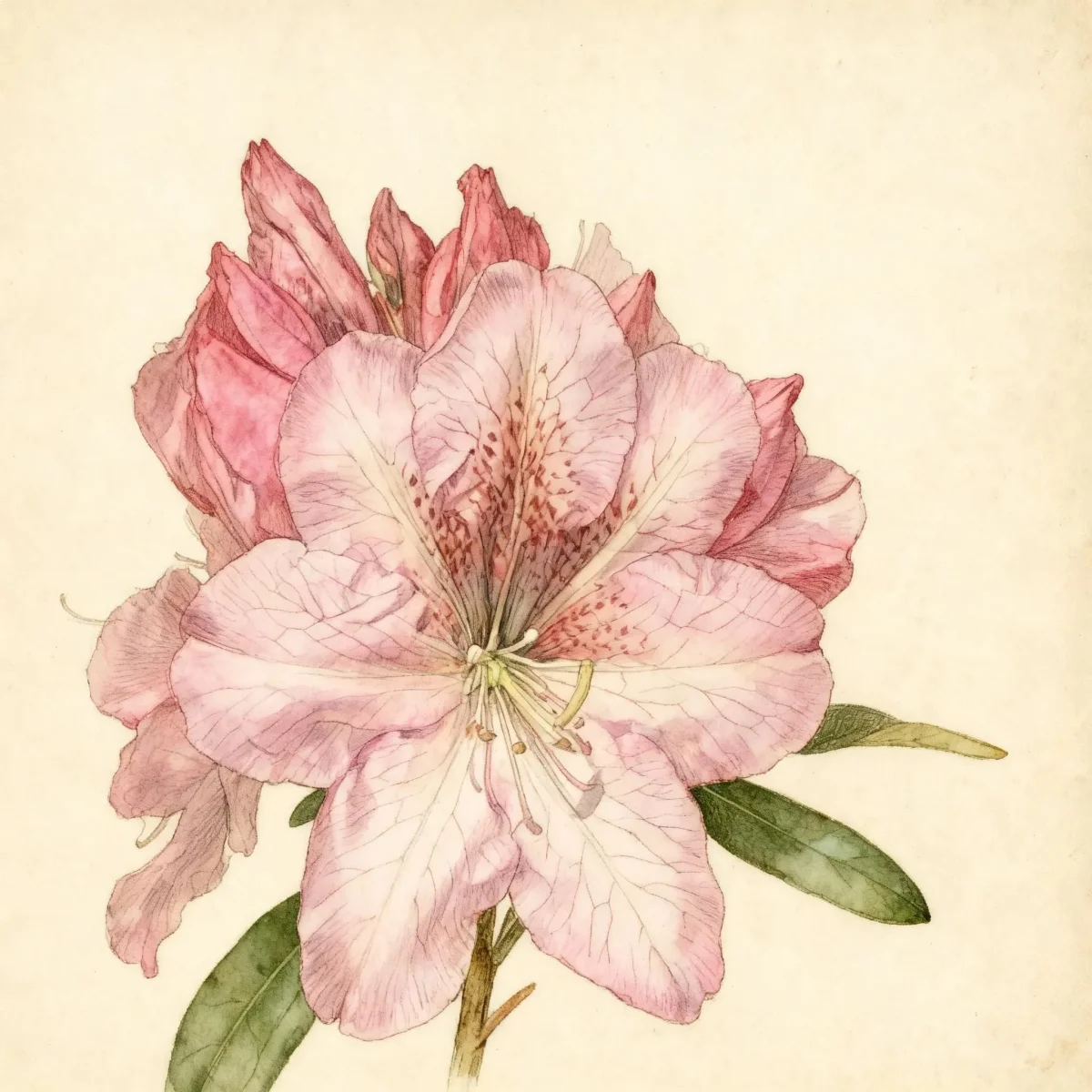
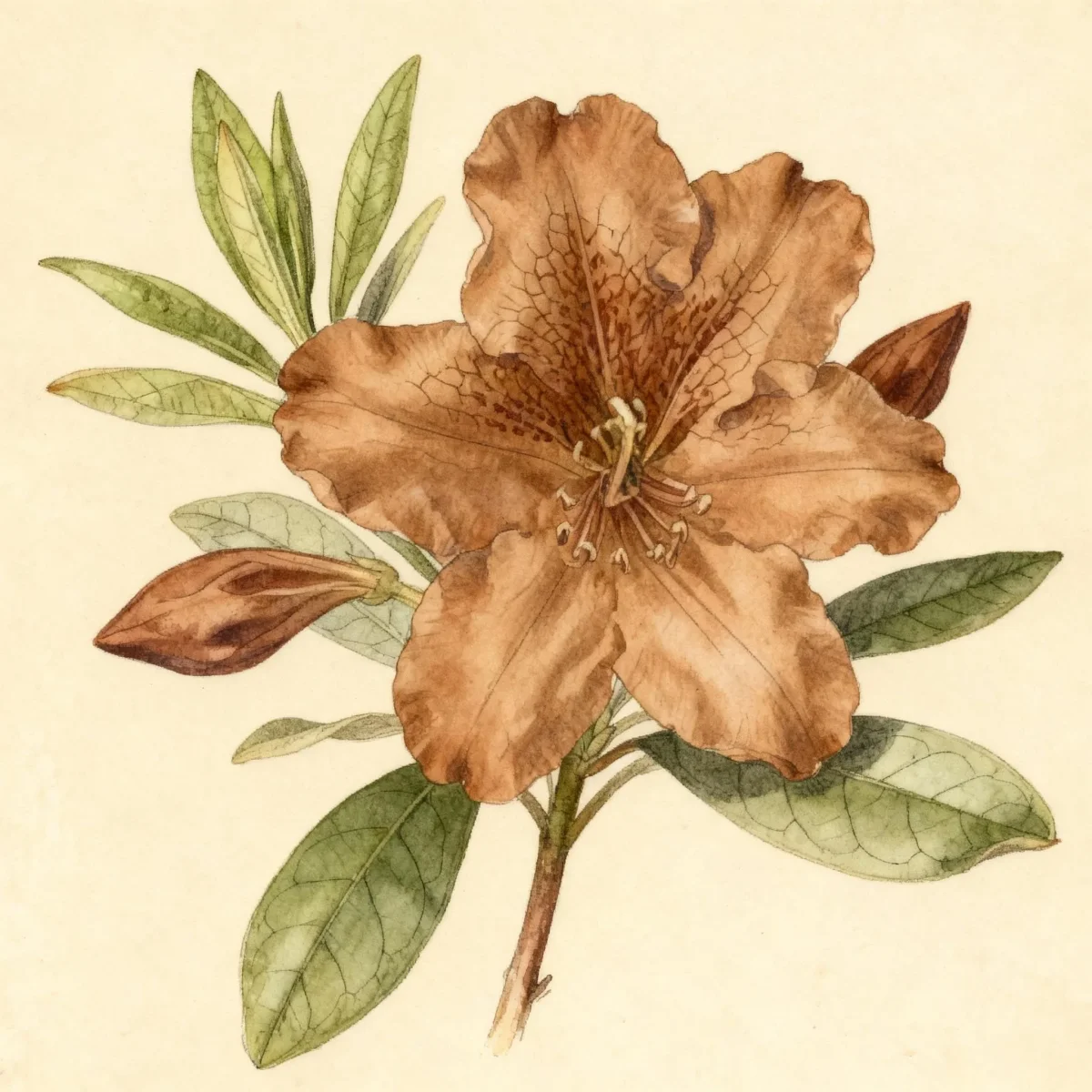
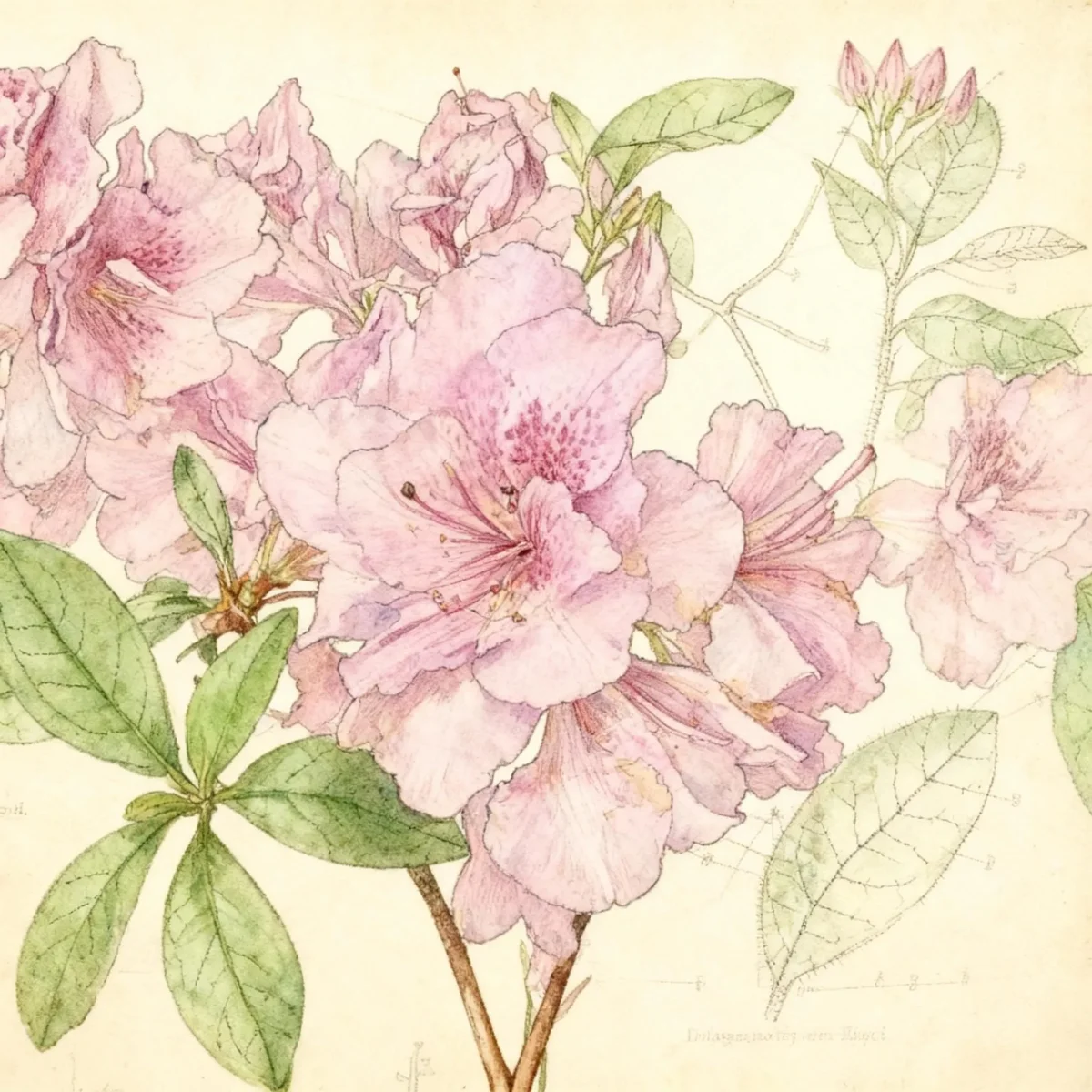
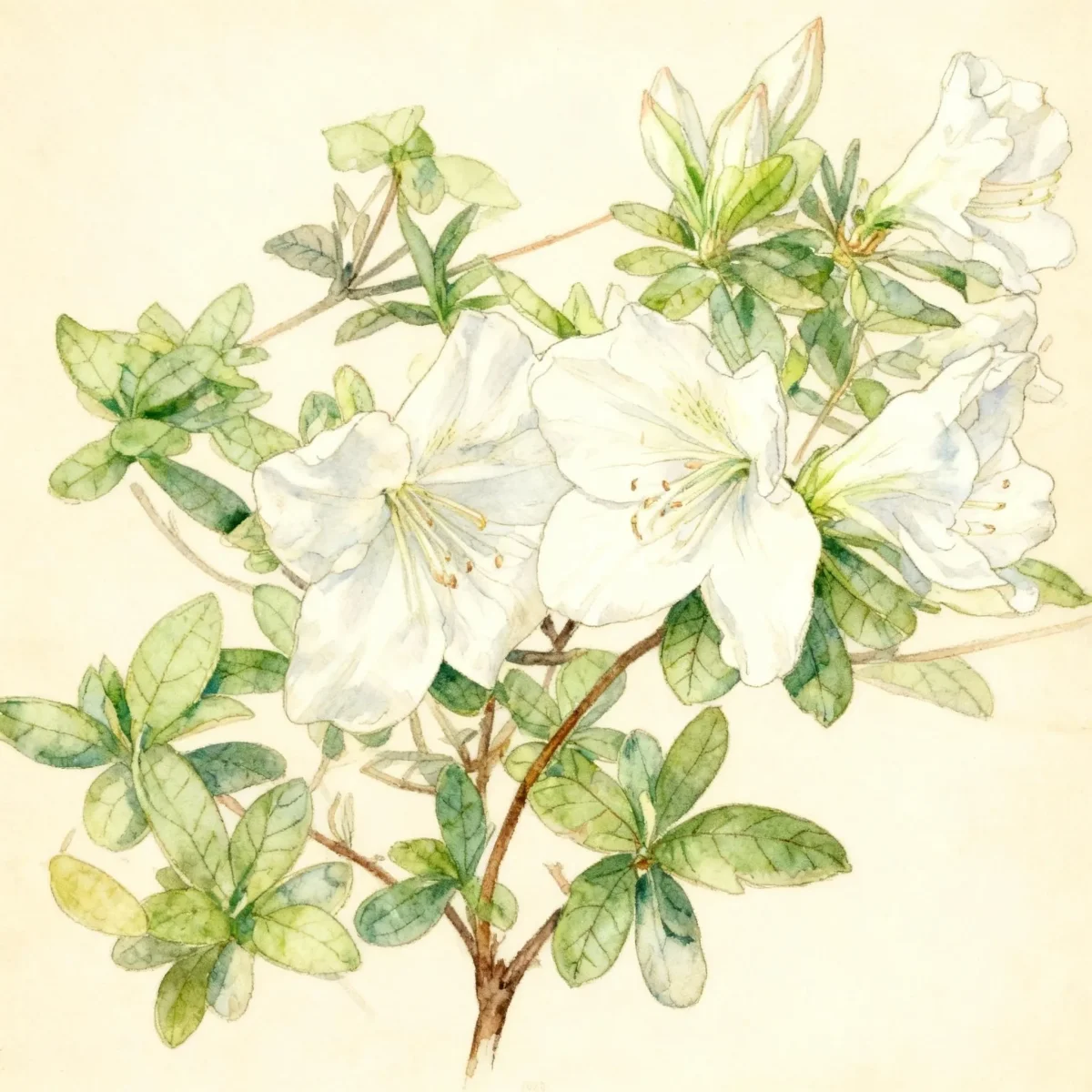
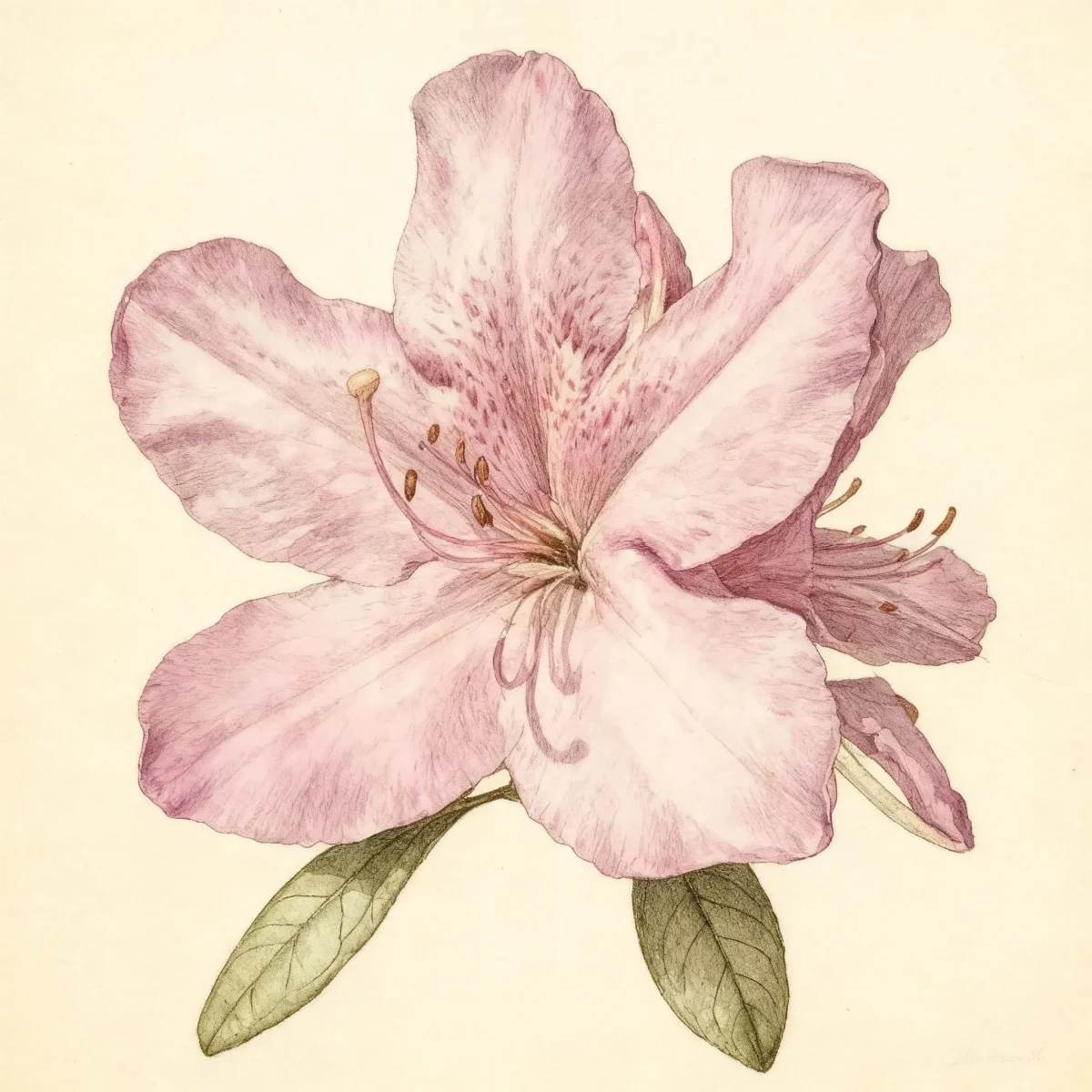
Rhododendron ‘Sherwoodii’ is a beloved Kurume hybrid Azalea, valued for providing vibrant color early in the growing season. This broadleaf evergreen retains its glossy, dark green foliage throughout the winter, offering year-round structure to the garden. Gardeners prize this compact variety for its neat, rounded habit, making Rhododendron ‘Sherwoodii’ an excellent choice for foundation plantings and formal hedges.
Blooming occurs reliably from April to May, showcasing masses of showy magenta flowers up to two inches wide. As a Kurume type, this Azalea typically matures between 2 to 4 feet tall and wide, maintaining a manageable size suitable for smaller landscapes or mixed borders. Proper acidic soil conditions are crucial for the health and vibrancy of this beautiful Azalea.
Its evergreen nature and dense growth habit ensure that Rhododendron ‘Sherwoodii’ contributes significantly to landscape texture even when not in bloom. From woodland margins to formal borders, this Azalea provides reliable spring spectacle and reliable winter screen.
Fast Facts
- Plant Family: Ericaceae
- Plant Type: Broadleaf evergreen
- Hardiness Zones: USDA Zones 6-9
- Size at Maturity:
- Height: 2-4 ft
- Spread: 2-4 ft
- Bloom Time: April to May
- Bloom Description: Magenta
- Sun Exposure: Part shade
- Water Needs: Medium
- Maintenance Level: Medium
How to Grow
The key to success with Rhododendron ‘Sherwoodii’ lies in soil preparation. Plant in acidic soil, ideally with a pH range between 5.0 and 5.5, ensuring the soil is organically rich, humusy, and moisture-retentive, yet well-drained. Avoid locations that retain standing water, as poor drainage quickly leads to root rot, necessitating raised beds in heavy clay.
Site this Azalea where it receives part shade, preferring dappled light or high open shade. Morning sun followed by afternoon shade is often ideal, though they can handle more sun in cooler northern summers. Protect your Rhododendron ‘Sherwoodii’ from harsh winds, as foliage can potentially suffer burn or scorch in intense afternoon sun.
Maintenance includes careful watering, as the shallow, fibrous roots must never be allowed to dry out; consistent medium moisture is required. Mulching heavily with pine needles or wood chips helps stabilize soil temperature and retain moisture. While cultivation around the plant should be avoided due to shallow roots, prompt clipping of spent flower clusters immediately after blooming encourages better flowering the following year. Furthermore, avoid planting near walnuts, as rhododendrons and azaleas are highly sensitive to juglone toxins.
Landscape Uses
Rhododendron ‘Sherwoodii’ excels in mass plantings, providing bold sweeps of magenta color in the spring landscape. Its dense, evergreen structure makes it an excellent choice for low shrub borders where continuous visual interest is required throughout the year. Because of its manageable 2-4 foot height, it is frequently employed near foundations, softening hard architectural lines.
This Kurume Azalea integrates beautifully into woodland gardens or shade gardens where dappled light complements its needs. Consider pairing it with acid-loving companions such as camellias, rhododendrons, or ferns that share similar cultural requirements. For structure, use it alongside upright evergreens or deciduous shrubs that offer contrasting textures.
Beyond traditional garden beds, the compact nature of Rhododendron ‘Sherwoodii’ lends itself well to use as a formal or informal hedge, offering a neat, low boundary. Dedicated enthusiasts also find success growing this variety for bonsai displays.
Standout Features
Flower Qualities
- Showy
Noteworthy Characteristics
The genus Rhododendron encompasses 500 to 900 species, including both standard rhododendrons and azaleas. This specific cultivar, ‘Sherwoodii,’ is a Kurume hybrid azalea, tracing its lineage back to natural hybrids found in Japan centuries ago. Kurume azaleas are known for being dwarf evergreens, typically reaching 2-3 feet, though ‘Sherwoodii’ grows reliably between 2 and 4 feet tall and wide, boasting small, glossy, dark green leaves.
Tolerances
- Rabbit
- Erosion
Potential Problems
Rhododendrons and azaleas generally require vigilance against pests and diseases but remain robust when cultural needs are met. Common insect issues include aphids, lacebugs, and scale, which can usually be managed with targeted horticultural oils or insecticidal soaps applied when pests are first noted. Disease susceptibility includes various blights and root or crown rot, often resulting from overwatering or poor drainage.
Preventative cultural care is the best defense. Ensure your soil pH is acidic (5.0–5.5) to guarantee nutrient uptake; yellowing leaves, or chlorosis, frequently signals an iron deficiency exacerbated by soil that is too alkaline. Maintaining consistent moisture without waterlogging will significantly reduce the risk of fungal diseases taking hold in the fibrous root zone.
Frequently Asked Questions
What hardiness zones is Azalea suitable for?
Rhododendron ‘Sherwoodii’ is best suited for the moderate climates found in USDA Hardiness Zones 6 through 9.
How large does Azalea grow?
This evergreen Azalea typically develops into a compact shrub, growing between 2 to 4 feet in height and spreading to a similar width.
When does Azalea bloom?
The beautiful magenta flowers of Rhododendron ‘Sherwoodii’ appear predictably in the spring, usually from April to May.
What sun exposure does Azalea need?
This plant requires part shade; while it can handle some morning sun, intense, hot afternoon sun should be avoided to prevent leaf scorch.
Conclusion
Rhododendron ‘Sherwoodii’ is a superior compact evergreen Azalea, offering durable foliage accented by a stunning display of magenta blooms each spring. Its dense growth makes it highly adaptable for use in borders, hedges, or foundation plantings throughout USDA Zones 6-9. Before planting, ensure your site provides the necessary acidic, well-drained soil and dappled sunlight to guarantee a healthy Rhododendron ‘Sherwoodii’ specimen for years to come.
Companion Planting
Selecting appropriate companions is vital for creating a thriving acidic planting environment for your Azalea. Plants that require similar well-drained, humus-rich soil and tolerate partial shade will naturally integrate well alongside Rhododendron ‘Sherwoodii’. Consider shade-tolerant groundcovers that help stabilize soil temperatures around the shallow roots of the Azalea.
Low-growing plants like Astilbe, Helleborus (Lenten Rose), or various woodland ferns create beautiful textural contrast beneath the canopy of this shrub. For color variation in the mid-story, small Camellias or Japanese Maples provide excellent companions that share the high acidity preference of the Azalea.
Seasonal Care Calendar
Spring care focuses heavily on flowering. After the magenta blooms fade in late spring, deadhead the spent flower clusters promptly to redirect the plant’s energy into good vegetative growth instead of seed production. As summer begins, focus on maintaining consistent moisture, especially during dry spells, by checking the mulch depth and watering slowly and deeply.
In autumn, apply a fresh layer of acidic mulch, such as pine needles or aged bark, around the base of the Azalea, ensuring the mulch does not touch the main stems. Winter protection should focus on wind buffering; if you experience particularly harsh winters, providing temporary screening against drying winter winds helps protect the evergreen foliage. During early spring, apply slow-release fertilizer formulated specifically for acid-loving plants, following label directions carefully.