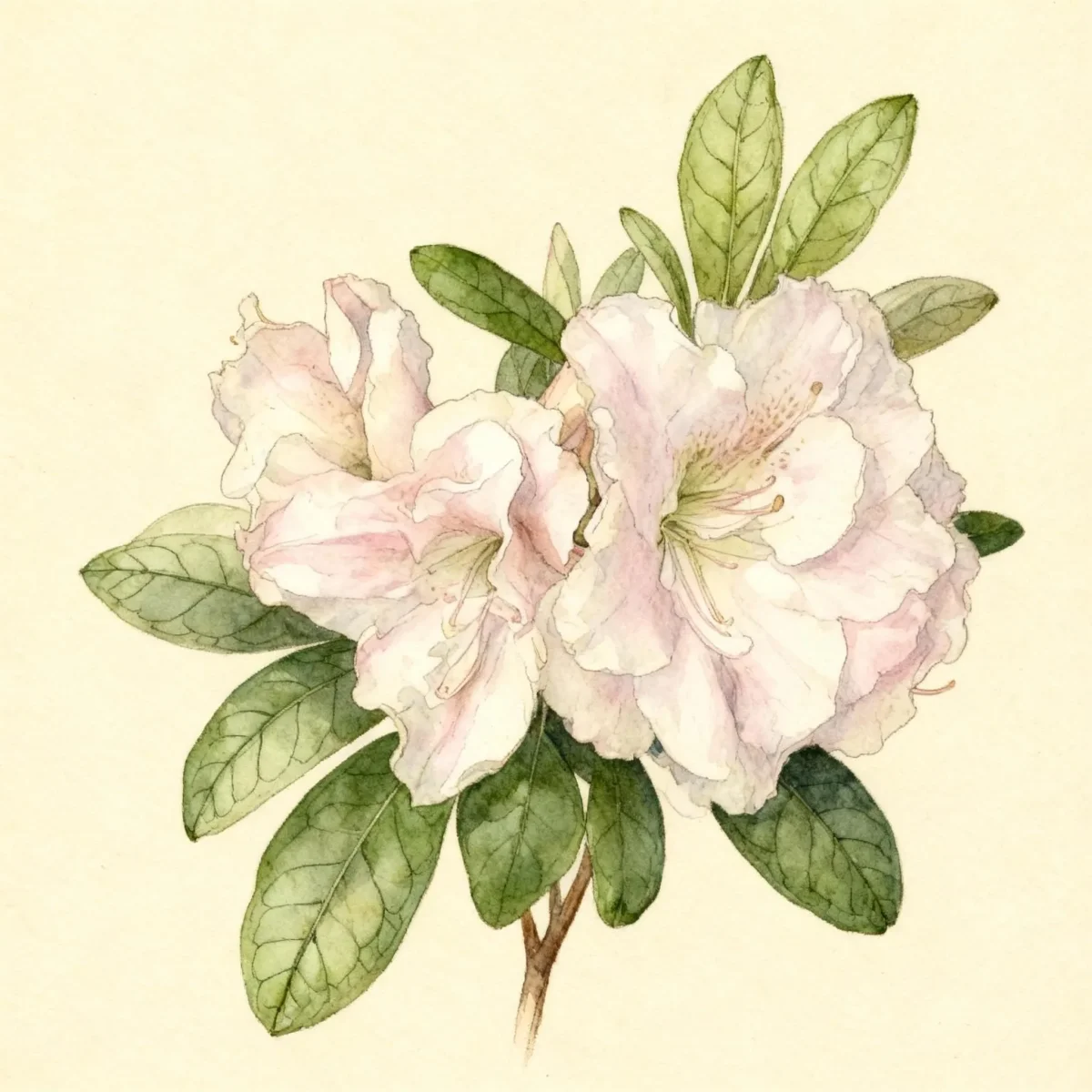
Azalea (Rhododendron 'Susan Camille')
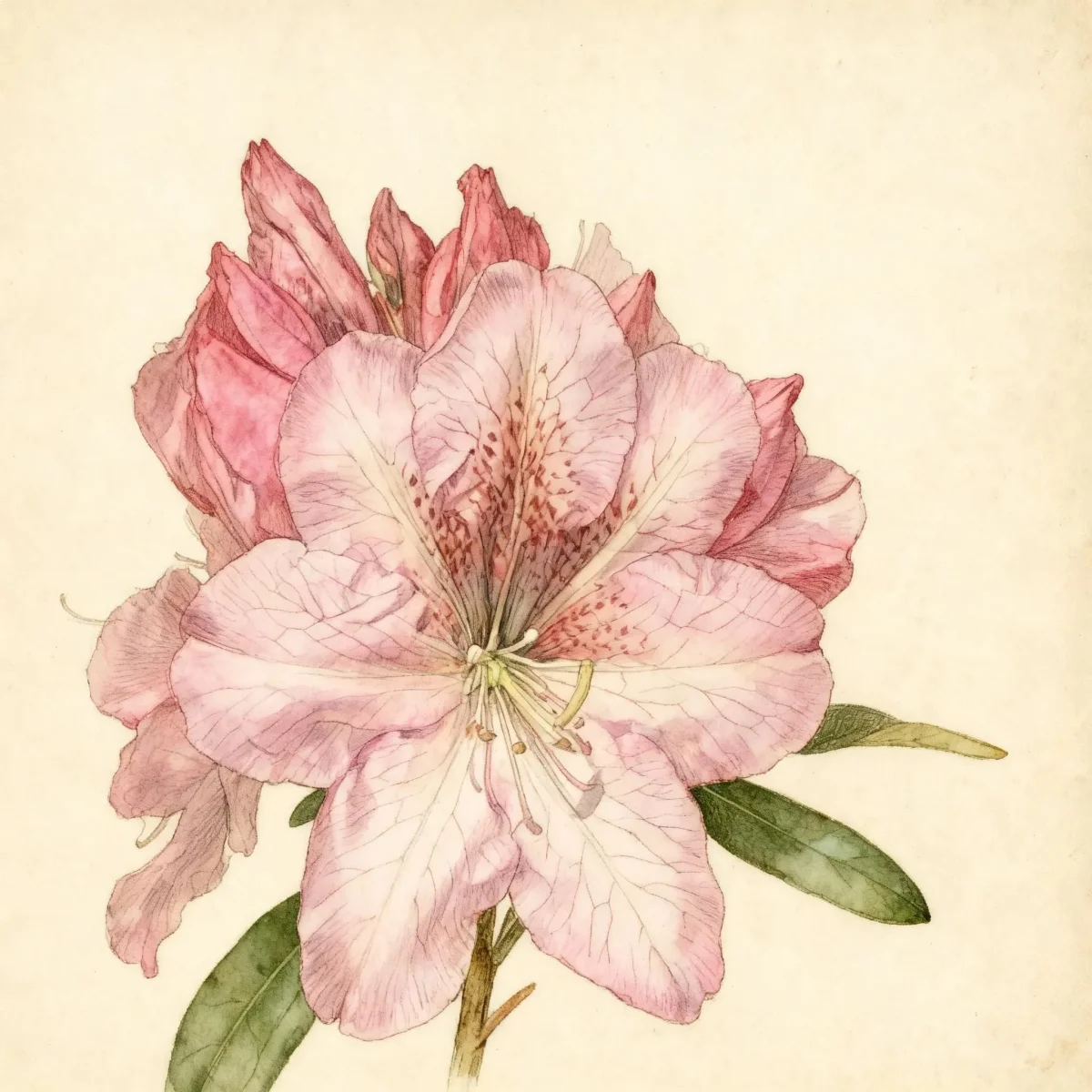
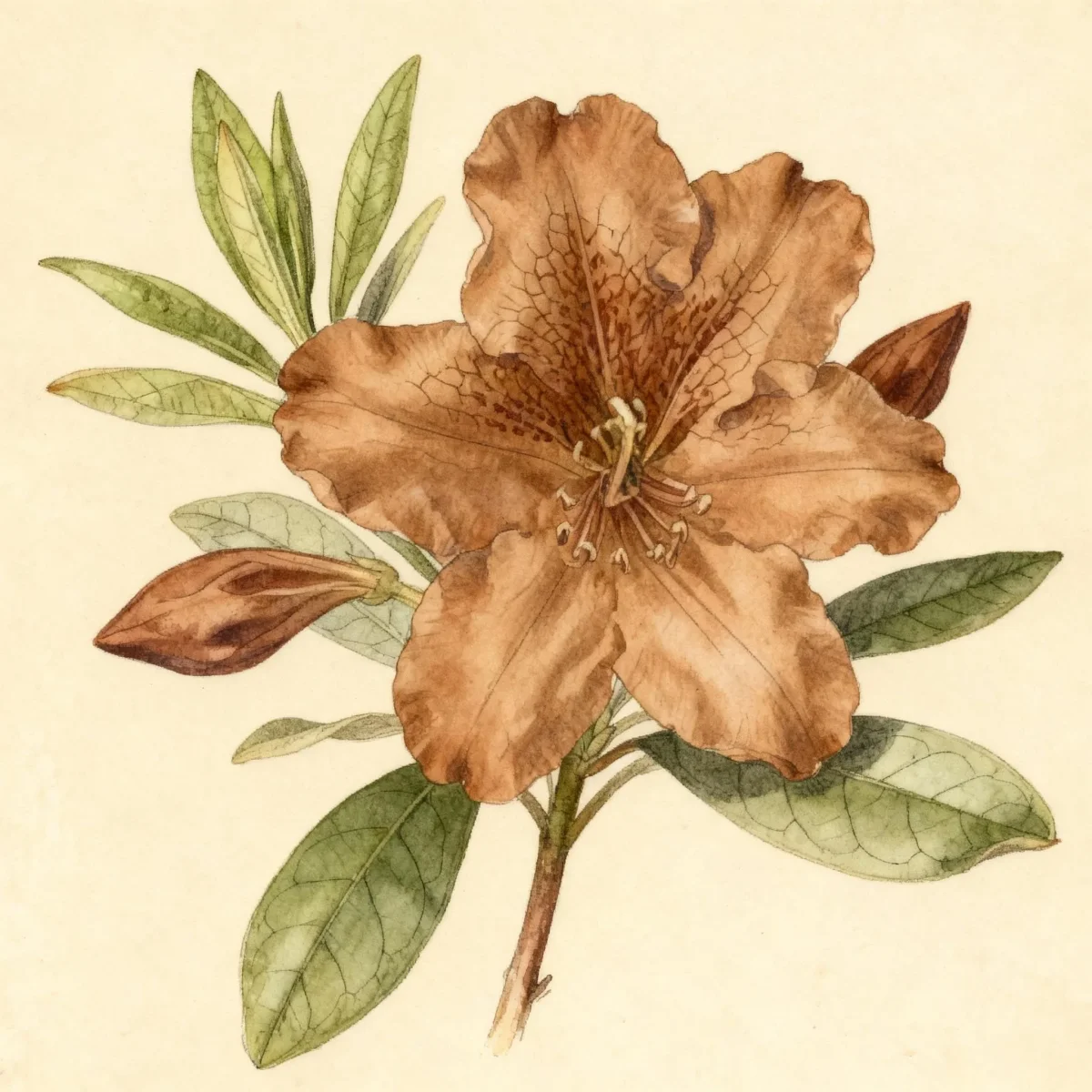
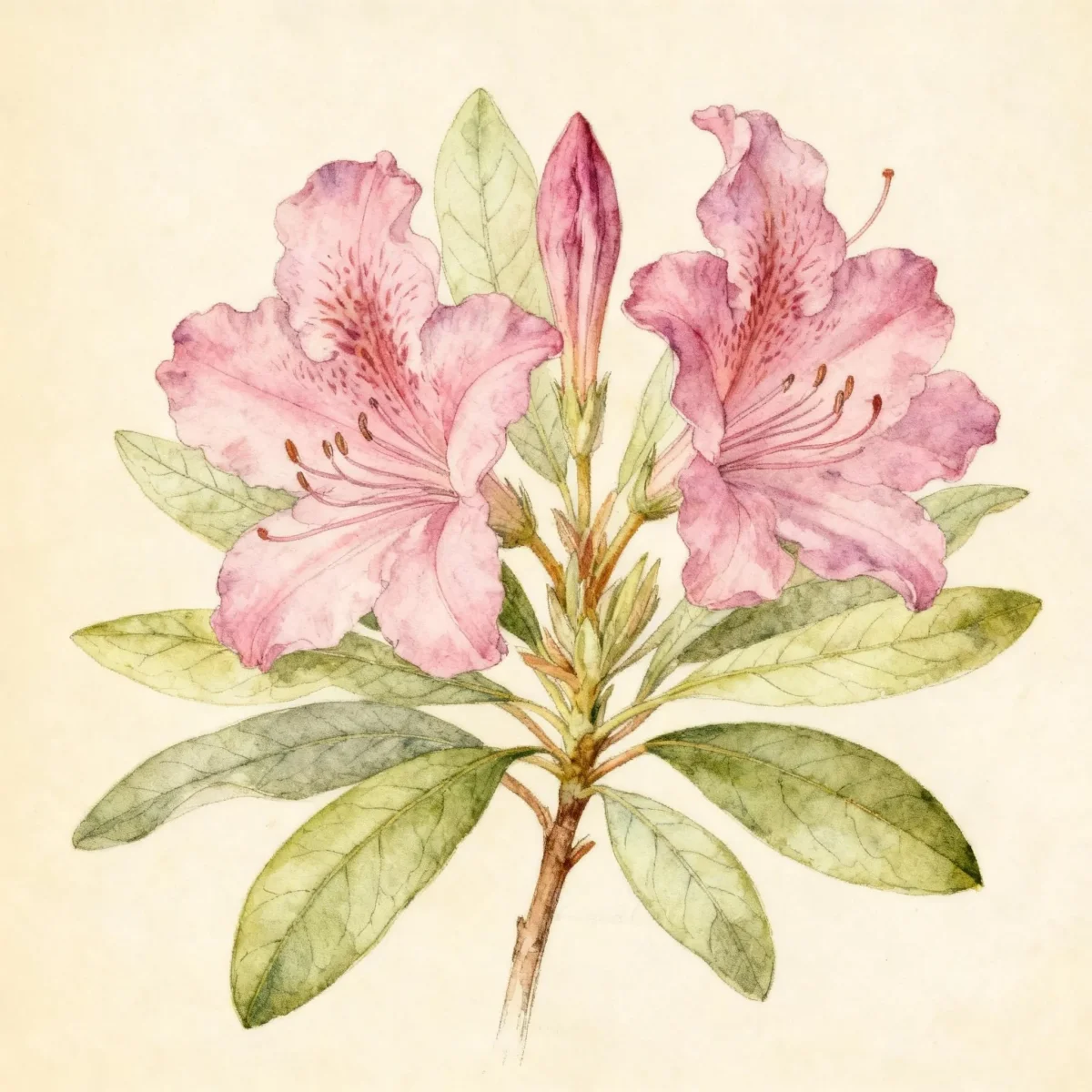
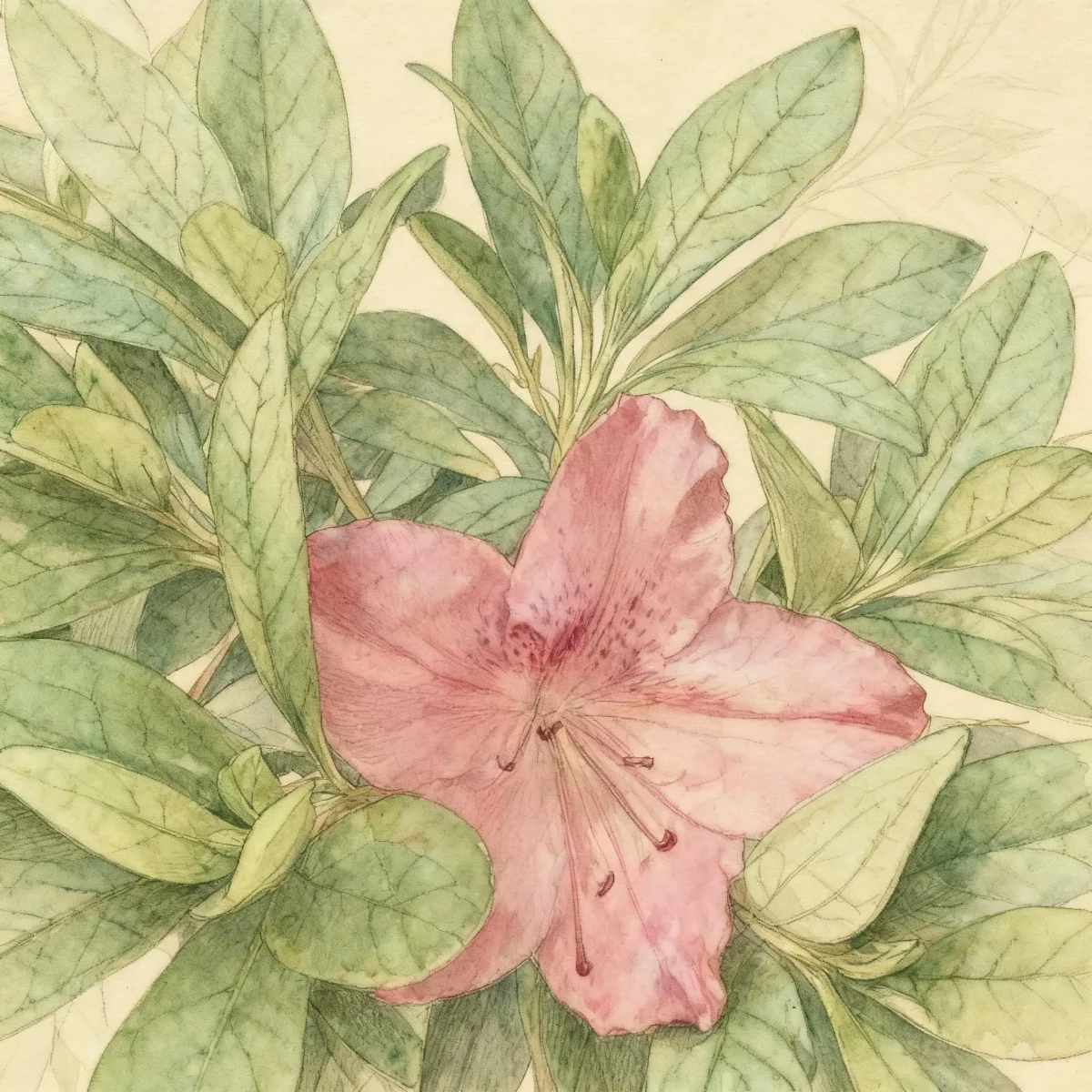
Rhododendron 'Susan Camille' is a compact evergreen Azalea offering showy, pale pink blooms in spring. Ideal for shade gardens in Zones 5-8.
Scroll down to discover growing tips, care requirements, companion plants, and more
Complete Plant Information
Overview
Rhododendron ‘Susan Camille’ is a prized evergreen Azalea cultivar, recognized for providing structure and vibrant color to shaded garden areas. This hybrid, bred for cold-hardy performance in regions like the Midwest, features semi-double flowers that create a soft, memorable display each spring. As a broadleaf evergreen, it offers essential winter texture, making it a valuable year-round component in landscape design.
This specific Azalea cultivar typically matures to a manageable size, fitting beautifully into foundation plantings or as part of an informal border, reaching heights and spreads between 1.5 and 3 feet. Properly situated, Rhododendron ‘Susan Camille’ excels in environments mimicking its native woodland understory, demanding acidic, well-drained soil. Success with this plant hinges on protecting its shallow root system and providing consistent moisture without waterlogging.
Gardeners choose the Azalea ‘Susan Camille’ for its reliable performance and delicate coloration, which complements later-blooming shrubs. Its low-to-medium stature makes it excellent for creating foreground interest or formal low hedges where larger rhododendrons might overwhelm the space. Ensuring correct soil pH is the primary cultural requirement for vibrant health and abundant flowering of this particular Rhododendron ‘Susan Camille’.
Fast Facts
- Plant Family: Ericaceae
- Plant Type: Broadleaf evergreen
- Hardiness Zones: USDA Zones 5-8
- Size at Maturity:
- Height: 1.5-3 ft
- Spread: 1.5-3 ft
- Bloom Time: April to May
- Bloom Description: Pale pink with darker pink blotches
- Sun Exposure: Part shade
- Water Needs: Medium
- Maintenance Level: Medium
How to Grow
Planting Rhododendron ‘Susan Camille’ should ideally occur in the cooler months—early spring or fall—to allow the roots to establish before temperature extremes stress the plant. Location is critical: these Azaleas thrive in dappled sunlight or high open shade, preferring morning sun and protection from intense afternoon heat, especially where summers are hot. They absolutely require acidic, organically rich, humusy, well-drained soil with medium moisture retention. In heavy clay soils, consider planting in raised beds to guarantee good drainage, as wet feet inevitably lead to root rot.
Media management is crucial for this shallow-rooted species. Avoid cultivating deeply near the base, as their fibrous roots can be easily damaged. Apply a deep layer of organic mulch, such as pine needles or wood chips, to help stabilize soil temperatures, retain necessary moisture, and slowly break down to enrich the soil. Monitor soil pH; Azaleas prefer conditions between 5.0 and 5.5. If the soil is too alkaline, apply sulfur or iron sulfate to lower the pH as needed.
Watering should be consistent, as roots must never be allowed to dry out completely. Fertilize carefully according to needs to maintain the correct acidity level. After the pale pink blooms fade between April and May, promptly clip off the spent flower clusters (deadheading) if practicable. This action encourages good vegetative growth and helps prepare the plant for next season’s flowering, maximizing the enjoyment of your Azalea. Protect young plantings from strong winds, which can damage foliage, particularly during winter months.
Landscape Uses
Rhododendron ‘Susan Camille’ offers versatility in shaded and woodland garden settings. Due to its neat, compact habit, it functions exceptionally well when massed together to create a continuous sweep of early spring color. It is frequently utilized as an effective low hedge, defining property lines or garden rooms without creating an imposing barrier, or as a recurring element in shrub or mixed borders.
For foundation plantings near homes, this Azalea adds soft texture right against structures, provided it is not placed too close where reflected heat or insufficient light could become an issue. In woodland gardens, plant Rhododendron ‘Susan Camille’ beneath taller deciduous trees that offer high, filtering shade. Ensure placement avoids the drip lines of walnuts or hickories due to toxin sensitivity (juglones).
Standout Features
Flower Qualities
- Showy
Noteworthy Characteristics
Rhododendron is a genus of 500 to 900 species and includes both of what we commonly call rhododendrons and azaleas. True rhododendrons have 10 stamens in a flower and azaleas have only 5. Bred by Dr. Henry R. Schroeder, ‘Susan Camille’ is a compact evergreen azalea cultivar known for its cold-hardy nature, suitable for midwestern climates. It produces 2 1/2 inch, semi-double flowers displaying pale pink petals accented with darker pink blotches, growing reliably between 1.5 and 3 feet tall and wide.
Tolerances
- Rabbit
Potential Problems
Rhododendrons and azaleas are attractive targets for various pests and diseases, though Rhododendron ‘Susan Camille’ will remain healthy if cultural needs are met. Monitor for common insect pests like lacebugs or scale, and address significant infestations promptly with appropriate horticultural oils or insecticides. Disease management centers heavily on prevention; issues like root rot or crown rot are almost always linked to poor soil drainage—a key reason why raised beds are recommended in heavy soils.
Fungal issues such as leaf spot or powdery mildew can appear, often exacerbated by poor air circulation or overhead watering late in the day. Ensure adequate spacing between plants and prune lower limbs slightly if necessary to promote airflow. A very common sign of trouble is chlorosis, where leaves turn yellow; this usually points to an iron deficiency caused by soil pH becoming too high, correctable by applying soil acidifiers to favor the acidic environment beloved by the Azalea.
Frequently Asked Questions
What hardiness zones is Azalea (Rhododendron ‘Susan Camille’) suitable for?
Rhododendron ‘Susan Camille’ performs best across USDA Hardiness Zones 5 through 8.
How large does Azalea (Rhododendron ‘Susan Camille’) grow?
This evergreen Azalea typically reaches a mature height and spread between 1.5 and 3 feet.
When does Rhododendron ‘Susan Camille’ bloom?
This cultivar flowers in the spring, generally from April to May, showing off pale pink blooms with distinctive darker pink blotches.
What sun exposure does Azalea (Rhododendron ‘Susan Camille’) need?
The ideal location for Rhododendron ‘Susan Camille’ is part shade, favoring dappled light or morning sun followed by afternoon shade to prevent leaf scorch.
Conclusion
Rhododendron ‘Susan Camille’ offers gardeners a dependable, compact evergreen display, celebrated for its neat structure and lovely pale pink spring flowers. By prioritizing acidic soil, excellent drainage, and appropriate part-shade positioning, you guarantee the best performance from this specific Azalea cultivar. Before planting, always confirm your local USDA zone compatibility to ensure your new Azalea thrives for years to come.
Companion Planting in Woodland Settings
When planning a garden around Rhododendron ‘Susan Camille’, focus on companions that share similar shallow root systems, acidity needs, and shade tolerance. Ferns are excellent partners, providing varying textures beneath the shrub layer without competing aggressively for resources. Hosta varieties that tolerate more shade will complement the spring bloom time by unfurling their foliage as the flowers begin to fade.
Consider incorporating groundcovers like trailing Vinca or Pachysandra. These plants help blanket the soil, further suppressing weeds and protecting the critical, shallow roots of the Azalea from drying out or fluctuating temperatures. Grouping these shade lovers ensures a cohesive, low-maintenance woodland edge aesthetic where Rhododendron ‘Susan Camille’ is the star in early spring.
Design Ideas for Foundation Plantings
As an evergreen shrub that maintains size, Rhododendron ‘Susan Camille’ serves wonderfully in foundation plantings near homes or retaining walls. Plant them in repeating clusters along the base of a structure, preferably facing east or north to avoid harsh afternoon sun exposure. Allow enough space between each plant to accommodate their mature 3-foot spread, preventing overcrowding which stifles air flow.
For a formal look, line a walkway using Rhododendron ‘Susan Camille’ as a low, repeating element in front of taller varieties of standard rhododendrons or taller broadleaf evergreens behind them. If you are utilizing them specifically as a hedge, ensure they are planted in a straight line in rich, prepared soil, remembering they are best used as a low border rather than a tall privacy screen.