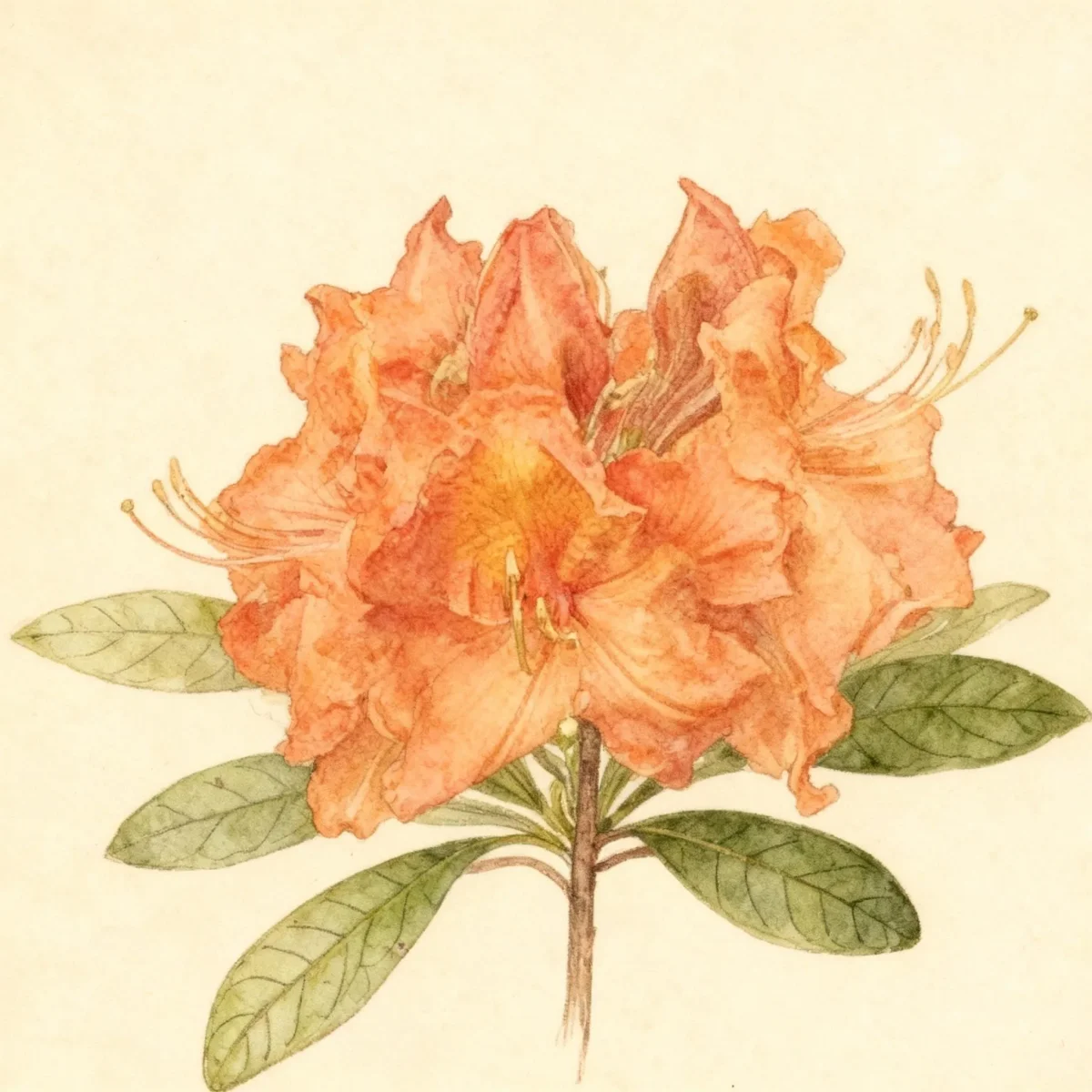
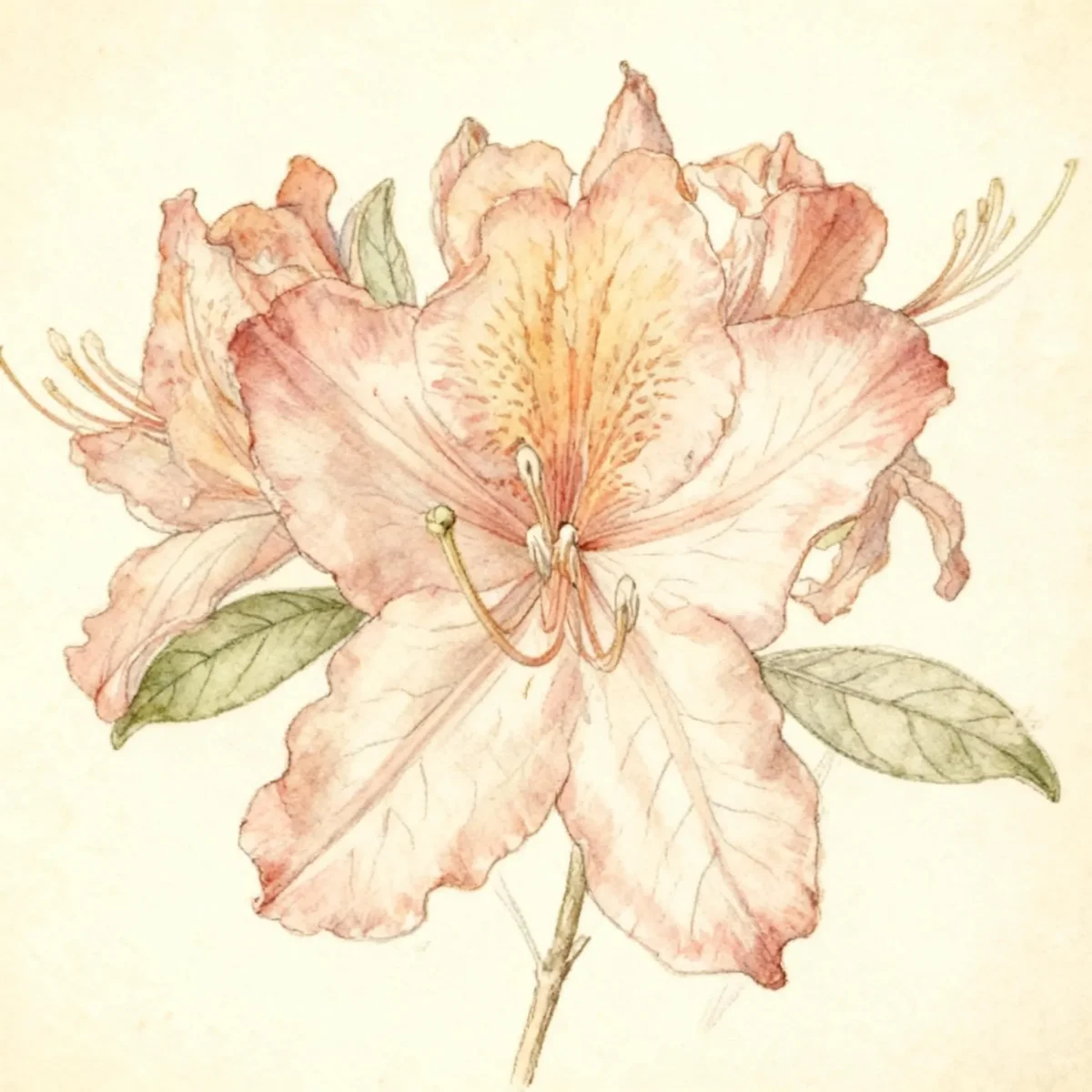
Azalea (Rhododendron 'Viscosepala')
Rhododendron 'Viscosepala' is a showy, fragrant Deciduous shrub Azalea ideal for zones 5-8, featuring pale blooms.
Scroll down to discover growing tips, care requirements, companion plants, and more
Complete Plant Information
Overview
Rhododendron ‘Viscosepala’ is a classic deciduous Azalea valued for its spectacular spring flowering display and appealing fragrance. As an old cultivar, this shrub contributes significant seasonal interest to temperate gardens across USDA Zones 5 through 8. Its structure, growing between 6 to 8 feet tall, makes it well-suited for creating substantial, colorful screens or focal points.
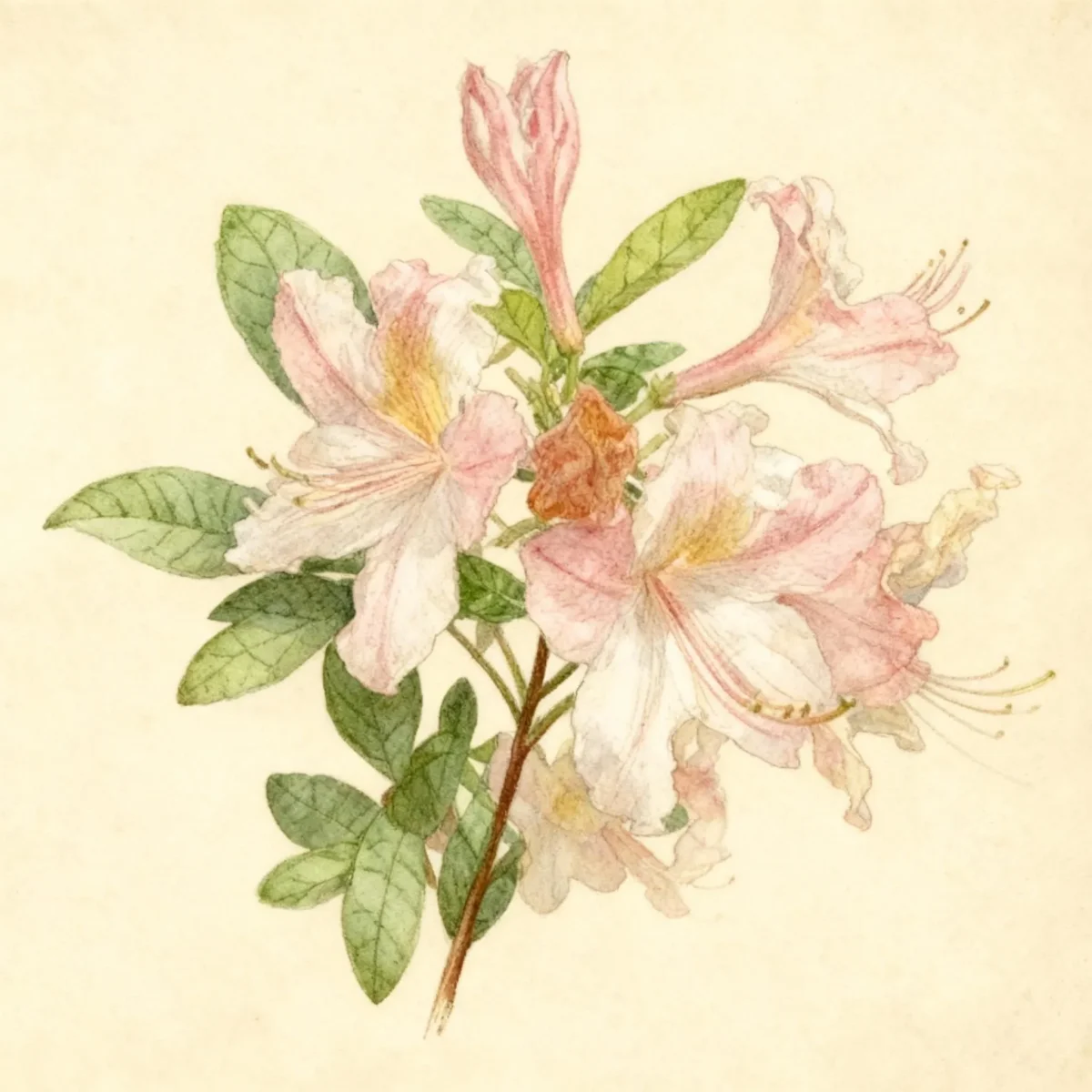
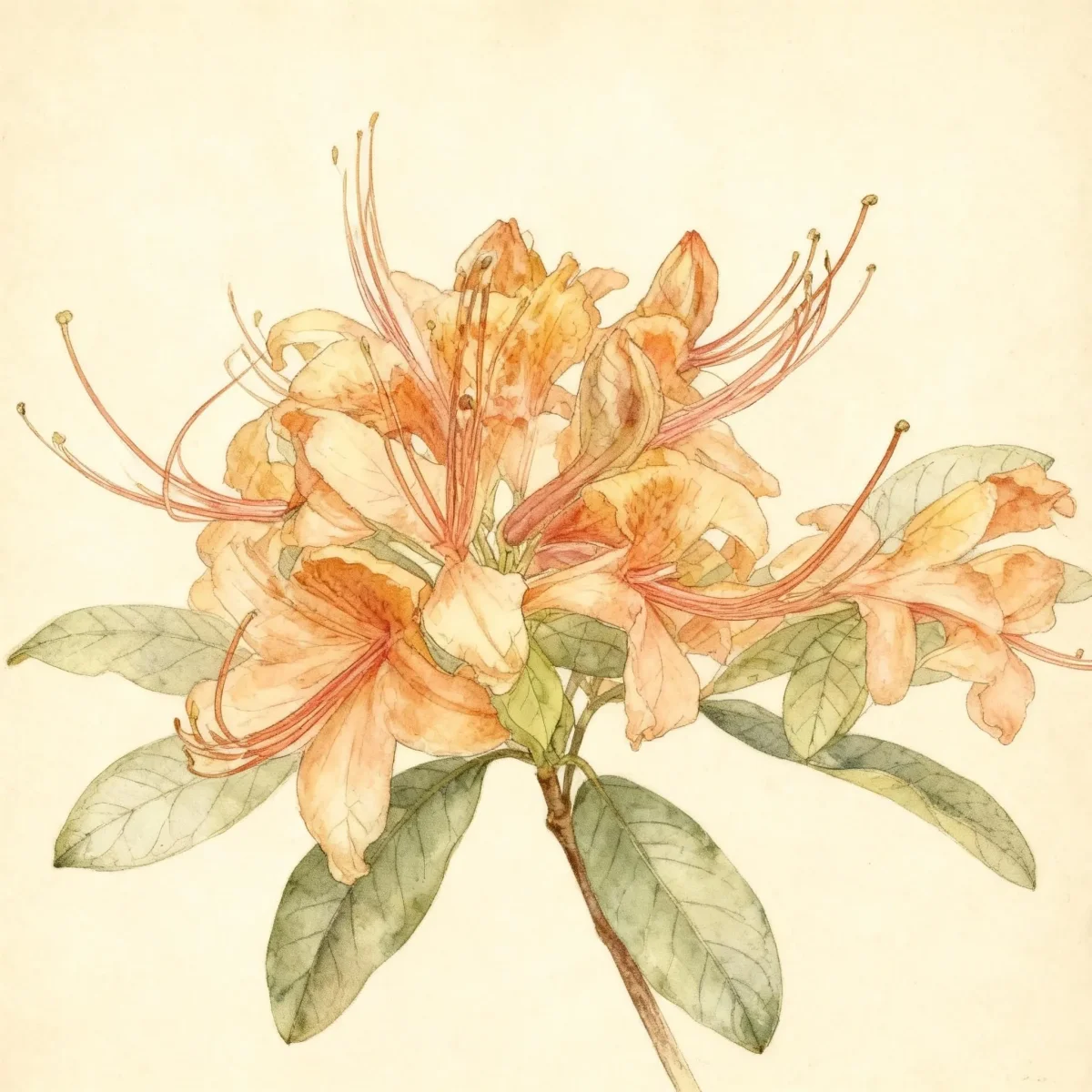
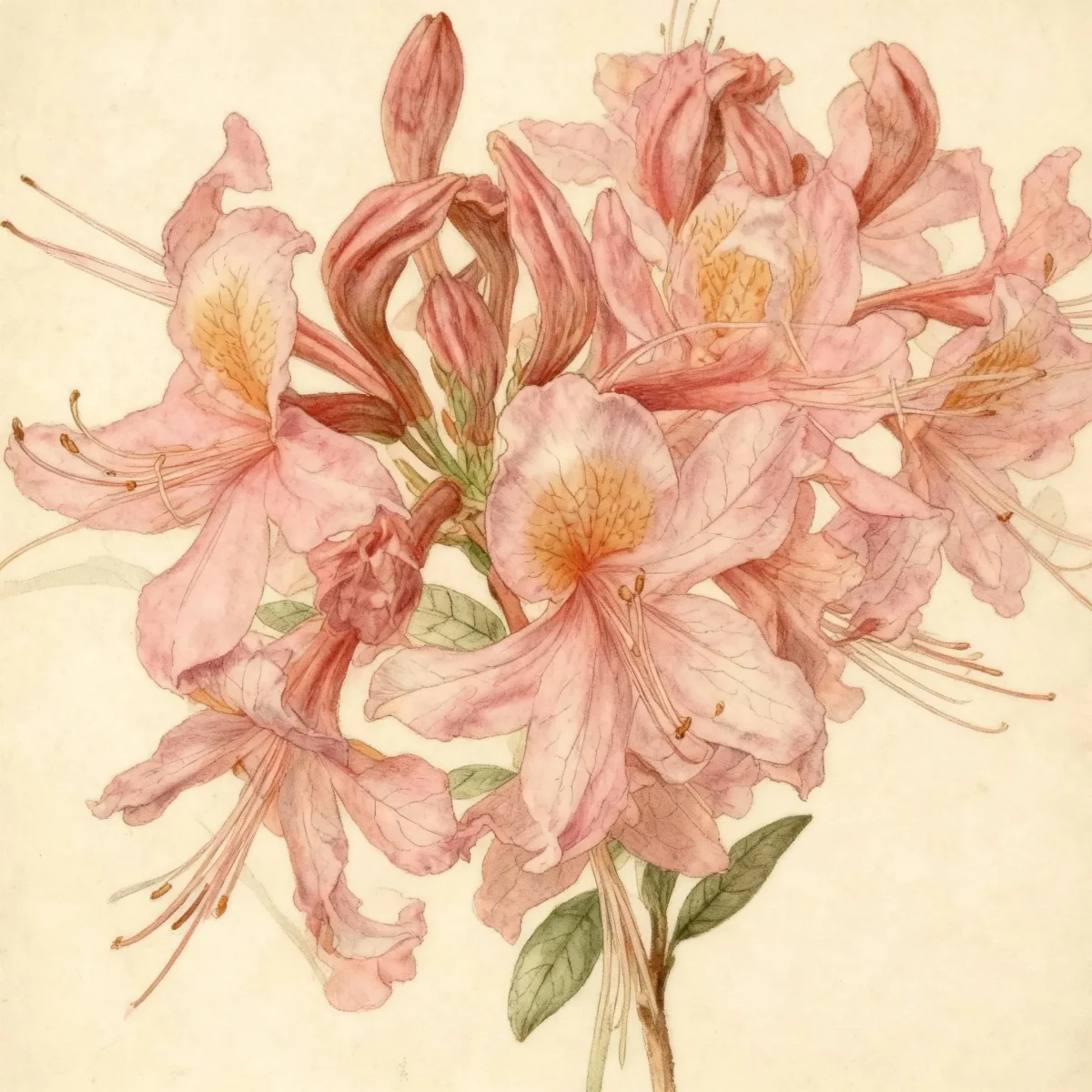
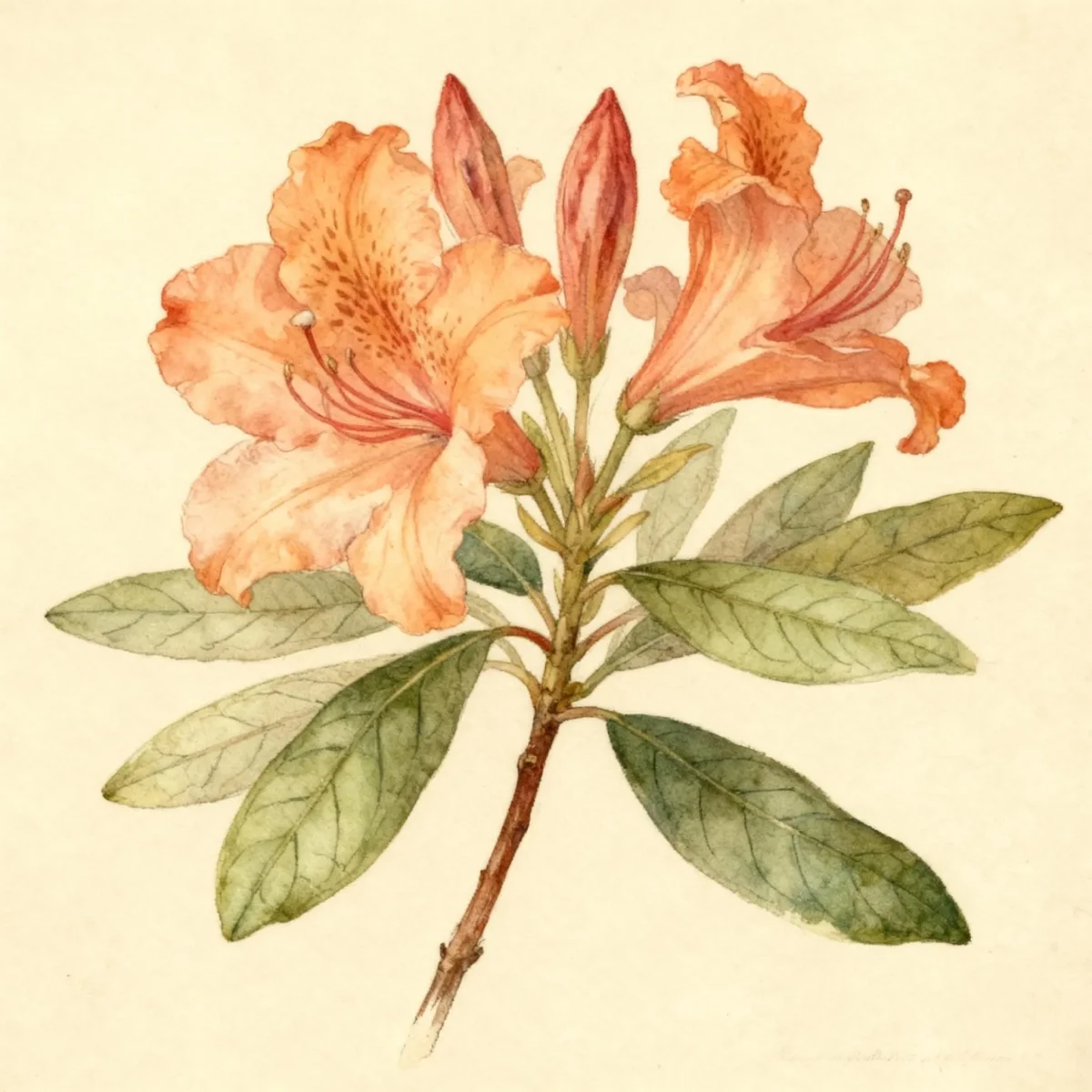
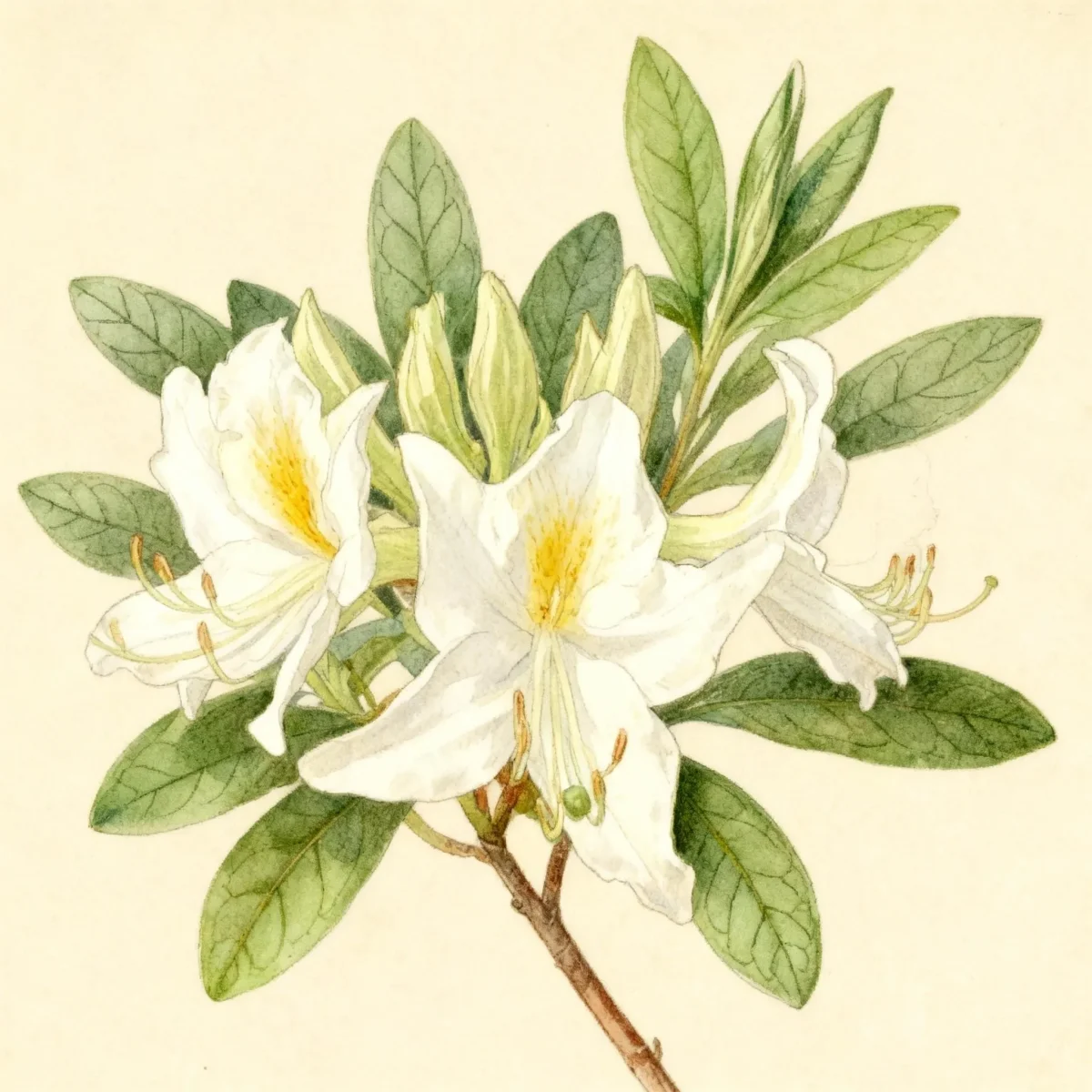
This particular Azalea offers pale yellowish white flowers enhanced by a distinct yellow blotch, appearing reliably from April through May. Being a deciduous type, it sheds its leaves in the fall, focusing its energy on the early burst of bloom just as new foliage emerges. Successful cultivation of Rhododendron ‘Viscosepala’ relies heavily on specific soil conditions that mimic its native, humus-rich environments.
Gardeners appreciate the versatility of Rhododendron ‘Viscosepala’ for borders and mass plantings, providing a softer, more delicate aesthetic than many evergreen rhododendrons. Providing the correct soil acidity and drainage is key to ensuring this Azalea thrives and offers its showy, fragrant performance year after year.
Fast Facts
- Plant Family: Ericaceae
- Plant Type: Deciduous shrub
- Hardiness Zones: USDA Zones 5-8
- Size at Maturity:
- Height: 6-8 ft
- Spread: 5-6 ft
- Bloom Time: April to May
- Bloom Description: Pale yellowish white with a yellow blotch
- Sun Exposure: Part shade
- Water Needs: Medium
- Maintenance Level: Medium
How to Grow
Planting Rhododendron ‘Viscosepala’ successfully centers on soil preparation, as drainage and acidity are paramount. These shrubs perform best when situated in organically rich, humusy soil that retains moisture but drains exceptionally well; wet feet invariably lead to root rot. Aim for a location receiving part shade, ideally protected from harsh afternoon sun, especially in hotter climates where leaves can scorch. Morning sun followed by afternoon shade is often ideal.
Ensure the soil pH is acidic, targeting a range between 5.0 and 5.5; use sulfur or iron sulfate to lower pH as necessary. Because Azaleas possess shallow, fibrous root systems, avoid cultivating deeply near the base of the plant. Instead, apply a thick layer of organic mulch, such as pine needles or wood chips, to conserve moisture and keep roots cool. Never permit these roots to dry out completely.
Maintenance involves regular, consistent watering to meet medium needs and immediate deadheading after flowering concludes to encourage energy storage for next year’s blossoms. Protect Rhododendron ‘Viscosepala’ from strong winds. Critically, avoid planting near walnut family trees, as the juglones produced by their roots are toxic to most Azaleas.
Landscape Uses
Rhododendron ‘Viscosepala’ excels when integrated into various landscape designs, functioning beautifully as a specimen plant or within larger groupings. Its medium height (6–8 ft) makes it an excellent choice for medium-sized shrub borders where its early spring flowers can stand out against later-blooming perennials. Furthermore, its use as a formal or informal hedge works well, provided adequate spacing (5–6 ft spread) is maintained for air circulation.
For woodland garden settings or shaded areas, this Azalea provides essential structure. Pair it with plants that share similar acidic soil and moisture requirements, such as ferns, hostas, or other acid-loving evergreens. Its application in foundation plantings is effective, adding vertical texture near structures, though proper siting to avoid midday sun is mandatory for the health of the Rhododendron ‘Viscosepala’.
Standout Features
Flower Qualities
- Showy
- Fragrant
Noteworthy Characteristics
Rhododendron is a genus of 500 to 900 species and includes both what we commonly call rhododendrons and azaleas, with this particular variety, ‘Viscosepala,’ being a Mollis hybrid. Distinguished from true rhododendrons by having only five stamens, this Azalea drops its leaves in the fall, leading to a lavish display of flowers early in spring before the new foliage fully emerges. Bred before 1848, it features fragrant, funnel-shaped flowers measuring two inches wide, offering a historic touch to the modern landscape.
Tolerances
- Rabbit
Potential Problems
Rhododendrons and Azaleas, including Rhododendron ‘Viscosepala’, face potential issues from various insect and disease pests. Common concerns include scale, aphids, and lacebugs, which can deface the foliage. Diseases such as root rot are a major threat if soil drainage is poor, emphasizing the need for well-drained, raised beds if clay is present. A common visual issue is chlorosis, where leaves yellow, usually signalling an iron deficiency caused by soil pH that is too high. Maintaining the correct acidic environment (pH 5.0–5.5) is the best preventative measure against these cultural disorders.
Frequently Asked Questions
What hardiness zones is Azalea suitable for?
The Azalea Rhododendron ‘Viscosepala’ is hardy in USDA Zones 5 through 8.
How large does Rhododendron ‘Viscosepala’ grow?
This deciduous shrub typically reaches a height between 6 and 8 feet tall, with a spread of 5 to 6 feet wide.
What sun exposure does Azalea need?
Rhododendron ‘Viscosepala’ requires part shade; it prefers dappled light or high open shade, benefiting from protection from hot afternoon sun.
When does Rhododendron ‘Viscosepala’ bloom?
This Azalea blooms in the spring, specifically from April to May, displaying pale yellowish white flowers with a distinct yellow blotch.
Conclusion
The Rhododendron ‘Viscosepala’ remains a highly desirable variety for gardeners seeking brilliant, fragrant spring color from a deciduous shrub. Its cultural requirements emphasize acidic, well-drained soil typical for any Azalea, ensuring long-term health. Before planting this beautiful specimen, confirm your site conditions match the part shade needs and Zone 5-8 compatibility of Rhododendron ‘Viscosepala’.
Companion Planting
When designing a garden around Rhododendron ‘Viscosepala’, prioritizing acid-loving companions enhances the aesthetic and cultural success. Consider planting lower-growing evergreens around the base to help stabilize soil temperature and moisture levels—prime candidates include evergreen Azaleas (if different bloom times are desired) or low-growing Camellias, which share similar soil pH needs. For underplanting, shade-tolerant perennials such as various ferns, wild ginger (Asarum), or Hellebores (Lenten Rose) provide texture beneath the canopy of the taller deciduous shrub.
Seasonal Care Calendar
Springtime for this Azalea involves promptly clipping off spent blooms immediately after flowering ceases; this simple step is crucial for directing energy toward root development rather than seed production. Summer care focuses entirely on moisture management; since the fibrous roots must never dry out, monitor water needs diligently, especially during heatwaves. In the fall, refrain from heavy pruning; focus instead on ensuring the mulch layer remains adequate to protect the roots against winter temperature fluctuations, preparing the Rhododendron ‘Viscosepala’ for dormancy.