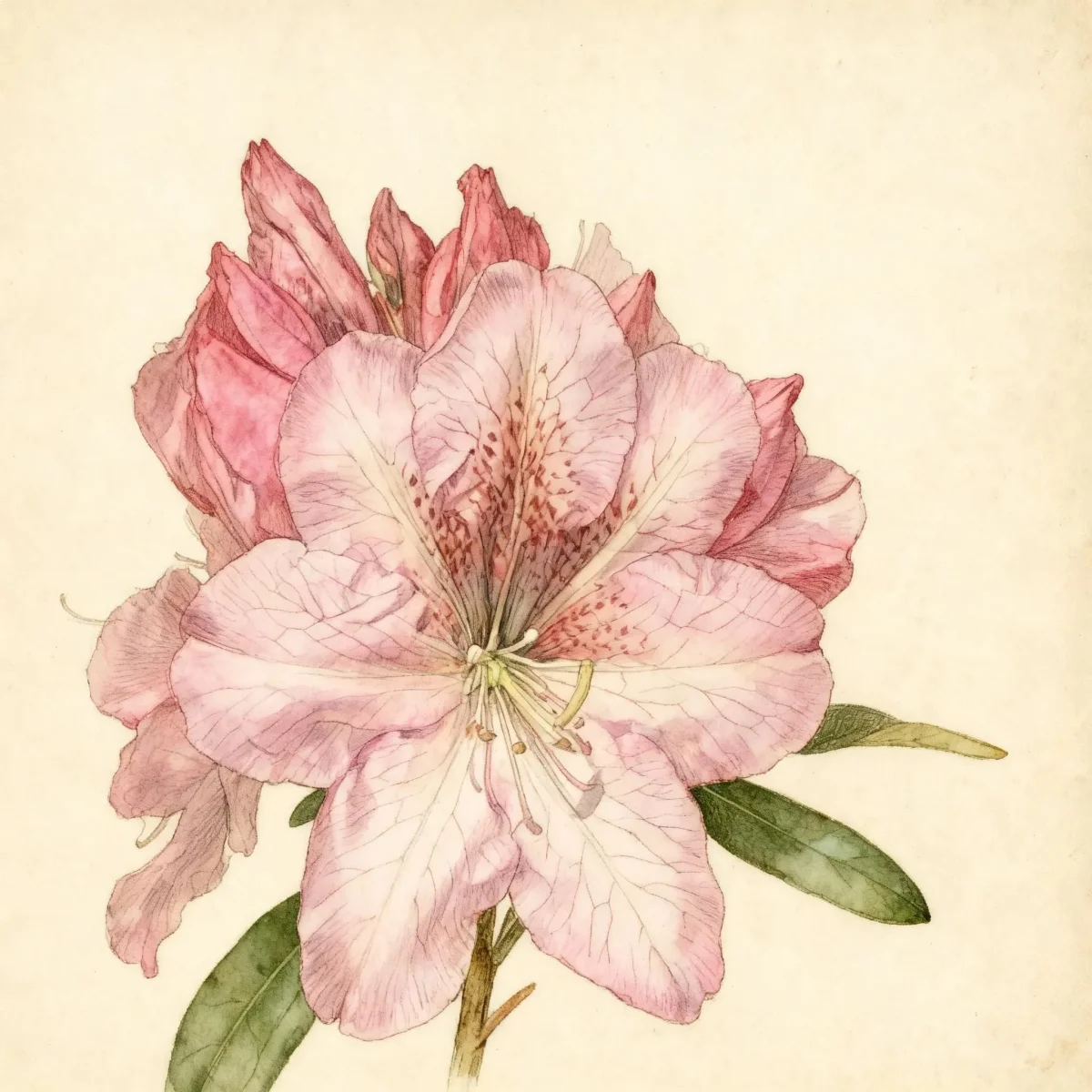
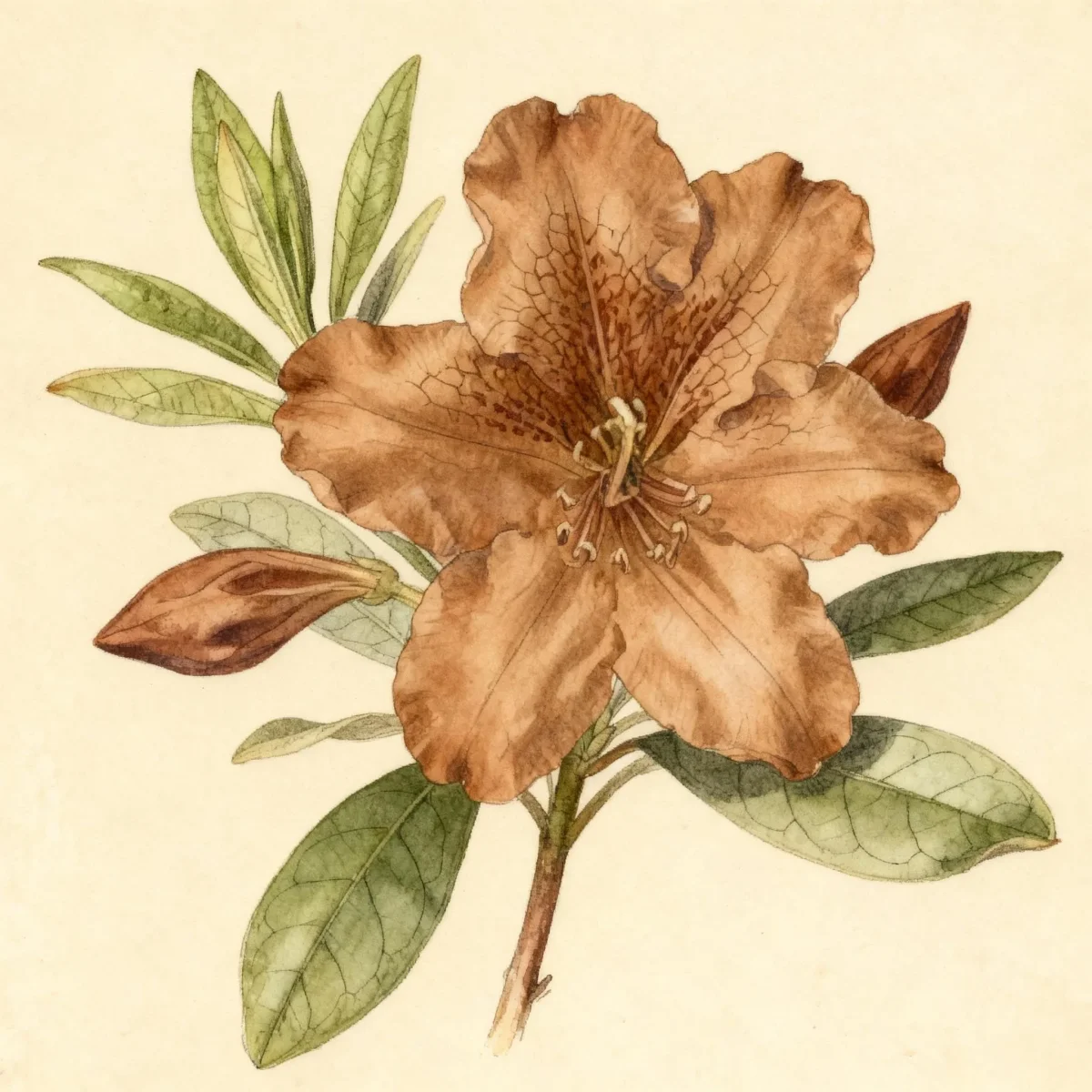
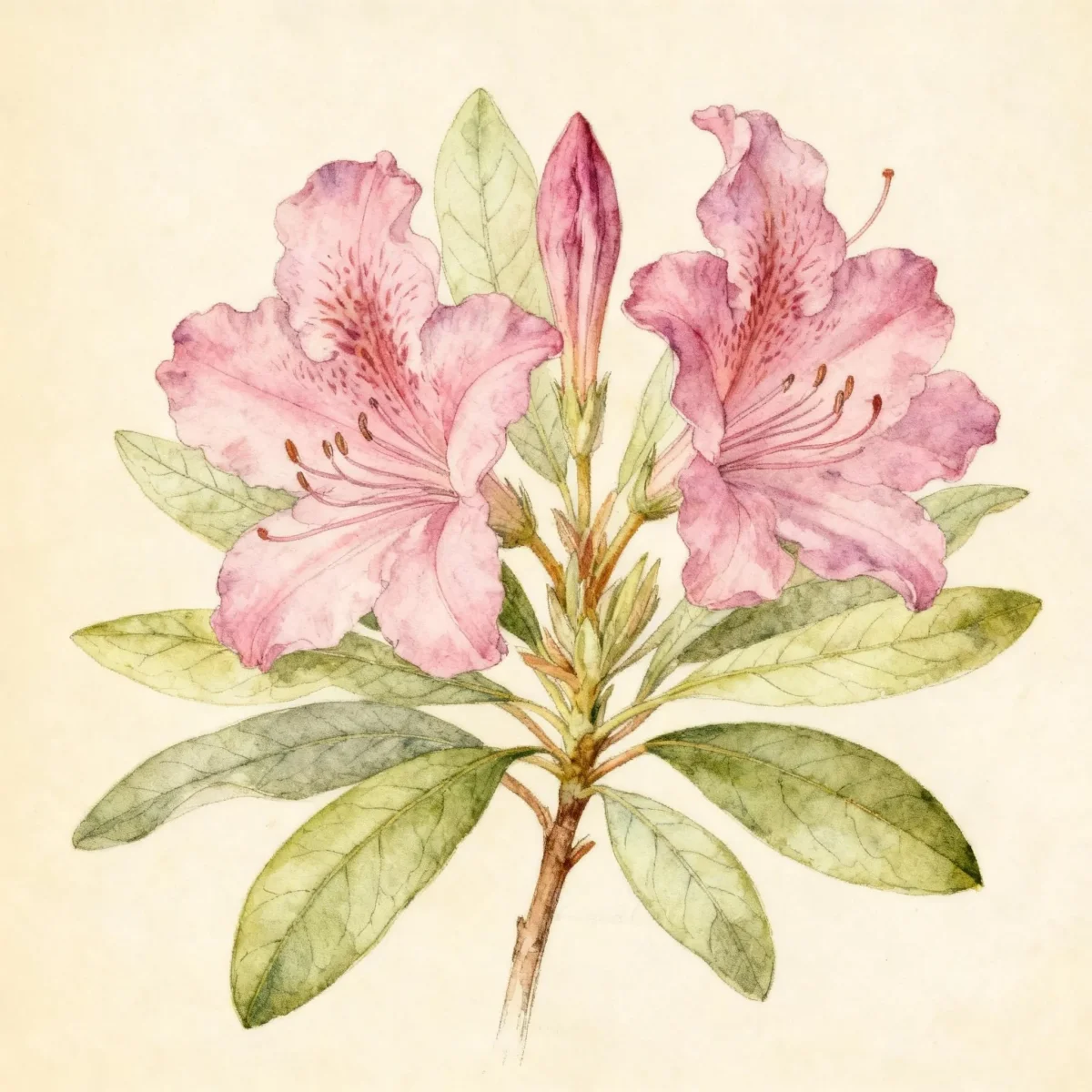
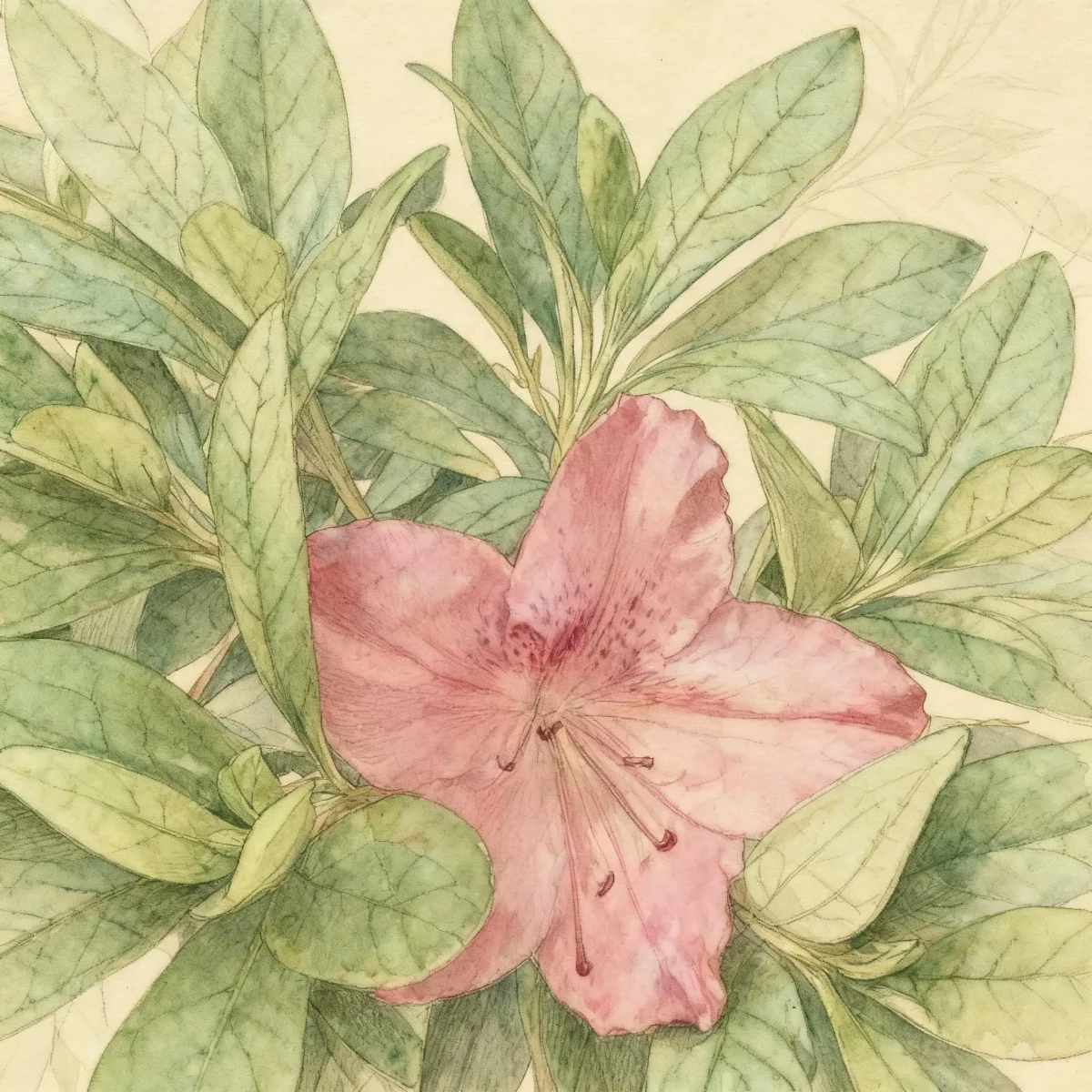
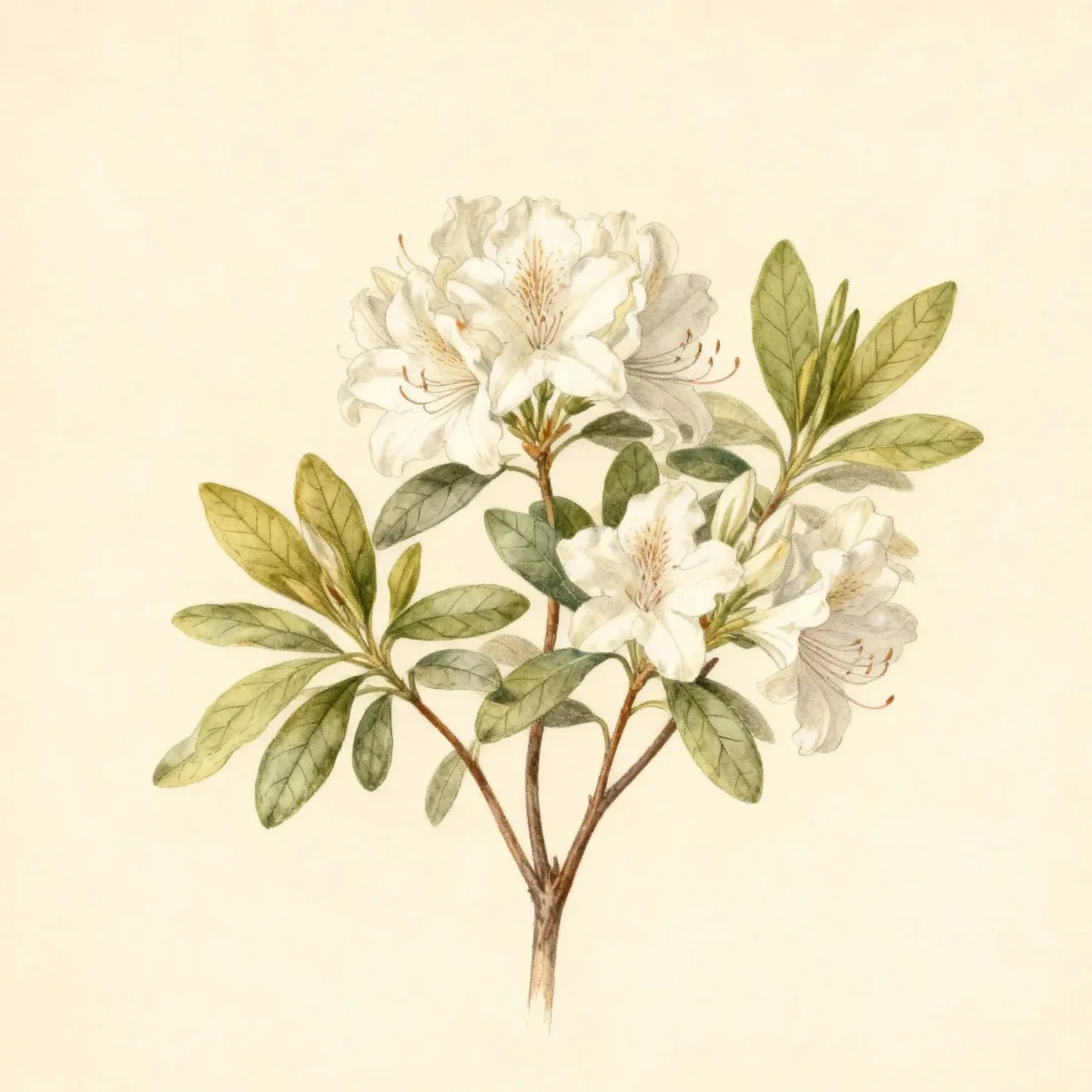
Azalea (Rhododendron 'White Cascade')
Rhododendron 'White Cascade' Azalea is a showy, broadleaf evergreen perfect for shade gardens, offering white blooms in May.
Scroll down to discover growing tips, care requirements, companion plants, and more
Complete Plant Information
Overview
Rhododendron ‘White Cascade’ is a highly valued cultivar known for its striking spring floral display, lending elegance to shaded landscapes. As a broadleaf evergreen Azalea, it provides consistent texture and structure year-round, complementing its seasonal burst of white flowers. This variety develops into a low-growing, spreading form, making it ideal where a dense, foundational planting is required.
Growing Rhododendron ‘White Cascade’ successfully hinges on replicating its preferred woodland habitat. It thrives best in acidic, organically rich, and consistently moist yet well-drained soils. Proper siting, usually in dappled or high open shade, prevents leaf scorch in hotter climates, ensuring the health of the evergreen foliage through winter.
This versatile Azalea works effectively in numerous landscape roles, from mass planting to forming structured hedges. Gardeners appreciate the vibrant, showy blooms that characterize a classic spring garden, ensuring the Rhododendron ‘White Cascade’ remains a staple in temperate and woodland settings.
Fast Facts
- Plant Family: Ericaceae
- Plant Type: Broadleaf evergreen
- Hardiness Zones: USDA Zones 5-8
- Size at Maturity:
- Height: 2-3 ft
- Spread: 4-6 ft
- Bloom Time: May
- Bloom Description: White
- Sun Exposure: Part shade
- Water Needs: Medium
- Maintenance Level: Medium
How to Grow
Plant Azalea ‘White Cascade’ during the cooler seasons, typically spring or fall, ensuring the location offers protection from harsh winds. The requirement for acidic soil (pH 5.0 to 5.5) is paramount; amend heavy soils with materials like sulfur or iron sulfate to lower alkalinity if necessary. Excellent drainage is critical, as this Azalea absolutely cannot tolerate “wet feet,” which leads to root rot. Consider raised beds in heavy clay areas.
Maintain medium water needs by keeping the soil consistently moist but never saturated. Since Rhododendron ‘White Cascade’ possesses a shallow, fibrous root system, extensive cultivation near the base should be avoided. Apply a thick layer of organic mulch, such as pine needles or wood chips, to help retain moisture, stabilize soil temperatures, and suppress weeds without compacting the roots.
Immediate post-bloom care involves clipping off spent flower clusters (deadheading) when practical; this encourages better energy allocation for next year’s trusses rather than seed production. Be mindful to avoid planting near walnut trees, as the juglone toxins they produce are detrimental to all Azaleas. Protect the plant from intense afternoon sun to prevent foliage scorch, especially in warmer regions.
Landscape Uses
Rhododendron ‘White Cascade’ is highly adaptable, serving beautifully as a low hedge line due to its spreading habit and dense foliage. Its suitability for woodland gardens and shade gardens makes it an excellent component for naturalized settings where dappled light prevails. Use it effectively in mixed borders to provide a bright, early-season focal point against darker evergreen backdrops.
When considering companions, pair this Azalea with other acid-loving plants, such as Japanese maples, rhododendrons, and woodland ferns, which share similar cultural needs regarding shade and soil pH. Its lower stature also makes it perfect for use in foreground mass plantings or foundation plantings where a consistent, non-overpowering green base is desired throughout the year.
Standout Features
Flower Qualities
- Showy
Noteworthy Characteristics
The genus Rhododendron encompasses both traditional rhododendrons and azaleas, most originating in the Northern Hemisphere. Rhododendron ‘White Cascade’ is specifically an evergreen azalea featuring slightly glossy, medium green leaves that take on a dark yellow-green hue in winter. Its funnel-shaped, white flowers appear in clusters during May, often exhibiting subtle greenish-yellow blotches, solidifying its reputation as a reliable spring bloomer.
Tolerances
- Rabbit
Potential Problems
Rhododendrons and Azaleas are targets for several pests and diseases, requiring vigilance for ideal health. Common insect threats include lacebugs, scale, and aphids, while fungal issues such as root rot, blights, and leaf spot can develop, often exacerbated by poor air circulation or wet conditions. Chlorosis, where leaves turn yellow, frequently points to high soil pH causing iron deficiency, directly contradicting the acidic needs of this Azalea. Preventative care involves ensuring proper spacing for air flow and maintaining the correct soil chemistry to limit susceptibility to these issues.
Frequently Asked Questions
What hardiness zones is Azalea (Rhododendron ‘White Cascade’) suitable for?
Rhododendron ‘White Cascade’ performs best in USDA Hardiness Zones 5 through 8.
How large does Azalea (Rhododendron ‘White Cascade’) grow?
This Azalea typically reaches heights between 2 to 3 feet and spreads out to a width of 4 to 6 feet at maturity.
What sun exposure does Azalea (Rhododendron ‘White Cascade’) need?
Rhododendron ‘White Cascade’ requires part shade; it thrives in sun-dappled locations or high open shade, needing protection from hot afternoon sun.
When does Azalea (Rhododendron ‘White Cascade’) bloom?
This plant features its showy white blooms primarily during the month of May.
Conclusion
Rhododendron ‘White Cascade’ offers gardeners a stunning display of white flowers paired with dependable evergreen texture, making it a cornerstone for shade gardens. Successfully cultivating this Azalea relies on providing acidic, well-drained soil and appropriate part shade conditions. Check your local zone compatibility and prepare well-amended planting sites this coming spring or fall for the best results.
Companion Planting
Selecting companions that share the preference for acidic soil and consistent moisture is key to building a thriving woodland garden centered around Rhododendron ‘White Cascade’. Plants such as Hellebores (Lenten Rose) bloom either slightly earlier or later, filling the visual gap before and after the Azalea peaks. Astilbe and Japanese Forest Grass (Hakonechloa) thrive in similar dappled light conditions and offer contrasting texture to the Azalea’s glossy leaves.
Ensure that companion plantings do not aggressively compete for surface moisture or nutrients. Deep-rooted trees or aggressive grasses should be kept outside the root protection zone of your Azalea. The goal is to create a lush, layered understory where soil acidity is naturally maintained by the collective planting scheme.
Seasonal Care Calendar
Spring is the critical time for observing Rhododendron ‘White Cascade’; deadhead spent blooms promptly after flowering finishes to direct energy toward next year’s buds instead of seed production. Begin supplemental watering if spring rains have been sparse right as new growth emerges. Summer care focuses heavily on moisture conservation—monitor soil moisture constantly, especially during dry spells, as roots must never dry out.
In autumn, review soil pH if performance has been below expectation; applying soil acidifiers like elemental sulfur gives the soil time to process before the next growing season. In very cold parts of its range (Zone 5), ensure a deep layer of mulch remains intact to insulate the shallow roots against deep freezing temperatures. Winter protection involves shielding the Azalea from drying winter winds which can cause foliage burn.