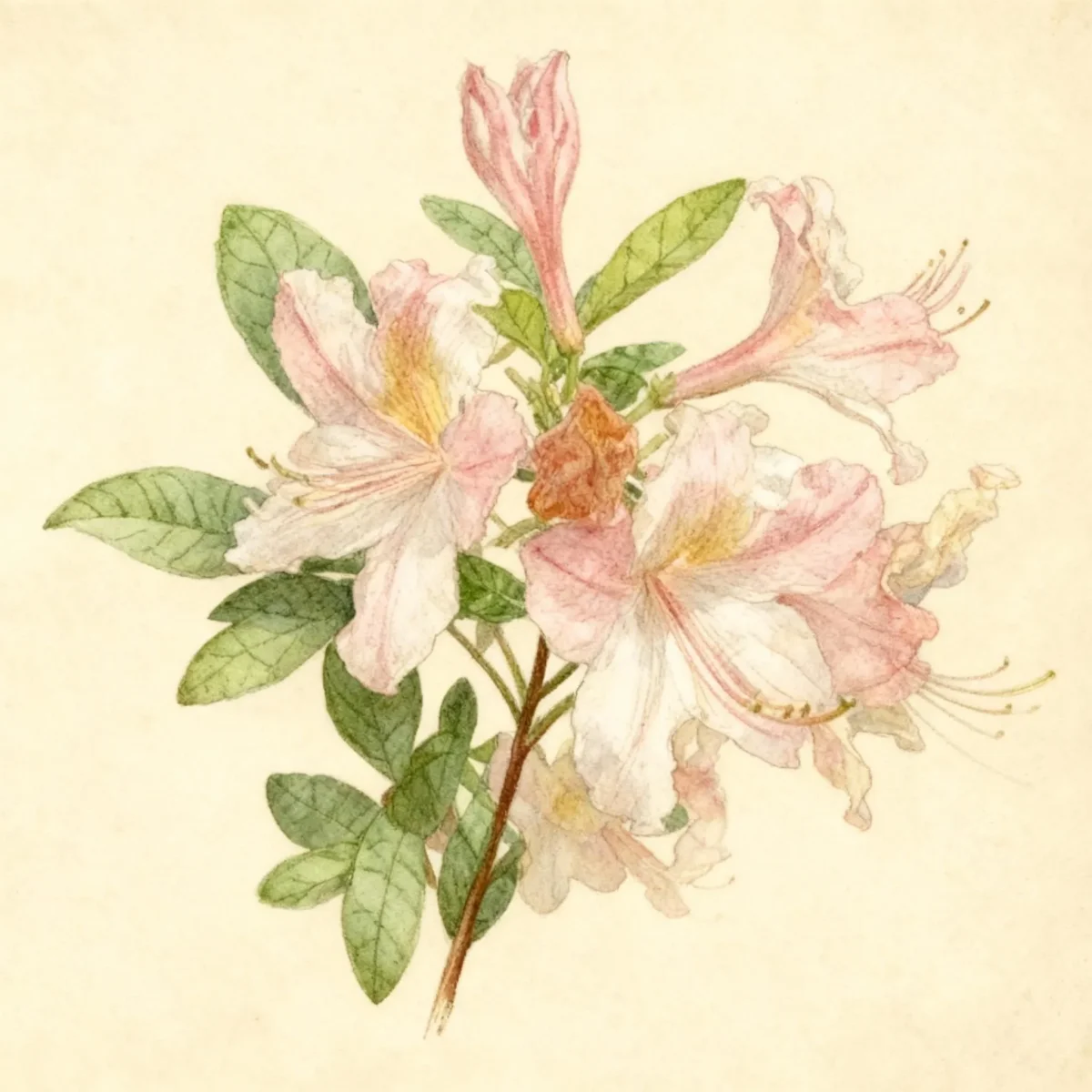
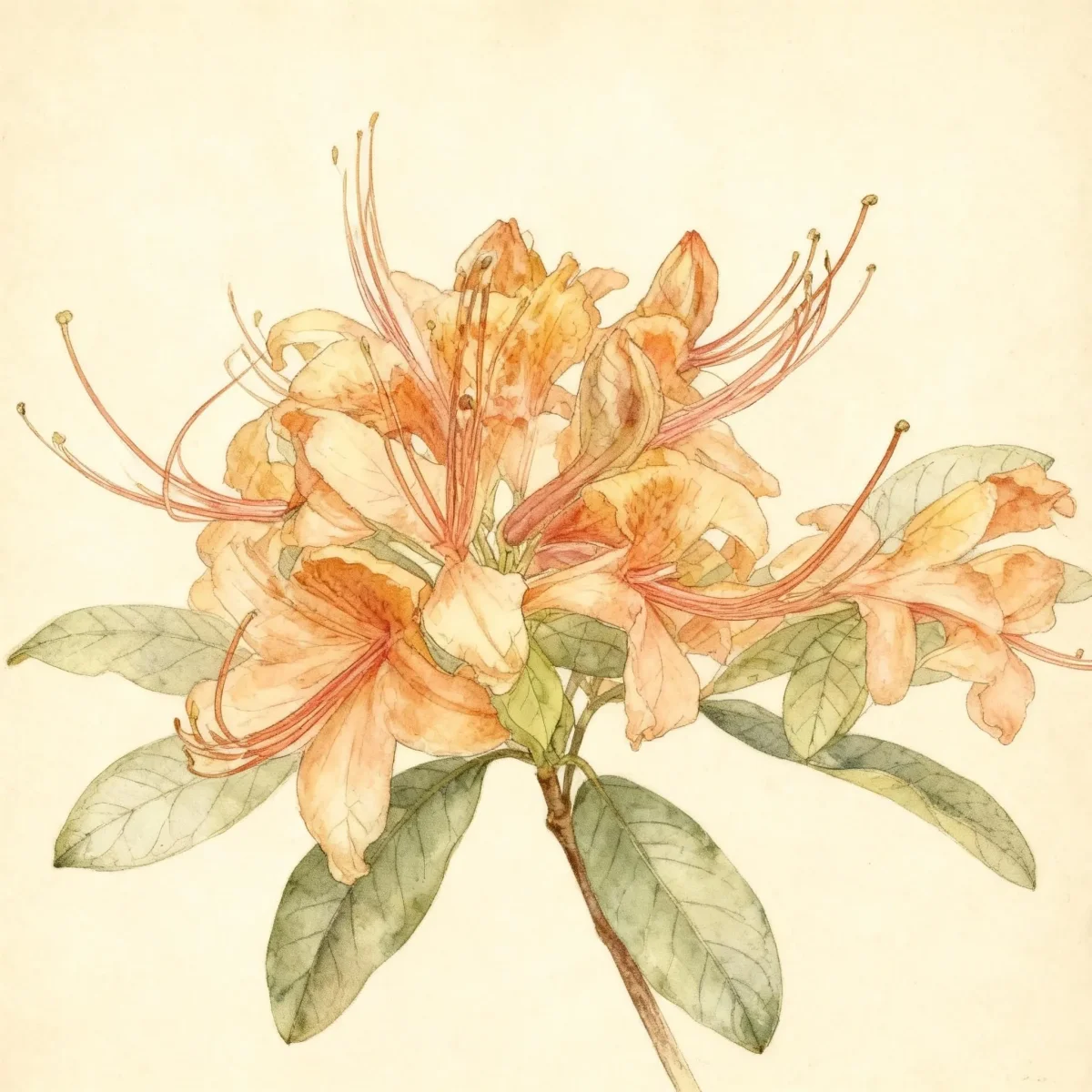
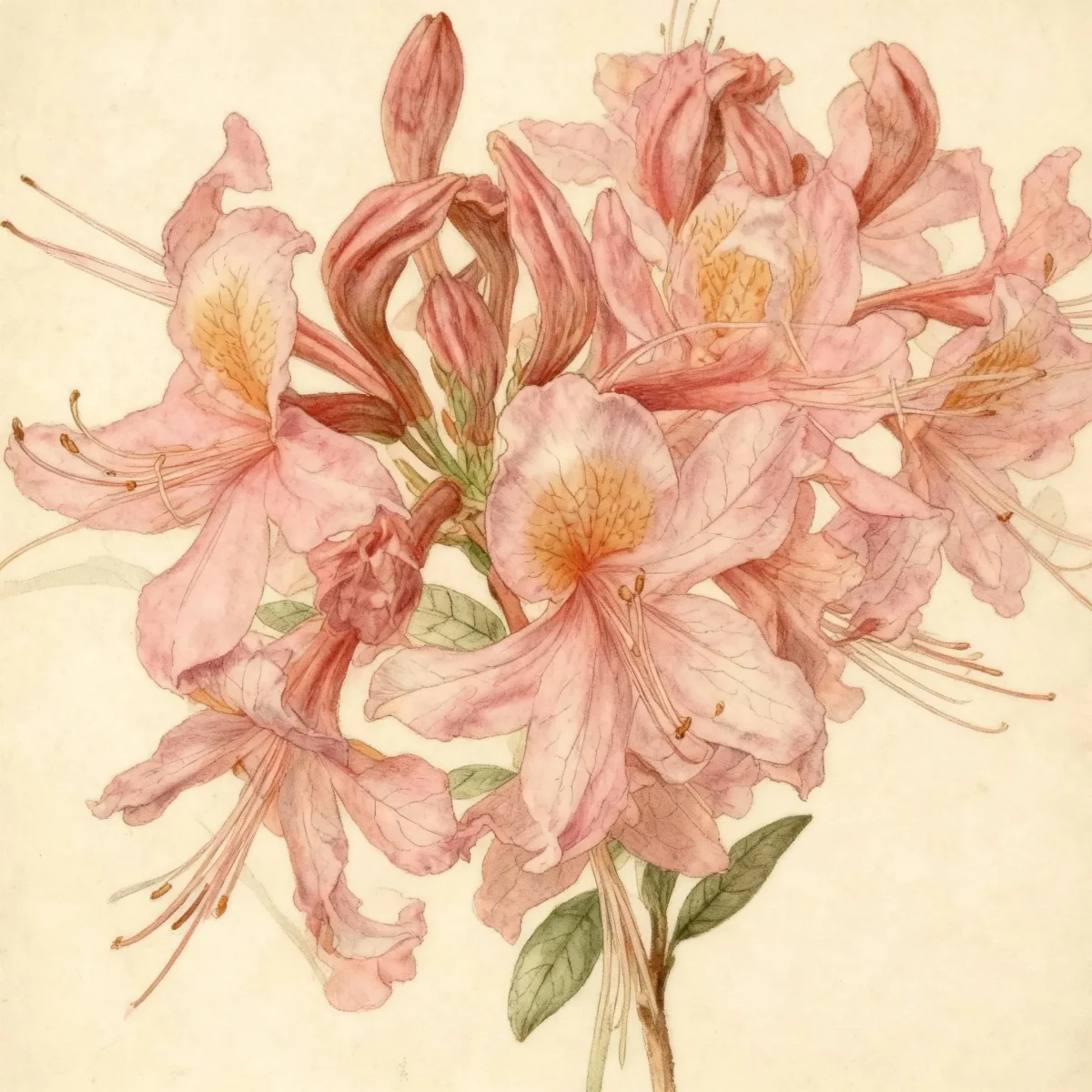
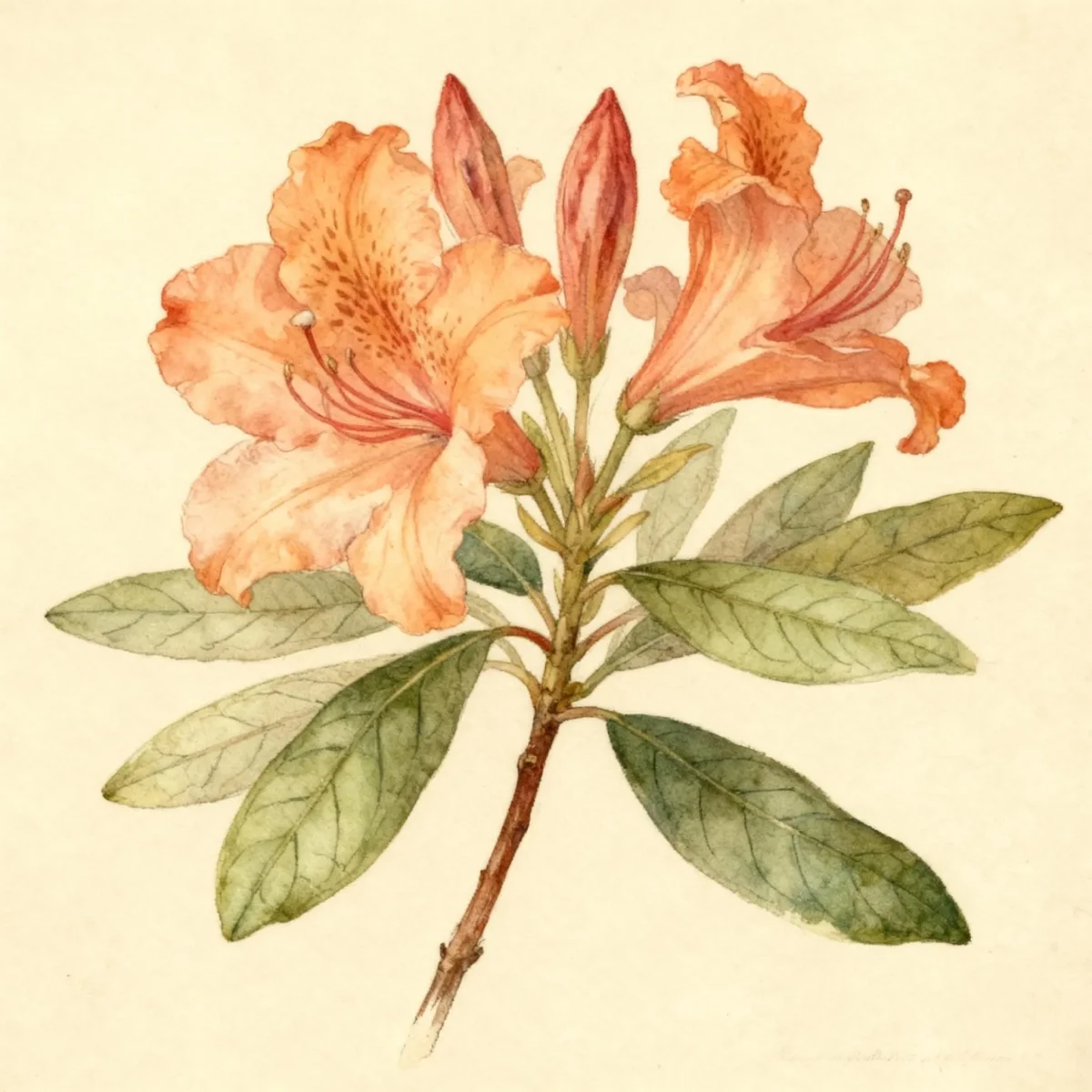
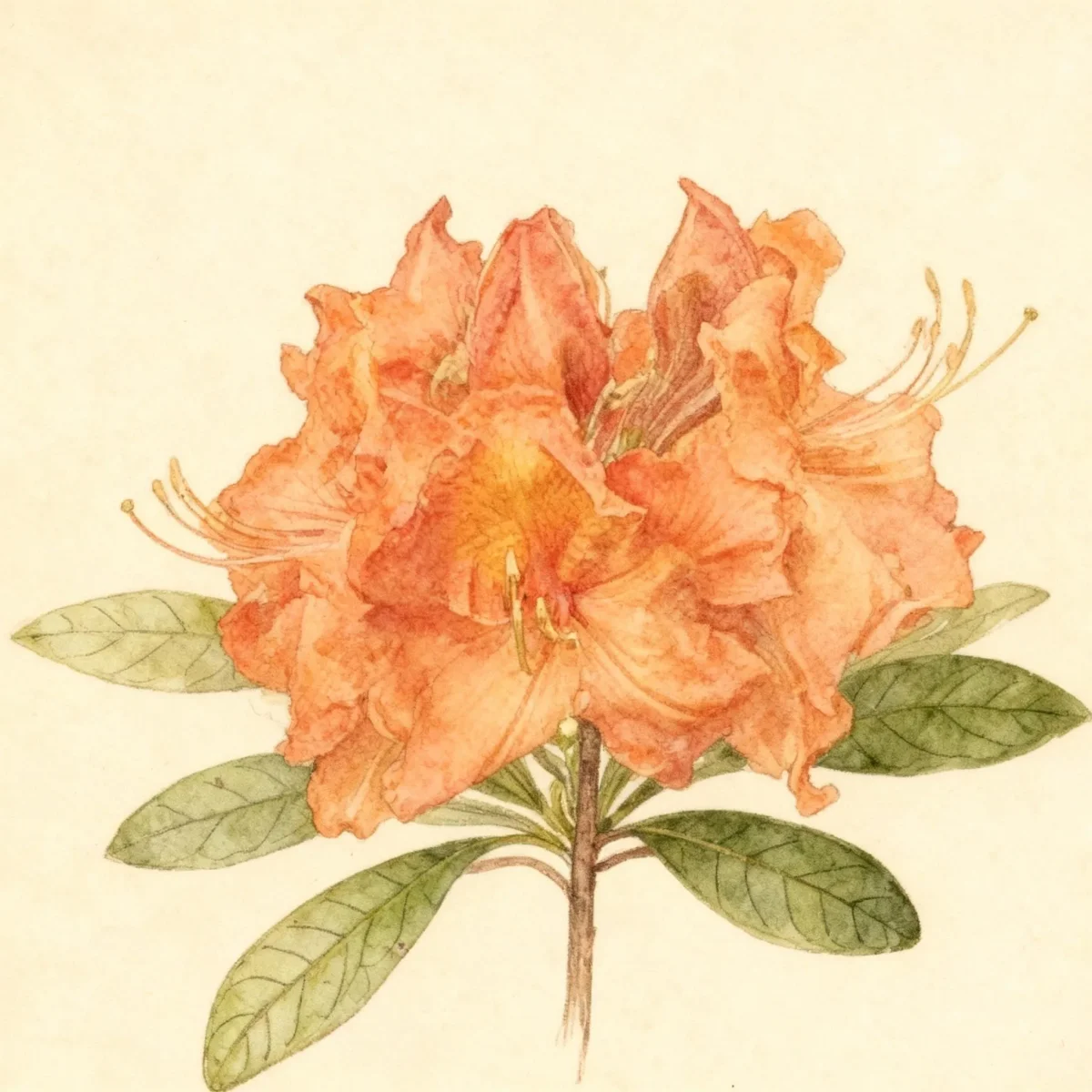
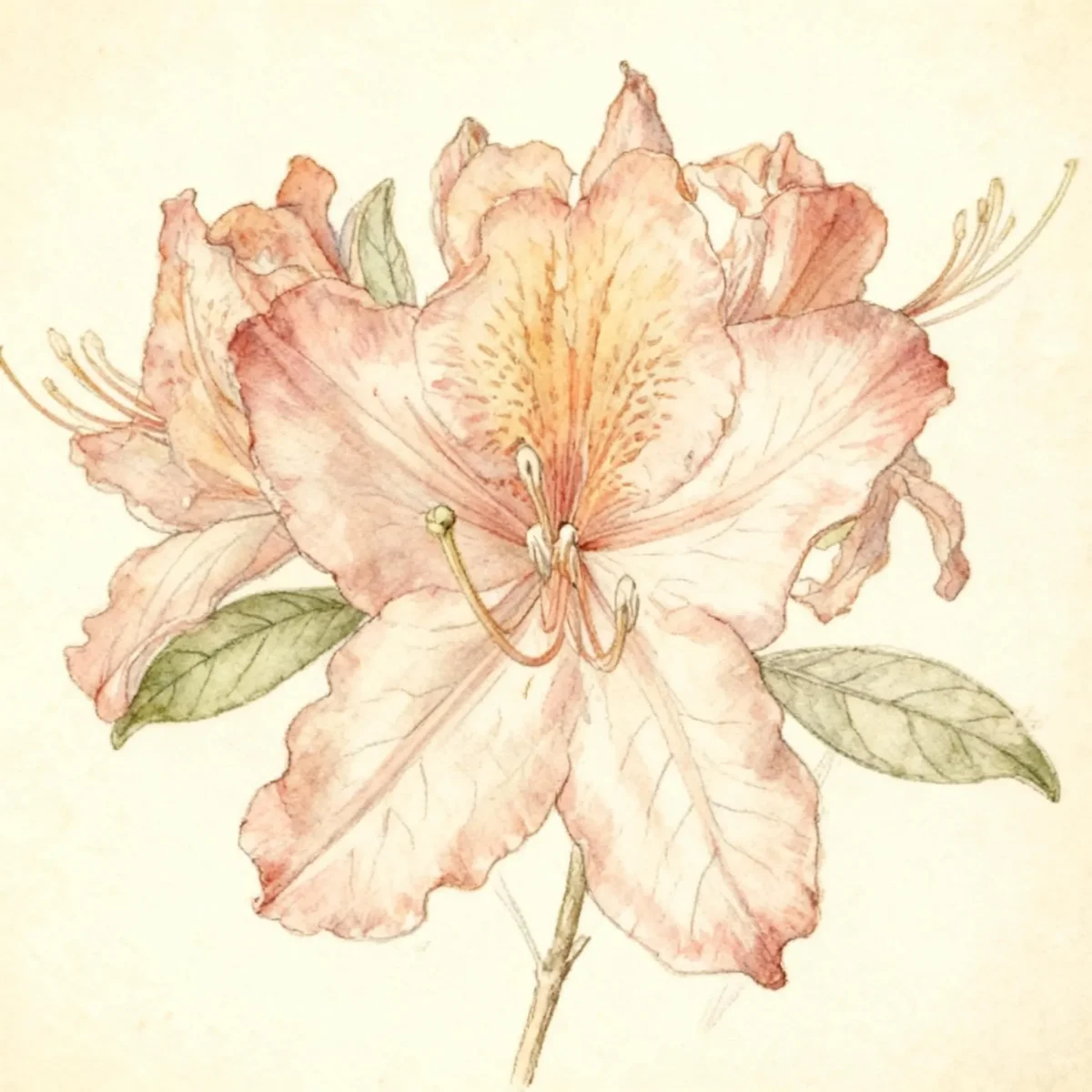
Azalea (Rhododendron 'White Lights')
Rhododendron 'White Lights' is a hardy deciduous Azalea offering showy, fragrant white blooms in spring. Ideal for part shade.
Scroll down to discover growing tips, care requirements, companion plants, and more
Complete Plant Information
Overview
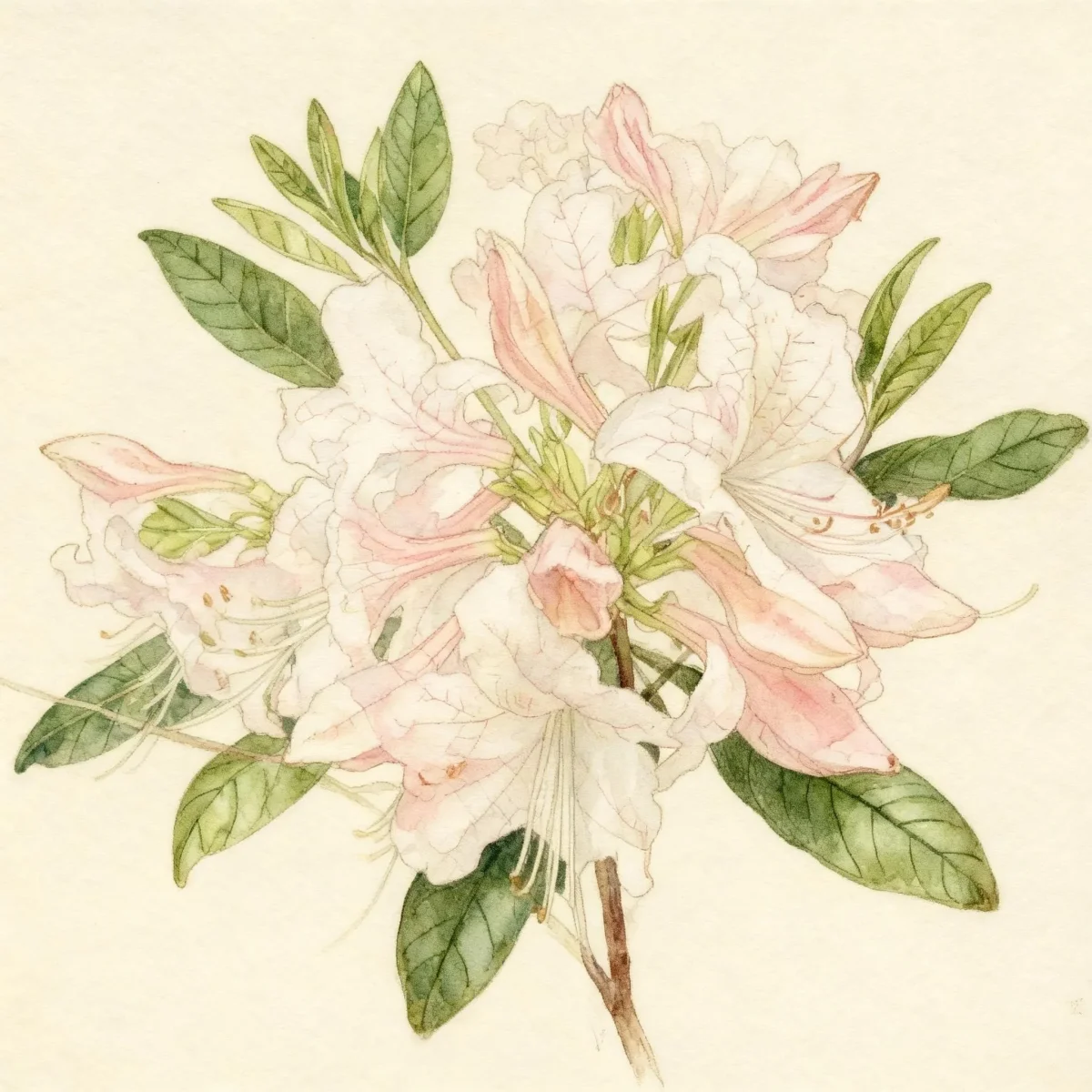
Rhododendron ‘White Lights’ is a highly valued deciduous Azalea, recognized for its exceptional hardiness derived from the Northern Lights series bred at the University of Minnesota. This shrub provides a lush display of fragrant, white flowers, often featuring a slight yellow blotch, emerging robustly in mid to late spring. Its structure and flowering habit make the Rhododendron ‘White Lights’ an excellent addition for adding bright, early-season interest to gardens in cooler climates.
As a sturdy, multi-stemmed deciduous shrub, this Azalea offers moderate screening and aesthetic appeal even after leaf drop. It reaches a manageable mature size of 4 to 5 feet tall and wide, fitting well into structured borders or as a specimen planting. Gardeners appreciate this variety for achieving that classic, lush Azalea look while benefiting from increased cold tolerance.
The ‘White Lights’ cultivar thrives best when protected from harsh midday sun and strong winds. Proper soil preparation, focusing on acidity and excellent drainage, is critical to ensuring this beautiful Rhododendron ‘White Lights’ establishes a healthy, long-lasting presence in the landscape.
Fast Facts
- Plant Family: Ericaceae
- Plant Type: Deciduous shrub
- Hardiness Zones: USDA Zones 4-8
- Size at Maturity:
- Height: 4-5 ft
- Spread: 4-5 ft
- Bloom Time: April to May
- Bloom Description: White with a slight yellow blotch
- Sun Exposure: Part shade
- Water Needs: Medium
- Maintenance Level: Medium
How to Grow
Plant Rhododendron ‘White Lights’ in acidic, organically rich, humusy soil that retains moisture but drains exceptionally well. Optimal placement involves part shade, ideally receiving dappled light, morning sun, or high open shade throughout the day. Avoid planting near walnut trees, as the juglones produced by their roots are toxic to most Azaleas.
Watering should be consistent, aiming for medium moisture levels; the shallow, fibrous roots of the Azalea must never be allowed to dry out. Due to sensitivity to poor drainage, consider using raised beds if heavy clay soils are present to prevent root rot. Mulching heavily with organic materials like pine needles or wood chips helps stabilize soil temperature and conserves vital moisture near the surface roots.
Maintenance involves immediate cleanup after flowering: clip off spent flower clusters when practicable to encourage energy directed toward next year’s buds rather than seed production. Adjust soil pH toward the acidic range (5.0 to 5.5) as needed using sulfur or iron sulfate. Since the root system is fine and fibrous, avoid deep cultivation around the base of your Rhododendron ‘White Lights’.
Landscape Uses
The versatility of this deciduous Azalea allows it to function effectively in numerous landscape roles. It excels when utilized in mass plantings to create striking spring hedges or informal shrub borders, showcasing its abundant white blooms. Consider using Rhododendron ‘White Lights’ in woodland gardens or shaded borders where its structure and color contrast well with evergreen companions.
For foundation plantings, ensure adequate space for its mature 4 to 5-foot spread. Plant beside acid-loving companions such as native ferns, rhododendrons, or blueberries which share the same soil and light requirements. The rounded, spreading habit of this Azalea provides excellent transitional planting as a foreground element to larger trees or structures.
Standout Features
Flower Qualities
- Showy
- Fragrant
Noteworthy Characteristics
Rhododendron is a genus encompassing both true rhododendrons and azaleas, classified by the number of stamens per flower (10 vs. 5, respectively). Deciduous azaleas, like ‘White Lights’, shed their leaves in the fall, flowering profusely just as new foliage emerges in spring. ‘White Lights’ is particularly special as a member of the Northern Lights series, bred to offer superior cold hardiness, allowing it to thrive outside traditional warm zones.
Tolerances
- Rabbit
Potential Problems
Rhododendrons and Azaleas are susceptible to various pests and diseases, though proper site selection and consistent cultural care drastically reduce risks. Common insect pests include aphids, lacebugs, and scale, while diseases feature blights and root rot, often stemming from poor drainage—a major threat to the Rhododendron ‘White Lights’. Preventative measures include maintaining proper soil aeration and avoiding overhead watering late in the day. Watch for chlorosis (yellowing leaves), which usually signals that the soil pH is too high, indicating an iron deficiency that requires acidification measures.
Frequently Asked Questions
What hardiness zones is Azalea suitable for?
This variety, Rhododendron ‘White Lights’, is reliably hardy across USDA Zones 4 to 8.
How large does Azalea grow?
The Azalea ‘White Lights’ typically achieves a height between 4 and 5 feet, with a similar spread of 4 to 5 feet at maturity.
What sun exposure does Azalea need?
It prefers part shade, benefiting from protection against hot afternoon sun, though it can tolerate more sun in cooler northern climates.
When does Azalea bloom?
Rhododendron ‘White Lights’ is scheduled to bloom annually from April to May, featuring its crisp white flowers.
Conclusion
The Azalea Rhododendron ‘White Lights’ offers gardeners a fantastic combination of cold hardiness, fragrant spring color, and moderate size, making it a dependable centerpiece or border element. Ensuring the soil remains acidic and well-drained is the primary key to success with this beautiful shrub. Check your local growing zone compatibility and plan your planting for the season to enjoy the showy spring display of the Rhododendron ‘White Lights’ next year.
Companion Planting
When integrating Rhododendron ‘White Lights’ into a garden design, focus on companions that share its preference for acidic soil and part shade. Acid-loving companion plants like Hosta, Hydrangea (especially shade-tolerant varieties), Mountain Laurel (Kalmia), and various woodland ferns create an elegant, layered look. These plants thrive under similar conditions, simplifying maintenance regimens across the planting area.
For textural contrast, consider pairing the broad foliage of the Azalea with fine-textured evergreens or grasses tolerant of shady conditions. A groundcover of acid-loving Vinca or Pachysandra can help shade the shallow roots of the Azalea, further suppressing weeds and retaining crucial soil moisture around the base of your Rhododendron ‘White Lights’.
Seasonal Care Calendar
Spring is the critical phase for Azaleas; ensure mulch/soil moisture is adequate as buds swell and bloom occurs through May. Immediately deadhead spent flowers if possible to promote good bud set for the following year. In summer, focus heavily on consistent, deep watering, especially during dry spells, as deciduous Azaleas dislike drying out.
Fall care involves minimal cutting back, as pruning should generally be avoided late in the season to protect winter buds. You may apply a slow-release acid fertilizer formulation designed for Azaleas in early spring or late fall, avoiding late-season feeding which encourages tender new growth susceptible to winter damage. Protect plants from freezing winds when possible, especially in the northern reaches of Zone 4.