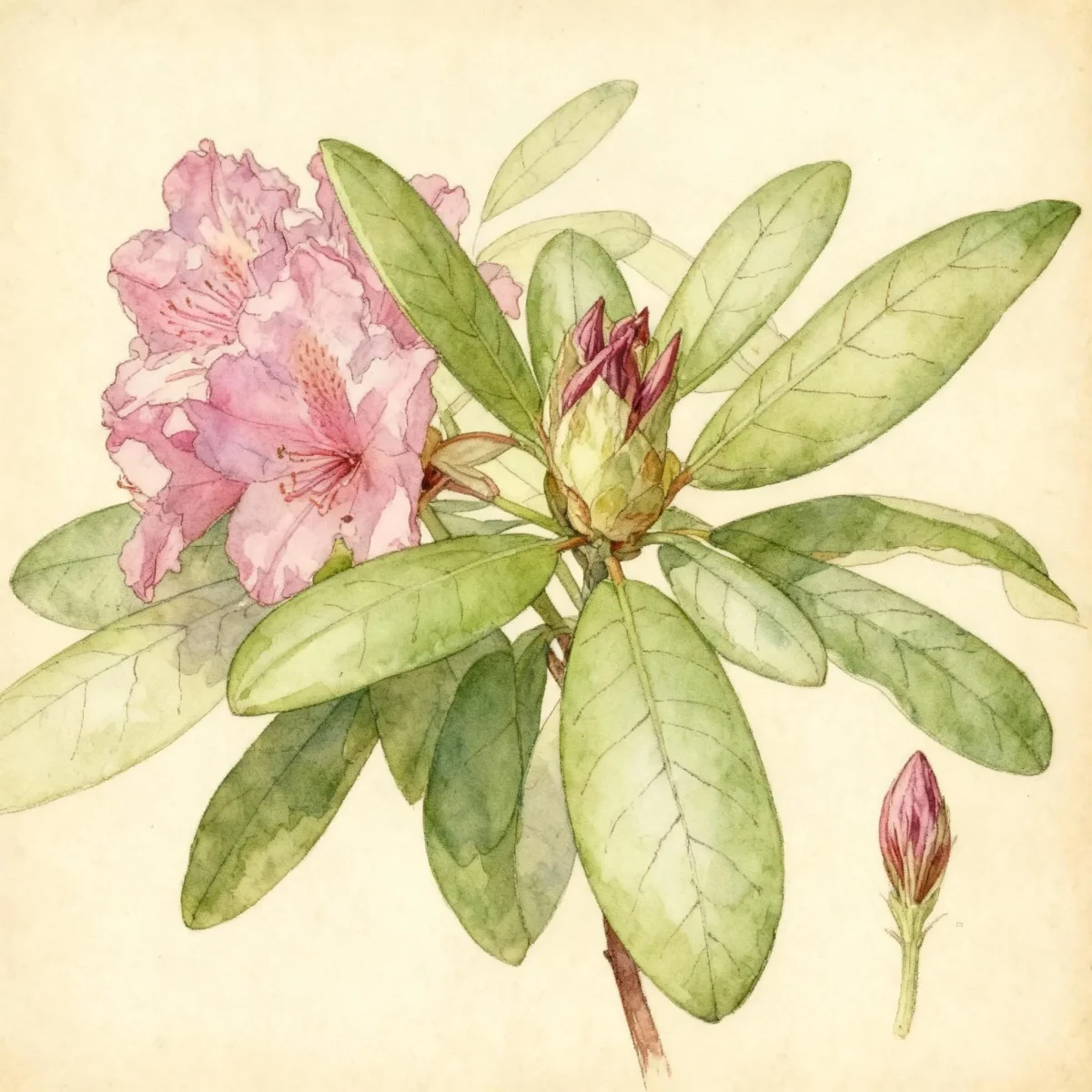
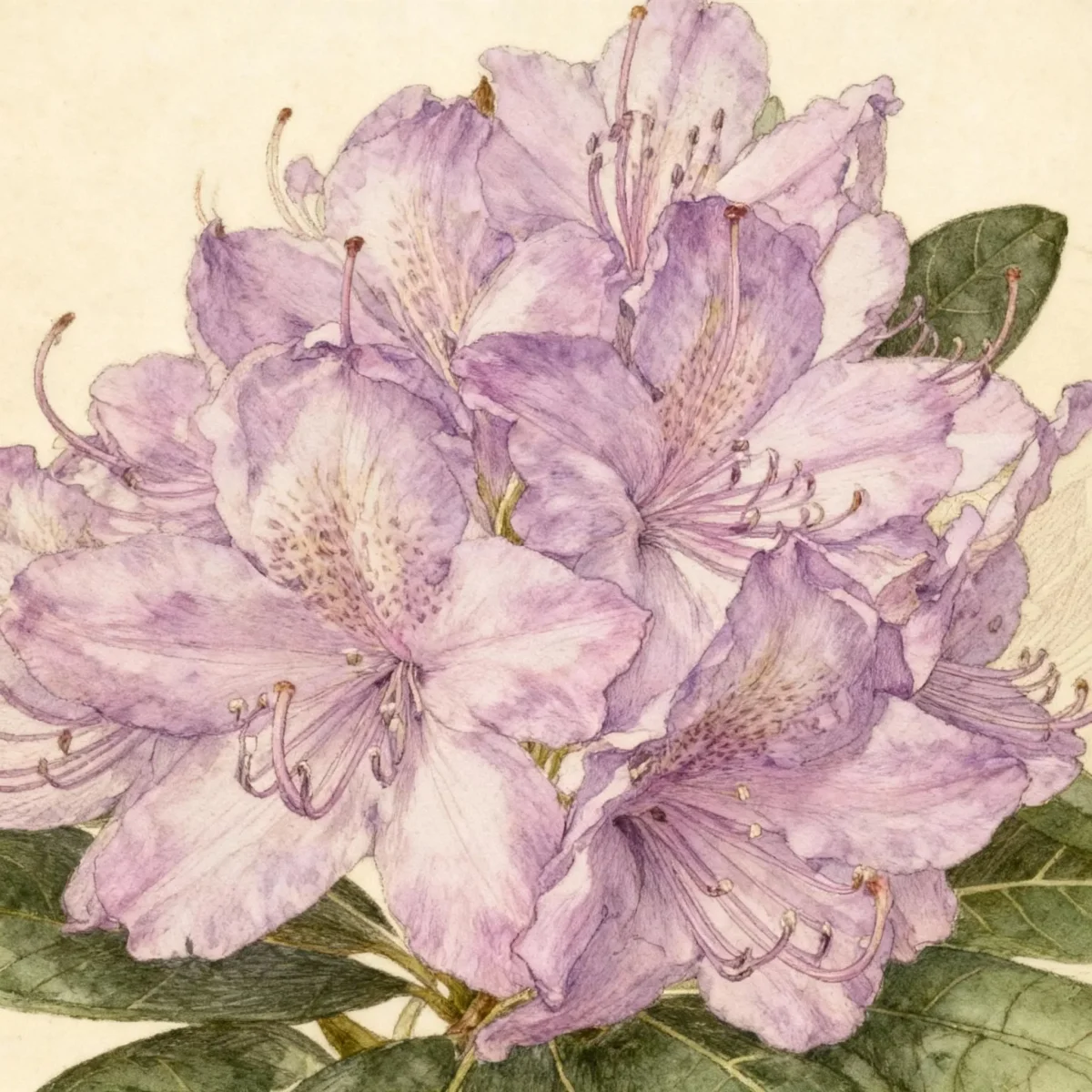
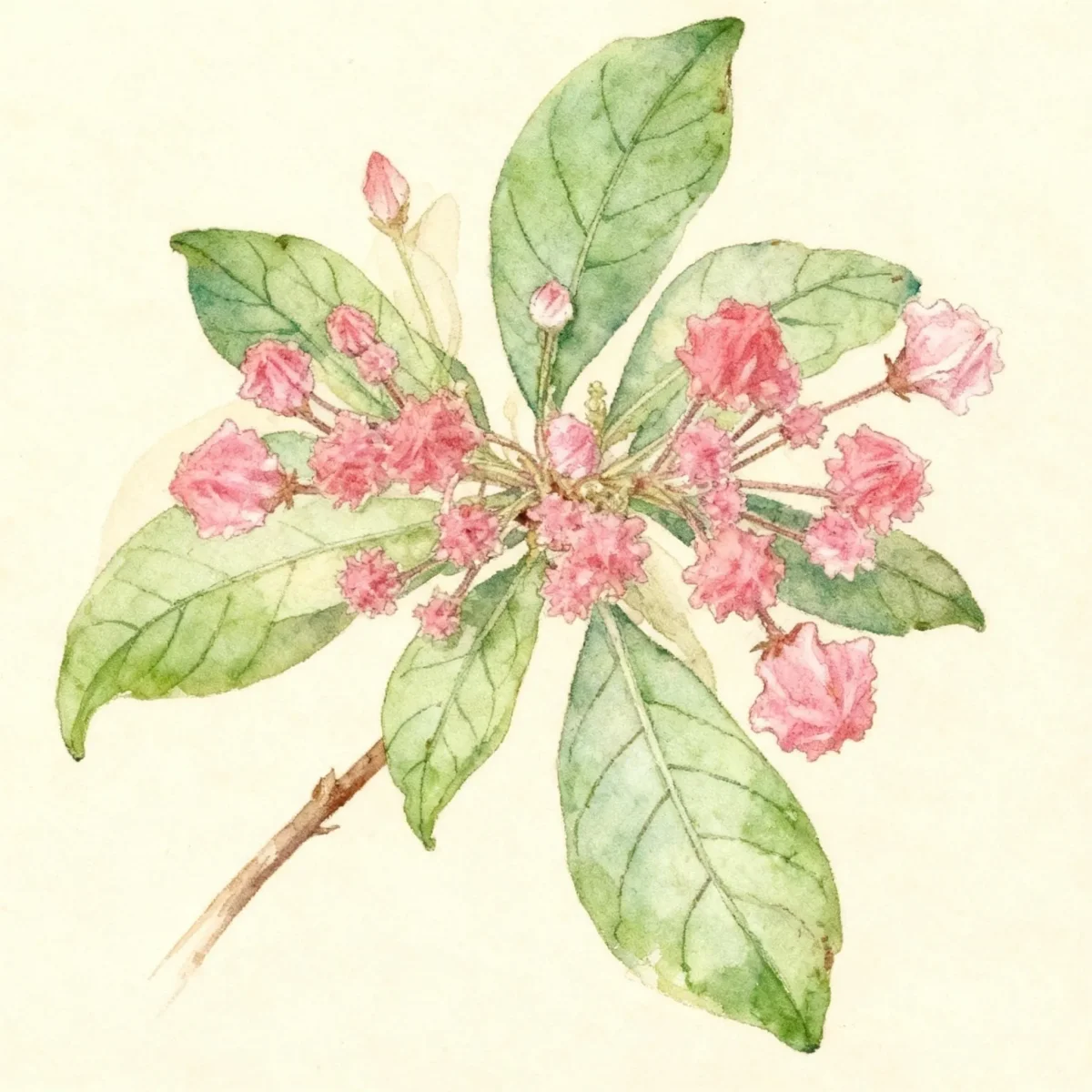
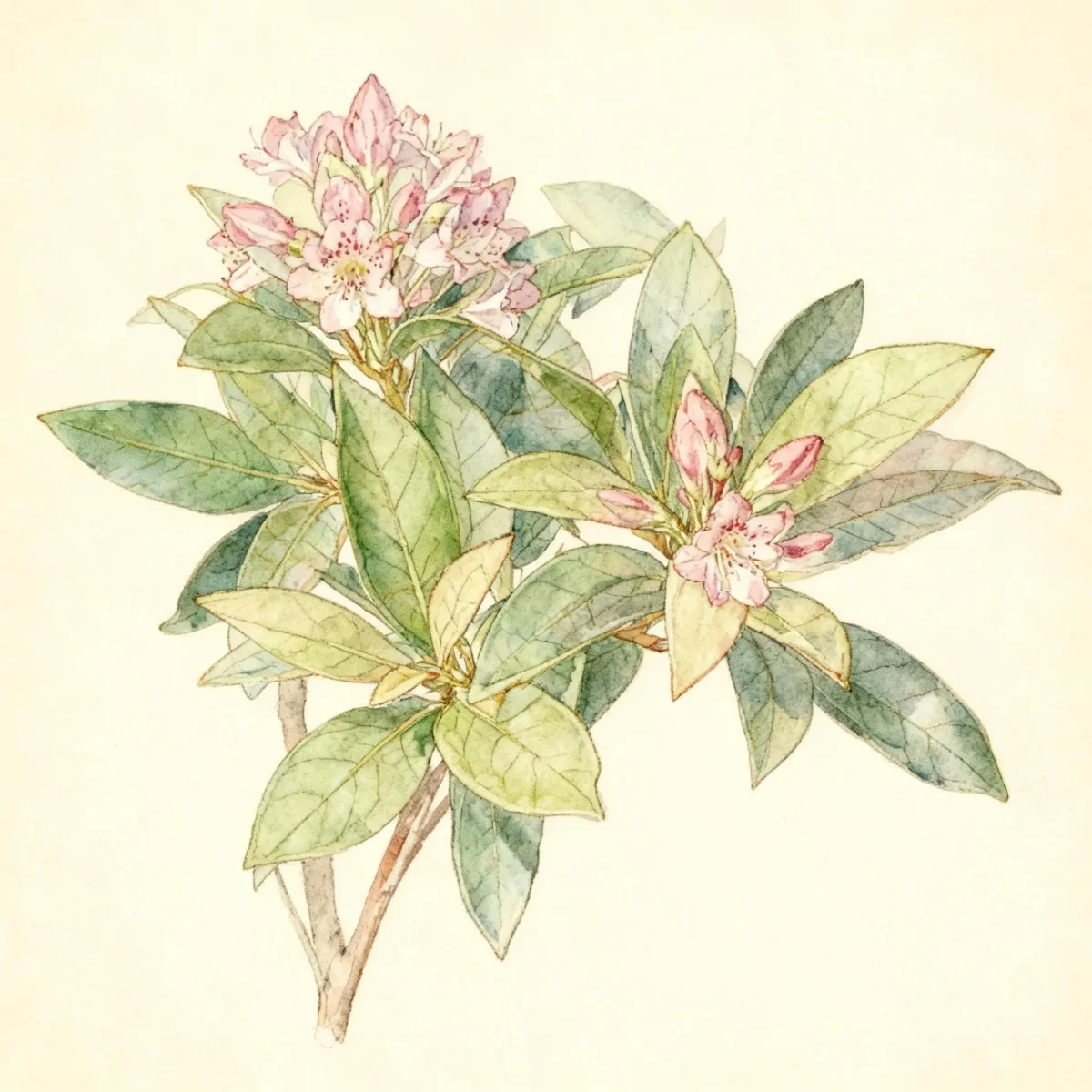
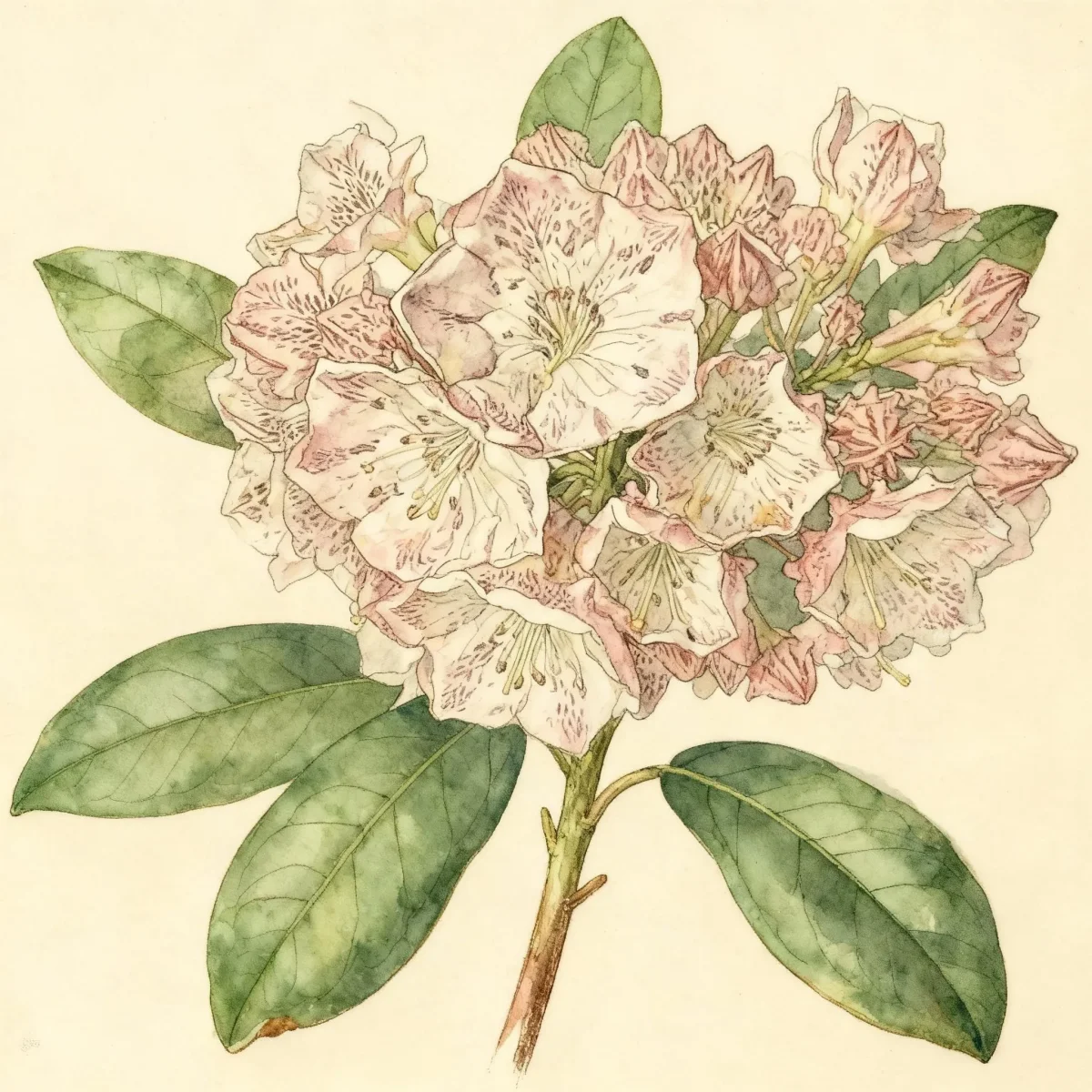
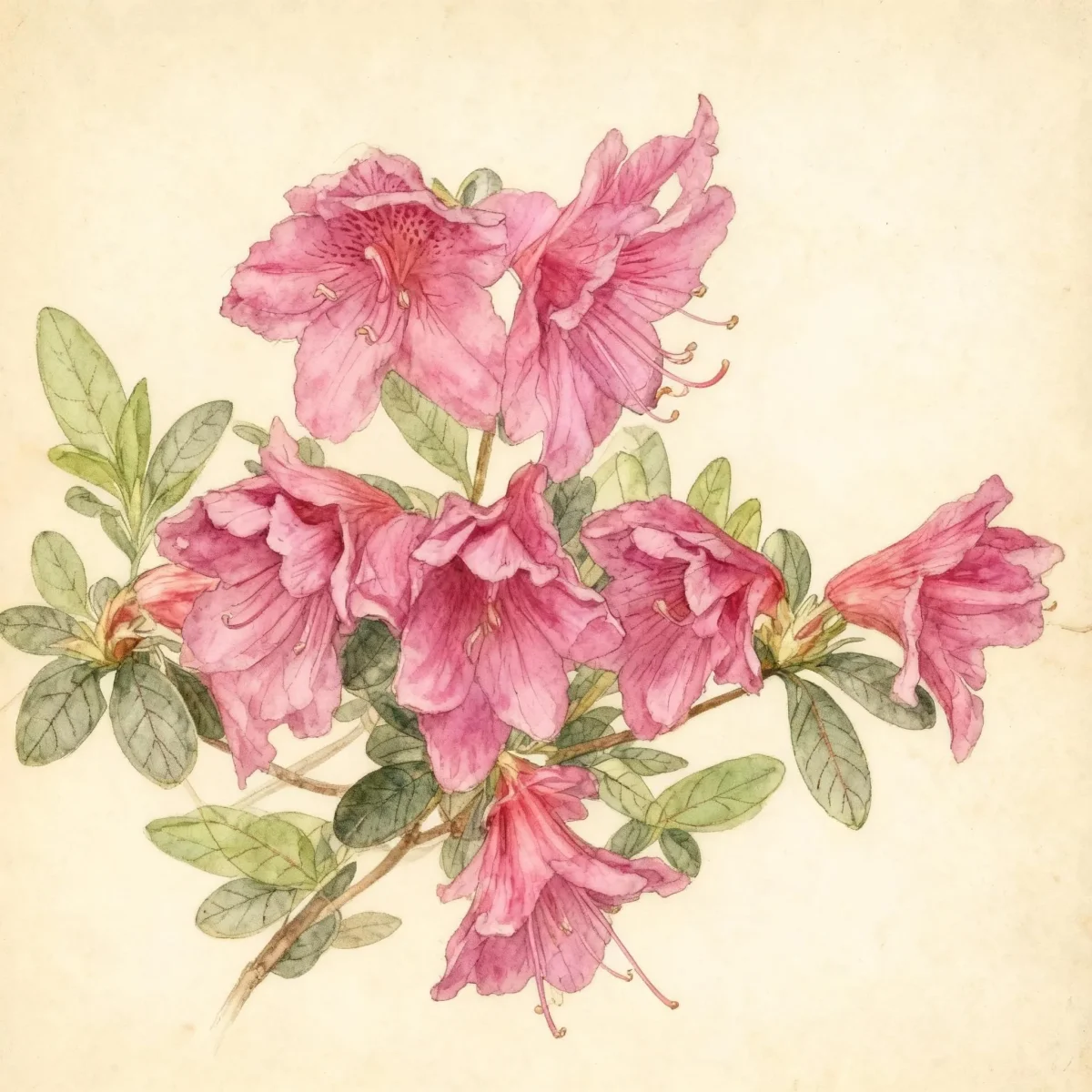
Catawba rhododendron (Rhododendron catawbiense 'Boursault')
Rhododendron catawbiense 'Boursault' offers robust, lavender blooms in June. A hardy broadleaf evergreen, it thrives in part shade in Zones 4-8.
Scroll down to discover growing tips, care requirements, companion plants, and more
Complete Plant Information
Overview
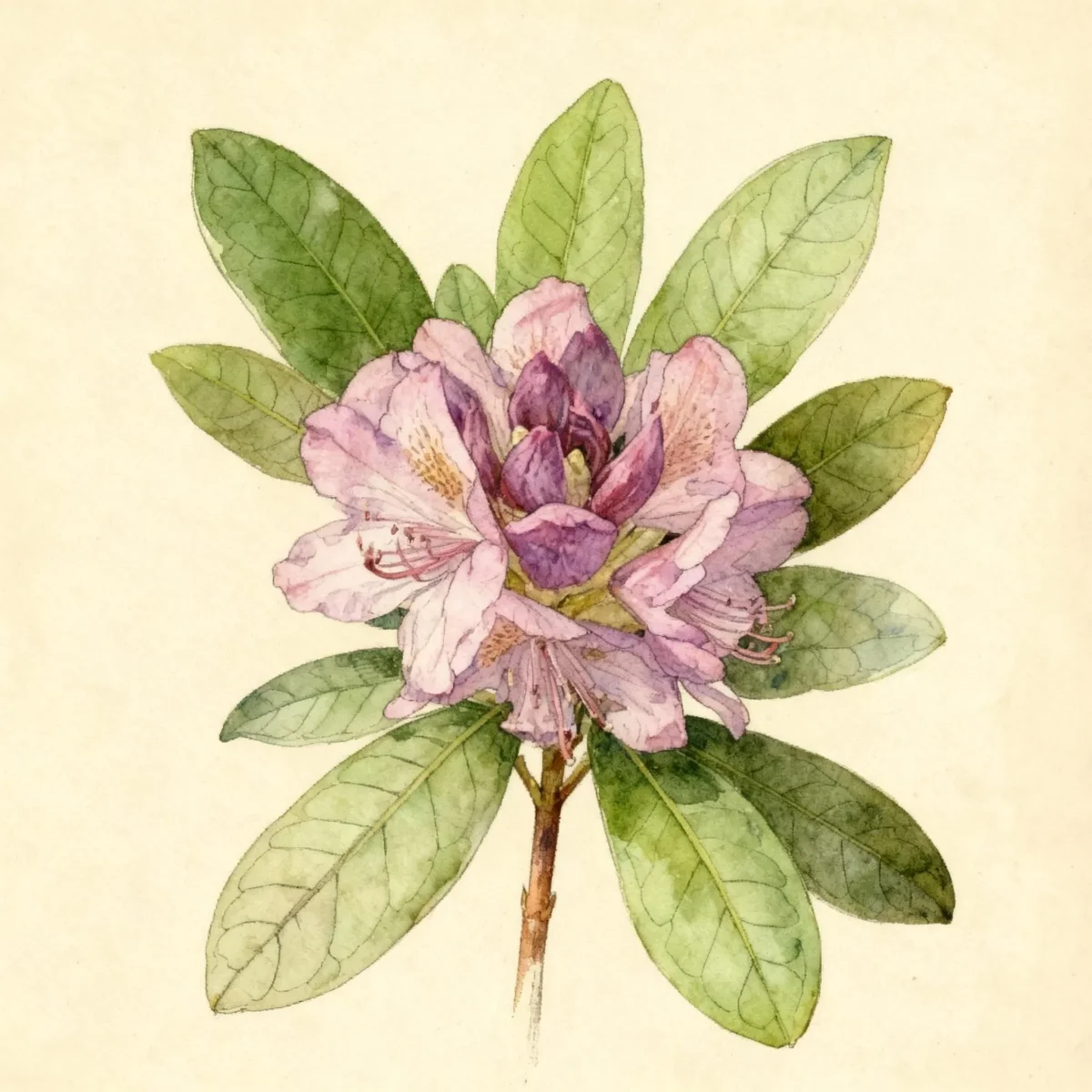
The Rhododendron catawbiense ‘Boursault’ is a highly valued, dense, upright broadleaf evergreen shrub, commonly known as the Catawba rhododendron. It offers reliable color, with violet buds opening to lovely lavender flowers, making it a strong foundation plant for shady landscapes. Its enduring foliage provides structure even through the winter months.
Native to the Appalachian mountains, this cultivar brings reliable hardiness, thriving in USDA Zones 4 through 8. A significant benefit of choosing Rhododendron catawbiense ‘Boursault’ is its use as a robust naturalized shrub or foundation planting, often forming dense thickets in its natural habitat.
Gardeners appreciate this cultivar for providing shelter and nectar sources for wildlife, alongside its distinctive floral display in early summer. Proper siting in acidic, moist soil ensures a healthy specimen of this classic Catawba rhododendron hybrid.
Fast Facts
- Plant Family: Ericaceae
- Plant Type: Broadleaf evergreen
- Hardiness Zones: USDA Zones 4-8
- Size at Maturity:
- Height: 6-10 ft
- Spread: 6-10 ft
- Bloom Time: June
- Bloom Description: Lavender
- Sun Exposure: Part shade
- Water Needs: Medium
- Maintenance Level: Medium
How to Grow
Planting should occur in early spring or early fall when temperatures are mild. The Rhododendron catawbiense ‘Boursault’ requires acidic (low pH), humus-rich, and consistently moist yet very well-drained soil. Avoid locations where water pools, as poor drainage leads directly to root rot in this plant.
Ensure afternoon shade, though the plant tolerates substantial shade and benefits from morning sun. Because the roots are shallow and fibrous, cultivation directly around the base should cease; instead, apply a thick layer of mulch, such as wood chips or pine needles, to conserve moisture and regulate soil temperature.
Soil acidity is crucial; test the soil and amend with acidifying agents before planting and maintain this condition thereafter. Locate Rhododendron catawbiense ‘Boursault’ away from strong winter winds and avoid planting near trees in the walnut family due to juglone sensitivity. Watering must be consistent, never allowing the roots to dry out, especially during establishment or hot weather.
Landscape Uses
This hardy shrub excels in structural plantings, making it ideal for hedges where its dense, evergreen nature provides excellent screening year-round. The uniform size of the Catawba rhododendron variety suits formal borders near structures or pathways.
For a more naturalized look, mass plantings create impactful drifts beneath taller canopy trees, mimicking its native woodland occurrence. It serves exceptionally well as an accent or specimen plant where its June bloom can be highlighted against darker foliage or evergreen backdrops.
The Rhododendron catawbiense ‘Boursault’ integrates beautifully into woodland gardens or along wood margins, thriving in the dappled light conditions it prefers. Its structure also offers valuable shelter for local bird populations throughout the year.
Standout Features
Flower Qualities
- Showy
Noteworthy Characteristics
Rhododendron catawbiense, commonly called Catawba rhododendron or mountain rosebay, is a large, rounded to spreading, multi-stemmed, broadleaf evergreen shrub that typically grows to 6-10’ (rarely to 20’) tall. It is native to the eastern U.S. From Maryland to Kentucky south to Alabama and Georgia, with concentrations in alpine woodlands, rocky slopes and ridges in the Appalachian Mountains from Virginia to Georgia where it often forms dense thickets. Alternate, elliptic to oblong, glossy, dark green leaves (to 3-6” long). Funnel-shaped lavender-pink flowers have green to yellow-brown throat markings. Flowers bloom mid to late spring in compact showy terminal clusters (trusses), each containing 15-20 flowers. Flowers are followed by elongated dry seed capsules (each to 1/2 to 1” long) which mature in fall. Gray-brown bark develops fine scales with age. Provides shelter and nesting sites for birds and wildlife. Flowers are a nectar source for butterflies. This shrub is an important parent of a large number of frost-hardy hybrids.Genus name comes from the Greek words rhodo meaning rose and dendron meaning tree. Transferred from the Greek name for Nerium oleander.Specific epithet comes from the Catawba region of the Blue Ridge Mountains of eastern North America.‘Boursault’ is a dense, upright, evergreen rhododendron. It has violet buds that open into lavender flowers with some reddish or pale brown spots. It will grow 6 feet tall in 10 years but eventually can grow to 10-15 feet tall.
Tolerances
- Sensitive to juglone (walnut family roots)
Potential Problems
Rhododendrons are susceptible to many insect and disease problems, including but not limited to canker, crown rot, root rot, leaf spot, rust, powdery mildew, aphids, borers, lacebugs, leafhoppers, mealybugs, mites, nematodes, scale, thrips and whiteflies. The most significant issue to prevent is root rot, caused by poor site drainage; amending heavy clay soil with ample organic matter or utilizing raised beds is key to success.
Regular scouting for pests like scale or mites is necessary, though a healthy plant sited correctly often limits severe infestations. Apply dormant horticultural oil if needed, and prune minimally to maintain the natural shape of the Rhododendron catawbiense ‘Boursault’.
Frequently Asked Questions
What hardiness zones is Catawba rhododendron suitable for?
Rhododendron catawbiense ‘Boursault’ is winter hardy in USDA Zones 4 through 8, making it adaptable to colder regions than many other rhododendrons.
How large does Rhododendron catawbiense ‘Boursault’ grow?
This cultivar typically reaches a mature height between 6 and 10 feet, with a comparable spread of 6 to 10 feet, forming a dense, rounded presence.
What sun exposure does Catawba rhododendron need?
The ideal sun exposure for Rhododendron catawbiense ‘Boursault’ is part shade; it performs best with some morning sun but requires protection from intense afternoon heat and sun.
When does Rhododendron catawbiense ‘Boursault’ bloom?
This shrub generally blooms in June, producing funnel-shaped lavender flowers that stand out against the dark green, evergreen foliage.
Conclusion
The Rhododendron catawbiense ‘Boursault’ remains a cornerstone for acidic garden environments, offering reliable evergreen structure and dependable lavender summer blooms. Ensure rich, acidic, well-drained soil and partial shade to capitalize on the hardiness of this Catawba rhododendron. Confirm your landscape falls within Zones 4-8 before choosing this excellent option for borders or woodlands.
Companion Planting
When planting near Rhododendron catawbiense ‘Boursault’, focus on companions that share its cultural requirements for acidic soil and dappled sunlight. Excellent partners include other ericaceous plants like azaleas, blueberries, and heaths, which naturally thrive in similar conditions.
For textural contrast, consider ferns such as the Japanese Painted Fern (Athyrium niponicum) or various woodland groundcovers that appreciate protection from harsh sun. Avoid high-pH loving municipal plantings directly adjacent to your Rhododendron bed, as this can alter the critical acidity required by the Catawba rhododendron.
Wildlife Benefits
The dense, multi-stemmed structure of Rhododendron catawbiense ‘Boursault’ provides crucial year-round shelter for small birds and other garden wildlife seeking refuge from weather or predators. Its evergreen nature is particularly valuable during winter months when deciduous cover is lost.
While the plant itself is toxic if ingested, the flowers are noted as a nectar source for butterflies visiting the garden during the bloom time in June. Planting large groupings encourages a more substantial impact on local biodiversity, securing food and cover resources.