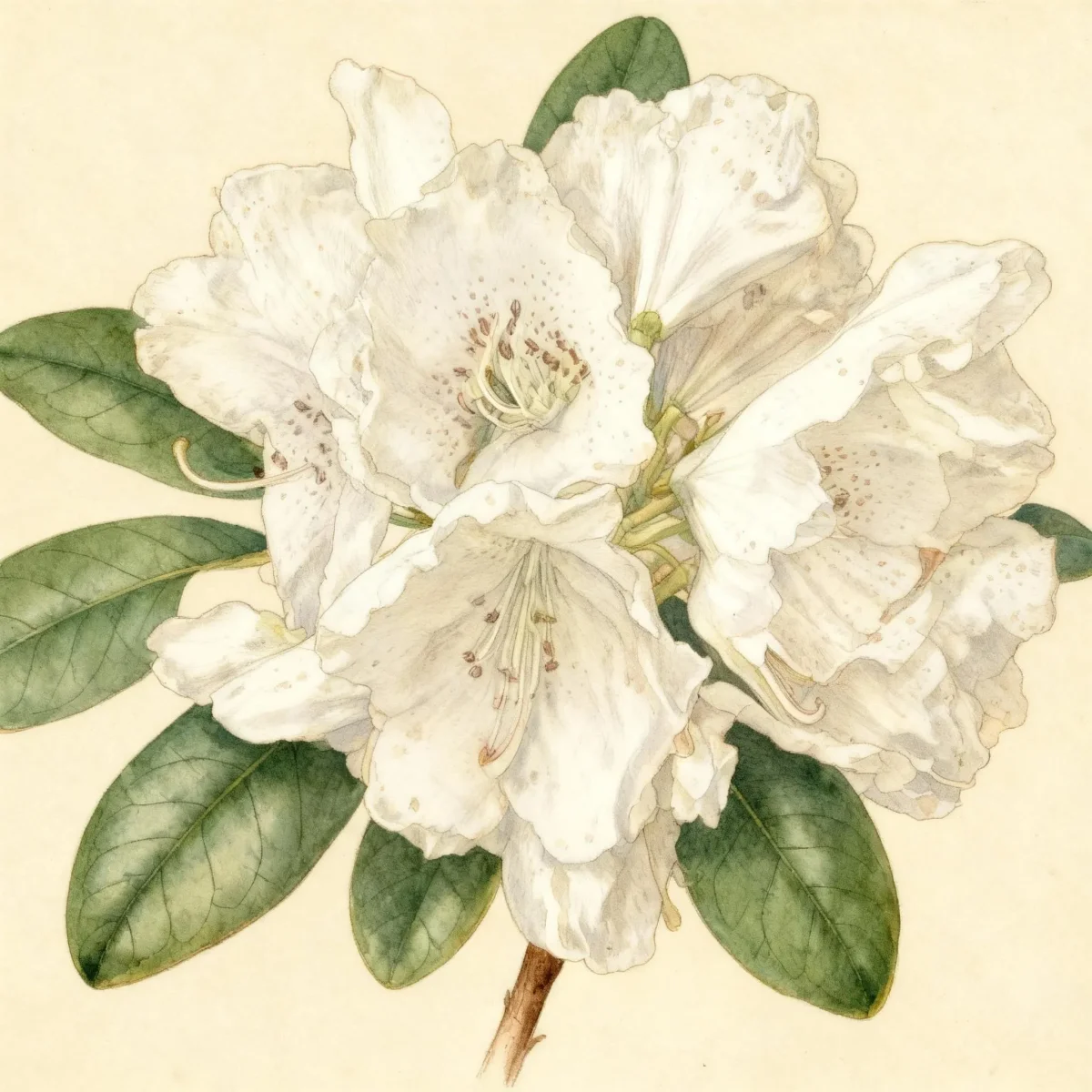
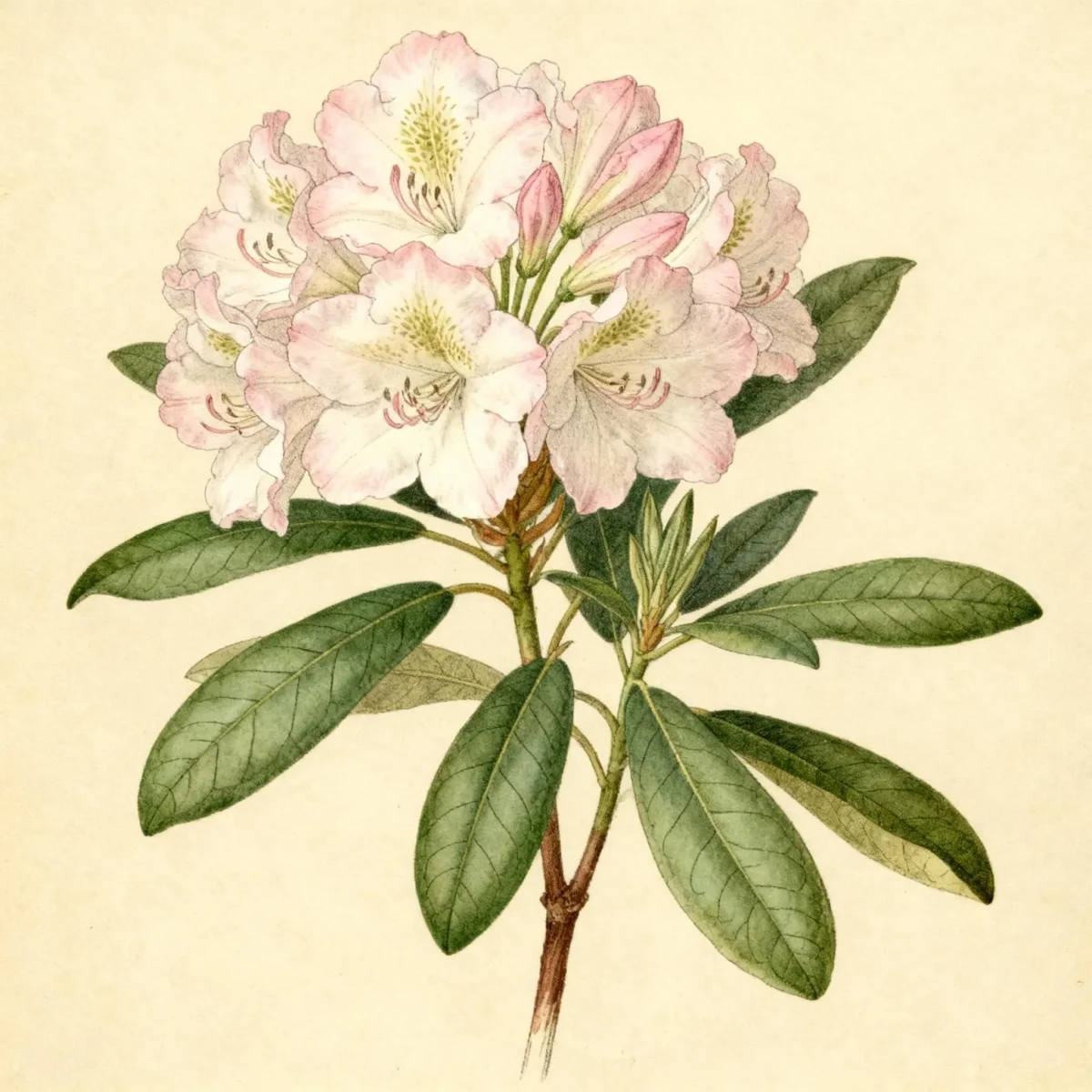
Rhododendron (Rhododendron catawbiense 'Roseum Elegans')
A vigorous Rhododendron catawbiense 'Roseum Elegans' thrives in Zones 4-8, offering showy rosy-lavender blooms in May/June ideal for structure.
Scroll down to discover growing tips, care requirements, companion plants, and more
Complete Plant Information
Overview
The Rhododendron catawbiense ‘Roseum Elegans’ is a highly valued, large, rounded broadleaf evergreen shrub, renowned for its vigor and reliable performance in cooler climates. As a classic specimen among the Rhododendrons, it provides dense, year-round dark green foliage that beautifully contrasts with its mid-to-late spring flower display. Gardeners prize this cultivar for its ease of growth compared to some more delicate varieties.
This specific Rhododendron cultivar forms bold structural masses, making it an excellent choice for formal hedges or as a strong accent in woodland settings. The handsome, deep green, glossy leaves persist through the winter, offering essential structure when many other garden plants are dormant. Its natural hardiness stems from its parentage, the native Catawba Rhododendron.
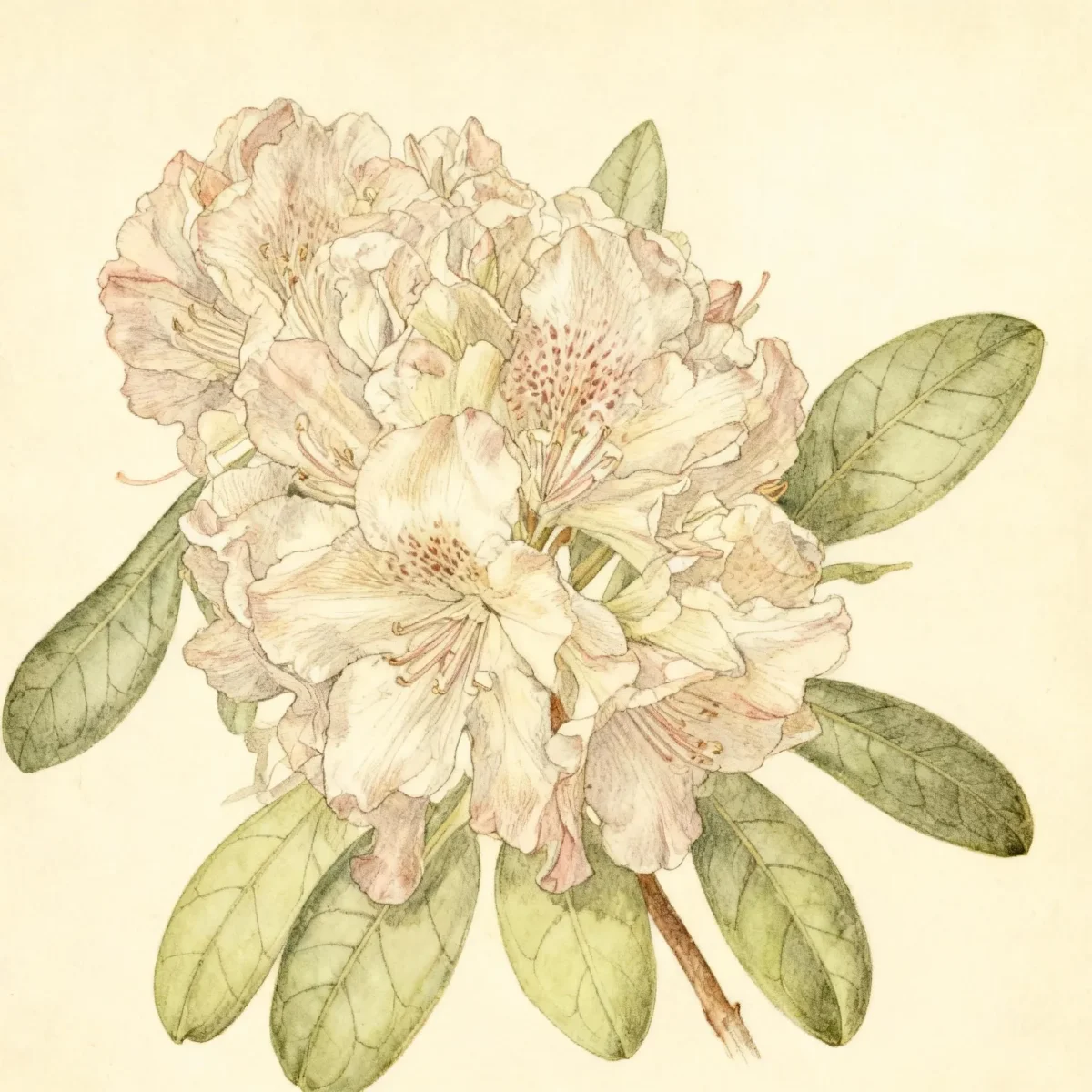
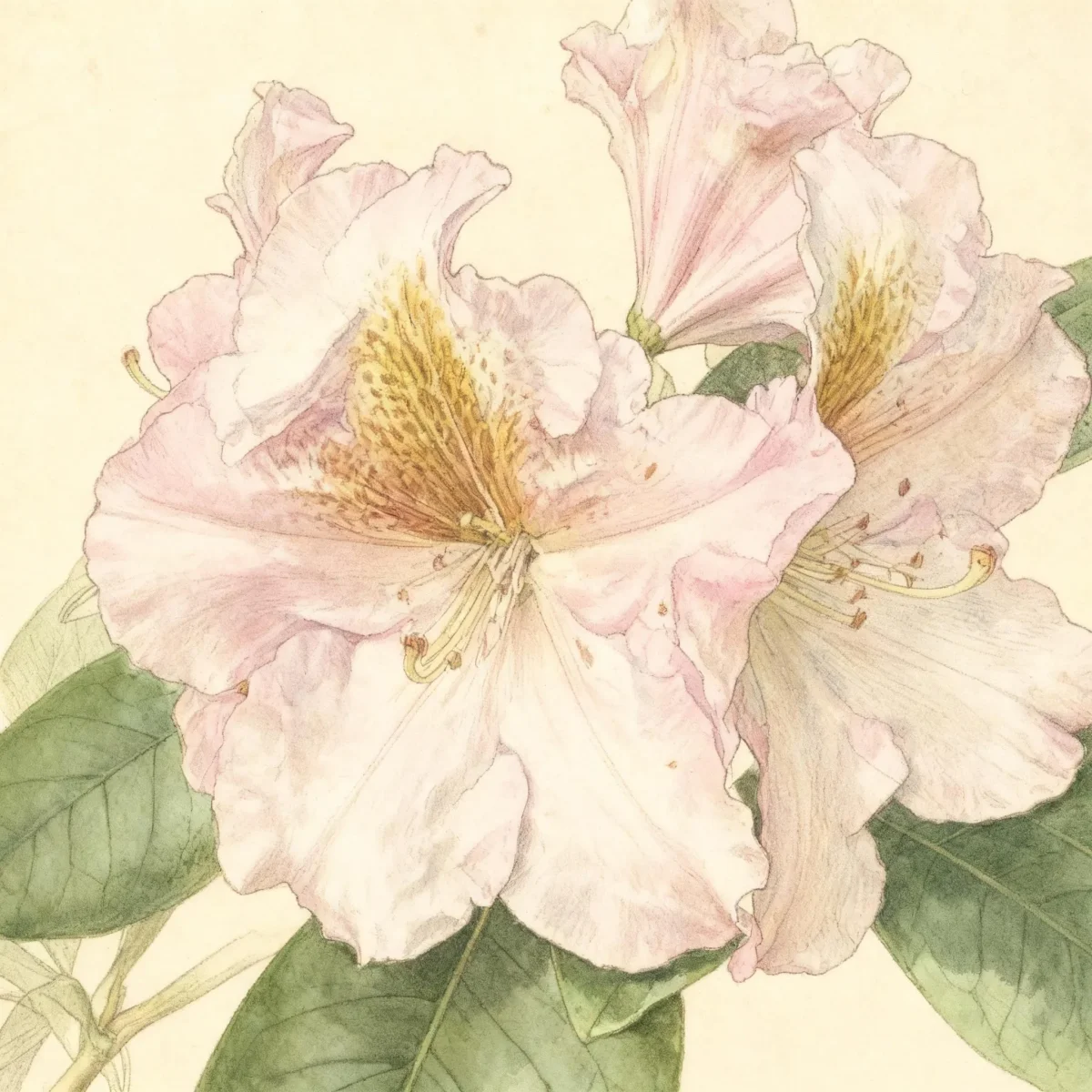
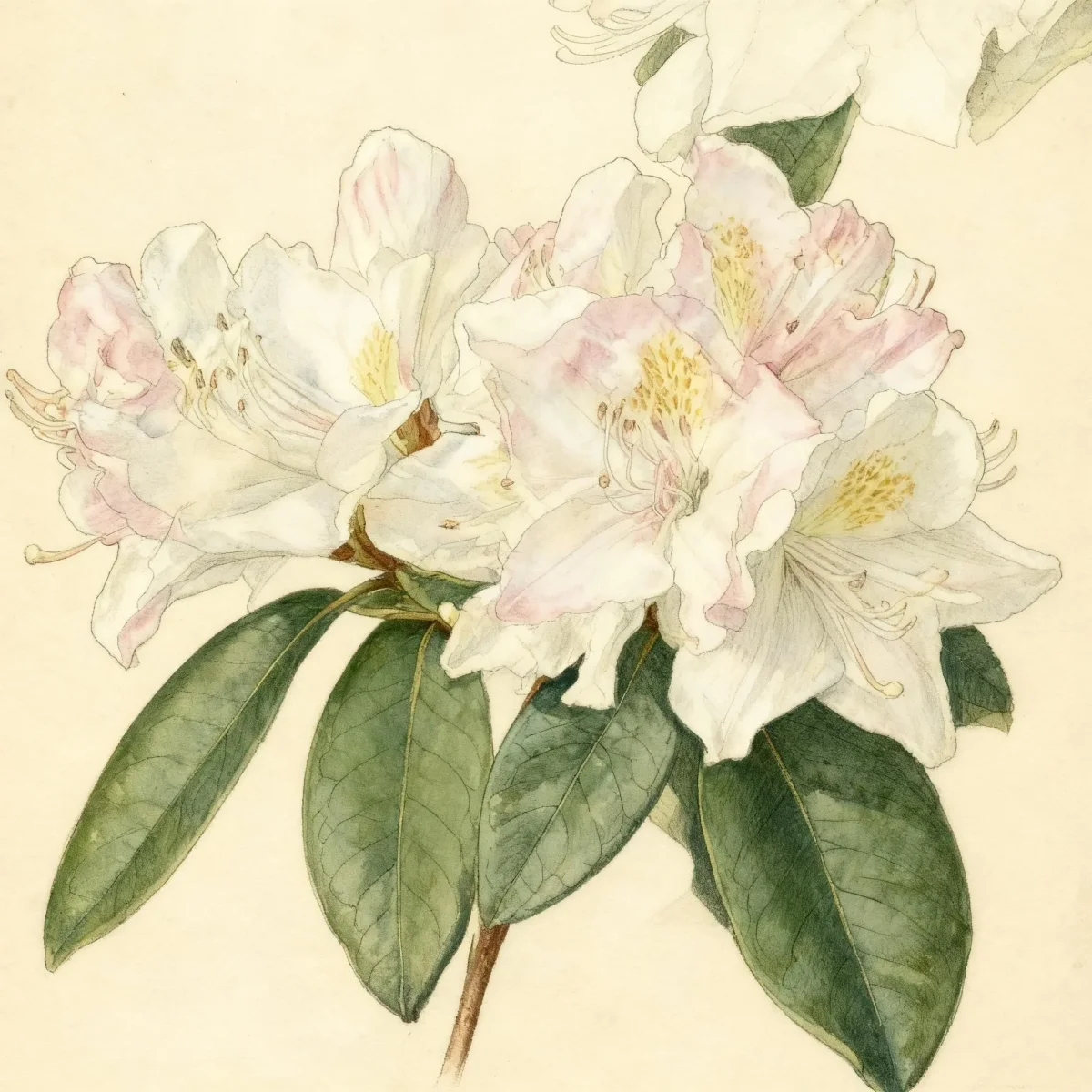
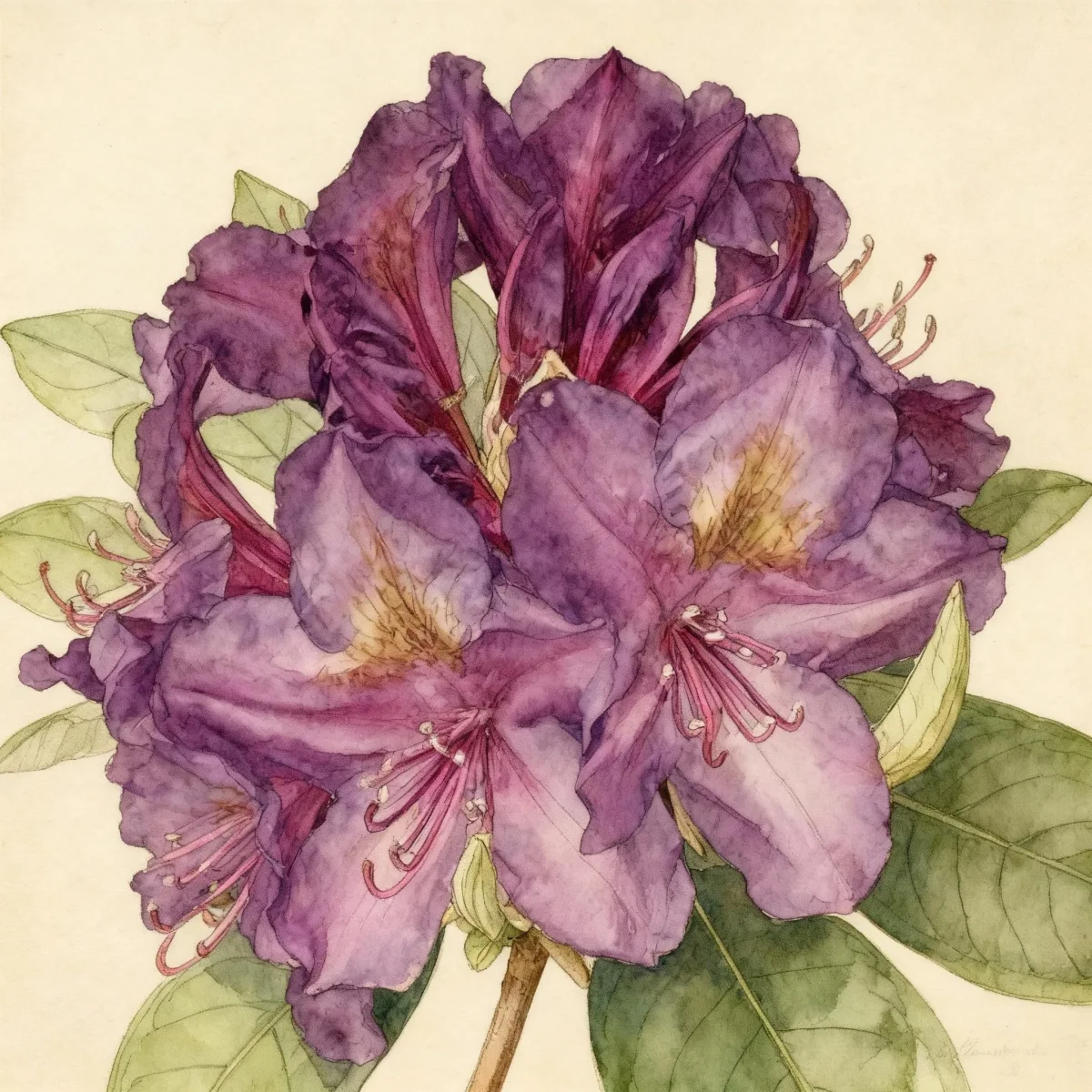
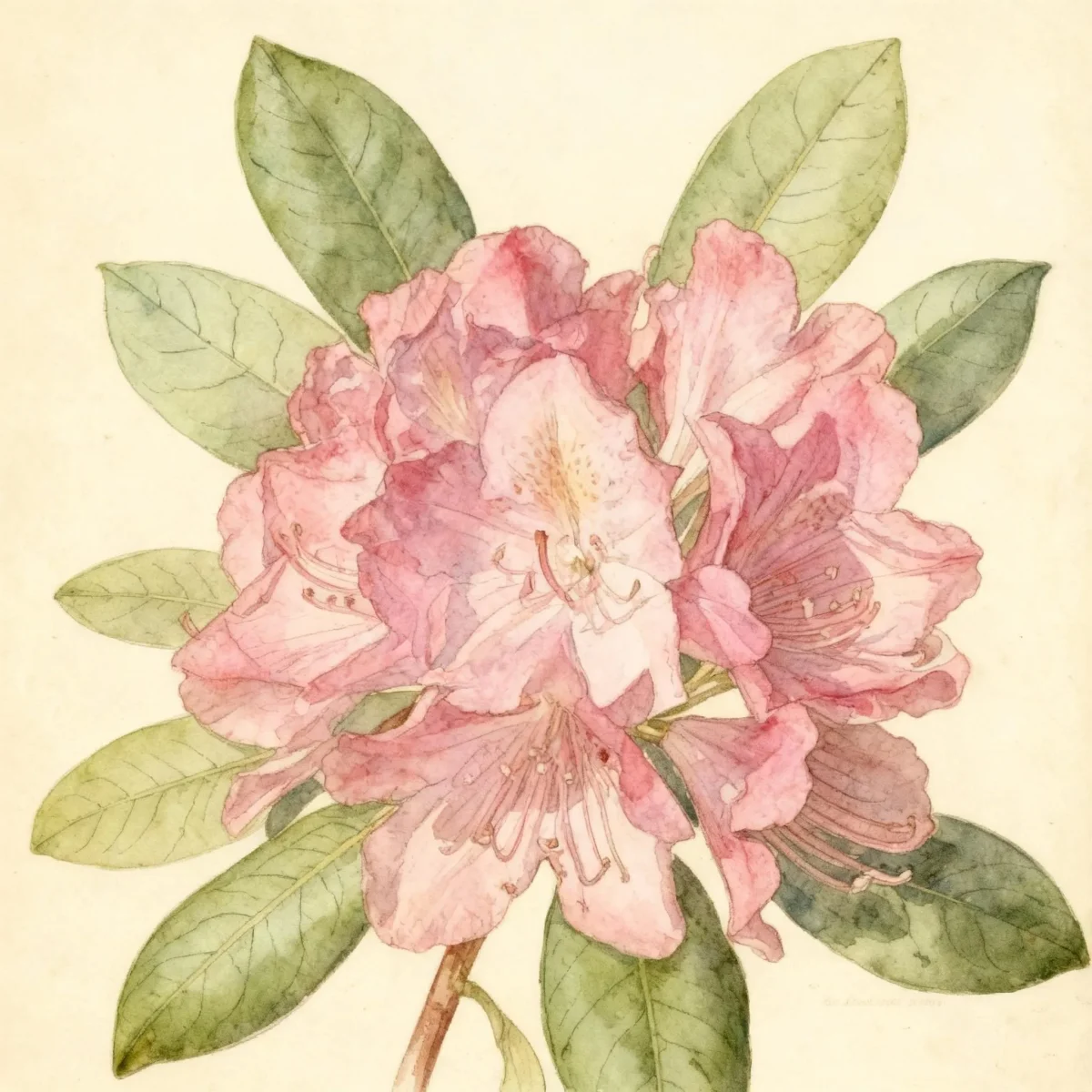
The main aesthetic draw is the abundant bloom of large trusses packed with rose-lilac, funnel-shaped flowers, often spotted with a delicate reddish-brown marking in the throat. Planting Rhododendron catawbiense ‘Roseum Elegans’ ensures seasonal color and provides excellent shelter for local wildlife, cementing its role as a foundational landscape element.
Fast Facts
- Plant Family: Ericaceae
- Plant Type: Broadleaf evergreen
- Hardiness Zones: USDA Zones 4-8
- Size at Maturity:
- Height: 6-8 ft
- Spread: 6-8 ft
- Bloom Time: May to June
- Bloom Description: Rose-lilac
- Sun Exposure: Part shade
- Water Needs: Medium
- Maintenance Level: Medium
How to Grow
For optimal success with Rhododendron catawbiense ‘Roseum Elegans’, focus intensely on soil preparation prior to planting. These shrubs require acidic, humusy, organically rich soil that remains evenly moist but drains exceptionally well. Poor drainage is fatal, often leading to root rot; consider raised beds when site drainage is a concern, especially in heavy clay.
Planting should generally occur in locations protected from harsh winter winds. Ensure the site provides part shade, performing best with gentle morning sun exposure, while requiring shade during the hot afternoon hours. It is critical that the shallow, fibrous root systems of this Rhododendron never dry out, necessitating consistent moisture retention.
Ongoing care revolves around soil management and moisture. Always acidify the soil before planting and adjust subsequent soil pH as needed because Rhododendrons are acid-loving. Avoid cultivating close to the plant base due to the shallow roots; instead, apply a substantial layer of organic mulch, such as wood chips or pine needles, to stabilize soil temperature and conserve humidity.
Be mindful of siting this specific cultivar; avoid planting near members of the walnut family due to their production of toxic juglones, which can severely harm most Rhododendrons. Remember that all parts of the Rhododendron catawbiense ‘Roseum Elegans’ are toxic if ingested.
Landscape Uses
The Rhododendron catawbiense ‘Roseum Elegans’ excels as a robust plant for defining borders and creating year-round structure within the garden. Given its mature size of 6 to 8 feet in both height and spread, it functions perfectly as a formal or informal hedge that provides dense screening. Its evergreen nature ensures visual interest even in winter.
In woodland gardens or along wood margins, this Rhododendron blends beautifully, complementing the dappled light conditions it prefers. It serves wonderfully as an accent or specimen plant when given space to achieve its naturally mounding, rounded habit. Planted in groups or mass plantings, the resulting display of rosy-lavender flowers in late spring is spectacular.
Consider using this cultivar alongside other acid-loving plants such as azaleas, camellias, or mountain laurel. Massing the deep green foliage provides a stable backdrop that allows seasonal color from nearby perennials and bulbs to truly pop against the backdrop provided by the Rhododendron catawbiense ‘Roseum Elegans’.
Standout Features
Flower Qualities
- Showy
Noteworthy Characteristics
Rhododendron catawbiense, commonly called Catawba rhododendron or mountain rosebay, is a large, rounded to spreading, multi-stemmed, broadleaf evergreen shrub that typically grows to 6-10’ (rarely to 20’) tall. It is native to the eastern U.S. From Maryland to Kentucky south to Alabama and Georgia, with concentrations in alpine woodlands, rocky slopes and ridges in the Appalachian Mountains from Virginia to Georgia where it often forms dense thickets. Alternate, elliptic to oblong, glossy, dark green leaves (to 3-6” long). Funnel-shaped lavender-pink flowers have green to yellow-brown throat markings. Flowers bloom mid to late spring in compact showy terminal clusters (trusses), each containing 15-20 flowers. Flowers are followed by elongated dry seed capsules (each to 1/2 to 1” long) which mature in fall. Gray-brown bark develops fine scales with age. Provides shelter and nesting sites for birds and wildlife. Flowers are a nectar source for butterflies. This shrub is an important parent of a large number of frost-hardy hybrids.Genus name comes from the Greek words rhodo meaning rose and dendron meaning tree. Transferred from the Greek name for Nerium oleander.Specific epithet comes from the Catawba region of the Blue Ridge Mountains of eastern North America.‘Roseum Elegans’ is a vigorous grower with good habit with large, glossy, dark green leaves. This large, dense, broadleaf evergreen rhododendron thrives in cooler regions. Its a popular cultivar valued for its large rounded clusters of rosy lavender flowers which can hold up to 20 attractive bell-shaped flowers with delicate reddish-brown dorsal spotting.
Tolerances
No specific tolerances were listed.
Potential Problems
Rhododendrons are susceptible to many insect and disease problems, including but not limited to canker, crown rot, root rot, leaf spot, rust, powdery mildew, aphids, borers, lacebugs, leafhoppers, mealybugs, mites, nematodes, scale, thrips and whiteflies. A healthy plant in the proper environment should have limited problems.
The primary defense against these issues is proactive cultural care. Root rot and crown rot are often the direct result of poor soil drainage and overly wet conditions—always correct environmental factors first. For insect pests like lacebugs or scale, routine inspections during the growing season allow for early application of horticultural oils or targeted insecticides.
Frequently Asked Questions
What hardiness zones is Rhododendron suitable for?
The Rhododendron catawbiense ‘Roseum Elegans’ is reliably hardy in USDA Zones 4 through 8.
How large does Rhododendron catawbiense ‘Roseum Elegans’ grow?
This cultivar typically reaches a mature height and spread between 6 and 8 feet tall and wide.
What sun exposure does Rhododendron need?
This specific Rhododendron variety prefers a location offering part shade, ideally avoiding intense afternoon sun, though it can tolerate closer to full shade.
When does Rhododendron bloom?
You can expect the showy, rose-lilac flowers of the Rhododendron to appear between May and June.
Conclusion
The Rhododendron catawbiense ‘Roseum Elegans’ stands out as a foundational landscape evergreen, delivering robust structure and magnificent spring color with proven hardiness. Its dense foliage and impressive bloom clusters make it a cornerstone for achieving classic, sheltered garden aesthetics. Ensure your site offers the acidic, moist, well-drained soil it demands, and you will enjoy this magnificent Rhododendron for years to come.
Companion Planting
Selecting appropriate companions is key when establishing a thriving Rhododendron bed, as these shrubs share specific soil chemistry needs. Plants that require consistently acidic, humus-rich soil will be happy neighbors to the Rhododendron catawbiense ‘Roseum Elegans’. Excellent choices include Blueberries, which share the need for acidic soil pH, and other members of the Ericaceae family like Azaleas.
For visual layering, consider planting shade-tolerant ferns, hostas, and bleeding hearts beneath or in front of the shrub. These groundcovers will appreciate the filtered light provided by the mature Rhododendron canopy and will help shade the shallow root system, keeping it cool and moist throughout the summer months.
When designing woodland garden margins, use plants that do not aggressively compete for nutrients or moisture near the base of the Rhododendron. Avoid shallow-rooted deciduous trees, particularly walnuts, as previously mentioned, and stick to complementary textures that enhance the dense, formal look offered by this evergreen.
Seasonal Care Calendar
Spring is the most critical time for the Rhododendron catawbiense ‘Roseum Elegans’ as it emerges from winter dormancy and prepares to bloom. As soon as frost risk passes, apply a balanced, slow-release fertilizer formulated specifically for acid-loving plants, following label instructions closely to avoid burning the sensitive roots. Deadheading spent flower trusses immediately after blooming can encourage energy redirection toward foliage production rather than seed set.
Summer care centers entirely on consistent moisture management. Due to the genus’s shallow roots, extended dry spells can be deadly, especially for a large shrub. Water deeply and slowly at the base if rainfall is inadequate; never let the soil dry out completely. Mulch maintenance is also key during this period to reduce water evaporation.
Fall and winter preparation involve applying or refreshing the thick layer of organic mulch, such as pine needles or bark chips, around the drip line. This insulates the roots against the freeze-thaw cycles that can heave and damage the Rhododendron. Protect the evergreen foliage from harsh, desiccating winter winds by siting the plant in a naturally protected area.