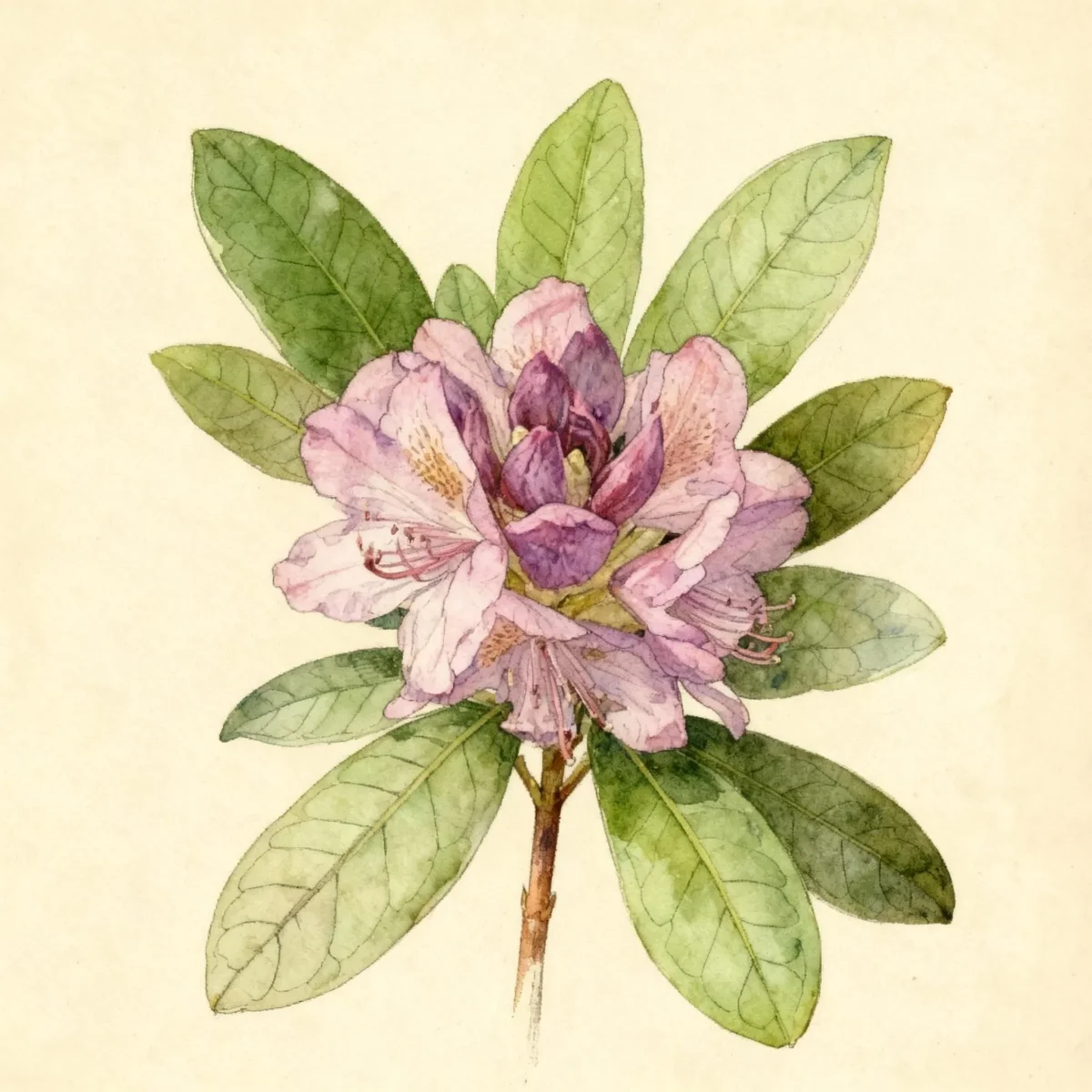
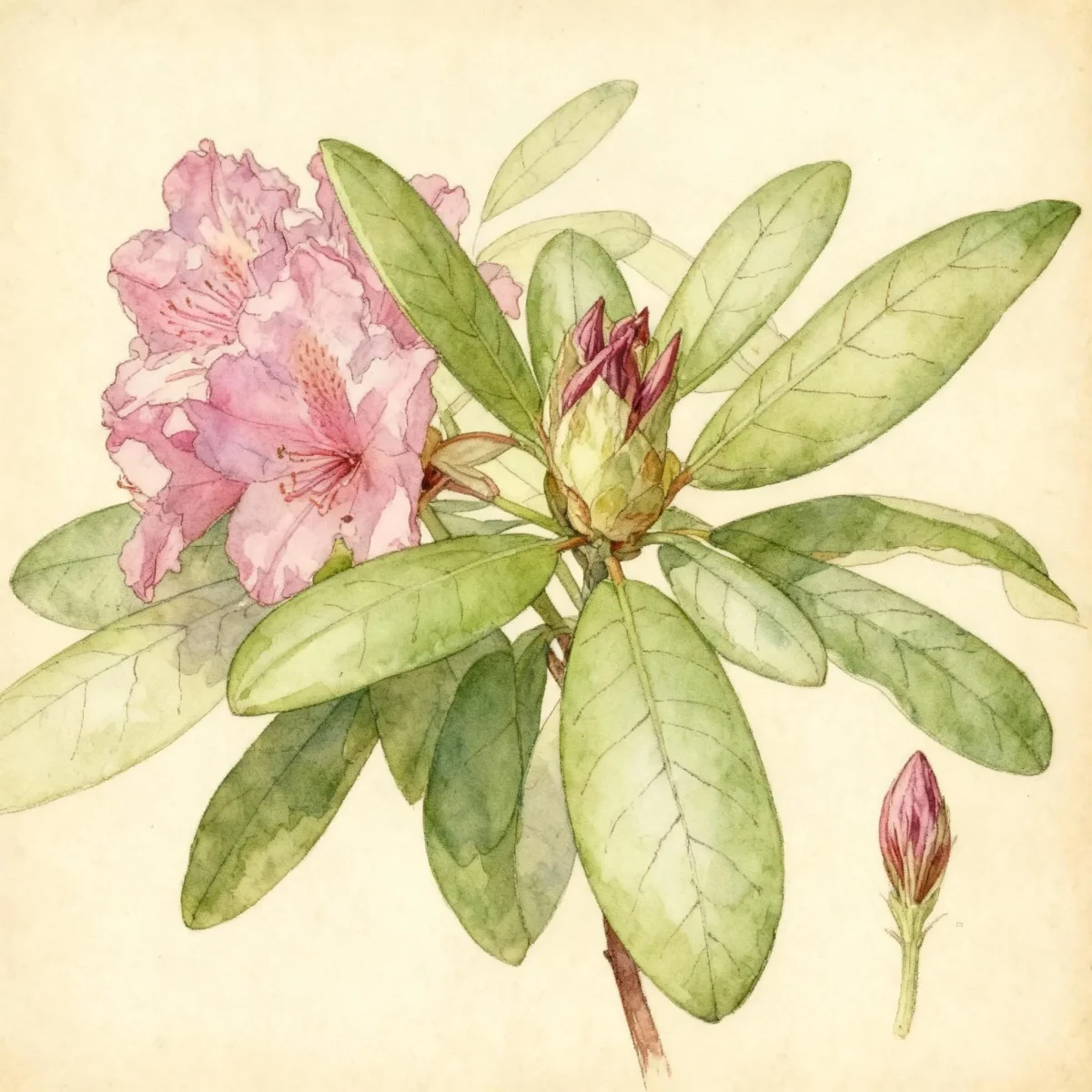
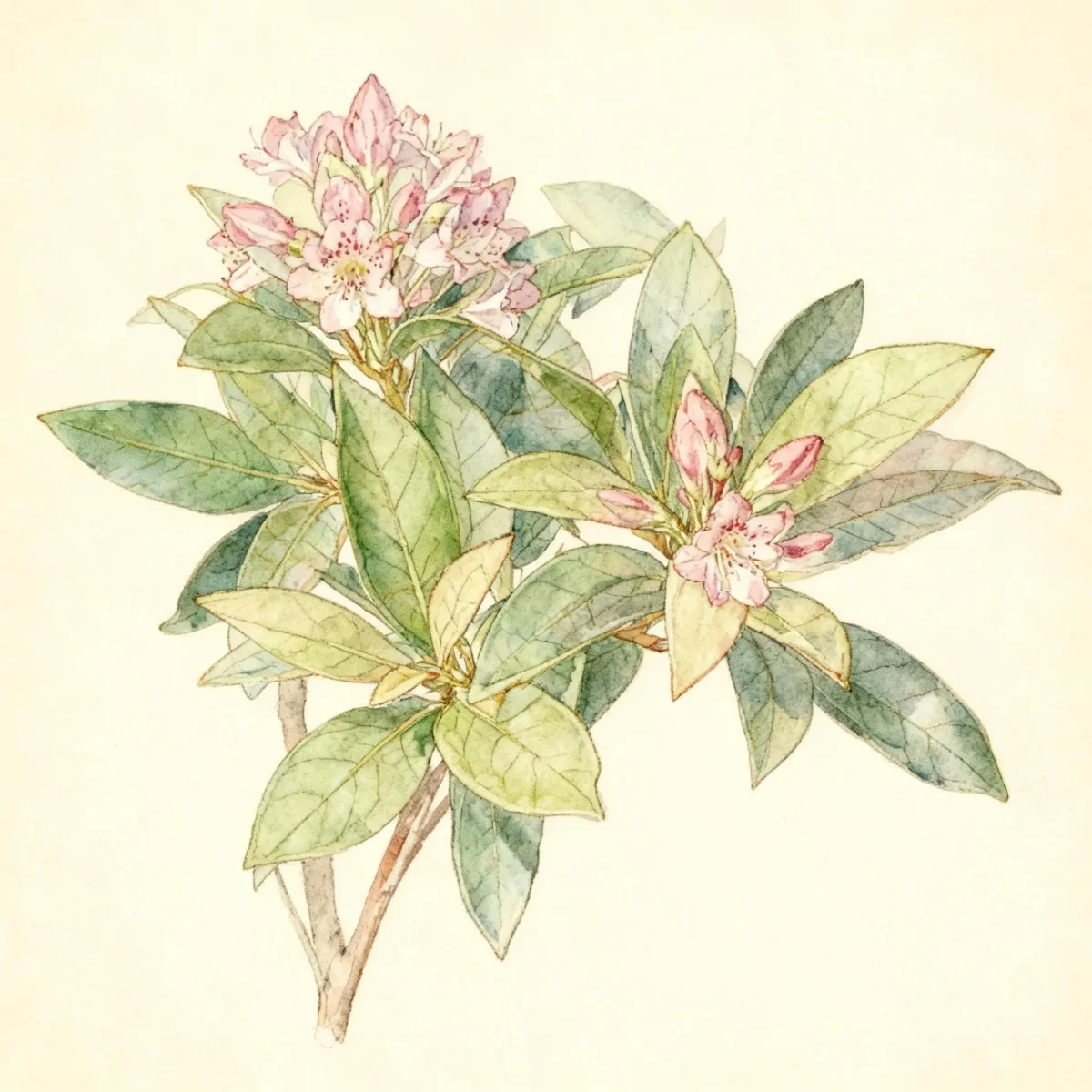
Catawba rhododendron (Rhododendron catawbiense 'Roseum Superbum')
Durable, broadleaf evergreen shrub, the Catawba rhododendron 'Roseum Superbum' offers lavender-pink blooms in late spring. Highly valued for hedges and woodland areas.
Scroll down to discover growing tips, care requirements, companion plants, and more
Complete Plant Information
Overview
The Rhododendron catawbiense ‘Roseum Superbum’, commonly known as the Catawba rhododendron, is a reliable and robust broadleaf evergreen highly prized for its dense structure and spectacular late-spring floral display. This cultivar is celebrated for its hardiness, making it a staple in cooler climates where many other rhododendrons struggle. It forms a substantial, rounded shrub that provides excellent year-round texture and privacy.
Native to the Appalachian Mountains, the Catawba rhododendron offers significant ecological benefits, providing shelter and nectar sources for local wildlife. A mature specimen of Rhododendron catawbiense ‘Roseum Superbum’ provides a long-lasting visual impact with its dark green, leathery foliage punctuated by large clusters of lavender-pink flowers. Its ability to thrive in semi-shade makes it an indispensable component of woodland and foundation plantings.
Gardening successfully with Rhododendron catawbiense ‘Roseum Superbum’ requires attention to soil acidity and drainage, but its overall medium maintenance level is well worth the effort for the magnificent flowering show it delivers. This established cultivar is also a key parent in many frost-hardy hybrid rhododendrons seen today.
Fast Facts
- Plant Family: Ericaceae
- Plant Type: Broadleaf evergreen
- Hardiness Zones: USDA Zones 4-9
- Size at Maturity:
- Height: 7-10 ft
- Spread: 7-10 ft
- Bloom Time: May to June
- Bloom Description: Lavender to pink
- Sun Exposure: Part shade
- Water Needs: Medium
- Maintenance Level: Medium
How to Grow
Plant the Catawba rhododendron in early spring or early fall when temperatures are moderate, allowing the root system time to establish before summer heat or winter freezes. These plants demand highly acidic soil (pH 4.5 to 6.0) rich in organic matter, such as compost or peat moss. Ensure planting sites offer excellent drainage; rhododendrons are highly susceptible to root rot in soggy conditions. Planting too deeply is a common pitfall, so ensure the top of the root ball sits slightly above the surrounding grade.
Maintain a consistent moisture level using a medium watering schedule. While established Rhododendron catawbiense ‘Roseum Superbum’ is somewhat drought-tolerant, consistent water, especially during bloom time and dry summers, is vital. Apply a slow-release acidic fertilizer formulated for rhododendrons or azaleas in early spring before new growth begins. Avoid getting water or fertilizer directly on the foliage if possible.
Pruning requirements for Rhododendron catawbiense ‘Roseum Superbum’ are minimal unless you are shaping it into a formal hedge. If pruning is necessary, light shearing to shape the plant should be done immediately after the final blooms fade in summer. Remove spent flower trusses (deadheading) gently if possible, cutting just above the first set of new leaf buds to encourage better future flowering.
Landscape Uses
The versatility of the Catawba rhododendron allows it to perform excellently in a range of landscape roles. It shines as a substantial foundation planting near homes, especially in semi-shady exposures where it can anchor building lines with its dense evergreen foliage. Due to its mature size—reaching up to 10 feet tall and wide—it is superb for creating informal but effective privacy hedges.
For a more natural look, mass plantings of Rhododendron catawbiense ‘Roseum Superbum’ evoke its native habitat in woodland margins and rocky slopes. This plant is highly recommended for woodland gardens, offering vibrant color beneath taller canopy trees that provide dappled light throughout the day. Use individual specimens as accents where their impressive trusses can be appreciated up close.
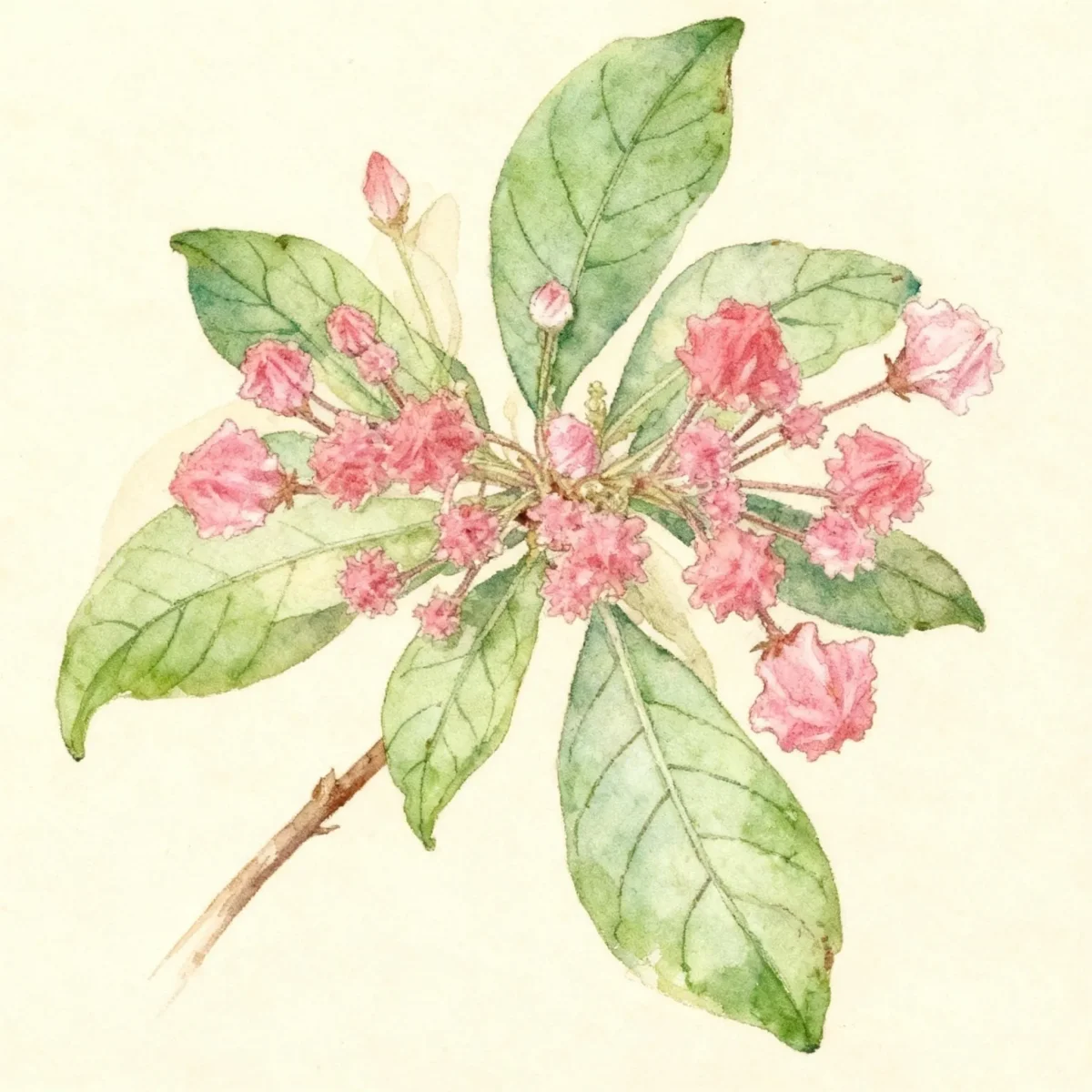
Companion planting should focus on species that share the need for acidic, well-draining soil. Consider pairing the Catawba rhododendron with companion shrubs like mountain laurels (Kalmia), Pieris, or evergreen azaleas. Groundcovers such as ferns or shade-loving perennials will soften the base of the shrub and help retain soil moisture around its shallow roots.
Standout Features
Flower Qualities
- Showy
Noteworthy Characteristics
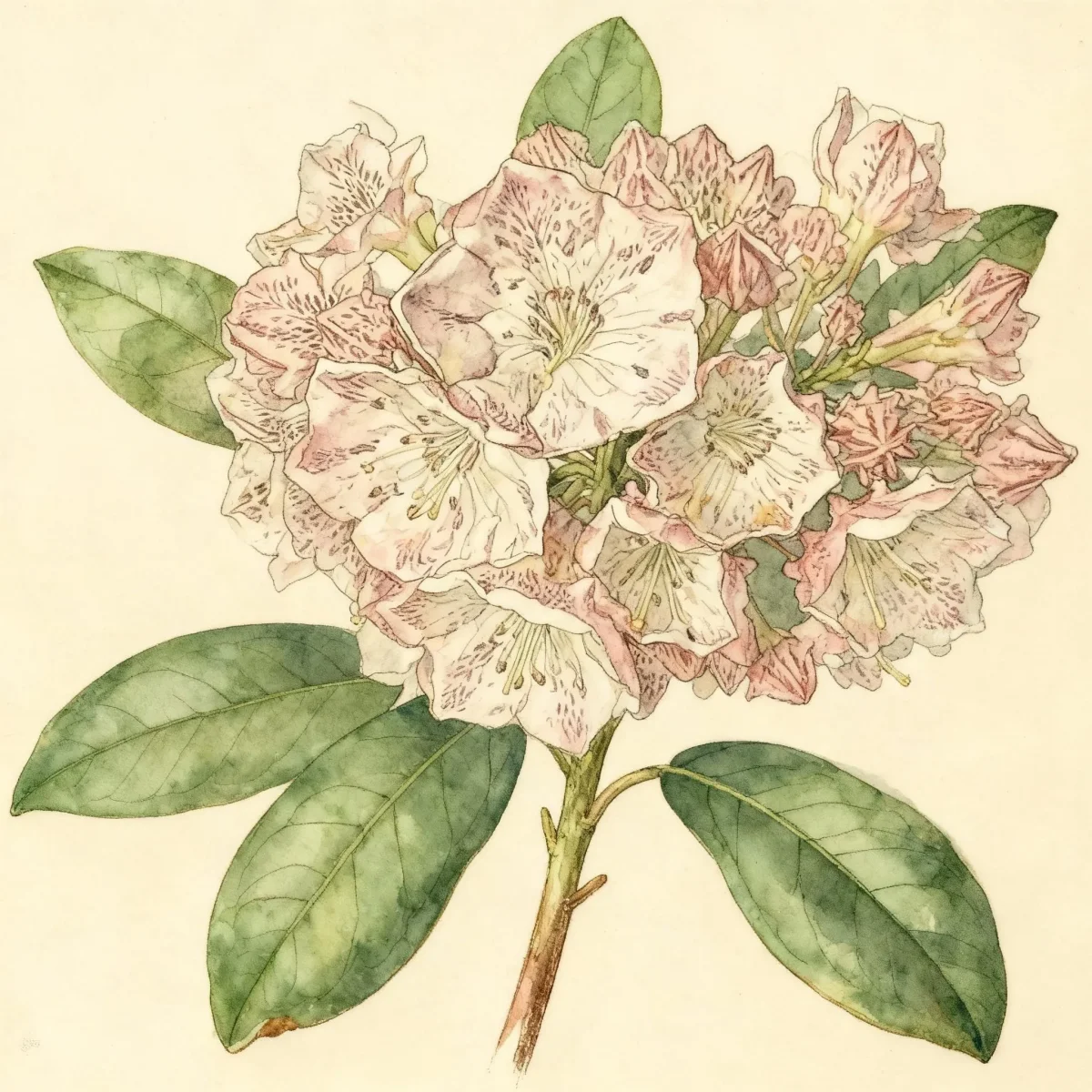
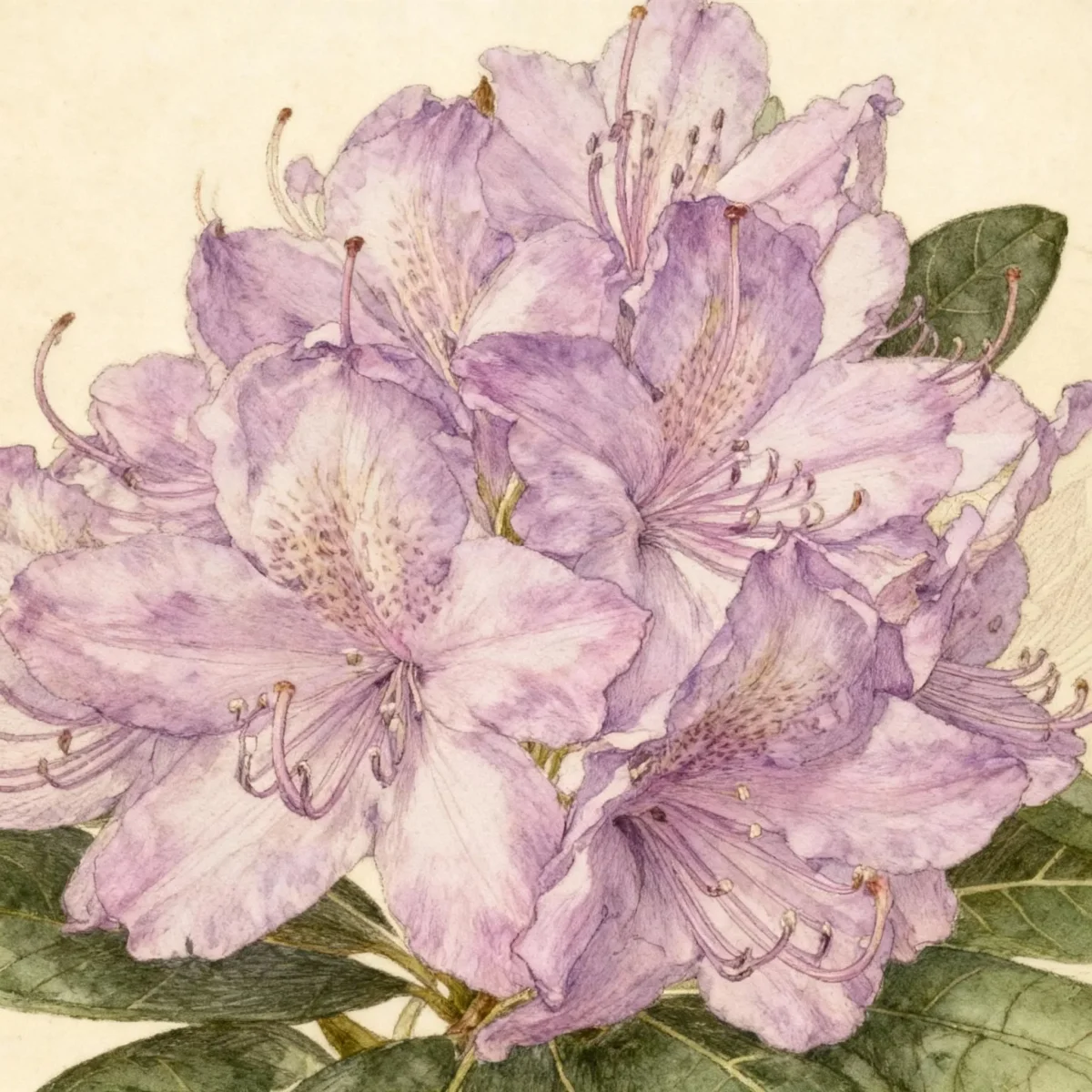
Rhododendron catawbiense, commonly called Catawba rhododendron or mountain rosebay, is a large, rounded to spreading, multi-stemmed, broadleaf evergreen shrub that typically grows to 6-10’ (rarely to 20’) tall. It is native to the eastern U.S. From Maryland to Kentucky south to Alabama and Georgia, with concentrations in alpine woodlands, rocky slopes and ridges in the Appalachian Mountains from Virginia to Georgia where it often forms dense thickets. Alternate, elliptic to oblong, glossy, dark green leaves (to 3-6” long). Funnel-shaped lavender-pink flowers have green to yellow-brown throat markings. Flowers bloom mid to late spring in compact showy terminal clusters (trusses), each containing 15-20 flowers. Flowers are followed by elongated dry seed capsules (each to 1/2 to 1” long) which mature in fall. Gray-brown bark develops fine scales with age. Provides shelter and nesting sites for birds and wildlife. Flowers are a nectar source for butterflies. This shrub is an important parent of a large number of frost-hardy hybrids.Genus name comes from the Greek words rhodo meaning rose and dendron meaning tree. Transferred from the Greek name for Nerium oleander.Specific epithet comes from the Catawba region of the Blue Ridge Mountains of eastern North America.‘Roseum Superbum’ is an open, multi-stemmed evergreen rhododendron that typically grows to a mature height of 8 ft tall and 7 ft wide. It has large, narrow, leathery medium-green leaves and features large trusses of flowers that range from lavender to pink with gold blotches.
Tolerances
Potential Problems
Rhododendrons are susceptible to many insect and disease problems, including but not limited to canker, crown rot, root rot, leaf spot, rust, powdery mildew, aphids, borers, lacebugs, leafhoppers, mealybugs, mites, nematodes, scale, thrips and whiteflies. Prevention is crucial; most issues are exacerbated by improper planting or poor cultural conditions, especially poor drainage.
Root rot (Phytophthora) manifests as wilting or yellowing foliage, often appearing when the soil is consistently waterlogged. Ensure the planting site for your Catawba rhododendron is never swampy. Address insect pests like lacebugs by applying dormant oil or targeted insecticides if infestations are severe, focusing treatments when pests are most active.
A healthy plant in the proper environment should have limited problems. Monitor foliage closely; yellowing between the veins (chlorosis) often indicates an iron deficiency, which can be corrected by applying chelated iron or increasing soil acidity with aluminum sulfate.
Frequently Asked Questions
What hardiness zones is Catawba rhododendron suitable for?
The Catawba rhododendron is quite adaptable, thriving in USDA Hardiness Zones 4 through 9, offering excellent cold tolerance for an evergreen landscape shrub.
How large does Rhododendron catawbiense ‘Roseum Superbum’ grow?
This cultivar typically matures to a height between 7 and 10 feet, with a similar spread ranging from 7 to 10 feet wide in ideal conditions.
What sun exposure does Rhododendron catawbiense ‘Roseum Superbum’ need?
The preferred environment for this shrub is part shade, providing protection from harsh afternoon sun while still receiving bright, filtered light.
When does Catawba rhododendron bloom?
Expect the rich lavender-pink flower trusses of Rhododendron catawbiense ‘Roseum Superbum’ to appear reliably from May into June.
Conclusion
The Rhododendron catawbiense ‘Roseum Superbum’ stands out as a resilient, beautiful evergreen, perfectly suited for providing structure and spring color in shaded garden areas. Its adaptability in USDA Zones 4-9 ensures its success across a wide range of North American landscapes. Before planting, confirm your soil is acidic and well-draining to ensure this magnificent Catawba rhododendron thrives for decades.
Companion Planting
Selecting the right neighbors enhances the health and aesthetic appeal of your Catawba rhododendron. Since these plants require acidic soil and afternoon shade, look for other acid-loving companions that share these needs. Excellent choices include various types of ferns, which provide airy texture against the dense evergreen leaves of the rhododendron.
Consider incorporating Japanese maples (Acer palmatum) for dappled overhead protection and contrasting leaf shapes and fall color. Other groundcovers perfect for suppressing weeds and keeping the shallow, fibrous roots of the Rhododendron catawbiense ‘Roseum Superbum’ cool include Virginia bluebells or Astilbe, provided there is enough moisture available.
Avoid planting shallow-rooted turfgrass directly up to the base of the shrub, as grass aggressively competes for water and nutrients. Instead, maintain a generous mulch ring using pine needles or shredded bark to preserve soil moisture and acidity.
Wildlife Benefits
The floral display of the Catawba rhododendron is not just for human enjoyment; the showy trusses of lavender-pink flowers are rich in nectar, making them highly attractive to early-season butterflies and hummingbirds. As a dense evergreen, this large shrub offers critical cover throughout the winter months.
Its robust, multi-stemmed structure provides excellent shelter and safe nesting sites for songbirds seeking refuge from predators or harsh weather. In the native Appalachian range of the Catawba rhododendron, its presence supports local biodiversity significantly. Planting this shrub is an excellent way to add layered habitat structure to your garden design.