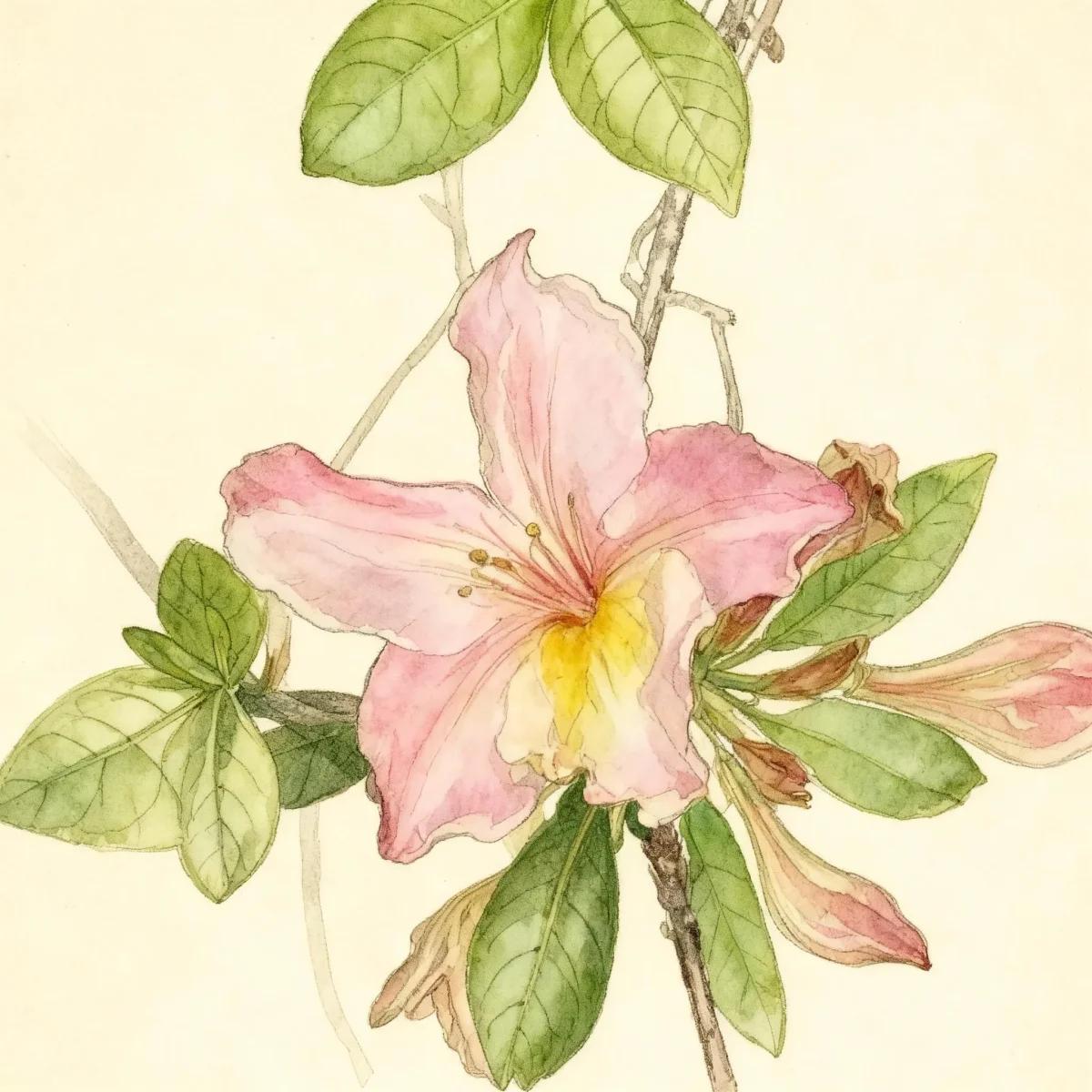
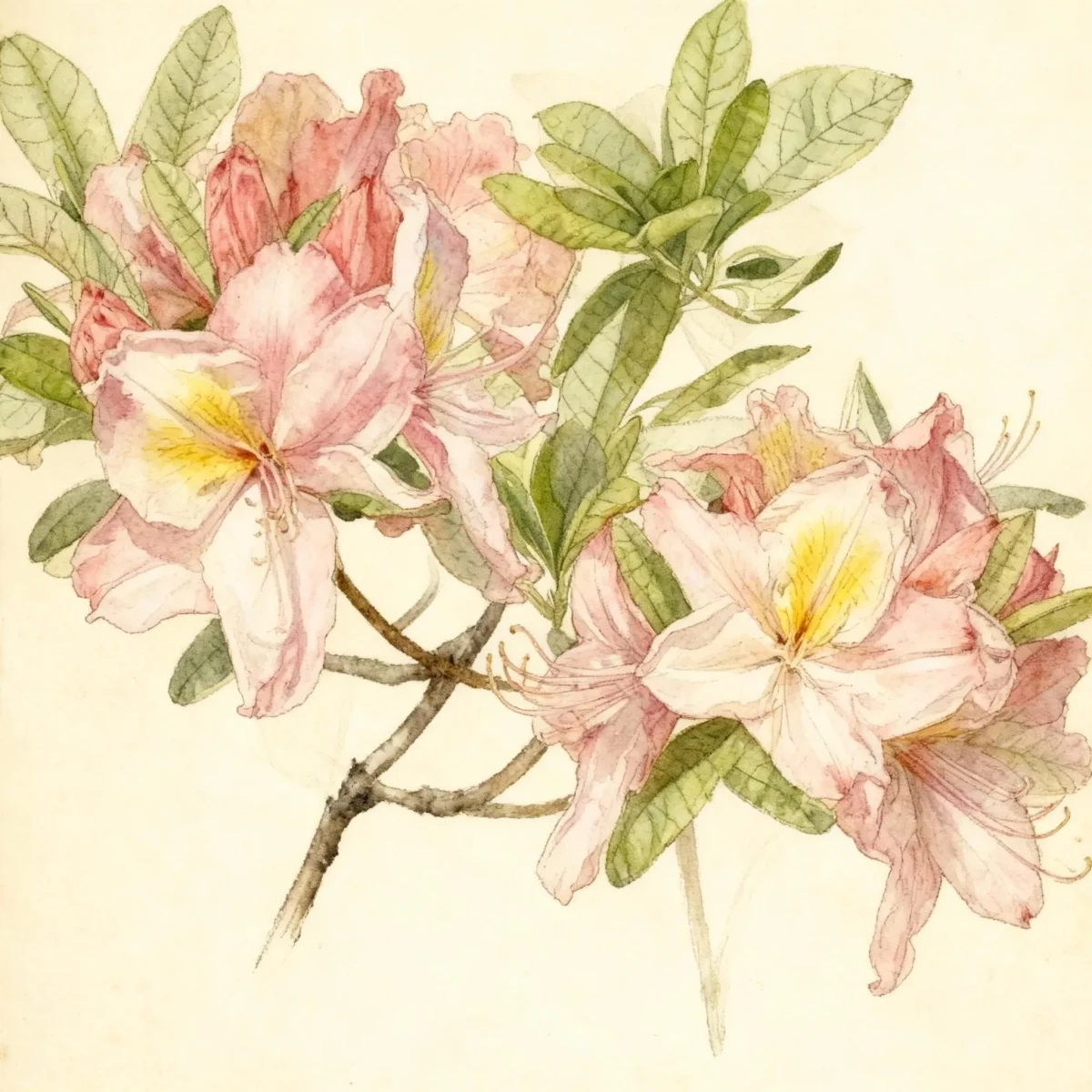
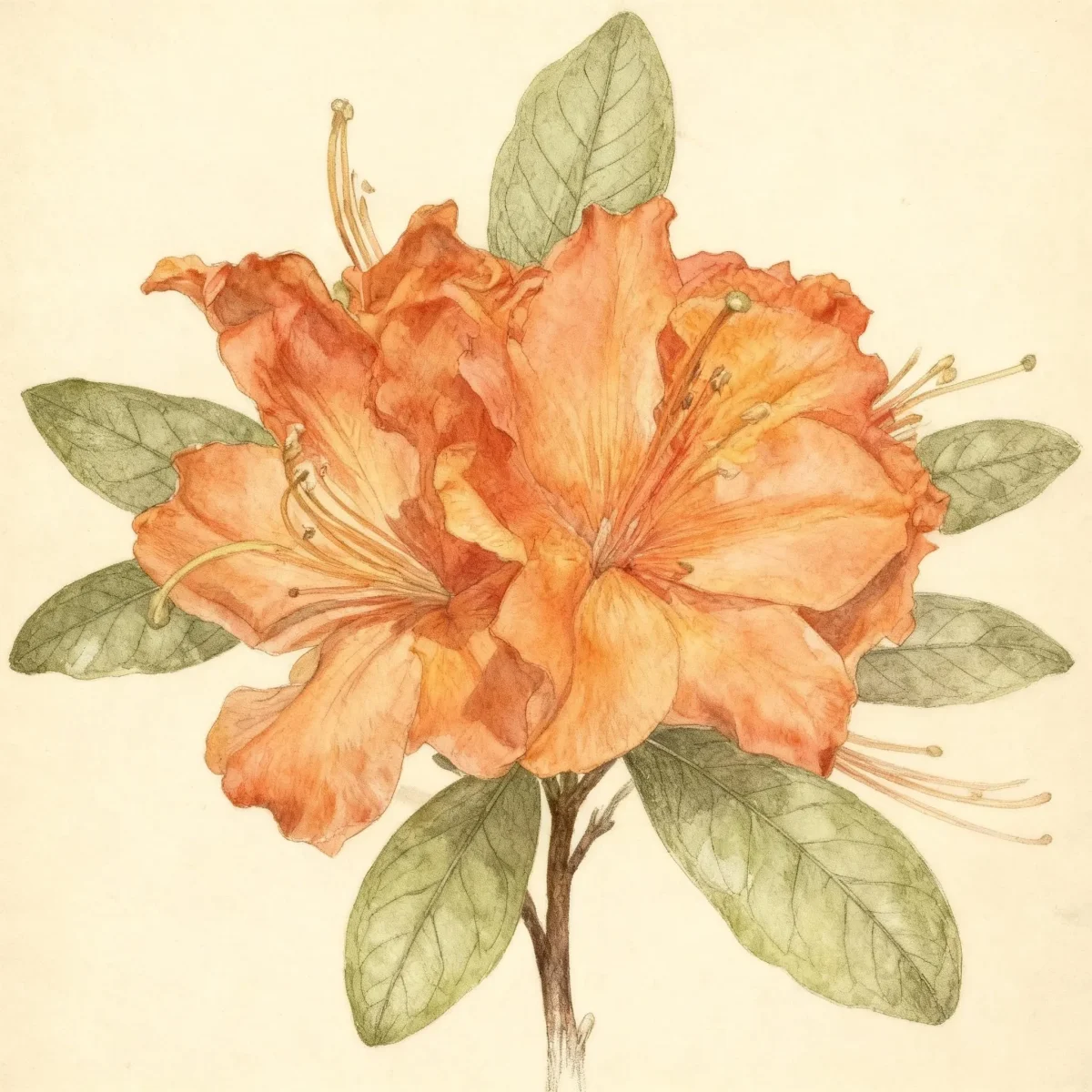
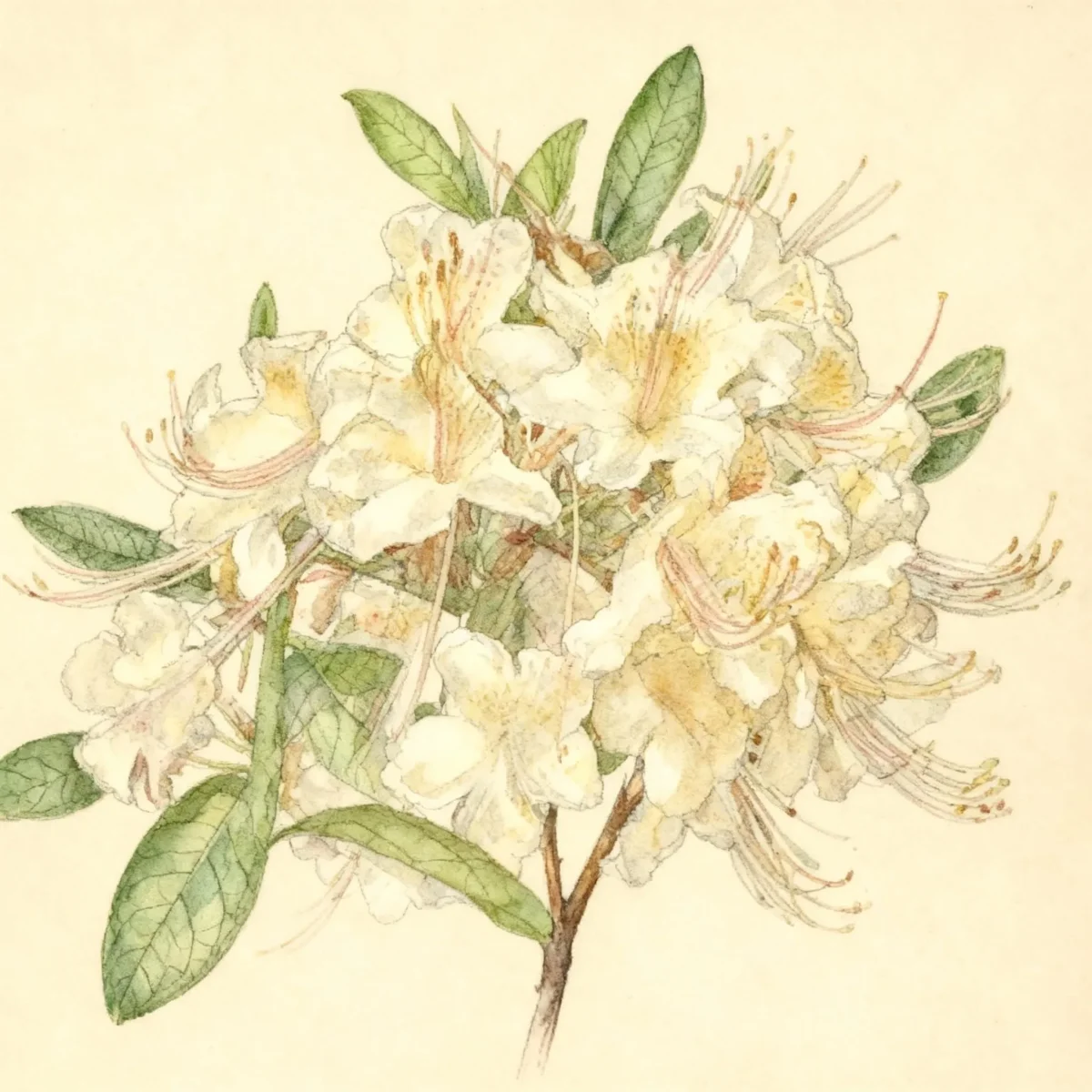
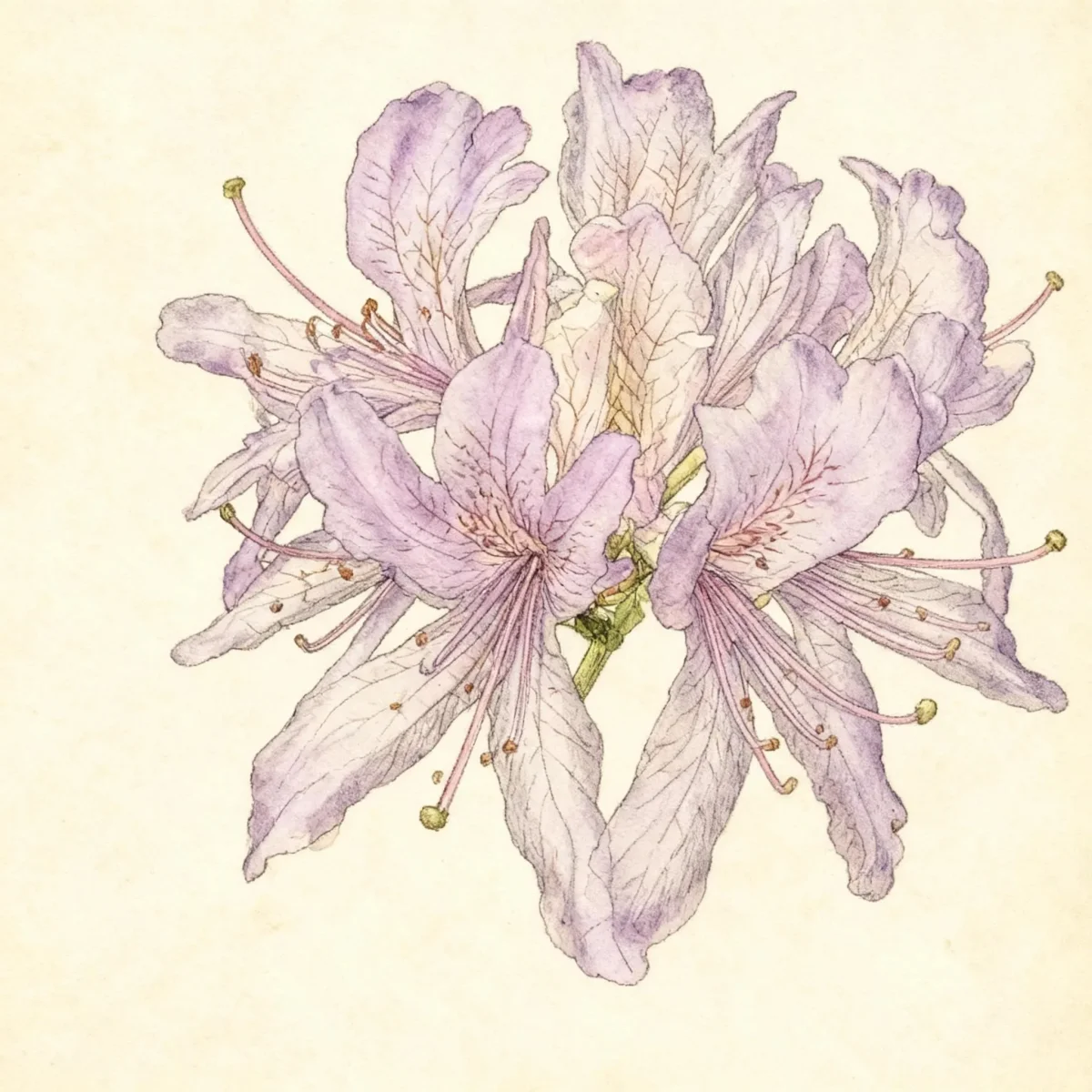
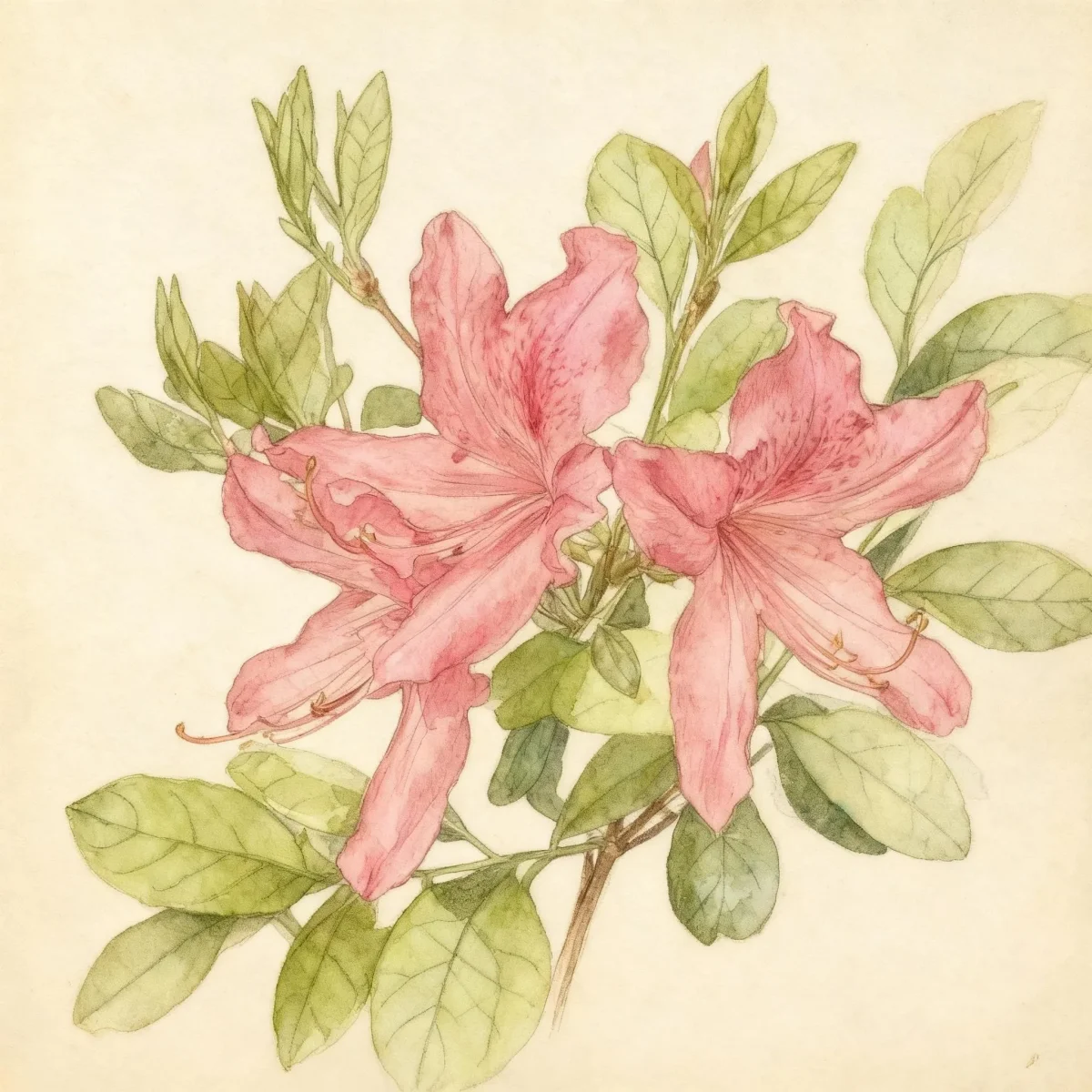
Deciduous azalea (Rhododendron 'Narcissiflorum')
Rhododendron 'Narcissiflorum' is a fragrant, double-flowered Deciduous azalea achieving 4-6 ft tall, ideal for part shade woodland gardens.
Scroll down to discover growing tips, care requirements, companion plants, and more
Complete Plant Information
Overview
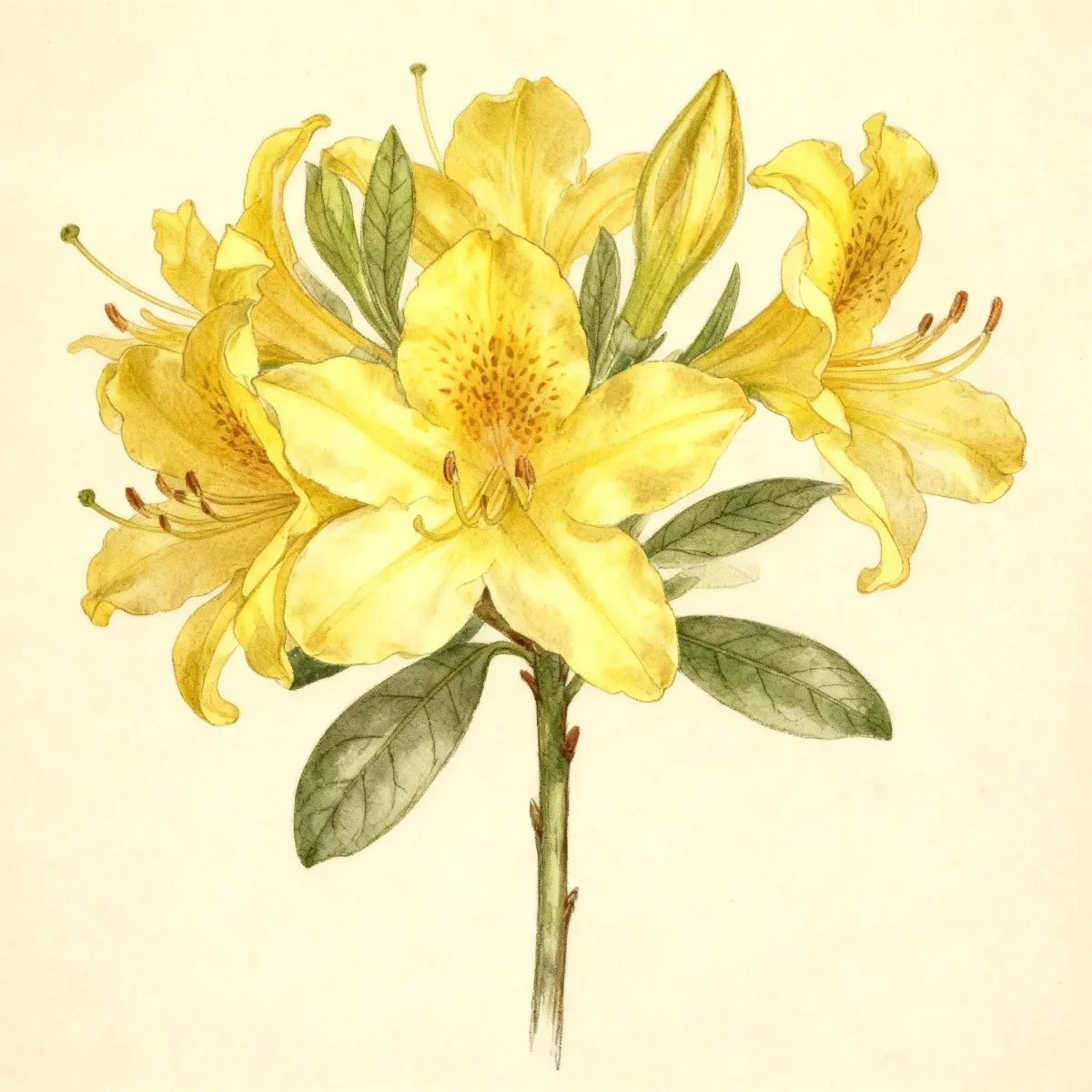
Rhododendron ‘Narcissiflorum’ is a beautiful Deciduous azalea highly valued for its lavish bloom display in late spring. This cultivar stands out by offering double flowers of a pale yellow hue, often exhibiting a slight pink tinge, making the species a stunning addition to temperate gardens. As a member of the Ericaceae family, this multi-stemmed shrub drops its leaves in the fall, contrasting with its evergreen relatives.
This deciduous shrub typically reaches 4 to 6 feet in height and spread, providing good structure in borders or woodland settings. Rhododendron ‘Narcissiflorum’ requires specific soil conditions—acidic, humusy, and well-drained—to thrive and produce its showy, fragrant blossoms reliably each May. Successful cultivation relies heavily on providing the right acidic soil profile and protection from harsh afternoon sun.
Gardeners appreciate the aesthetic impact of the Deciduous azalea, particularly Rhododendron ‘Narcissiflorum’, where the flowers emerge before or as the new foliage develops. Whether used as a specimen, in groups, or as a fragrant informal hedge, this plant rewards attentive care with exceptional early-season color.
Fast Facts
- Plant Family: Ericaceae
- Plant Type: Deciduous shrub
- Hardiness Zones: USDA Zones 5-8
- Size at Maturity:
- Height: 4-6 ft
- Spread: 4-6 ft
- Bloom Time: May
- Bloom Description: Pale yellow (double)
- Sun Exposure: Part shade
- Water Needs: Medium
- Maintenance Level: Medium
How to Grow
The best time to establish Rhododendron ‘Narcissiflorum’ is when dormant, ensuring the soil preparation is complete before planting. This Deciduous azalea demands acidic conditions, ideally a pH between 5.0 and 5.5. Incorporate significant organic matter to ensure the soil is rich and humusy. Plant shallowly in locations offering part shade, preferring dappled light or morning sun followed by afternoon shade to prevent leaf scorch, especially if your summers are warm. Good drainage is paramount; plan for raised beds if heavy clay soils are present, as these shrubs hate “wet feet” which leads to root rot.
Consistent moisture is key under the medium water requirement. While the soil must be moisture-retentive, it absolutely cannot remain waterlogged. Protect the shallow, fibrous root system by avoiding cultivation immediately around the plant base. Apply a thick layer of organic mulch, such as pine needles or bark chips, to stabilize soil temperature and conserve moisture. Remember the roots must never dry out completely.
Pruning for Rhododendron ‘Narcissiflorum’ is minimal, focused primarily on aesthetics and health. Immediately after the blooms fade in May, clip off the spent flower clusters (deadheading) if practicable. This encourages energy redirection toward future bud formation rather than seed production. Soil acidity should be monitored annually; use iron sulfate or sulfur to lower pH if needed, or apply lime to raise it.
Landscape Uses
Rhododendron ‘Narcissiflorum’ excels in creating textured, shaded areas within the landscape. Its habit makes it perfectly suited for mixed borders, where its spring display can anchor a section of the garden alongside later-blooming perennials. Consider using this Deciduous azalea to define woodland margins, benefiting from the high open shade it prefers.
This cultivar works well in mass plantings or grouped compositions to achieve a greater visual impact when the double yellow flowers appear. It is also an effective choice for foundation plantings, provided the area receives adequate morning sun and excellent drainage. While suitable for informal hedges, ensure the soil requirements—acidic and humusy—are met across the entire length of the planting line.
For companion planting, select species that share similar cultural needs for acidic, moist environments, such as companion shrubs like native rhododendrons, mountain laurel, or acid-loving perennials like hostas and astilbes. Avoid planting near walnuts, as the juglones they emit are toxic to many members of the Rhododendron genus.
Standout Features
Flower Qualities
- Showy
- Fragrant
Noteworthy Characteristics
Rhododendron is a genus of 500 to 900 species, encompassing both commonly known rhododendrons and azaleas, most of which are evergreen while others, like this one, are deciduous. Deciduous azaleas grow as multi-stemmed plants, possess thinner leaves than their evergreen cousins, and drop them in the fall. Rhododendron ‘Narcissiflorum’ is particularly noted for its tubular, double, light yellow flowers, which bloom in showy trusses up to ten flowers strong during mid-season in May, releasing a lovely fragrance.
Tolerances
- Rabbit
Potential Problems
Rhododendrons and azaleas are susceptible to a variety of pests and diseases. Insect threats include common garden nuisances like aphids, lacebugs, scale, and caterpillars. Fungal issues such as blights, leaf spots, and various rots (crown rot, root rot) are common, often exacerbated by poor air circulation or incorrect soil moisture levels.
The health of your Rhododendron ‘Narcissiflorum’ is heavily linked to soil chemistry. Chlorosis, evidenced by yellowing leaves, is a classic sign of iron deficiency often caused by soil pH becoming too high (too alkaline). To prevent disease and pest issues, always ensure the plant is situated in the proper environment: acidic, well-drained soil with appropriate light exposure. A healthy plant in the right spot naturally resists most serious infestations.
Frequently Asked Questions
What hardiness zones is Deciduous azalea suitable for?
Rhododendron ‘Narcissiflorum’ is hardy and thrives in USDA Zones 5 through 8.
How large does Rhododendron ‘Narcissiflorum’ grow?
This shrub typically matures to a height between 4 and 6 feet, with a similar spread between 4 and 6 feet.
What sun exposure does Deciduous azalea need?
The ideal sun exposure for this plant is part shade, preferring dappled light or morning sun only.
When does Rhododendron ‘Narcissiflorum’ bloom?
This Deciduous azalea produces its fragrant, double, pale yellow flowers during the month of May.
Conclusion
Rhododendron ‘Narcissiflorum’ offers distinctive, fragrant, double yellow blooms early in the season, making it a standout specimen or addition to mixed borders. Successfully growing this beautiful Deciduous azalea relies on providing consistently acidic, moist, yet perfectly drained soil in a part shade location. Check your local USDA hardiness zone compatibility and prepare your soil for optimal success before planting this year.
Companion Planting
Selecting plants that tolerate acidic soil and prefer similar moisture levels will ensure Rhododendron ‘Narcissiflorum’ thrives without competition stress. Consider pairing it with other woodland-edge inhabitants like Japanese Maples for filtered light, or groundcovers suitable for shaded, acidic conditions such as Gaultheria (Wintergreen) or low-growing ferns that enjoy humusy soil. Avoid thirsty, high-pH loving plants near the root zone of this Azalea species.
Seasonal Care Calendar
Spring preparation involves checking soil pH as new growth begins; apply sulfur if acidification is required before the active growing season starts. Summer care centers on consistent, deep watering during dry spells, ensuring the mulch layer stays intact to prevent the fibrous roots from drying out in the heat. Fall is a good time to amend the soil surface with composted pine needles, improving the organic structure without disturbing the shallow roots. Winter protection for Rhododendron ‘Narcissiflorum’ mainly involves ensuring the mulch is adequate and shielding vulnerable young plants from drying winter winds.