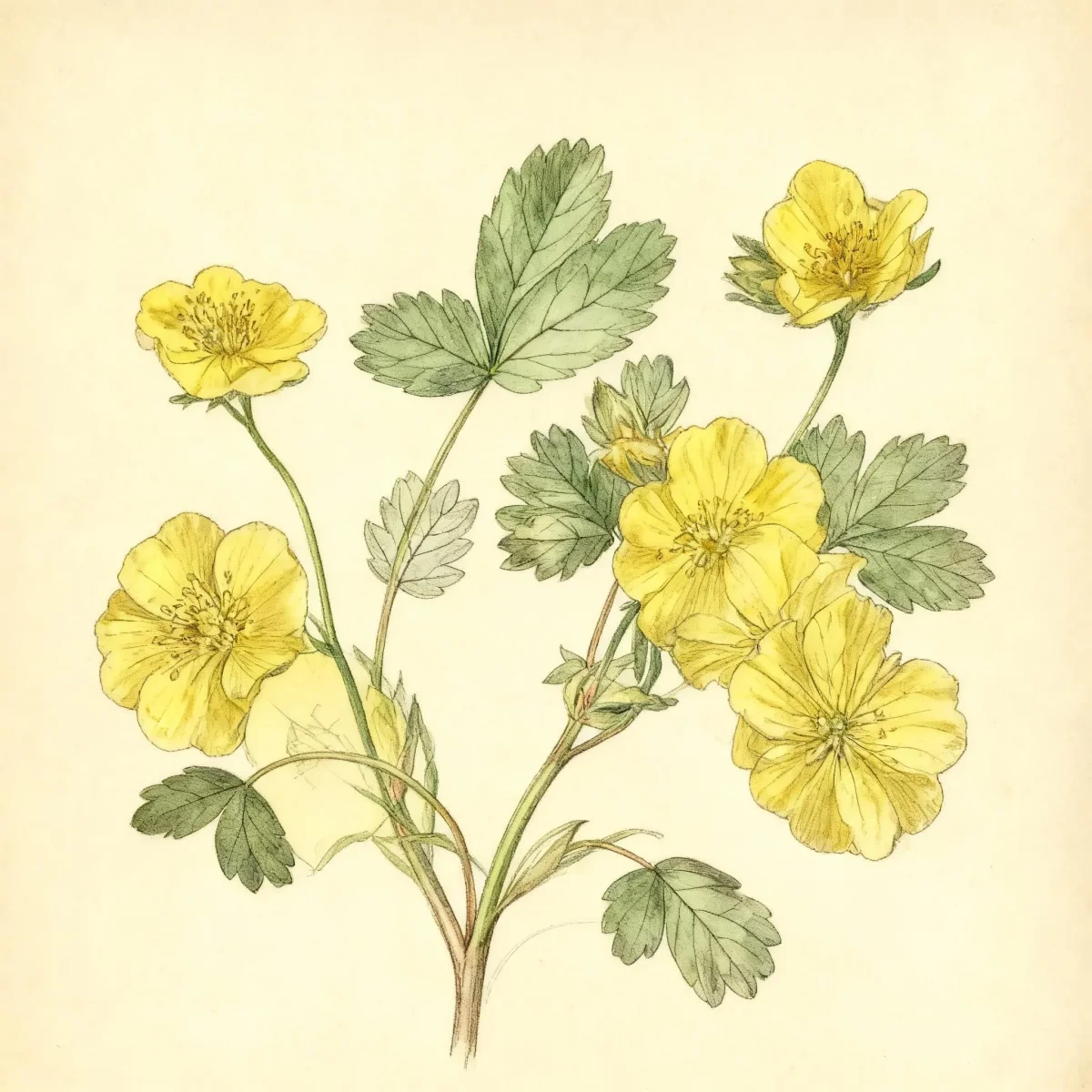
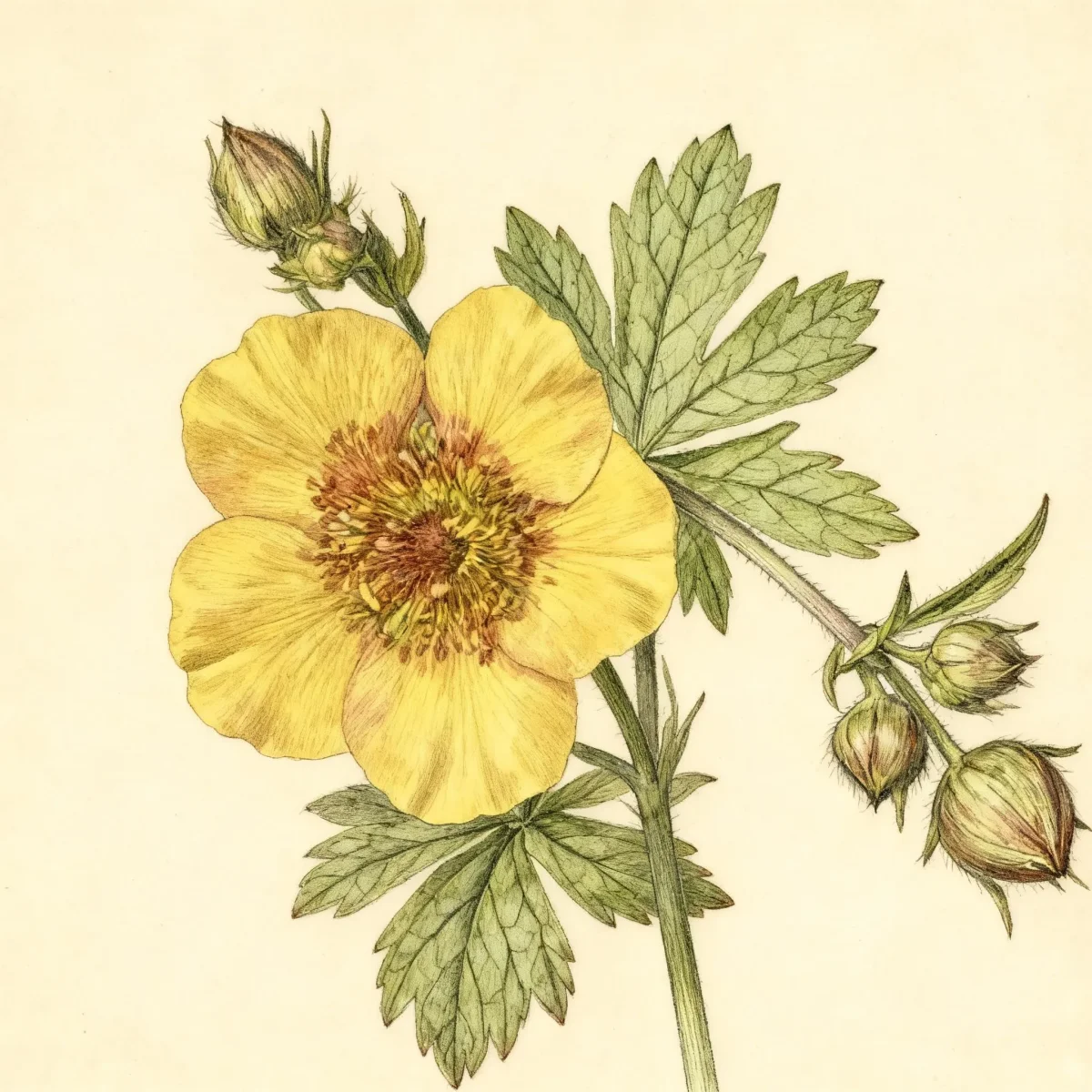
False spiraea (Sorbaria grandiflora)
Sorbaria grandiflora, the False spiraea, is a suckering deciduous shrub offering white summer flowers. Ideal for zones 5-7 hedges.
Scroll down to discover growing tips, care requirements, companion plants, and more
Complete Plant Information
Overview
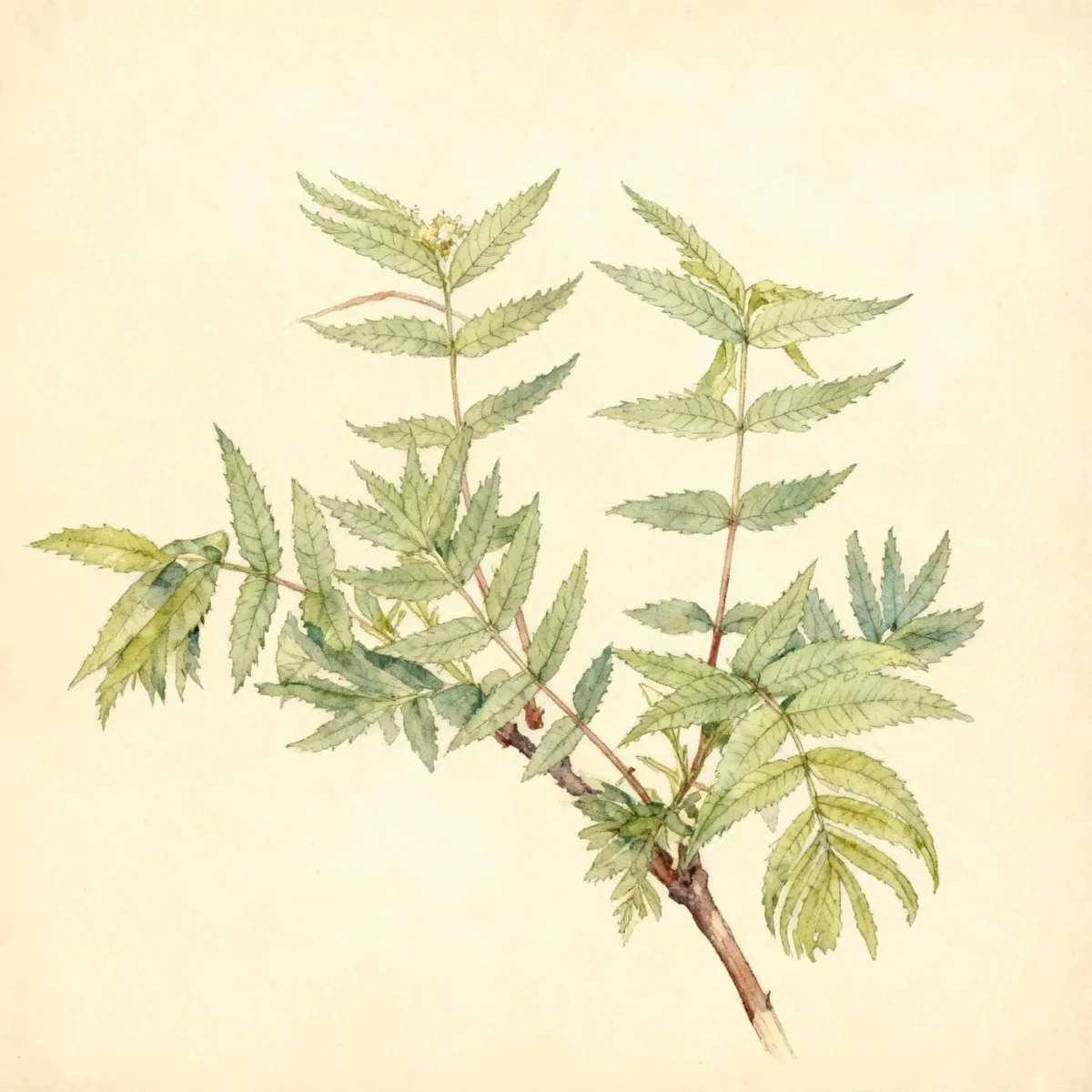
The False spiraea, or Sorbaria grandiflora, presents an excellent option for gardeners seeking mid-summer interest when many other shrubs have finished blooming. This hardy, suckering, deciduous sub-shrub originates from the cool climes of Eastern Siberia and brings attractive, odd-pinnate foliage alongside its summer floral display. While its flowers are visually appealing, a key management consideration for Sorbaria grandiflora is its tendency to spread aggressively via root suckers, making placement strategic vital.
This plant is valued for its reliable performance in cooler conditions and its ability to thrive in various soil types, though richness is preferred. The flattened corymbs of creamy white flowers provide a showy accent against the textured leaves, standing up well to repeated deadheading if desired. Gardeners appreciate the low overall maintenance required for established Sorbaria grandiflora specimens.
Ultimately, whether used as an informal hedge or allowed to naturalize on a bank, the False spiraea offers textural contrast and reliable summer color in the landscape. Ensure adequate space for its colonization habits, particularly if planting in mixed borders.
Fast Facts
- Plant Family: Rosaceae
- Plant Type: Herbaceous perennial
- Native Range: Eastern Siberia
- Hardiness Zones: USDA Zones 5-7
- Size at Maturity:
- Height: 2-3 ft
- Spread: 3-4 ft
- Bloom Time: July
- Bloom Description: White
- Sun Exposure: Full sun to part shade
- Water Needs: Medium
- Maintenance Level: Medium
How to Grow
Sorbaria grandiflora establishes best when planted between late fall and early spring, timing when it can settle roots before summer heat arrives. It thrives in moist, organically rich, well-drained soils, where its root system can develop robustly, although it tolerates somewhat poorer or sandy loam conditions remarkably well. Ensure the location receives full sun for the best flowering performance, though it tolerates light afternoon shade.
Watering needs are consistently medium; maintain even soil moisture, especially during establishment or prolonged dry spells. Pruning on the False spiraea is generally minimal as it looks good naturally. If shaping is required, conduct pruning lightly from late fall to early spring, remembering that flowers bloom on current-year growth. Be aware that this species does not perform as well in hot, humid environments south of Zone 7.
A crucial aspect of managing Sorbaria grandiflora is controlling its spread. Promptly remove any root suckers appearing outside the desired boundary to prevent the plant from aggressively taking over an area. Propagation can be achieved easily through stem cuttings, seed, or by digging up these very same root suckers.
Landscape Uses
The mid-summer bloom time of Sorbaria grandiflora is perhaps its greatest landscape asset, filling the gap when many other woody shrubs fade. Because it spreads via suckers, it excels when massed in groups or used for informal hedges where space allows for its natural, spreading habit. This plant serves excellently as bank cover for streams or pond edges, stabilizing soil while adding seasonal interest.
When utilizing the False spiraea in mixed borders, site it where its eventual spread will not crowd neighboring, less vigorous perennials or shrubs. Its coarse texture contrasts nicely with finer-leaved evergreens or ornamental grasses planted nearby. Place it where its tendency to naturalize is an asset rather than a liability, such as in woodland edges or large, low-maintenance drifts.
Standout Features
Flower Qualities
- Showy
Noteworthy Characteristics
Sorbaria grandiflora, commonly called false spiraea, is a small, suckering, deciduous sub-shrub of the rose family that typically grows to 2-3’ tall but will spread, sometimes aggressively, by root suckers and self-seeding to form colonies. It is native to eastern Siberia and is noted for its attractive summer flowers and odd-pinnate foliage. Attractive five-petaled white flowers appear in flattened few-flowered corymbs at the stem tips in July before turning a less attractive brown.
Tolerances
Potential Problems
Generally, Sorbaria grandiflora exhibits excellent resistance to most common insect pests and serious diseases. However, gardeners should remain vigilant for signs of bacterial fireblight, a serious bacterial infection that can affect various plants in the Rosaceae family. If fireblight is suspected, promptly prune out infected wood well into healthy tissue and sanitize tools between cuts to prevent spread. Control of root suckering is a cultural necessity rather than disease management.
Frequently Asked Questions
What hardiness zones is False spiraea suitable for?
Sorbaria grandiflora is reliably hardy in USDA Zones 5 through 7.
How large does Sorbaria grandiflora grow?
This plant typically reaches a height between 2 and 3 feet, with a spread ranging from 3 to 4 feet in mature specimens.
When does False spiraea bloom?
The plant produces its white flowers during the month of July, providing valuable color during the height of summer.
What sun exposure does Sorbaria grandiflora need?
For optimal performance, plant your False spiraea where it receives full sun to part shade conditions.
Conclusion
The False spiraea (Sorbaria grandiflora) remains a robust and reliable perennial shrub, celebrated for its dependable white blooms in mid-summer. Its adaptability to various soils and tolerance for light shade make it a versatile addition to large garden spaces where its spreading nature can be accommodated. Before planting, assess your site to confirm it falls within USDA Zones 5-7 and plan where you can manage or utilize its vigorous suckering habit.
Propagation Tips
The reliable nature of suckering makes root division the simplest method for multiplying Sorbaria grandiflora. Wait until the plant is dormant in late fall or early spring to dig up sections of roots that have developed their own shoots. Alternatively, stem cuttings taken from semi-hardwood growth during the summer months can root successfully under mist or in a protected environment, providing genetically identical new plants.
Companion Planting
Due to the False spiraea preferring moist, rich soil and full sun to light shade, companion plants should share these temperate requirements. Hostas that tolerate higher light conditions, Japanese forest grass (Hakonechloa macra) used as a spreading groundcover, or Siberian Iris (Iris sibirica) thrive near S. grandiflora. These companions appreciate similar moisture levels and will complement the coarser texture of the Sorbaria grandiflora foliage.