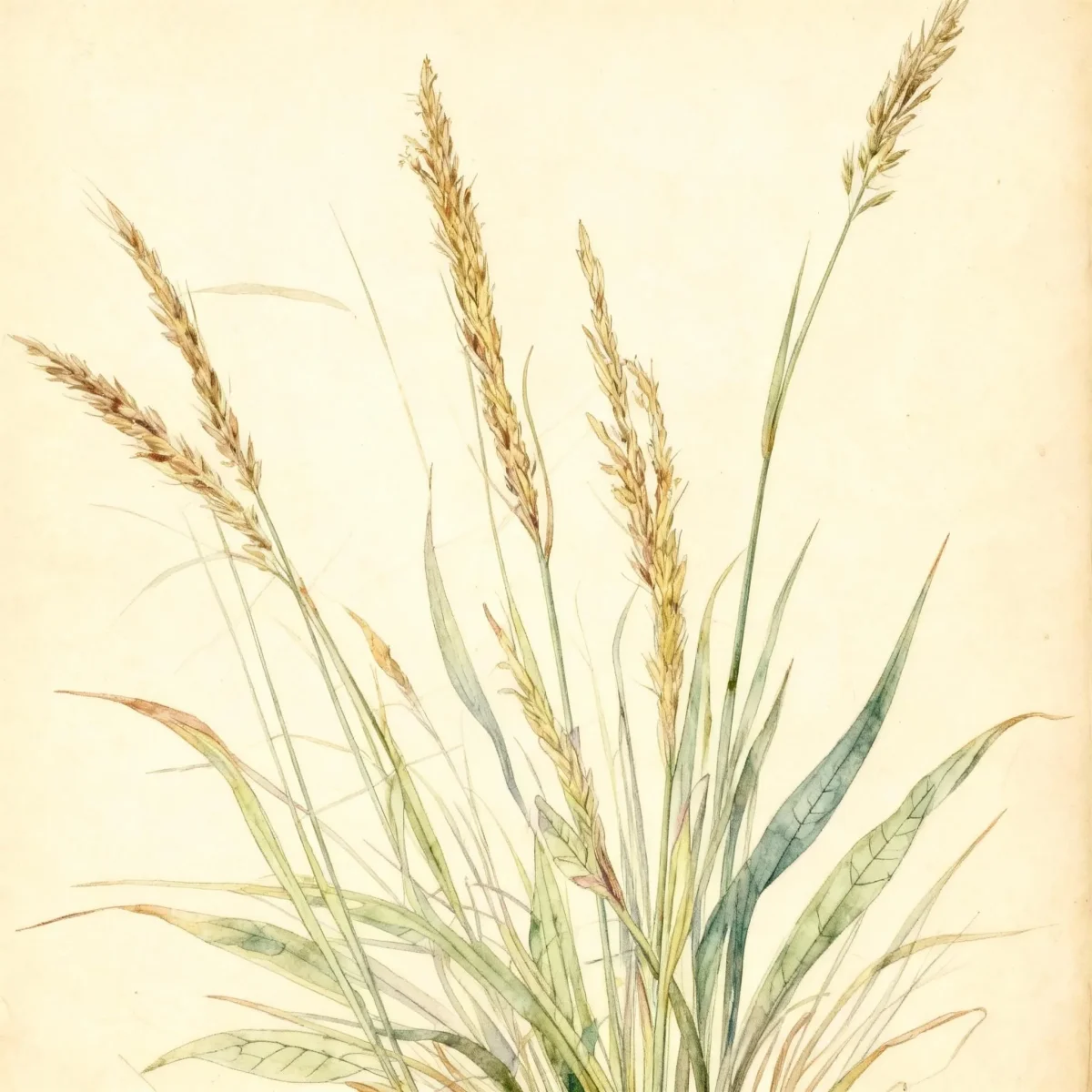
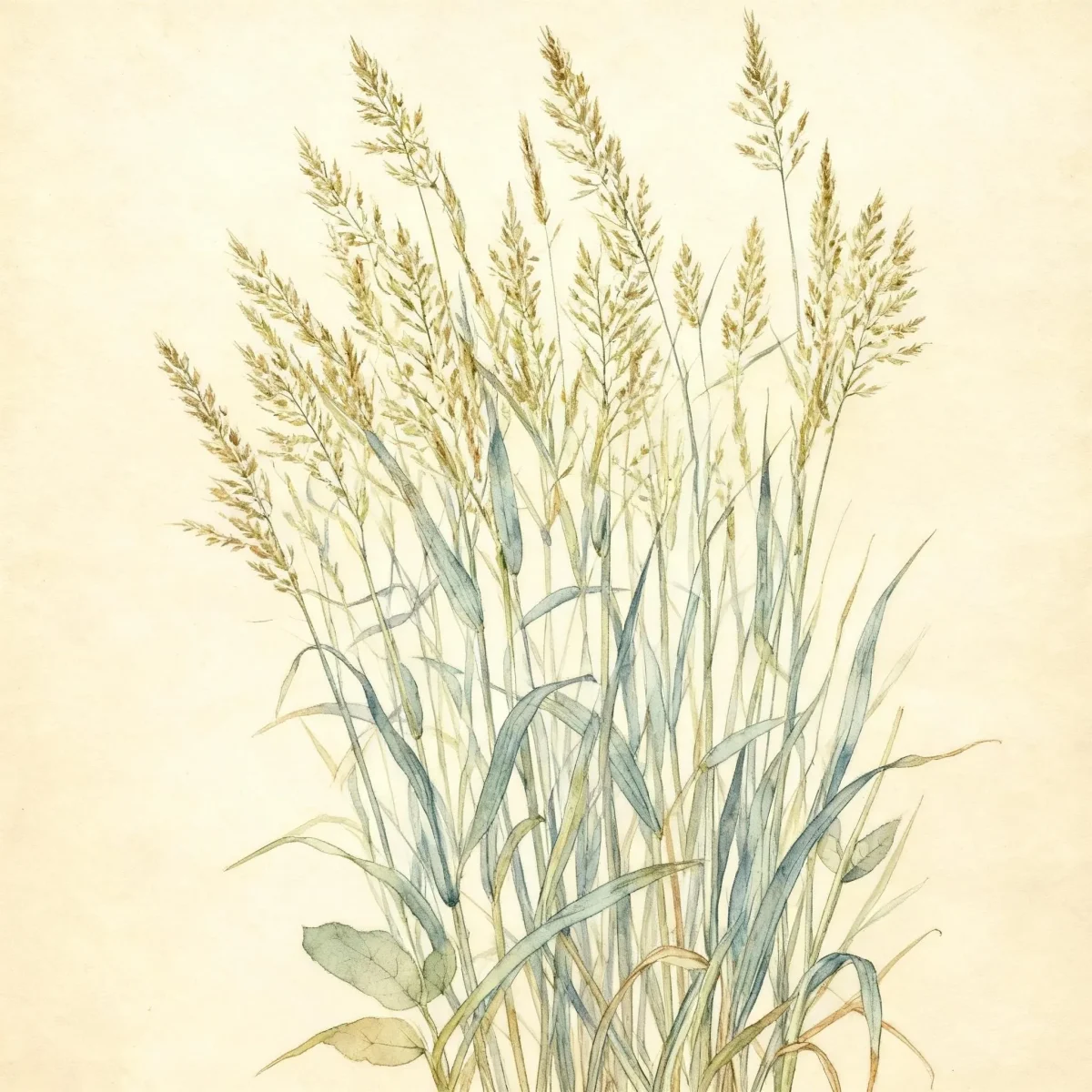
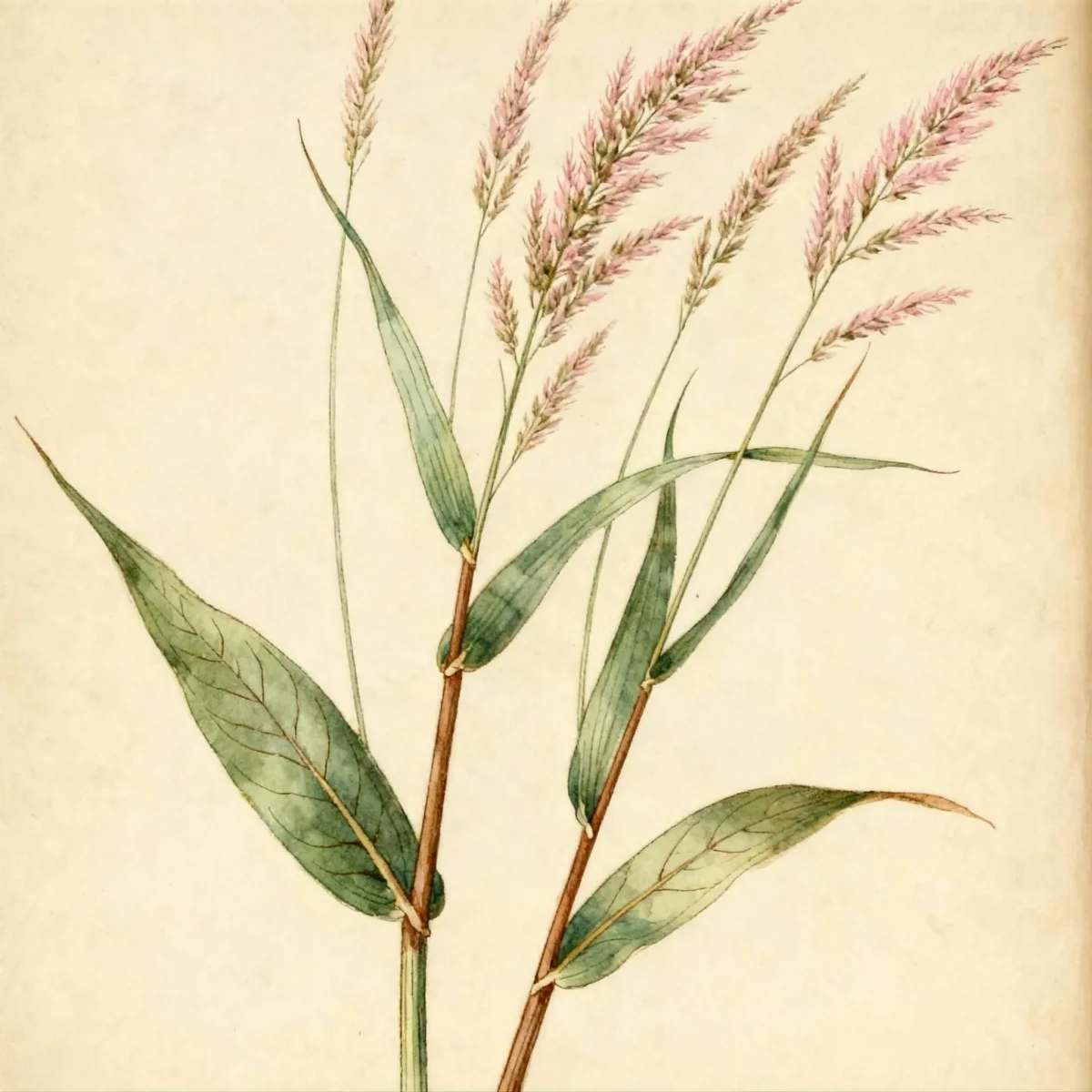
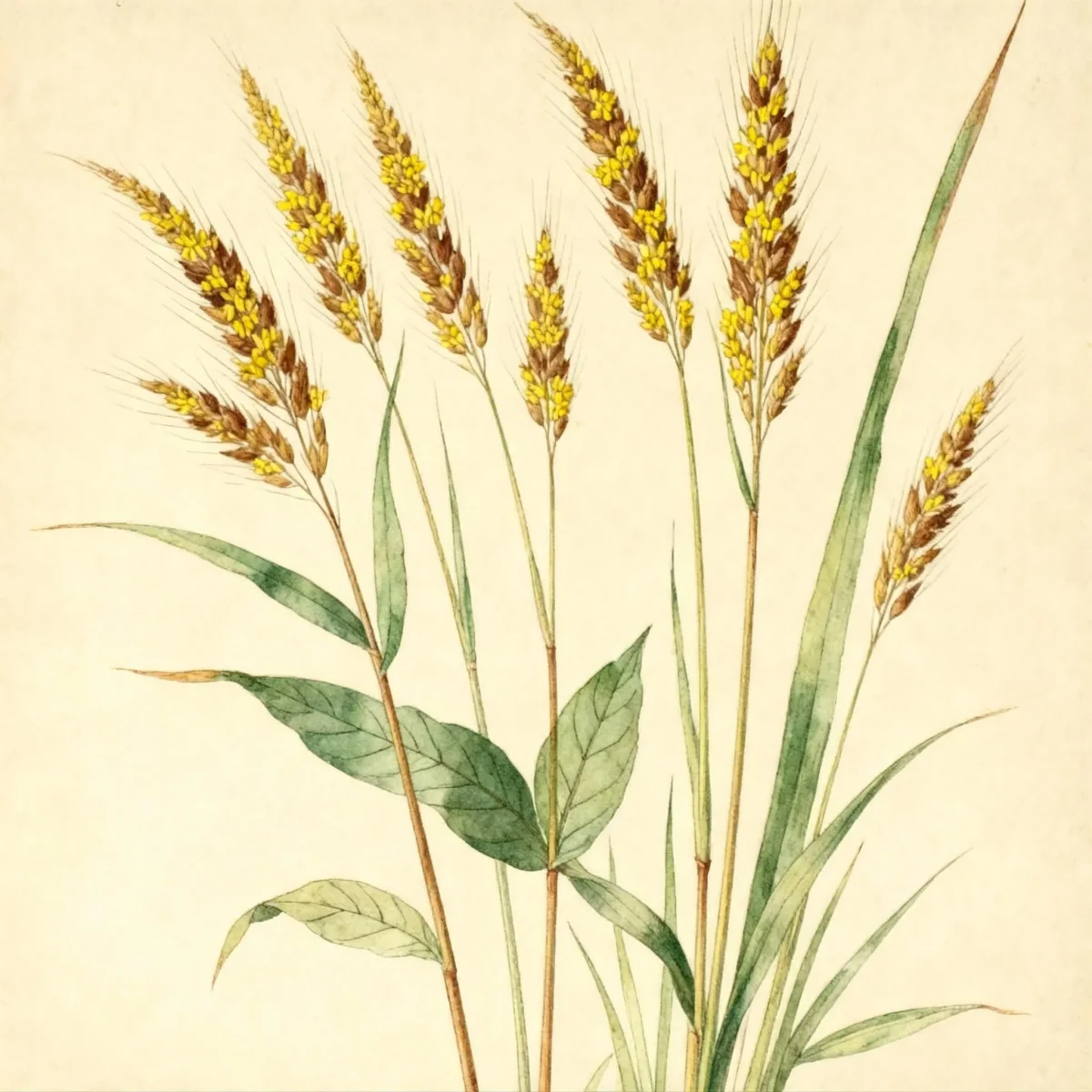
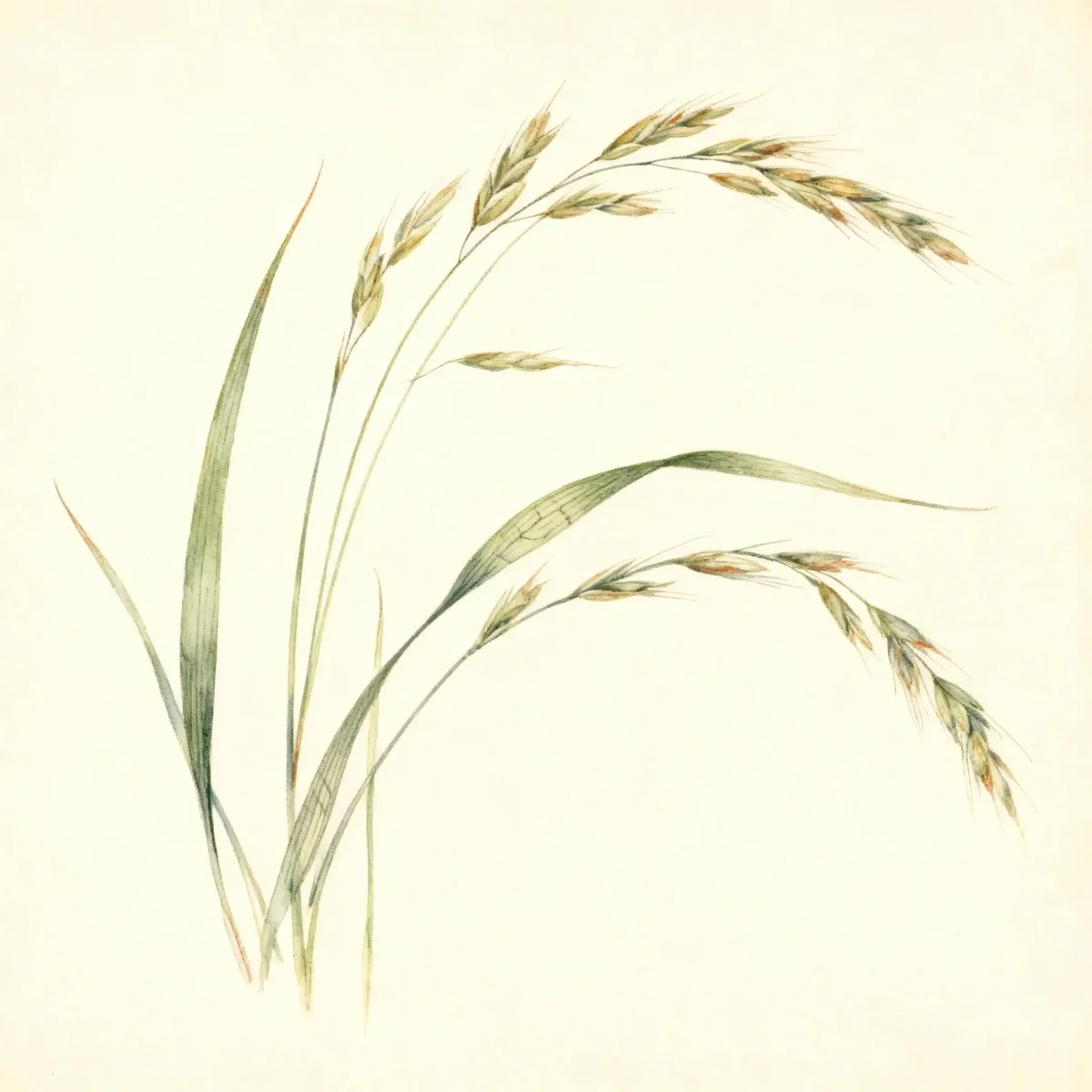
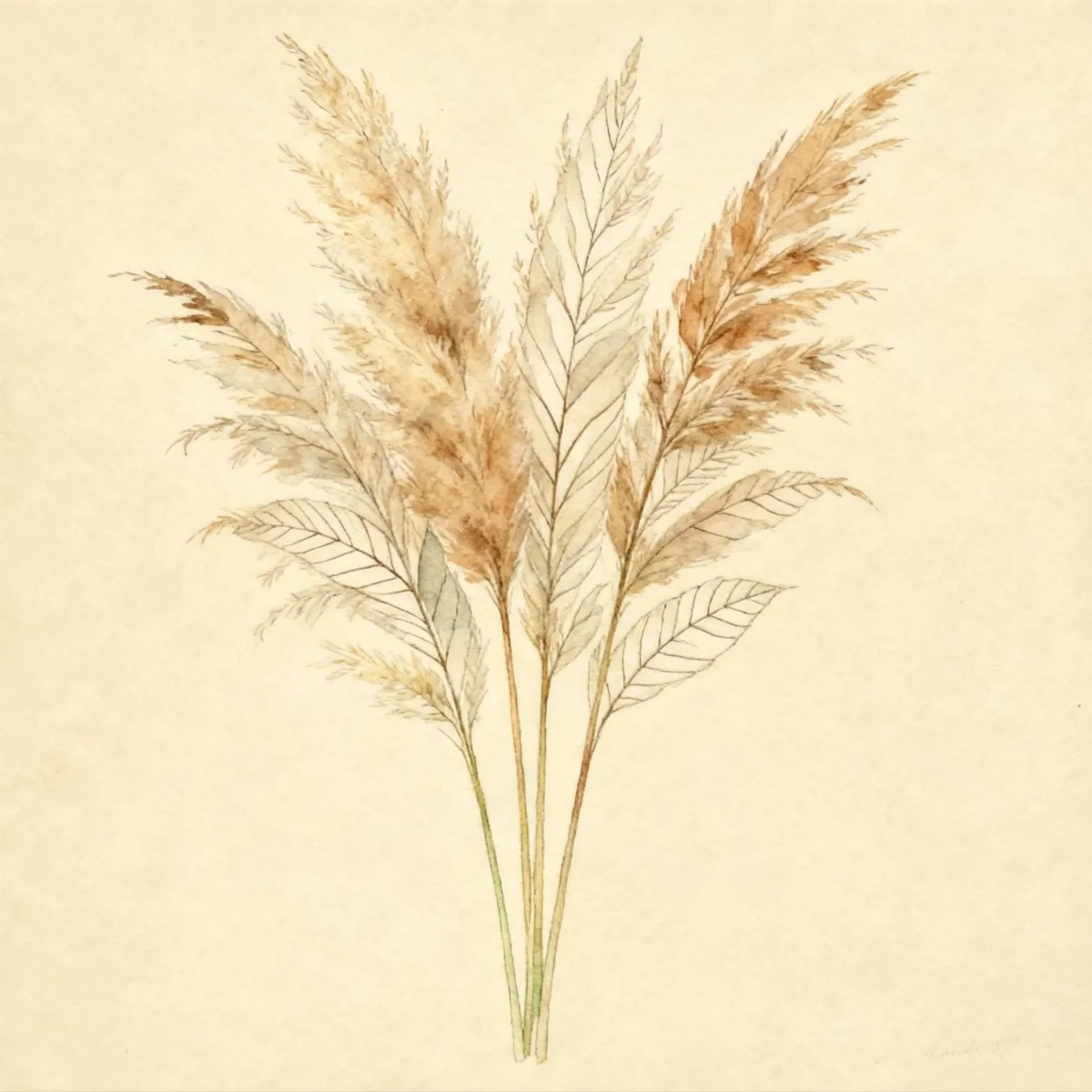
Indian grass (Sorghastrum nutans 'Bluebird')
Sorghastrum nutans 'Bluebird' (Indian grass) is a stunning native perennial known for its blue-green foliage and vertical habit, thriving in full sun.
Scroll down to discover growing tips, care requirements, companion plants, and more
Complete Plant Information
Overview
Sorghastrum nutans ‘Bluebird’, commonly known as Indian grass, is a magnificent warm-season perennial grass that recalls the majesty of the tallgrass prairie ecosystem. This cultivar is highly valued by gardeners for its slender, upright growth and striking blue-green foliage, providing exceptional vertical structure in the landscape. The cultivar ‘Bluebird’ enhances the nativeness of the species by offering deeper blue coloration in its leaves.
This tough ornamental grass is well-adapted to challenging sites, performing admirably even in poor, dry, and infertile soils where other specimens might struggle. While it thrives in drier conditions, it needs excellent drainage, as too much moisture in rich soils can cause the structure of the plant to decline or flop. Early planning ensures that this vibrant specimen, Indian grass, reaches its full architectural potential.
The appeal of Sorghastrum nutans ‘Bluebird’ extends well beyond the growing season, as its foliage transitions to rich orange-yellow in autumn, complemented by persistent, feathery panicles that add winter interest and valuable bird forage. Incorporating this native grass provides reliable, low-maintenance color and texture from late summer well into the following spring.
Fast Facts
- Plant Family: Poaceae
- Plant Type: Ornamental grass
- Hardiness Zones: USDA Zones 4-9
- Size at Maturity:
- Height: 3-5 ft
- Spread: 2-3 ft
- Bloom Time: August to February
- Bloom Description: Tan-yellow
- Sun Exposure: Full sun
- Water Needs: Dry to medium
- Maintenance Level: Medium
How to Grow
Sorghastrum nutans ‘Bluebird’ is surprisingly adaptable, succeeding best when planted in average, dry to medium, well-drained soils. Full sun exposure is non-negotiable for maintaining the desirable upright habit and strong blue coloration of the foliage. This grass tolerates a remarkable range of soil conditions, including heavy clays and poor, infertile ground, making it versatile for restoration projects.
Once established, care for this Indian grass is minimal. Water sparingly; allow the soil to dry between irrigation, as it prefers dry sites over moist ones. Avoid fertilization unless the soil is extremely depleted, as rich amendments encourage excessive, floppy growth. This perennial is not fussy about pests or diseases, reducing the need for chemical intervention.
The primary maintenance task involves cutting back the previous year’s stems. Prune the old foliage down to the ground in late winter or very early spring, just as new growth is preparing to emerge. This cleanup is crucial for aesthetic appeal and allows the new blue-green blades of Sorghastrum nutans ‘Bluebird’ to shine.
Landscape Uses
The strong vertical presence of Sorghastrum nutans ‘Bluebird’ earns it a key role in naturalistic plantings. It is excellent for mass plantings, allowing gardeners to recreate the structure of a native prairie border or meadow habitat. Because it is drought-tolerant once established, it works perfectly along dry slopes where erosion control is necessary.
Use this Indian grass as a dramatic vertical accent within perennial borders, contrasting its upright form against mounding flowers or rounded shrubs. Its height allows it to anchor the back of a border or serve as a screen, offering architectural height without becoming overly dense. Consider blending it with coneflowers, asters, or other mid-to-late season bloomers that share its preference for full sun and drier conditions.
Standout Features
Flower Qualities
- Showy
Noteworthy Characteristics
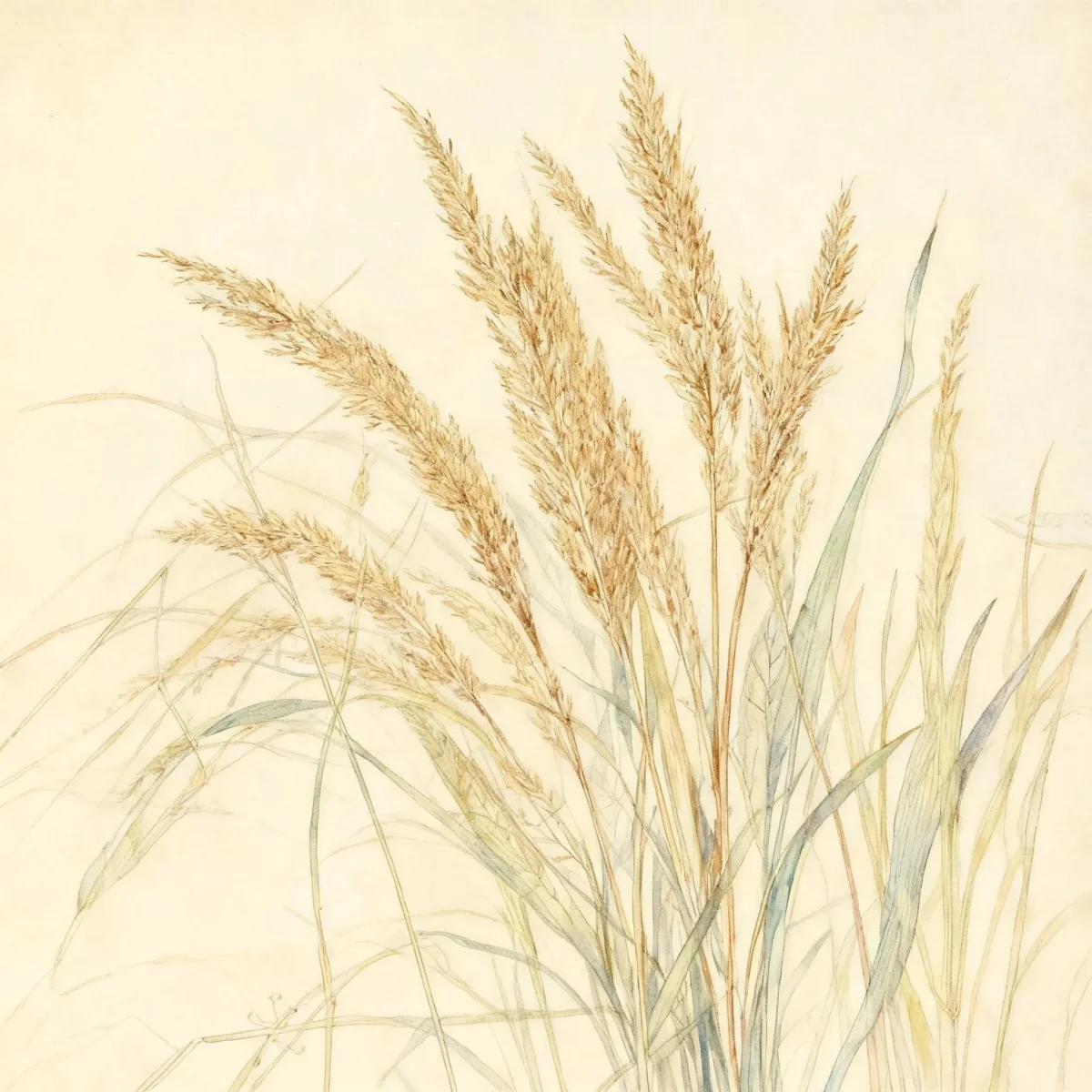
Sorghastrum nutans, commonly called Indian grass, is a warm season Missouri native perennial grass which typically occurs in prairies, glades and open woods throughout the State. It was one of the dominant grasses of the tallgrass prairie which once covered large parts of the Midwest. Typically grows 3-5’ tall and is noted for its upright form and blue-green foliage, which turns orange-yellow in fall and retains color into winter. Stiff, vertical flowering stems rise above the clump, topped with narrow, feathery, light brown flower panicles highlighted with yellow stamens, continuing to provide interest well into winter.
Tolerances
- Drought
- Erosion
- Dry Soil
- Shallow-Rocky Soil
- Black Walnut
- Air Pollution
Potential Problems
Sorghastrum nutans ‘Bluebird’ rarely suffers from serious insect or disease problems, cementing its reputation as a very reliable specimen for experts and beginners alike. The most common cultural issue is not a pest but rather environmental; overcrowding or overly rich, wet soil can lead to the plant opening up in the center or flopping over, particularly after heavy rains. Ensure your chosen site offers full sun and excellent drainage to prevent this structural decline.
Frequently Asked Questions
What hardiness zones is Indian grass suitable for?
Sorghastrum nutans ‘Bluebird’ is hardy across USDA Zones 4 through 9, offering a wide planting range across many climates.
How large does Sorghastrum nutans ‘Bluebird’ grow?
This cultivar typically reaches a mature height between 3 and 5 feet, with a spread generally ranging from 2 to 3 feet wide.
What sun exposure does Indian grass need?
This ornamental grass requires full sun exposure to achieve its best upright habit, color, and flowering performance.
When does Sorghastrum nutans ‘Bluebird’ bloom?
The bloom time for this grass is extensive, running from August through February, with initial tan-yellow flowers maturing to bronze tones.
Conclusion
Sorghastrum nutans ‘Bluebird’ offers exceptional aesthetic value through its unique blue foliage, persistent winter structure, and strong native provenance. This adaptable Indian grass is an essential choice for sustainable, water-wise gardening where low maintenance and high impact are required. Before planting, confirm your site provides the full sun and dry-to-medium soil conditions this cultivar demands for optimal performance.
Companion Planting
Selecting the right partners enhances the prairie aesthetic that Sorghastrum nutans ‘Bluebird’ evokes. Look for plants that share its love for full sun and dry, average soil conditions. Excellent companions include Coneflower (Echinacea purpurea), Butterfly Weed (Asclepias tuberosa), and other sturdy mid-story prairie flowers. Mixing this grass with shorter, clump-forming perennials creates textural variance while ensuring the grass remains the focus, especially during its spectacular fall and winter display.
Wildlife Benefits
As a native species, Indian grass provides significant ecological benefits, particularly for local fauna. The stiff, narrow leaves that form the clump offer excellent cover for ground-dwelling insects and small creatures throughout the year, especially when left standing during winter. Furthermore, the mature seed heads produced by Sorghastrum nutans ‘Bluebird’ are highly attractive and nutritious browse for various seed-eating songbirds during the colder months when other food sources are scarce.