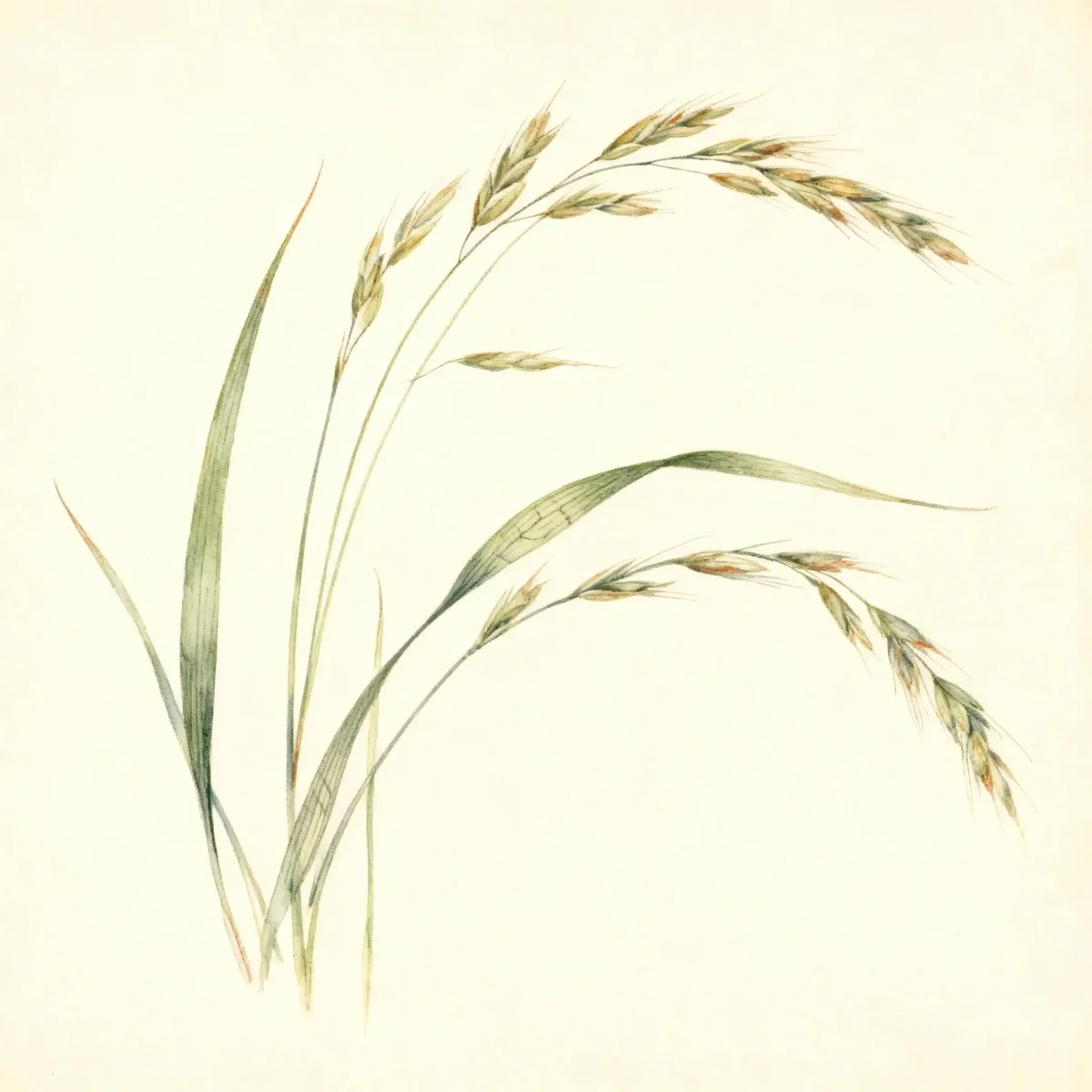
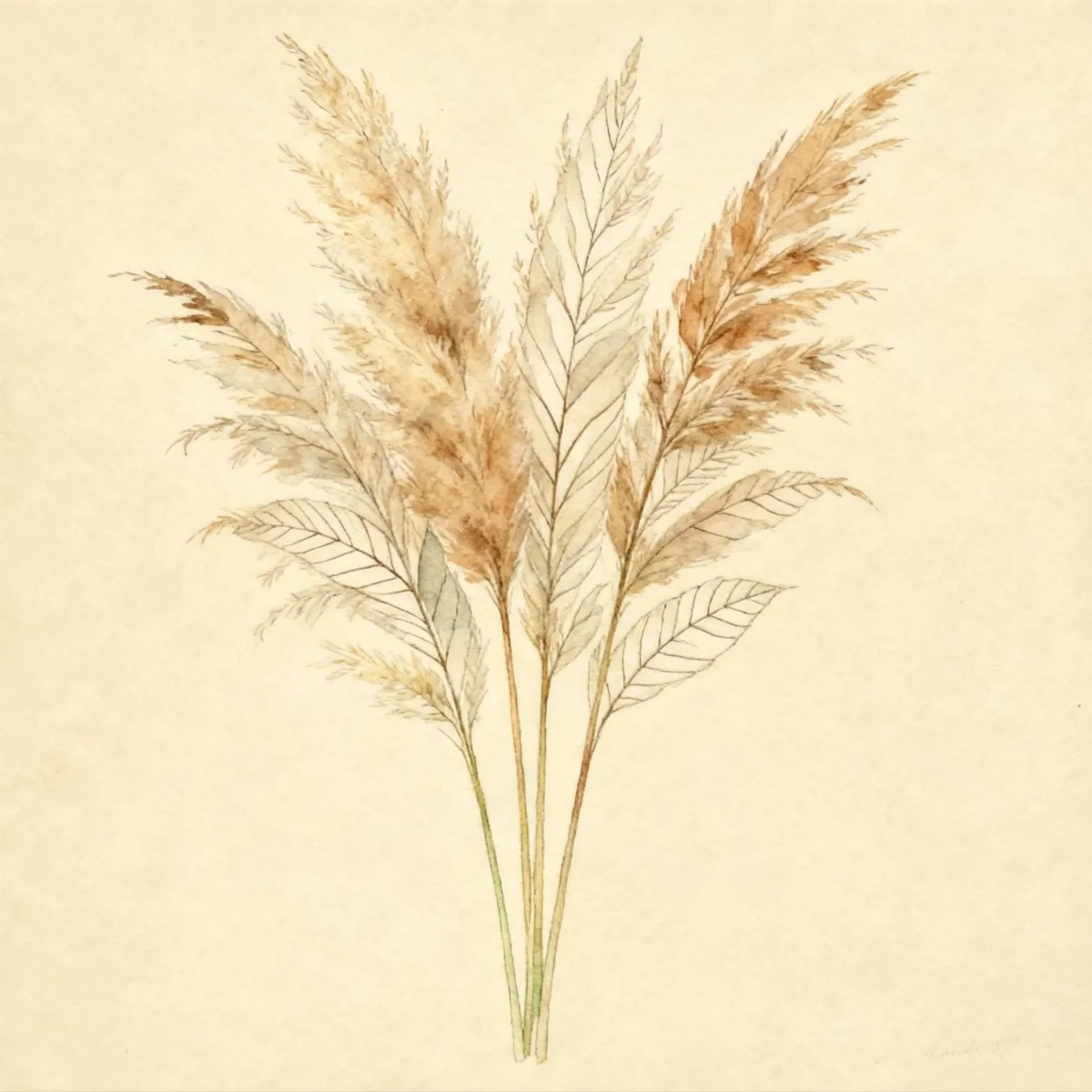
Indian grass (Sorghastrum nutans 'Indian Steel')
Sorghastrum nutans 'Indian Steel' is striking Indian grass, offering upright blue-green foliage that turns orange-yellow in fall. Hardy in zones 4-9, perfect for native landscapes.
Scroll down to discover growing tips, care requirements, companion plants, and more
Complete Plant Information
Overview
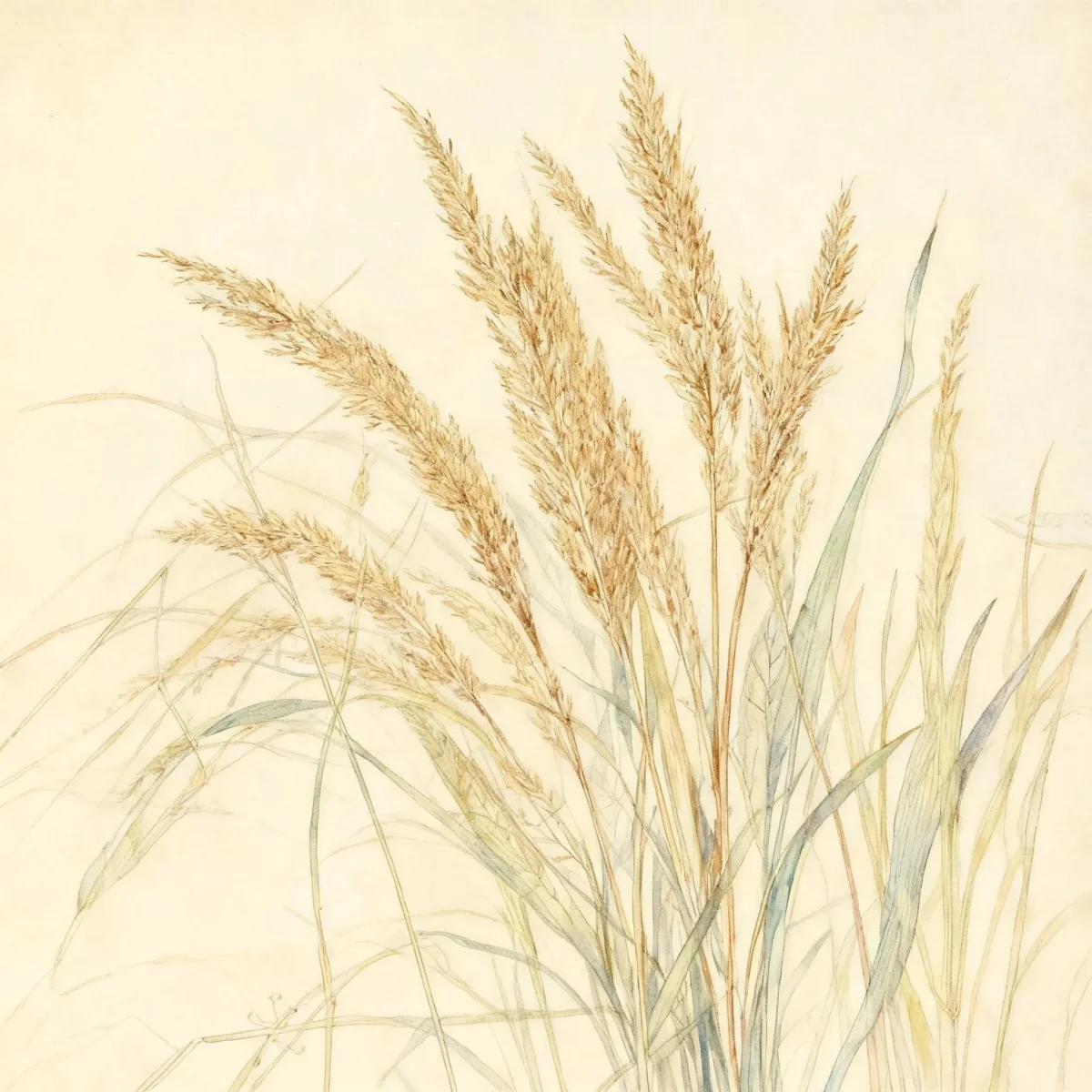
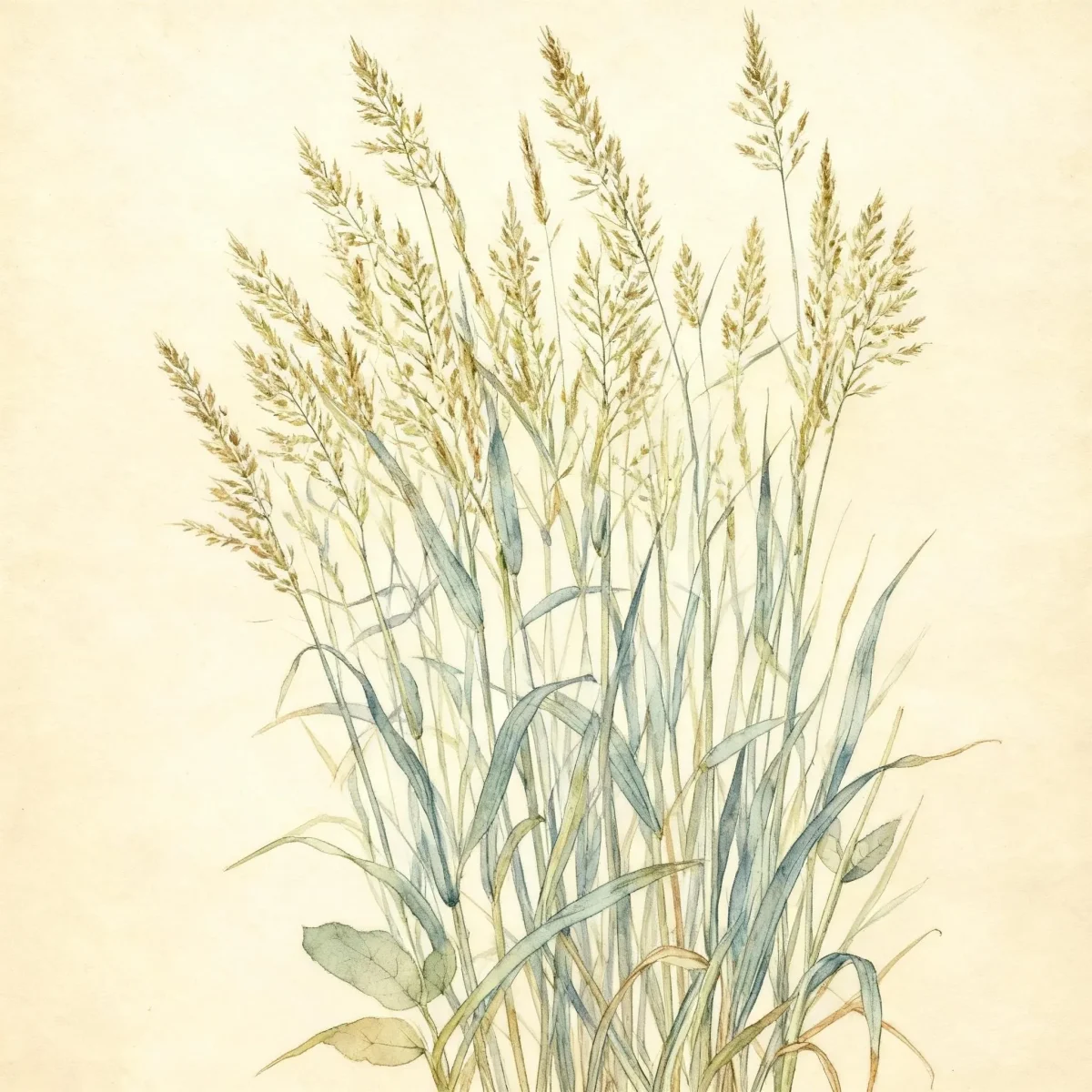
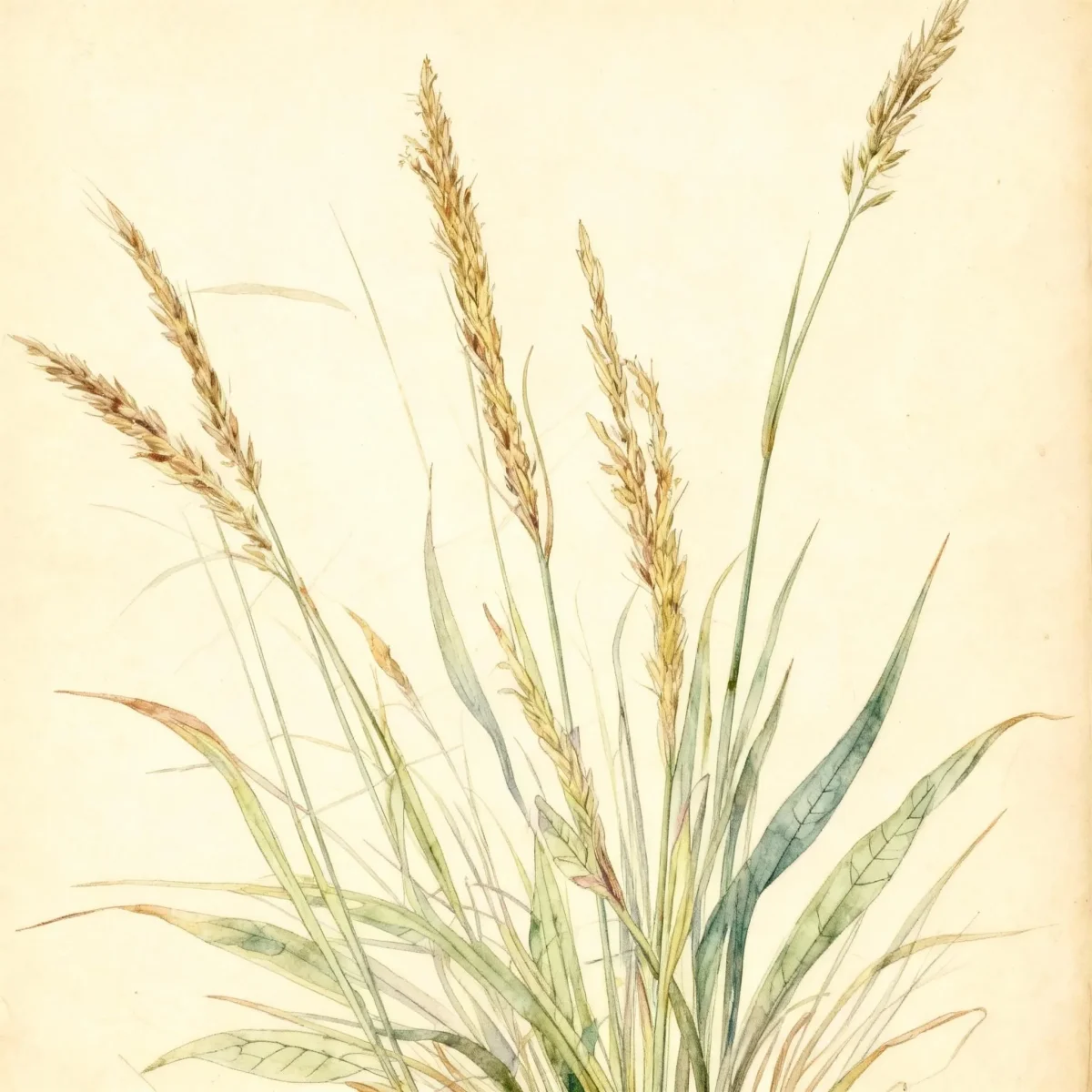
Sorghastrum nutans ‘Indian Steel’ is a magnificent warm-season grass, recognized as one of the dominant species of the historic tallgrass prairie. Gardeners prize this cultivar for its strong, upright habit and captivating blue-green foliage, which provides excellent vertical structure throughout the growing season. This specific selection, Indian grass, matures reliably between 3 to 5 feet tall.
The ornamental value of Sorghastrum nutans ‘Indian Steel’ extends well beyond summer, as its leaves transition to vibrant orange-yellow hues in autumn, often retaining color well into winter. Feathery, tan-yellow flower panicles add texture in late summer, maturing to bronze tones that further enhance its appeal in the landscape.
As a robust native perennial, Indian grass offers substantial ecological benefits while demanding little in return once established. It thrives in sunny, drier conditions, making Sorghastrum nutans ‘Indian Steel’ a low-maintenance cornerstone for naturalized plantings and modern structural designs alike.
Fast Facts
- Plant Family: Poaceae
- Plant Type: Ornamental grass
- Hardiness Zones: USDA Zones 4-9
- Size at Maturity:
- Height: 3-5 ft
- Spread: 2-3 ft
- Bloom Time: August to September
- Bloom Description: Tan-yellow
- Sun Exposure: Full sun
- Water Needs: Dry to medium
- Maintenance Level: Medium
How to Grow
Plant Sorghastrum nutans ‘Indian Steel’ in the spring or fall after the danger of hard frost has passed, ensuring it receives full sun exposure. This grass establishes best in average, well-drained soils, though it is highly tolerant of poor, dry, and infertile conditions, including heavy clay. Avoid excessively moist or rich soils, as this can cause the clump to open up or flop, diminishing its strong vertical appearance.
Maintenance for Indian grass is straightforward. Water deeply but infrequently once established, as it performs best with dry to medium water needs. Fertilization is usually unnecessary due to its adaptation to lean soils. The essential annual task is cutting the entire clump back to the ground in late winter or early spring, just before new growth begins to emerge.
This variety may naturalize gently through self-seeding under optimum conditions, allowing you to expand your stands of Sorghastrum nutans ‘Indian Steel’ over time. Its drought tolerance makes it an excellent choice for xeriscaping or areas where supplemental irrigation is limited.
Landscape Uses
Indian grass is invaluable for adding year-round height and movement to large landscapes. It excels when massed or blended into naturalized meadows and prairies, echoing its native habitat. Use Sorghastrum nutans ‘Indian Steel’ as a strong vertical accent along borders where its 3 to 5-foot stature can anchor shorter perennials.
Furthermore, its robust root system makes it highly effective on slopes and banks specifically for erosion control. The foliage provides dependable structure, offering good year-round interest even after the flowers have faded. Consider pairing this ornamental grass with coneflowers or black-eyed Susans for a classic prairie palette backed by its strong vertical silhouette.
Standout Features
Flower Qualities
- Showy
Noteworthy Characteristics
Sorghastrum nutans, commonly called Indian grass, is a warm season Missouri native perennial grass which typically occurs in prairies, glades and open woods throughout the State. It was one of the dominant grasses of the tallgrass prairie which once covered large parts of the Midwest. Typically grows 3-5’ tall (less frequently to 6’) and is noted for its upright form and blue-green foliage. ‘Indian Steel’ is a clump-forming perennial grass with an upright, open habit typically growing 3-5’ tall, featuring slender blue-green leaf blades which turn yellow in fall, retaining some gold color throughout winter. Narrow, feathery panicles of tan-yellow flowers appear well above the foliage in late summer to early fall, turning bronze in fall and providing visual interest into early winter.
Tolerances
- Drought
- Erosion
- Dry Soil
- Shallow-Rocky Soil
- Black Walnut
- Air Pollution
Potential Problems
Sorghastrum nutans ‘Indian Steel’ exhibits excellent resilience in the landscape, suffering from no serious insect or disease problems when sited correctly. The primary management concern is environmental—avoiding overly rich or consistently wet soils prevents the foliage from flopping or lodging. Proper cultural conditions detailed in the care section ensure this grass remains a clean, trouble-free addition to your garden design.
Frequently Asked Questions
What hardiness zones is Indian grass suitable for?
Sorghastrum nutans ‘Indian Steel’ is reliably hardy across USDA Zones 4 through 9.
How large does Sorghastrum nutans ‘Indian Steel’ grow?
This plant typically reaches a height between 3 and 5 feet, spreading 2 to 3 feet wide at maturity.
What sun exposure does Indian grass need?
For optimal performance and upright habit, Indian grass requires full, direct sun exposure throughout the day.
When does Sorghastrum nutans ‘Indian Steel’ bloom?
Bloom time occurs from August into September, featuring distinctive, airy, tan-yellow flower panicles.
Conclusion
Sorghastrum nutans ‘Indian Steel’ provides essential texture, verticality, and seasonal color, making it a cornerstone plant for native and low-maintenance gardens. This robust Indian grass cultivar reliably handles tough sites while rewarding the gardener with significant visual interest. Confirm your site receives full sun and verify your region falls within USDA Zones 4-9 before planting.
Companion Planting
When designing around Sorghastrum nutans ‘Indian Steel’, select companions that share its preference for full sun and dry to medium, well-drained soil. Look to other prairie natives that offer contrasting textures, such as broad-leafed perennials that won’t compete with the grass’s vertical habit. Good pairings include perennial sunflowers (Helianthus spp.) or robust coneflowers (Echinacea species), which offer bright focal points against the blue-green and persistent fall color of the grass.
Wildlife Benefits
As a warm-season native grass, Indian grass offers significant ecological value beyond pure aesthetics. The stiff stems and persistent mature seed heads provide crucial winter cover and nesting material for small birds and insects. Furthermore, the seeds produced by the panicles are sought after by various wild birds during the lean winter months, supporting local avian populations throughout dormancy.