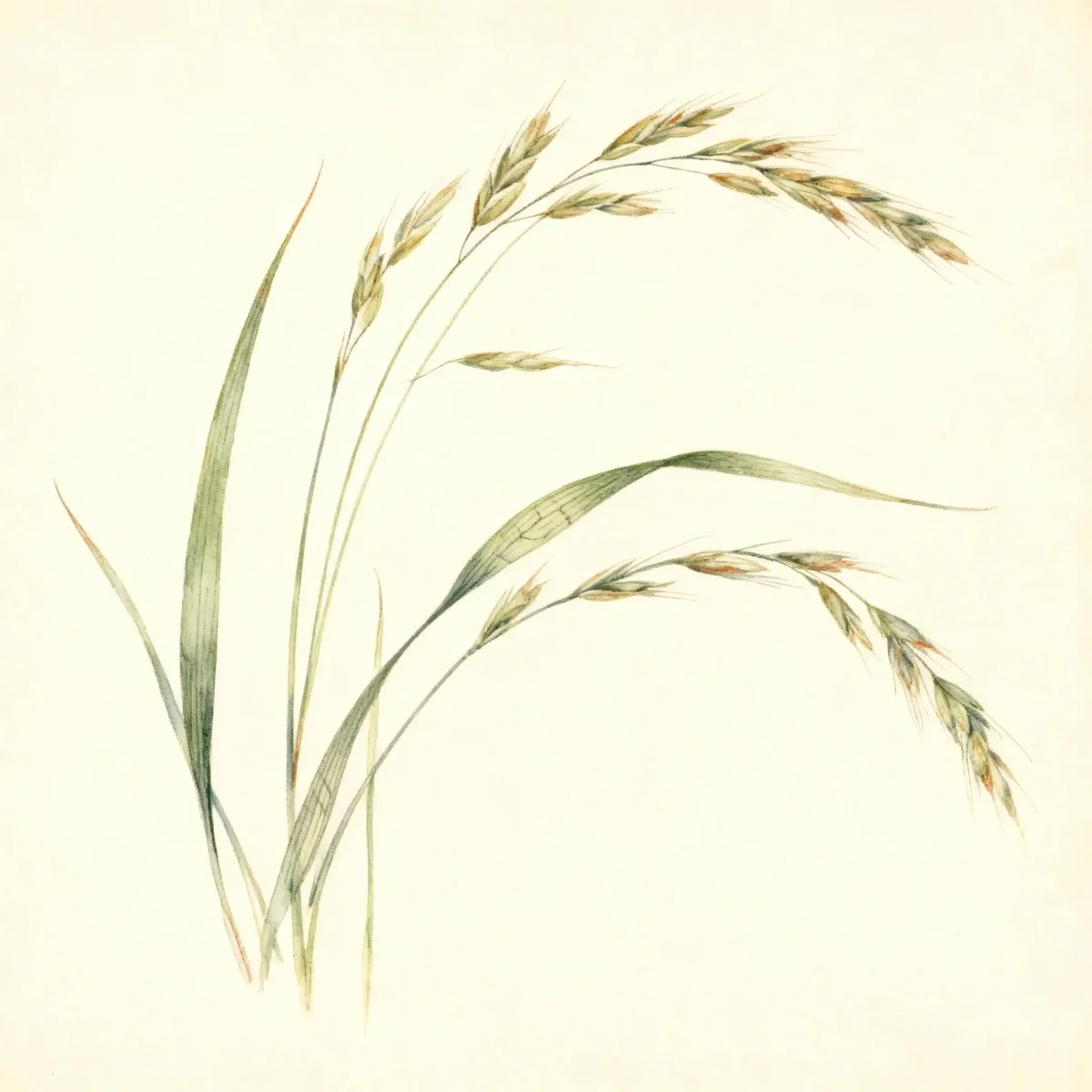
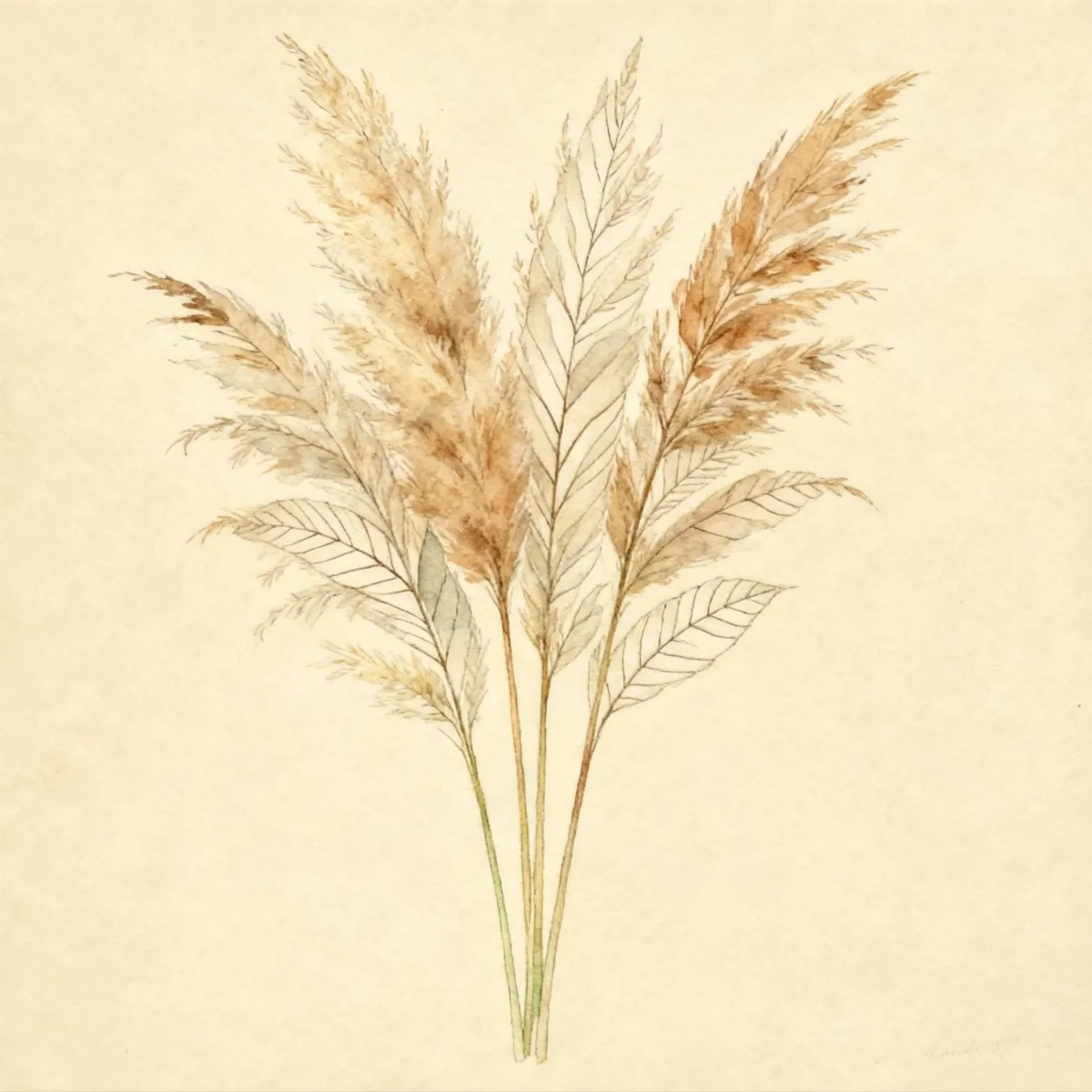
Indian grass (Sorghastrum nutans 'Sioux Blue')
Sorghastrum nutans 'Sioux Blue', or Indian grass, offers striking metallic-blue foliage, superior vertical texture, and winter interest for sunny borders.
Scroll down to discover growing tips, care requirements, companion plants, and more
Complete Plant Information
Overview
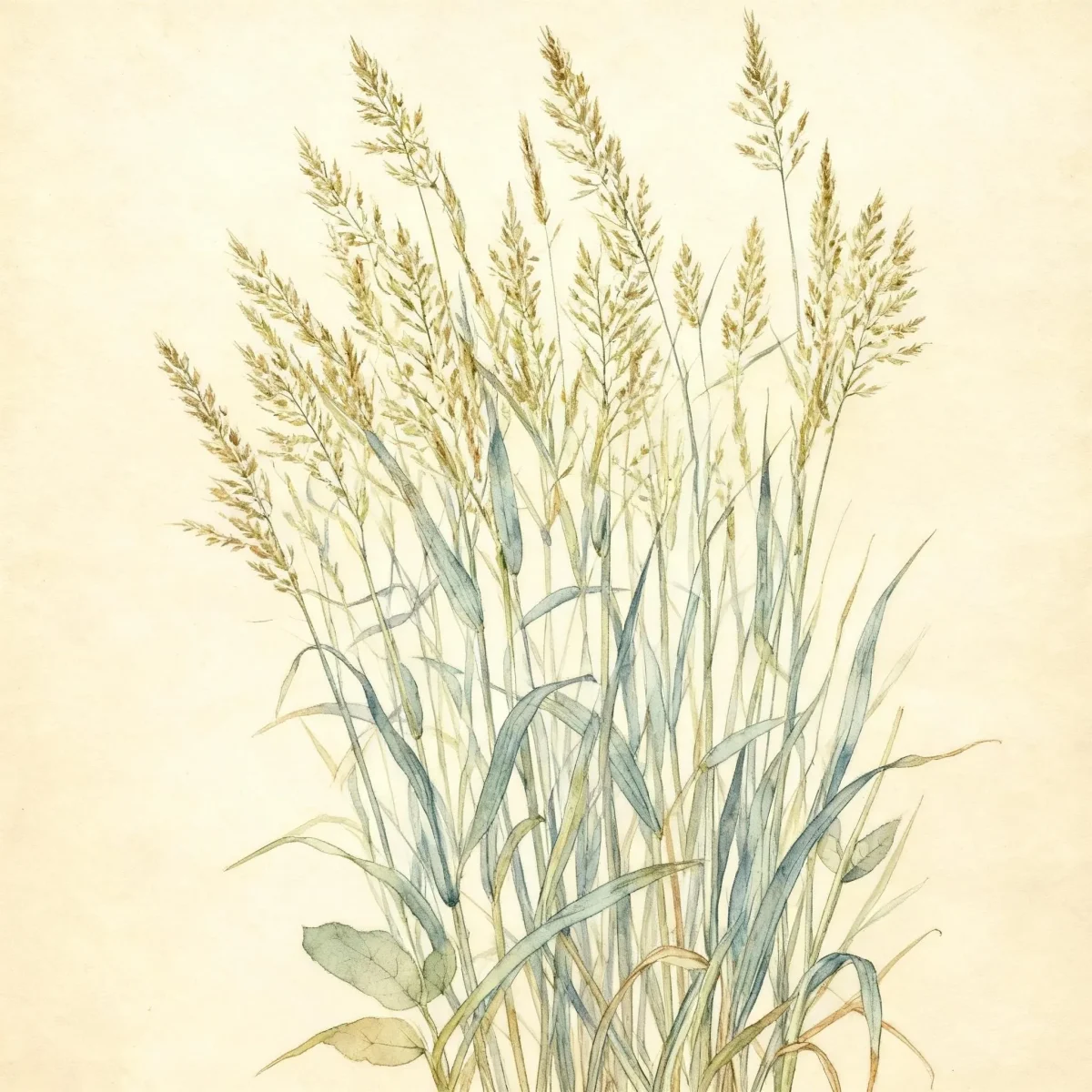
Sorghastrum nutans ‘Sioux Blue’ is a highly valued warm-season native grass, famous for commanding vertical presence in the landscape. This cultivar of Indian grass distinguishes itself with narrow, upright foliage displaying a distinct metallic-blue coloration rarely seen in other prairie species. Its structure remains rigid, offering superb architectural contrast throughout the year, even after frost.
As a dominant component of the historic tallgrass prairie, this perennial grass brings ecological value while thriving in difficult conditions. Gardeners appreciate how Sorghastrum nutans ‘Sioux Blue’ utilizes full sun, providing robust texture and color from summer well into winter when its seed heads remain visible. It is an excellent choice for blending natural beauty with low-maintenance performance.
Fast Facts
- Plant Family: Poaceae
- Plant Type: Ornamental grass
- Hardiness Zones: USDA Zones 4-9
- Size at Maturity:
- Height: 3-5 ft
- Spread: 2-3 ft
- Bloom Time: August to February
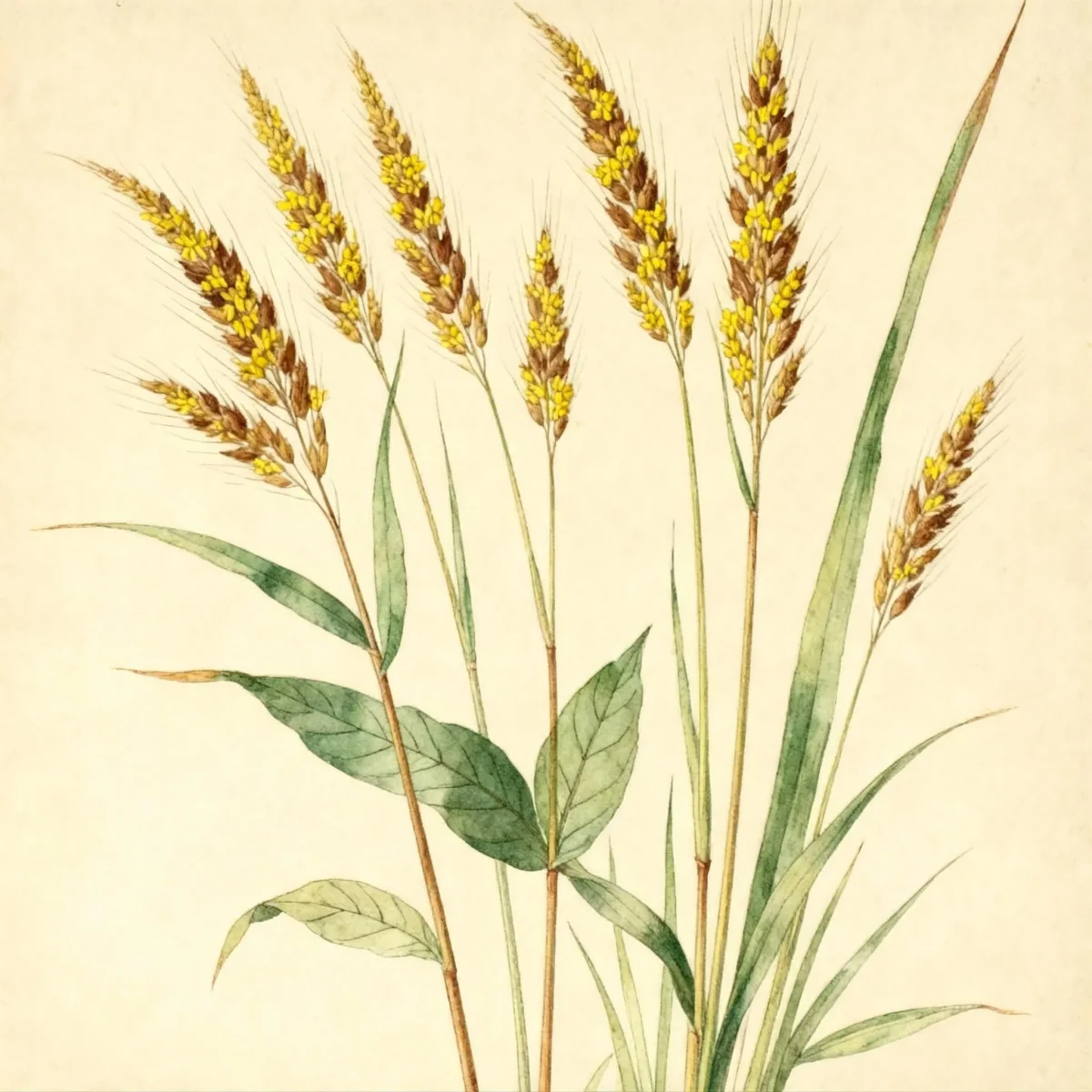
- Bloom Description: Light brown with yellow stamens
- Sun Exposure: Full sun
- Water Needs: Dry to medium
- Maintenance Level: Medium
How to Grow
Sorghastrum nutans ‘Sioux Blue’ is easily established when planted in well-drained soil, thriving best in full sun exposures. Though it prefers dry to medium moisture levels, this tough grass tolerates a wide soil spectrum, including heavy clays and poor, dry, infertile sites. Avoid overly moist, rich soils, as this can encourage the desirable upright form to flop or open up excessively by mid-season.
Watering should be minimal once the plant is established, making Indian grass exceptionally drought-tolerant. Fertilization is generally unnecessary; rich amendments often reduce the prized blue color intensity and stem rigidity. Its medium maintenance requirement primarily involves aesthetic pruning.
The critical task for maintenance involves cutting the entire clump back to the ground in late winter or very early spring, just prior to the emergence of new growth. This pruning frees up space for the handsome new blue foliage of the Sorghastrum nutans ‘Sioux Blue’ to emerge cleanly.
Landscape Uses
The strong vertical habit of Indian grass makes it indispensable for adding height and rhythm to naturalized settings. It excels when massed in prairies, meadows, or large wild garden spaces where its texture can be appreciated en masse. Use it as a formidable vertical accent in border plantings, breaking up lower, mounding perennials.
Its tolerance for difficult sites, including slopes prone to water runoff, means it provides excellent textural stabilization for erosion control. Pair this grass with mid-summer flowering perennials that handle dry conditions well, such as coneflowers or coreopsis, allowing the Sorghastrum nutans ‘Sioux Blue’ to provide the late-season vertical architecture.
Standout Features
Flower Qualities
- Good Cut
- Good Dried
Noteworthy Characteristics
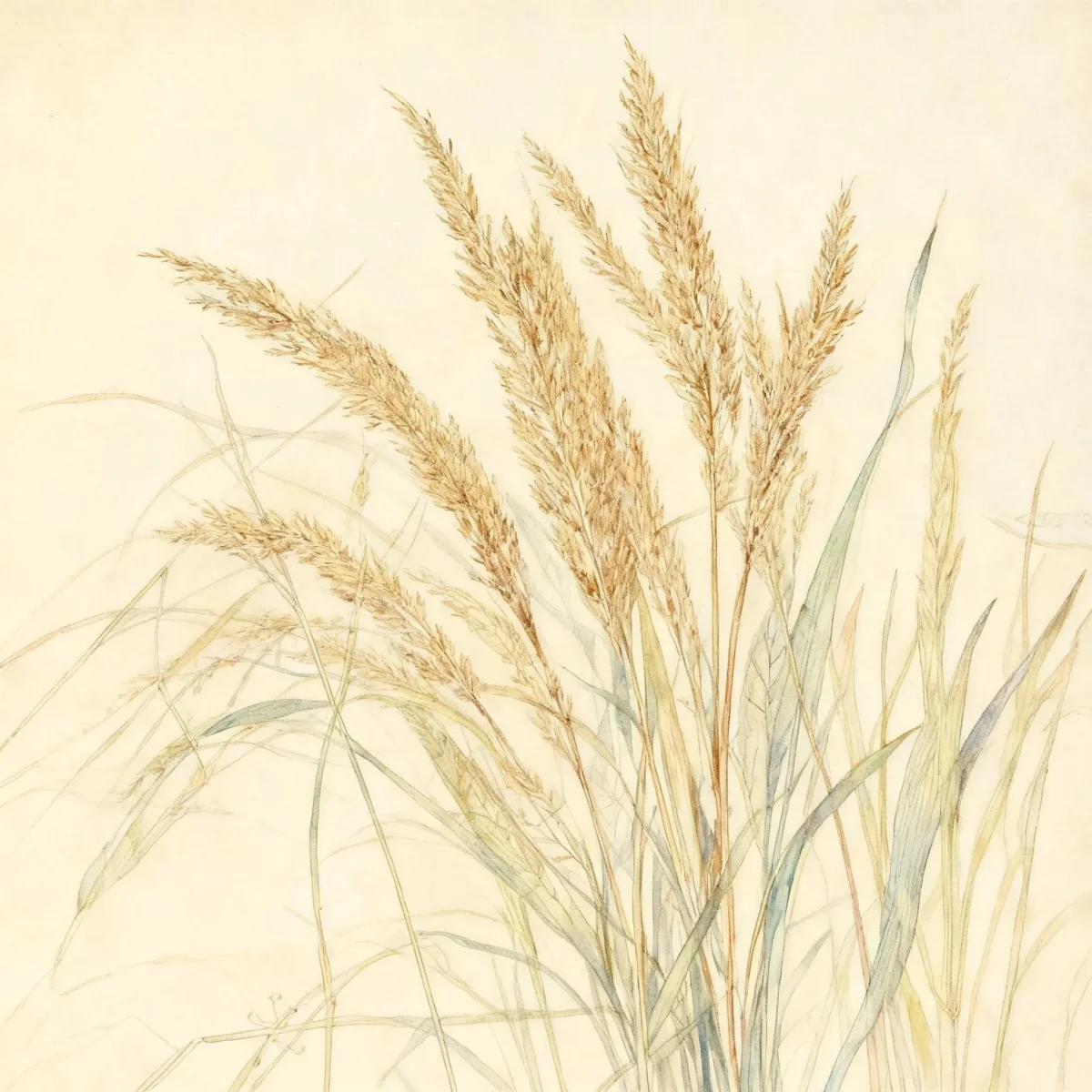
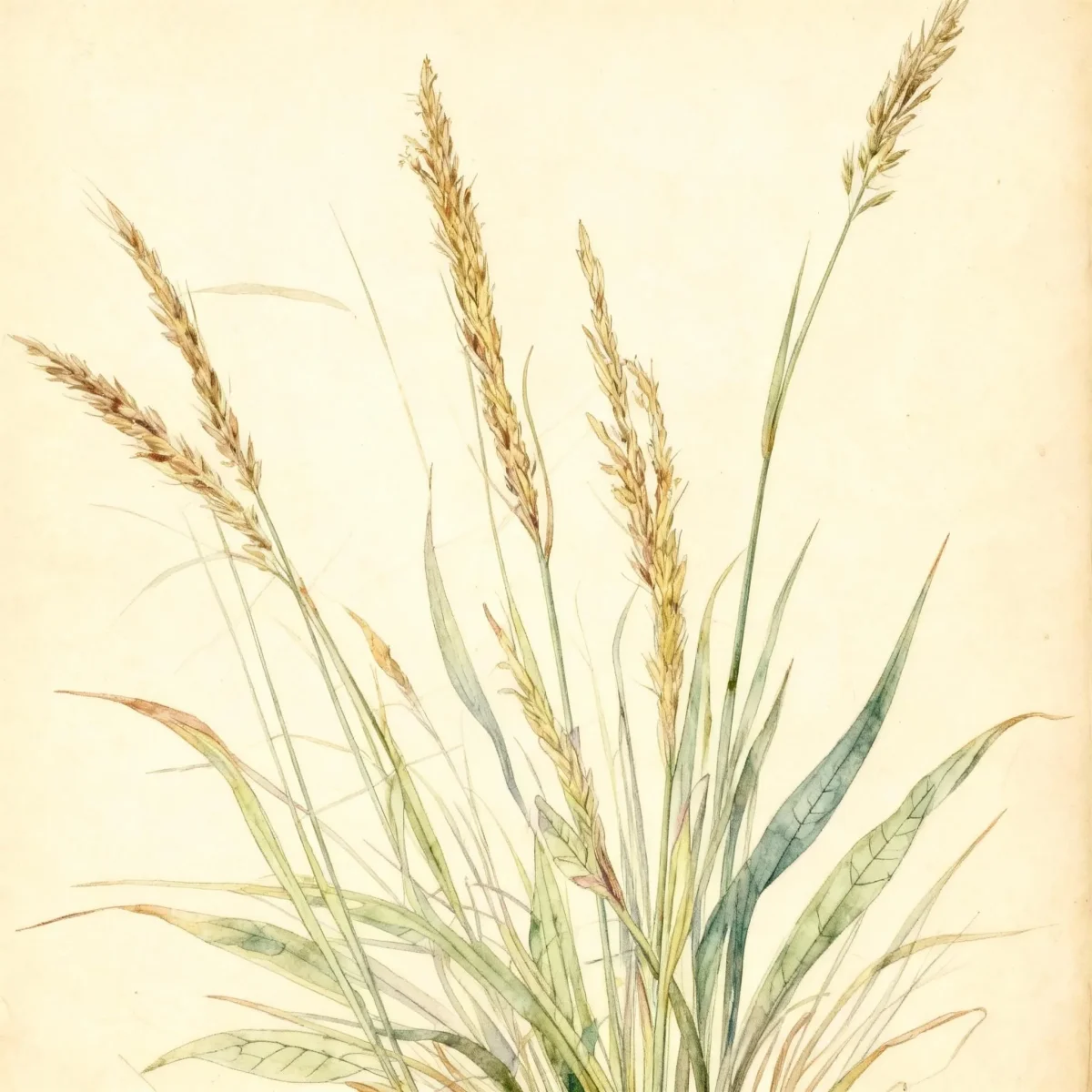
Sorghastrum nutans, commonly called Indian grass, is a warm season Missouri native perennial grass which typically occurs in prairies, glades and open woods throughout the State. It was one of the dominant grasses of the tallgrass prairie which once covered large parts of the Midwest. ‘Sioux Blue’ primarily differs from the native American species by having bluer foliage and better vertical form, typically reaching 3–5’ tall with slender, metallic-blue leaves that turn yellow in fall. Stiff, vertical flowering stems topped by narrow, feathery, light brown panicles rise well above the foliage clump in late summer, providing significant winter interest as they fade to gray.
Tolerances
- Drought
- Erosion
- Dry Soil
- Shallow-Rocky Soil
- Black Walnut
- Air Pollution
Potential Problems
No serious insect or disease problems are typically associated with Sorghastrum nutans ‘Sioux Blue’. Because it is a resilient native grass, diligent care is usually focused on avoiding cultural mistakes rather than pest management. The greatest potential issue arises from overwatering or overly rich soil, which causes the desirable upright structure to collapse outward, reducing its aesthetic value.
Frequently Asked Questions
What hardiness zones is Indian grass suitable for?
Sorghastrum nutans ‘Sioux Blue’ is reliably hardy across USDA Zones 4 through 9. Ensure your location falls within this range for optimal perennial performance.
How large does Sorghastrum nutans ‘Sioux Blue’ grow?
This ornamental grass typically matures to a height between 3 and 5 feet, with a spread generally maintained between 2 and 3 feet wide. It maintains a tight, upright clump form.
What sun exposure does Indian grass need?
Sorghastrum nutans ‘Sioux Blue’ requires full sun exposure to develop its best vertical structure and maintain the vivid blue coloration of its foliage. Insufficient light will lead to floppiness.
When does Sorghastrum nutans ‘Sioux Blue’ bloom?
The striking plumes of this grass appear from August through February, featuring light brown structures highlighted by noticeable yellow stamens during the initial bloom period.
Conclusion
For gardeners seeking superior texture, resilient performance, and striking cool-blue tones, Sorghastrum nutans ‘Sioux Blue’ is an outstanding prairie grass selection. Its adaptability across poor soils and its tolerance for drought secures its high utility in sustainable landscape designs. Confirm your regional hardiness zone (4-9) and plan your winter cleanup to ensure this magnificent Indian grass provides year-round visual impact.
Companion Planting
When integrating Sorghastrum nutans ‘Sioux Blue’ into perennial borders, select companions that share its love for full sun and dry to medium soil conditions. Plants that contrast nicely in texture and bloom time will maximize the effect of its upright structure. Consider pairing it with drought-tolerant mid-summer bloomers like Echinacea (Coneflower) or the fine texture of Sporobolus heterolepis (Prairie Dropseed) for a harmonious prairie palette.
Wildlife Benefits
As a key component of the historical tallgrass prairie ecosystem, this Indian grass offers significant ecological support. Its seed heads, which persist into winter, become a vital food source for various seed-eating songbirds during the lean winter months. Furthermore, its dense clump structure provides excellent cover and nesting habitat for beneficial insects and small wildlife throughout the year.