Spirea (Spiraea 'Dolchica')
Spiraea 'Dolchica' is a low-maintenance deciduous shrub with showy purplish-pink blooms from June to September.
Scroll down to discover growing tips, care requirements, companion plants, and more

Complete Plant Information
Overview
Spiraea ‘Dolchica’ offers exceptional seasonal interest, making it a valuable asset for gardeners seeking dependable curb appeal. This deciduous shrub is noted for its unique foliage, which emerges bronze-purple before maturing to green, only to blaze bronze and red again in autumn. Its versatility and relatively small, neat habit contribute significantly to its popularity.
The true highlight of this Spirea occurs from early summer through early fall, when it produces clusters of small, purplish-pink flowers. Belonging to the classic Rosaceae family, this cultivar provides reliable structure and color without demanding excessive attention. Gardeners appreciate its low maintenance level, slotting perfectly into busy landscapes.
Ideal for creating informal hedges or as a colorful accent, Spiraea ‘Dolchica’ forms a tidy, dwarf mound 2 to 4 feet wide. Its long bloom period, running from June into September, ensures continuous visual reward, cementing its status as a go-to shrub for borders and mixed plantings across USDA Zones 5 through 9.
Fast Facts
- Plant Family: Rosaceae
- Plant Type: Deciduous shrub
- Hardiness Zones: USDA Zones 5-9
- Size at Maturity:
- Height: 2-3 ft
- Spread: 2-4 ft
- Bloom Time: June to September
- Bloom Description: Purplish pink
- Sun Exposure: Full sun
- Water Needs: Medium
- Maintenance Level: Low
How to Grow
Spiraea ‘Dolchica’ is remarkably adaptable and thrives when planted in the spring or fall in a location receiving full sun. Being easily grown, it adapts well to average, medium-moisture conditions, though it tolerates a wide range of soil types provided the drainage is good. Avoid overly wet spots, which can lead to root issues.
Once established, watering needs are medium; supplemental irrigation during prolonged dry spells, particularly in its first year, is crucial. Fertilization is rarely required for this tough shrub, as it performs well in average soils. The most important task involves managing its appearance and bloom cycle.
Because Spiraea ‘Dolchica’ flowers on new wood, pruning should occur in late winter or early spring before new growth starts if size reduction is necessary. To maximize continuous bloom, lightly shear or remove faded flower clusters after they finish. Light shearing is an excellent option for encouraging repeat flowering throughout the long summer season.
Landscape Uses
The reliable, mounding habit of Spiraea ‘Dolchica’ makes it an outstanding choice for defining landscape edges. It excels when used in mass plantings along foundation lines, softening hard architectural elements. Furthermore, it functions beautifully as an informal hedge, providing a tidy barrier that offers more visual flare than traditional selections.
In cottage gardens, the textured foliage and long bloom period of this Spirea pair well with perennials that have contrasting foliage or flower shapes. Consider pairing it with silver or blue-leaved plants to accentuate the bronze and purplish tones of the shrub during its emergence and fall color phases. Its relatively dwarf size also means it works well in the middle or foreground of a mixed border.
For structure, line pathways with these shrubs, or use individual specimens as small focal points. Their low maintenance profile ensures that the gardener spends less time tending and more time enjoying borders incorporating Spiraea ‘Dolchica’.
Standout Features
Flower Qualities
- Showy
- Good Cut
Noteworthy Characteristics
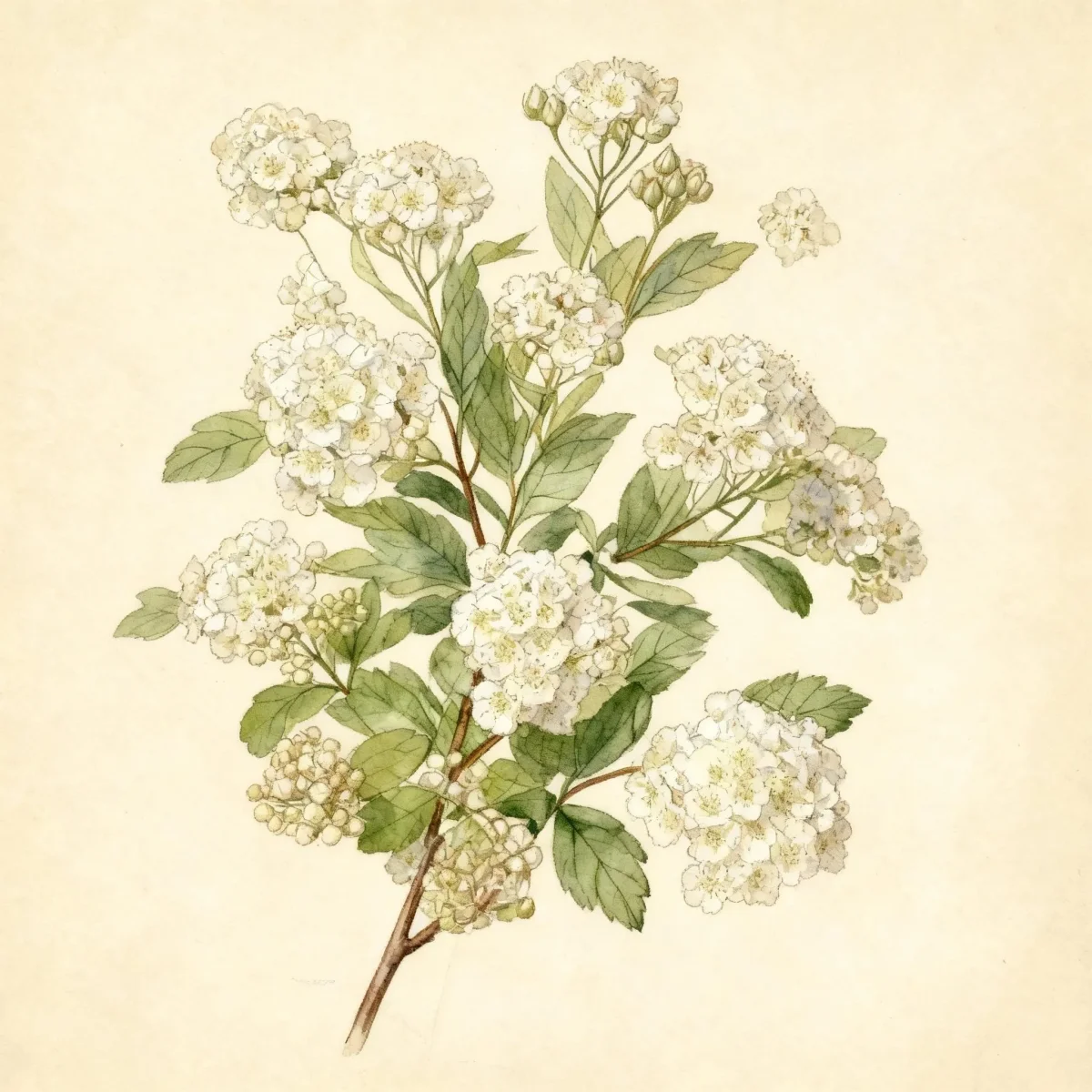
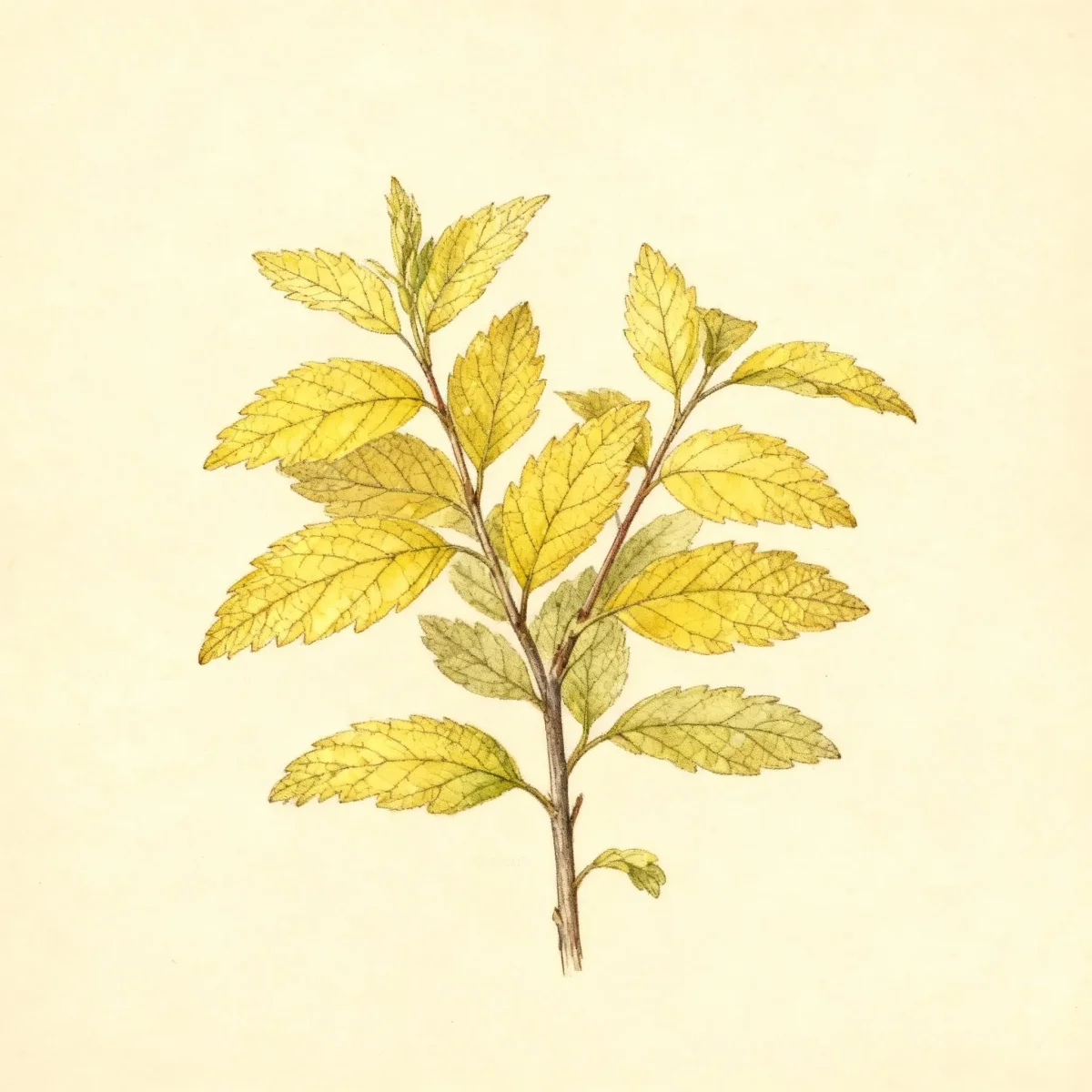
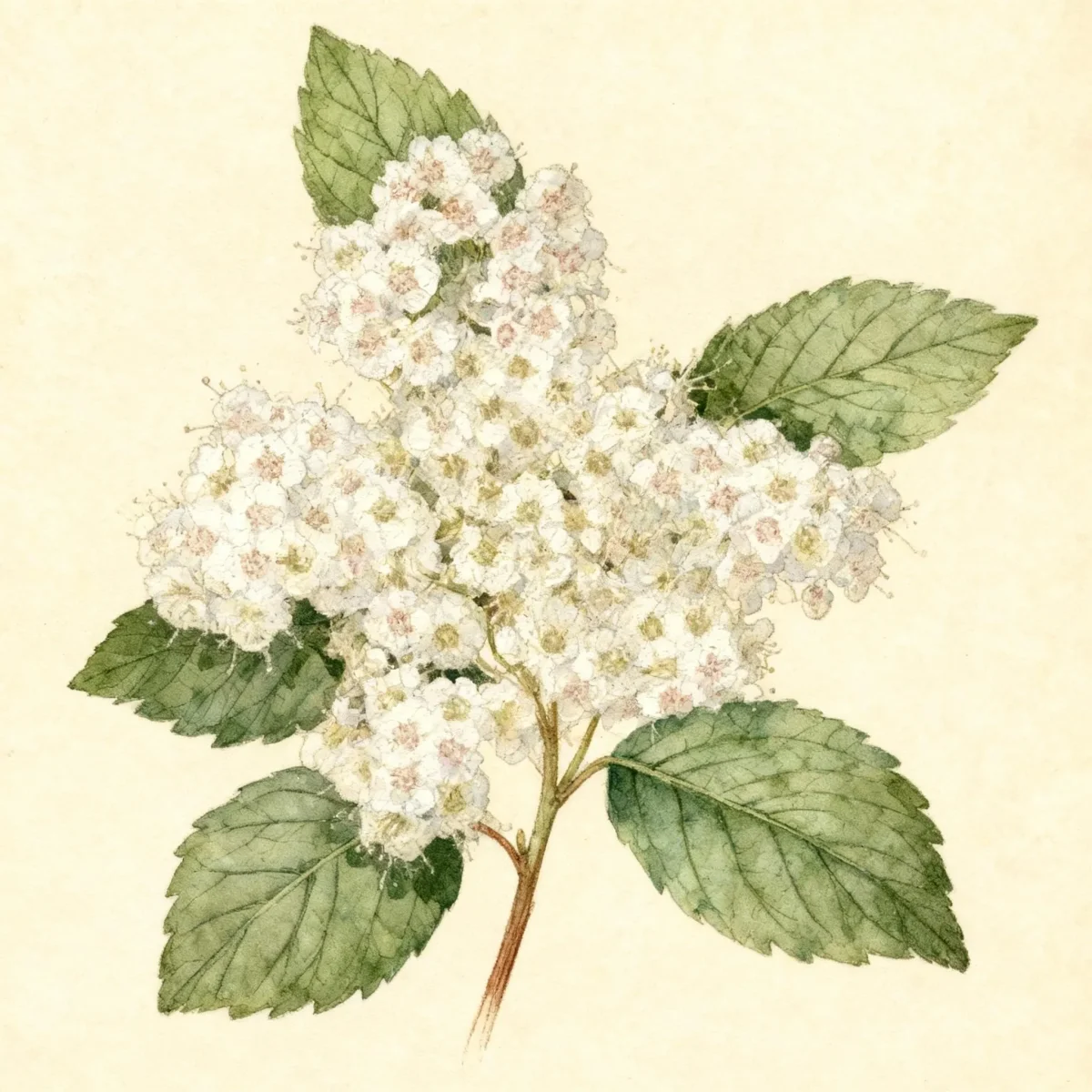
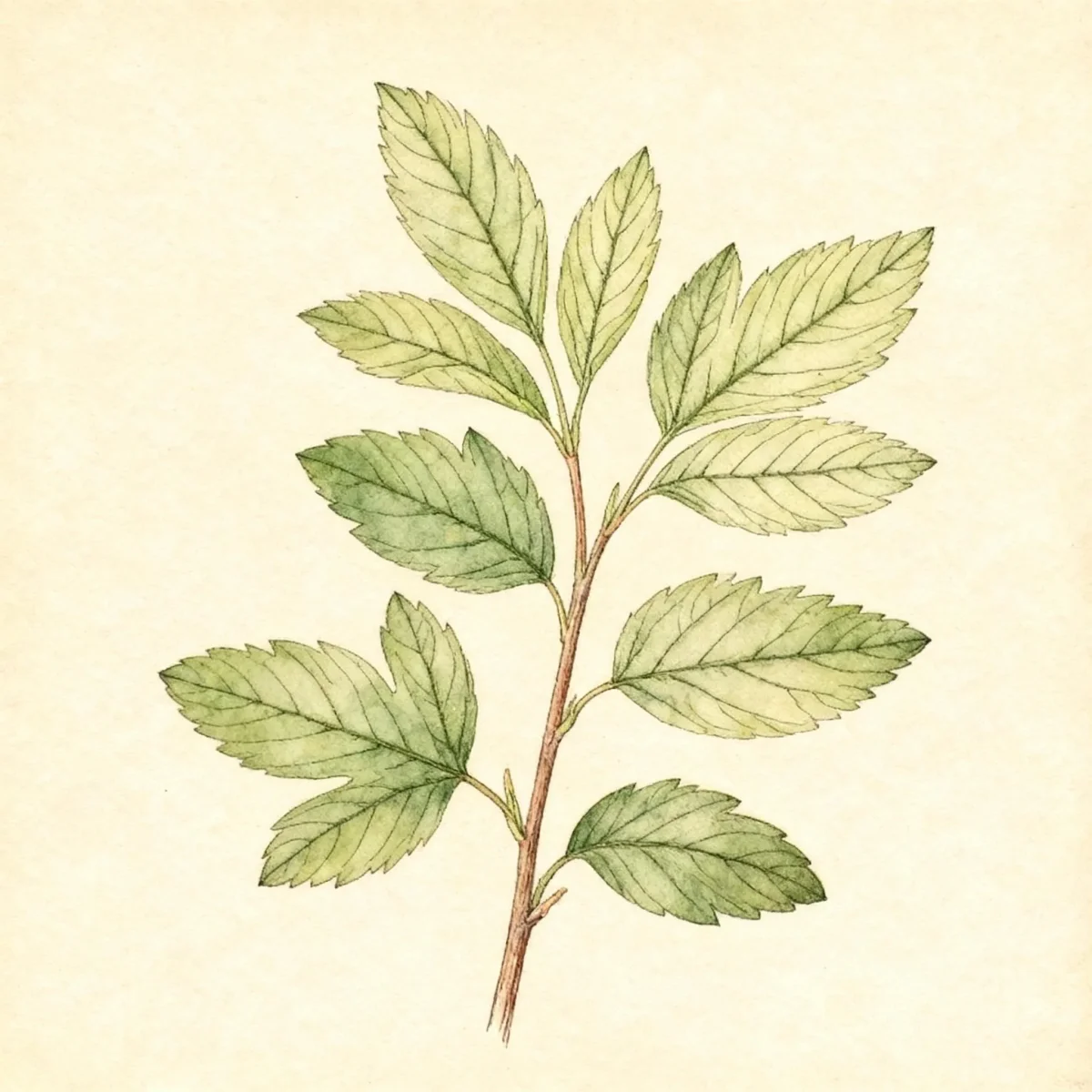
Spiraea is a genus of about 80 species of deciduous and semi-evergreen shrubs from North Temperate areas of Europe, Asia and North America including Mexico.Genus name comes from the Greek word speira meaning wreath in reference to the showy flower clusters seen on most shrubs in the genus. ‘Dolchica’ is also known as Spiraea x bumalda ‘Dolchica’. It features elongated crinkled leaves with frilly, deeply cut serrations, transitioning from bronze-red to green and back to bronze-red in fall. The small purplish pink flowers appear in flat-topped clusters and the plant forms tidy dwarf mounds.
Tolerances
Deer tend to avoid this plant
Potential Problems
While generally robust, Spiraea ‘Dolchica’ belongs to the rose family, which imparts susceptibility to certain common landscape issues. Gardeners should watch for fungal diseases such as powdery mildew and leaf spot, particularly in humid environments or when air circulation is poor. Fire blight is another potential concern that requires immediate removal of infected tissue.
Insect pests common to the Rosaceae also target Spirea, including various scales, aphids, and leaf rollers. Thorough annual inspections during pruning time allow for early detection and treatment. Given that deer generally avoid this plant, protection efforts can be focused squarely on cultural care and pest management rather than wildlife damage.
Frequently Asked Questions
What hardiness zones is Spirea ‘Dolchica’ suitable for?
Spiraea ‘Dolchica’ thrives in a wide range of climates, being suitable for USDA Zones 5 through 9.
How large does Spirea ‘Dolchica’ grow?
This compact shrub typically reaches a mature height between 2 and 3 feet tall, with a spread ranging from 2 to 4 feet wide, forming a lovely dwarf mound.
What sun exposure does Spirea ‘Dolchica’ need?
This variety requires full sun exposure to maintain compact growth and achieve the best flowering performance.
When does Spirea ‘Dolchica’ bloom?
You can expect beautiful purplish-pink blooms spanning a long season, typically from June all the way through September.
Conclusion
Spiraea ‘Dolchica’ provides exceptional value through its lengthy bloom cycle and attractive, changing foliage, all while demanding minimal effort from the gardener. Its adaptation to full sun and its low maintenance requirements make this Spirea an indispensable plant for continuous seasonal color and structure. Before planting this versatile shrub, confirm that your site falls within USDA Zones 5-9 and select a sunny location for the best results.
Companion Planting
Selecting appropriate neighbors enhances the visual appeal of Spiraea ‘Dolchica’. Because it prefers full sun and medium moisture, pair it with other sun-loving, tough shrubs or perennials. Consider plants with contrasting textures, such as hostas or heucheras, placed in partially shaded areas adjacent to the sunnier planting spot to provide depth.
For color companions, silver-leaved plants look fantastic set against the emerging bronze tones of the Spirea foliage. Plants like Artemisia ‘Silver Mound’ or certain Sedums provide excellent textural contrast that complements the fine texture of the Spiraea flowers. The shrub’s medium height also allows shorter blooms to shine in front of it.
Other suitable companions include Catmint (Nepeta) or ornamental salvias, which bloom during the summer months—mirroring the bloom time of Spiraea ‘Dolchica’—providing continuous flower interest along borders throughout the warmer season.
Seasonal Care Calendar
Spring cleanup is essential for Spiraea ‘Dolchica’. Prune any dead or winter-damaged wood in late winter or very early spring before bud break, as this is when new wood begins forming. This early pruning encourages vigorous flowering. Follow up with light shearing after the first major flush of bloom finishes in early summer to stimulate repeat flowering.
Summer care centers primarily on consistent watering, especially if rainfall has been scarce. Monitor foliage during periods of intense heat; while tough, consistent medium moisture helps maintain the integrity of the elongated, crinkled leaves. Deadheading faded clusters can be done selectively by hand or through light shearing.
In the fall, allow the foliage to display its rich bronze and red tones. Avoid heavy fall pruning, as this might encourage tender new growth vulnerable to early frosts. With its excellent cold tolerance, most winter preparation involves ensuring the plant has adequate moisture before the ground freezes hard in colder sections of its range.