Lamb's ears (Stachys byzantina 'Big Ears')
Grow Stachys byzantina 'Big Ears' (Lamb's ears) for its exceptional velvety, silver-gray foliage. Low maintenance perennial ideal for borders.
Scroll down to discover growing tips, care requirements, companion plants, and more
Complete Plant Information
Overview
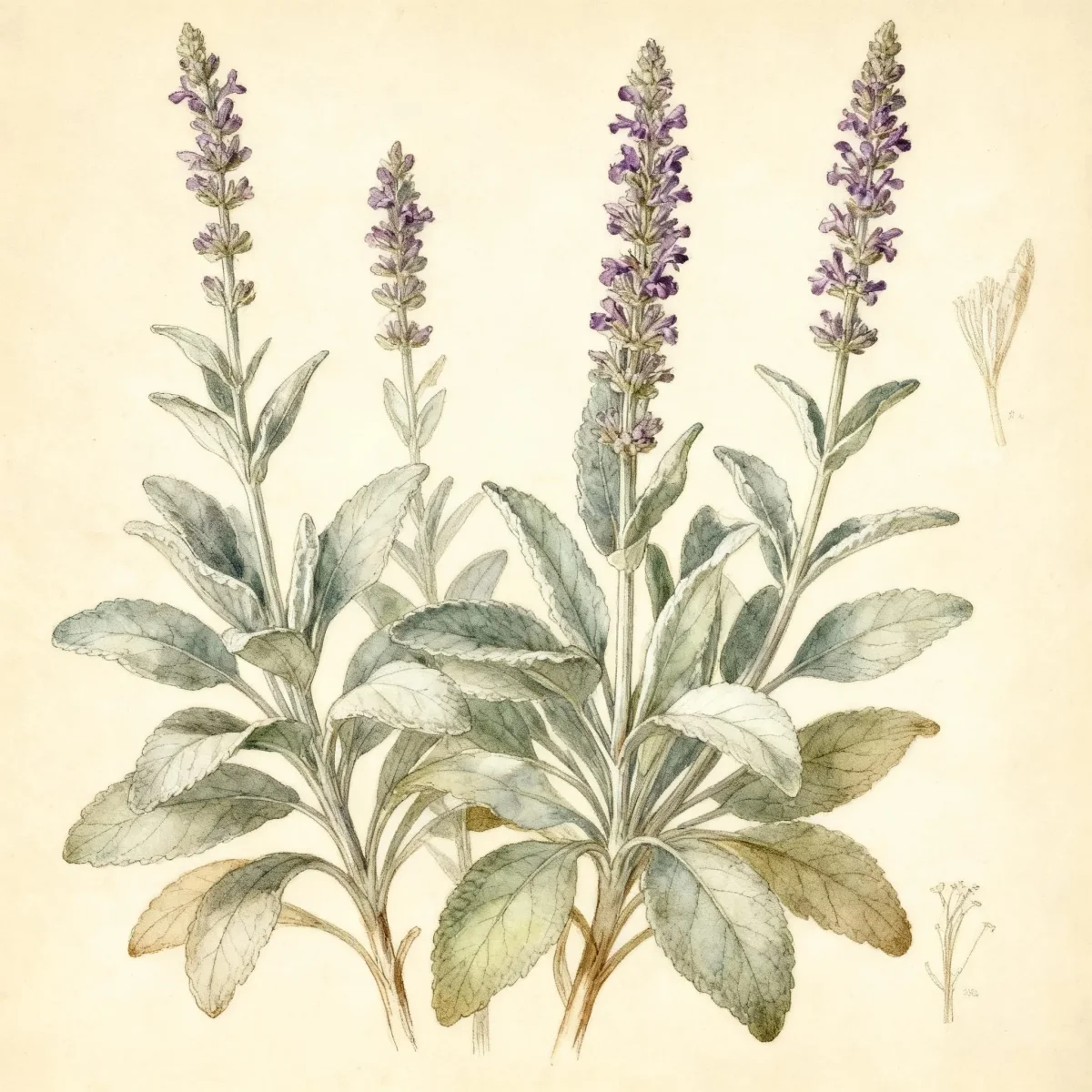
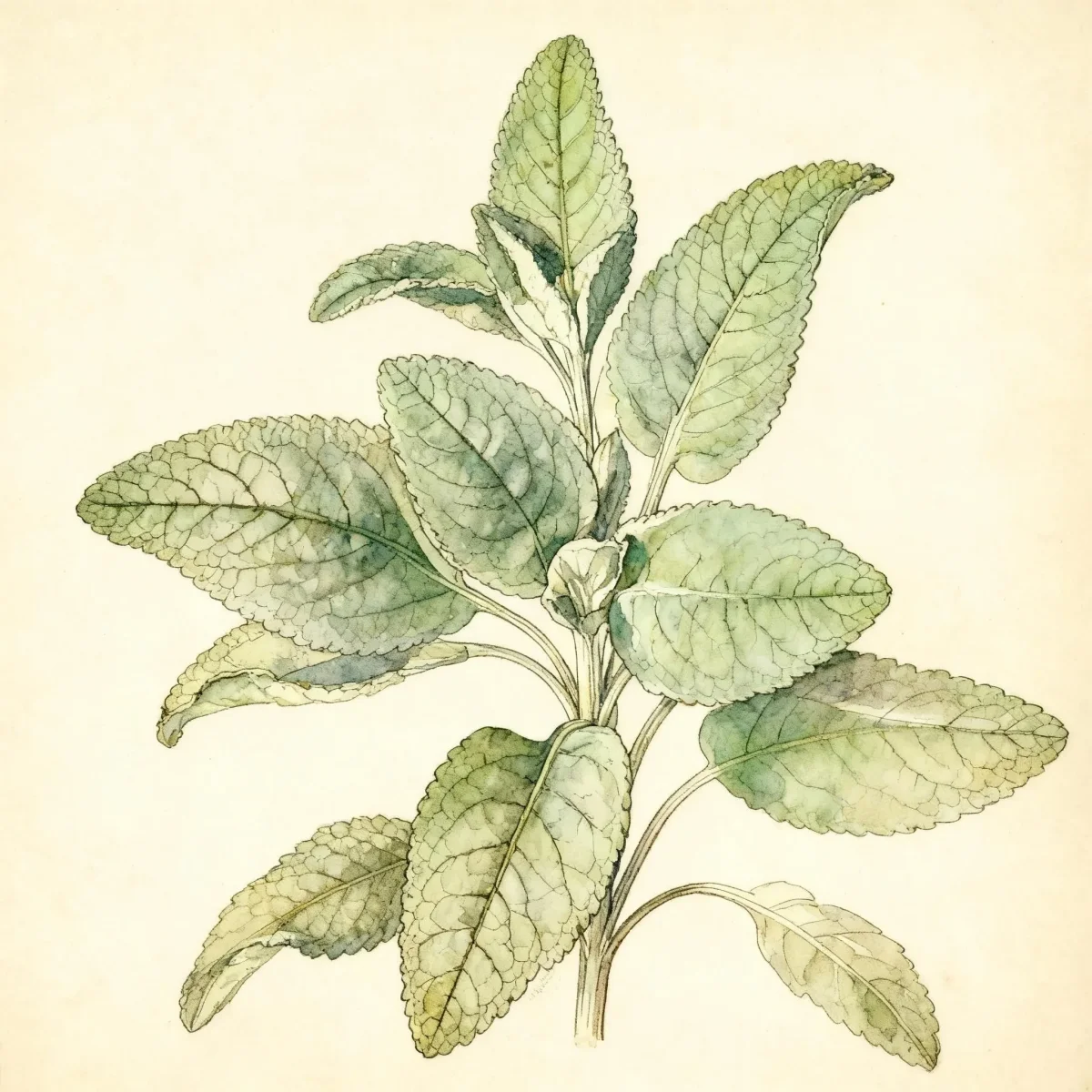
Stachys byzantina ‘Big Ears’ is prized primarily by gardeners for its striking, tactile foliage rather than its infrequent blooms. This Lamb’s ears cultivar features dense rosettes of thick, soft, velvety, silver-green leaves, often growing longer than the standard species. The texture and color provide outstanding contrast in sunny garden settings.
As an herbaceous perennial, this plant forms a durable, mat-forming ground cover that resists many common garden challenges. It is exceptionally drought-tolerant once established, making it a reliable choice for drier sites or xeriscaping efforts throughout USDA Zones 4 through 9.
The utility of this Lamb’s ears variety extends beyond simple aesthetics; it functions effectively as an edger or filler plant, suppressing weeds while maintaining a soft, silver presence. Its low-maintenance nature ensures that once established, Stachys byzantina ‘Big Ears’ requires minimal intervention save for occasional thinning.
Fast Facts
- Plant Family: Lamiaceae
- Plant Type: Herbaceous perennial
- Hardiness Zones: USDA Zones 4-9
- Size at Maturity:
- Height: 0.5-1 ft
- Spread: 1-2 ft
- Bloom Time: Rarely flowers
- Bloom Description: Purple (rarely flowers)
- Sun Exposure: Full sun
- Water Needs: Dry to medium
- Maintenance Level: Low
How to Grow
Establish Stachys byzantina ‘Big Ears’ easily in average soils that must be well-drained. Full sun exposure is ideal, though a break from the harshest afternoon sun may benefit plants in extremely hot summer climates. Proper drainage is paramount, as saturated or constantly damp soil can quickly lead to rot issues, particularly in humid regions.
Water sparingly once established; this drought-tolerant plant thrives on neglect. Avoid overwatering, as prolonged moisture exposure—especially on the fuzzy leaves—can encourage fungal issues like leaf spot. Maintenance is low, but if summer foliage declines due to heat or humidity, simply shear off the damaged leaves to improve air circulation and appearance.
This Lamb’s ears spreads effectively via creeping stems that root as they advance along the ground. When using it as a ground cover, space starter plants 12 to 18 inches apart to allow for full, dense coverage. Dividing established clumps is the primary method of rejuvenation or containment if the spread becomes too aggressive in rich soil environments.
Landscape Uses
The main appeal of Stachys byzantina ‘Big Ears’ lies in its textural foliage, making it an effective addition to sunny borders and rock gardens where its silver tone can brighten darker green neighbors. Its habit allows it to function wonderfully as a small-area ground cover, knitting together spaces between larger shrubs or perennials.
Consider using this cultivar as an informal, soft-edged border along pathways where its touchable leaves provide a sensory element. Because it tolerates dry soil and tough conditions, it integrates well into naturalized groupings, pairing effectively with plants requiring similar low-water inputs. Use the dense rosettes to contrast sharply against fine-textured grasses or deep purple foliage plants.
Standout Features
Noteworthy Characteristics
Stachys byzantina, known as lamb’s ears, is grown primarily for its thick, soft, velvety, silver-gray leaves which typically form a rapidly spreading mat approximately 4-6” off the ground. Dense rosettes of thick, soft, velvety, silver-green leaves (to 8” long) form a mat approximately 8” off the ground. Foliage is evergreen in warm climates but will depreciate considerably in harsh winters. This specific cultivar, ‘Big Ears,’ is noted for its broad foliage and rarely produces prominent flowering stems, enhancing its ground cover effectiveness.
Tolerances
- Rabbit
- Deer
- Drought
- Dry Soil
- Shallow-Rocky Soil
- Black Walnut
- Air Pollution
Potential Problems
The chief concern when growing Lamb’s ears, especially Stachys byzantina ‘Big Ears’ in humid summers, is rot and fungal leaf diseases. The woolly texture of the leaves readily retains moisture, creating an environment susceptible to disease development if air circulation is poor or watering is excessive. Well-drained soil is the single most important factor in preventing these issues.
In areas with high humidity, even perfect drainage might not entirely prevent some summer die-out where moisture stays on the foliage too long. Furthermore, while aesthetically pleasing, the plant spreads by runners and can become mildly aggressive in highly fertile garden plots, potentially crowding out weaker companions. Though ‘Big Ears’ shows improved resistance over the species, gardeners must remain vigilant regarding watering practices.
Frequently Asked Questions
What hardiness zones is Lamb’s ears suitable for?
Stachys byzantina ‘Big Ears’ is reliably hardy in USDA Zones 4 through 9.
How large does Stachys byzantina ‘Big Ears’ grow?
This perennial typically achieves a height between 0.5 and 1 foot, spreading 1 to 2 feet wide as it forms its characteristic mat.
What sun exposure does Lamb’s ears need?
This plant performs best when given full sun, though it appreciates a little protection from the most intense afternoon rays in very hot locales.
When does Stachys byzantina ‘Big Ears’ bloom?
This variety rarely flowers, but if it does, the blooms are small and purple, appearing during the summer months.
Conclusion
For gardeners seeking incredible year-round texture coupled with very low maintenance, the velvety foliage of Stachys byzantina ‘Big Ears’ is unmatched. Its notable deer and drought tolerance make this Lamb’s ears cultivar a resilient star for sunny, dry borders. Before planting, ensure your site offers excellent soil drainage to guarantee success with this distinctive silver ground cover.
Propagation Tips
Dividing established clumps is the simplest and most successful way to propagate Stachys byzantina ‘Big Ears’. Wait until spring or early fall when growth is active, or perhaps after the heat of summer has passed. Carefully lift entire clumps and separate the rooted runners into smaller sections, ensuring each new division has a healthy root system intact.
Alternatively, stem cuttings can be taken during the growing season, though direct rooting of new runners is more common when thinning overcrowded areas. Simply sever a creeping stem that has developed roots and replant the rooted section directly into prepared soil. These divisions establish quickly, maintaining the desirable traits of the parent Lamb’s ears plant.
Companion Planting for Texture
Due to its preference for dry to medium soil and full sun, Stachys byzantina ‘Big Ears’ pairs beautifully with other Mediterranean or drought-tolerant perennials that offer strong textural or color contrast. Consider planting it near plants with dark green, fine, or spiky foliage to highlight the soft, broad, silver mounds of the Lamb’s ears.
Excellent companions include Russian Sage (Perovskia atriplicifolia) or ornamental grasses like Blue Fescue (Festuca glauca), both of which appreciate similar sun and drainage needs. For color contrast in the border, pairing the silver foliage with deep purple Salvia or dark-leaf Heuchera creates a sophisticated, low-water planting scheme that lasts throughout the season.