Lace shrub (Stephanandra incisa 'Crispa')
Stephanandra incisa 'Crispa' is a dense, low-growing Lace shrub prized for its arching habit and textured fall foliage.
Scroll down to discover growing tips, care requirements, companion plants, and more
Complete Plant Information
Overview
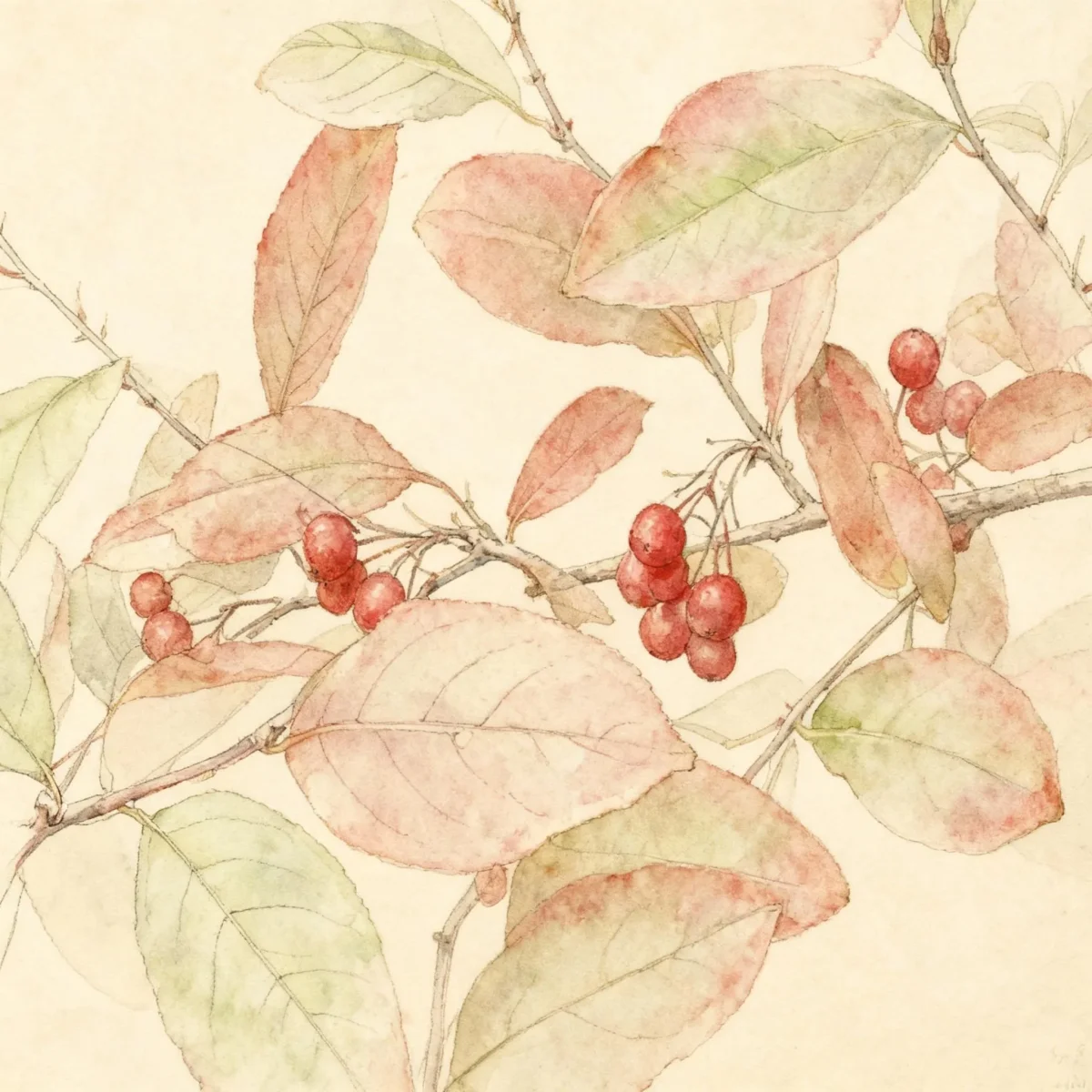
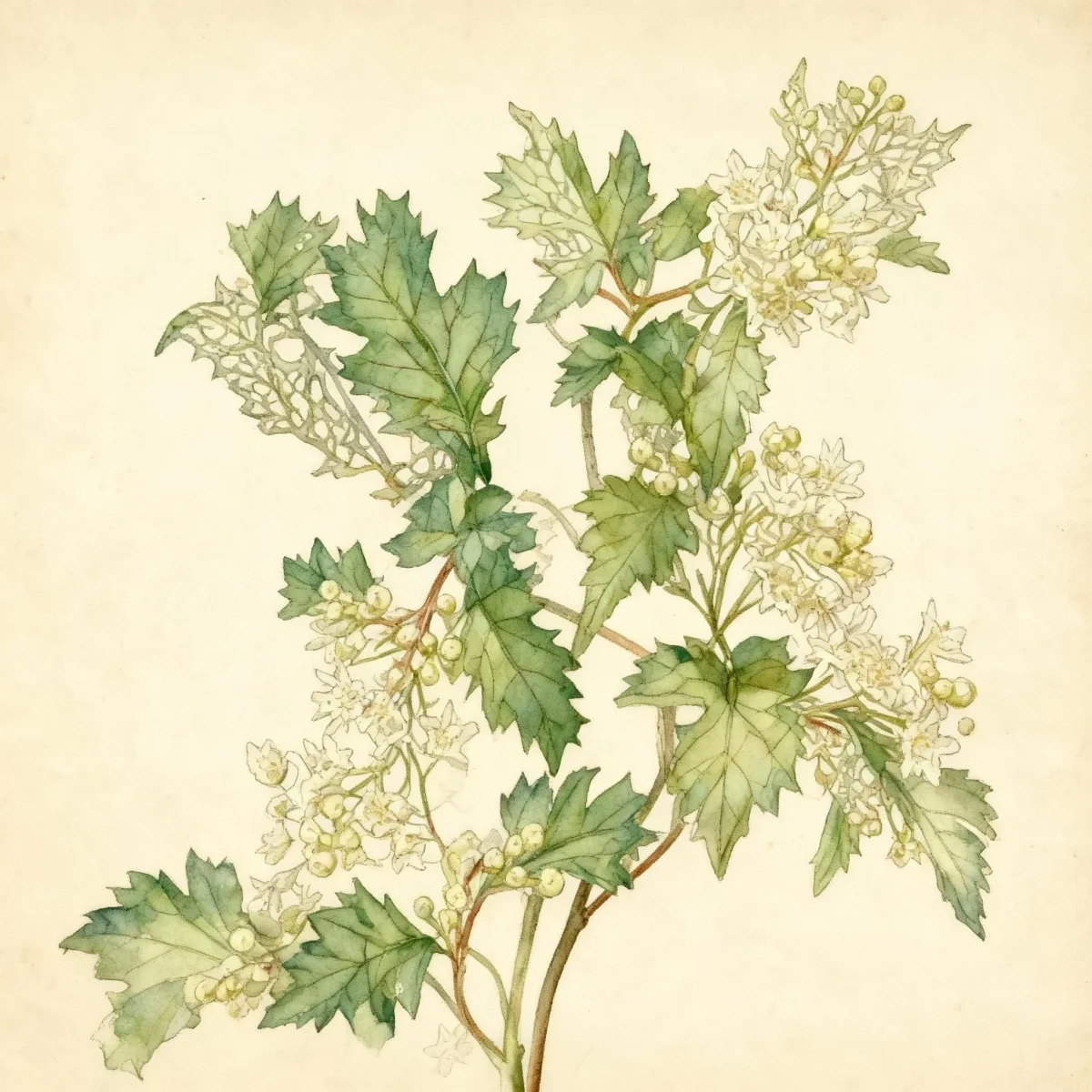
The Lace shrub, scientifically known as Stephanandra incisa ‘Crispa’, offers exceptional texture and form in the landscape, often acting as an underutilized ground cover. This cultivar is a dense, mounding, deciduous shrub valued for its graceful, arching branches that often weave and root where they touch moist soil. Its primary ornamental appeal lies in its deeply incised, bright green leaves that provide excellent contrast before transforming into attractive yellow and orange hues in autumn.
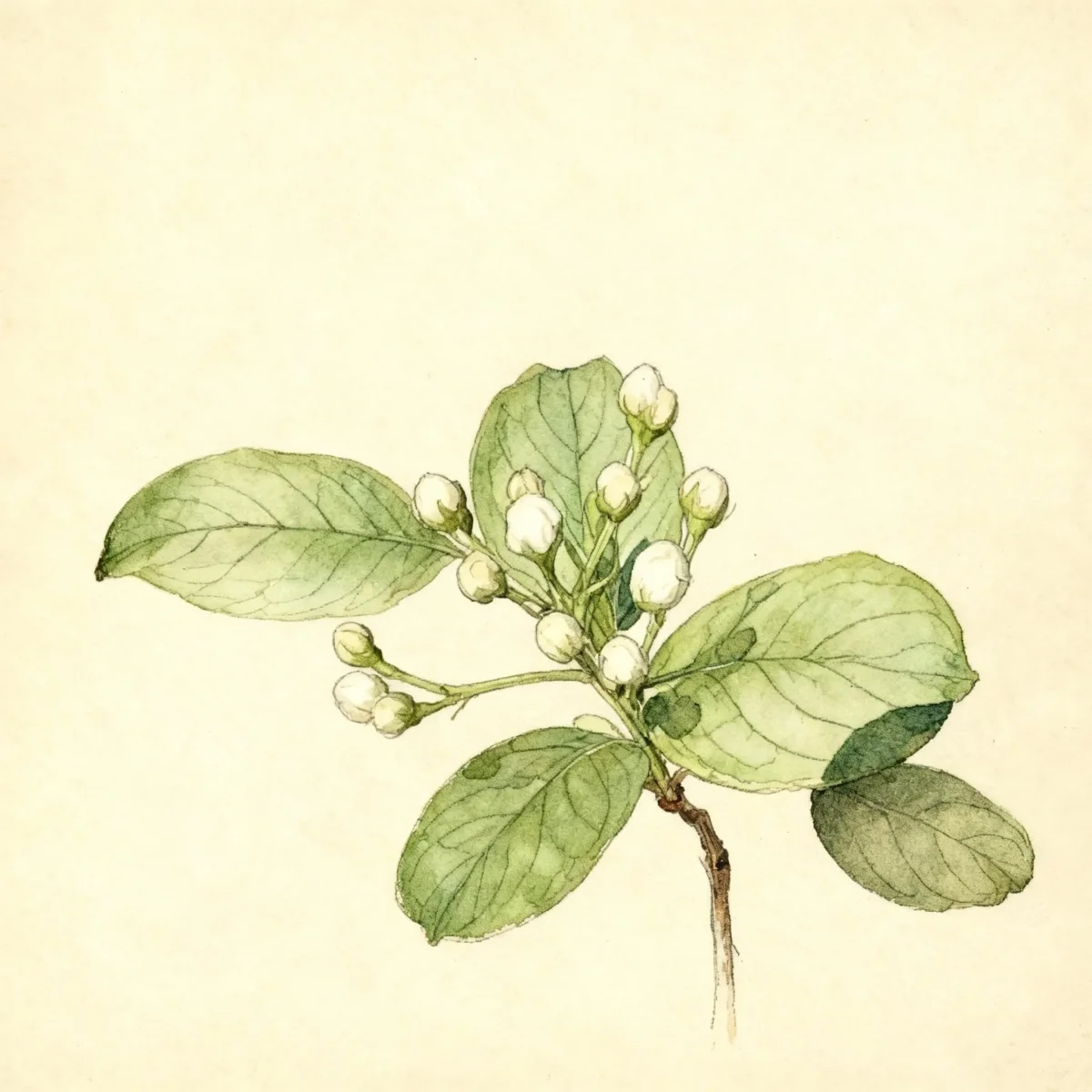
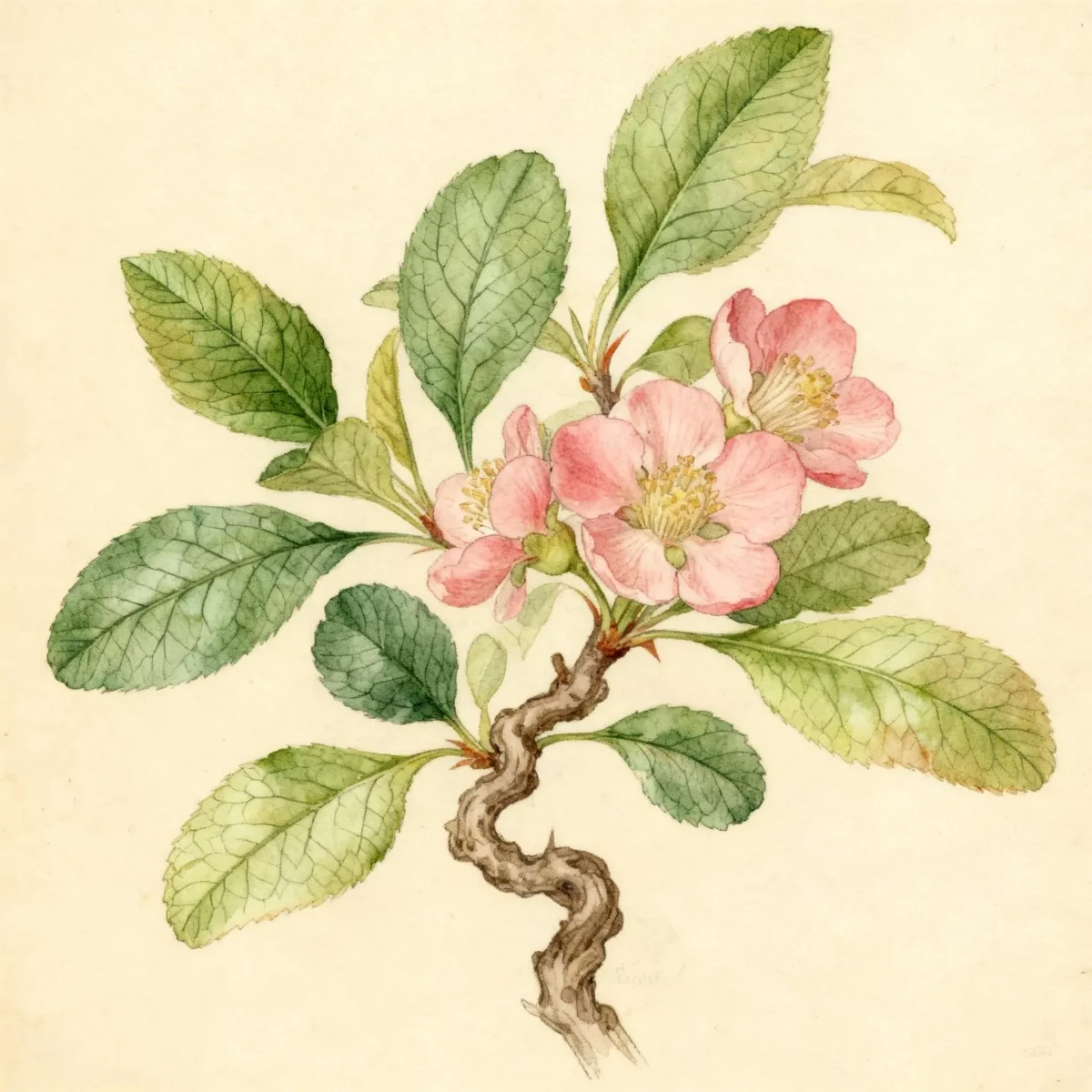
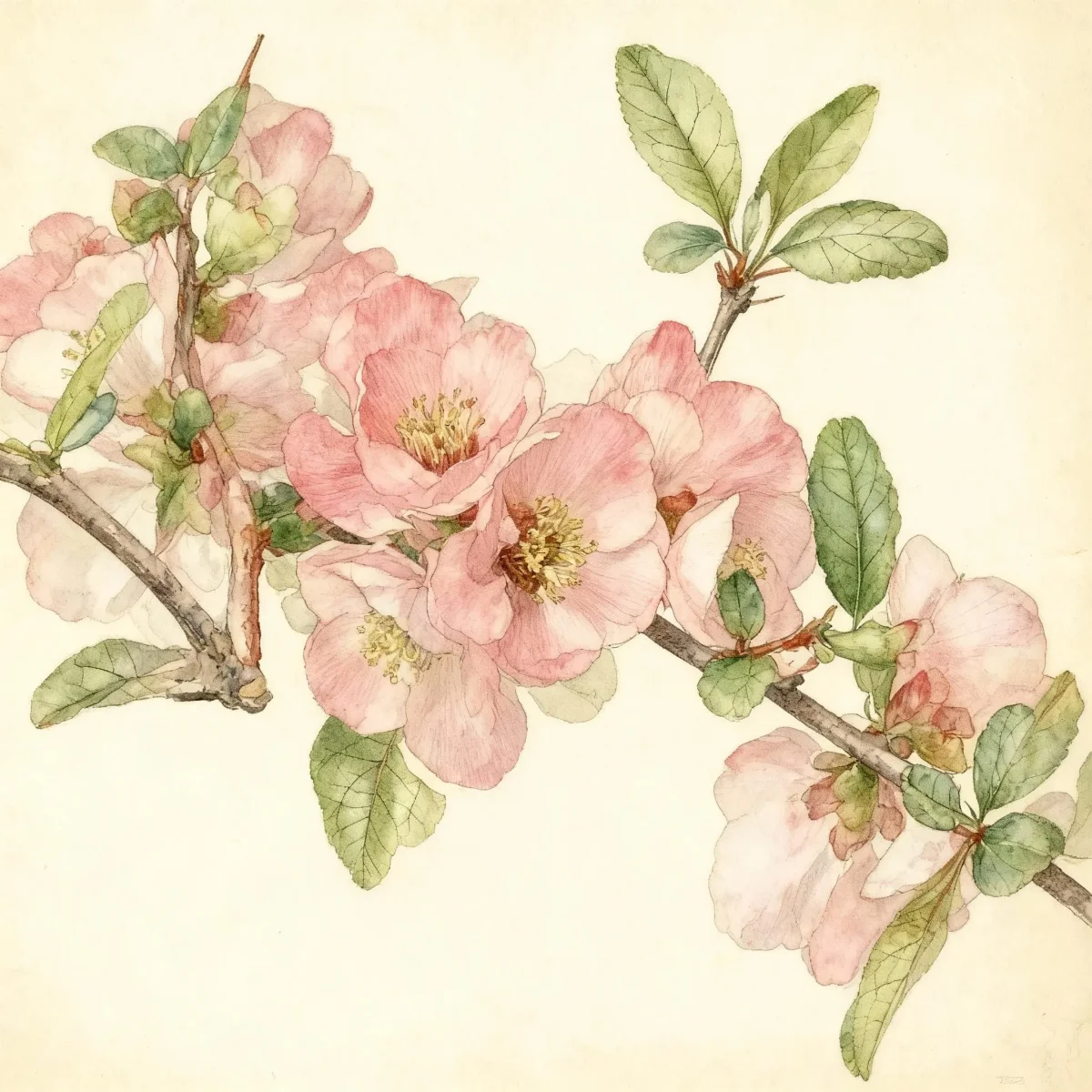
Stephanandra incisa ‘Crispa’ spreads readily, making it highly effective for covering slopes where its rooting branches help stabilize the soil. While it produces tiny, star-shaped, yellowish-white flowers in late spring, the structure and foliage are the main attraction, giving the Lace shrub a delicate, finely cut appearance that justifies its common name. Gardeners appreciate this plant for its low maintenance needs and adaptability across a wide range of light conditions.
Fast Facts
- Plant Family: Rosaceae
- Plant Type: Deciduous shrub
- Hardiness Zones: USDA Zones 4-7
- Size at Maturity:
- Height: 1-3 ft
- Spread: 1-4 ft
- Bloom Time: May to June
- Bloom Description: Yellowish white
- Sun Exposure: Full sun to part shade
- Water Needs: Medium
- Maintenance Level: Low
How to Grow
Planting the Lace shrub is best done when dormant, either in early spring or late fall, ensuring it receives average, medium, well-drained soil. Although tolerant of various conditions, Stephanandra incisa ‘Crispa’ thrives best when sited in full sun to partial shade and provided with moist, acidic, well-composted soils. Adding organic matter at planting time will help encourage healthy establishment.
Once established, care for this shrub is minimal. Provide medium watering, especially during dry spells, though established plants are generally resilient. Pruning should typically occur in late winter to shape the plant or control excessive spread. If the natural arching habit is preferred, gardeners may opt to shear lightly in late spring rather than performing heavier structural pruning.
In ideal, moist conditions, the plant will exhibit vigorous spreading via root suckers and by stems rooting where they contact the ground. If this spreading is undesirable for a tight border, you must proactively prune the rooting tips. Monitor for the best fall color displays, which are often achieved when the plant receives adequate sun exposure.
Landscape Uses
Stephanandra incisa ‘Crispa’ excels in roles where durable, low-growing coverage is required. Use it extensively as a dense, shrubby ground cover, particularly effective on banks and slopes where its spreading habit provides vital erosion control. As a foundation plant, it functions as an excellent, easily maintained ‘facer,’ keeping its neat, mounding size without obscuring low windows or siding.
Due to its fine texture, the Lace shrub pairs well with coarser-leaved perennials or shrubs for a dynamic visual effect. Consider planting near plants that thrive in similar acidic soil conditions, perhaps alongside low-growing azaleas or rhododendrons in part shade settings for textural contrast, or use its bright foliage to contrast deep green evergreens in full sun areas. Its usefulness as a very low hedge also allows for subtle border definition without the rigidity of formal hedging materials.
Standout Features
Flower Qualities
- Showy
Noteworthy Characteristics
This cultivar is a dense, mounding, low-growing, deciduous shrub which typically grows 1-2’ tall (less frequently to 3’) and spreads to 4’ wide. Maple-like, deeply incised, bright green leaves (to 3” long) turn yellow and orange in autumn. Foliage and the arching habit, where branches tend to weep downward and root at the tips, are perhaps the best ornamental features of the Stephanandra incisa ‘Crispa’.
Tolerances
- Erosion
Potential Problems
Gardeners will find the Lace shrub reliably pest-free, as it rarely suffers from serious insect or disease problems. This robust nature contributes significantly to its low maintenance profile, meaning less time scouting for infestations and more time enjoying its texture. Proactive maintenance involves only judicious pruning to control its natural tendency to sprawl.
Frequently Asked Questions
What hardiness zones is Lace shrub suitable for?
The Stephanandra incisa ‘Crispa’ thrives across a good range of climates, suitable for USDA Zones 4 through 7.
How large does Stephanandra incisa ‘Crispa’ grow?
This compact shrub typically maxes out at 1 to 3 feet tall, spreading horizontally between 1 and 4 feet wide, creating a dense, low mat.
What sun exposure does Lace shrub need?
For best performance, including good fall color, Stephanandra incisa ‘Crispa’ prefers full sun to part shade conditions.
When does Stephanandra incisa ‘Crispa’ bloom?
The Lace shrub produces its yellowish white flowers in loose clusters, flowering generally from May into June.
Companion Planting
When selecting neighbors for Stephanandra incisa ‘Crispa’, focus on species that share its preference for medium moisture and well-drained soil. To enhance the textural interest, pair it with low-growing plants that have bold, large leaves. Hostas, particularly the more sun-tolerant varieties, can provide excellent leaf contrast, especially if sited where the Lace shrub receives afternoon shade. In sunnier banks where erosion control is paramount, complement the shrub with creeping groundcovers like low-growing sedums or hardy thyme, ensuring they do not aggressively compete for resources.
Design Ideas
The weeping habit of the Stephanandra incisa ‘Crispa’ makes it an interesting candidate for specialized planting locations beyond typical shrub borders. Consider planting it near the edge of a retaining wall or large boulder arrangement where the arching branches can gently drape over the edge, softening hard lines in the landscape design. Its low stature also makes it an ideal visual buffer planted directly in front of larger, taller shrubs, ensuring that the lower foliage of those backdrop plants remains visible and unblocked.
Conclusion
For gardeners seeking a low-effort groundcover that delivers year-round texture, the Lace shrub is an outstanding choice. Its dedication to dense, mounding form and excellent fall color ensures visual interest long after the small flowers fade. Before planting, confirm your site falls within USDA Zones 4-7 and ensure the soil offers good drainage for the best performance from your new Stephanandra incisa ‘Crispa’.