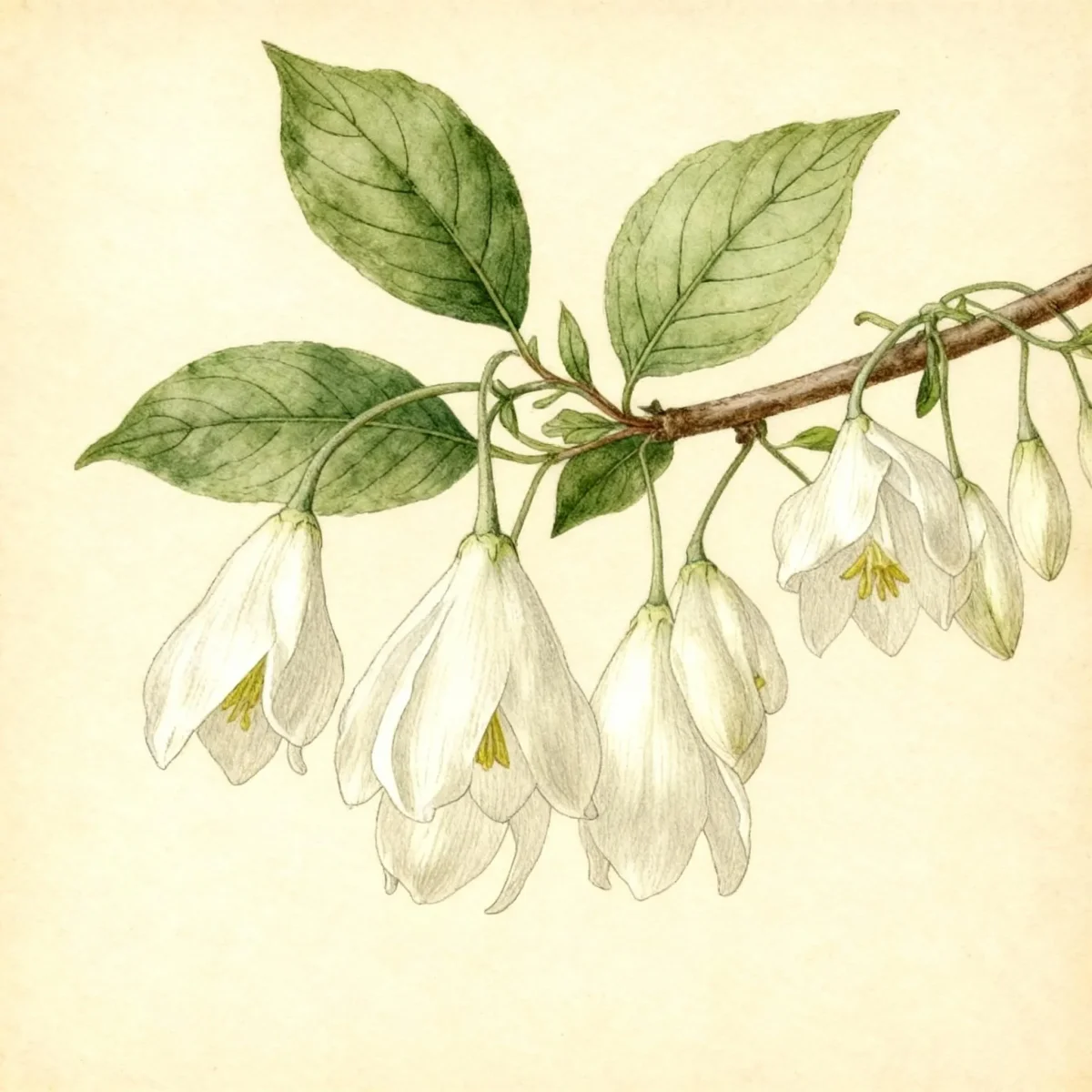
Japanese snowbell (Styrax japonicus 'Carillon')
The Styrax japonicus 'Carillon' is a weeping deciduous shrub offering fragrant white blooms in late spring. Hardy in Zones 5-9.
Scroll down to discover growing tips, care requirements, companion plants, and more
Complete Plant Information
Overview
Styrax japonicus ‘Carillon’ captivates gardeners with its elegant, weeping habit, distinguishing it from the standard upright Japanese snowbell. This cultivar forms a large shrub, perfect for providing high visual interest when its pendulous clusters of waxy white flowers appear in late spring. The blossoms are notably fragrant, adding a sensory layer to the landscape.
As a compact deciduous shrub, the Japanese snowbell (‘Carillon’) offers structure across three seasons. While the spring bloom is its signature feature, its spreading, layered branches create unique architectural interest even in winter. It offers reliable performance across a wide range of growing environments.
The value of this plant lies in its manageable size for a small-yard specimen and its exceptional floral display. Planting Styrax japonicus ‘Carillon’ ensures you have a specimen tree or large shrub that performs reliably, providing both color and sweet fragrance when many other spring bloomers are fading.
Fast Facts
- Plant Family: Styracaceae
- Plant Type: Deciduous shrub
- Hardiness Zones: USDA Zones 5-9
- Size at Maturity:
- Height: 8-12 ft
- Spread: 8-12 ft
- Bloom Time: May to June
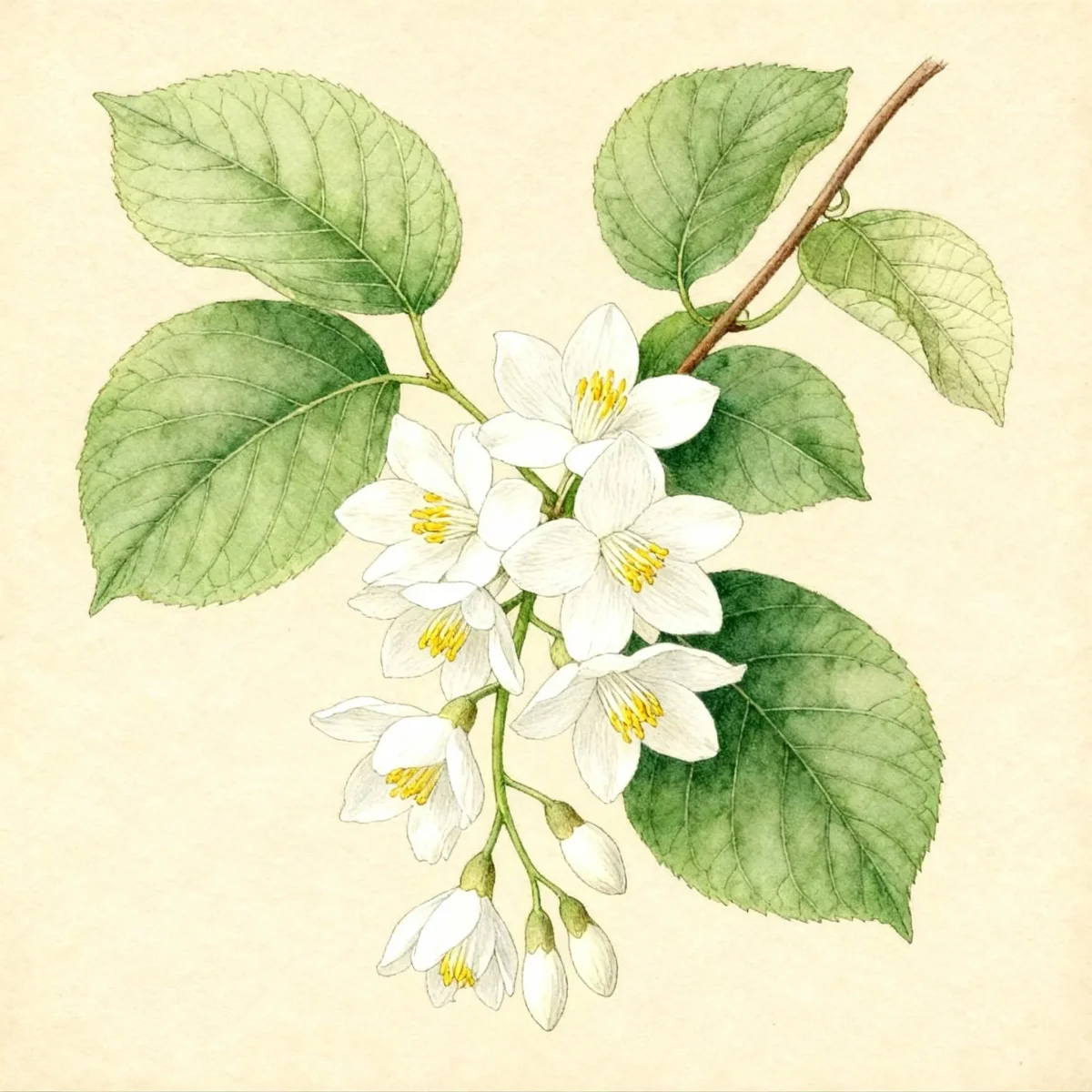
- Bloom Description: White with showy yellow stamens
- Sun Exposure: Full sun to part shade
- Water Needs: Medium
- Maintenance Level: Medium
How to Grow
Start planning placements for your Styrax japonicus ‘Carillon’ by prioritizing soil conditions. Best results are achieved when the plant is situated in organically rich, acidic, medium moisture, well-drained soils. Aim for a location that receives full sun to partial shade; while it needs brightness to flower well, afternoon shade can protect foliage in the hottest climates.
Watering needs for the Japanese snowbell are best met by keeping the soil consistently moist but never soggy. Establish a deep, thorough watering schedule, especially during dry spells, as this plant dislikes drying out completely. Fertilizing is usually unnecessary if the soil remains rich organically, but a spring application of a balanced slow-release fertilizer can support vigorous growth.
Pruning for Styrax japonicus ‘Carillon’ should be done judiciously. The ideal time to prune is in the winter while the plant is dormant, primarily to shape the weeping structure or remove crossing branches. Avoid heavy summer pruning, as this can stress the shrub.
Landscape Uses
The weeping habit of Styrax japonicus ‘Carillon’ makes it an exceptional specimen plant when positioned where its form can be appreciated, such as near a patio or entryway. Its moderate size (8-12 feet tall and wide) prevents it from overwhelming smaller spaces, yet it creates significant focal impact. Consider placing it against a dark background, like an evergreen hedge, to make the white spring flowers truly pop.
For borders, the Japanese snowbell works well as a mid-story planting underneath taller trees in open woodland gardens. Its requirement for well-drained, acidic soil pairs well with other acid-lovers like rhododendrons, azaleas, or Japanese maples. Use it to soften structural lines in the garden design while introducing seasonal fragrance.
This superb shrub is also perfectly suited as a lawn specimen, allowed to develop its natural, wide-spreading canopy. Its visual interest carries through the season, transitioning from bloom to green foliage, and finally, attractive winter structure.
Standout Features
Flower Qualities
- Showy
- Fragrant
Noteworthy Characteristics
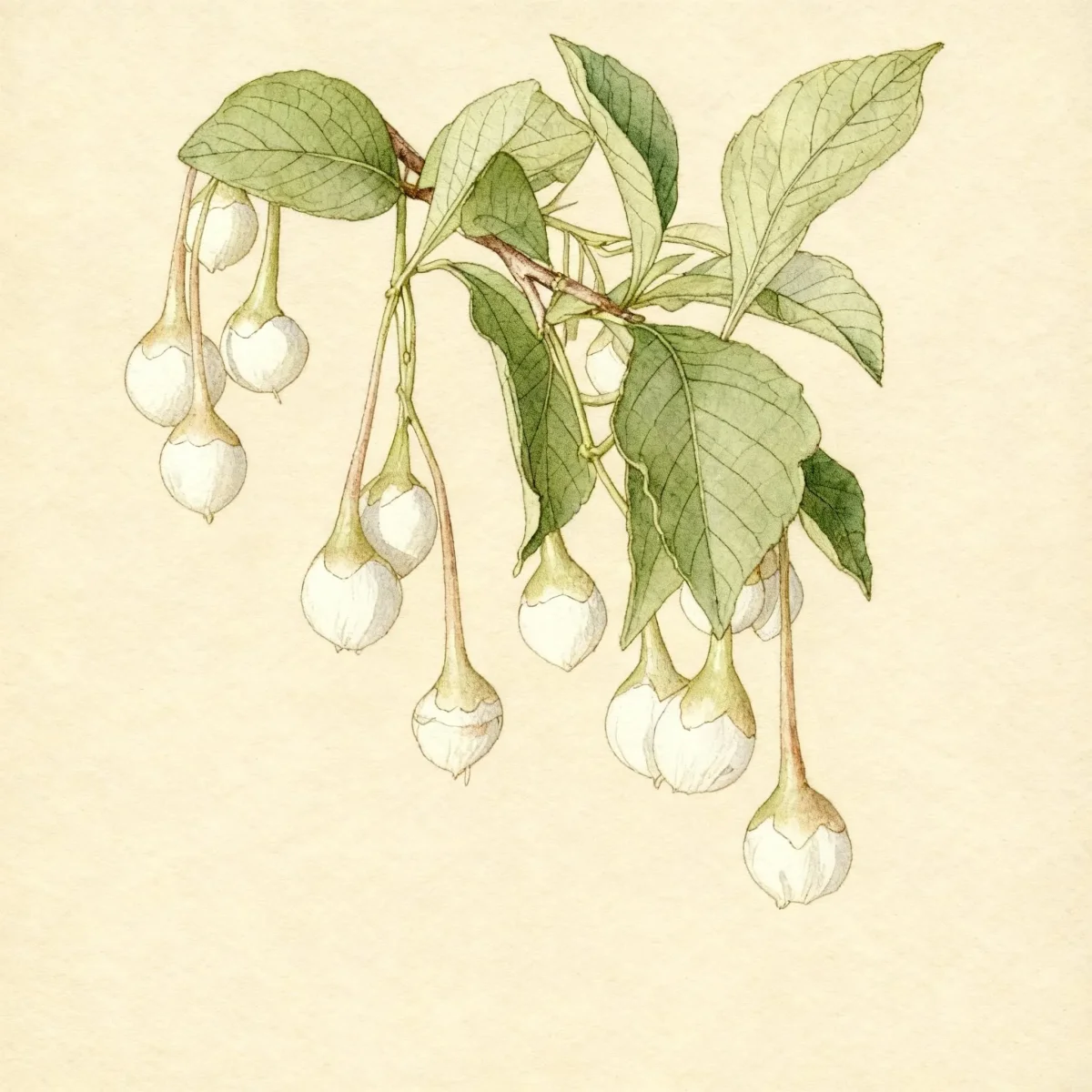
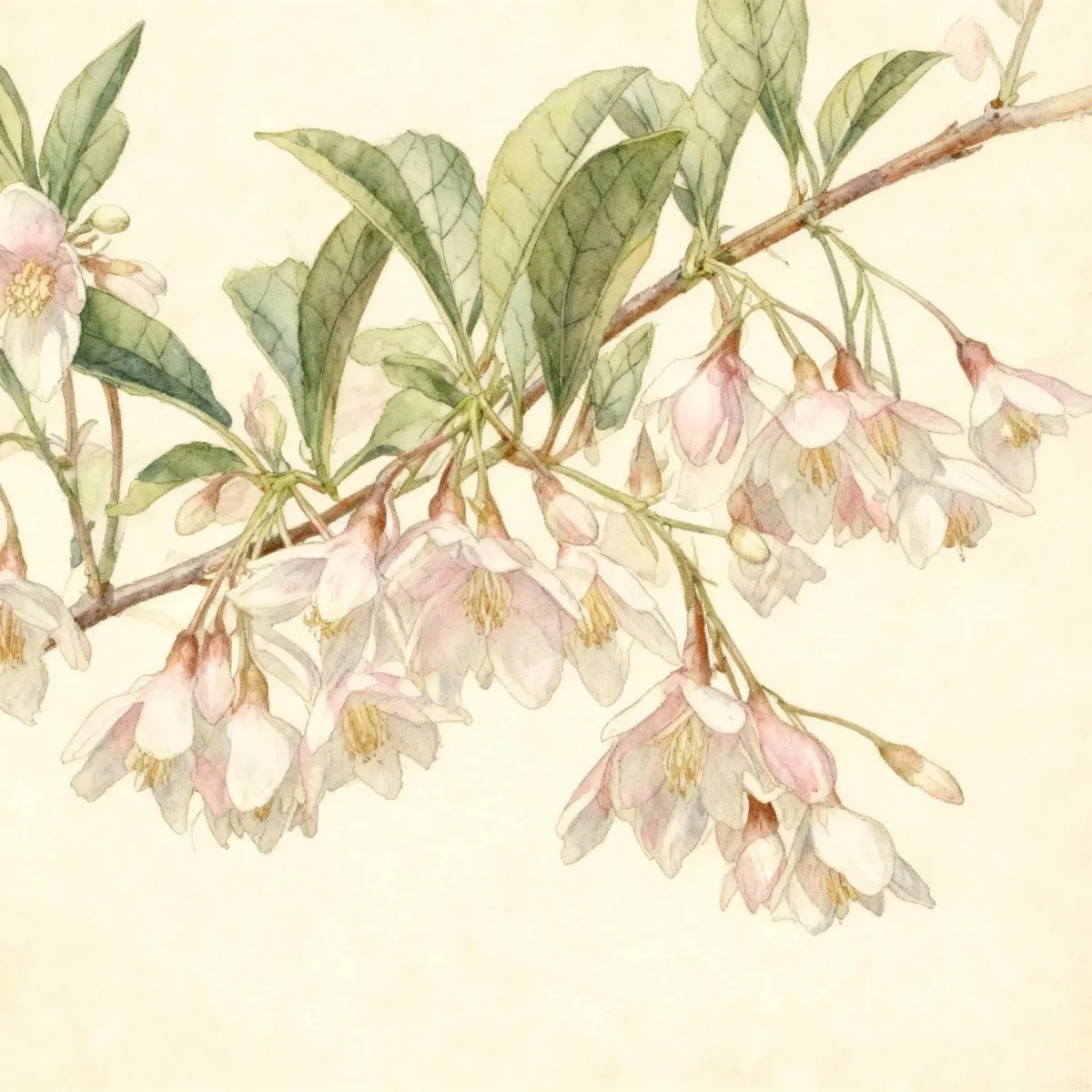
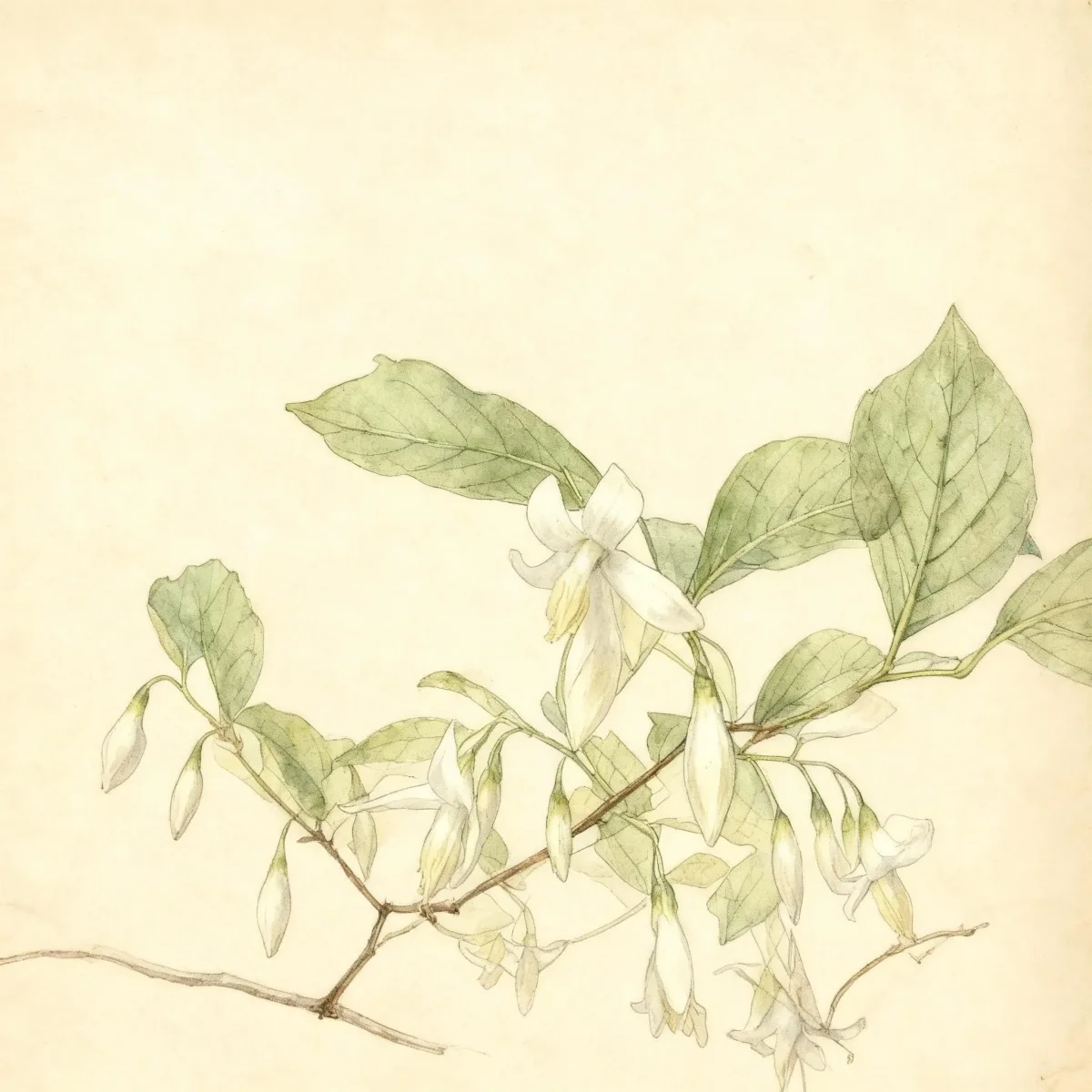
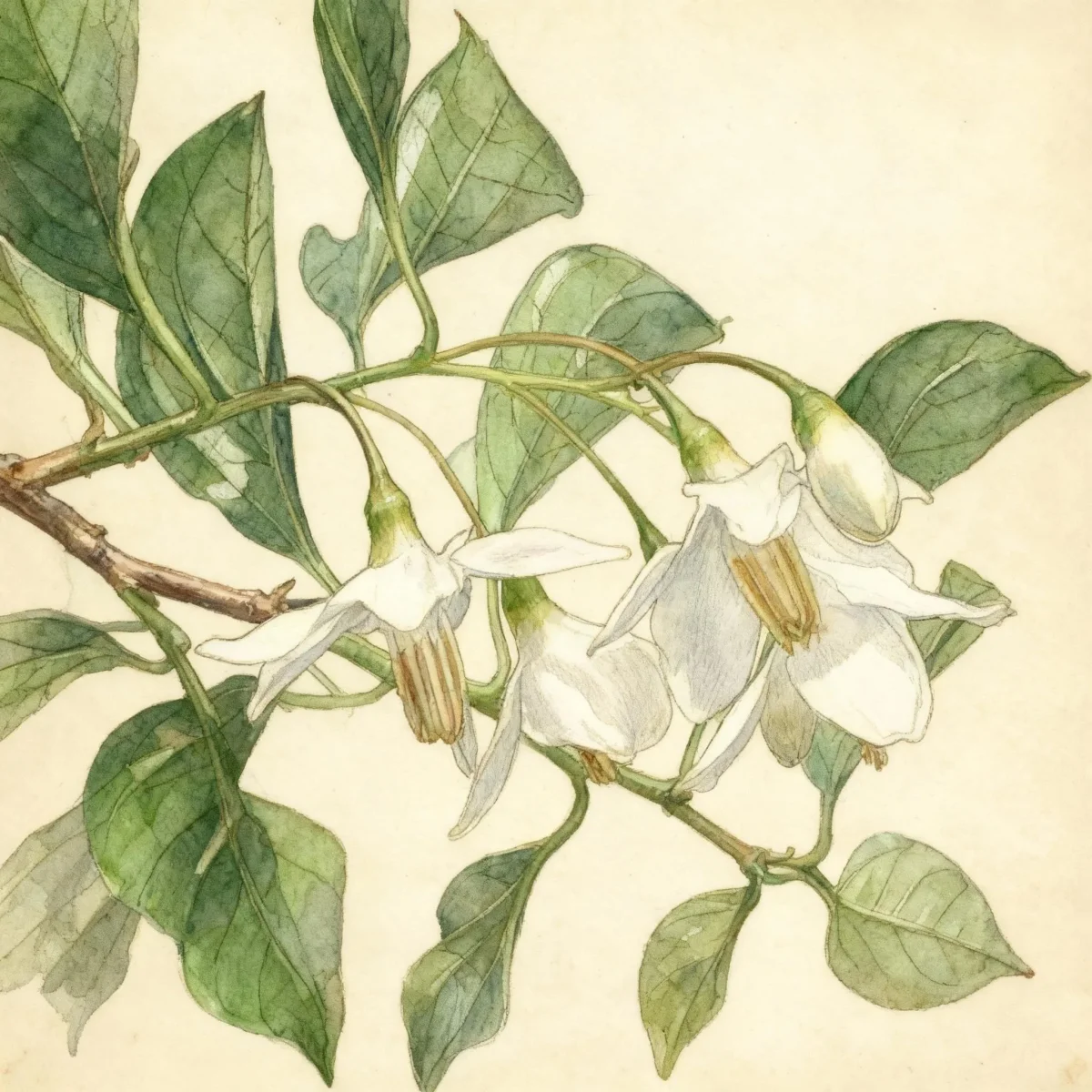
The species, Styrax japonicus, is known as Japanese snowbell, and the cultivar ‘Carillon’ presents a large shrub with characteristically wide-spreading, weeping branches. It is noted for its pendulous clusters of bell-shaped, waxy white flowers that bloom profusely in May and June, often highlighted against the foliage due to their drooping nature. Beyond the flowers, older bark fissures reveal attractive orange inner bark, adding winter curiosity to this desirable specimen.
Tolerances
No specific tolerances were listed in the provided data.
Potential Problems
The great news for gardeners is that pests and diseases are rarely serious issues for Styrax japonicus ‘Carillon’. This reliability contributes significantly to its low maintenance rating. Generally, good cultural practices—like ensuring proper drainage and avoiding planting in overly harsh or exposed locations—are the best form of prevention.
If root rot is suspected due to poor drainage, immediate corrective action to amend the soil structure is necessary, as this is the most common issue when water needs are neglected. Healthy, established shrubs typically resist most common insect infestations found in the garden.
Frequently Asked Questions
What hardiness zones is Japanese snowbell suitable for?
Styrax japonicus ‘Carillon’ performs best when planted within USDA Hardiness Zones 5 through 9. Ensure your planting location experiences appropriate winter chilling without extreme cold snaps.
How large does Styrax japonicus ‘Carillon’ grow?
This cultivar typically matures into a shrub form, reaching a height between 8 and 12 feet, with an equal spread between 8 and 12 feet wide.
When does Japanese snowbell bloom?
The beautiful flowering period for this shrub occurs in late spring, running from May into June, where it displays white flowers with eye-catching yellow stamens.
What sun exposure does Styrax japonicus ‘Carillon’ need?
For optimal flowering and health, plan to site your Japanese snowbell where it receives full sun to part shade exposure.
Conclusion
The Styrax japonicus ‘Carillon’ offers unparalleled architectural beauty through its weeping form and sweetly fragrant late-spring flowers. This Japanese snowbell is a relatively low-maintenance choice offering high ornamental rewards, making it a mainstay for discerning gardeners. Assess your soil acidity and drainage, and plant this exceptional weeping shrub during the fall or early spring for best establishment.
Companion Planting
Selecting companions that share the need for acidic, rich, consistently medium-moist soil will ensure the longevity and vibrancy of your Styrax japonicus ‘Carillon’. Consider planting lower-growing, acid-loving ericaceous shrubs nearby, such as dwarf varieties of Pieris (Andromeda) or low-mound Camellias if your climate permits.
These companions act as living mulch, helping to shade the soil, which keeps the roots of the Japanese snowbell cooler and minimizes moisture loss, respecting its medium water needs. Furthermore, perennial groundcovers like Hellebores or Astilbe thrive in similar dappled light conditions found under the spreading canopy of a mature ‘Carillon.‘
Seasonal Care Calendar
For spring renewal, ensure the soil around the base of your Styrax japonicus ‘Carillon’ is refreshed with a layer of organic compost or shredded leaves; this feeds the shrub and conserves moisture. Summer management centers specifically on consistent watering, especially during heatwaves, keeping the soil damp but avoiding saturation.
As fall approaches, monitoring for color change is useful, though this specific cultivar’s foliage often remains green before dropping. Winter is the ideal time for structural maintenance; address any errant or crossing branches by pruning the dormant shrub so that the spring growth highlights its natural weeping pattern. Address potential frost heaving in newly planted specimens by checking mulch levels before the heavy freeze.