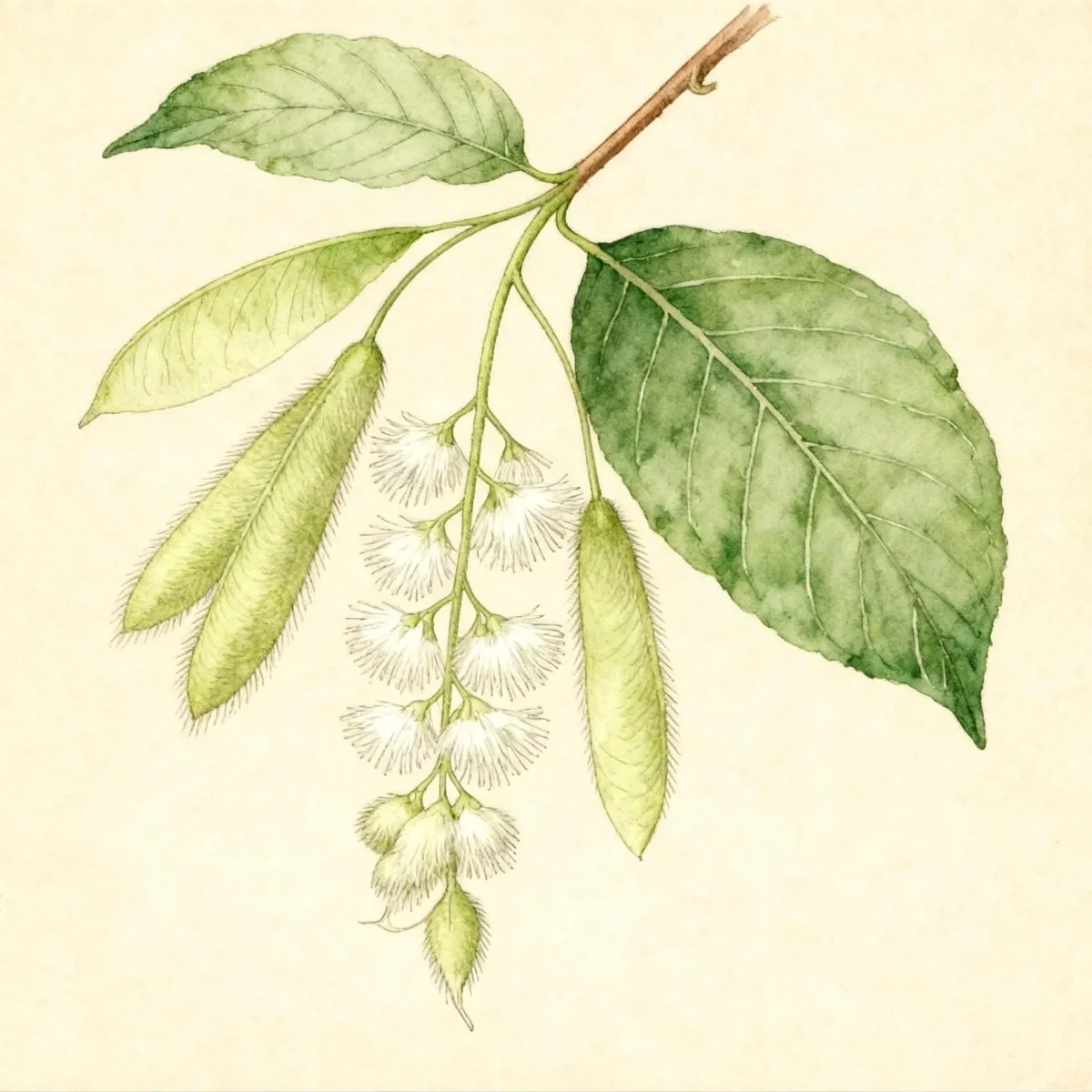
Snowbell (Styrax japonicus (Benibana Group) 'Pink Chimes')
Styrax japonicus (Benibana Group) 'Pink Chimes' is a showy, fragrant Snowbell tree offering lovely pink blooms in May for zones 5-8.
Scroll down to discover growing tips, care requirements, companion plants, and more
Complete Plant Information
Overview
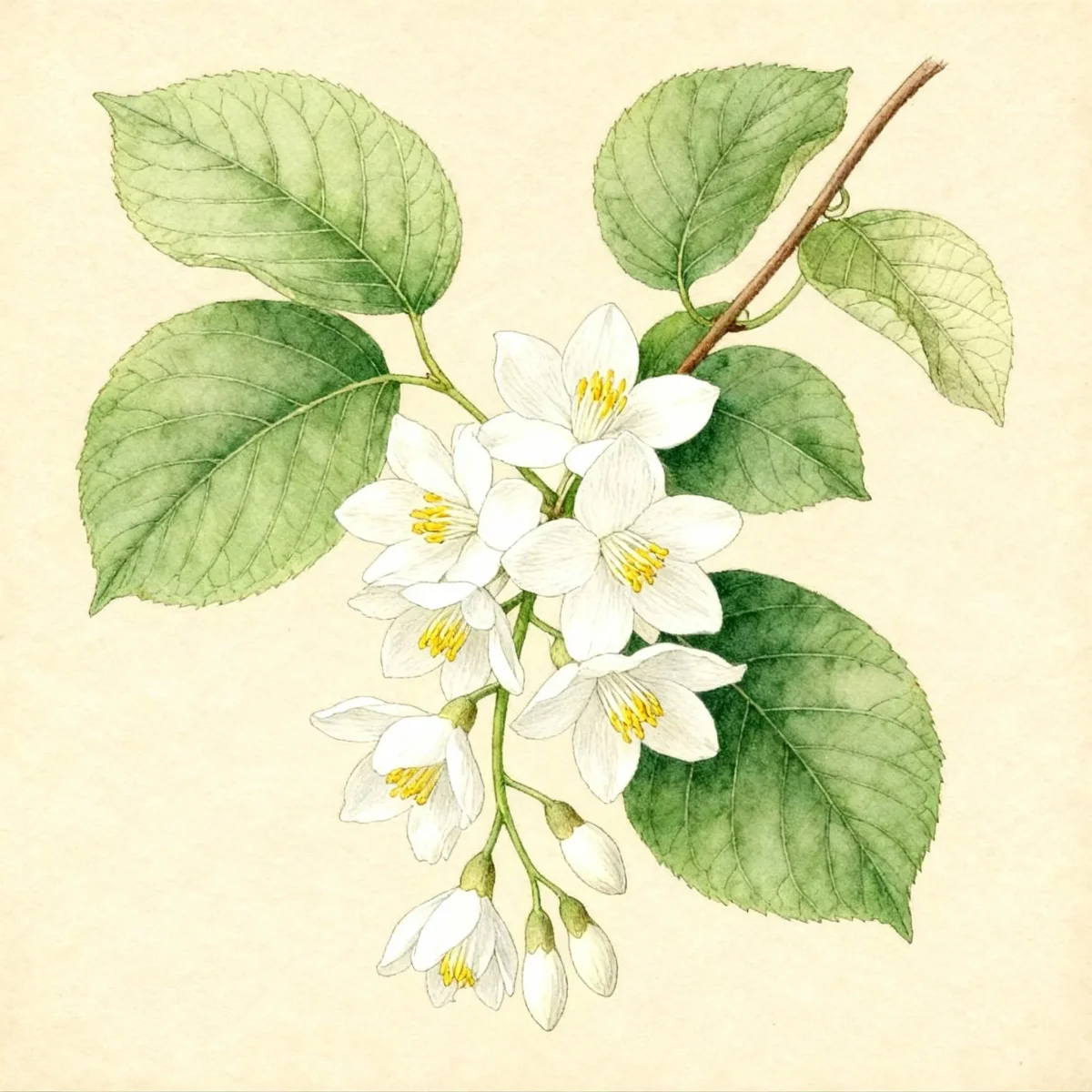
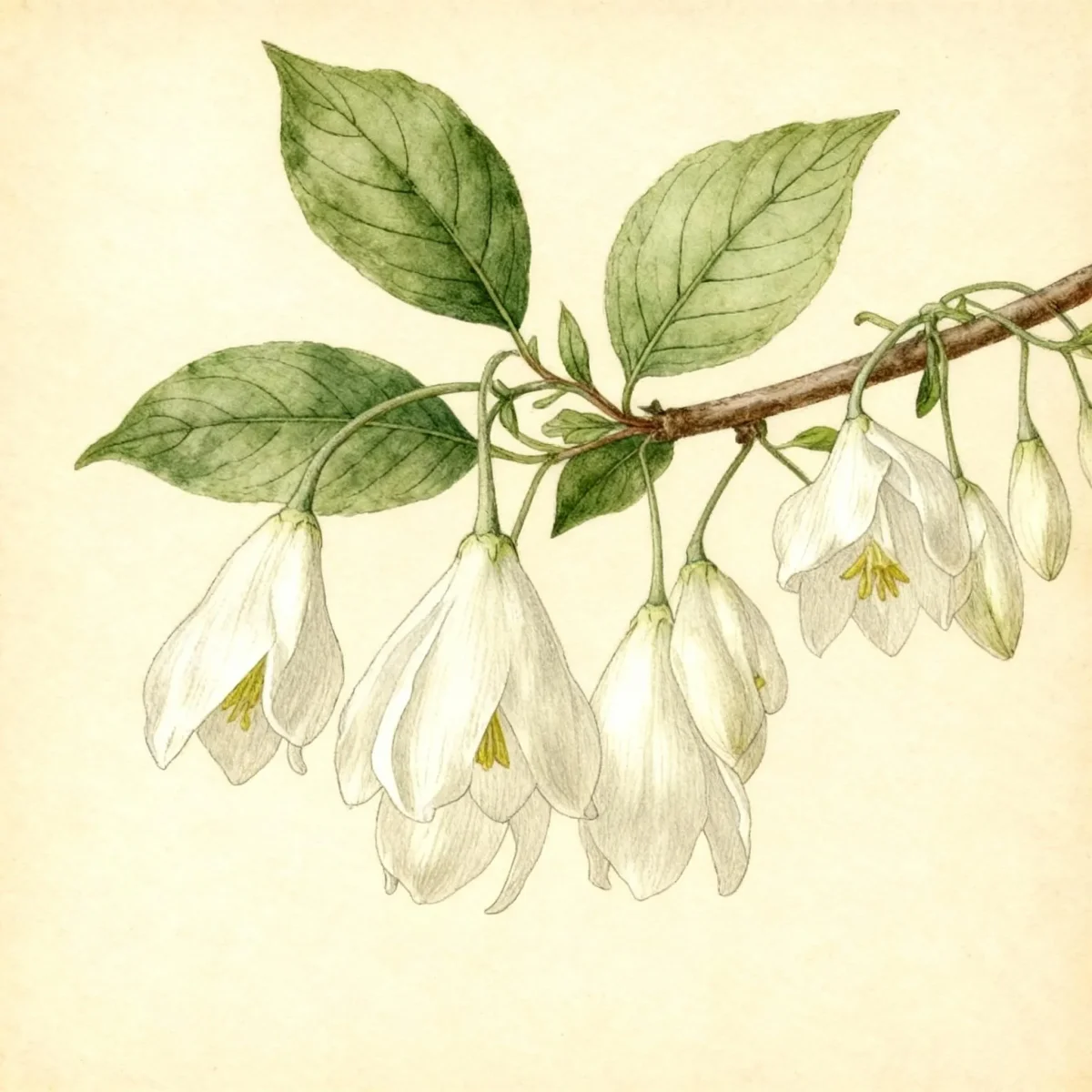
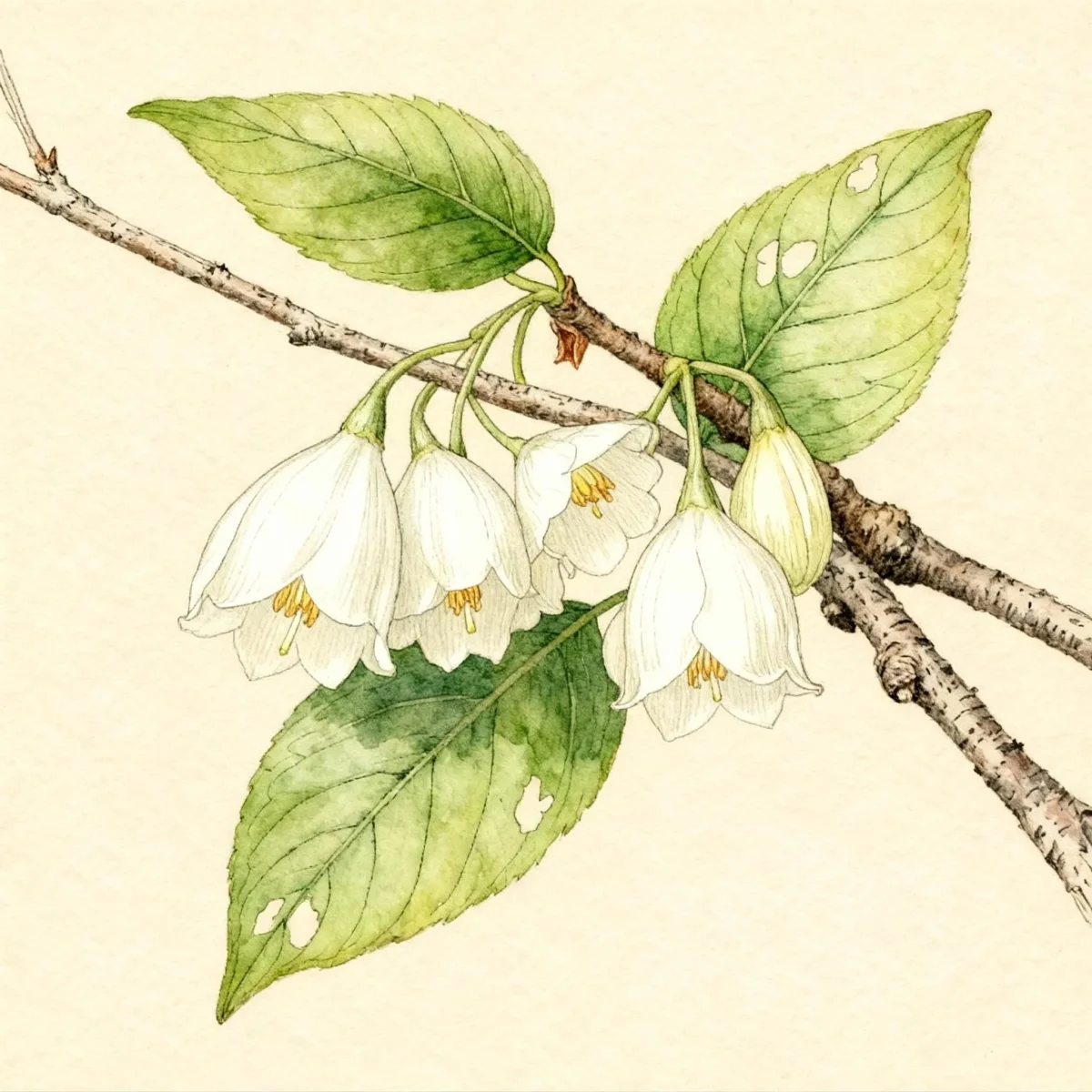
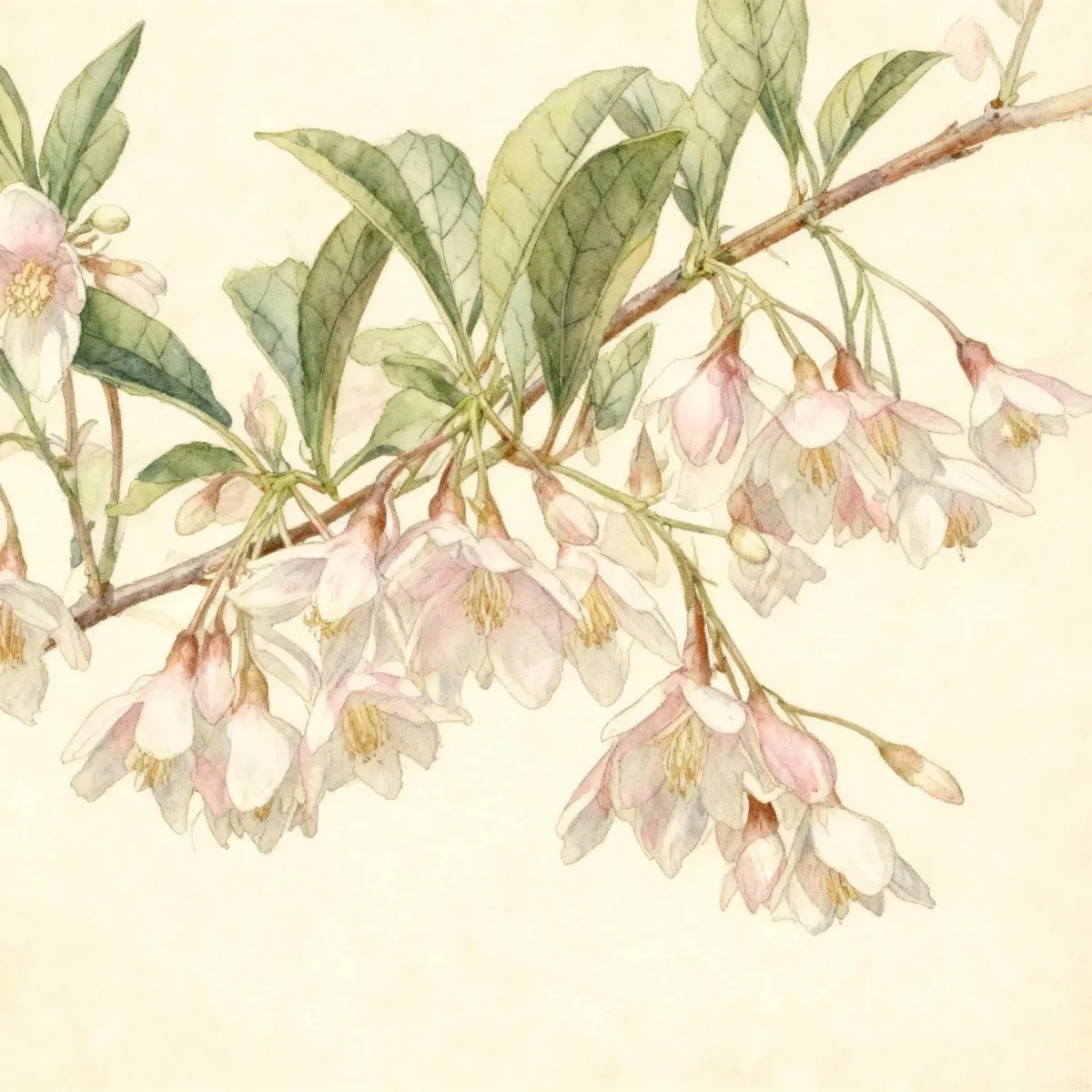
Styrax japonicus (Benibana Group) ‘Pink Chimes’, commonly known as Snowbell, is a distinguished cultivar valued for its graceful structure and appealing late spring coloration. Unlike the pure white forms, ‘Pink Chimes’ features delicately shaded pale pink, bell-shaped flowers, making it a standout flowering tree in temperate landscapes. This compact, deciduous specimen develops captivating horizontal branching, lending an elegant, weeping silhouette as it matures.
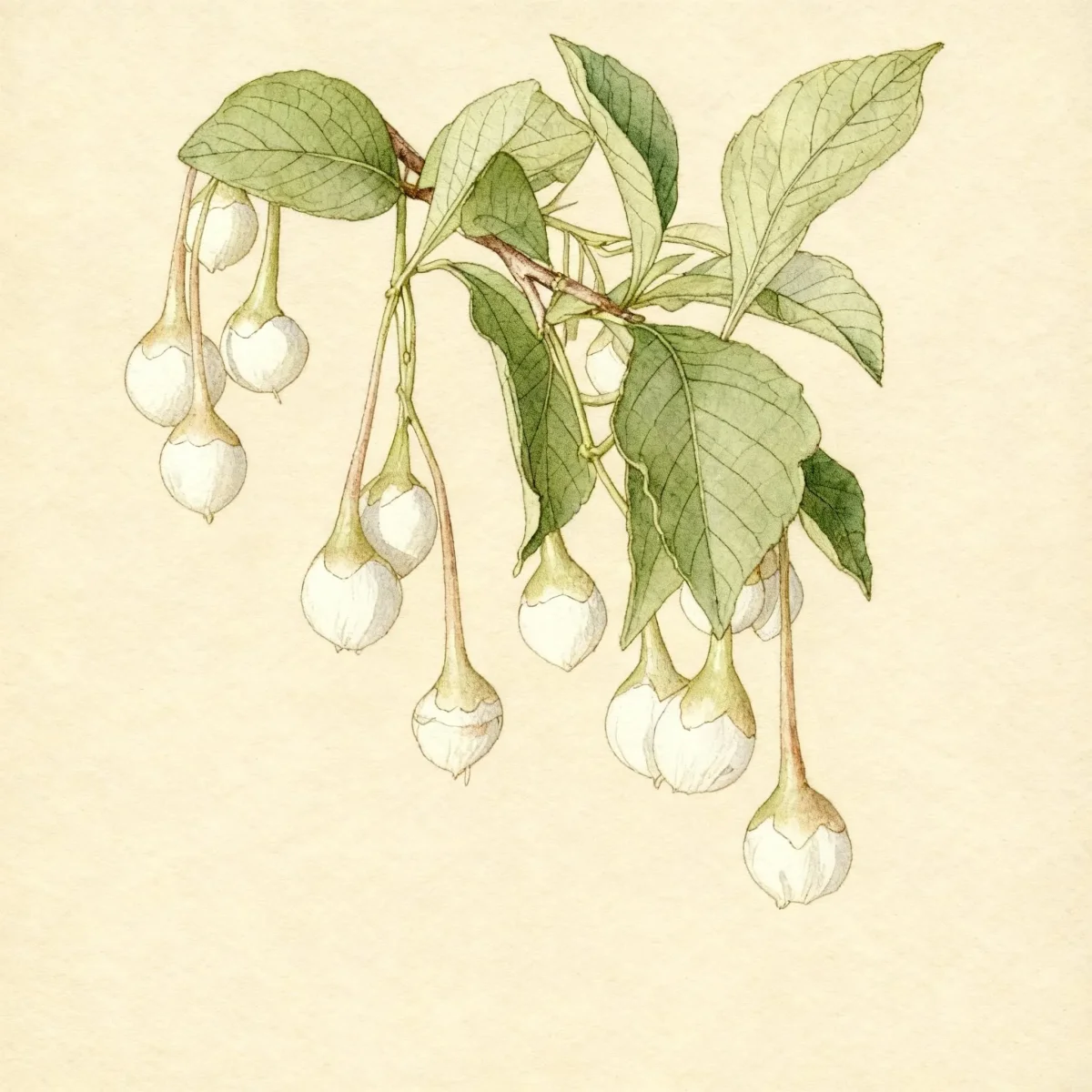
This Snowbell variety thrives when provided consistent care, reaching heights and spreads between 15 to 25 feet. Its flowers dangle attractively, and the resulting fruit often remains visible into the late autumn, adding textural interest long after blooms fade. The winter landscape is subtly enhanced by aging bark that fissures to reveal an attractive orange inner layer.
Incorporating Styrax japonicus (Benibana Group) ‘Pink Chimes’ into your garden provides reliable shade structure alongside seasonal ornamental appeal. Its moderate size makes it an excellent accent or specimen plant where larger trees might overwhelm the space, offering gardeners a sophisticated focal point through spring and summer.
Fast Facts
- Plant Family: Styracaceae
- Plant Type: Tree
- Hardiness Zones: USDA Zones 5-8
- Size at Maturity:
- Height: 15-25 ft
- Spread: 15-25 ft
- Bloom Time: May
- Bloom Description: Pink
- Sun Exposure: Full sun to part shade
- Water Needs: Medium
- Maintenance Level: Medium
How to Grow
Planting Styrax japonicus (Benibana Group) ‘Pink Chimes’ is best achieved in the spring or early fall, allowing the roots time to establish before temperature extremes. Success hinges on providing organically rich, acidic, medium-moisture soils that are exceptionally well-drained. Ensure the planting site receives unfiltered or dappled sunlight; while it tolerates part shade, full sun encourages better flowering, provided soil moisture remains consistent.
Watering should be maintained at a medium level, especially through the first few growing seasons. Avoid letting the roots dry out completely, as this species dislikes drought once established. Fertilization is usually unnecessary if the soil is prepared correctly with ample organic matter; excessive feeding can promote weak, leggy growth over attractive flowering.
Routine care involves pruning only as needed during the winter dormancy period to shape the tree or remove crossing branches. This compact tree does not typically require aggressive pruning. Keep the base mulched to conserve the essential medium soil moisture and maintain the slightly acidic pH that promotes robust health for your Snowbell specimen.
Landscape Uses
The distinctive form of Styrax japonicus (Benibana Group) ‘Pink Chimes’ lends itself perfectly to use as a lawn specimen, immediately drawing the eye with its elegant, layered branches. It functions beautifully as a transitional specimen near the edge of woodland plantings, especially if planted in open woodland gardens where it can receive filtered light above it. Furthermore, this tree is an excellent slow-growing addition to shrub borders, providing necessary vertical structure that contrasts well with lower-growing perennials.
Designers often utilize the Snowbell to create visual interest in smaller yards where spreading, multi-stemmed trees are preferred over tall, narrow forms. Consider pairing the pale pink blooms of ‘Pink Chimes’ with deep purple foliage shrubs or white-flowering companions for heightened contrast during the spring display. Its refined presence makes it highly effective as a focal point near patios or entryways.
Standout Features
Flower Qualities
- Showy
- Fragrant
Noteworthy Characteristics
Styrax japonicus, called Japanese snowbell, is a compact, deciduous flowering tree with horizontal branching and a rounded crown. It is noted for its pendulous clusters of bell-shaped, mildly fragrant, 5-petaled flowers; for the ‘Pink Chimes’ cultivar, these flowers feature pale pink coloration and prominent yellow stamens. Gray bark fissures on older trees revealing an attractive orange inner layer provide excellent winter interest, complementing the glossy, dark green leaves present during the growing season.
Tolerances
Potential Problems
Styrax japonicus (Benibana Group) ‘Pink Chimes’ generally exhibits strong resistance, showing no serious insect or disease problems under optimal growing conditions. The most common issue arises not from pathogens but from poor siting regarding soil structure. Root issues, fungal problems, or sparse flowering often indicate inadequate soil drainage or an improper pH level, as these trees strictly prefer organically rich, acidic, well-drained media.
Preventative care focuses entirely on cultural compliance. Ensure the planting site avoids heavy clay soils that retain too much water, which can quickly stress the root system of your Snowbell tree. By managing the soil environment correctly—acidic and moist but never soggy—you minimize the minor risks associated with this otherwise robustly healthy tree.
Frequently Asked Questions
What hardiness zones is Snowbell suitable for?
The Styrax japonicus (Benibana Group) ‘Pink Chimes’ variety performs optimally in USDA Hardiness Zones 5 through 8.
How large does Styrax japonicus (Benibana Group) ‘Pink Chimes’ grow?
This cultivar typically matures to a manageable size, reaching between 15 to 25 feet tall and spreading equally wide, making it a perfect small specimen tree.
What sun exposure does Snowbell need?
This tree is adaptable and succeeds in locations ranging from full sun to partial shade, though heavy shade may reduce the intensity of its May bloom.
When does Styrax japonicus (Benibana Group) ‘Pink Chimes’ bloom?
The characteristic bloom time for this Snowbell is May, presenting pendulous clusters of delightful pink flowers.
Conclusion
Styrax japonicus (Benibana Group) ‘Pink Chimes’ is an invaluable landscape asset, offering superb structure and unique pale pink, fragrant flowers, elevating it beyond standard deciduous trees. By ensuring it receives well-drained, acidic soil, gardeners can rely on this Snowbell to provide decades of dependable beauty. Check your local USDA zone compatibility before planning your planting this coming spring or fall.
Companion Planting
When selecting companions for Styrax japonicus (Benibana Group) ‘Pink Chimes’, focus on plants that share the preference for acidic, moist, and well-drained soil conditions. Broadleaf evergreens like Rhododendrons or Azaleas thrive in similar environments, providing evergreen structure that contrasts beautifully against the weeping form of the Snowbell tree during winter dormancy.
For groundcover beneath the tree’s canopy, consider shade-tolerant ferns such as Japanese Painted Ferns, whose delicate textures complement the tree’s fine branching habit. These companions help maintain consistent soil moisture and cool root temperatures, which is key to preventing stress on your pink-flowering Styrax japonicus.
Seasonal Care Calendar
Spring is the critical time for observation; as the tree breaks dormancy, confirm that the new growth is vigorous. Monitor for signs of drying out, increasing water availability if the spring is unusually dry to support the burgeoning flower buds and leaf flush. This is also the best time to apply a light, slow-release acid fertilizer if your soil tests indicate a deficiency.
Summer care centers almost entirely on consistent moisture management, especially in hot climates or where summer sun is intense. Deep, infrequent watering is preferred over shallow daily sprinkling, encouraging deep root development for the Snowbell. Keep the mulch layer replenished but ensure it stays several inches away from the trunk flare to prevent rot issues.
Winter is the designated time for structural maintenance. With the leaves gone, the attractive exfoliating bark becomes visible, making it easier to assess the tree’s form. Prune any broken, diseased, or crossing limbs during winter dormancy—the only time shaping should occur—to prepare the Styrax japonicus (Benibana Group) ‘Pink Chimes’ favorably for its spectacular spring revival.