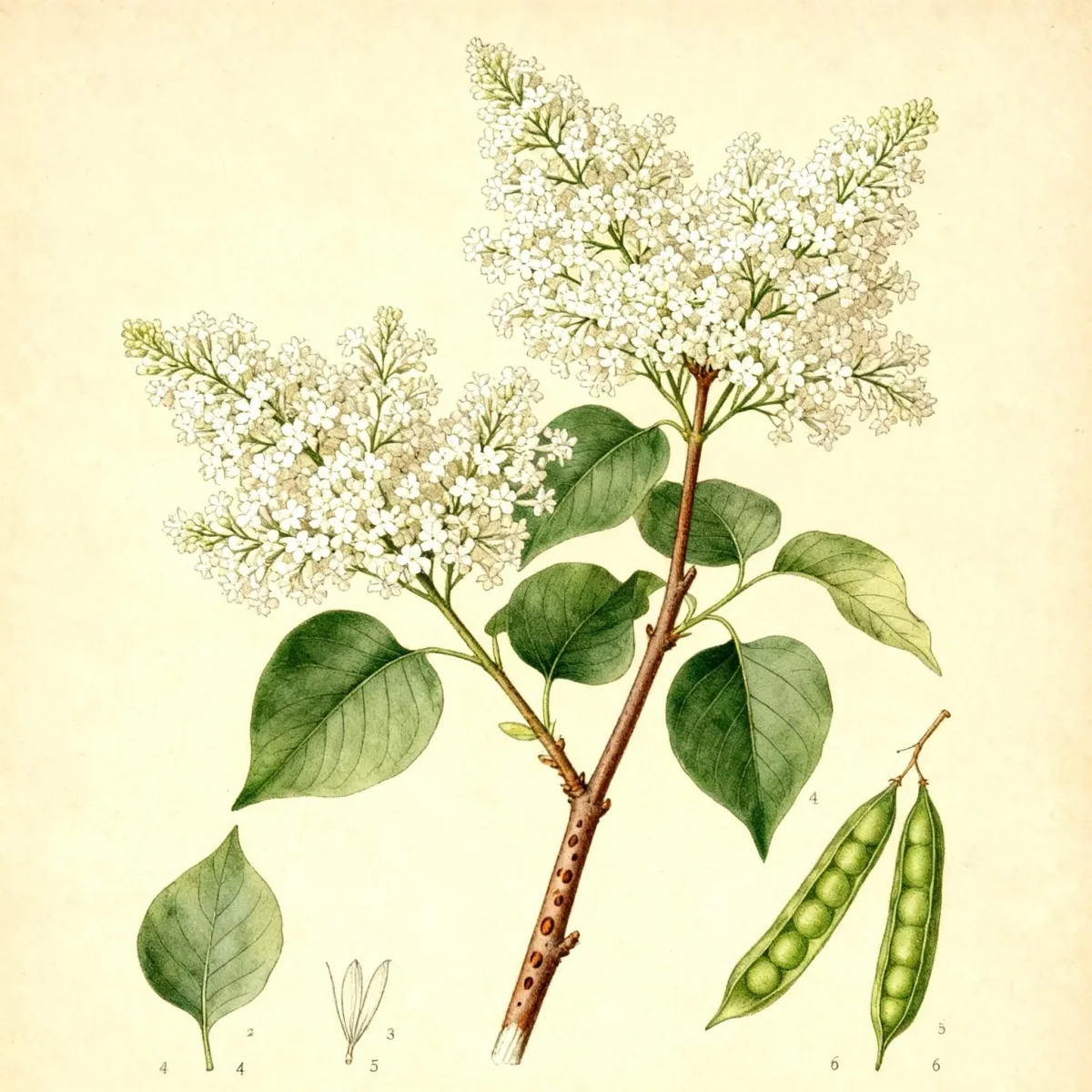
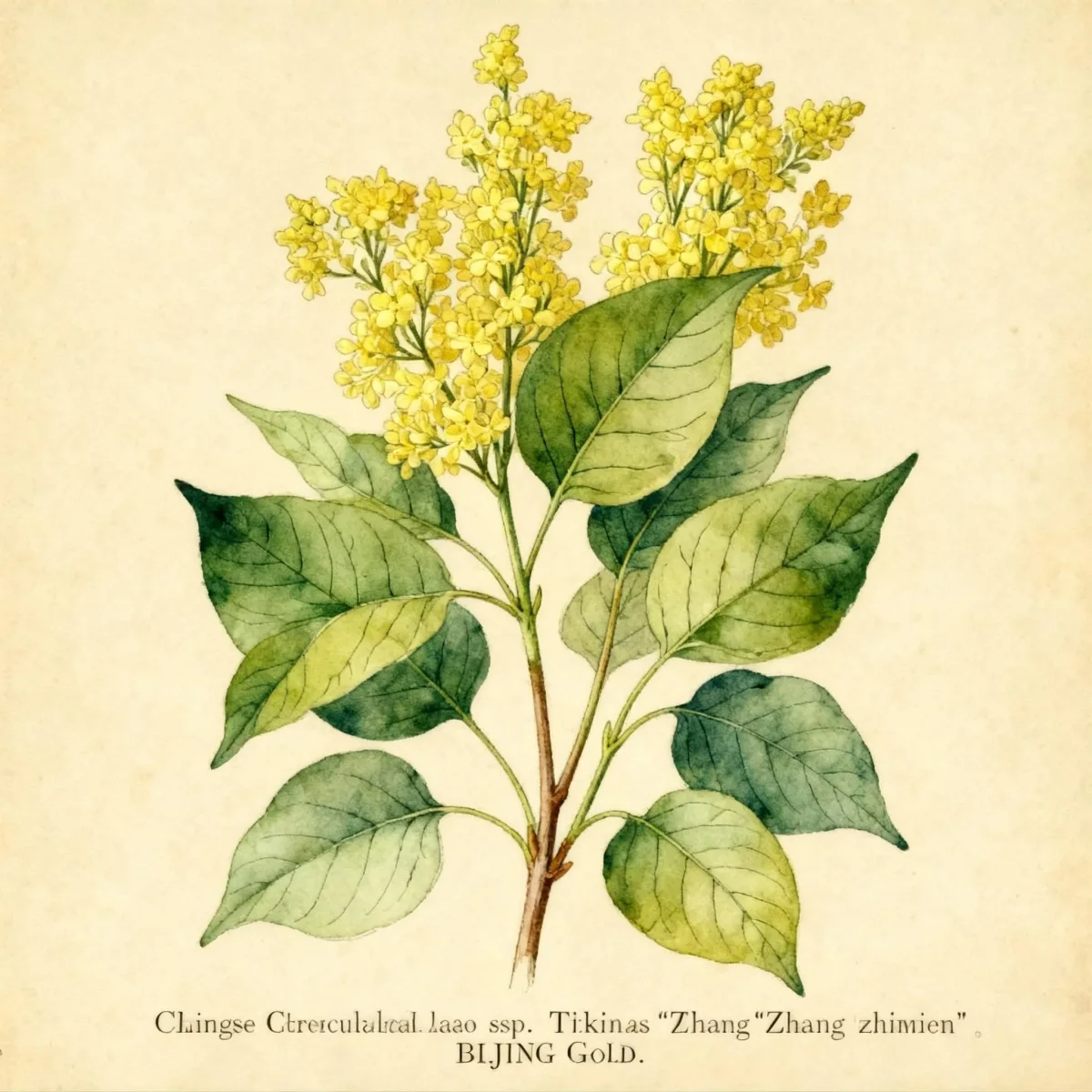
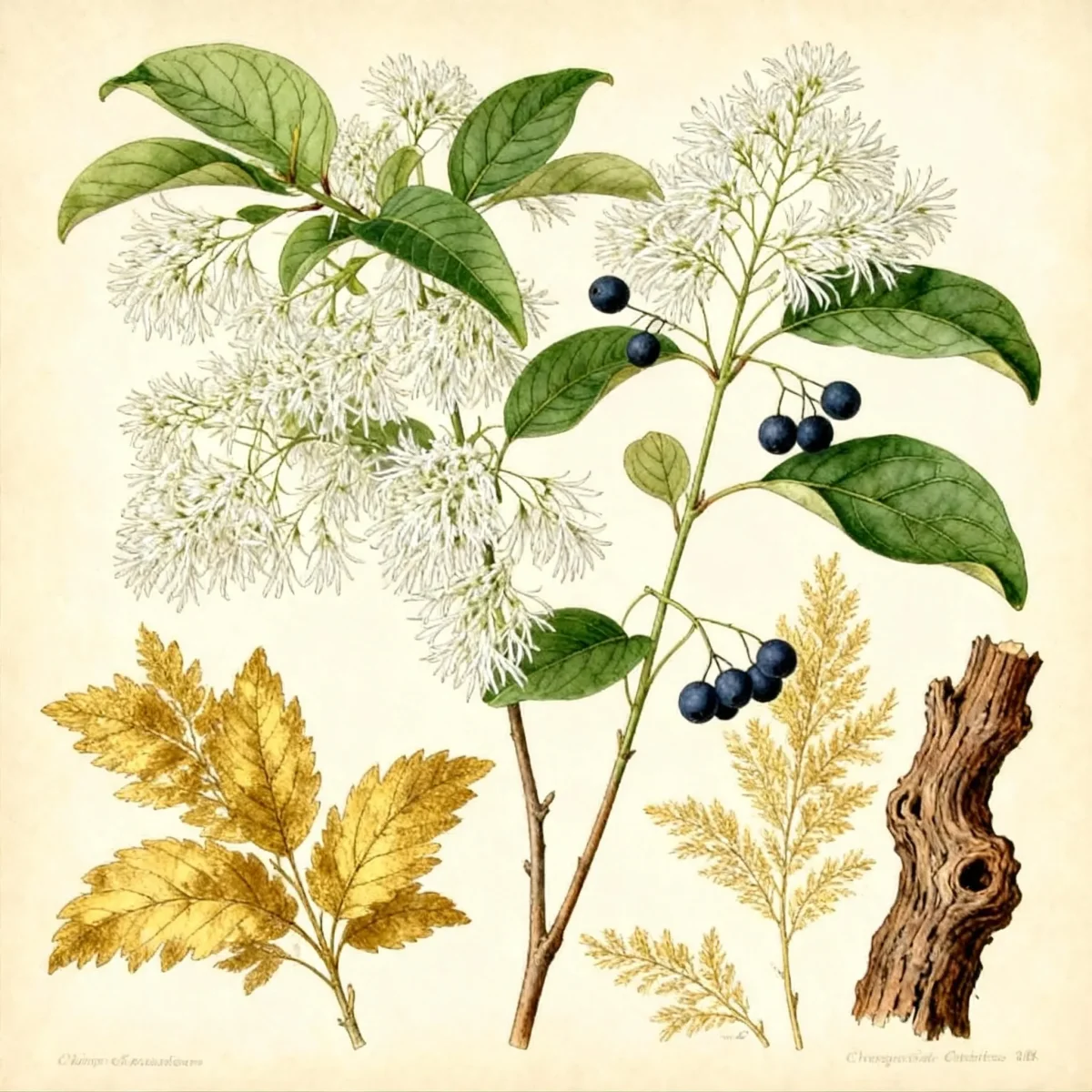
Japanese tree lilac (Syringa reticulata 'Ivory Silk')
Syringa reticulata 'Ivory Silk' features late-blooming, fragrant white flowers. This low-maintenance Japanese tree lilac thrives in Zones 3-7.
Scroll down to discover growing tips, care requirements, companion plants, and more
Complete Plant Information
Overview
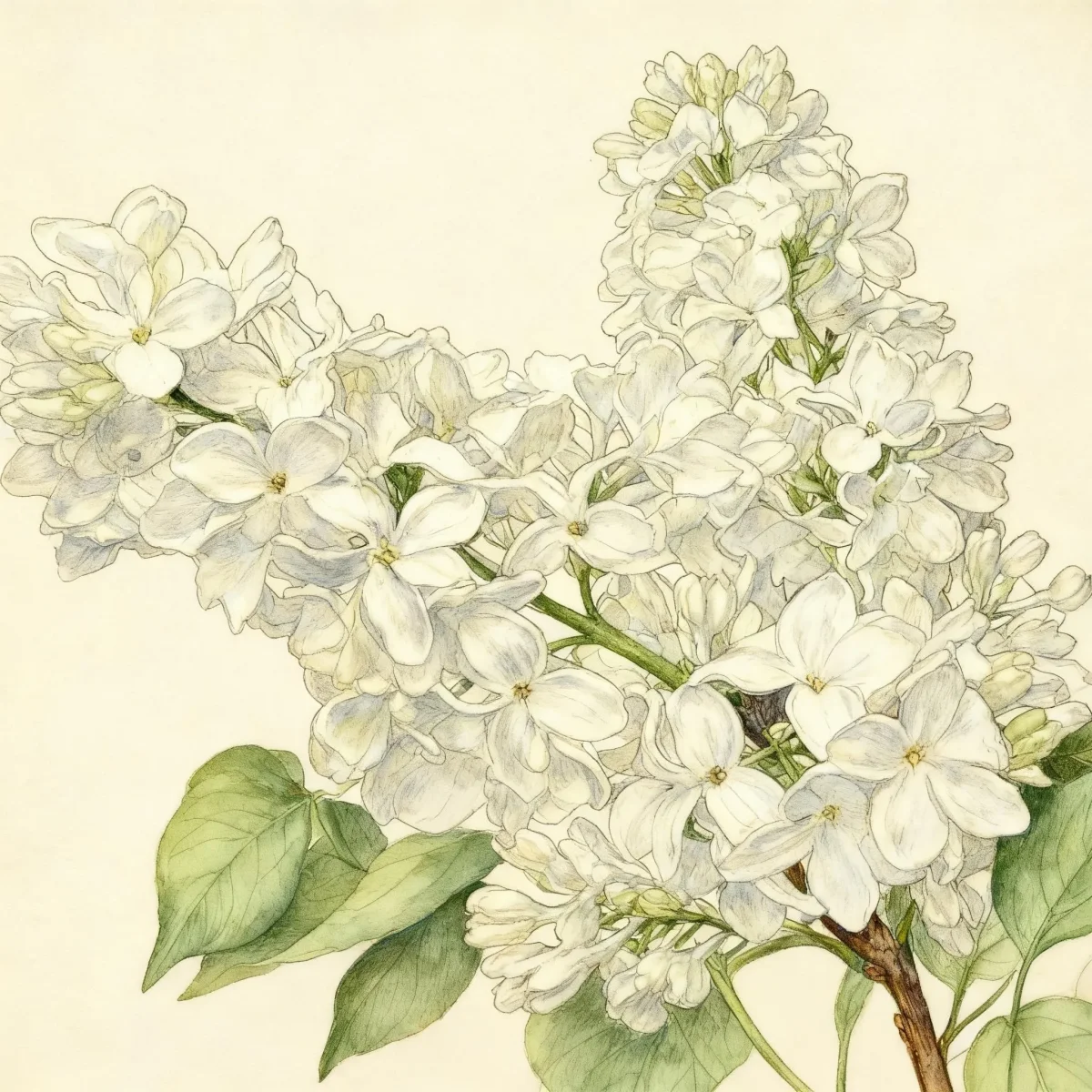
The Syringa reticulata ‘Ivory Silk’, commonly known as Japanese tree lilac, offers gardeners a beautiful specimen tree that blooms significantly later than its common cousins. Its most celebrated feature is the large, showy panicles of creamy white flowers that perfume the late spring and early summer landscape. This variety provides excellent urban tolerance, making it a reliable choice for challenging sites where other ornamental trees might struggle.
Valued for its low maintenance and architectural features, the Japanese tree lilac provides year-round interest through its attractive exfoliating bark as the tree matures. While flowering is the main draw, the dark green foliage presents a dense, rounded crown suited for specimen planting or street tree applications. Choosing the ‘Ivory Silk’ cultivar ensures consistent performance in structure and bloom quality.
For gardeners seeking late-season flowering interest without heavy upkeep, Syringa reticulata ‘Ivory Silk’ fills this niche perfectly. It successfully bridges the gap between the end of spring bloomers and the start of true summer flowers, establishing itself as an essential component in a layered landscape design.
Fast Facts
- Plant Family: Oleaceae
- Plant Type: Tree
- Hardiness Zones: USDA Zones 3-7
- Size at Maturity:
- Height: 20-25 ft
- Spread: 15-20 ft
- Bloom Time: May to June
- Bloom Description: Creamy white
- Sun Exposure: Full sun to part shade
- Water Needs: Medium
- Maintenance Level: Low
How to Grow
Plant Syringa reticulata ‘Ivory Silk’ in the spring or fall for the best establishment rate. Locate the tree where it receives full sun, as this guarantees the most abundant floral display, although it will tolerate light shade. This tree adapts well to average, medium moisture, well-drained soil. While it tolerates urban conditions well, it thrives best in organically rich, moist, slightly acidic soils that drain effectively.
Watering should remain consistent, especially during the establishment period, as the Japanese tree lilac prefers medium moisture levels. Once established, it can handle brief dry spells but performs optimally with regular, deep watering during periods of drought. Fertilization is generally unnecessary if planted in rich soil; excessive feeding can sometimes reduce flowering.
Pruning should be performed judiciously, immediately after the flowering period concludes in late spring or early summer. This timing is critical to avoid removing next year’s buds. Routine maintenance involves removing faded flower panicles before seed set to improve aesthetics, though this is not strictly necessary for tree health. Ensure good air circulation around the tree to minimize potential susceptibility to minor diseases.
Landscape Uses
The structure and size of the Syringa reticulata ‘Ivory Silk’ make it highly versatile in landscape planning. Tree forms are particularly effective as standalone specimens, providing a focal point with their late-season creamy white blooms. Alternatively, they serve excellently as structural elements along streets, nestled near patios, or integrated near building foundations where a manageable tree size is required.
Shrub forms, or less aggressively pruned specimens, lend themselves well to use in broader borders or planted in small groupings to create a significant visual impact within a property line screen. Due to its resilience and clean appearance, the Japanese tree lilac is an excellent non-fruiting alternative for high-visibility areas where ornamental value is paramount.
Standout Features
Flower Qualities
- Showy
- Fragrant
Noteworthy Characteristics
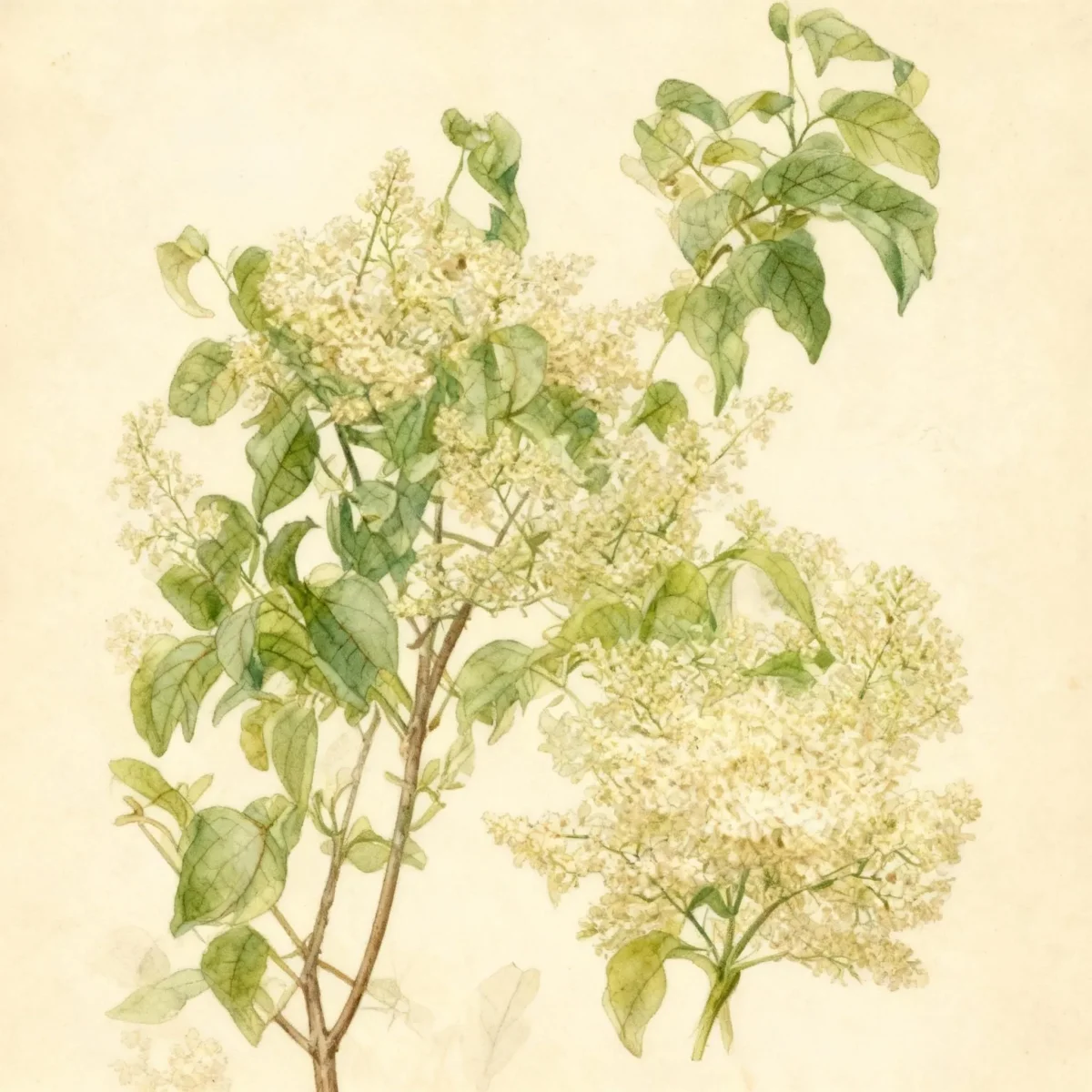
Syringa reticulata, commonly called Japanese tree lilac, typically grows as a small tree or large shrub. In tree form, it grows to 30’ tall and 20’ wide with an oval-rounded crown. Its best ornamental feature is its showy, fragrant, creamy white flowers which bloom in upright panicles to 12” long in late spring to early summer (later than most other lilac species). The cultivar ‘Ivory Silk’ is a small tree or large shrub which typically grows 20-25’ tall with a rounded crown, featuring attractive reddish-brown bark.
Tolerances
- Deer
- Clay Soil
Potential Problems
Generally, the Japanese tree lilac is noted for having few serious debilitating insect or disease issues. It often displays good natural resistance to common lilac pests like scale and borers, and mildew is less frequently observed than on French lilac varieties. Gardeners should remain vigilant for minor susceptibility to blights, leaf spots, and ring spot virus, especially in high-humidity environments or when air circulation is poor.
Careful monitoring for caterpillars or leaf miners is advisable, though infestations are usually cosmetic rather than critical to the overall health of the Syringa reticulata ‘Ivory Silk’. The most significant risk involves flower buds, which can be damaged by late spring frosts, resulting in a reduced bloom display for the season. Proper site selection that avoids frost pockets helps mitigate this risk.
Frequently Asked Questions
What hardiness zones is Japanese tree lilac suitable for?
The Japanese tree lilac, Syringa reticulata ‘Ivory Silk’, is hardy in USDA Zones 3 through 7.
How large does Japanese tree lilac grow?
This cultivar typically reaches heights between 20 to 25 feet, with a spread usually ranging from 15 to 20 feet, forming a rounded crown.
What sun exposure does Syringa reticulata ‘Ivory Silk’ need?
For the best flowering performance, plant Syringa reticulata ‘Ivory Silk’ where it receives full sun, although it can tolerate light shade.
When does Japanese tree lilac bloom?
The striking creamy white flowers of the Japanese tree lilac appear later than most lilacs, typically blooming from May into June.
Conclusion
The Syringa reticulata ‘Ivory Silk’ is a superior choice for structure, late-season fragrance, and remarkable urban adaptability. This low-maintenance Japanese tree lilac ensures you have ornamental interest after other spring bloomers have faded. Always ensure adequate drainage and check your specific USDA hardiness zone compatibility before finalizing your planting location.
Companion Planting
Selecting appropriate companions helps maintain the aesthetic and cultural requirements of the ‘Ivory Silk’ Japanese tree lilac. Since it reaches a medium height and prefers moist, well-drained soil, consider underplanting it with shade-tolerant perennials that appreciate similar soil moisture but don’t demand deep shade. Hostas or Astilbes are excellent choices for the dappled light beneath the tree canopy during the heat of summer.
If using it as a specimen in a sunny lawn area, pair it thoughtfully with later-blooming shrubs or perennials that share its high sun needs but offer contrasting foliage texture or color in fall. Coneflowers (Echinacea) or ornamental grasses that thrive in full sun provide mid-to-late summer color pops while complementing the tree’s established root system.
Design Ideas for Urban Settings
The durable nature of Syringa reticulata ‘Ivory Silk’ makes it an invaluable tool for softening public or commercial landscapes. Where space prohibits standard shade trees, this variety provides vertical interest and seasonal fragrance along walkways or defining entranceways. Its tidy, naturally rounded form minimizes the need for intensive shaping, which is a key benefit in high-traffic areas.
For residential properties, leverage the tree’s mature bark texture—which becomes attractive as it peels—by placing it near entertaining spaces like patios or decks. Planting it slightly off-center allows the sun to hit the bark at an angle later in the day, enhancing its visual appeal during evening use, while its fragrance drifts toward gathering areas.