Tamarisk (Tamarix ramosissima 'Pink Cascade')
Graceful Tamarix ramosissima 'Pink Cascade' (Tamarisk) offers fine-textured foliage and abundant pink summer flowers. Thrives in dry, sunny, saline conditions.
Scroll down to discover growing tips, care requirements, companion plants, and more
Complete Plant Information
Overview
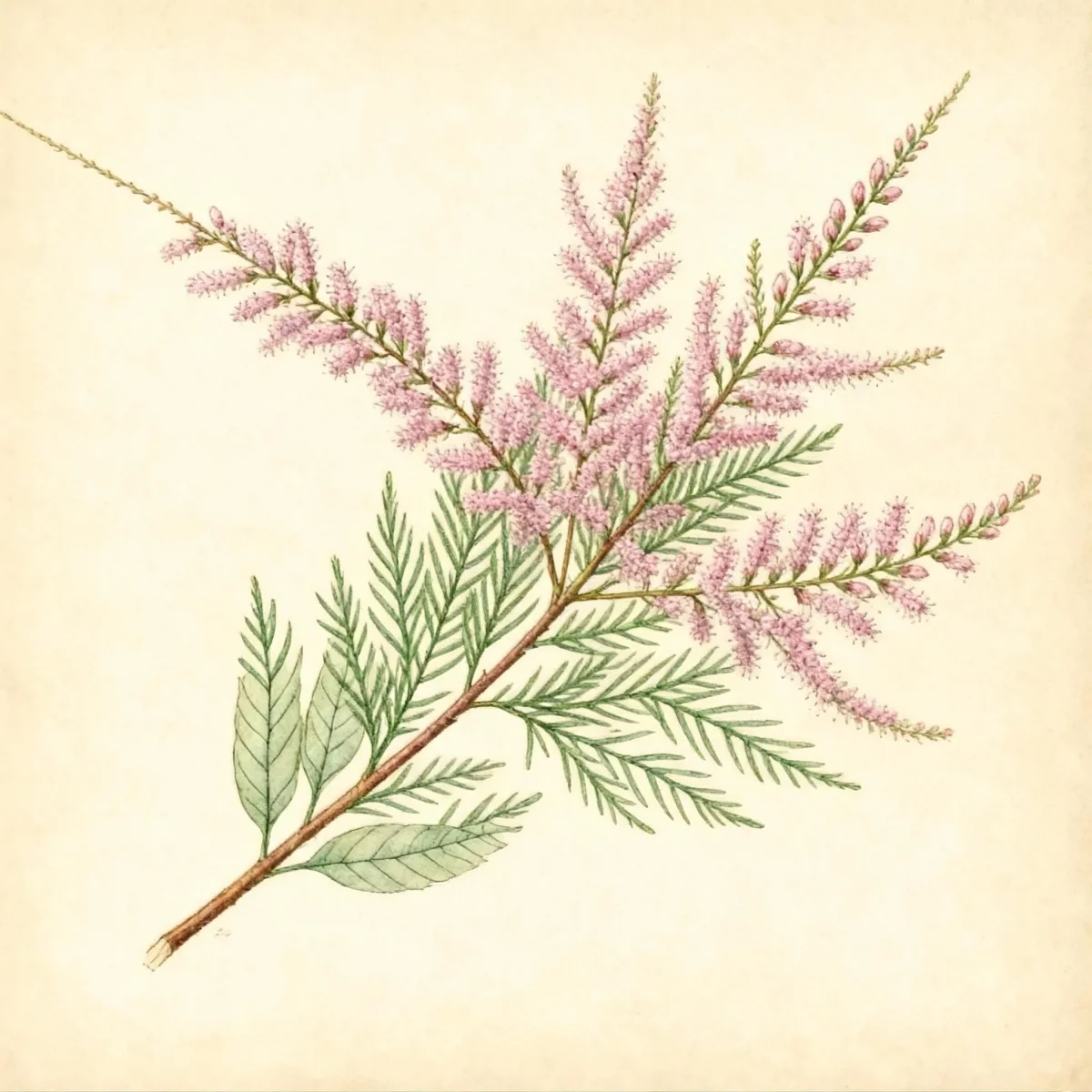
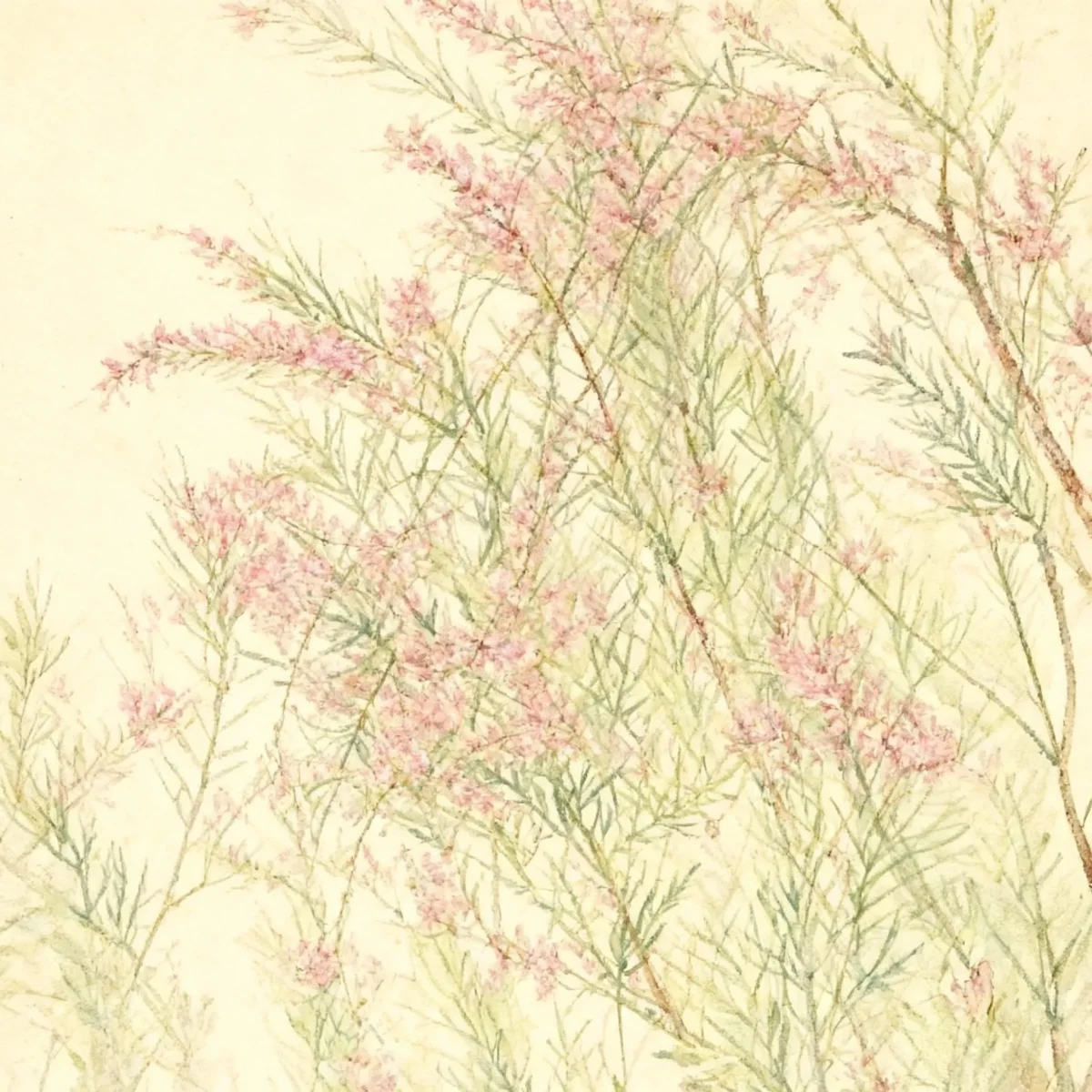
Tamarix ramosissima ‘Pink Cascade’ is a distinctive, graceful deciduous shrub known commonly as Tamarisk or Salt Cedar. It stands out in the landscape due to its fine-textured, scale-like foliage reminiscent of juniper, creating a soft, airy appearance. This rapid-growing plant provides a long period of interest, culminating in showy plumes of small pink flowers that cascade along the arching branchlets through mid-summer.
This variety is exceptionally valuable for challenging garden sites where other shrubs struggle. The Tamarisk exhibits remarkable tolerance, making it an ideal choice for stabilizing dry slopes or planting near coastal areas where salt spray is a concern. While highly ornamental in bloom, gardeners should be aware of its aggressive growth habits and invasive potential in warmer zones.
The aesthetic contribution of Tamarix ramosissima ‘Pink Cascade’ lies in its unique texture and bright summer color, contrasting well with bold-leaved perennials. Proper management, including hard pruning, is essential to maintain a desirable compact form and maximize the vibrant bloom display of this hardy specimen.
Fast Facts
- Plant Family: Tamaricaceae
- Plant Type: Deciduous shrub
- Hardiness Zones: USDA Zones 3-8
- Size at Maturity:
- Height: 10-15 ft
- Spread: 8-10 ft
- Bloom Time: June to August
- Bloom Description: Pink
- Sun Exposure: Full sun
- Water Needs: Dry to medium
- Maintenance Level: Medium
How to Grow
The ideal time to establish your Tamarisk is during the dormant season, though it adapts readily to planting anytime if kept watered initially. Site Tamarix ramosissima ‘Pink Cascade’ in a location receiving full sun throughout the day; insufficient light reduces flowering dramatically. It exhibits wide soil tolerance but thrives best in average, well-drained soils, including sandy loams and areas of low fertility. It is particularly valued for its superior tolerance to saline conditions, making it excellent for seashore planting.
Once established, the water needs for Tamarisk transition to dry to medium. While it tolerates drought well, consistent moisture aids initial establishment. Fertilization is generally unnecessary due to its adaptability to poor soils. Focus gardening efforts instead on effective pruning routines.
Pruning for Tamarix ramosissima ‘Pink Cascade’ should occur in late winter or early spring before new growth begins. Since this rapid-grower blooms on new wood, prompt pruning encourages better form and heavier flowering. For a renewed shape or significant size reduction, it can be pruned severely, cutting it back hard, even to just a few inches from the ground, similarly to Buddleja.
Landscape Uses
The rugged nature and broad soil tolerance of Tamarisk make it functionally decorative. It excels in sunny areas where soil quality is marginal or saline composition is high, such as coastal borders or highway median plantings. Use it where its dense, albeit fine, branching structure can serve as an informal hedge or effective windbreak.
For naturalized plantings, Tamarix ramosissima ‘Pink Cascade’ integrates well alongside other drought-tolerant shrubs or robust natives suited to open, sunny exposures. While its winter appearance can be somewhat scraggly, its summer display of pink plumes is worth the trade-off in remote areas of the landscape. It is also highly effective for erosion control on dry, exposed slopes.
Standout Features
Flower Qualities
- Showy
Noteworthy Characteristics
The Tamarisk, or Tamarix ramosissima, is recognized for its transformation from fine-textured, gray-green foliage to plumes of pink flowers between June and August. This deciduous shrub features reddish, slender, arching branchlets that offer unique winter interest when the leaves drop. Although native to Eurasia, it is characterized by its ability to produce salt, which it then excretes, allowing it to survive highly saline environments where few other woody plants can establish without issue.
Tolerances
- Deer
- Drought
Potential Problems
A significant consideration when growing Tamarix ramosissima ‘Pink Cascade’ is its potential invasiveness in warmer climates, specifically USDA Zones 8 through 10. In these regions, tamarisk has escaped cultivation to densely colonize riverbanks, floodplains, and waste areas, often crowding out native vegetation. Gardeners in the Deep South and Southwest must manage this shrub responsibly. If invasive behavior is observed, removal or strictly controlled pruning is necessary, and gardeners should consult local agricultural extension offices regarding eradication programs or suitable native alternatives.
Frequently Asked Questions
What hardiness zones is Tamarisk suitable for?
This hardy shrub is generally suitable for USDA Zones 3 through 8, offering reliable performance across a wide range of cold winters.
How large does Tamarix ramosissima ‘Pink Cascade’ grow?
When fully mature, this open, multi-stemmed shrub typically reaches heights between 10 and 15 feet tall, with a corresponding spread of 8 to 10 feet wide.
What sun exposure does Tamarisk need?
For the best performance and most abundant bloom, plant Tamarix ramosissima ‘Pink Cascade’ where it receives full sun exposure throughout the growing season.
When does Tamarisk bloom?
This variety produces its signature cascading plumes of small pink flowers throughout the early to mid-summer months, typically starting in June and continuing into August.
Conclusion
The drought and salt tolerance of this Tamarisk make Tamarix ramosissima ‘Pink Cascade’ an exceptional choice for resilient screening, erosion control, or specimen planting in harsh, sunny environments. Its rapid growth complements its graceful summer bloom. Before planting, evaluate your local environmental context, especially regarding its invasive status in warmer regions, and ensure you are ready for its specific late-winter pruning needs.
Companion Planting
When designing a landscape featuring the tough Tamarisk, pair it with other plants that appreciate full sun and tolerate drier conditions once established. Consider planting robust, native prairie grasses nearby; their clumping habit and movement complement the airy texture of the Tamarisk’s foliage. Succulents or hardy Mediterranean herbs like Lavender or Rosemary also make excellent groundcovers or border companions, as they do not compete heavily for scarce water resources.
Seasonal Care Calendar
Spring is the critical time for maintenance; perform all major pruning cuts in late winter or early spring to encourage robust flowering on the season’s new growth. As temperatures rise into summer, monitor newer plantings for water needs, though established specimens should require little supplemental irrigation. In fall, remove any dead or damaged wood that has become apparent, but avoid heavy structural pruning. Since the plant tolerates poor soil, skip fertilization entirely to discourage overly vigorous, potentially brittle growth.