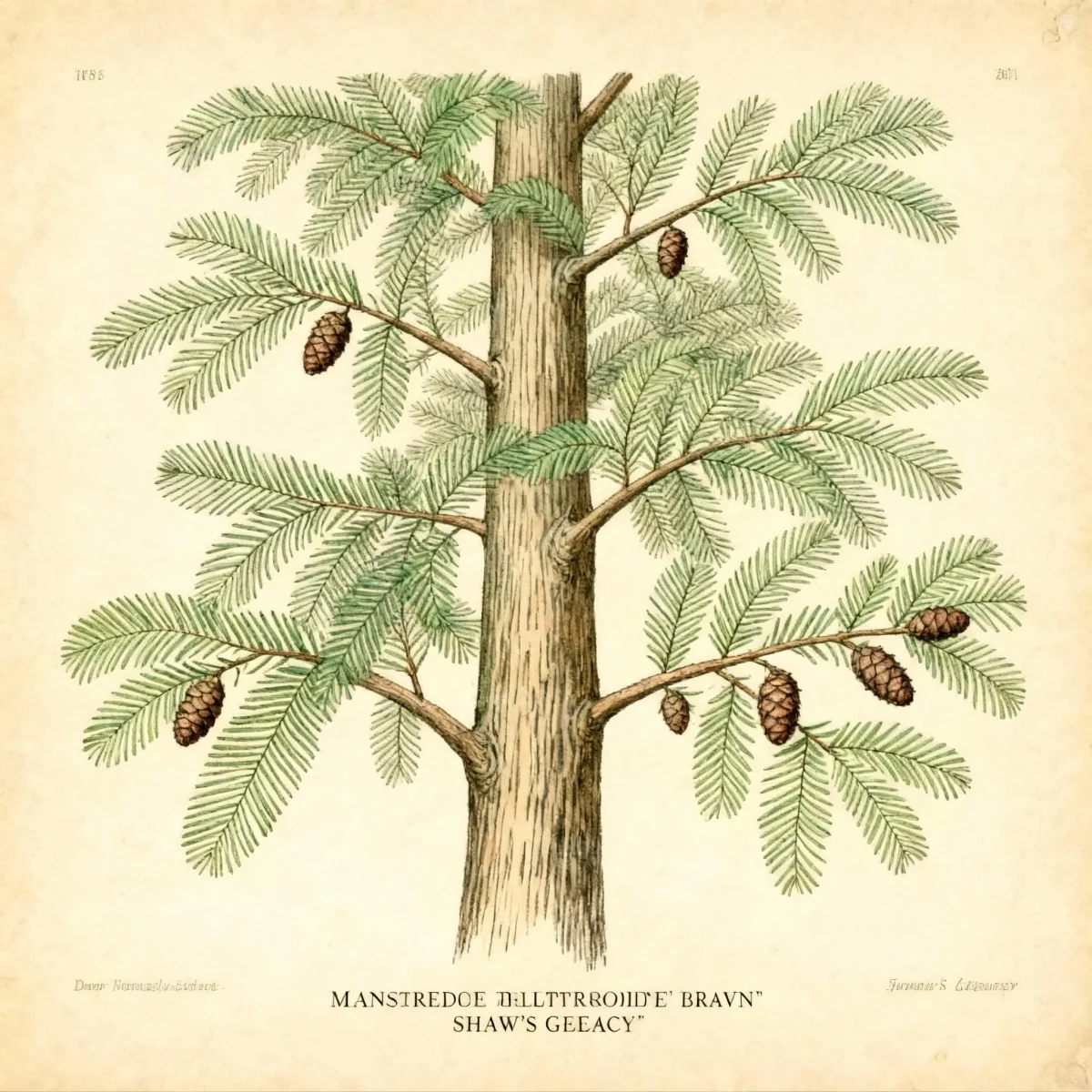
Bald cypress (Taxodium distichum 'Pendens')
The weeping Bald cypress, Taxodium distichum 'Pendens', is a striking, low-maintenance tree thriving in wet soil with beautiful fall color.
Scroll down to discover growing tips, care requirements, companion plants, and more
Complete Plant Information
Overview
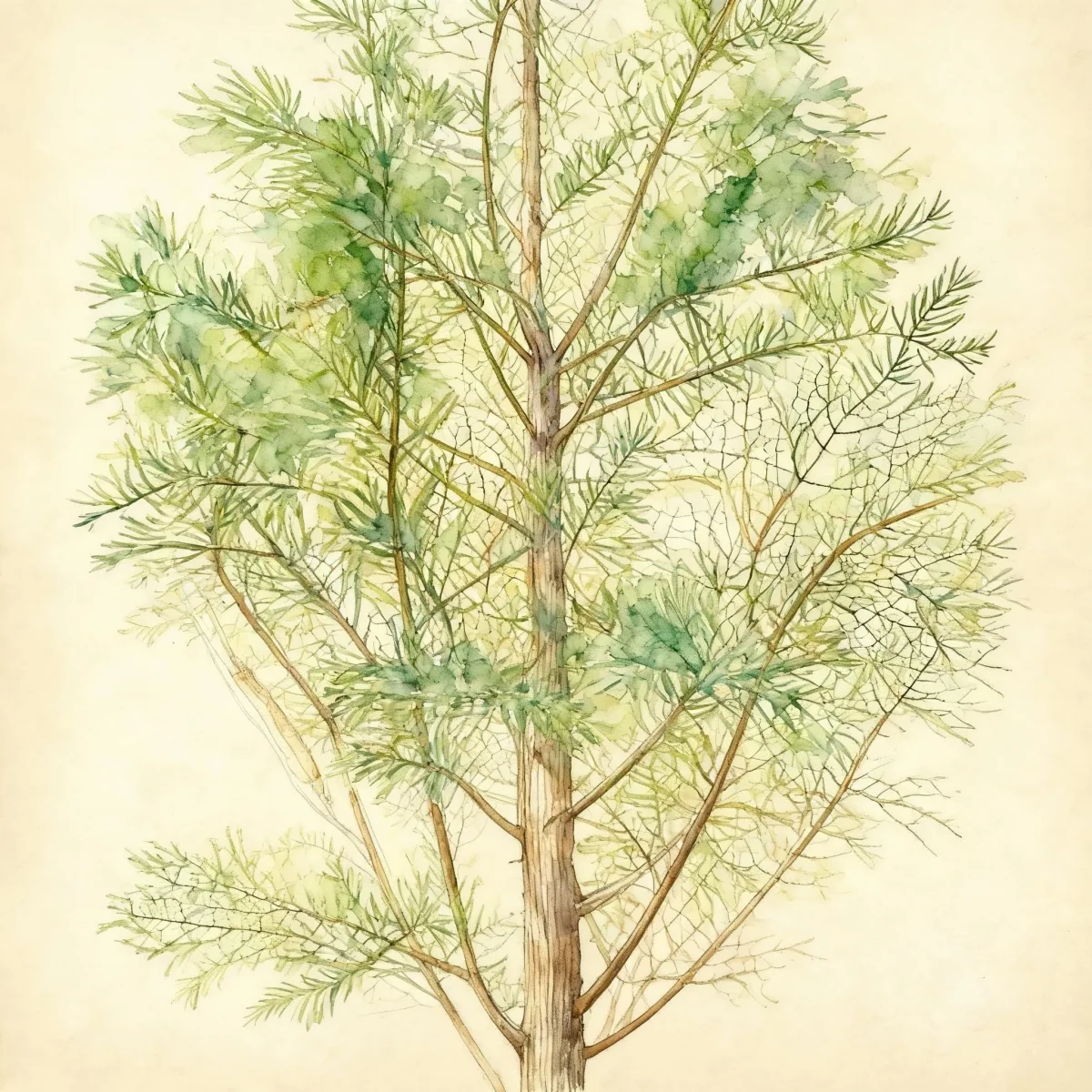
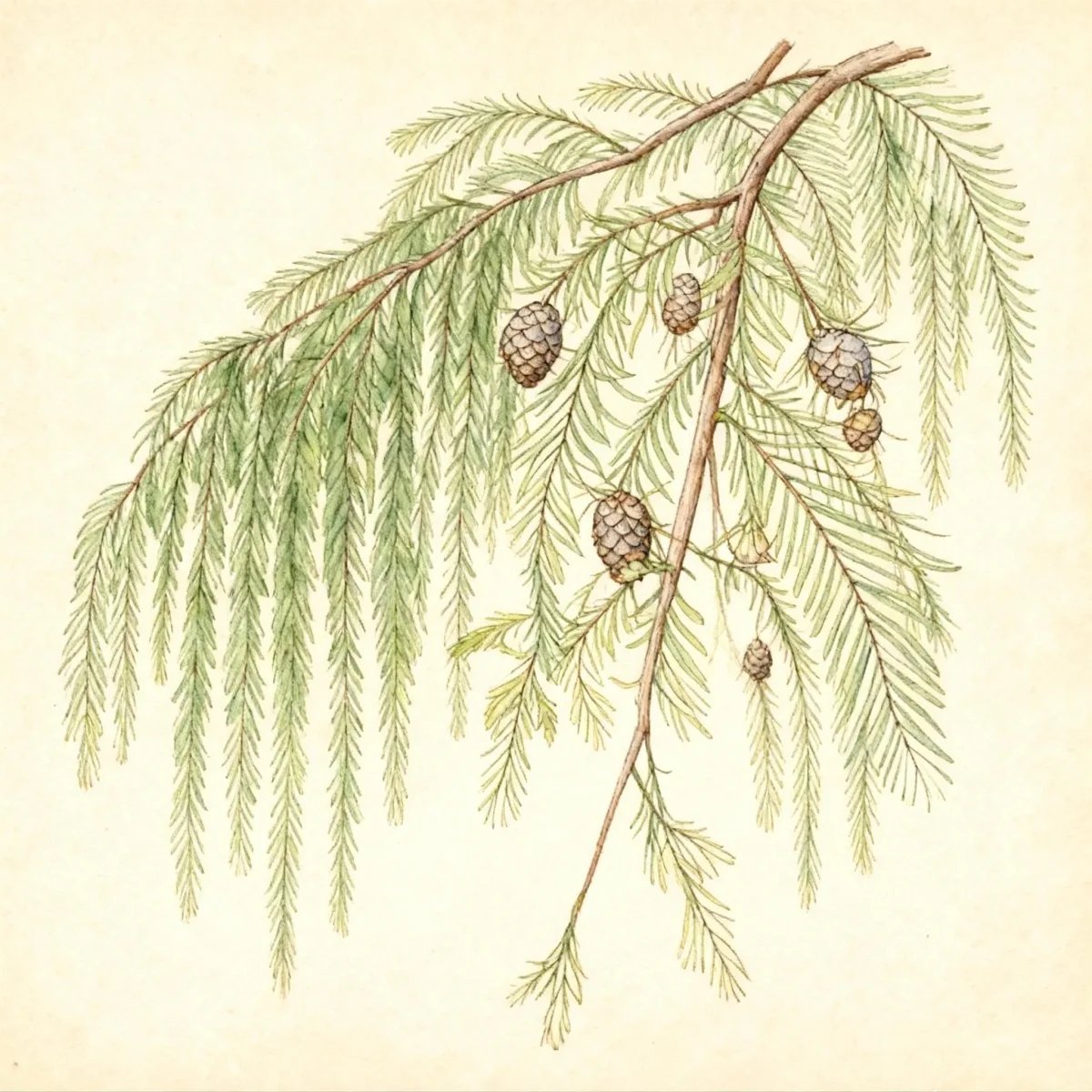
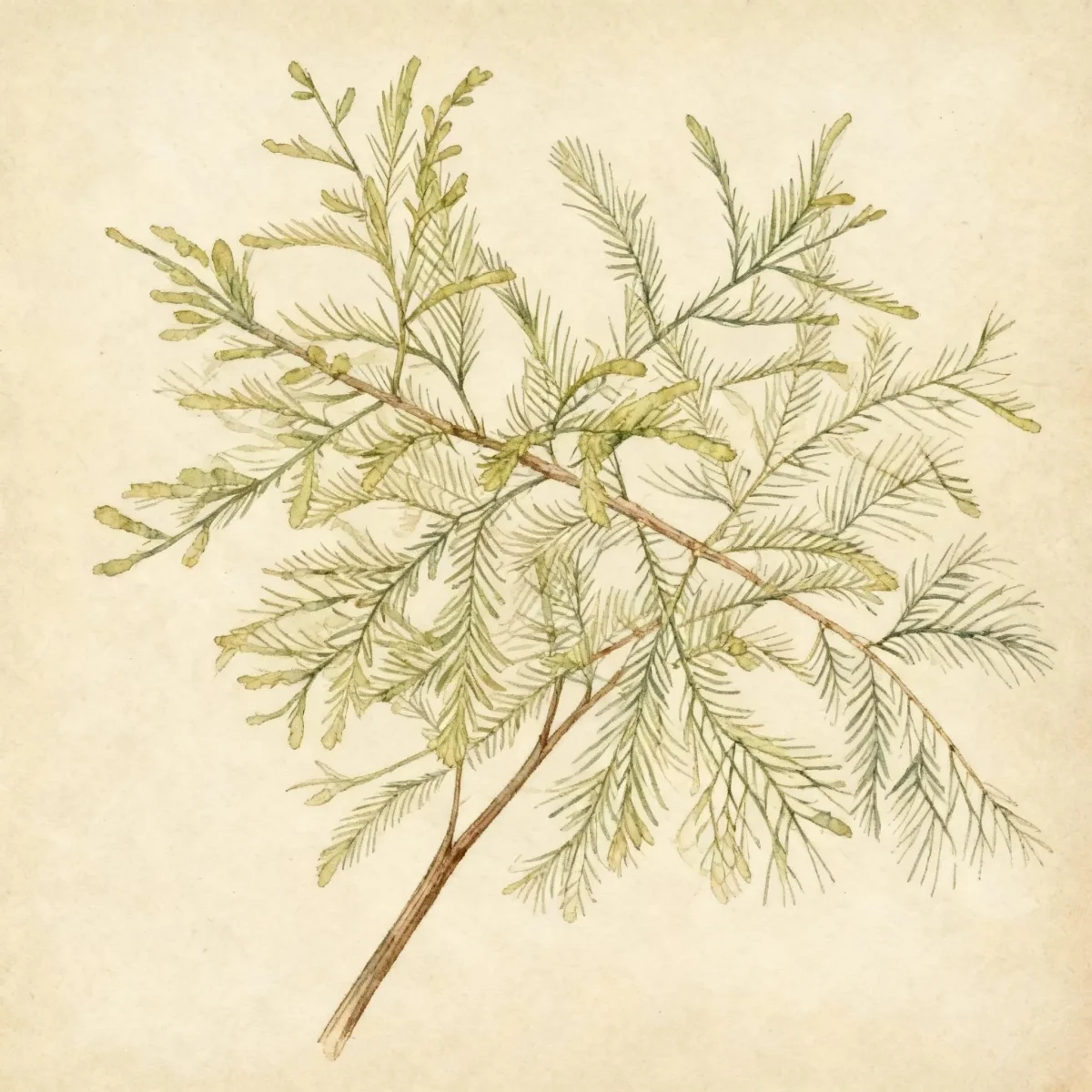
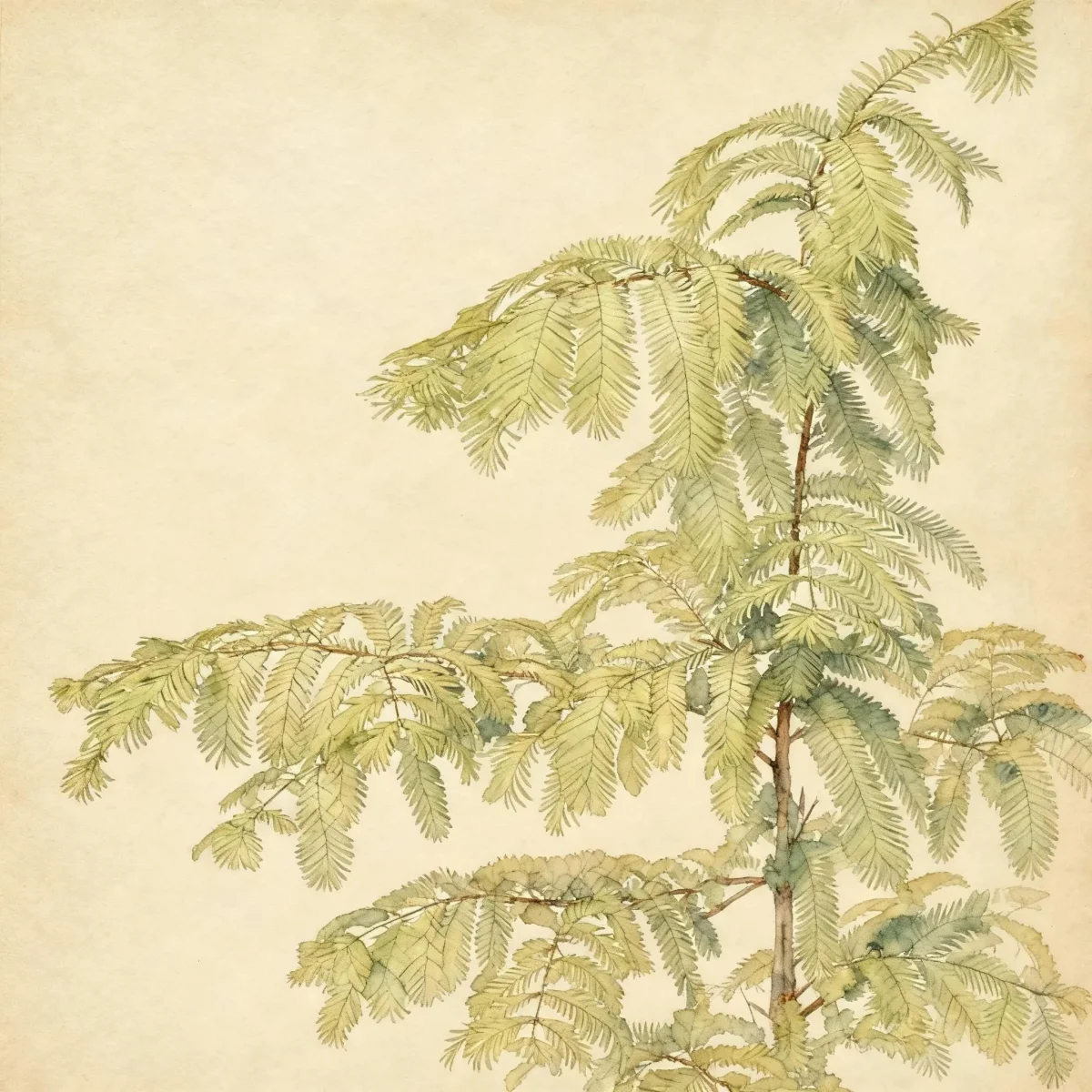
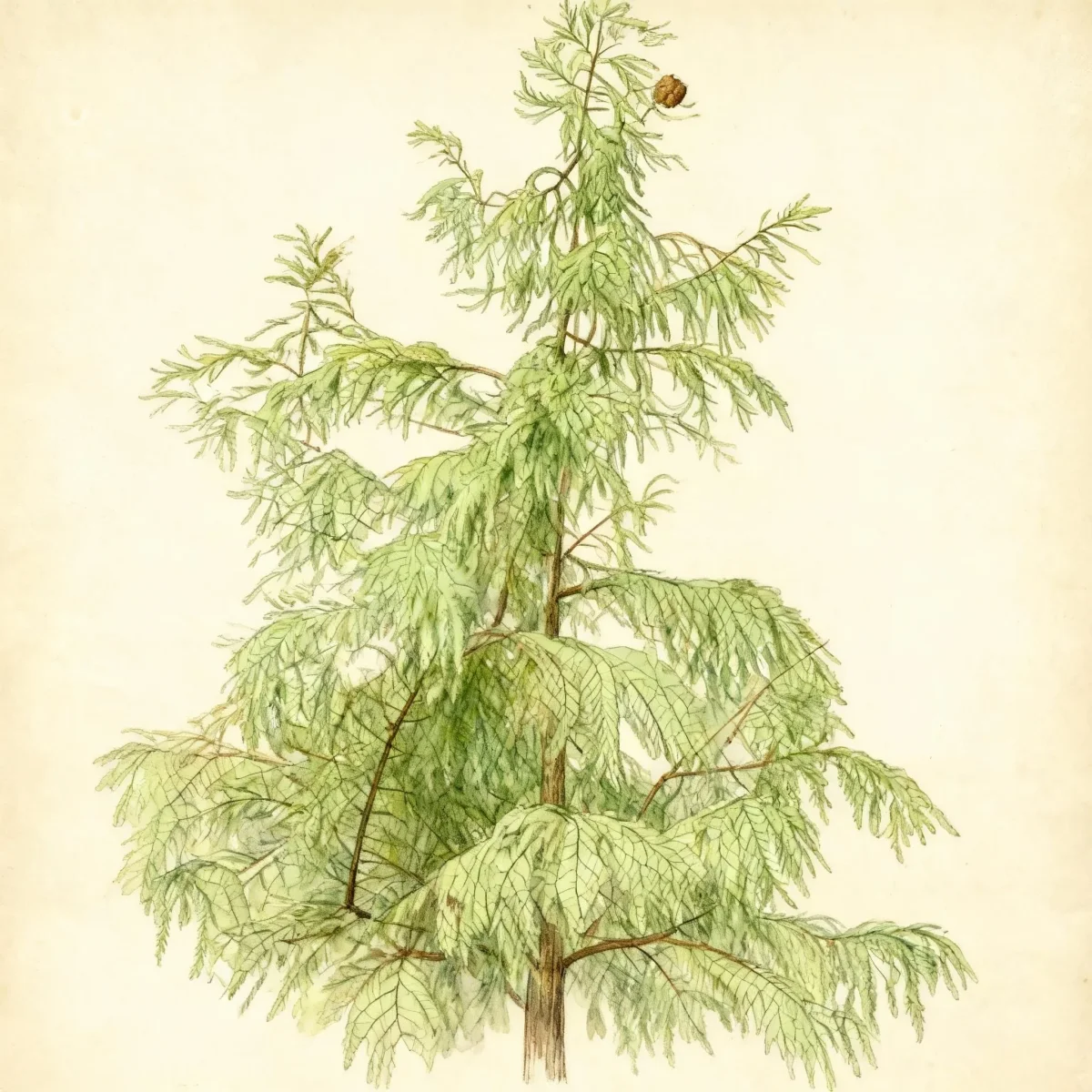
The Taxodium distichum ‘Pendens’, commonly known as weeping Bald cypress, offers an exceptional architectural element for larger landscapes. This cultivar is prized for its unique pendulous branchlets and strongly weeping habit, which contrasts beautifully with the upright pyramidal form of its species counterpart. As a deciduous conifer, it provides seasonal interest, shedding its soft, feathery foliage only after it turns a rich orange-cinnamon hue in autumn.
This variety shares the robust nature of the native Bald cypress, adapting well across a wide range of moisture levels once established. It excels in challenging, wet soil conditions, making it an invaluable choice for rain gardens or waterside plantings where many other trees fail. Its low maintenance profile further increases its appeal for specimen planting.
For gardeners seeking scale, dramatic form, and excellent resilience, Taxodium distichum ‘Pendens’ delivers year-round appeal. Its ability to tolerate clay and wet soil opens up design possibilities normally reserved for wetland species.
Fast Facts
- Plant Family: Cupressaceae
- Plant Type: Tree
- Hardiness Zones: USDA Zones 4-9
- Size at Maturity:
- Height: 50-70 ft
- Spread: 20-45 ft
- Bloom Time: Non-flowering
- Bloom Description: Non-flowering
- Sun Exposure: Full sun
- Water Needs: Medium to wet
- Maintenance Level: Low
How to Grow
Planting should ideally occur in spring or fall when temperatures are mild, allowing the Bald cypress to establish its extensive root system before summer heat or deep winter freezes. This tree requires full sun exposure for optimal growth and best fall coloration, thriving in average, medium to wet, moisture-retentive soils. While it prefers moist, acidic, sandy loams, remember that it tolerates a wide range of conditions, including heavy clay when wet.
Watering is critical during the first few seasons to ensure deep root penetration. Once established, Taxodium distichum ‘Pendens’ is highly adaptable to varying moisture, though consistently moist to occasionally wet ground is ideal for superior performance. Fertilization is rarely necessary; this tree is self-sufficient in most soil environments. Pruning is generally minimal, focusing mostly on removing dead wood, as the cultivar’s distinctive weeping form should be preserved.
Be mindful of its eventual large size when selecting a site, ensuring adequate space away from structures. This species develops buttressed trunks and may form root “knees” when situated in standing water, a natural and interesting characteristic. Its low maintenance level makes annual care straightforward.
Landscape Uses
The weeping habit of Taxodium distichum ‘Pendens’ makes it highly functional as a large landscape specimen where its dramatic silhouette can anchor a view year-round. Its use in a specialized setting like a Rain Garden is highly recommended, where its tolerance for saturates soil provides functional water management alongside high aesthetic value.
Consider planting this majestic tree singly in wide-open lawns or as a strong vertical accent at the edge of large ponds or streams. While it can be integrated into mixed borders, give it room to allow its sweeping branches to fully drape, creating an airy, almost ethereal effect. It pairs well with sturdy, broadleaf evergreens that contrast nicely with its fine texture, particularly where high moisture encourages healthy growth.
Standout Features
Fruit Qualities
- Showy
Noteworthy Characteristics
The classic Bald cypress, Taxodium distichum, is renowned as a long-lived, pyramidal conifer that becomes deciduous in winter, showcasing soft, feathery, yellowish-green foliage that transforms into an attractive orange/cinnamon-brown in the fall. Its trunks are naturally buttressed at the base, and when growing in standing water, it often develops characteristic knobby root growths, or “knees.” This cultivar, Taxodium distichum ‘Pendens’, maintains these qualities while offering dramatically horizontal branches with pendulous tips, enhancing its unique texture.
Tolerances
- Deer
- Erosion
- Clay Soil
- Wet Soil
- Air Pollution
Potential Problems
Healthy, well-maintained plants of Taxodium distichum ‘Pendens’ in the proper growing conditions usually have few problems, owing to its native resilience. In overly humid or persistently wet environments, watch for fungal issues like twig blight and various rots which may manifest as branch dieback. Mild infestations of spider mites can occasionally occur, especially during hot, dry spells, though this is less common given the plant’s love for moisture. Proper site selection, ensuring good air circulation where possible, is the best preventative measure against disease.
Frequently Asked Questions
What hardiness zones is Bald cypress suitable for?
The weeping Bald cypress, Taxodium distichum ‘Pendens’, is suitable for USDA Zones 4 through 9.
How large does Taxodium distichum ‘Pendens’ grow?
It typically reaches a height between 50 and 70 feet, with a spread ranging from 20 up to 45 feet, establishing a substantial presence in the landscape.
What sun exposure does Bald cypress need?
This large tree requires full sun exposure to develop its best form and coloring.
When does Taxodium distichum ‘Pendens’ bloom?
This species is non-flowering; it produces brown, rounded cones instead of traditional flowers.
Conclusion
The Taxodium distichum ‘Pendens’ stands out due to its low maintenance requirements and unique weeping habit, perfectly complementing larger garden structures while offering stunning fall color. If you have marginal, wet, or clay soils where other specimens struggle, this Bald cypress cultivar offers a dynamic and resilient solution. Always check your local USDA zone before planning your selection to ensure robust long-term success.
Companion Planting
When utilizing Taxodium distichum ‘Pendens’ in a rain garden setting, pair it with other moisture-tolerant, low-maintenance species to maximize ecological benefits and visual continuity. Consider native wetland species such as Joe-Pye weed (Eutrochium spp.) or Virginia sweetspire (Itea virginica), which share similar preferences for wet soil without requiring demanding aftercare. The fine texture of the cypress contrasts beautifully with the coarser foliage of bog iris or various sedges, creating depth at the water’s edge.
Seasonal Care Calendar
For spring, focus on site preparation and initial mulching around the base of your Bald cypress to conserve moisture and regulate soil temperature during establishment. Summer care revolves around monitoring moisture levels, ensuring young trees receive adequate water, especially if planted in drier upland soils outside of a swamp environment. Fall is when the Taxodium distichum ‘Pendens’ puts on its final show with brilliant color; avoid heavy pruning during this season. Winter protection is minimal for established trees in their hardiness range, though applying a fresh layer of mulch in late fall can buffer root zones in colder areas of Zone 4.