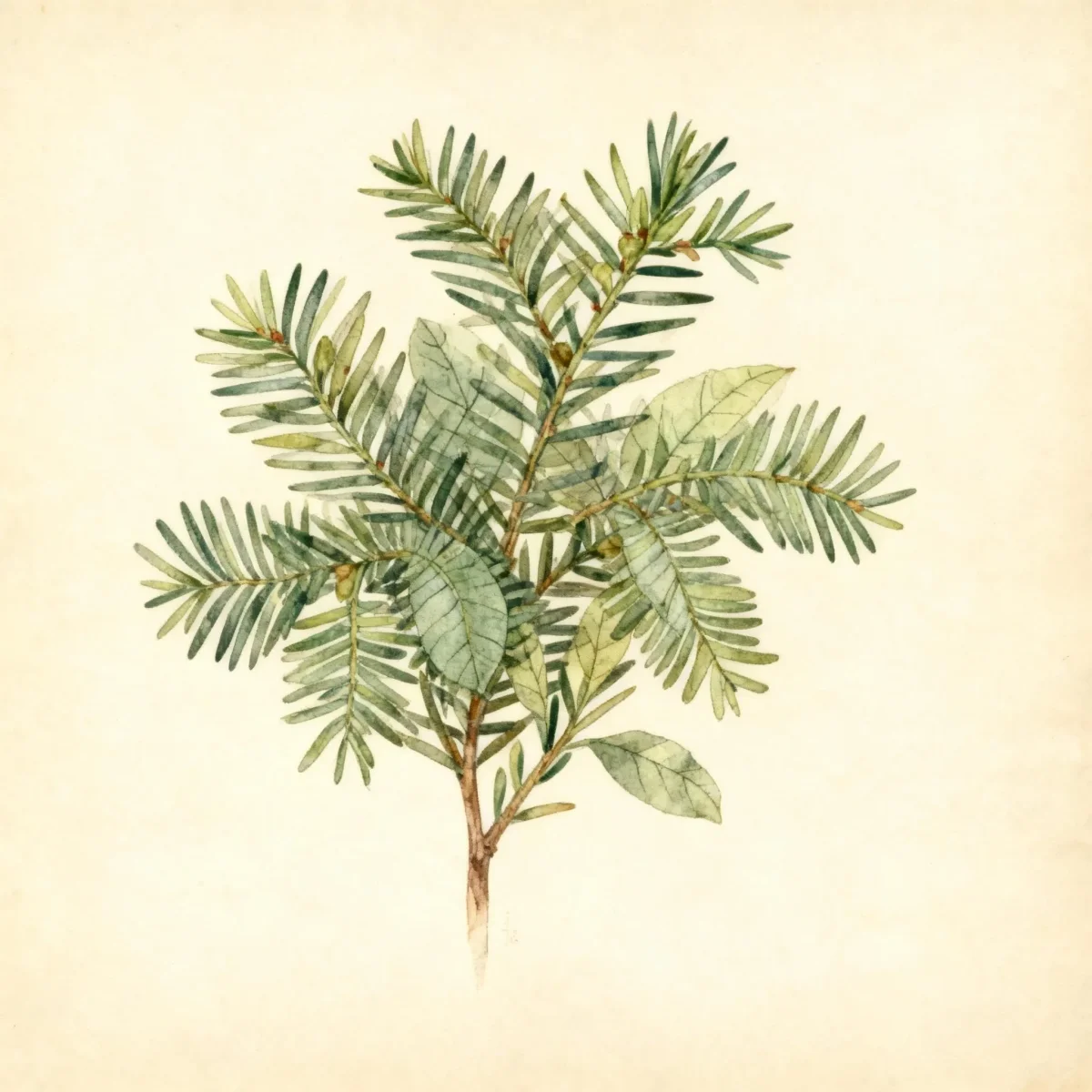
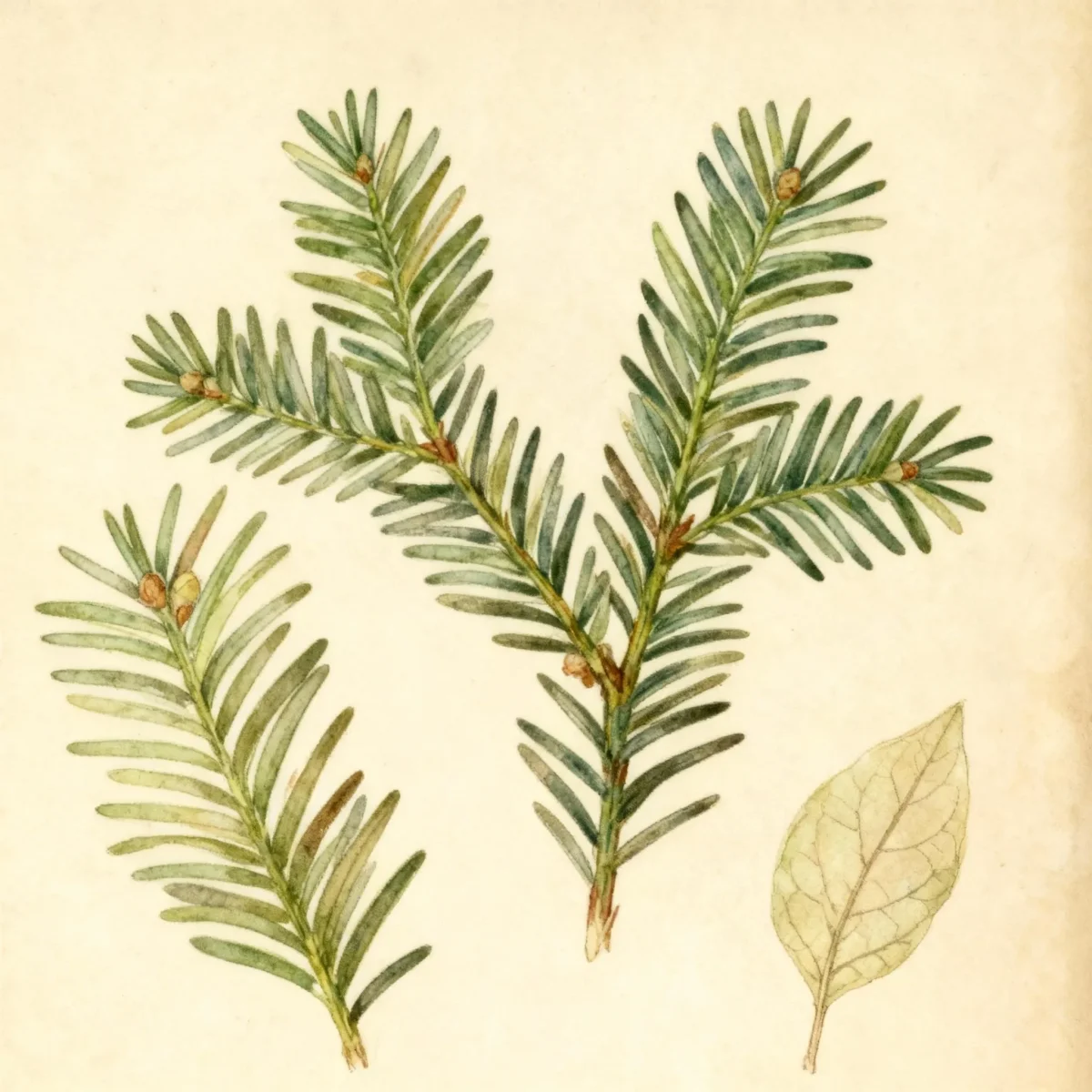
Japanese yew (Taxus cuspidata 'Capitata')
The Taxus cuspidata 'Capitata', or Japanese yew, is a robust, pyramidal needled evergreen perfect for screens and foundations.
Scroll down to discover growing tips, care requirements, companion plants, and more

Complete Plant Information
Overview
The Taxus cuspidata ‘Capitata’ offers excellent structure and year-round color, making it a cornerstone evergreen for formal and informal landscapes. This cultivar of the Japanese yew is highly valued for its dense, dark green needles and relatively narrow, pyramidal growth habit, which distinguishes it from the broader species form. It is an incredibly adaptable plant, thriving where many other conifers struggle, particularly in partial shade.
As a needled evergreen, the Japanese yew provides essential screening and vertical accent throughout all seasons. It is incredibly resilient once established, capable of developing into a substantial specimen reaching up to 25 feet tall, though regular pruning keeps it manageable for foundation planting or hedging. Gardeners appreciate its low maintenance requirements and its ability to contribute sophisticated texture to garden designs.
This cultivar, Taxus cuspidata ‘Capitata’, performs best when provided with protection from harsh winter elements, though it showcases excellent hardiness across USDA Zones 4 through 7. Its tolerance for heavy shade and drought, coupled with its adaptability to urban environments, cements its status as a reliable workhorse in the landscape design arsenal.
Fast Facts
- Plant Family: Taxaceae
- Plant Type: Needled evergreen
- Hardiness Zones: USDA Zones 4-7
- Size at Maturity:
- Height: 10-25 ft
- Spread: 5-10 ft
- Bloom Time: Non-flowering
- Bloom Description: Non-flowering
- Sun Exposure: Full sun to part shade
- Water Needs: Medium
- Maintenance Level: Low
How to Grow
Planting the Japanese yew is best achieved in spring or early fall, allowing the root system time to establish before stressful weather hits. Locate Taxus cuspidata ‘Capitata’ where soil drainage is excellent; this plant has zero tolerance for wet feet, which leads quickly to root rot. Average, well-drained soils are perfect, though it particularly favors moist, sandy loams.
Watering should be consistent but not excessive—aim for medium moisture levels. Once established, the Japanese yew shows good drought resistance, but young specimens require careful monitoring, especially during dry spells. Avoid overwatering at all costs, as poor drainage is the quickest way to harm this species.
Maintenance for the Japanese yew is generally low. Pruning is well-tolerated and helps maintain desired shapes, especially when using Taxus cuspidata ‘Capitata’ as a formal hedge. If pruning is necessary, the optimal time is early spring before new growth hardens, although light shaping can be done nearly anytime. Always site plants away from severe winter winds if possible to mitigate potential winter burn.
Landscape Uses
The upright, pyramidal form of the Taxus cuspidata ‘Capitata’ lends itself perfectly to creating vertical interest or formal structure. It excels when utilized as a foundation planting near buildings, providing consistent evergreen mass against hard lines. Furthermore, its ability to form a dense visual barrier makes it an outstanding choice for creating privacy screens or defining property borders.
Groupings of Taxus cuspidata ‘Capitata’ create impressive, formal allées or dramatic specimen plantings where a dark green spire is desired. While excellent for screening, they also pair well with plants offering contrasting textures, such as deciduous shrubs, or bright seasonal color, provided those companions also tolerate medium moisture and shade. Its adaptability ensures it functions well in traditional hedges or as standalone architectural accents.
Standout Features
Noteworthy Characteristics
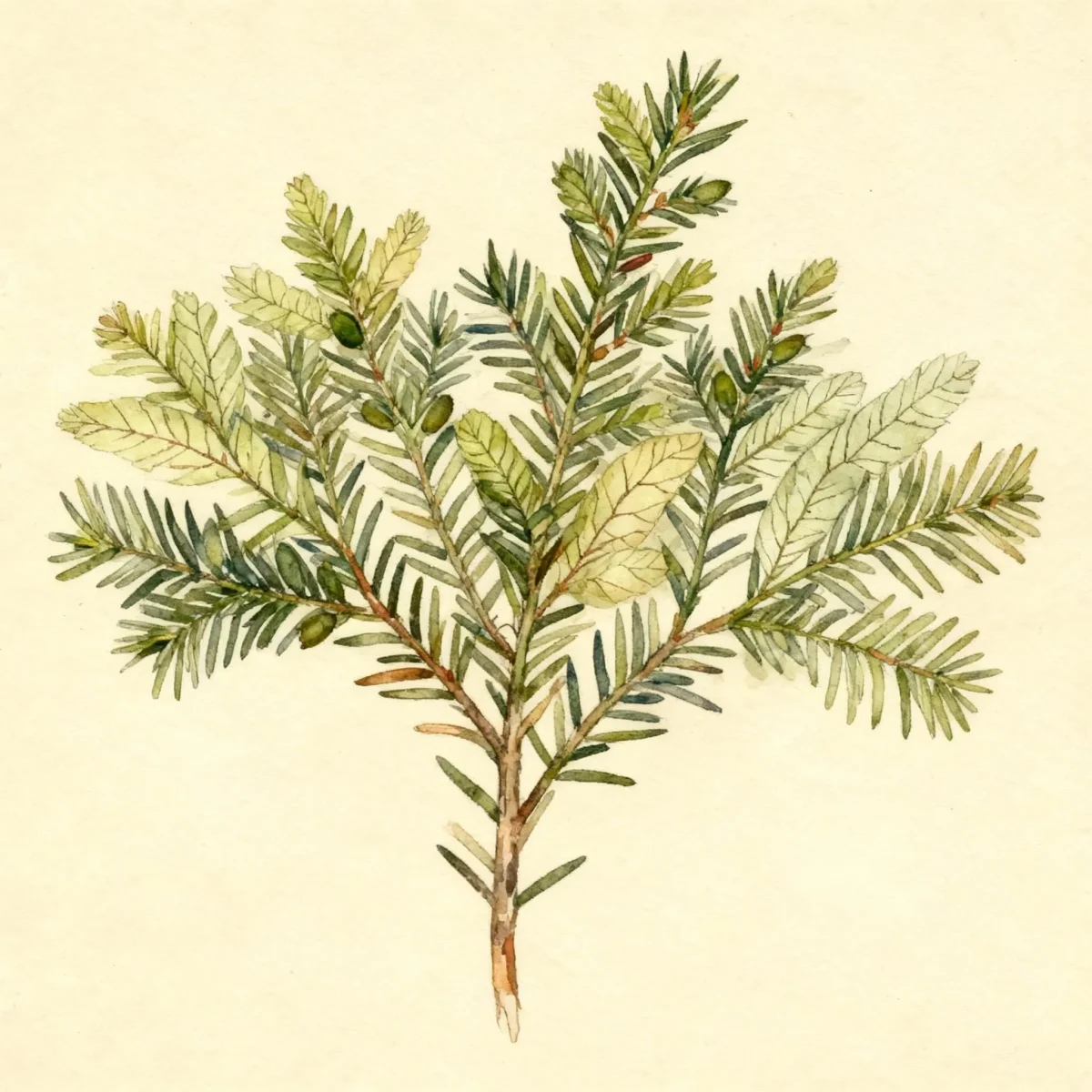
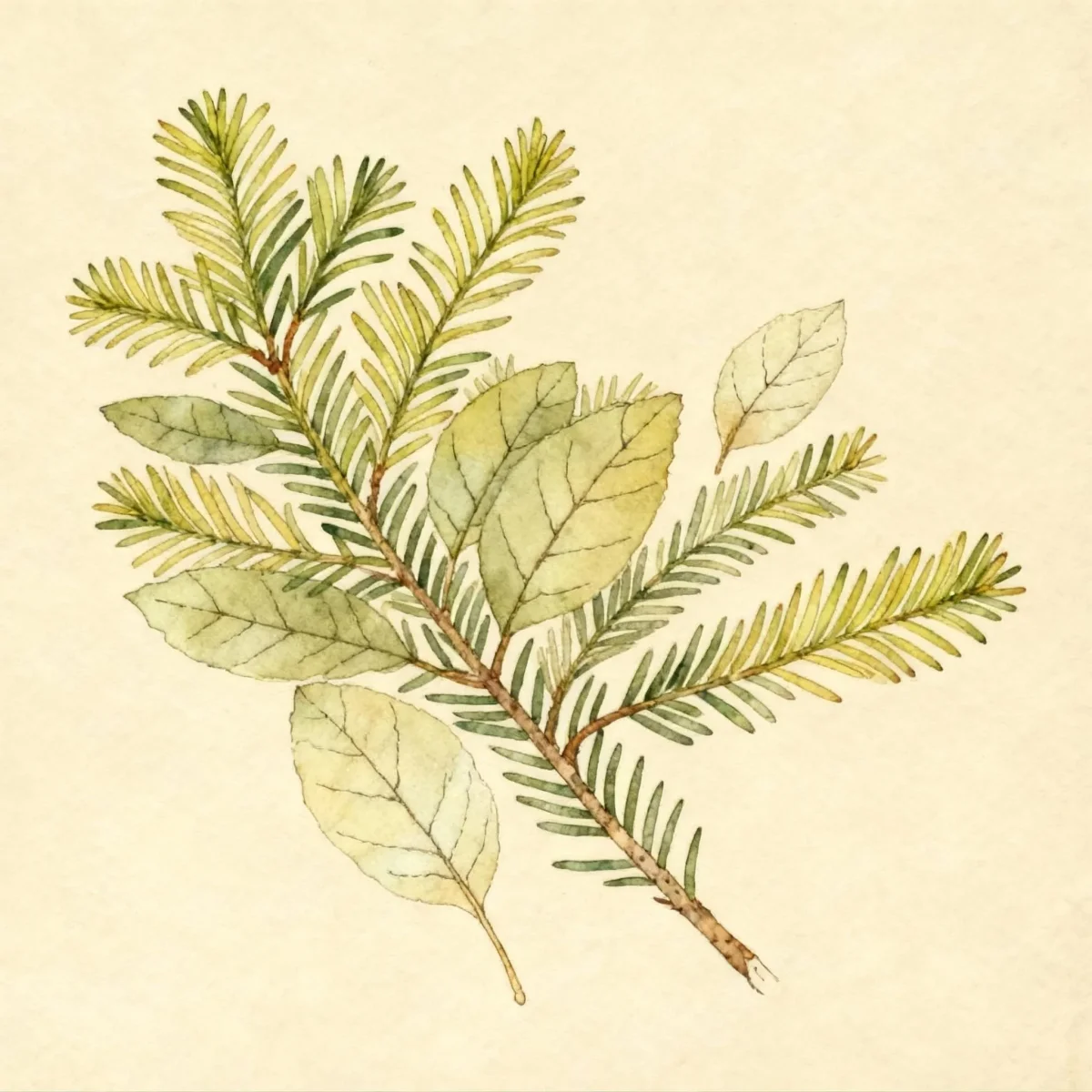
Taxus cuspidata, commonly known as Japanese yew, is a broad-columnar needled evergreen tree or multistemmed shrub native to Korea, China, Russia and Japan. In cultivation, it grows much smaller than its native 30-50’ height, exhibiting linear, spiny-tipped, dark green needles up to 1” long. Plants are dioecious; female Japanese yew plants produce attractive, berry-like cones composed of a seed surrounded by a red, fleshy structure called an aril. The ‘Capitata’ cultivar is particularly noted for maintaining a more distinctly pyramidal shape compared to the standard species.
Tolerances
- Rabbit
- Drought
- Heavy Shade
Potential Problems
Susceptibility to winter burn is a significant concern, especially when the Japanese yew is exposed to harsh, open winter sites. Occasionally, gardeners may encounter fungal issues like twig blight and needle blight, which generally require monitoring relative humidity and ensuring proper air circulation. Root rot is a serious hazard if soil drainage is inadequate; poor drainage must be vigilantly avoided when siting Taxus cuspidata ‘Capitata’. Scale insects and weevils can also become localized problems requiring appropriate management.
Frequently Asked Questions
What hardiness zones is Japanese yew suitable for?
The Taxus cuspidata ‘Capitata’ is ideally suited for USDA Hardiness Zones 4 through 7.
How large does Taxus cuspidata ‘Capitata’ grow?
When mature, expect this needled evergreen to reach heights between 10 and 25 feet, with a spread ranging from 5 to 10 feet.
What sun exposure does Japanese yew need?
This evergreen performs well across a wide range, from full sun exposures down into heavy shade environments.
When does Taxus cuspidata ‘Capitata’ bloom?
The Japanese yew is non-flowering, producing cones instead of traditional blossoms.
Conclusion
The Taxus cuspidata ‘Capitata’ remains a premier choice for long-term landscape structure due to its ease of care, shade tolerance, and dignified columnar profile. Its medium water needs and low maintenance profile make integrating a Japanese yew into your garden planning a practical decision. Before planting, always confirm that your site offers the essential requirement: excellent soil drainage to ensure the long-term health of your Taxus cuspidata ‘Capitata’.
Companion Planting
When selecting companions for the Japanese yew, focus on species that share its preference for medium moisture levels and tolerance for shade. Hostas and Astilbes are excellent groundcover choices that thrive in the dappled sunlight often found beneath mature yews, offering contrasting leaf texture and seasonal color. For taller structural companions, consider upright evergreens like Thuja occidentalis cultivars that can handle similar pruning, or broadleaf deciduous shrubs like Dogwoods that provide winter stem color when the yew’s dark needles are most prominent.
Design Ideas
The formal, upright habit of Taxus cuspidata ‘Capitata’ dictates its use in structured design schemes. Use them spaced evenly along a long driveway to create a sophisticated, rhythmic entrance line, or plant three close together as a stately anchor for a foundation planting against a large home. In modern or Japanese-inspired gardens, the dense, dark green foliage of the Japanese yew provides the necessary contrast against gravel, stone, or structural grasses, emphasizing line and form over riotous seasonal color.